
MARPE Expander Removal:
Timing & Technique
Evidence-Based Protocol for Safe Extraction
Clinical decision-making for MARPE appliance removal depends on suture maturity assessment, miniscrew stability, and patient skeletal status. Learn the evidence-backed protocol.
TL;DR MARPE expander removal timing depends on midpalatal suture maturation, typically 6 months post-expansion. Clinical assessment includes radiographic suture density evaluation, screw stability testing, and patient-specific skeletal maturity markers. Dr. Mark Radzhabov emphasizes that premature removal risks relapse, while delayed removal increases biological cost to supporting tissues.
Determining the optimal timing for MARPE expander removal remains one of the most clinically critical decisions in miniscrew-assisted rapid palatal expansion protocols. In this article, Dr. Mark Radzhabov outlines the evidence-based framework for assessing suture maturity, deactivating the expansion screw, and executing safe appliance removal in both adolescent and adult patients. This clinical guide synthesizes research on skeletal consolidation timelines, radiographic markers of suture fusion, and practical removal techniques that protect osseous and periodontal integrity during the transition from active treatment to retention.
What is MARPE expander removal and why does timing matter?
timing
MARPE expander removal is the controlled extraction of the miniscrew-supported appliance following sufficient palatal suture consolidation and completion of the expansion phase, determined by clinical and radiographic assessment of skeletal maturity. The timing of removal is clinically critical because premature extraction—before the midpalatal suture achieves adequate mineralization—significantly increases relapse risk and can compromise the skeletal gains achieved during active expansion. Conversely, prolonged appliance retention extends treatment duration, increases patient discomfort, and may impose unnecessary biological cost on periodontal and osseous support structures surrounding the miniscrews. A randomized trial (Chun et al. (2022), BMC Oral Health) found midpalatal suture separation in 95% of MARPE and 90% of conventional RPE patients, but suture consolidation follows a predictable yet patient-specific timeline. A 2022 prospective randomized clinical trial using low-dose CBCT reported that skeletal and dentoalveolar stability measures achieved their maximum values within a 3-month consolidation window following active expansion. However, full mineralization of the suture—the biological endpoint that permits safe appliance removal—typically requires 6 months or longer, depending on patient age, skeletal maturity, and individual healing capacity. Dr. Mark Radzhabov emphasizes that removal timing should never be arbitrary. Instead, clinicians must integrate three assessment domains: (1) radiographic suture density and mineralization status on cone-beam computed tomography; (2) clinical mobility testing of the miniscrews. And (3) patient-specific skeletal and periodontal health markers. This evidence-based approach minimizes relapse while optimizing biological tolerance and long-term treatment stability.
Assessing suture consolidation: radiographic and clinical criteria for removal readiness
suture maturity
Assessment of suture consolidation requires a multi-modal approach combining cone-beam computed tomography imaging, clinical stability testing, and systemic skeletal maturity indicators. On low-dose CBCT, the midpalatal suture progresses through distinct radiographic stages: initial separation (dark radiolucency), partial mineralization (mixed density with residual lucency), and near-complete ossification (homogeneous radiodensity matching adjacent cortex). The transition from partial to near-complete mineralization defines the biological window for safe removal. Clinical mobility testing of the miniscrews provides complementary real-time feedback. Using a periodontal probe or specialized testing instrument, assess whether gentle lateral pressure on the screw head produces visible movement relative to palatal soft tissue. Absence of clinical mobility, combined with radiographic evidence of suture mineralization, indicates adequate osseous integration and support. Additionally, evaluate the patient's skeletal maturity status through cervical vertebral maturation staging (if pre-existing lateral cephalographs are available) or assessment of epiphyseal closure in the hand–wrist region, if indicated. Dr. Mark Radzhabov's clinical protocol recommends obtaining a CBCT image at the 6-month post-expansion mark and performing formal suture density assessment before initiating deactivation. If mineralization appears incomplete—evidenced by residual radiolucency or periapical lucency around the screw threads—delay removal an additional 4–8 weeks and repeat imaging. In adolescent patients with open epiphyses, extend the consolidation window to 8–10 months. This individualized approach reduces relapse risk and respects the heterogeneity of skeletal healing.
Expander screw deactivation and the consolidation phase
deactivation
Once suture maturity assessment confirms readiness for removal (typically at 6 months post-active expansion in skeletally mature or near-mature patients), begin a staged deactivation protocol to reduce mechanical stress on the expanding miniscrews and allow biological stabilization. Deactivation involves systematically reducing the expansion force delivered by the screw mechanism, allowing the newly opened suture to consolidate under lower mechanical demand. The recommended deactivation sequence is performed over 2–4 weeks: (1) reduce screw activation by ¼ turn every 3–5 days until the screw reaches neutral position; (2) do not reverse the screw direction (counterclockwise turns) as this creates shear stress on miniscrew threads and surrounding bone; (3) maintain neutral position for 7–10 days before appliance removal. This tapering approach distributes the transition from active force to zero force across multiple biological cycles, reducing sudden stress relief phenomena that can trigger rebound tooth movement. During deactivation, instruct the patient to maintain excellent oral hygiene around the miniscrews and avoid forceful manipulation of the expander mechanism. Schedule follow-up visits at 1–2 week intervals to verify screw position stability and monitor for any signs of increased mobility or soft-tissue inflammation. In patients with delayed suture mineralization, extend the deactivation window proportionally. Conversely, in skeletally mature adults with homogeneous suture ossification, a 2-week deactivation may be sufficient. Documentation of each deactivation increment in the patient record ensures clinical continuity and provides a reference for future appliance management decisions.
Step-by-step removal technique and miniscrew extraction
removal
MARPE expander removal involves controlled extraction of the miniscrews and appliance framework while protecting palatal soft tissue, bone integrity, and periodontal attachment. The technique proceeds in three phases: (1) appliance disassembly; (2) miniscrew extraction. And (3) wound management and retention protocol initiation. Appliance Disassembly: Under adequate topical and local anesthesia, use a high-speed handpiece with a bur to carefully section the orthodontic acrylic or resin baseplate, separating it from the miniscrew heads. Work slowly to avoid direct contact with miniscrew threads or surrounding soft tissue. Once the framework is separated into smaller segments, remove each piece carefully with hemostats or extraction forceps, retracting palatal mucosa gently with a gauze pad. Miniscrew Extraction: After appliance disassembly, the miniscrews are extracted individually. Using a specialized miniscrew driver or hand screwdriver with appropriate torque (typically 15–20 Ncm maximum), rotate the screw counterclockwise in slow, steady increments. Do not apply excessive rotational force. If resistance is encountered, pause and allow slight tissue relaxation before resuming extraction. Once the screw is fully backed out of bone, gentle axial traction with forceps completes removal. Document any significant resistance or bone adherence, as this may indicate incomplete ossification—in which case, reposition the screw and delay extraction by 2–4 weeks. Wound Management: After extraction, allow the miniscrew socket to bleed briefly (2–3 minutes), which promotes clot formation and initial healing. Gentle pressure with sterile gauze and topical hemostatic agents (e.g., gelatin sponge) controls bleeding. Rinse the palate thoroughly with sterile saline and allow visualization of the socket site. In bicortical miniscrew cases, verify that both palatal and nasal cortical exits are free of retained fragments. Prescribe a soft-diet protocol for 1–2 weeks and provide post-operative care instructions including chlorhexidine rinses (0.12%, twice daily) for 2 weeks to reduce infection risk.
Retention and long-term stability after MARPE appliance removal
retention protocol
Post-removal retention management determines whether the skeletal expansion gains achieved during MARPE therapy remain stable or relapse over months to years. The retention phase should begin immediately upon appliance removal and continue for a minimum of 6 months. Many clinicians recommend 12 months of active retention to ensure that the consolidating suture achieves full biological stability. The recommended retention protocol utilizes fixed or removable maxillary appliances designed to prevent transverse relapse: (1) fixed retention: a bonded maxillary lingual wire or composite bar spanning the first molars and canines, maintained in situ indefinitely; (2) removable retention: a maxillary vacuum-formed retainer or wraparound appliance worn nightly for the first 6 months, then alternate nights or as-needed long-term. Clinical experience indicates that combined fixed and removable retention (hybrid approach) yields superior long-term stability, particularly in cases requiring significant expansion and in younger patients with greater relapse potential. During the retention phase, schedule clinical follow-up appointments at 1-month, 3-month, and 6-month intervals to verify appliance fit, assess for signs of transverse relapse (width reduction or posterior crossbite re-emergence), and reinforce patient compliance with removable retainer wear. Obtain a post-removal CBCT at the 12-month mark to evaluate final skeletal stability and suture ossification maturity. Evidence supports that retention duration correlates directly with stability outcomes: patients who wear retention appliances for 12+ months demonstrate significantly lower relapse rates than those retained for 6 months or less.
Modifications for adolescents, adults, and complex cases
skeletal status
Removal timing and technique vary significantly based on patient age, skeletal maturity, and whether MARPE was combined with adjunctive therapies such as laser corticotomy or surgical palatal expansion (SARPE). In adolescent patients (Cervical Vertebral Maturation stages CS3–CS4) with active epiphyseal growth, extend the consolidation and retention windows by 2–4 months compared to skeletally mature adults. Adolescents demonstrate greater relapse potential due to ongoing skeletal remodeling and incomplete final suture ossification. Thus, a 9–10 month post-expansion window before removal is prudent, with 12–18 months of retention. In skeletally mature adults (age 25+), removal can proceed at the standard 6-month post-expansion timeline provided radiographic suture maturity is confirmed. Adult patients typically demonstrate faster suture ossification and lower relapse risk, permitting a 6-month retention protocol in many cases, though hybrid fixed-removable retention is still recommended for optimal outcomes. In cases where MARPE was combined with laser corticotomy (as described in Russian protocol literature), removal timing remains 6 months post-expansion, as the corticotomy accelerates suture mineralization. Monitor for any atypical healing patterns on CBCT. For MARPE cases requiring bicortical miniscrew fixation (screws anchoring both to palatal and nasal cortex), removal may take longer due to dual-cortex engagement and higher resistance to counterclockwise extraction. Allow additional time for nasal-side socket healing post-removal. In rare instances where miniscrew breakage occurs during extraction, carefully remove the threaded remnant with a micromotor burr and explore the socket to confirm fragment removal. Document these adverse events and adjust retention timing accordingly, as bone trauma may delay suture ossification maturity.
Clinical mistakes and how to prevent them during removal
avoid relapse
Several common clinical errors compromise removal outcomes and increase relapse risk. The most frequent mistake is premature removal—proceeding with appliance extraction before radiographic suture maturity is confirmed, driven by patient impatience or treatment schedule pressure. This results in incomplete ossification, excessive relapse (5–8 mm transverse width loss in worst cases), and potential need for re-treatment. Always obtain CBCT confirmation of suture density before commencing deactivation, regardless of calendar time elapsed. A second critical error is aggressive or high-torque miniscrew extraction, which damages the osseous socket and impairs healing. Some clinicians apply excessive counterclockwise force in an attempt to speed extraction, causing bone microfractures, screw thread separation from bone, and compromised periodontal attachment around the extraction site. Use low, steady torque (15–20 Ncm maximum) and pause if significant resistance is encountered. If extraction proves difficult after 2–3 minutes of gentle rotation, allow 2–4 weeks of additional consolidation and retry. A third pitfall is inadequate or non-compliance with post-removal retention protocol. Many clinicians deliver the expanded result to the general dentist or assume patient-managed retention, only to discover months later that the patient abandoned retainer wear and experienced significant relapse. Establish clear retention expectations with the patient before removal, provide written post-operative instructions, and schedule active follow-up appointments at 1, 3, and 6 months. Dr. Mark Radzhabov recommends treating retention as a clinical responsibility equal to the removal procedure itself—poor retention negates excellent MARPE outcomes. Finally, some clinicians fail to document suture maturity assessment, deactivation sequence, or extraction resistance in the patient record. This creates continuity problems if the patient transfers care and prevents learning from individual healing variation. Detailed charting of CBCT findings, screw mobility grades, and any extraction difficulties informs future case management and supports evidence-based decision-making.
Free Chairside PDF
MARPE Retention and Appliance Removal: 3 Options
Dr. Mark Radzhabov's one-page guide: how long to hold the expansion, three retention options with pros and cons, and the relapse sign to check after removal. Free to your inbox.
Prefer video? Watch the free demo lesson on MARPE appliance types, features and trade-offs.
Documented outcomes
Clinical cases from Dr. Mark Radzhabov's practice
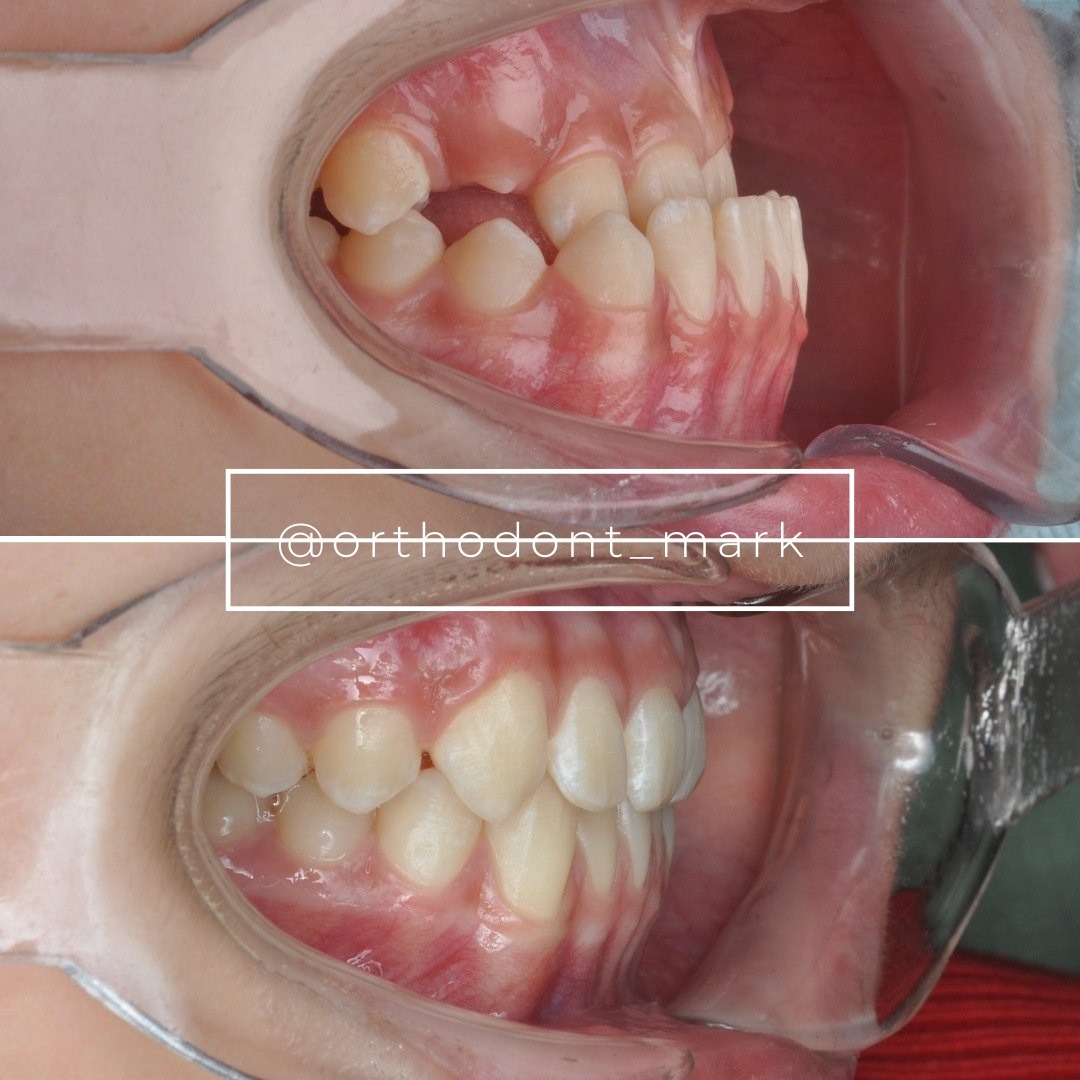
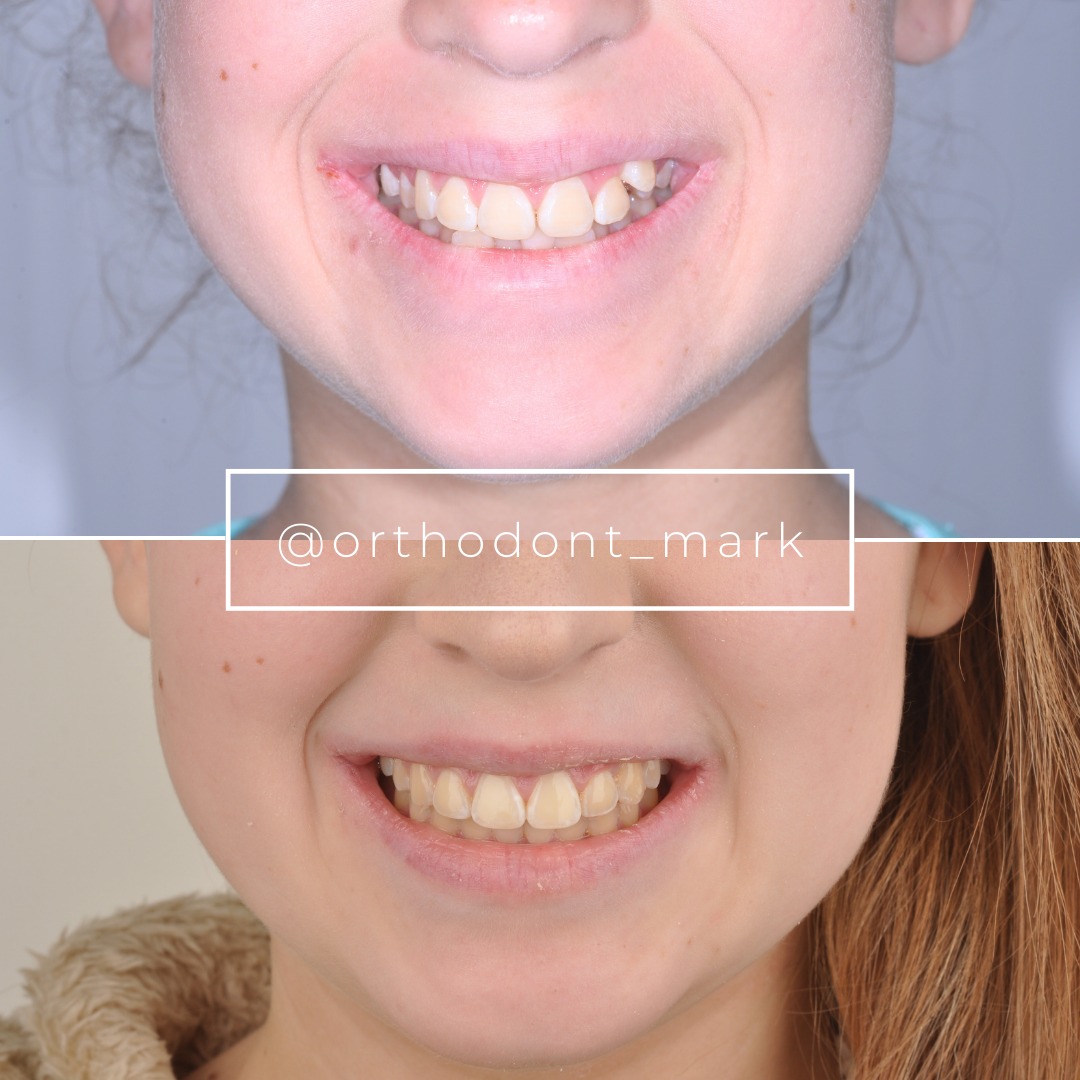

Learn the full MARPE protocol from Dr. Mark Radzhabov
Fundamental course covering CBCT patient selection, miniscrew planning, activation protocols, and 60+ clinical cases. Choose the access level that fits your practice.
Essentials of rapid palatal expansion for practicing orthodontists.
- Core RPE concepts and biomechanics
- 6 structured video lessons
- Clinical decision checklists
- Lifetime access to recordings
Deep-dive into MARPE protocol, diagnostics, and clinical execution.
- 6 modules covering MARPE from A to Z
- CBCT case selection walkthroughs
- Miniscrew placement and activation
- 60+ annotated clinical cases
- Direct Q&A with Dr. Mark Radzhabov
5-element medical consultation framework for dentists and orthodontists.
- Trust-building consultation protocol
- 5 lesson modules
- Templates for treatment plan delivery
- Works with any clinical specialty
Clinical FAQ
When should I remove MARPE expander after active expansion is complete?
Remove MARPE at 6 months post-expansion in skeletally mature adults with confirmed radiographic suture ossification. Adolescents require 9–10 months. Always verify suture maturity on CBCT before proceeding with removal.
How do I assess midpalatal suture maturity on CBCT before MARPE removal?
Evaluate suture radiodensity progression: initial separation shows dark radiolucency. Partial mineralization shows mixed density with residual lucency. Complete ossification shows homogeneous density matching adjacent cortex. Removal is safe only when near-complete or complete ossification is evident.
What is the optimal MARPE expander deactivation protocol?
Reduce screw activation by ¼ turn every 3–5 days over 2–4 weeks until neutral position is reached. Maintain neutral for 7–10 days before removal. Never reverse-rotate (clockwise). This creates shear stress on miniscrew threads and bone.
Should MARPE miniscrews be extracted all at once or sequentially?
Extract miniscrews one at a time under controlled conditions. Use low torque (15–20 Ncm maximum) with steady counterclockwise rotation. Allow brief hemostasis (2–3 minutes) after each extraction before proceeding to the next screw.
How do I test for miniscrew mobility clinically before MARPE removal?
Use a periodontal probe or testing instrument to apply gentle lateral pressure on the screw head. Absence of visible movement relative to palatal soft tissue indicates adequate osseous integration and readiness for removal. Mobility suggests incomplete ossification—delay removal.
What retention protocol should I use after MARPE appliance removal?
Implement hybrid fixed–removable retention: bonded maxillary lingual wire plus vacuum-formed retainer. Maintain active retention for minimum 6 months (12+ months preferred). Schedule follow-up at 1, 3, and 6 months to verify stability and compliance.
Do adolescents require longer MARPE removal and retention timing than adults?
Yes. Adolescents (CS3–CS4) require 9–10 month post-expansion consolidation before removal and 12–18 months retention due to ongoing skeletal remodeling and greater relapse potential. Adults require 6 months and 6–12 months retention respectively.
What complications can occur during MARPE miniscrew extraction?
High-torque extraction can cause bone microfractures and screw thread separation. If resistance is encountered, pause and allow 2–4 weeks additional consolidation. Bicortical screws may require longer extraction time due to dual-cortex engagement.
How long should post-removal CBCT imaging confirm suture consolidation?
Obtain CBCT at 12 months post-removal to evaluate final skeletal stability and complete suture ossification. This confirms that consolidation phase is mature and informs decisions about transitioning from active to long-term retention.
What is the most common cause of MARPE relapse after removal?
Premature removal before radiographic suture ossification is confirmed, combined with inadequate retention compliance. Always verify CBCT maturity before removal and enforce 12+ months retention to prevent transverse width loss.
Successful MARPE expander removal hinges on patient-specific assessment of palatal suture consolidation rather than rigid time-based protocols. Clinicians must integrate radiographic evidence, clinical stability testing, and individual healing capacity to determine removal readiness. Dr. Mark Radzhabov recommends documenting suture maturity on CBCT before commencing deactivation and removal. Consider consulting his evidence-based MARPE curriculum or scheduling a case review at ortodontmark.com to refine your removal protocol and optimize long-term skeletal stability outcomes.