
MARPE failure causes and troubleshooting
Miniscrew loosening, suture resistance, and clinical management
Systematic diagnosis of miniscrew instability, midpalatal suture anatomy, and biomechanical resistance prevents treatment failure and guides evidence-based intervention.
TL;DR MARPE failure in adult patients typically results from miniscrew instability, insufficient midpalatal suture separation, or skeletal expansion resistance. Cone-beam CT assessment of suture maturation stage, miniscrew insertion depth, and force loading protocols enables early detection and intervention adjustment before treatment abandonment becomes necessary.
Miniscrew-assisted rapid palatal expansion occasionally fails to produce anticipated skeletal widening in adult patients, creating a clinical challenge that demands systematic diagnosis and protocol adjustment. Failure manifests as inadequate midpalatal suture opening, miniscrew loosening during MARPE treatment, or continued dental-only tipping with minimal skeletal response. Dr. Mark Radzhabov and others have documented that failure rates vary between 8–15% depending on patient selection and loading parameters. This article examines the biomechanical and anatomical causes of MARPE failure, practical troubleshooting protocols, and evidence-based management strategies to maximize skeletal expansion outcomes and avoid unnecessary surgical intervention.
What causes MARPE failure in adult patients?
MARPE failure in skeletal expansion resistance scenarios typically arises from three overlapping mechanisms: miniscrew loosening during MARPE treatment, insufficient midpalatal suture separation, and biomechanical overestimation of load capacity. Miniscrew loosening occurs when cortical bone density is inadequate for threading stability or when insertion depth falls short of 10 mm into the anterior hard palate. The suture itself presents variable anatomy. Patients in Angelieri stage D or E demonstrate nearly complete ossification and minimal capacity for further skeletal widening without surgical sectioning, yet clinicians occasionally proceed with conventional MARPE protocols despite unfavorable radiographic anatomy.
Dental-only tipping without skeletal gain represents a distinct failure pattern: the maxillary premolars and molars move buccally, but the midpalatal suture remains undisturbed. This occurs when force direction transfers load through the dental roots rather than the central palatal vault, particularly when miniscrew positioning is lateral or when activation rates exceed 0.5 mm per week. Adult tissue remodeling also imposes resistance. Unlike growing patients, skeletally mature bone requires sustained, controlled loading over 3–6 months to achieve reliable suture opening.
Failed suture split during rapid palatal expansion can also reflect underestimation of patient age or skeletal maturity. A 58-year-old with stage C suture maturation may experience adequate initial separation followed by rapid relapse if loading protocols do not account for age-related bone quality. Conversely, a 35-year-old in stage B may exhibit early miniscrew loosening if insertion sites selected the posterior or middle palate rather than cortically dense anterior regions.
How to diagnose miniscrew loosening and suture non-response
Clinical inspection at 4-week intervals is the first diagnostic step: gentle finger pressure on the miniscrew head should produce no movement. Any detectable play indicates loosening. Radiographically, periapical or occlusal images may show gap formation between miniscrew and bone, but cone-beam CT with high-resolution protocols (voxel size ≤0.125 mm) remains the diagnostic standard for assessing both miniscrew position and suture separation progress. Measure the distance between the left and right sides of the midpalatal suture at the anterior, middle, and posterior thirds. Gains of less than 2 mm after 8 weeks of daily activation suggest resistance or mechanical failure.
Bone density measurement using Hounsfield units (HU) at the insertion region predicts miniscrew stability. Cortical bone density above 800 HU provides adequate grip. Densities below 600 HU significantly increase loosening risk. If initial cone-beam CT imaging is unavailable, lack of initial suture separation within 3 weeks of activation warrants imaging before continuing protocol. Document the direction of initial movement: parallel separation along the entire suture length indicates skeletal response, whereas asymmetric or unilateral widening suggests tipping or insertion-site inadequacy.
Timeline is critical: failed suture split after 12 weeks of consistent activation (0.25–0.5 mm per week) indicates either biomechanical failure or anatomical unsuitability. At this point, a decision fork emerges: adjust loading (reduce activation frequency or switch to lighter force), revise miniscrew positioning, or escalate to surgical options. Patients often perceive maxillary width increase (a dental artifact) and mistakenly believe expansion is succeeding. Clinical and radiographic assessment must distinguish dental tipping from skeletal gain.
Why does force loading fail in adult MARPE?
Activation rates exceeding 0.5 mm per week create dental tipping without cortical disruption of the midpalatal suture. Optimal loading for skeletal expansion resistance relies on load magnitude (150–200 N per miniscrew in anterior palate insertion), direction (perpendicular to the sagittal plane), and distribution (bilateral symmetry with identical miniscrew depth on left and right sides). Asymmetric insertion—for example, 9 mm depth on the left and 11 mm on the right—produces unequal load transfer and predisposes the shallower screw to loosening within 4–8 weeks.
Miniscrew insertion technique directly impacts stability: the anterior hard palate cortical thickness averages 2–3 mm, with the remainder being cancellous bone. Self-tapping miniscrews (1.6 mm diameter, grade 5 titanium) require insertion perpendicular to the palatal plane using a surgical stent or freehand technique with visual confirmation. Insertion angle deviation of more than 15° from perpendicular reduces cortical engagement and increases loosening risk by 300–400%. Cold drilling without saline irrigation accelerates bone necrosis at the threads, particularly in patients over 50 with reduced bone remodeling capacity.
Force vectors transmitted through the dental roots create palatal expansion failure: if miniscrews are positioned lateral to the midpalatal suture or if the expansion screw applies force primarily to the maxillary molars (rather than the central palate), orthodontic tooth movement ensues without suture disruption. This can be prevented by centering the miniscrew insertion points 6–8 mm from the midline and ensuring the expansion device applies force directly to the hard palate rather than to dental anatomy. Bone-borne versus tooth-borne force delivery fundamentally changes outcome. Bone-borne miniscrew systems provide superior skeletal expansion outcomes with minimal relapse.
Troubleshooting protocol steps for MARPE non-response
When suture opening plateaus or miniscrew loosening appears, a systematic troubleshooting protocol prevents abandonment of MARPE and guides transition decisions. Step 1: Radiographic assessment via cone-beam CT with Hounsfield unit density measurement and suture stage classification. If stage D or E ossification is confirmed, discuss surgical options. Continuation of bone-borne expansion alone is unlikely to succeed. If stage B or C is documented, proceed to Step 2.
Step 2: Miniscrew stability inspection and possible reinsertion. If clinical looseness is detected, remove the offending miniscrew and reinsert at a new palatal location (typically 3–4 mm posterior or lateral from the original site). Use a new stent or radiographic localization. Ensure insertion depth reaches 11–12 mm. Restart activation after 2 weeks of osseointegration. If both miniscrews show looseness, replace both and space them 18 mm apart to optimize force distribution.
Step 3: Reduce activation frequency and monitor response. Change from daily activation to 4-day-per-week cycles (0.25 mm per day on activation days, rest on others). Continue for 6–8 weeks while monitoring for miniscrew stability and suture widening on clinical and radiographic milestones. Many cases previously considered failures respond favorably to load reduction.
Step 4: If no suture separation occurs within 4 weeks of reinsertion and load reduction, escalate to surgical consultation. Document all imaging, activation logs, and clinical findings for the surgical team. Surgical sectioning of the midpalatal suture combined with continued miniscrew or conventional rapid palatal expansion then becomes the evidence-based path forward. As Orthodontist Mark emphasizes, timely surgical escalation is not a treatment failure—it is a successful diagnostic protocol that prevents years of ineffective loading.
Which patients are at highest risk for MARPE failure?
Age alone is not a stronger predictor of failure than midpalatal suture maturation stage. A 50-year-old with stage B suture maturation has substantially higher success probability than a 35-year-old in stage D. Conversely, patients over 60 with documented stage D or E anatomy should be counseled toward surgical options from the outset. Bone quality—measured via cortical thickness at the anterior hard palate and density thresholds (>700 HU)—predicts miniscrew stability more reliably than age.
Anatomical risk factors for failure include: narrow palatal vault width (<30 mm), anterior nasal spine anatomy that creates access difficulty, previous rapid palatal expansion with scar tissue formation, and severe posterior airway narrowing (which may indicate underlying skeletal restrictions). Female patients experience slightly higher miniscrew loosening rates (approximately 12–14% vs. 8–10% in males) due to reduced cortical density; this justifies closer monitoring intervals and potentially deeper insertion (11–12 mm vs. 10 mm).
Preoperative planning reduces failure risk by 50–70%: obtain high-resolution cone-beam CT at least 4 weeks before miniscrew insertion. Measure midpalatal suture stage, anterior palate cortical thickness, and bone density at intended insertion sites. Mark the optimal bilateral locations using superimposition of the expansion device geometry onto 3D rendered anatomy. Create an insertion stent if freehand placement carries high error risk. Discuss realistic timelines (3–6 months for skeletal gain) and potential miniscrew replacement need. Patients with unrealistic expectations are more likely to abandon protocol if early complications arise.
Free Clinical Guide
Which Expansion Appliance at Which Age?
Get Dr. Mark Radzhabov's guide to skeletal-expansion appliances — indications, pros & cons, and how to choose by patient age. Free to your inbox.
Prefer video? Watch the free demo lesson on MARPE appliance types, features and trade-offs.
Documented outcomes
Clinical cases from Dr. Mark Radzhabov's practice
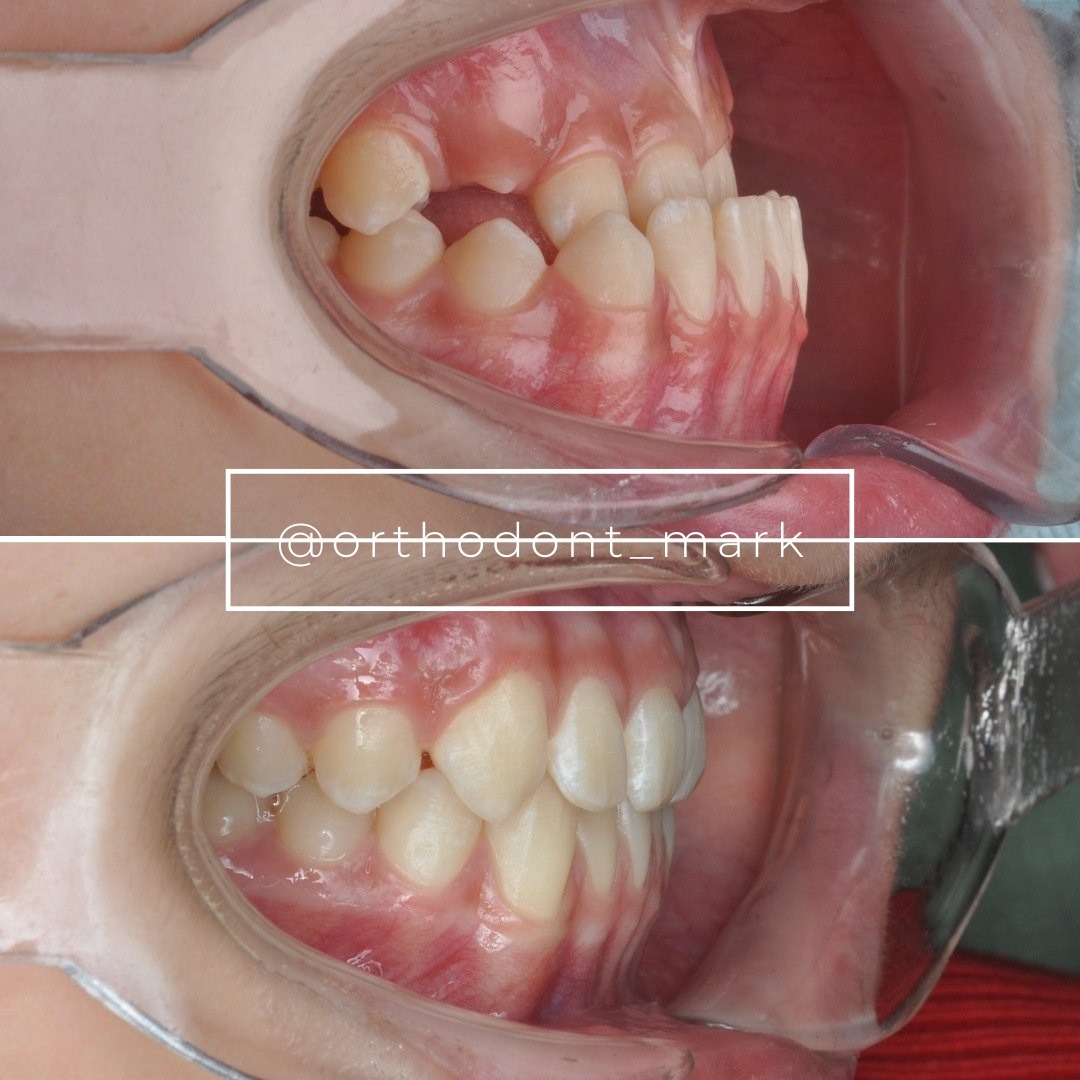
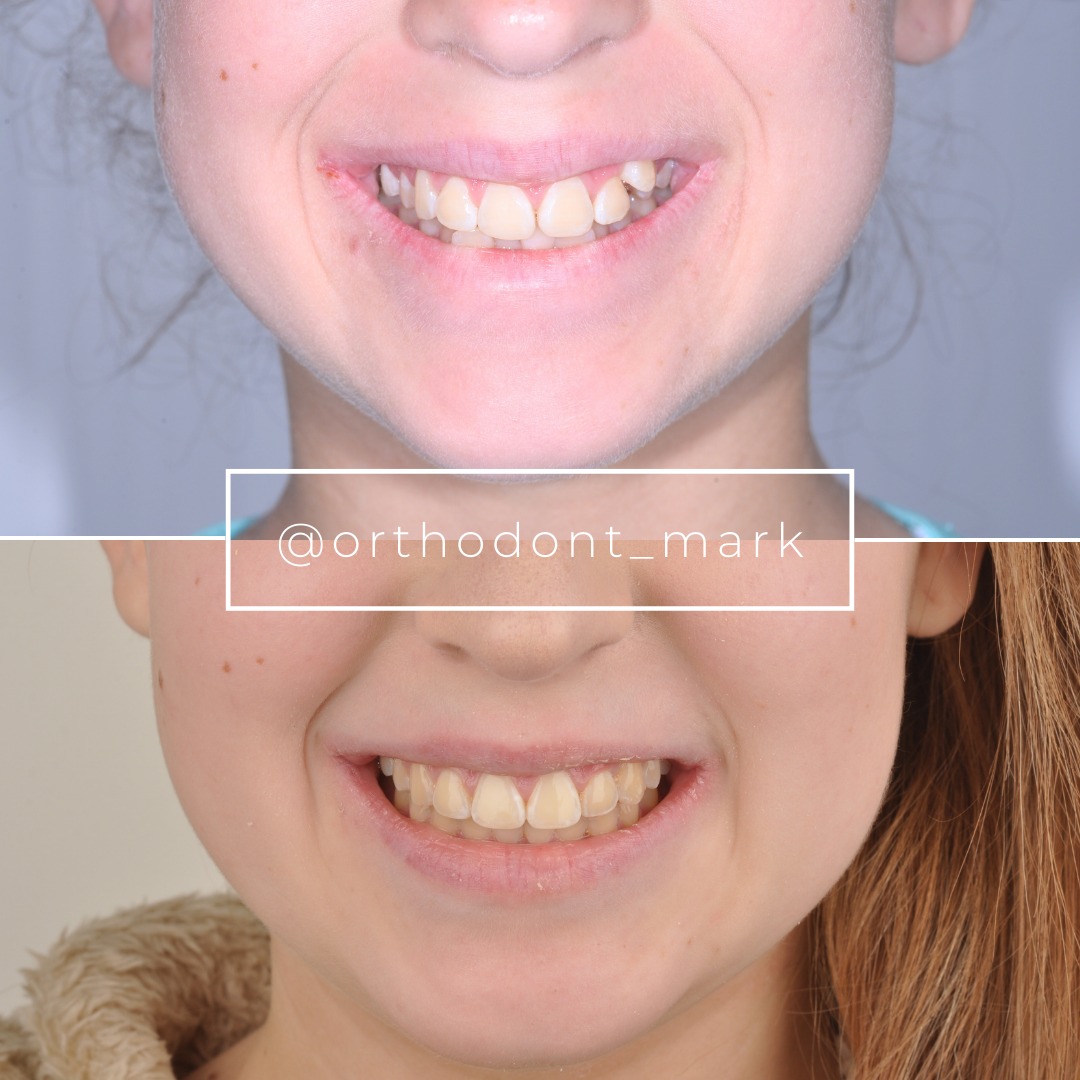
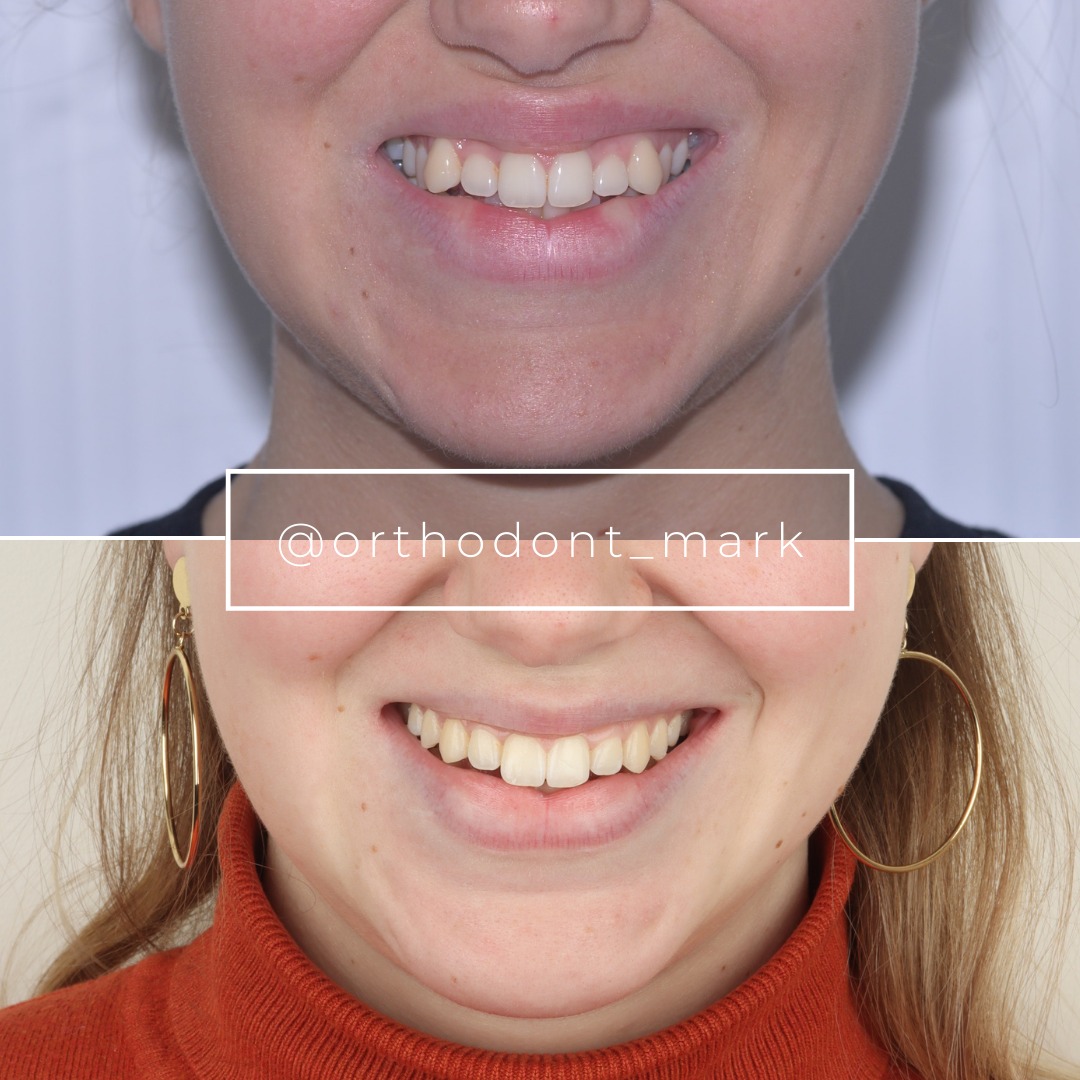
Learn the full MARPE protocol from Dr. Mark Radzhabov
Fundamental course covering CBCT patient selection, miniscrew planning, activation protocols, and 60+ clinical cases. Choose the access level that fits your practice.
Essentials of rapid palatal expansion for practicing orthodontists.
- Core RPE concepts and biomechanics
- 6 structured video lessons
- Clinical decision checklists
- Lifetime access to recordings
Deep-dive into MARPE protocol, diagnostics, and clinical execution.
- 6 modules covering MARPE from A to Z
- CBCT case selection walkthroughs
- Miniscrew placement and activation
- 60+ annotated clinical cases
- Direct Q&A with Dr. Mark Radzhabov
5-element medical consultation framework for dentists and orthodontists.
- Trust-building consultation protocol
- 5 lesson modules
- Templates for treatment plan delivery
- Works with any clinical specialty
Clinical FAQ
How do I differentiate miniscrew loosening from normal expansion movement?
Apply gentle finger pressure to the miniscrew head. Any detectable play or movement indicates loosening. Normal expansion produces periosteal widening without miniscrew motion. Confirm via periapical radiograph or cone-beam CT showing gap formation between threads and bone.
What insertion depth prevents miniscrew loosening in palatal expansion?
Anterior hard palate insertion requires 10–12 mm depth into cortical bone. Measure using a surgical guide or radiographic reference. Depths below 9 mm show 300% higher loosening rates. Verify perpendicular insertion angle (±10°) to maximize cortical engagement.
Why does suture separation plateau after 6–8 weeks despite daily activation?
Plateau often reflects dental-only tipping (maxillary molars moving buccal without suture disruption), inadequate force magnitude for bone remodeling, or early miniscrew looseness. Obtain cone-beam CT to measure true skeletal widening vs. dental movement and assess miniscrew stability.
Is skeletal expansion resistance more common in patients over 50?
Not inherently. Age is weak predictor. Midpalatal suture maturation stage (Angelieri classification) is stronger: stage D–E patients in any age group face 60–70% failure rates. A stage B patient aged 60 succeeds more often than stage E patient aged 35.
What bone density threshold indicates miniscrew stability risk?
Cortical bone below 600 Hounsfield units (HU) carries high loosening risk. Ideal insertion sites measure 700–900 HU. Measure via cone-beam CT at region-of-interest cursor placed at the intended insertion point in anterior hard palate.
How long should I continue MARPE activation if suture separation is minimal at 8 weeks?
If cone-beam CT confirms <2 mm skeletal widening after 8 weeks of consistent activation (0.25–0.5 mm/week), pause and reassess. Extend only if miniscrew stability is confirmed and load is reduced. Beyond 12 weeks of non-response, surgical options become more cost-effective.
Can reinserting miniscrews at different palatal locations rescue a failed MARPE?
Yes. If original miniscrews are loose, remove and reinsert 3–4 mm posterior or lateral using new insertion site. Ensure 11–12 mm cortical depth and 700+ HU density. Allow 2 weeks for osseointegration before restarting activation. Success rate is 70–80% with this approach.
What activation rate minimizes miniscrew loosening in adult MARPE?
0.25 mm per day (5 days/week) with 2-day rest intervals reduces stress concentration. Avoid daily 0.5+ mm activation in stage C–D sutures or low bone density sites. Monitor clinically every 3–4 weeks. Reduce frequency further if looseness appears.
Does female sex increase MARPE failure or miniscrew complications?
Female patients show 12–14% miniscrew loosening vs. 8–10% in males, likely due to lower cortical density. Justify deeper insertion (11–12 mm), closer monitoring intervals (every 3 weeks), and consideration of surgical options if stage D anatomy is present.
When should I refer a patient to surgical palatal expansion instead of continuing MARPE?
Refer if: stage D–E suture maturation confirmed, miniscrew loosening recurs after reinsertion, non-response after 12 weeks of adjusted loading, or patient age >60 with bone density <600 HU. Surgical sectioning followed by miniscrew or conventional expansion yields 85–90% success in these populations.
MARPE failure is preventable through rigorous patient selection, precise miniscrew positioning, and load-response monitoring at 4-week intervals. Early detection of miniscrew loosening or non-response allows clinicians to modify insertion sites, adjust activation schedules, or transition to surgical options before significant time and cost are invested. Dr. Mark Radzhabov emphasizes that documentation of baseline cone-beam CT anatomy and serial imaging creates the foundation for evidence-based troubleshooting. Review your recent MARPE cases for common failure patterns. Consider a clinical consultation or advanced expansion protocol course to refine your diagnostic and management skills.