
Reading MARPE Force Displacement
Curves
From the Activation Log
Systematic interpretation of miniscrew resistance and load changes reveals midpalatal suture separation, anchorage stability, and appliance integrity. Master the protocol that separates routine expansion from evidence-based skeletal treatment.
TL;DR Reading MARPE force displacement curves from activation logs requires systematic interpretation of resistance patterns, load changes, and deviations from the expected protocol curve. The activation log documents screw turns, insertion torque, and clinical observations. Plotting displacement against activation turns reveals whether resistance indicates midpalatal suture separation, anchorage loss, or appliance failure. Clinicians should track nonlinear force changes to predict outcomes and adjust treatment timing.
Miniscrew-assisted rapid palatal expansion (MARPE) introduces a critical clinical variable absent in conventional RPE: direct measurement of force and resistance through activation logs. Unlike tooth-borne expanders, which rely solely on radiographic confirmation, MARPE force displacement curves document the real-time biomechanical response of the palate to miniscrew loading. Dr. Mark Radzhabov and his clinical team emphasize that proper interpretation of these curves separates routine expansion from evidence-driven treatment planning. This article walks through the practical method: what the activation log captures, how to plot and read force displacement data, and what clinical signs predict success or demand protocol modification.
What Is an Activation Log and Why
Resistance Curves Matter
An activation log is a structured clinical record documenting each appliance activation event: date, number of screw turns, insertion torque measurement (if recorded), patient-reported discomfort, clinical observations, and radiographic notes. Unlike RPE, where tooth movement dominates, MARPE expansion depends on miniscrew anchorage and midpalatal suture compliance. The activation log captures this skeletal response in real time.
Force displacement curves emerge when you plot cumulative screw turns (x-axis) against measured or estimated resistance (y-axis). The curve's shape—steep, gradual, plateaued, or erratic—tells a clinical story: early resistance may indicate dense palatal bone. A plateau suggests suture separation. Sudden spikes flag potential appliance failure or anchorage loss. Clinicians who log activation torque and cross-reference it with cone-beam imaging report higher confidence in timing protocol adjustments.
The activation log also serves legal and outcome documentation: it records the precise mechanical load applied, justifying decisions to continue expansion, pause treatment, or switch methods. In complex cases with vertical growth tendencies or suspect miniscrew positioning, this record becomes invaluable for case review and troubleshooting.
How to Plot and Interpret Force
Displacement Data
Begin by establishing a baseline: record insertion torque at miniscrew placement (typically 10–12 Ncm for palatal screws). At each activation appointment, measure reactivation torque—the force required to turn the screw one full turn. Some appliances (MSE, Benefit) have torque-calibrated activation keys. Others rely on clinician feel and patient feedback. Document the number of turns and the clinical effort required.
On graph paper or spreadsheet, plot cumulative turns on the x-axis and activation torque on the y-axis. Connect the points chronologically. The resulting curve has three typical phases. Phase 1 (weeks 1–3): Rising resistance. Torque increases steadily as palatal bone and soft tissue compress. Phase 2 (weeks 3–8): Plateau or leveling. Resistance stabilizes or drops slightly as midpalatal suture separation allows screw advancement with less force. Phase 3 (week 8+): Post-separation stability. Torque may rise again if bone fills the gap or if unintended side effects (like dentoalveolar or periodontal strain) increase resistance.
Deviations signal problems. A sudden torque spike mid-expansion may indicate miniscrew loosening, angular tilting, or bone contact at the appliance housing. Absence of a plateau despite 8+ weeks of expansion suggests either dense anatomy requiring surgical assistance or miscalibrated activation. Plotting forces against CBCT imaging intervals anchors interpretation in actual skeletal change, not assumption.
Interpreting Resistance Patterns and
Clinical Decision Points
When you examine the activation log curve, ask five diagnostic questions. First: Is resistance linear or nonlinear? Linear increase (steady +0.3–0.5 Ncm per turn) indicates healthy bone remodeling and no suture separation yet. Nonlinear jumps or plateauing between weeks 2–4 suggest early suture opening. Second: Does the curve match your anatomy prediction? Dense palates (common in adults, high bone density on CBCT) show steeper slopes. Pneumatized or broad palates flatten earlier. If your clinical anatomy suggests openness but the curve remains steep at week 6, suspect miniscrew loosening or misalignment.
Third: Are there inflection points? An inflection—where the curve changes from steep to shallow—marks the transition from resistance-dominated (bone) to compliance-dominated (suture opening) expansion. This inflection ideally occurs between weeks 3 and 5. Later inflection (week 6+) in a young patient may warrant CBCT confirmation of suture status. Fourth: Do torque spikes correlate with reported events? If the curve spikes on a specific date, cross-reference the log: Was the screw manually retightened? Did the patient report acute bite opening or sharp pain? These details disambiguate mechanical failure from normal biology.
Fifth: How does the final plateau compare to your baseline? If reactivation torque drops below insertion torque after separation, the miniscrew is stable in newly opened space—a favorable sign. If torque climbs above initial insertion torque despite separation, suspect unintended anchor tooth movement (dentoalveolar expansion rather than skeletal) or soft-tissue fibrosis. As Orthodontist Mark emphasizes in case reviews, these subtle curve signatures guide the timing of retention protocols and the decision to image or re-examine.
Skeletal Expansion Force Measurement in
Protocol Modification
Real clinical practice demands rapid, evidence-informed decisions from curve data. Scenario 1: A 15-year-old completes week 4 with a clear plateau in the activation log. Torque has dropped from 2.1 Ncm to 1.4 Ncm. The curve predicts suture separation. Before advancing to retention, order a low-dose CBCT coronal view. If midpalatal suture separation is confirmed, document it, consider an additional 1–2 weeks of light activation (1–2 turns/day) to maximize gap opening, then begin your retention protocol (no further turns). The curve, paired with imaging, justified this decision without prolonged guesswork.
Scenario 2: A 17-year-old's activation log shows rising resistance without plateau by week 6. Torque has climbed to 3.2 Ncm and continues climbing. The curve predicts incomplete suture separation or high bone density. Obtain CBCT. If suture separation is absent and anatomy is dense, discuss options: continue activation for 2 more weeks with possible adjunctive low-dose corticotomy referral, or counsel the family on staged treatment (expansion pause, surgical window, resumption). The curve's absence of a plateau triggered timely imaging and prevented months of futile activation.
Scenario 3: An adult's curve shows a sharp spike at turn 42 after a smooth 6-week ascent. Clinically, the patient reports asymmetric bite opening and mild soreness. Inspect the appliance: is one miniscrew tilted or loose? Check for dentoalveolar vs. skeletal expansion via CBCT. The torque spike may indicate unintended side effects or miniscrew slipping. Activation logs and force curves serve as early warning systems, allowing you to catch and correct protocol drift before irreversible dentoalveolar effects or periodontal damage occur.
Avoiding Misreadings in MARPE Activation
Protocol Curves
Pitfall 1: Confusing insertion torque with activation torque. Insertion torque is measured once at miniscrew placement and reflects initial bone contact. Reactivation torque is measured at each visit and reflects the cumulative effect of expansion. Plotting insertion torque as your baseline will skew the entire curve. Always measure reactivation torque using the same calibrated driver at each appointment, or record patient-reported resistance and clinical effort consistently. This creates an internally valid curve even if absolute values drift.
Pitfall 2: Misinterpreting patient-reported “resistance” without quantified measurement. Patients often report jaw discomfort, clenching, or bite pressure that are psychogenic, not mechanical. A patient saying “it feels harder to turn” may reflect habit, muscle soreness, or anxiety, not actual force increase. Whenever possible, use a torque wrench or pressure-calibrated activation key (standard on MSE and Benefit systems). If relying on clinical judgment, note the difficulty on a consistent scale (e.g., 1–5) and cross-reference CBCT findings.
Pitfall 3: Ignoring asymmetric resistance. If one miniscrew's log shows steady resistance but the other shows spikes, the appliance may be tilting or one screw may be loosening. Plot both screws' curves separately or overlay them. Asymmetry is a red flag for imaging and mechanical inspection, not a reason to average the data and dismiss the signal.
Pitfall 4: Expecting the same curve shape in every patient. Vertical-growth patients, high bone-density adults, and pneumatized palates all produce different activation curves. Rather than comparing your patient's curve to a published “textbook” shape, compare it to your own anatomic prediction and prior patient cohorts. Dr. Mark's clinical protocol includes a pre-treatment CBCT assessment of bone density and palatal anatomy, informing expected resistance ranges and the anticipated week of plateau. This personalized baseline prevents false alarms.
Pitfall 5: Continuing activation without CBCT confirmation of suture separation. A plateau in the activation log is a strong predictor of separation, but not absolute proof. Always obtain imaging (CBCT coronal view) at the suspected separation point (weeks 3–5 in adolescents, weeks 5–8 in adults) before entering retention. The log curve is a clinical guide, not a diagnostic tool in isolation.
Free Clinical Guide
Which Expansion Appliance at Which Age?
Get Dr. Mark Radzhabov's guide to skeletal-expansion appliances — indications, pros & cons, and how to choose by patient age. Free to your inbox.
Prefer video? Watch the free demo lesson on MARPE appliance types, features and trade-offs.
Documented outcomes
Clinical cases from Dr. Mark Radzhabov's practice

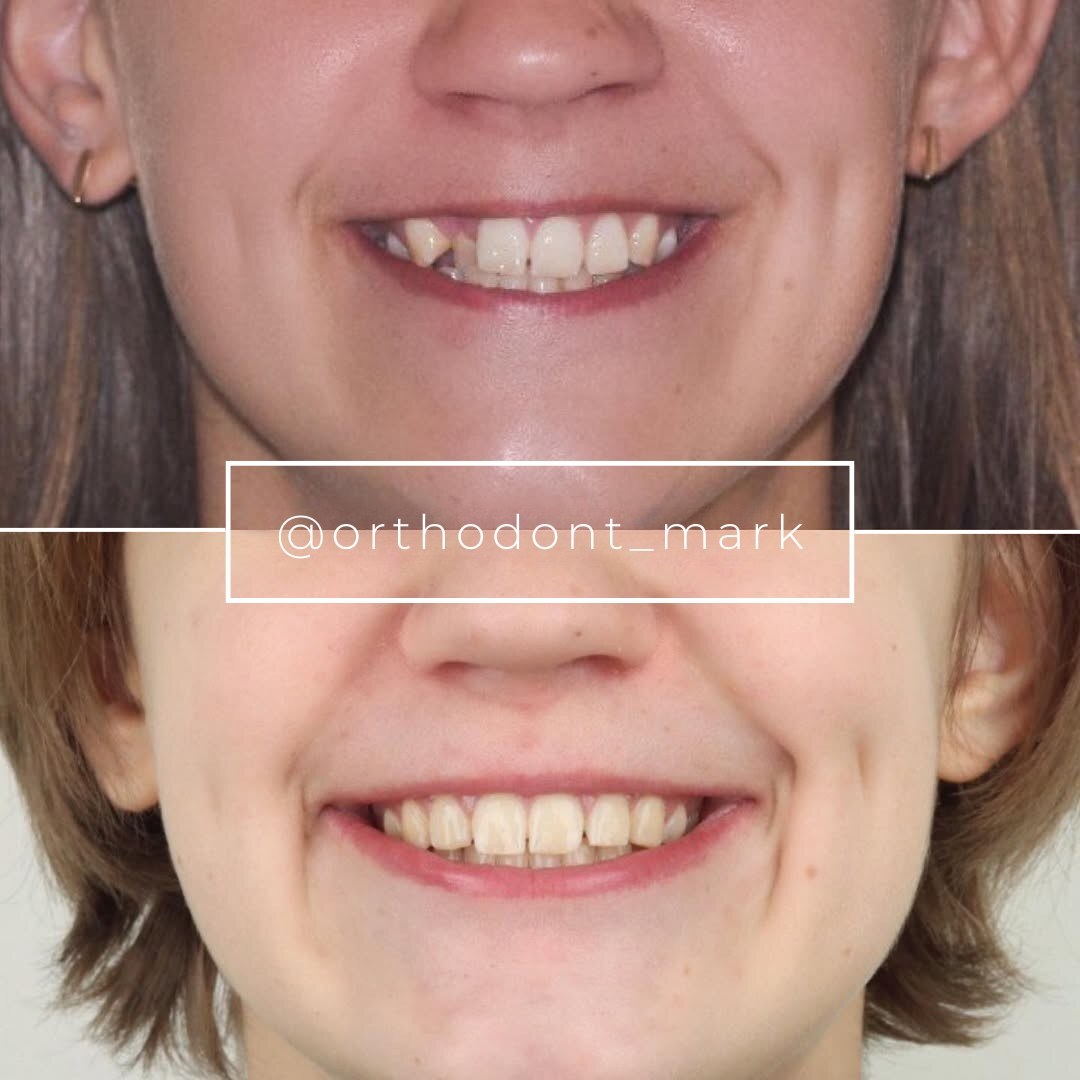
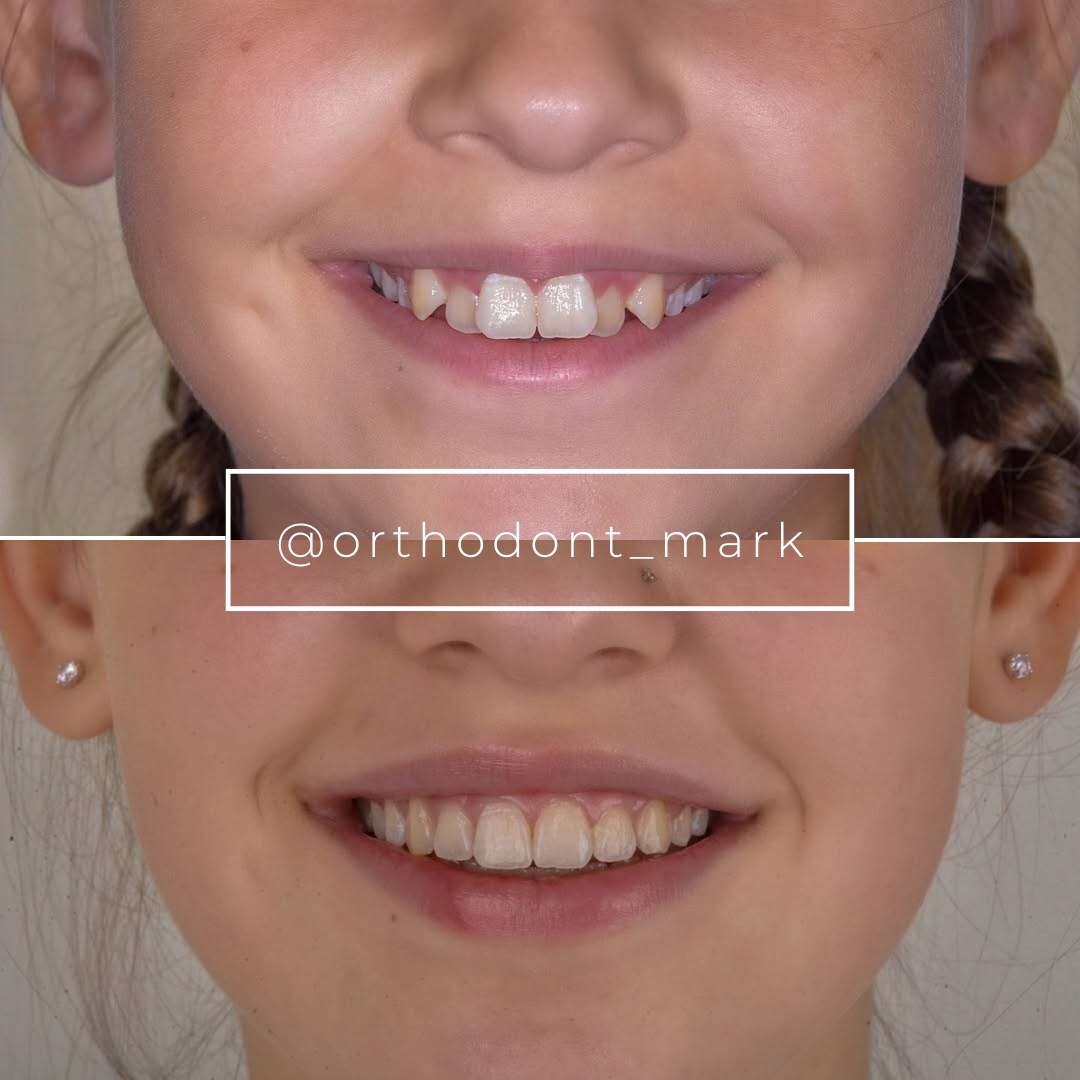
Learn the full MARPE protocol from Dr. Mark Radzhabov
Fundamental course covering CBCT patient selection, miniscrew planning, activation protocols, and 60+ clinical cases. Choose the access level that fits your practice.
Essentials of rapid palatal expansion for practicing orthodontists.
- Core RPE concepts and biomechanics
- 6 structured video lessons
- Clinical decision checklists
- Lifetime access to recordings
Deep-dive into MARPE protocol, diagnostics, and clinical execution.
- 6 modules covering MARPE from A to Z
- CBCT case selection walkthroughs
- Miniscrew placement and activation
- 60+ annotated clinical cases
- Direct Q&A with Dr. Mark Radzhabov
5-element medical consultation framework for dentists and orthodontists.
- Trust-building consultation protocol
- 5 lesson modules
- Templates for treatment plan delivery
- Works with any clinical specialty
Clinical FAQ
What is the difference between insertion torque and reactivation torque in an activation log?
Insertion torque is measured once at miniscrew placement and reflects initial bone contact. Reactivation torque is measured at each activation visit and reflects cumulative expansion effects. Always use reactivation torque as your curve baseline. Insertion torque is a reference point only.
How do I plot a force displacement curve if I don't have a calibrated torque wrench?
Use a consistent clinical scale (1–5) for resistance sensation and document it at each visit alongside patient-reported discomfort and clinical effort. Cross-reference with CBCT at inflection points. While less precise than quantified torque, consistent qualitative data yields valid curves when paired with imaging.
What does a plateau in the activation log curve indicate?
A plateau—where reactivation torque levels off or decreases after 3–5 weeks—typically indicates midpalatal suture separation. The miniscrew advances with less force because the palate has opened. Always confirm with CBCT before assuming separation and entering retention.
How do I interpret an asymmetric activation log curve with two miniscrews?
Plot each miniscrew's torque separately. Asymmetry suggests tilting, loosening, or unequal bone contact. Flag this finding for clinical inspection (tightness, angulation) and CBCT evaluation. Do not average disparate curves. Address the mechanical problem directly.
When should I obtain CBCT imaging relative to the activation log curve?
Order CBCT at the predicted inflection point—when your curve plateaus or resistance unexpectedly rises. In adolescents, this is typically weeks 3–5. In adults, weeks 5–8. Imaging confirms suture separation status and guides retention timing and protocol modifications.
What does a continuous rise in activation torque without plateau suggest?
Persistent rising resistance without plateau (at 6–8 weeks) indicates dense bone, incomplete suture separation, or miscalibrated activation protocol. Obtain CBCT to assess suture status. Consider adjunctive corticotomy, staged treatment, or surgical referral for adult cases.
How do I distinguish between miniscrew loosening and genuine resistance increase in the curve?
Inspect the miniscrew for clinical looseness and angular tilt. If the curve shows a sudden sharp spike without a smooth rise, suspect loosening. Confirm with CBCT and consider re-tightening or replacement. Compare to your baseline resistance pattern at earlier visits.
Can I rely on the activation log curve alone to confirm midpalatal suture separation?
No. The log curve is a strong predictor but not diagnostic proof. A plateau suggests separation, but imaging (CBCT coronal view) is the gold standard. Always obtain CBCT confirmation before finalizing retention protocols or concluding treatment success.
What role does pre-treatment CBCT play in interpreting my activation log curve?
Pre-treatment CBCT reveals palatal anatomy, bone density, and suture morphology. Dense, narrow palates show steeper curves and later plateaus. Broad, pneumatized palates level off earlier. Use baseline anatomy to personalize your expected curve shape and avoid false-alarm interpretation.
How does the miniscrew-assisted expansion resistance curve differ from traditional RPE curves?
MARPE curves reflect miniscrew loading against palatal bone and suture compliance. RPE curves reflect tooth-borne resistance and dentoalveolar remodeling. MARPE curves typically plateau earlier (weeks 3–5 vs. 4–8 in RPE) and show less dentoalveolar side effects when interpreted and managed correctly with activation logs.
Mastery of MARPE force displacement curve interpretation transforms clinical decision-making from guesswork to data-driven precision. By systematically logging activation turns, measuring insertion torque, and tracking resistance patterns, you gain real-time feedback on suture status, anchorage stability, and appliance integrity. If you treat cases with vertical growth patterns, severe crowding, or adult patients, understanding these mechanics is essential. Dr. Mark Radzhabov offers detailed case reviews and advanced MARPE protocol training through Orthodontist Mark. Consider booking a consultation to refine your activation strategy and optimize outcomes in complex skeletal expansion cases.