
MARPE under general anesthesia
behavioral barriers
Expanding the special-needs adult patient
When cognitive, behavioral, or medical factors prevent conventional activation, general anesthesia permits safe, controlled MARPE placement and initial expansion. Evidence shows superior skeletal outcomes and reduced dental tipping compared to tooth-borne RPE.
TL;DR MARPE under general anesthesia provides a practical solution for special-needs adults and non-compliant patients who cannot tolerate conscious expansion. Miniscrew-assisted rapid palatal expansion delivers superior skeletal changes with less dentoalveolar tipping than tooth-borne RPE, making sedation protocols clinically justified when behavioral management fails or cognitive barriers exist.
Behavioral and cognitive barriers often prevent special-needs adults from completing conventional rapid maxillary expansion protocols. MARPE under general anesthesia addresses this clinical gap by decoupling skeletal expansion from patient compliance during the activation phase. In this evidence-based review, Dr. Mark Radzhabov examines the clinical indications, anesthesia considerations, and expected skeletal outcomes when miniscrew-assisted rapid palatal expansion is performed under sedation or general anesthesia in adult patients. The goal is to equip clinicians with a practical decision framework: which special-needs patients are candidates, how to coordinate with anesthesia, and what radiographic milestones predict success.
When MARPE under general anesthesia
becomes necessary
Patient selection and clinical criteria
The primary indication for MARPE under general anesthesia arises when a special-needs adult patient presents with transverse maxillary deficiency but lacks the cognitive, behavioral, or emotional capacity to tolerate conscious miniscrew placement and monthly activations. These patients may have autism spectrum disorder, significant anxiety, intellectual disability, or psychiatric comorbidities that make conventional orthodontic compliance impossible. A secondary indication is the severely non-compliant adult who has previously abandoned treatment or demonstrated inability to follow instructions despite conventional behavioral management strategies. Clinical assessment must precede any surgical planning. Radiographic evaluation should include low-dose CBCT to assess midpalatal suture maturity—individual variability in fusion is not directly age-dependent, especially in young adults, so direct visualization of suture status is mandatory. Skeletal analysis and transverse maxillary measurements (intercanine width, intermolar width, nasal width) establish the magnitude of expansion required. Medical clearance from the patient's primary care physician or neurologist is essential, particularly if the patient takes antiepileptic drugs, psychiatric medications, or has seizure history that could complicate anesthesia recovery. Behavioral assessment via caregiver or guardian input informs anesthesia depth and recovery protocols. Some special-needs patients tolerate brief conscious procedures (e.g., miniscrew placement under local anesthesia and topical sedation) followed by appliance activation under general anesthesia weeks later. Others require full general anesthesia for both stages. The decision depends on individual tolerance thresholds and the treating team's comfort with phased sedation. Dr. Mark Radzhabov's clinical approach includes pre-procedure simulation (accustoming the patient to the oral environment) whenever feasible, even when general anesthesia is planned, to reduce post-operative anxiety and improve cooperation during the retention phase.
Coordinating with anesthesia
for special-needs expansion
Protocols and perioperative considerations
Successful MARPE under general anesthesia depends on clear communication between the orthodontist and the anesthesia team. Before the procedure, the orthodontist should provide the anesthesiologist with a written surgical plan detailing the intended duration of oral access, the miniscrew placement sites (typically bilateral hard palate, 5–7 mm posterior to the alveolar crest and 5–7 mm lateral to the midline), and the activation protocol (initial turn count and timeline). The anesthesiologist must understand that palatal access will briefly restrict the view of the airway—a fiberoptic intubation or careful tube positioning may be necessary in patients with limited mouth opening or micrognathia. Miniscrew placement under general anesthesia typically takes 15–25 minutes depending on bone density and bilateral vs. unilateral placement strategy. The patient is positioned supine with the head extended and a throat pack placed to isolate the operative field from the oropharynx. Local anesthesia (1% lidocaine with epinephrine 1:100,000) is infiltrated around the palatal sites to reduce intraoperative bleeding and provide post-operative analgesia. Miniscrew insertion torque should not exceed 10 Ncm to avoid iatrogenic necrosis. Tactile feedback during placement is crucial, so the orthodontist must maintain control even under general anesthesia conditions. Immediate activation (turning the expansion screw 4–6 turns on the day of surgery) can be performed while the patient is still sedated, or deferred to post-operative day 1 under topical anesthesia. Deferring activation allows initial swelling and inflammation to subside and reduces intra-operative time. Post-operative pain management should include scheduled nonsteroidal anti-inflammatory drugs (NSAIDs) for 7–10 days to minimize palatal discomfort and tenderness. Recovery time is typically 2–4 hours. Special-needs patients may require extended observation to ensure safe swallowing and stable vital signs. Clear discharge instructions must be provided in writing and verbally to the caregiver, with emphasis on diet (soft foods for 1–2 weeks), oral hygiene (gentle rinsing after meals), and signs of infection (fever, pus, excessive swelling).
Activation and consolidation schedules
for sedation-based MARPE
Timeline and expected skeletal response
Once miniscrews are placed and integrated (typically 2–4 weeks of osseointegration), the activation phase begins. Standard MARPE protocols call for 4 turns per day (1 mm/week) in conscious patients. However, special-needs adults under sedation-based management may tolerate activation every 2–3 days under topical anesthesia or with caregiver-assisted turning, depending on cooperation level. The total active expansion duration ranges from 8–12 weeks to achieve a diastema between the upper central incisors and radiographic evidence of midpalatal suture separation. Low-dose CBCT imaging at baseline, immediately post-expansion, and after a 3–6 month consolidation period documents skeletal and dentoalveolar changes. Evidence from prospective randomized trials shows that miniscrew-assisted rapid palatal expansion achieves significantly greater nasal width increases and greater palatine foramen separation compared to tooth-borne RPE, indicating more robust skeletal response. Importantly, MARPE produces less buccal displacement of anchor teeth than conventional RPE, reducing the need for subsequent correction of dental flaring. The midpalatal suture separated in 95% of MARPE and 90% of conventional RPE patients after identical expansion turn counts (approximately 35 turns) in the trial of Chun et al. (2022), BMC Oral Health, demonstrating high efficacy. In special-needs patients, the absence of monthly office visits (inherent to unconscious or minimal-compliance protocols) may actually reduce behavioral stress and improve long-term adherence to the consolidation and retention phases. Consolidation occurs during the 3–6 months immediately following active expansion, during which the appliance remains passive (screws locked, no turning). During this phase, bone remodeling continues and the midpalatal suture stabilizes. A second round of low-dose CBCT at 3 months post-expansion guides the decision to begin fixed appliance therapy or continue retention. In special-needs patients, scheduling fixed appliance placement after a stable consolidation period allows neuromuscular adaptation and reduces the risk of immediate relapse if behavioral cooperation is inconsistent.
Expected changes in skeletal and dentoalveolar dimensions
after miniscrew-assisted expansion
What the evidence shows
Clinical and radiographic outcomes in miniscrew-assisted rapid palatal expansion are well documented in the literature, particularly for adolescent and young adult cohorts. The available evidence indicates that MARPE achieves significantly greater increases in nasal width (both at the molar region and at the greater palatine foramen level) compared to conventional tooth-borne RPE. These skeletal gains persist through the consolidation period and reflect genuine midpalatal suture separation rather than dental tipping alone. In special-needs adults undergoing sedation-based MARPE, skeletal outcomes are expected to follow the same trajectory, provided miniscrew stability is maintained and activation protocols are consistent. Dentoalveolar changes differ between MARPE and conventional RPE in clinically meaningful ways. While both techniques increase maxillary width at the premolar and molar regions, MARPE produces less buccal displacement of the anchor teeth (the teeth bearing the expansion appliance) than RPE. This difference arises because MARPE distributes expansion forces directly to the midpalate via miniscrews rather than through dental anchor units, reducing compensatory dental movements. The consequence is a more orthopedic (skeletal) and less orthodontic (dental) result, which simplifies subsequent alignment and reduces the risk of gingival recession or periodontal compromise on the buccal surfaces of the maxillary molars and premolars. In special-needs populations, the reduced dental side effects of MARPE are particularly advantageous because post-expansion periodontal management (if required) is simplified, and the risk of iatrogenic damage during fixed appliance placement is lower. Long-term stability of skeletal gains is excellent when a 6-month consolidation period is observed. Rebound occurs in less than 1 mm in most cases. Retention with a maxillary expansion appliance (locked screw, passive position) or a transpalatal arch is recommended for 6–12 months post-expansion to prevent relapse. Special-needs patients may tolerate passive retention better than active tooth movement, making this phase clinically feasible even in low-compliance settings.
Troubleshooting MARPE in special-needs patients
prevention and solution
Real-world challenges and strategies
Despite careful planning, complications can arise during or after MARPE under general anesthesia in special-needs populations. One frequent pitfall is inadequate miniscrew osseointegration if activation begins too soon (before 3–4 weeks of healing). In patients with poor bone quality or cognitive impairment that prevents post-operative wound care, this risk increases. Solution: delay activation by 1–2 weeks if wound healing is sluggish, confirmed clinically by palpation and patient tolerance of gentle pressure. A second common issue is non-compliance or caregiver error during the activation phase once the patient is discharged. Special-needs patients may forget turning schedules, or caregivers may miscount turns or apply excessive force. Solution: pre-program the activation protocol in writing with clear diagrams and weekly phone check-ins. Consider switching to spring-loaded or self-activating expansion systems (e.g., hybrid Hyrax devices) that require less frequent caregiver management. In severely cognitively impaired patients, in-office activation under topical anesthesia at 2–4 week intervals may be safer than home-based turning, even if it extends the active phase to 12–16 weeks. A third pitfall is palatine paresthesia or persistent post-operative pain due to nerve irritation or compression from swelling. While temporary, this can distress special-needs patients and lead to caregiver anxiety. Solution: confirm miniscrew position does not contact the nasopalatine nerve (typically 6–8 mm anterior to the miniscrews in the midline) via CBCT pre-operatively. Use anti-inflammatory medications aggressively in the first 10–14 days. And counsel caregivers that mild sensory changes usually resolve within 2–4 weeks. Finally, some special-needs patients develop post-operative behavioral regression or increased anxiety after the procedure. Solution: schedule a brief post-operative behavioral decompression visit 3–5 days post-op (without appliance activation) to normalize the oral environment and build confidence for the consolidation phase. Dr. Mark Radzhabov's clinical practice includes structured post-operative follow-up specifically designed to reassure both patient and caregiver during the critical first weeks.
RPE vs. SARPE vs. MARPE
comparative effectiveness
How methods rank in special-needs populations
Three established approaches exist for adult palatal expansion: conventional rapid palatal expansion (RPE), surgically assisted rapid palatal expansion (SARPE), and miniscrew-assisted rapid palatal expansion (MARPE). Each has distinct advantages and limitations in special-needs populations. Conventional RPE relies entirely on patient compliance during daily activation and monthly office adjustments. In behavioral or cognitively impaired adults, compliance failure is common, making RPE unsuitable for most special-needs cases. SARPE involves surgical osteotomy of the maxilla, including midpalatal suture splitting, and typically achieves reliable skeletal expansion but requires operating room time, general anesthesia, and longer surgical recovery. MARPE avoids major surgery while maintaining skeletal expansion through miniscrew anchorage. It requires miniscrew placement under anesthesia but allows subsequent activation under minimal or no sedation if the patient tolerates it, or under general anesthesia if behavioral barriers persist. In special-needs adult populations specifically, MARPE represents a clinical sweet spot: more invasive than RPE (requires surgical miniscrew placement) but less invasive than SARPE (avoids bony osteotomies and extensive soft-tissue trauma). The evidence shows MARPE is as effective as SARPE for skeletal expansion—both achieve high rates of midpalatal suture separation (Chun et al., 2022: 95% for MARPE, 90% for conventional RPE)—while carrying lower morbidity. Special-needs patients often benefit from MARPE's property of permitting either conscious or unconscious activation depending on individual tolerance, whereas SARPE is a one-time surgical event with fixed anesthesia duration and less flexibility. Additionally, MARPE can be placed under general anesthesia on a same-day basis, allowing both miniscrew insertion and initial expansion turns in a single surgical session, which reduces the burden of multiple procedures on both patient and caregiver. Cost and accessibility also differ. MARPE is less expensive than SARPE (no operating room fees for osteotomy, shorter anesthesia time) but more expensive than conventional RPE. For special-needs adults with behavioral barriers to RPE, the marginal cost of MARPE is often justified by its high success rate and reduced compliance dependence. Access to qualified miniscrew specialists is growing, whereas SARPE requires oral and maxillofacial surgical expertise, which may not be available in all settings. For these reasons, MARPE is increasingly the first-line choice for skeletal expansion in special-needs adults with behavioral or cognitive barriers.
Step-by-step patient evaluation
for MARPE candidacy
From diagnosis to treatment planning
Systematic evaluation of a special-needs adult with transverse maxillary deficiency ensures appropriate selection of MARPE under general anesthesia. Begin with comprehensive orthodontic diagnosis: clinical photographs, intraoral photographs, lateral and frontal views, and measurement of inter-canine and inter-molar widths. Follow with radiographic assessment including low-dose CBCT to visualize the midpalatal suture, assess bone density (particularly important in syndromic patients or those with bone dysplasias), and rule out ectopic tooth development or other anatomic anomalies. Measure nasal width, intercanine width, and intermolar width on the CT to quantify the transverse deficiency and establish target expansion goals. Next, conduct behavioral and cognitive assessment in consultation with the patient's guardian, caregiver, or care team. Determine the patient's baseline oral tolerance (e.g., ability to sit in the dental chair, tolerate oral instruments, follow simple commands). Ask about previous orthodontic or dental treatment experiences and behavioral triggers (loud noises, bright lights, loss of autonomy). Clarify the patient's level of cognitive impairment and decision-making capacity. If the patient cannot consent independently, confirm that the legal guardian has authorized the proposed treatment and understands the timeline and risks. Document any psychiatric medications, seizure history, or medical comorbidities that could affect anesthesia risk. Then, coordinate with the patient's medical team: obtain clearance from the primary care physician or neurologist, and provide a written anesthesia summary to the anesthesiologist. Discuss anesthesia options (general anesthesia vs. deep sedation with local infiltration) and any special monitoring requirements. Finally, present the MARPE plan to the patient and guardian in simple, clear language (avoiding jargon), including expected timeline, potential side effects (palatal swelling, temporary sensory changes), and the importance of the consolidation phase. Obtain informed consent and document the discussion in the medical record. If the patient shows strong resistance even after discussion, consider deferring MARPE and exploring alternative management (e.g., observation, acceptance of transverse deficiency, or orthodontic camouflage without expansion). Dr. Mark Radzhabov's clinical protocol includes a pre-treatment consultation specifically designed to build rapport with special-needs patients and their caregivers, reducing anxiety and improving post-operative cooperation.
Free Clinical Guide
Which Expansion Appliance at Which Age?
Get Dr. Mark Radzhabov's guide to skeletal-expansion appliances — indications, pros & cons, and how to choose by patient age. Free to your inbox.
Prefer video? Watch the free demo lesson on MARPE appliance types, features and trade-offs.
Documented outcomes
Clinical cases from Dr. Mark Radzhabov's practice
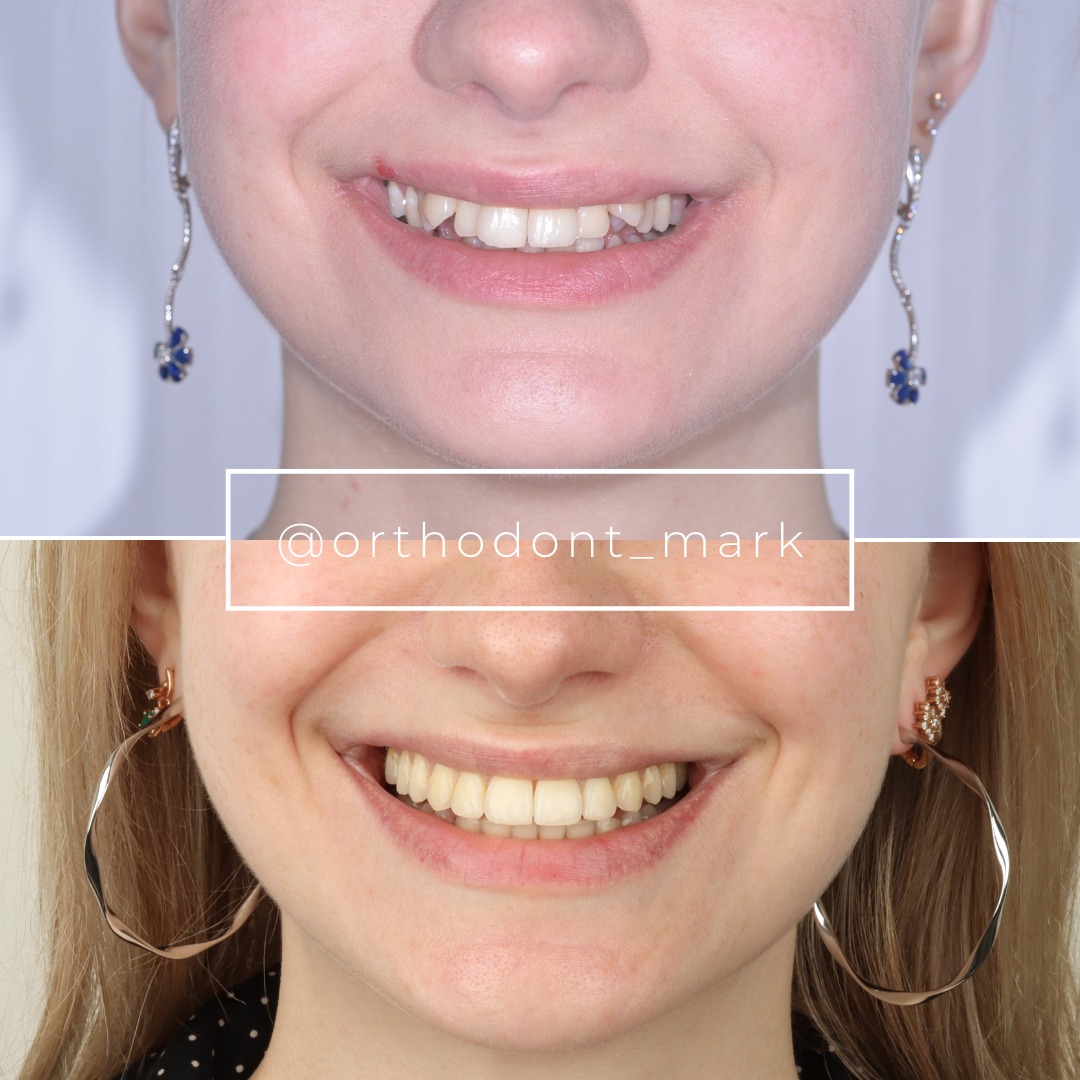
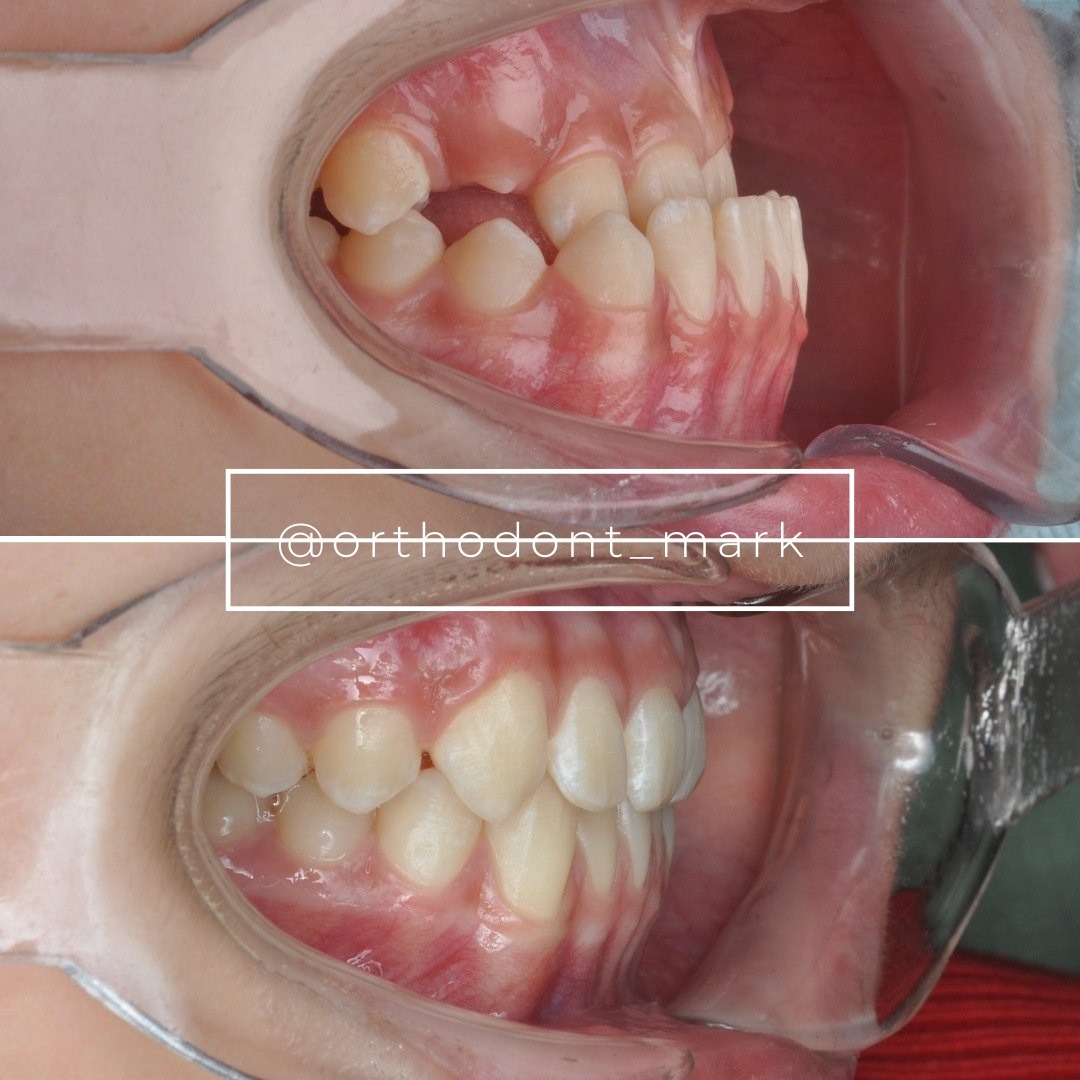
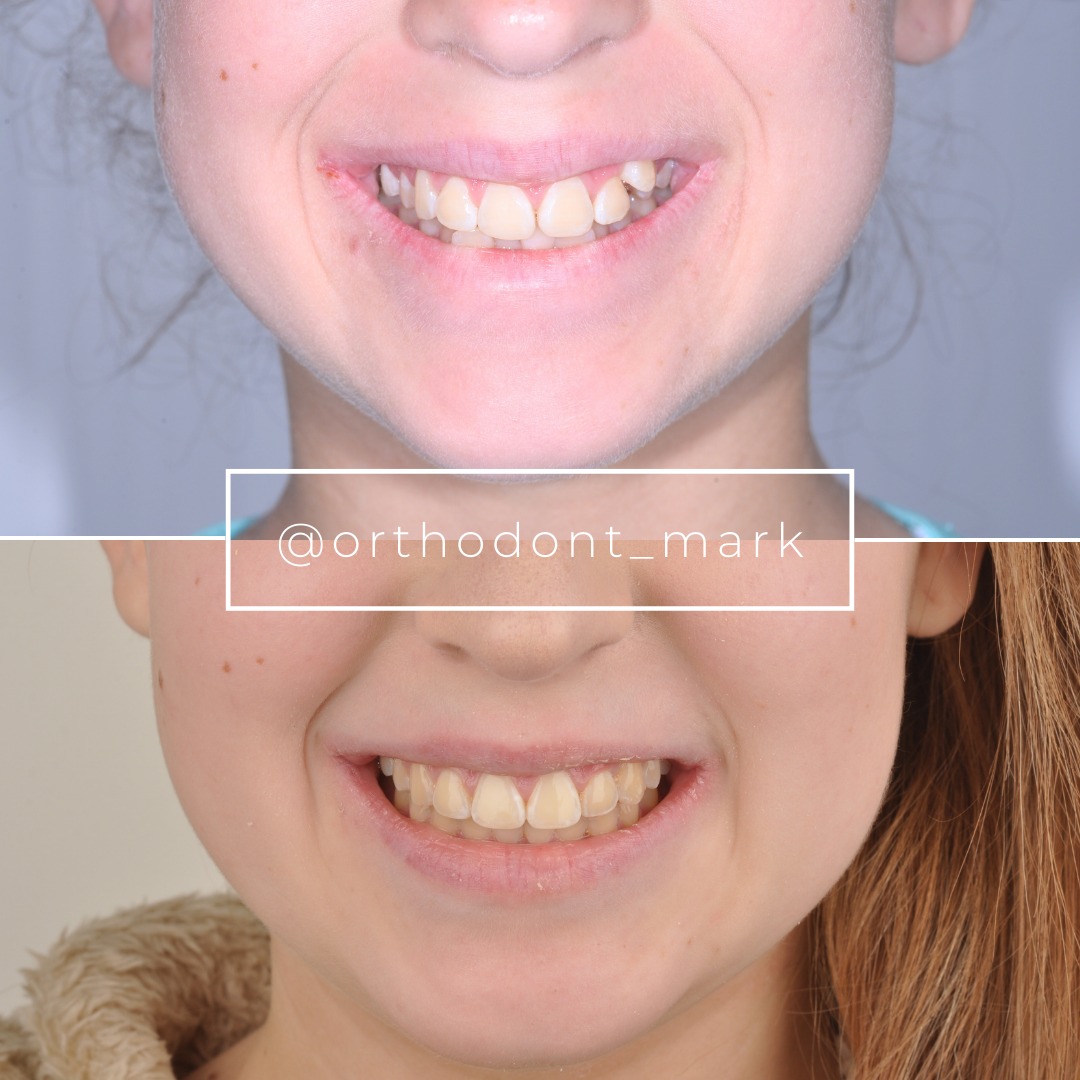
Learn the full MARPE protocol from Dr. Mark Radzhabov
Fundamental course covering CBCT patient selection, miniscrew planning, activation protocols, and 60+ clinical cases. Choose the access level that fits your practice.
Essentials of rapid palatal expansion for practicing orthodontists.
- Core RPE concepts and biomechanics
- 6 structured video lessons
- Clinical decision checklists
- Lifetime access to recordings
Deep-dive into MARPE protocol, diagnostics, and clinical execution.
- 6 modules covering MARPE from A to Z
- CBCT case selection walkthroughs
- Miniscrew placement and activation
- 60+ annotated clinical cases
- Direct Q&A with Dr. Mark Radzhabov
5-element medical consultation framework for dentists and orthodontists.
- Trust-building consultation protocol
- 5 lesson modules
- Templates for treatment plan delivery
- Works with any clinical specialty
Clinical FAQ
What is the optimal age window for miniscrew-assisted rapid palatal expansion in non-growing special-needs patients?
MARPE is effective in post-pubertal and skeletally mature adults. Unlike conventional RPE, age is not a limiting factor. Rather, midpalatal suture maturity (assessed via CBCT) determines candidacy. Special-needs patients of any adult age with patent sutures are potential candidates.
How does behavioral management influence the choice between MARPE and surgical-assisted palatal expansion?
MARPE offers flexibility: miniscrew placement requires one anesthesia event, but subsequent activation can be conscious (if tolerated), sedated, or unconscious depending on individual tolerance. SARPE is a single surgical event with fixed anesthesia. For special-needs adults, MARPE's adaptability to varying cooperation levels makes it preferred over SARPE.
What are the major risks of miniscrew placement in the hard palate for special-needs patients?
Risks include nasopalatine nerve irritation (temporary paresthesia), infection, and miniscrew loosening if activated before osseointegration (4+ weeks). Preventive strategies include CBCT-guided miniscrew positioning, delayed activation, and aggressive post-operative anti-inflammatory management.
Can MARPE be performed in a single anesthesia session for initial placement and expansion turns?
Yes. Miniscrew placement followed by immediate activation (4–6 turns the same day) under general anesthesia is feasible and reduces the burden of multiple procedures. Post-operative activation occurs under topical anesthesia or scheduled office visits thereafter.
How do skeletal changes differ between MARPE and conventional rapid palatal expansion in special-needs populations?
MARPE achieves greater skeletal nasal width increase and less dental tipping than conventional RPE. Both methods achieve ~90% midpalatal suture separation rates, but MARPE's orthopedic mechanics deliver more direct skeletal expansion with fewer compensatory dental movements.
What post-operative pain and swelling should clinicians expect after MARPE miniscrew placement?
Mild to moderate palatal swelling and tenderness are normal for 1–2 weeks post-op. NSAIDs, soft diet, and gentle oral hygiene minimize symptoms. Severe pain or swelling beyond 14 days warrants imaging to rule out infection or nerve compression.
How long should the consolidation phase last before beginning fixed appliance therapy after MARPE?
A minimum 3-month consolidation (with locked miniscrews and no turning) is recommended. Low-dose CBCT at 3 months confirms stable midpalatal suture separation and bone fill. In special-needs patients, extending consolidation to 6 months may improve long-term stability and allow neuromuscular adaptation.
What medical conditions or medications contraindicate MARPE under general anesthesia in special-needs adults?
Uncontrolled seizure disorder, severe compromised airway anatomy, active infection, and certain medications (e.g., anticoagulants requiring bridging) require anesthesia team evaluation. Most psychiatric and neurologic conditions are compatible with MARPE. Medical clearance and custom anesthesia protocols address individual risks.
How does the cost of MARPE compare to conventional RPE and SARPE for special-needs patients?
MARPE cost falls between conventional RPE (least expensive) and SARPE (most expensive). For special-needs adults unable to tolerate or comply with conventional RPE, MARPE's marginal additional cost is often justified by its high efficacy and reduced behavioral burden.
What is the role of caregiver education and post-operative follow-up in optimizing MARPE outcomes in special-needs patients?
Caregiver education reduces non-compliance during activation and retention. Structured post-operative check-ins (3–5 days post-op, weekly phone contact, in-office activation at 2–4 week intervals) normalize the experience and allow early intervention if complications arise or anxiety develops.
MARPE under general anesthesia is not routine—it is a specialty technique reserved for patients whose behavioral, cognitive, or medical circumstances prevent conventional activation. The evidence shows that miniscrew-assisted expansion delivers robust skeletal changes with predictable midpalatal suture separation, provided patient selection is sound and the anesthesia team understands the procedural timeline. If you encounter a special-needs adult with severe transverse maxillary deficiency and behavioral barriers to treatment, a consultation with Dr. Mark Radzhabov or review of his case studies can clarify whether sedation-based MARPE is the right path. Reach out today to discuss your diagnostic findings.