
MARPE in the geriatric maxilla:
pushing past the 60-year wall
Evidence-based protocols for skeletal expansion in mature patients
Review age-dependent suture maturation, sex-specific success rates, and clinical decision-making for palatal expansion in patients over 60. Evidence-based protocols from Orthodontist Mark.
TL;DR MARPE in the geriatric maxilla demonstrates age-dependent success, with suture separation rates declining significantly after age 60, particularly in males. Evidence shows that while skeletal expansion remains possible in patients over 60, miniscrew-assisted rapid palatal expansion requires careful patient selection, modified activation protocols, and realistic expectations regarding basal bone expansion compared to younger cohorts.
Maxillary transverse deficiency in geriatric patients remains clinically challenging, and many practitioners avoid palatal expansion in patients over 60 due to presumed midpalatal suture fusion. However, recent evidence demonstrates that MARPE in the geriatric maxilla is not categorically contraindicated—it is age-dependent and requires evidence-based decision-making. Dr. Mark Radzhabov and the Orthodontist Mark team have synthesized contemporary research on skeletal expansion in mature patients to provide orthodontists with practical protocols for expanding the aged maxilla. This article examines suture maturation patterns, sex-specific success rates, activation strategies, and the critical distinction between successful miniscrew anchorage and predictable orthopedic separation in patients beyond the traditional age window.
What is MARPE?
Understanding miniscrew-assisted expansion in aging populations
MARPE is a miniscrew-assisted rapid palatal expansion technique that bypasses dental anchorage by placing implant-grade titanium miniscrews directly into the palatal bone. Unlike conventional tooth-borne rapid palatal expanders, which rely on dental unit stability, MARPE achieves orthopedic loading through skeletal anchors, making it theoretically applicable across a wider age range. The system uses a hybrid Hyrax expander connected to miniscrews placed in the anterior and posterior palate, distributing expansion forces directly to the midpalatal suture rather than through the dental roots.
In younger patients (under 25 years), suture separation rates with MARPE exceed 90%. However, in the geriatric maxilla, age-related changes in bone composition, suture interdigitation, and mineralization significantly affect outcomes. Clinical evidence demonstrates that skeletal expansion remains possible in patients over 60, but success is not guaranteed and depends on individual suture maturation status, biological sex, and careful activation protocol design. The term “60-year wall” reflects a practical threshold where many clinicians default to surgical assistance, yet emerging data suggest that selective non-surgical expansion is viable when patient selection and radiographic assessment are rigorous.
The fundamental distinction in treating the geriatric maxilla is recognizing that miniscrew stability (which is generally excellent in older bone) does not automatically predict suture separation. Loading characteristics, activation rate, and cumulative force vectors must be adjusted to account for reduced skeletal compliance. Dr. Mark Radzhabov emphasizes that successful MARPE in mature patients requires imaging-based suture assessment and individualized biomechanical planning rather than blanket age-based exclusion.
Age-dependent suture maturation
and biological sex effects on skeletal expansion
The most robust contemporary evidence on MARPE success in aging populations comes from a retrospective cohort study of 215 patients by Jeon et al. (2022, Clinical Oral Investigations; 95 male, 120 female. Range 6–60 years) that analyzed periapical radiographs and calculated suture separation ratios post-expansion. Results demonstrated striking sex-dependent patterns: overall suture separation success was 61.05% in males and 94.17% in females (Jeon et al. (2022), Clinical Oral Investigations). Among males, there was a statistically significant association between older age and suture non-separation (p < 0.001), whereas in females, age showed no significant association with failure (p = 0.221).
For patients specifically in the 50–60 age range, males showed substantially reduced suture separation compared to younger cohorts, while females maintained relatively consistent outcomes. Even when suture separation did occur in older patients (both sexes), the amount of basal bone expansion (measured as suture separation ratio) decreased significantly with advancing age. This finding is clinically crucial: it means that a 55-year-old male may achieve radiographic separation but with considerably less orthopedic expansion than a 35-year-old, and a 60-year-old female, while more likely to separate than her male peer, will still experience reduced absolute expansion compared to her younger self.
The biological mechanisms underlying these sex differences are not fully elucidated but likely involve estrogen-mediated differences in bone remodeling, collagen cross-linking in the suture, and mineral density. Clinically, this evidence justifies differential patient counseling: a 58-year-old female with imaging evidence of early/mid-stage suture maturation may be an appropriate candidate for MARPE, whereas a 58-year-old male with equivalent suture anatomy faces substantially higher risk of non-separation and should be counseled regarding surgical options or staged treatment approaches.
Suture maturation assessment
and radiographic decision-making for geriatric expansion
In patients over 50, cone-beam computed tomography (CBCT) assessment of midpalatal suture maturation is essential and more predictive than chronological age alone. Contemporary research using CBCT staged maturation of the pterygomaxillary suture (PMS), transpalatal suture (TPS), zygomaticomaxillary suture (ZMS), and midpalatal suture (MPS) across age cohorts. Findings show that pterygomaxillary closure reaches 83–100% by age 13–17, transpalatal suture shows 78–85% closure from age 15 onward, and midpalatal suture exhibits variable maturation with significant individual variation even within the same age decade.
The critical clinical threshold for orthodontists appears around age 15, where CBCT-based observers recommended surgical assistance (SARPE) when MPS showed advanced maturation (stages D and E), representing closed or nearly-closed sutures. For the geriatric population, this principle extends: CBCT staging of suture patency becomes the actual determinant. A 62-year-old with patent (stage A or B) midpalatal anatomy may be a MARPE candidate. A 52-year-old with stage D maturation should be counseled toward surgical or alternative approaches. Radiographic assessment of PMS closure is particularly important in older patients, as its earlier fusion limits the efficacy of orthopedic expansion regardless of appliance design.
The practical workflow for geriatric MARPE candidacy includes: (1) CBCT acquisition with attention to suture maturation staging; (2) assessment of palatal bone height and width at proposed miniscrew sites to ensure adequate osseous support; (3) evaluation of dental and periodontal health to confirm that tooth-borne anchorage is not viable or not preferred; (4) patient consultation regarding realistic expansion magnitude, activation protocol duration, and retention strategy. Clinicians should document pre-expansion suture appearance and plan post-expansion radiographs at identical anatomic locations to allow quantification of actual separation achieved.
Modified activation protocols
for mature skeletal tissue and miniscrew-assisted rapid palatal expansion
The activation protocol for MARPE in the geriatric maxilla must diverge from pediatric rapid palatal expansion, which typically employs 0.5-turn daily activation (roughly 0.2 mm/day) and targets rapid suture opening within weeks. In patients over 60, evidence suggests slower activation rates and longer overall treatment duration yield better outcomes. Many clinicians employ 0.25-turn daily (0.1 mm/day) activation, extending the active expansion phase to 4–8 weeks before reassessing radiographic suture separation. The biological rationale is that slower loading allows greater time for suture remodeling and bone apposition, reducing the tendency toward incomplete separation or relapse in rigid, mineralized bone.
Miniscrew loading characteristics differ fundamentally from tooth-borne appliances: the miniscrew itself experiences axial and lateral forces that can compromise osseointegration if loading is excessive. In older patients with potentially reduced bone quality, verifying miniscrew stability at each clinical appointment is critical. A high-resolution radiograph of miniscrew threads at baseline and 4-week intervals can identify early mobility before clinical loosening becomes apparent. If radiographic evidence suggests miniscrew drift or loss of thread clarity, activation should be paused and the appliance re-seated or miniscrews re-placed before continuing.
Total expansion magnitude in the geriatric maxilla is also typically lower than in younger patients: an expansion goal of 5–7 mm (transverse maxillary widening) is often realistic, whereas younger patients frequently achieve 8–10 mm or more. This moderated expectation should be communicated transparently during initial consultation. The retention phase in older patients is particularly demanding. Many clinicians employ fixed palatal acrylic retainers for 12–24 months post-expansion, given the higher relapse tendency in less compliant skeletal tissue. Orthodontist Mark emphasizes that patience and incremental adjustment often yield superior long-term stability compared to aggressive rapid protocols.
Decision-making when MARPE expansion
is inadequate or fails
Despite rigorous selection and proper protocol, MARPE in the geriatric maxilla can fail or yield inadequate expansion in a meaningful percentage of cases. The most common failure modes are: (1) miniscrew mobility or failure despite adequate initial torque (generally 10–12 Ncm); (2) lack of radiographic suture separation despite clinical stability (true suture non-separation); (3) separation that is radiographically evident but insufficient in magnitude (< 2 mm basal widening at the suture); and (4) rapid relapse post-activation despite retention appliances. Each scenario demands different management.
Miniscrew failure in the geriatric population is often related to bone density heterogeneity in older patients—areas of cortical porosity or reduced trabecular support can limit mechanical grip. If clinical mobility is detected, the appliance should be removed, miniscrews extracted, and a decision made regarding replacement or conversion to surgical assistance. Attempting to activate a mobile miniscrew causes only further bone damage and appliance failure. In cases of radiographic non-separation, a second CBCT should confirm actual non-separation versus movement artifact. If true non-separation after 6–8 weeks of activation is documented, the prognosis for additional gains via MARPE is low, and surgical advancement (SARPE with midpalatal osteotomy) should be discussed candidly with the patient.
When expansion is achieved but inadequate, clinicians face the decision of extended activation (carrying higher relapse risk) versus proceeding to surgical refinement. Partial MARPE expansion (2–3 mm achieved) can be stabilized with retention, and patients can be offered phased treatment: stage one, MARPE expansion. Stage two, orthodontic movement and surgical detailing if transverse correction proves insufficient for ideal final occlusion. This staged approach is often more realistic and better tolerated in older populations than pursuing maximal expansion and accepting potential relapse.
Geriatric patient factors
affecting MARPE success and treatment tolerance
Beyond suture maturation and age, several factors specific to the geriatric population influence MARPE candidacy and outcomes. Periodontal health is paramount: patients with untreated periodontal disease or severe bone loss may have compromised miniscrew osseointegration sites and should complete perio therapy before MARPE placement. Bone density and mineralization, assessed via CBCT Hounsfield units or qualitative cortical thickness observation, correlate with miniscrew stability. Patients with osteoporosis or on bisphosphonate therapy warrant special attention and may benefit from slower activation and longer consolidation phases.
Systemic factors including diabetes, rheumatoid arthritis, and medications affecting bone metabolism (corticosteroids, anticoagulants, immunosuppressants) require individualized risk assessment. Many older patients are on anticoagulation or antiplatelet therapy. This does not absolutely contraindicate MARPE but necessitates clear communication with the patient's physician and realistic expectations regarding post-insertion bleeding and bruising. Patients on long-term bisphosphonates (alendronate, risedronate) present a theoretical risk for medication-related osteonecrosis. While palatal miniscrew placement does not typically trigger this complication, clinicians should be aware and conservative in activation protocols.
Cognitive and motor factors in advanced age can affect appliance tolerance and hygiene compliance. Patients with arthritis or limited dexterity may struggle with turn-key activation. Spring-loaded activators or clinician-directed activation schedules can mitigate this. Finally, realistic goal-setting with geriatric patients is essential: many patients over 60 prioritize stability and esthetics over absolute transverse correction. A modest 4–5 mm expansion that resolves crowding in the anterior maxilla and eliminates a functional crossbite may meet patient needs far better than pursuing maximum expansion, which carries higher relapse risk.
MARPE versus SARPE versus conventional RPE
in the geriatric maxilla: deciding the best path
For patients over 60 with maxillary transverse deficiency, three main orthopedic expansion approaches exist: conventional tooth-borne rapid palatal expansion (RPE), surgically assisted rapid palatal expansion (SARPE), and miniscrew-assisted expansion (MARPE). Conventional RPE is generally contraindicated in patients over 45–50 due to low success rates and high relapse. It remains an option only if CBCT shows unusually patent midpalatal anatomy and the patient has excellent dental support and minimal periodontal disease.
SARPE with midpalatal osteotomy and pterygomaxillary separation is the gold-standard surgical approach, with high success rates in achieving expansion and excellent long-term stability. However, SARPE carries surgical morbidity including post-operative pain, swelling, blood loss, and recovery time. It is more invasive and costly than MARPE. SARPE is indicated when: (1) MARPE is not anatomically feasible; (2) MARPE has failed; (3) large expansion is needed (> 8–10 mm). Or (4) the patient prefers surgical efficiency and guarantees. Evidence comparing SARPE with and without midpalatal split showed that midpalatal split improves efficacy (p = 0.00) and patient-reported discomfort during activation was significantly lower in the non-split group, though discomfort is a minor factor compared to efficacy and stability.
MARPE occupies a middle ground: less invasive than SARPE, more likely to succeed than RPE alone in the geriatric population, and allows for phased or staged treatment. For patients over 60 who wish to avoid surgery and demonstrate patent sutures on CBCT, MARPE is the first-line consideration. If MARPE fails or sutures are sufficiently fused on imaging, SARPE or hybrid approaches (MARPE with surgical augmentation) can be discussed. The shared goal is stable transverse correction with acceptable patient morbidity and realistic functional and esthetic outcomes.
Free Clinical Guide
Which Expansion Appliance at Which Age?
Get Dr. Mark Radzhabov's guide to skeletal-expansion appliances — indications, pros & cons, and how to choose by patient age. Free to your inbox.
Prefer video? Watch the free demo lesson on MARPE appliance types, features and trade-offs.
Documented outcomes
Clinical cases from Dr. Mark Radzhabov's practice
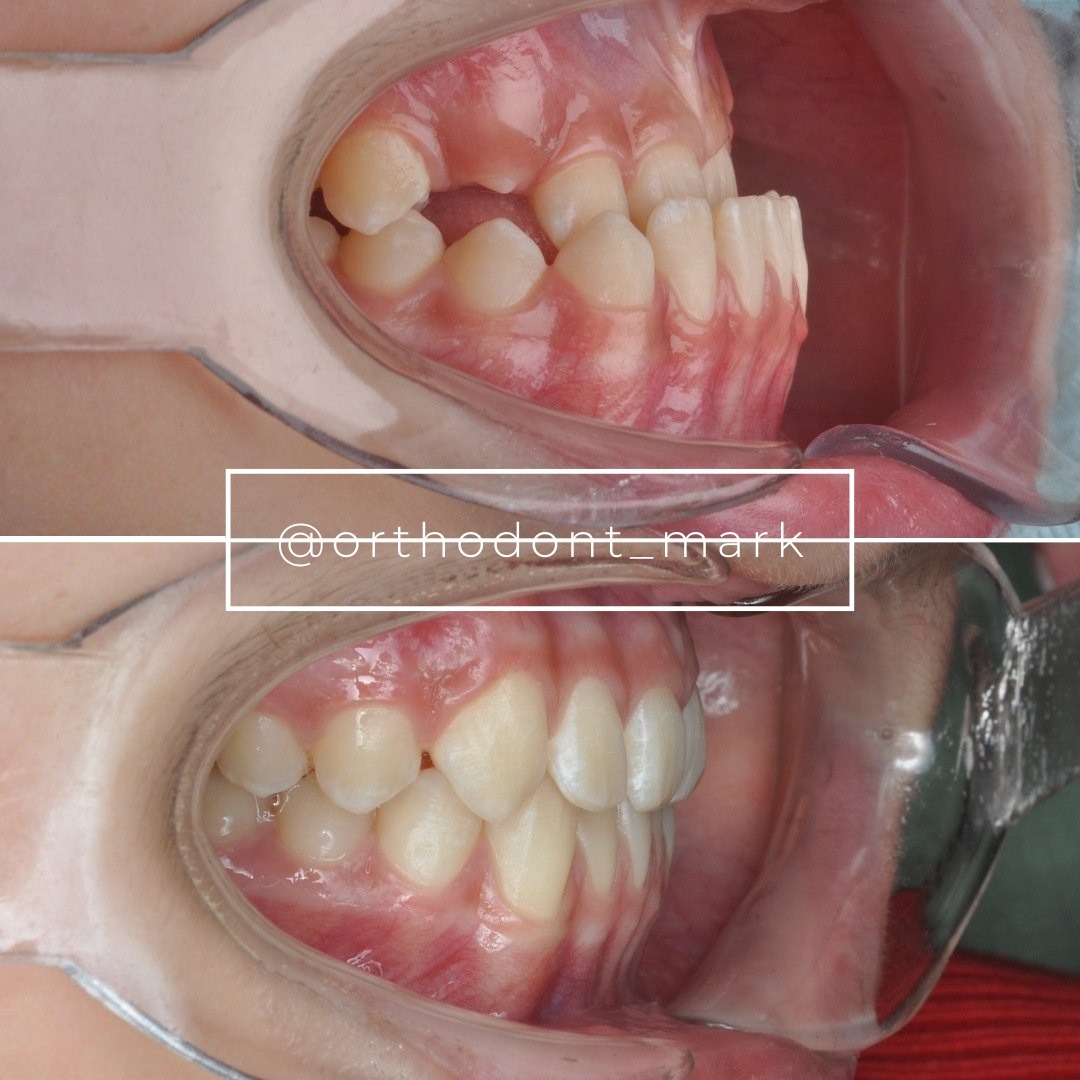
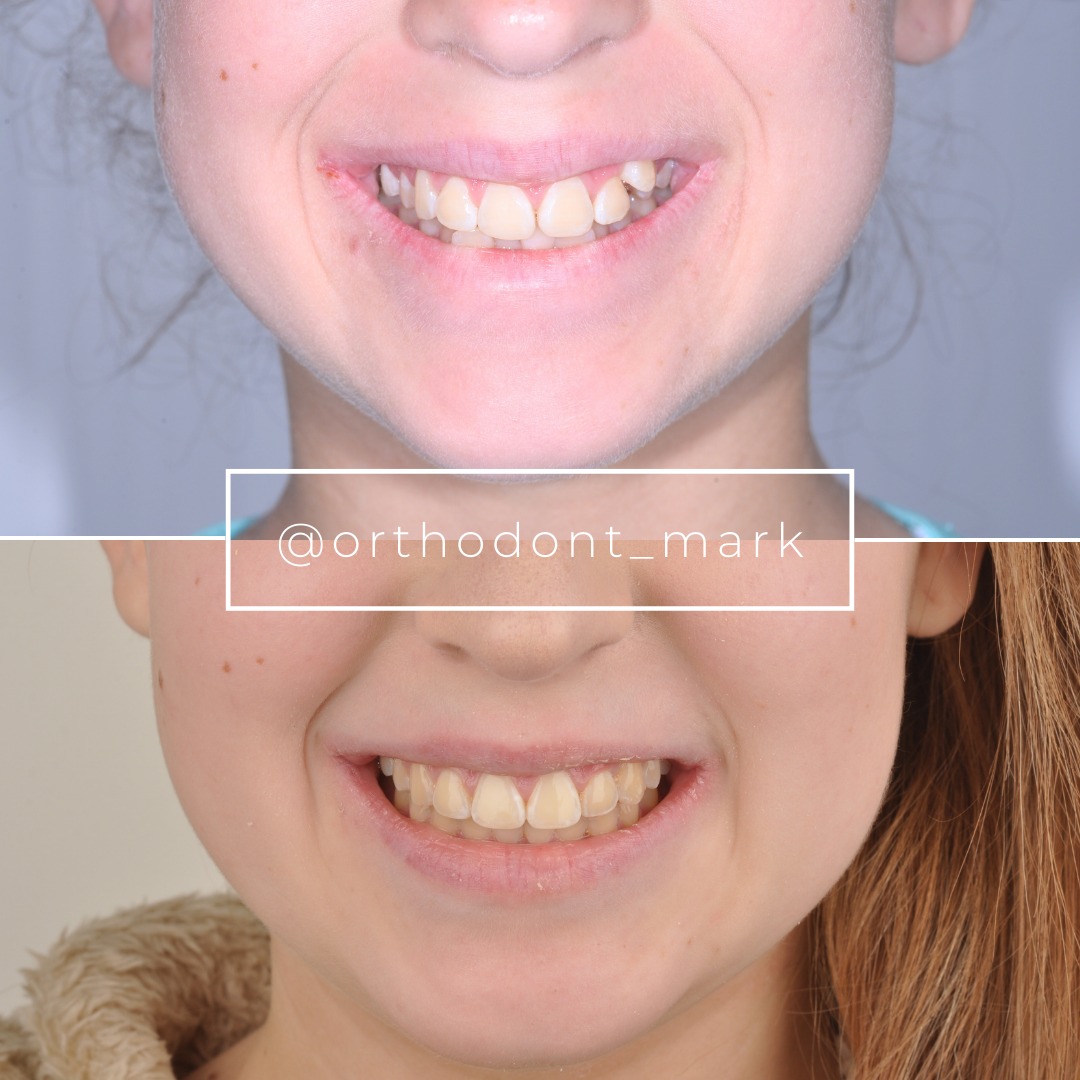
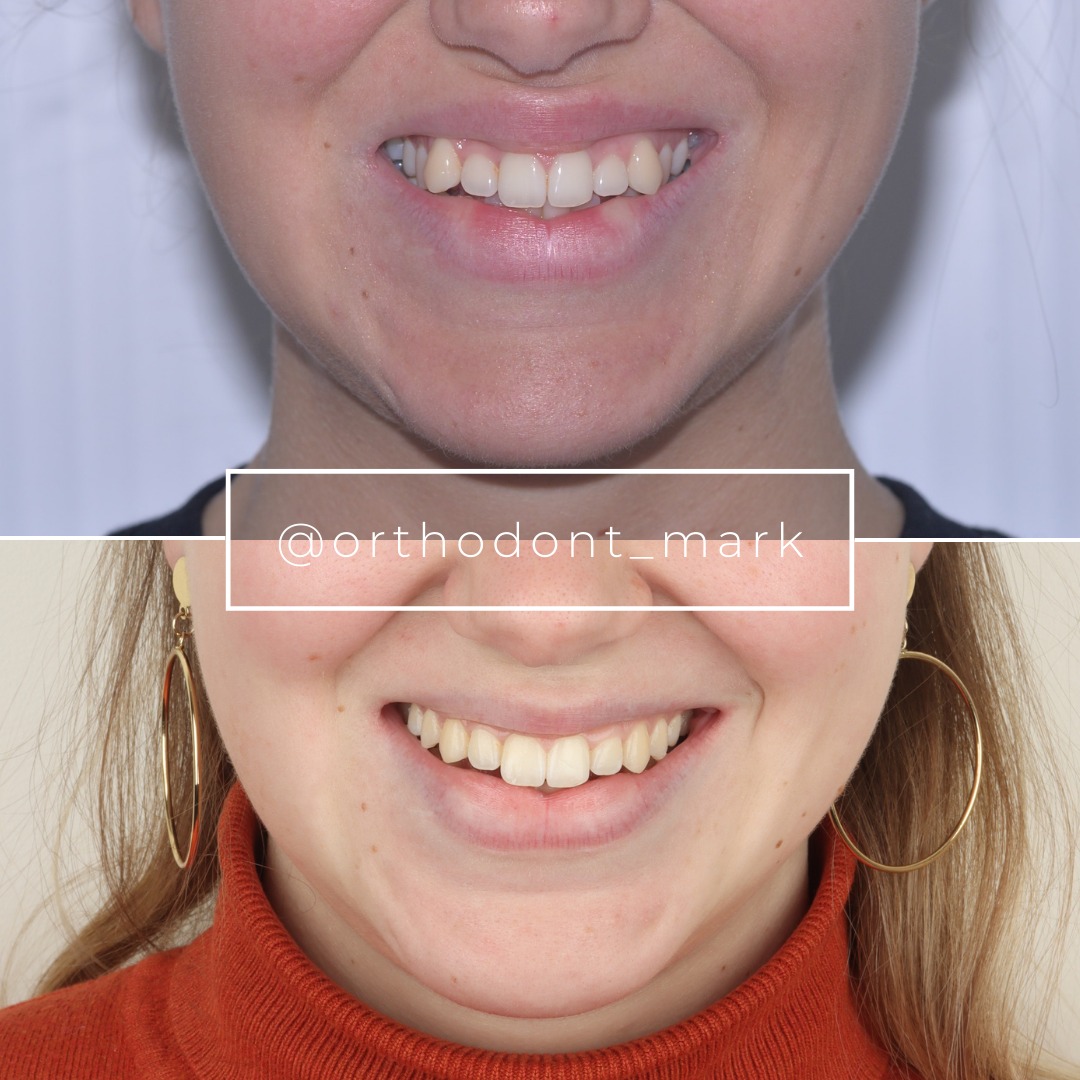
Learn the full MARPE protocol from Dr. Mark Radzhabov
Fundamental course covering CBCT patient selection, miniscrew planning, activation protocols, and 60+ clinical cases. Choose the access level that fits your practice.
Essentials of rapid palatal expansion for practicing orthodontists.
- Core RPE concepts and biomechanics
- 6 structured video lessons
- Clinical decision checklists
- Lifetime access to recordings
Deep-dive into MARPE protocol, diagnostics, and clinical execution.
- 6 modules covering MARPE from A to Z
- CBCT case selection walkthroughs
- Miniscrew placement and activation
- 60+ annotated clinical cases
- Direct Q&A with Dr. Mark Radzhabov
5-element medical consultation framework for dentists and orthodontists.
- Trust-building consultation protocol
- 5 lesson modules
- Templates for treatment plan delivery
- Works with any clinical specialty
Clinical FAQ
What is the success rate for MARPE in patients aged 50 to 60 years?
Success rates are sex-dependent: across Jeon's whole 6–60 year sample (Jeon et al. (2022), Clinical Oral Investigations) females showed 94.17% suture separation success and males 61.05%; the paper has no male subgroup above 40 years, so no separate rate exists for the 50–60 band. Even when separation occurs, basal bone expansion magnitude is significantly reduced compared to younger cohorts. Individual suture maturation status, assessed via CBCT, is more predictive than age alone.
How does midpalatal suture maturation differ between males and females in the geriatric maxilla?
Females maintain higher suture patency and separation capacity with advancing age. Age is not significantly associated with suture non-separation in females (p = 0.221). Males show significant decline in both separation success and magnitude with age (p < 0.001). The biological basis likely involves estrogen-mediated effects on bone remodeling and collagen cross-linking.
What activation rate is recommended for MARPE in patients over 60?
Slower activation—typically 0.25-turn daily (0.1 mm/day)—is preferred over pediatric-style 0.5-turn daily protocols. Extended active expansion phases of 4–8 weeks allow greater suture remodeling time in mineralized bone. Clinician-directed or spring-loaded activators accommodate reduced motor dexterity in some older patients.
How should CBCT be used to assess geriatric MARPE candidacy?
CBCT staging of midpalatal suture (MPS), pterygomaxillary suture (PMS), transpalatal suture (TPS), and zygomaticomaxillary suture (ZMS) maturation is essential. Patent or early-stage sutures (A–C) favor MARPE. Advanced-stage sutures (D–E, indicating closure) suggest SARPE or alternative approaches. Cortical bone thickness at miniscrew sites should also be assessed.
What is the expected expansion magnitude in a geriatric MARPE case?
Realistic expectations are 4–7 mm transverse maxillary widening, compared to 8–10 mm or more in younger patients. Basal bone expansion is significantly lower in older patients even when radiographic suture separation is achieved. Patient counseling should emphasize functional correction (crowding, crossbite resolution) over maximal arch widening.
How do miniscrew stability and osseointegration differ in geriatric bone?
Miniscrew placement in older patients generally achieves excellent initial stability when adequate cortical bone is present. However, heterogeneous bone density and potential osteoporosis may reduce long-term mechanical grip. Clinical and radiographic monitoring for mobility at 2–4 week intervals is essential. Extraction and replacement may be necessary if mobility is detected.
What periodontal and systemic factors affect MARPE success in older adults?
Untreated periodontal disease, severe alveolar bone loss, osteoporosis, diabetes, bisphosphonate therapy, and anticoagulation require careful assessment. Perio therapy should be completed pre-MARPE. Bone density and systemic factors may necessitate slower activation and extended consolidation. Anticoagulation does not contraindicate MARPE but requires physician communication and realistic bleeding expectations.
When should a clinician convert from MARPE to SARPE in a geriatric patient?
Conversion is indicated if: (1) miniscrew mobility occurs despite adequate initial stability; (2) radiographic suture non-separation is documented after 6–8 weeks activation; (3) expansion magnitude is clearly insufficient (< 2 mm) despite continued activation. Or (4) patient requests surgical assurance of outcome. SARPE offers high efficacy and excellent stability but carries greater surgical morbidity.
How long should retention be maintained after MARPE expansion in geriatric patients?
Extended retention of 12–24 months is recommended for patients over 60, compared to 6–12 months in younger patients. Fixed palatal acrylic retainers are preferred over removable appliances to prevent relapse in less compliant skeletal tissue. Staged consolidation phases with periodic CBCT confirmation of suture stability optimize long-term outcomes.
What is the key clinical difference between MARPE success rates for females versus males over 60?
Females demonstrate 94.17% suture separation success compared to males' 61.05% across the whole 6–60 year sample (Jeon et al. (2022), Clinical Oral Investigations); the study reports no separate 50–60 year figures. This sex-based difference requires candid patient counseling: a 58-year-old female is a reasonable MARPE candidate with high success likelihood, while a 58-year-old male faces substantially higher non-separation risk and should be counseled regarding surgical options early.
MARPE in the geriatric maxilla is clinically viable but requires individualized assessment and modified expectations. The evidence clearly shows that age and biological suture maturation—not chronological age alone—determine success. Sex-dependent differences are significant, with females showing substantially higher suture separation rates than males at equivalent ages. For detailed case consultation, treatment planning templates, or enrollment in Dr. Mark Radzhabov's advanced MARPE protocols, visit Orthodontist Mark's consultation portal. Success in this population depends on rigorous diagnostic imaging, realistic goal-setting, and the clinical acumen to recognize when MARPE offers genuine skeletal benefit versus when surgical assistance or alternative approaches serve the patient better.