
MARPE in Growing Patients:
Clinical Evidence & Protocol
When Traditional RPE Isn't Enough
A data-driven approach to skeletal expansion in adolescents. Learn the biomechanical rationale, age-dependent success predictors, and step-by-step activation protocols that Dr. Mark uses in clinical practice.
TL;DR MARPE in growing patients achieves true skeletal expansion through miniscrew anchorage, bypassing dental compensation seen with traditional RPE. Success rates exceed 90% in adolescents and depend critically on chronological age, sex, and midpalatal suture maturity at treatment initiation.
Transverse maxillary deficiency in growing patients presents a clinical crossroads: proceed with conventional rapid palatal expansion (RPE), or transition to miniscrew-assisted expansion when skeletal resistance increases? This article examines MARPE in growing patients—the evidence for skeletal outcomes, biomechanical advantages over tooth-borne expanders, and the critical decision points that determine treatment success. Dr. Mark Radzhabov draws on contemporary prospective trials and his clinical practice to clarify when and how to deploy MARPE in the adolescent population.
What Is MARPE in Growing Patients?
true skeletal expansion
MARPE in growing patients is a skeletal anchorage technique that uses bone-borne miniscrews to achieve true basal maxillary widening independent of dental position, overcoming the dental tipping and alveolar compensation inherent in conventional tooth-borne rapid palatal expansion. Unlike traditional RPE, which relies on dental anchorage and generates substantial buccal dental flare, MARPE distributes expansion forces directly to the palatal cortex and midpalatal suture, permitting orthopedic rather than orthodontic response.
The clinical distinction is profound: conventional RPE produces dental extrusion, buccal inclination of anchor teeth, and alveolar process tipping—effects that consume expansion capacity and complicate final detailing. In contrast, miniscrew-assisted expansion preserves dental position while achieving genuine skeletal widening at the basal bone level. This becomes particularly important in growing patients approaching or at peak mandibular growth, where residual vertical growth may amplify the vertical side effects of conventional expansion.
The shift from tooth-borne to bone-borne anchorage also eliminates patient compliance—there is no screw to activate, no reliance on patient cooperation. The miniscrews remain stationary while the palatal tissues widen between them. This is especially valuable in mixed-dentition cases where retention of deciduous teeth and eruption patterns must be carefully managed.
Skeletal Expansion Outcomes:
MARPE vs. RPE
Direct evidence from randomized trials
Head-to-head comparison studies demonstrate that MARPE achieves significantly greater basal bone expansion at the skeletal level while reducing compensatory dental flare. In a prospective randomized clinical trial involving 40 adolescent patients (mean age ~14 years), researchers compared identical expansion magnitudes (35 turns) between conventional RPE and MARPE cohorts, measuring skeletal response via low-dose CBCT at three timepoints: baseline (T0), immediately post-expansion (T1), and after 3-month consolidation (T2).
The MARPE group demonstrated significantly greater nasal width increase in the molar region and greater expansion at the greater palatine foramen—anatomical markers of true skeletal separation—compared to RPE. Critically, midpalatal suture separation occurred in 95% of MARPE subjects versus 90% in the RPE group, indicating superior capacity for orthopedic response. During the expansion and consolidation periods, the MARPE group exhibited substantially less buccal displacement of anchor teeth (both premolar and molar anchor points), meaning the skeletal gains were not sacrificed for dental compensation.
These findings directly address a key concern in growing patients: traditional RPE forces the dentist to choose between skeletal width and dental position, often resulting in bimaxillary protrusion or maxillary dentoalveolar flare that complicates later orthodontic alignment. MARPE decouples this trade-off, permitting pure orthopedic expansion that leaves room for comprehensive arch coordination.
Age-Dependent Success Rates:
When Biology Limits MARPE
Critical insights for case selection
One of the most important—and often overlooked—findings in MARPE literature is the age and sex dependency of suture separation success. A retrospective analysis of 215 patients (ages 6–60 years) treated with MARPE (Jeon et al., 2022, Clinical Oral Investigations) revealed striking differences in outcome probability. Overall suture separation success was 79.53% (Jeon et al. (2022), Clinical Oral Investigations), but this aggregate figure masks critical subgroup variation: female patients achieved 94.17% success, while male patients achieved only 61.05%.
More significantly, older male patients showed a statistically significant decline in both the likelihood of suture separation and the magnitude of separation achieved. In younger adolescents (age 12–15 years), suture separation success approached 100% in both sexes, but as age increased into the late teens and early 20s, male patients showed substantially reduced success rates. This sex-dependent difference appears to relate to the progressive interdigitation and ossification of the midpalatal suture—processes that accelerate differentially in males during and after puberty. Female patients, by contrast, maintained high success rates even into older adolescence, suggesting a prolonged window of skeletal responsiveness.
For the clinician, this translates into a critical decision rule: in male patients approaching 16–17 years of age, MARPE success becomes less certain, and earlier intervention is advantageous. Conversely, female patients can be confidently treated across a broader age range. This is not merely an academic distinction—it affects treatment timing, case acceptance, and the decision between early MARPE versus delayed SARPE (surgically-assisted rapid palatal expansion).
Clinical Protocol for MARPE:
Step-by-Step Implementation
From implant placement to consolidation
The technical execution of MARPE differs markedly from conventional RPE and demands precision in miniscrew placement and force application. The standard protocol involves placement of two miniscrews (diameter 2.0–2.3 mm, length 11–13 mm) in the palate, typically in the anterior-posterior dimension, positioned lateral to the midpalatal suture and between the maxillary molar roots. The exact placement geometry is critical: screws should be divergent (not parallel) to resist lateral and rotational forces during expansion.
Following implant osseointegration (typically 1–2 weeks in growing patients with favorable bone density), activation begins at a conservative rate: 4 quarter-turns on the day of screw insertion, then 3 quarter-turns daily for approximately 10 days. After this initial intensive phase, deactivation may occur to allow bone remodeling before re-activation. The total active expansion phase typically spans 8–12 weeks in growing patients, after which consolidation (without activation) continues for 3–6 months. This extended consolidation is crucial in growing patients because the midpalatal suture undergoes active remodeling during this window, and bone maturation at the sutural interface determines long-term stability.
Activation force magnitude is another biomechanical consideration absent in conventional RPE: miniscrew-assisted devices generate more distributed, lower-magnitude forces compared to the concentrated jackscrew pressure in tooth-borne expanders. This gentler force environment reduces stress-induced resorption at the suture and minimizes patient discomfort. The use of skeletal anchorage also allows clinicians to proceed with concurrent orthodontic alignment during the consolidation phase—a significant time advantage in comprehensive treatment.
Clinical Indications:
Patient Selection
Criteria for MARPE over conventional RPE
MARPE is indicated in growing patients when conventional RPE is predicted to fail or to produce unacceptable dental side effects. The primary indication is severe transverse maxillary deficiency with significant skeletal constriction—cases where tooth-borne expansion alone cannot close the transverse discrepancy within orthodontic limits. Clinically, this manifests as posterior crossbites with arch width discrepancy exceeding 8–10 mm, or crowding patterns driven by maxillary skeletal narrowing rather than mesiodistal tooth size.
A second key indication is failed previous RPE treatment. When a patient has undergone conventional rapid palatal expansion without achieving adequate suture separation or skeletal widening, MARPE leverages miniscrew anchorage to mobilize the suture through a different biomechanical pathway. This is particularly common in late-adolescent or young adult patients who are past the window of optimal conventional RPE response but not yet candidates for surgical intervention.
A third indication is management of anterior-posterior skeletal relationships where dentoalveolar flare from RPE would worsen existing bimaxillary protrusion. By decoupling expansion from dental inclination, MARPE permits skeletal gain without the forward movement and protrusion associated with conventional expansion. Additionally, mixed-dentition cases with early loss of deciduous molars or severe crowding may benefit from MARPE to establish adequate basal space before permanent molar eruption.
Contraindications are few but important: active infection, severe bone loss in the palate, or evidence of bisphosphonate therapy would preclude miniscrew placement. Additionally, very young patients (age <8 years) with thin palatal bone may require conventional RPE first, with MARPE reserved for later phases if needed.
Avoiding Treatment Failures:
Critical Pitfalls
What the literature and practice teach us
One of the most common errors in MARPE treatment is underestimating the importance of miniscrew osseointegration time. Clinicians sometimes activate immediately after insertion, expecting the screws to integrate rapidly. In growing patients with active remodeling, premature activation can cause screw micromotion, leading to fibrous rather than osseous integration and subsequent loss of anchorage. The standard recommendation is to allow 7–14 days of integration before initiating activation—a delay that many practices find difficult but that directly correlates with long-term success.
A second pitfall is inadequate baseline imaging. Without high-quality CBCT prior to treatment, clinicians cannot assess midpalatal suture maturity, detect subtle anatomy (such as anteroposterior offset of suture margins), or plan miniscrew placement with precision. In growing patients especially, suture morphology varies considerably by age and maturation stage. Skipping this imaging step invites placement error and suboptimal force distribution.
Third, clinicians sometimes overlook retention protocol after active expansion. MARPE is not simply RPE with miniscrews—it requires thoughtful retention. After expansion and consolidation, the miniscrews may remain in place for 6–12 additional months to maintain skeletal gain during the active orthodontic alignment phase. Removing screws prematurely or failing to reinforce the expanded palate with a fixed retention device (such as a bonded palatal wire) can lead to relapse, particularly in growing patients with ongoing skeletal remodeling.
Fourth, sex and age mismanagement creates unnecessary failures. As mentioned in the evidence section, male patients over age 16 have substantially lower MARPE success rates. Yet some clinicians attempt MARPE in these patients without appropriate informed consent regarding success probability, or without considering SARPE as an alternative. Similarly, failing to adjust activation protocols or expectations based on patient sex—specifically, lower anticipated suture separation in older males—leads to premature case termination or frustration.
Pre- and Post-Activation Care:
Management Strategy
Ensuring predictable outcomes in your practice
Success with MARPE in growing patients depends on meticulous attention to pre-treatment planning, intra-treatment monitoring, and post-treatment consolidation. Begin with comprehensive diagnosis: transverse skeletal measurements (intercanine width, intermolar width, nasal width), assessment of midpalatal suture morphology via CBCT, and evaluation of maxillary bone density and palatal dimensions. This baseline defines the expansion target and informs screw placement geometry.
Patient communication before screw placement should include realistic expectations about success rates, particularly age- and sex-specific probabilities. Growing patients and parents appreciate transparency: explain that females have near-universal suture separation, while males in late adolescence face lower predictability. Clarify the timeline—typically 8–12 weeks of active expansion plus 3–6 months consolidation—and the requirement for retention.
During the activation phase, schedule regular recall visits (every 2–3 weeks initially) to monitor screw integrity, assess palatal expansion visually and radiographically, and identify complications early. Check screw torque status; any loosening requires immediate remediation. Also monitor for any sign of screw exposure or palatal tissue hyperplasia. In growing patients, assess eruption of permanent molars and adjust timing if first molar eruption is imminent—some clinicians prefer to complete active expansion before molar emergence to avoid interference.
Post-activation, the consolidation phase is where many gains are lost. Maintain miniscrews in place; do not remove them immediately after active expansion. If concurrent fixed appliance therapy is planned, the expanded palate should be locked in place using a bonded palatal wire or comparable retention device. This provides mechanical reinforcement while the midpalatal suture and supporting bone complete maturation—a process that extends months beyond clinical consolidation, especially in growing patients.
Free Clinical Guide
Which Expansion Appliance at Which Age?
Get Dr. Mark Radzhabov's guide to skeletal-expansion appliances — indications, pros & cons, and how to choose by patient age. Free to your inbox.
Prefer video? Watch the free demo lesson on MARPE appliance types, features and trade-offs.
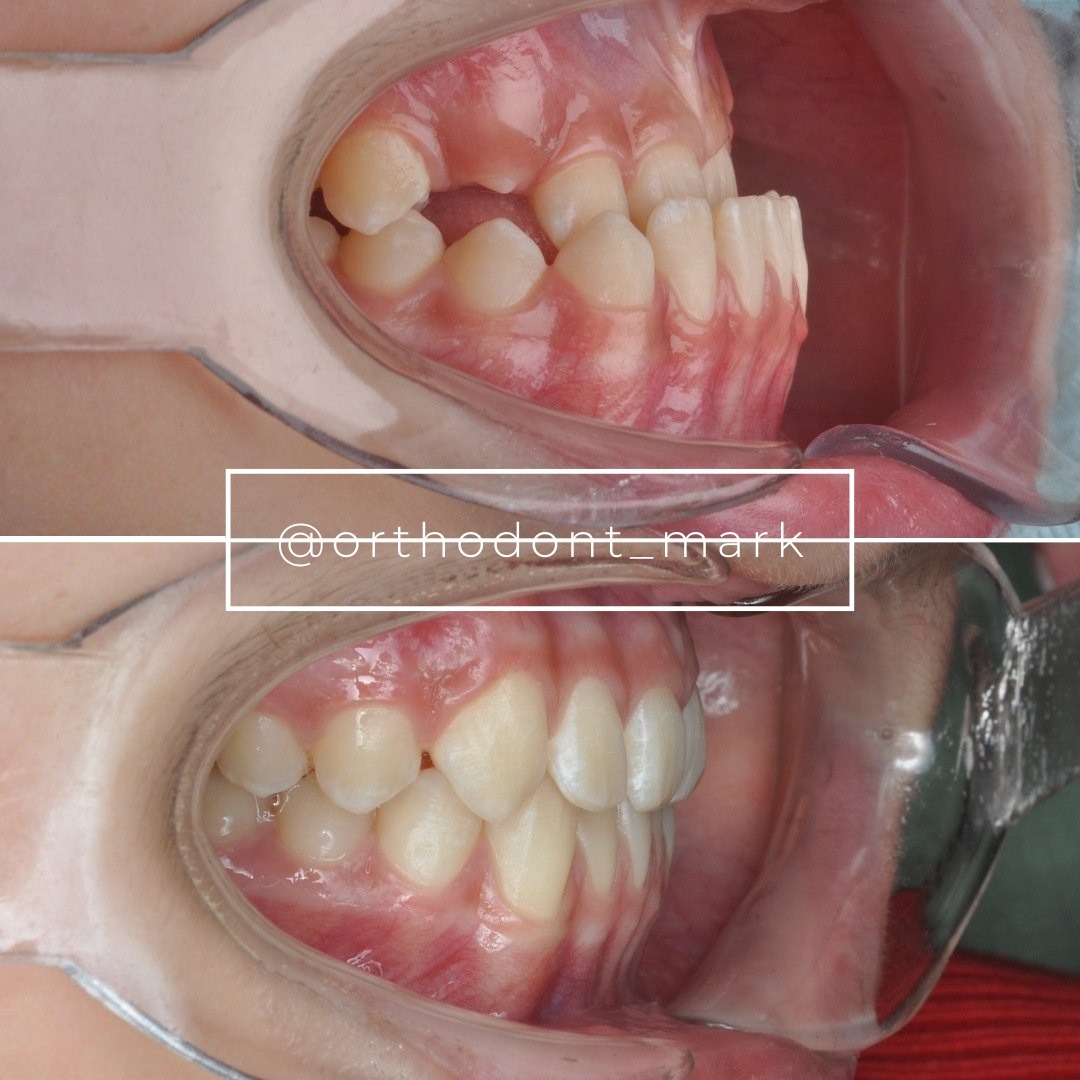
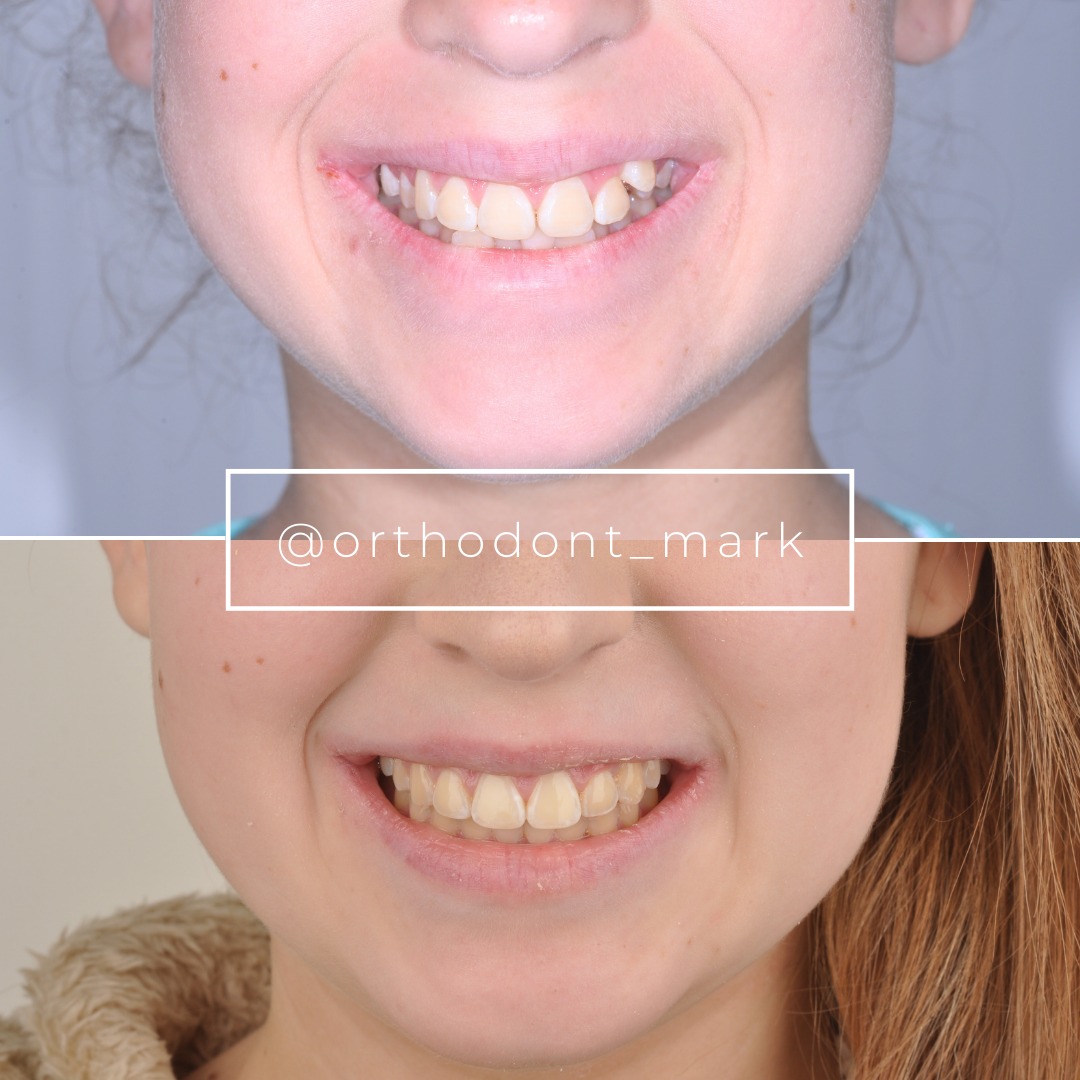
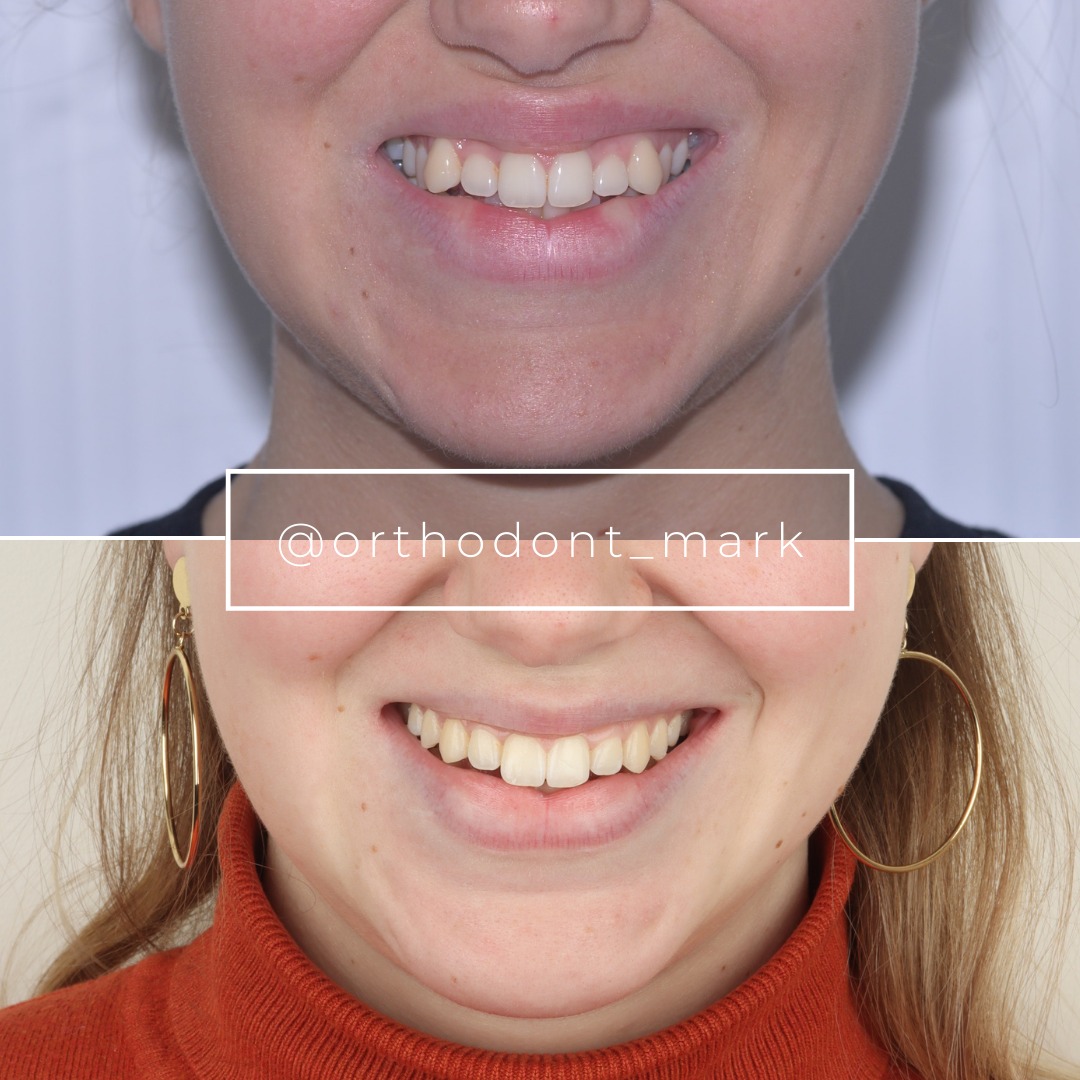
Documented outcomes
Clinical cases from Dr. Mark Radzhabov's practice
Learn the full MARPE protocol from Dr. Mark Radzhabov
Fundamental course covering CBCT patient selection, miniscrew planning, activation protocols, and 60+ clinical cases. Choose the access level that fits your practice.
Essentials of rapid palatal expansion for practicing orthodontists.
- Core RPE concepts and biomechanics
- 6 structured video lessons
- Clinical decision checklists
- Lifetime access to recordings
Deep-dive into MARPE protocol, diagnostics, and clinical execution.
- 6 modules covering MARPE from A to Z
- CBCT case selection walkthroughs
- Miniscrew placement and activation
- 60+ annotated clinical cases
- Direct Q&A with Dr. Mark Radzhabov
5-element medical consultation framework for dentists and orthodontists.
- Trust-building consultation protocol
- 5 lesson modules
- Templates for treatment plan delivery
- Works with any clinical specialty
Clinical FAQ
What is the optimal age window for MARPE in growing patients with skeletal constriction?
Ages 10–15 years offer the highest success rates and widest suture responsiveness. In females, treatment remains reliable into late adolescence; in males, success declines after age 16, favoring earlier intervention or surgical alternatives in older patients.
How does MARPE differ biomechanically from conventional tooth-borne rapid palatal expansion?
MARPE uses miniscrew anchorage to apply forces directly to palatal cortex, bypassing dental inclination. RPE relies on dental anchorage, producing buccal flare, extrusion, and alveolar tipping—effects that consume expansion capacity and complicate final detailing.
What is the success rate for midpalatal suture separation with MARPE in adolescents?
Prospective trials report 95% suture separation in MARPE versus 90% in conventional RPE. Success rates are sex-dependent: 94.17% in females, 61.05% in males, with declining male success after age 16 (Jeon et al., 2022, Clinical Oral Investigations).
How long should miniscrews remain in place after active MARPE expansion?
Miniscrews should remain 6–12 months post-consolidation to support bone maturation and prevent relapse during active orthodontic alignment. Bonded palatal reinforcement (wire or composite) further stabilizes skeletal gains in growing patients.
When is MARPE indicated instead of conventional RPE in a growing patient?
Indications include severe skeletal constriction, failed prior RPE, high transverse discrepancy (>8–10 mm), or when dentoalveolar flare would worsen bimaxillary protrusion. Mixed-dentition cases with molar space loss also benefit.
What miniscrew dimensions and palatal placement geometry are recommended?
Standard screws are 2.0–2.3 mm diameter, 11–13 mm length, positioned anteroposteriorly lateral to the midpalatal suture between maxillary molar roots. Divergent (not parallel) placement resists lateral and rotational forces.
How should clinicians modify MARPE protocol for male patients over age 16?
Inform patients of reduced success probability (~61%); consider slower activation rates, extended consolidation, or SARPE as an alternative. Earlier treatment (age 14–15) is preferable if skeletal expansion is indicated.
What is the typical timeline from miniscrew insertion to appliance removal in growing patients?
7–14 days integration, 8–12 weeks active expansion, 3–6 months consolidation, plus 6–12 months extended retention with bonded reinforcement—total 6–12 months from start to removal.
What imaging is essential before MARPE treatment planning?
High-quality CBCT is mandatory to assess midpalatal suture maturity and morphology, evaluate palatal bone density and dimensions, and plan miniscrew placement with precision based on anatomical variation by age.
How does MARPE address dentoalveolar compensation that limits conventional RPE success?
By decoupling expansion from dental anchorage, MARPE achieves skeletal widening without buccal tooth flare, extrusion, or alveolar tipping, preserving dentoalveolar position and simplifying subsequent orthodontic alignment in growing patients.
MARPE in growing patients represents a quantum leap beyond conventional RPE when skeletal anchorage becomes necessary. The evidence confirms superior basal bone expansion, reduced dental tipping, and higher midpalatal suture separation rates—especially in mid-to-late adolescents. If you are managing cases with skeletal constriction or failed RPE, consider enrolling in Dr. Mark Radzhabov's advanced MARPE protocol course or submitting a case for detailed review at ortodontmark.com.

