
MARPE in High-Density Maxillae:
Protocol Modifications
Clinical & Radiographic Management
Evidence-based strategies for expanding dense bone: CBCT assessment, modified activation, and decision trees for adjunctive intervention.
TL;DR MARPE in high-density maxillae requires modified activation protocols, lower screw load vectors, and extended consolidation phases to overcome cortical resistance. When midpalatal suture separation fails at standard turns, surgical assistance or corticotomy may be necessary. Success depends on accurate bone density assessment via CBCT and individualized treatment timing.
Adult patients with transverse maxillary deficiency and dense cortical bone present a distinct clinical challenge: conventional MARPE mechanics may stall, placing excessive stress on miniscrew anchorage and delaying skeletal separation. In this article, Dr. Mark Radzhabov examines the biomechanical reality of palatal expansion in high-density bone—when standard protocols fail, which diagnostic signs predict success versus the need for surgical intervention, and how to modify loading to preserve implant integrity. This guide is essential for clinicians managing skeletally mature patients whose radiographic anatomy contradicts conventional expansion timelines.
What Is MARPE in High-Density Bone?
cortical density
MARPE in high-density maxillae addresses a biomechanical paradox: miniscrew-assisted rapid palatal expansion succeeds in younger adults with patent midpalatal sutures, yet stalls when cortical architecture is reinforced. The problem is not the screw anchorage system itself, but the resistance of dense lateral maxillary bone and thickened midpalatal architecture to orthopedic force transmission. Individual variability in suture fusion is not directly tied to age alone—some young adults show advanced ossification, while others in their thirties retain patent sutures. Conventional MARPE literature assumes a linear relationship between force and separation. However, in dense bone, this relationship becomes non-linear: force escalates while separation plateaus, risking screw loosening, root resorption, and patient discomfort without clinical gain. Radiographic assessment via low-dose CBCT is therefore not optional—it is diagnostic. Clinicians must quantify cortical thickness at the lateral nasal aperture, evaluate midpalatal suture maturity, and measure the degree of pterygoid fusion before loading miniscrews. When CBCT reveals cortical thickness >4 mm at the lateral maxillary wall and high-density trabeculae between lateral plates, standard MARPE protocols often fail to initiate midpalatal separation despite adequate screw stability. The clinical reality is that high-density bone does not contraindicate MARPE. Rather, it demands a modified activation strategy, lower initial loads, extended consolidation phases, and a clear decision pathway: if radiographic evidence at 12–16 weeks shows <2 mm of separation despite consistent activation, surgical assistance (either localized corticotomy or SARME) becomes the evidence-based next step rather than a failure of the system.
CBCT Assessment & Bone Density
radiographic planning
Predicting Expansion Difficulty
Low-dose CBCT imaging has become the standard diagnostic tool for pre-treatment evaluation in adult palatal expansion cases. The goal is to map cortical anatomy and predict whether conventional MARPE mechanics will succeed or require modification. Key measurements include: (1) midpalatal suture maturation stage (using a 5-point staging system from patent to completely fused); (2) cortical thickness of the lateral nasal aperture in the molar region, typically measured at the level of the palatal root apex; (3) density of trabecular bone between the lateral plates. And (4) degree of pterygoid plate fusion, which influences the lateral vector of expansion. Clinicians should establish institutional reference values: in low-density bone, cortical thickness at the lateral nasal wall ranges 2–3 mm, and treatment time to midpalatal separation is 8–12 weeks. In high-density bone—operationally defined as cortical thickness >4 mm and high Hounsfield unit density—separation timelines extend to 16–24 weeks, and force application must be reduced to 50–75% of standard MARPE loads. A practical CBCT scoring system for pre-treatment risk stratification: Score bone density and suture maturity on a 1–5 scale. Patients scoring 8 or below (combined score) are candidates for standard MARPE. Scores 9–10 warrant protocol modification (lower activation, extended retention). Scores >10 may require corticotomy or SARME referral. This simple framework helps residents and busy clinicians make rapid, defensible treatment decisions without extensive research review.
Modified Activation Protocols for
Dense Cortical Resistance
Standard MARPE activation—typically 0.25 mm per turn (4 turns daily in acute phase, then 3 turns daily post-operatively)—assumes a relatively compliant midpalatal suture and laterally positioned miniscrews that transmit force parallel to the suture plane. In high-density bone, this protocol generates excessive stress concentration at the screw–bone interface and minimal separation at the suture. A modified approach redistributes mechanical advantage: begin with 2 turns per day (rather than 4) in the acute activation phase, advance to 3 turns daily only after radiographic evidence of initial separation (≥1 mm at 4 weeks), and introduce a 2–3 week deactivation cycle every 8 weeks to allow bone remodeling and reduce screw load. Alternatively, a cyclical activation protocol—4 turns on, 4 turns off over a 2-week cycle—has shown clinical success in reducing patient discomfort and maintaining screw stability in dense bone, though it extends overall treatment time. The key principle is force modulation: in dense bone, lower force applied consistently outperforms higher force applied acutely. Miniscrew position is equally critical. Palatal screws placed mesial and distal to the midline at the anterior aspect of the hard palate (roughly at the junction of the anterior and middle thirds) generate more favorable moment arms and reduce the shear stress vector on the suture compared to screws placed at the lateral edges of the palatal vault. Consolidation time must be extended in high-density bone. Standard MARPE allows 3–6 months of retention. In dense cortical cases, 6–9 months is more appropriate to permit complete trabecular infill. Premature screw removal risks relapse due to incomplete ossification across the midpalatal suture.
When Bone Resists: Adjunctive Corticotomy
and Surgical Options
Despite meticulous CBCT planning and modified activation, some high-density cases will plateau before achieving target expansion. A decision algorithm is essential: At 12 weeks of consistent activation, if CBCT shows <2 mm midpalatal separation and the miniscrews remain mechanically stable, abandon further MARPE activation and reassess. Two paths exist: (1) adjunctive corticotomy, or (2) referral for SARME. Laser-assisted or piezoelectric corticotomy—applied transgingivally along the lateral maxillary aspects and across the anterior palate—reduces cortical density and restores responsiveness to expansion forces. In cases with adequate miniscrew stability and moderate remaining transverse deficiency, corticotomy allows MARPE to resume with lower loads and faster separation kinetics. The procedure requires surgical expertise but avoids the morbidity of full osteotomy. Clinicians should establish relationships with oral surgeons experienced in palatal corticotomy to enable rapid co-management. Surgically assisted rapid maxillary expansion (SARME) remains the gold standard when cortical resistance is insurmountable or when transverse deficiency is severe. Lateral osteotomies, pterygoid plate release, and optionally midpalatal osteotomy ensure reliable separation and reduce activation force requirements. Evidence from comparative studies shows that midpalatal osteotomy improves expansion efficacy and reduces patient discomfort during activation cycles, though surgical invasiveness is greater. After SARPE, conventional orthodontic mechanics proceed without miniscrew anchorage constraints. For residents and early-career clinicians, the lesson from Orthodontist Mark's experience is this: do not escalate MARPE activation indefinitely in dense bone. At the 12–16 week plateau, seek surgical consultation. Patient outcomes improve with timely intervention rather than prolonged mechanical stalling.
Skeletal and Dentoalveolar Changes:
What to Expect
in Dense Bone MARPE
When MARPE succeeds in high-density bone—defined as achieving ≥3 mm midpalatal separation confirmed by CBCT—the skeletal response pattern differs subtly from traditional RPE outcomes. MARPE generates greater increases in nasal width, particularly in the molar region, and greater bilateral expansion of the greater palatine foramina. This reflects the anchoring point: miniscrews positioned anteriorly and medially create a more controlled, parallel-wall expansion compared to tooth-borne RPE, which generates compensatory buccal flaring of anchor teeth. Dentoalveolar side effects are significantly reduced in MARPE versus conventional RPE. Buccal displacement of anchor teeth (first premolars and molars) is substantially lower in MARPE cohorts—a critical advantage in high-density cases, where prolonged activation would otherwise drive severe incisor flaring and periodontal compromise. Transverse dental width increases in MARPE, but primarily through skeletal separation rather than alveolar crest remodeling, preserving bone thickness on the buccal cortex and reducing fenestration risk. Periodontally, high-density MARPE cases demand scrupulous post-expansion monitoring. Even though miniscrew anchorage reduces dental flaring, the extended activation timeline in dense bone increases cumulative mechanical stress on the periodontal ligament. Panoramic and periapical radiographs at baseline, 8-week, and 16-week intervals should assess for root resorption or marginal bone loss. Patients should receive individualized oral hygiene reinforcement and, in select cases, supportive periodontal therapy during active expansion.
Clinical Protocol: From Diagnosis to
Miniscrew Placement
A pragmatic protocol for managing MARPE in high-density maxillae: Phase 1: Pre-Treatment Assessment (Weeks −4 to 0) Order low-dose CBCT and systematically assess: midpalatal suture maturity, cortical thickness at lateral nasal aperture, trabecular density, and pterygoid fusion. Assign a density risk score (1–5 scale). If score ≥4, brief the patient on extended timeline (4–6 months active, 6–9 months retention) and discuss possible need for adjunctive surgery. Obtain informed consent specific to high-density bone mechanics. Phase 2: Screw Placement & Device Activation (Weeks 0–2) Place miniscrews under local anesthesia (or IV sedation if patient preference) at the anterior hard palate, roughly 8–10 mm mesial and lateral to the midline, at the level where the premaxilla meets the maxillary body. Verify bilateral screw stability with hand torque. Attach the expansion device (BENEfit, Hybrid Hyrax, or equivalent skeletal-loaded system). Perform hand activation of 2 turns per side, then deliver the patient with written activation instructions: 2 turns per day for the first 14 days, then assess at Week 2. Phase 3: Monitoring & Adjusted Activation (Weeks 2–16) Recall patient at Week 4 for clinical and radiographic (panoramic) assessment. If ≥1 mm midpalatal separation is visible, continue with 3 turns daily. If <1 mm, reduce to 2 turns daily and reimage at Week 8. At Week 8, perform CBCT to assess separation status. If separation is ≥2 mm, continue current protocol. If ≤1 mm and screws are stable, consider recommending surgical corticotomy. If patient declines, switch to a 2-on/2-off weekly cycle (2 turns on, 2 turns off) to allow remodeling. Phase 4: Completion & Consolidation (Weeks 16–48) Once target transverse width is achieved (confirmed by CBCT showing ≥3 mm midpalatal separation), deactivate the screw and maintain the appliance in situ for 6–9 months to allow complete trabecular infill. During this phase, progress with fixed appliance bonding if esthetics and alignment permit. At 6-month retention mark, perform low-dose CBCT to confirm ossification. Only then remove the miniscrews. Phase 5: Long-Term Stability (Months 9–24) Follow up with periodic records (panoramic at 12 and 24 months) to assess relapse. High-density bone, once expanded, typically shows good long-term stability. Relapse is <10% in most cases.
Free Clinical Guide
Which Expansion Appliance at Which Age?
Get Dr. Mark Radzhabov's guide to skeletal-expansion appliances — indications, pros & cons, and how to choose by patient age. Free to your inbox.
Prefer video? Watch the free demo lesson on MARPE appliance types, features and trade-offs.
Documented outcomes
Clinical cases from Dr. Mark Radzhabov's practice
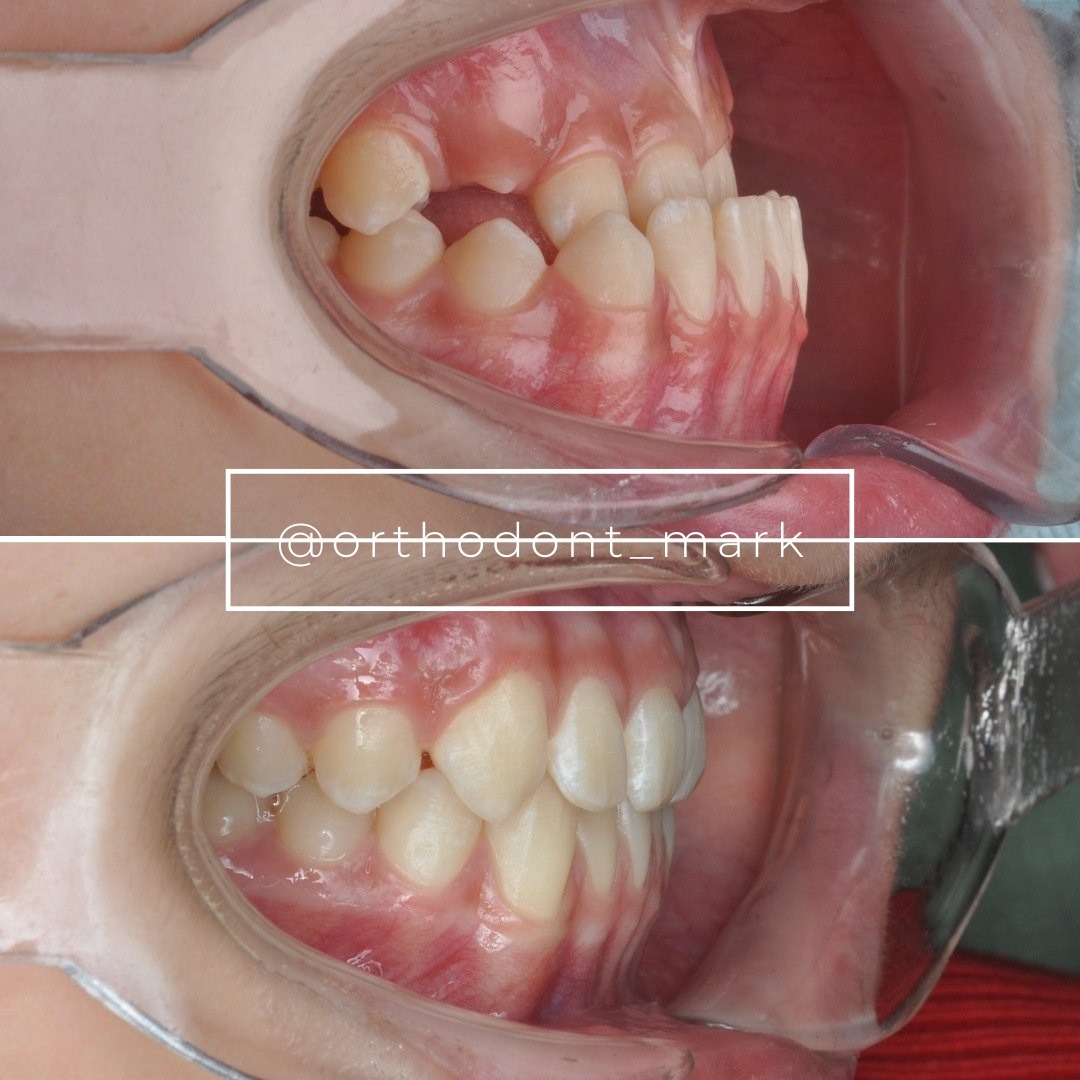
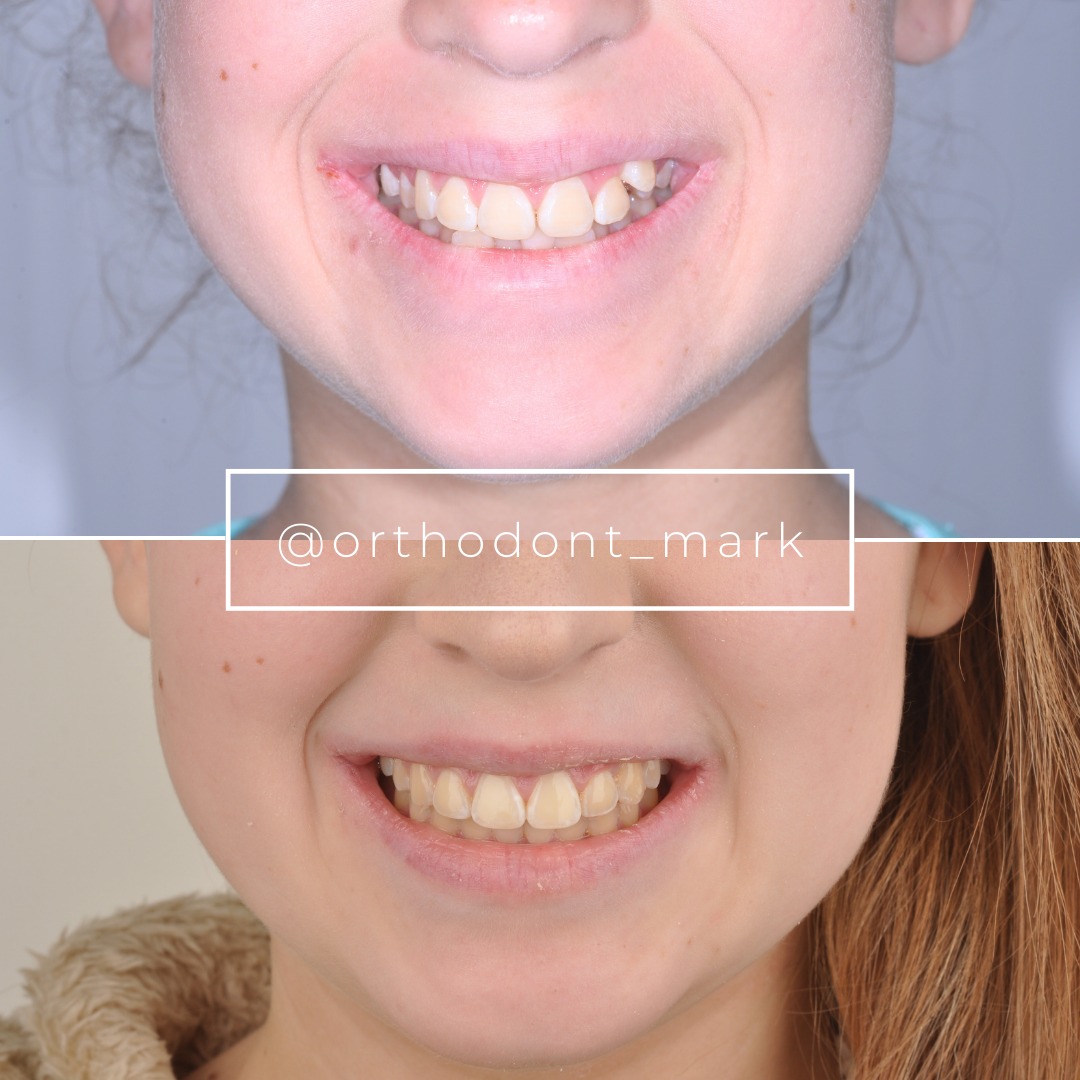
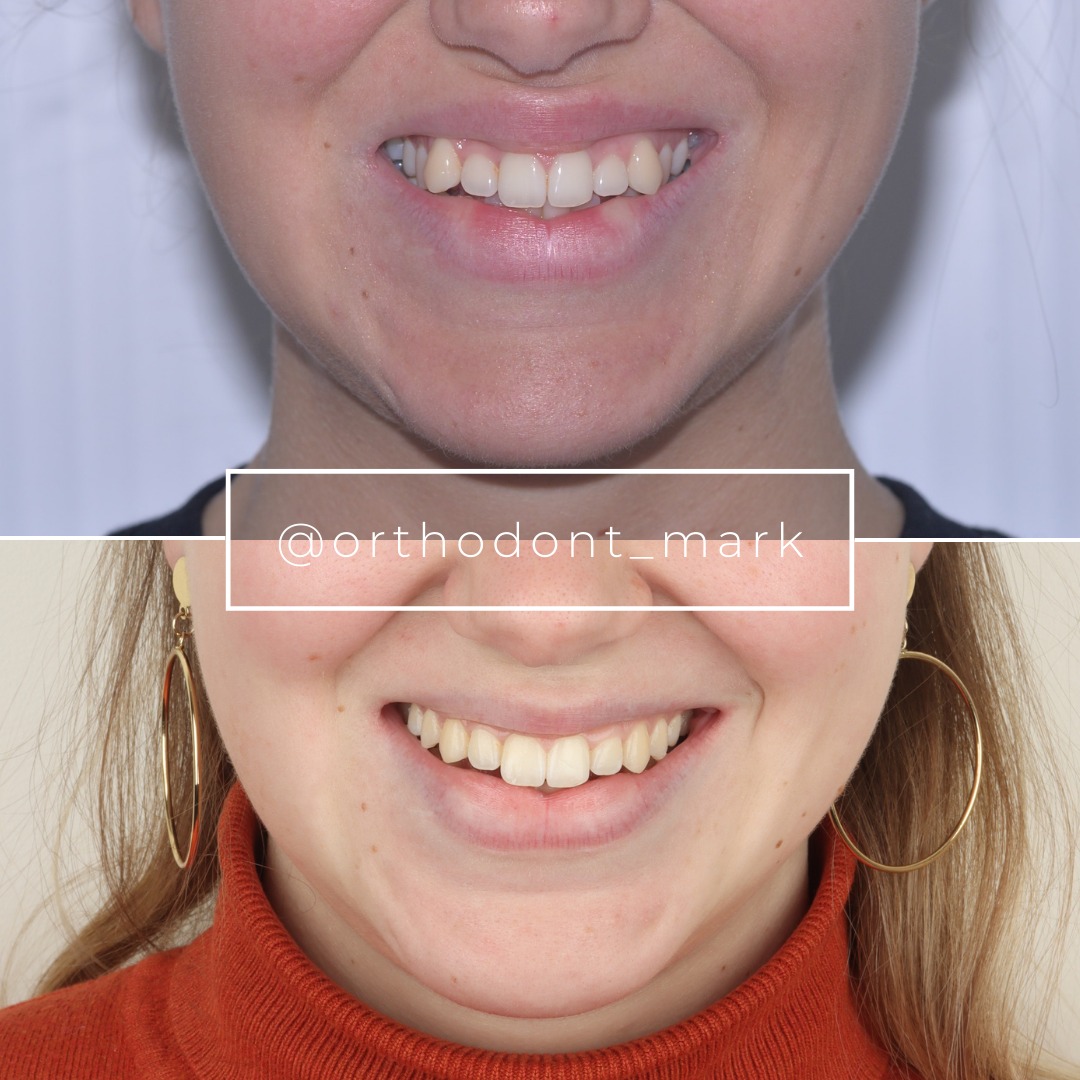
Learn the full MARPE protocol from Dr. Mark Radzhabov
Fundamental course covering CBCT patient selection, miniscrew planning, activation protocols, and 60+ clinical cases. Choose the access level that fits your practice.
Essentials of rapid palatal expansion for practicing orthodontists.
- Core RPE concepts and biomechanics
- 6 structured video lessons
- Clinical decision checklists
- Lifetime access to recordings
Deep-dive into MARPE protocol, diagnostics, and clinical execution.
- 6 modules covering MARPE from A to Z
- CBCT case selection walkthroughs
- Miniscrew placement and activation
- 60+ annotated clinical cases
- Direct Q&A with Dr. Mark Radzhabov
5-element medical consultation framework for dentists and orthodontists.
- Trust-building consultation protocol
- 5 lesson modules
- Templates for treatment plan delivery
- Works with any clinical specialty
Clinical FAQ
How do I identify high-density maxillae on CBCT before starting MARPE?
Measure cortical thickness at the lateral nasal aperture and evaluate midpalatal suture maturity using a 5-point staging system. Cortical thickness >4 mm combined with high Hounsfield unit density indicates high-density bone requiring protocol modification. Assess pterygoid fusion as well, as complete pterygoid ossification increases resistance.
What is the optimal activation protocol for MARPE in dense cortical bone?
Begin with 2 turns per day (0.5 mm) rather than 4. After radiographic evidence of ≥1 mm separation at 4 weeks, escalate to 3 turns daily. Consider cyclical activation (2 turns on, 2 turns off weekly) if separation plateaus or patient reports excessive discomfort. Lower force applied consistently outperforms aggressive acute loading.
When should I abandon MARPE and refer for surgical intervention?
At 12–16 weeks of consistent activation, if CBCT shows <2 mm midpalatal separation and miniscrews remain stable, halt MARPE. If moderate transverse deficiency remains, refer for adjunctive laser or piezoelectric corticotomy. If severe deficiency or complete stalling occurs, recommend SARME with pterygoid release and optional midpalatal osteotomy.
How long should I retain the expansion appliance in high-density bone cases?
Extend consolidation to 6–9 months (compared to 3–6 months in conventional MARPE). Dense bone requires longer ossification time for trabecular infill. Perform CBCT at 6-month mark to confirm complete separation and ossification before removing miniscrews.
What are the skeletal differences between MARPE and conventional RPE in dense bone?
MARPE in high-density cases generates greater nasal width increase and greater palatine foramen expansion with significantly less buccal flaring of anchor teeth compared to tooth-borne RPE. Miniscrew anchorage provides more parallel-wall, skeletal-dominated expansion, reducing dentoalveolar side effects.
Is laser or piezoelectric corticotomy effective in restoring MARPE responsiveness?
Yes. Transgingival point-pattern corticotomy along the lateral maxilla and anterior palate reduces cortical density and restores separation kinetics. After corticotomy, MARPE activation can resume at lower loads and accelerated timeline. Requires surgical expertise. Establish referral relationships with skilled oral surgeons.
How do I manage periodontal risk during prolonged MARPE activation in dense bone?
Extend activation timeline (lower daily turns) to reduce cumulative PDL stress. Monitor with periapical radiographs at baseline, 8 weeks, and 16 weeks for root resorption. Reinforce oral hygiene and consider supportive periodontal therapy. High-density cases demand scrupulous hygiene due to extended treatment duration.
What is the role of pterygoid fusion assessment in pre-treatment CBCT planning?
Complete pterygoid fusion increases lateral resistance to expansion. If pterygoid plates are fully fused and lateral cortical walls are thick (>4 mm), anticipate extended activation timelines and consider corticotomy or SARME upfront rather than attempting standard MARPE.
Can individual age alone predict midpalatal suture maturity and MARPE difficulty?
No. Individual variability in suture fusion is independent of age, especially in young adults. Two 30-year-old patients may have vastly different suture maturity and cortical density. CBCT assessment is mandatory—clinical judgment based on age alone leads to treatment failures and protocol errors.
What does 'cortical thickness >4 mm' mean clinically, and how does it affect MARPE mechanics?
Cortical thickness >4 mm at the lateral nasal aperture reflects advanced ossification and high resistance to expansion. Standard MARPE forces (0.25 mm per turn, 4 turns daily) generate excessive stress on screws with minimal suture separation. Modified protocols with lower daily activation and extended timelines are necessary to preserve screw integrity and patient tolerance.
The presence of dense maxillary bone does not eliminate MARPE as a treatment option—it demands precision in diagnosis, patience in activation, and willingness to pivot toward adjunctive corticotomy or SARME when radiographic evidence shows stalled midpalatal separation. Dr. Mark Radzhabov recommends low-dose CBCT assessment before treatment initiation to quantify cortical thickness and guide load planning. Consider scheduling a case consultation through Orthodontist Mark to review your high-density expansion cases and refine your clinical protocol.