
MARPE in the Hypermobile Patient:
Connective Tissue Caveats
Evidence-based protocols for ligament laxity
Clinical decision-making framework for MARPE in patients with generalized hypermobility or syndromic connective tissue disorders. Learn tissue assessment, risk stratification, and activation strategies.
TL;DR MARPE in hypermobile patients presents distinct connective tissue challenges that affect suture separation success and long-term skeletal stability. Comprehensive tissue quality assessment, age-dependent patient selection, and conservative activation protocols reduce relapse risk and optimize outcomes in ligament laxity cases.
Managing rapid palatal expansion in patients with connective tissue laxity demands a fundamentally different clinical approach than standard MARPE protocols. Hypermobility—whether generalized ligament laxity or syndromic conditions like Ehlers-Danlos syndrome—alters bone density, healing kinetics, and skeletal retention after miniscrew-assisted expansion. This article, authored by Dr. Mark Radzhabov at Orthodontist Mark, synthesizes evidence-based assessment criteria and practical activation strategies for clinicians treating hypermobile patients who require skeletal expansion. Understanding these connective tissue caveats is essential to avoiding relapse and complications in this high-risk population.
What Is MARPE in Hypermobile Patients?
MARPE
Tissue considerations and clinical implications
MARPE in hypermobile patients represents a distinct clinical entity within the orthodontic expansion spectrum. Unlike conventional MARPE cases, patients with connective tissue laxity—whether idiopathic hypermobility or syndromic conditions such as Ehlers-Danlos syndrome—present with compromised tissue integrity, altered bone remodeling kinetics, and reduced skeletal rigidity. These patients experience different force transmission through the midpalatal suture system and demonstrate variable healing responses to miniscrew loading. Connective tissue disorders affect multiple aspects of the expansion process. Ligament laxity reduces the mechanical stability of the palatal complex even after suture separation occurs. Bone density in hypermobile patients is often lower than normative standards, affecting both the initial resistance to expansion and the long-term retention of skeletal gains. Additionally, the quality of bone formation during the active expansion phase may be compromised, increasing relapse risk during retention. Clinical recognition of hypermobility prior to MARPE treatment is therefore essential. A patient's Beighton score, family history of connective tissue disorders, and radiographic bone density assessment should inform both the decision to pursue expansion and the specific protocol employed. Age remains a critical moderating variable: research shows that skeletal expansion success declines significantly with advancing chronological age, particularly in male patients. This age-dependent effect may be exacerbated in hypermobile populations where bone turnover and ossification kinetics are already compromised.
Assessing Connective Tissue Quality Before MARPE
connective tissue quality
Diagnostic protocols and risk stratification
Pre-treatment assessment of connective tissue integrity is the cornerstone of safe MARPE in hypermobile patients. Clinical examination should include systematic screening for hypermobility using standardized tools such as the Beighton score (range 0–9, with ≥4 indicating generalized hypermobility) and targeted history-taking regarding joint pain, easy bruising, skin hyperelasticity, and family history of connective tissue disorders. Patients reporting multiple hypermobility signs warrant consideration of genetic testing prior to orthodontic treatment, particularly if Ehlers-Danlos syndrome is suspected. Radiographic assessment must extend beyond standard periapical films. Cone-beam computed tomography (CBCT) is essential for evaluating palatal bone density, cortical plate thickness, and suture morphology in hypermobile candidates. Lower bone density and reduced cortical support predict both delayed suture separation during active expansion and increased relapse risk during retention. CBCT also allows measurement of midpalatal suture interdigitation, which correlates with resistance to expansion: increased interdigitation in older hypermobile patients may indicate greater skeletal maturity and lower probability of successful non-surgical expansion. Intraoral and extraoral soft tissue assessment should document any signs of tissue fragility, delayed wound healing from previous dental procedures, or abnormal scar formation. These clinical observations, combined with CBCT findings, allow stratification of hypermobile patients into high-, medium-, and low-risk categories for MARPE success. High-risk patients may benefit from conservative activation protocols, extended retention periods, or consideration of surgical alternatives such as surgically assisted rapid maxillary expansion (SARPE).
Why Age and Sex Matter in Hypermobile MARPE Cases
age-dependent
Skeletal maturity, sex dimorphism, and bone remodeling
Age-dependent variation in MARPE success is not a uniform phenomenon—it is substantially modulated by sex and, critically, by connective tissue quality. Research demonstrates that male patients experience significantly lower suture separation success rates compared to females across all age groups, with the disparity widening after puberty. A recent clinical investigation of 215 MARPE patients reported success rates of 61.05% in males versus 94.17% in females (Jeon et al., 2022, Clinical Oral Investigations). This sex dimorphism likely reflects greater palatal suture interdigitation in males, combined with accelerated skeletal maturation. In hypermobile patients, this sex-based disadvantage may be further complicated by reduced bone density and altered osteoblastic activity. The effect of chronological age on expansion success is pronounced and clinically significant. After age 15–17, suture separation success declines progressively in both sexes, but the decline is steeper in males. The research literature indicates a statistically significant association between older age and suture nonseparation in males (p < 0.001), whereas female patients retain higher success rates across broader age ranges. Hypermobile patients present an additional layer of complexity: their baseline bone quality is already compromised, making chronological age an even more potent risk factor for expansion failure. In hypermobile populations, the mechanism of reduced MARPE success likely involves slower osteoid formation and mineralization kinetics, compounded by reduced collagen cross-linking that may impair skeletal retention. Extended retention periods (6–12 months or longer) are therefore essential in hypermobile patients to allow maturation of newly formed bone and remodeling of periosteal and endosteal surfaces. Conservative activation velocities—typically 0.5 mm per week or slower—allow time for bone formation to keep pace with suture separation.
Activation and Retention Strategies for Hypermobile Patients
activation protocols
Optimizing force application and extension of retention
Standard MARPE activation protocols (typically 0.75–1.0 mm per week) are contraindicated in hypermobile patients due to compromised bone quality and delayed ossification. A modified approach emphasizing conservative force application and extended retention is supported by clinical observation and tissue physiology. Recommended activation velocity for hypermobile patients is 0.5 mm per week or slower, particularly in older male patients (age >30) or those with documented Beighton scores ≥6. Activation scheduling should incorporate periodic deactivation intervals to allow bone maturation. A practical protocol entails activation for 5–7 days followed by 2–3 days without activation, allowing osteoid formation to progress without continuous stress. This approach has been employed in complex cases with reported improvement in relapse resistance, though formal comparative data in hypermobile cohorts are limited. Radiographic monitoring via periapical films every 3–4 weeks is essential to confirm progressive suture separation and assess bone density changes. Delayed or incomplete separation at this interval should prompt re-evaluation of activation intensity or consideration of surgical assistance. Retention duration must be substantially extended in hypermobile patients compared to non-hypermobile cohorts. Standard retention (6 months) is insufficient. Evidence-based practice suggests 12–18 months of full retention using fixed or removable devices that prevent relapse. A typical protocol involves 12 months of continuous retention via bonded palatal bars or removable appliances, followed by nighttime-only retention for an additional 6–12 months. During retention, serial radiographs at 3-month intervals confirm stable bone density and absence of midline closure. Clinicians should counsel hypermobile patients regarding the extended timeline and emphasize compliance, as skeletal relapse in this population can occur rapidly with discontinuation of retention.
Relapse Risk and Stability Considerations in Hypermobile MARPE
relapse risk
Predictors of skeletal stability and long-term outcomes
Hypermobile patients undergoing MARPE face substantially elevated relapse risk compared to non-hypermobile controls. Multiple overlapping factors contribute to this heightened risk: reduced bone density and slower mineralization kinetics, altered collagen metabolism affecting periosteal and endosteal remodeling, compromised mechanical rigidity of the palatal complex, and age-dependent reductions in skeletal responsiveness. A practical risk stratification system incorporates pre-treatment CBCT density measurements, Beighton score, patient age, and sex to classify cases into low-, medium-, and high-risk categories. Low-risk hypermobile patients (Beighton ≤4, age <25 years, female, CBCT bone density >-100 Hounsfield units, no syndromic features) may tolerate standard MARPE protocols with standard retention (6–9 months). Medium-risk patients (Beighton 4–6, age 25–40 years, or male, CBCT density -100 to -300 HU) require conservative activation (0.5 mm/week), extended retention (12 months), and close radiographic monitoring. High-risk patients (Beighton ≥6, age >40 years, male, CBCT density <-300 HU, suspected Ehlers-Danlos syndrome, or history of delayed wound healing) should be evaluated for surgical alternatives (SARPE) prior to attempting MARPE. Relapse occurs through two mechanisms in hypermobile patients: (1) early relapse during the immediate post-expansion period (weeks 0–8), driven by incomplete bone ossification and elastic recoil of stretched periodontal and soft tissues, and (2) late relapse (months 3–12), related to continued remodeling and dentoalveolar changes. Late relapse is particularly pronounced in hypermobile cohorts and justifies extended retention protocols. Long-term follow-up (2–5 years post-treatment) is recommended to document stability, as some hypermobile patients demonstrate continued drift despite extended retention. This observation underscores the importance of comprehensive pre-treatment counseling regarding realistic expectations and potential need for periodic re-activation or additional interventions.
When to Consider Surgical Assistance Over MARPE
surgical assistance
SARPE outcomes and indications in hypermobile patients
Surgically assisted rapid maxillary expansion (SARPE) remains a valid alternative to MARPE in high-risk hypermobile patients, particularly those over age 35–40, males with low CBCT bone density, or individuals with syndromic connective tissue disorders. A 2016 clinical comparison of SARME with and without midpalatal split in 24 adult patients reported greater efficacy in the midpalatal-split group (p = 0.00), with superior diastema formation and radiographic evidence of maxillary bone separation. Both surgical techniques were tolerated by patients with similar postoperative discomfort profiles, though the non-split group experienced greater discomfort during appliance activation phase. For hypermobile patients, SARPE with midpalatal osteotomy offers several advantages over MARPE: (1) direct surgical confirmation of suture separation, eliminating uncertainty regarding success; (2) controlled osteotomy design that accommodates reduced bone quality; (3) immediate creation of mechanical separation, reducing reliance on bone remodeling kinetics. And (4) potentially faster overall treatment time. However, SARPE carries inherent surgical risks, increased cost, and the need for general anesthesia and postoperative recovery—factors that must be weighed against the benefits in the individual patient. Indications for SARPE over MARPE in hypermobile patients include: (1) age >40 years combined with male sex and low CBCT bone density; (2) Beighton score ≥7 with documented connective tissue diagnosis (Ehlers-Danlos syndrome, osteogenesis imperfecta, or Marfan syndrome); (3) previous failed orthodontic expansion attempt with documented relapse. And (4) patient preference for expedited treatment despite surgical risks. Conversely, younger hypermobile patients (age 20–30 years) with female sex, adequate bone density, and Beighton scores <6 are reasonable candidates for conservative MARPE protocols with extended retention, provided they demonstrate good compliance and realistic expectations.
Free Clinical Guide
Which Expansion Appliance at Which Age?
Get Dr. Mark Radzhabov's guide to skeletal-expansion appliances — indications, pros & cons, and how to choose by patient age. Free to your inbox.
Prefer video? Watch the free demo lesson on MARPE appliance types, features and trade-offs.
Documented outcomes
Clinical cases from Dr. Mark Radzhabov's practice
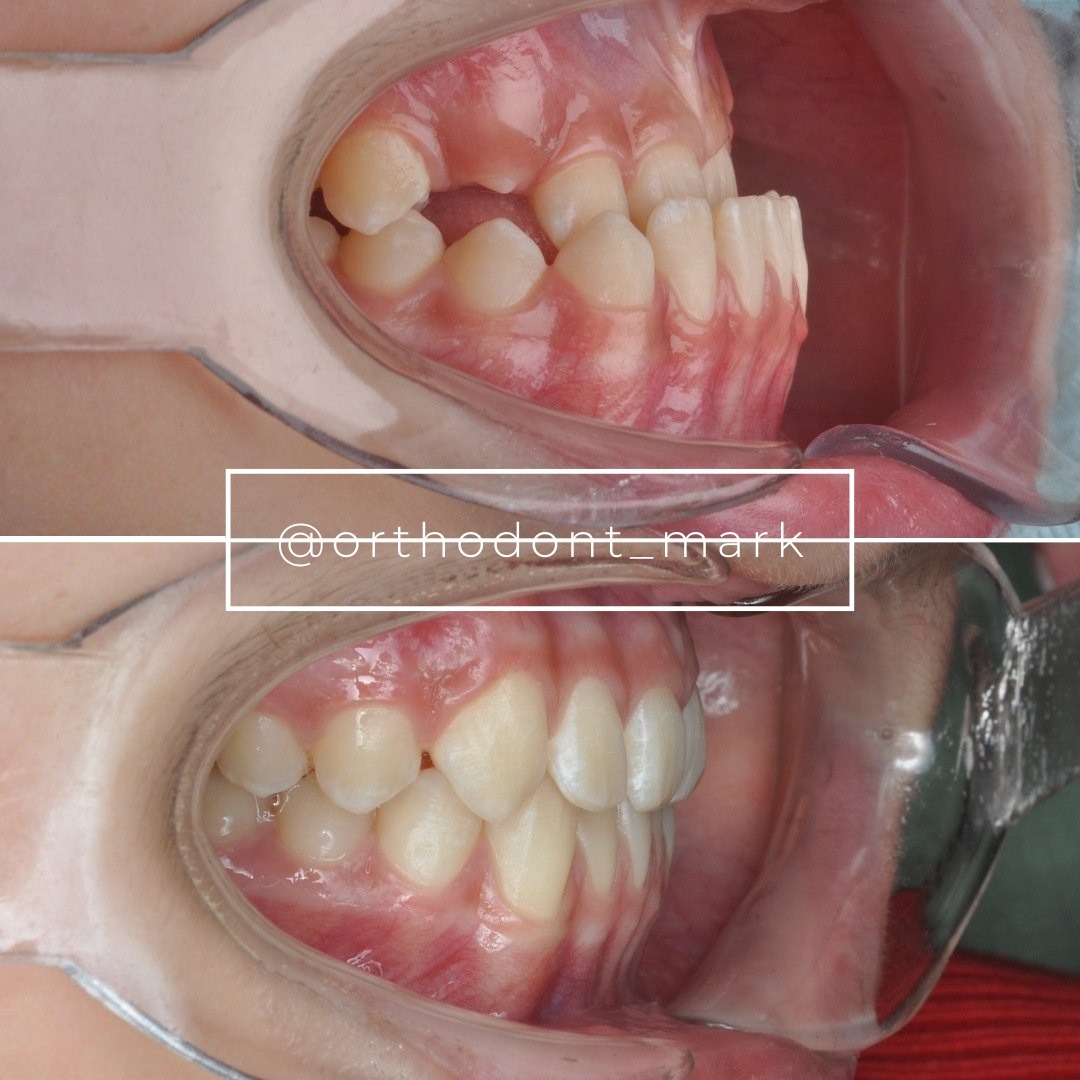
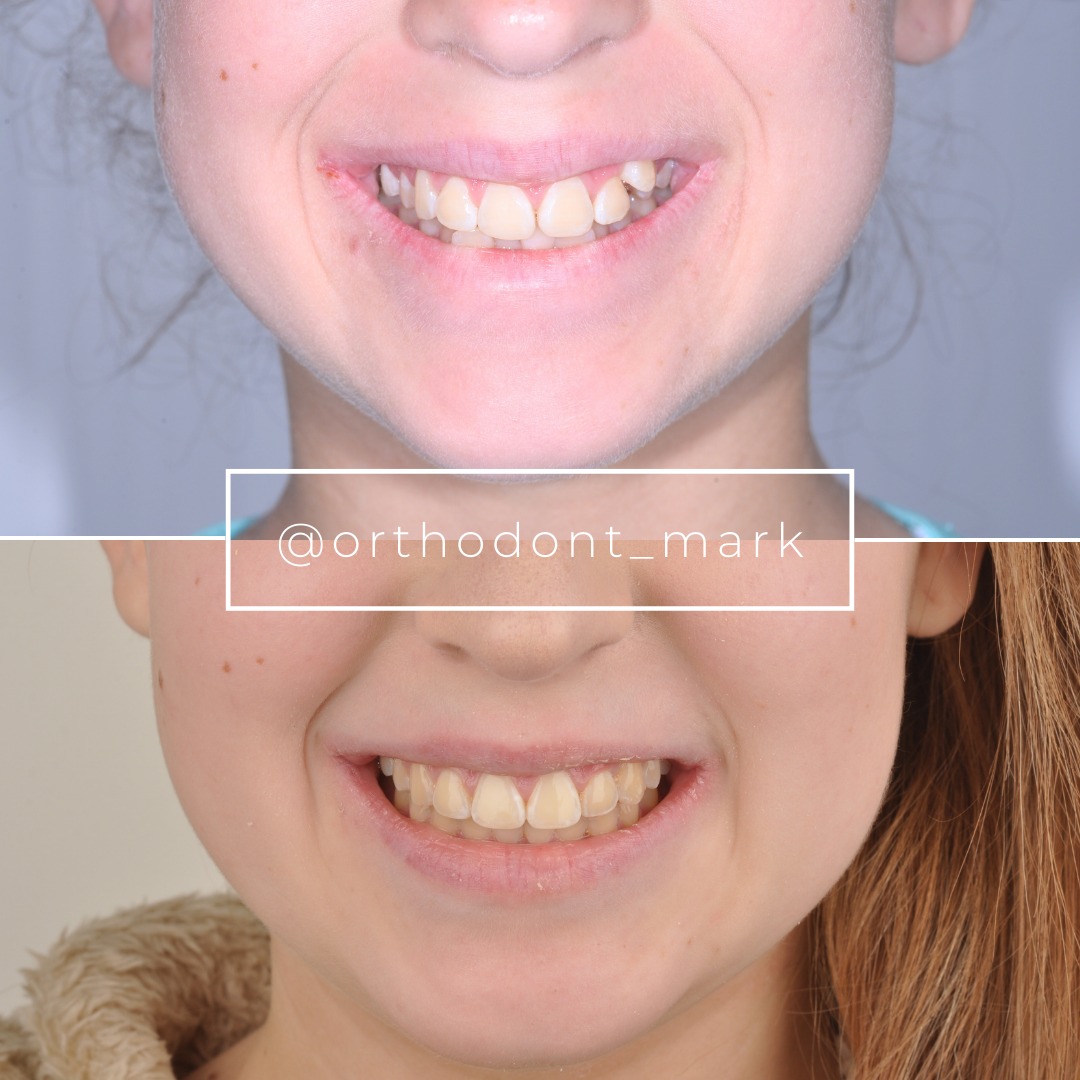
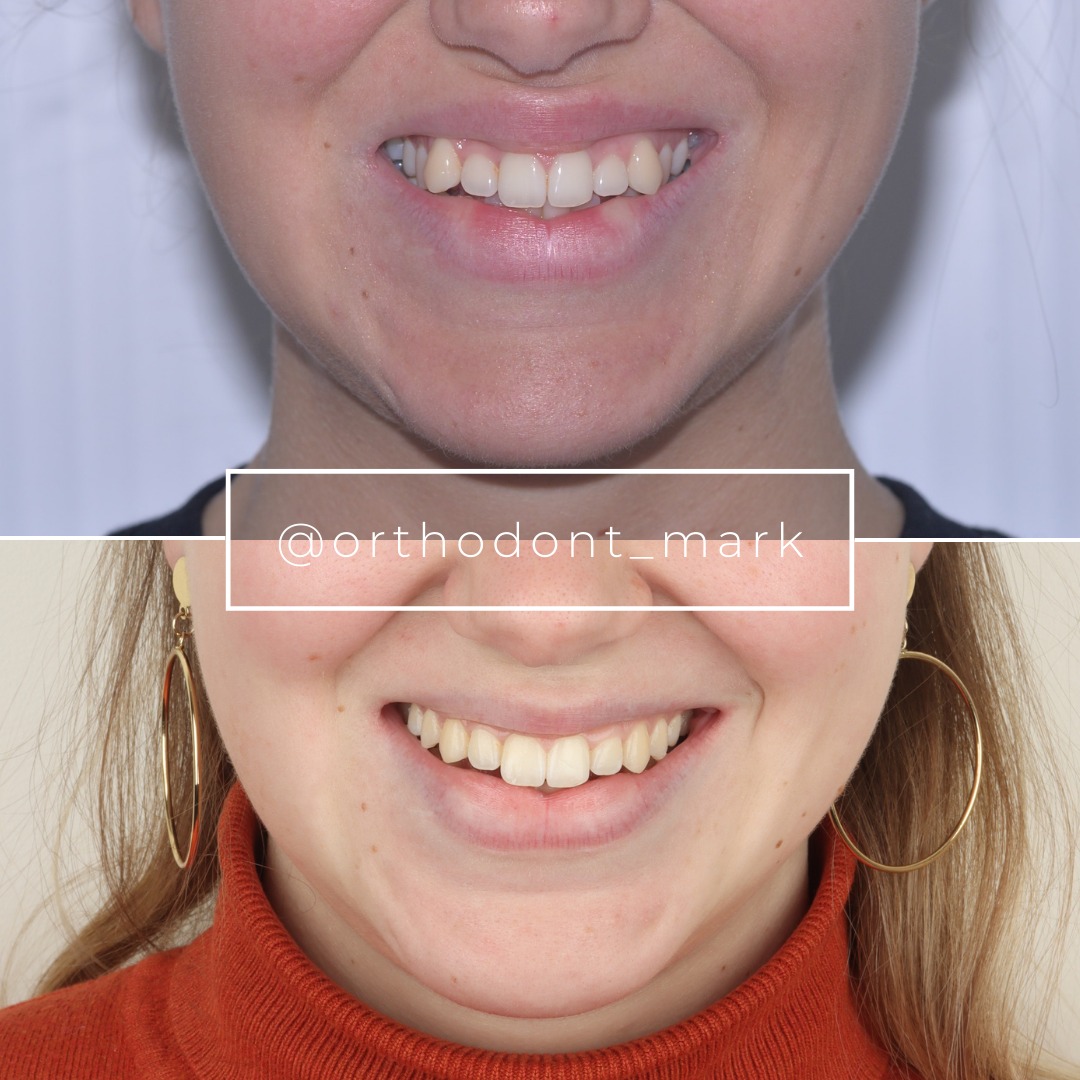
Learn the full MARPE protocol from Dr. Mark Radzhabov
Fundamental course covering CBCT patient selection, miniscrew planning, activation protocols, and 60+ clinical cases. Choose the access level that fits your practice.
Essentials of rapid palatal expansion for practicing orthodontists.
- Core RPE concepts and biomechanics
- 6 structured video lessons
- Clinical decision checklists
- Lifetime access to recordings
Deep-dive into MARPE protocol, diagnostics, and clinical execution.
- 6 modules covering MARPE from A to Z
- CBCT case selection walkthroughs
- Miniscrew placement and activation
- 60+ annotated clinical cases
- Direct Q&A with Dr. Mark Radzhabov
5-element medical consultation framework for dentists and orthodontists.
- Trust-building consultation protocol
- 5 lesson modules
- Templates for treatment plan delivery
- Works with any clinical specialty
Clinical FAQ
What is the Beighton score and why does it matter for MARPE patient selection in hypermobile individuals?
The Beighton score (0–9) quantifies generalized hypermobility via joint flexibility testing. Scores ≥4 indicate hypermobility. Higher scores predict reduced bone quality, slower ossification, and increased relapse risk, informing protocol intensity and retention duration in MARPE.
How does CBCT bone density assessment guide MARPE protocol modification in connective tissue disorders?
CBCT Hounsfield unit measurements reveal palatal cancellous bone quality. Density <-300 HU suggests compromised bone remodeling kinetics. Lower density patients require conservative activation (≤0.5 mm/week), extended retention, and close monitoring or consideration of SARPE.
Why do male patients show lower MARPE success rates than females, and is this effect amplified in hypermobile patients?
Males demonstrate greater midpalatal suture interdigitation and accelerated skeletal maturation post-puberty, reducing non-surgical expansion success (Jeon et al., 2022: 61.05% versus 94.17% in females). Hypermobile males with low bone density face compounded difficulty, making age >30 and male sex key high-risk indicators.
What is the recommended activation velocity and retention duration for MARPE in hypermobile patients compared to standard protocols?
Hypermobile patients benefit from conservative activation of 0.5 mm/week (vs. standard 0.75–1.0 mm/week) with periodic deactivation intervals. Retention should extend 12–18 months (not 6 months) to ensure complete bone mineralization and prevent late relapse.
How should clinicians monitor for early expansion failure during active MARPE in high-risk hypermobile cases?
Serial periapical radiographs every 3–4 weeks document suture separation progress and bone density changes. Delayed or absent separation by week 8–12 indicates protocol failure. Early detection allows timely activation intensity adjustment or pivot to surgical alternatives (SARPE).
What is the role of periodic deactivation intervals in reducing relapse risk during MARPE in connective tissue laxity patients?
2–3 days per week without activation permits osteoid formation and remodeling cycles. This approach allows bone quality to mature at pace with suture separation, theoretically reducing mechanical mismatch and late relapse in hypermobile cohorts with slower ossification kinetics.
How do syndromic connective tissue disorders such as Ehlers-Danlos syndrome affect MARPE candidacy and treatment planning?
Syndromic Ehlers-Danlos (especially vascular and kyphoscoliotic types) involves compromised collagen metabolism affecting bone quality, healing, and skeletal retention. These patients are typically high-risk for MARPE failure. SARPE or conservative MARPE with extended retention and close monitoring are preferred approaches.
What predictive indicators suggest a hypermobile patient should undergo SARPE rather than MARPE?
High-risk indicators: age >40 years + male + CBCT density <-300 HU, Beighton ≥7, syndromic diagnosis, prior expansion failure, or delayed wound healing history. These patients benefit from SARPE's certainty and controlled osteotomy design despite higher surgical cost and morbidity.
What is the typical timeline for early versus late relapse in hypermobile patients after MARPE, and how does retention strategy address each phase?
Early relapse (0–8 weeks) occurs via incomplete ossification and soft tissue recoil. Late relapse (3–12 months) reflects continued remodeling in hypermobile cohorts. Extended 12–18 month retention with bonded palatal bars or removable devices followed by nighttime-only retention addresses both phases and reduces dentoalveolar drift.
How should informed consent and patient communication differ for hypermobile patients undergoing MARPE compared to standard-risk cohorts?
Counsel hypermobile patients that expansion may be slower, relapse risk is elevated, and retention is extended (12–18+ months, not 6 months). Discuss possibility of incomplete suture separation or need for surgical conversion. Provide realistic timelines and emphasize compliance to prevent complications and relapse.
Hypermobile patients undergoing MARPE require individualized tissue evaluation, conservative expansion velocity, and extended retention protocols to ensure long-term skeletal stability. The most successful outcomes combine pre-treatment CBCT assessment of palatal bone density, age-appropriate activation schedules, and close monitoring for signs of inadequate ossification. Dr. Mark Radzhabov and the Orthodontist Mark team recommend consulting detailed case reviews and engaging in peer consultation before treating complex connective tissue cases. For personalized guidance on your hypermobile patient, schedule a consultation through Orthodontist Mark's clinical resource center.

