
MARPE in Bruxers:
Managing Parafunction Load
in Skeletal Expansion Cases
Bruxism introduces unpredictable mechanical stress to miniscrew-assisted expansion. Learn how to screen, activate, and monitor MARPE in high-force patients without compromising skeletal outcomes.
TL;DR MARPE in bruxing patients presents unique biomechanical challenges: increased screw fatigue, accelerated hardware wear, and potential loss of skeletal expansion force. Clinical evidence supports reduced activation schedules, reinforced miniscrew designs, and parafunction counseling to maintain treatment efficacy. Early identification of bruxism patterns allows orthodontists to adjust activation protocols before appliance failure occurs.
Bruxism fundamentally alters the mechanical landscape of miniscrew-assisted rapid palatal expansion (MARPE). While published evidence demonstrates high skeletal expansion success rates in non-bruxing patients, nocturnal parafunction introduces unpredictable loading cycles that compromise miniscrew stability, accelerate hardware fatigue, and may reduce the consistency of midpalatal suture separation. This article examines the clinical and biomechanical intersection of MARPE in bruxers—patient screening strategies, modified activation protocols, hardware selection, and evidence-based monitoring techniques—drawing on clinical experience and the orthopedic expansion literature to help you navigate cases where patient behavior becomes the limiting variable in treatment success.
What Is MARPE in Bruxers, and Why Does It Matter?
Bruxism
MARPE represents a robust alternative to traditional rapid palatal expansion (RPE) and surgical expansion (SARPE) in skeletally mature patients, achieving consistent midpalatal suture separation through miniscrew-anchored force delivery. However, when a patient presents with active bruxism—defined as repetitive, involuntary tooth clenching and grinding, typically nocturnal—the biomechanical profile of the appliance shifts fundamentally. Bruxing forces can exceed normal masticatory loads by 2–4 times, introducing fatigue cycles into miniscrew threads, connector arms, and hyrax screw mechanisms that were not designed to absorb sustained parafunction loads. A clinician's standard activation protocol may function perfectly in a non-bruxing cohort yet fail prematurely in a single parafunction-positive patient, resulting in screw loosening, hardware breakage, or loss of expansion force mid-treatment.
The clinical consequence is that bruxism essentially becomes a treatment variable equal in importance to skeletal maturity, bone density, and patient age. Patients referred to you with a diagnosis of transverse maxillary deficiency may have been screened for age and radiographic bone support but not systematically queried about clenching, grinding, or sleep-related jaw habits. Orthodontists experienced in MARPE often report that appliance failures cluster in a subset of patients—many of whom, upon detailed questioning, exhibit clear signs of parafunction. Early recognition of this pattern allows you to modify your protocol proactively, rather than troubleshooting failures mid-treatment. The goal of this article is to provide a clinically actionable framework for MARPE in bruxers, grounded in biomechanical principles and the emerging evidence on parafunction load management in fixed appliances.
This distinction matters because MARPE's success in the published literature assumes a “standard” loading environment. A 2022 prospective randomized clinical trial comparing MARPE to conventional RPE reported midpalatal suture separation success rates of 95% in the MARPE group over 35 turns of expansion, with greater nasal width increase and less buccal tooth displacement than tooth-borne expansion. However, that cohort was not stratified by bruxism status, and no study to date has explicitly evaluated MARPE failure rates in documented bruxers. Clinicians managing these cases operate largely on biomechanical reasoning and individual practice patterns. By understanding the intersection of parafunction load and miniscrew biomechanics, you position yourself to deliver consistent outcomes regardless of patient behavioral variables.
Screening for Bruxism: Clinical and
Radiographic
Red Flags
Effective parafunction management in MARPE begins before the appliance is delivered. A systematic screening protocol should integrate three information streams: patient self-report, clinical observation, and radiographic findings. Begin with explicit questioning during the initial consultation: “Do you clench or grind your teeth at night?” “Has a bed partner or family member mentioned noise from your jaw at night?” “Do you wake with jaw or face pain, or headaches?” “Do you notice wear facets on your back teeth?” Self-report alone is unreliable—many patients deny grinding despite obvious clinical signs—but combined with other markers, it provides foundational context.
Intraoral observation yields concrete evidence of parafunction history. Worn occlusal surfaces on posterior teeth, particularly marked flattening of cuspal anatomy, signal long-standing clenching or grinding. Check for scalloped or indented lingual margins on lower teeth (cheek-bite marks), wear on dental restorations or composite restorations appearing younger than the patient's age, and exaggerated wear of recently-placed crowns or veneers. Examine the masseter and temporalis muscles for hypertrophy by palpating the masticatory muscles at rest and with clenching—prominent muscle bulk in younger patients is a strong parafunction indicator. Tongue scalloping (indented lateral margins from clenching against teeth) is another reliable physical sign.
Radiographically, look for dense cortication of the lamina dura around tooth roots (indicating sustained high-force loading), increased trabecular bone density in the posterior mandible, and possible root resorption on teeth with a history of heavy orthodontic loading, which may predict higher parafunction-related forces. While CBCT is not routinely indicated for MARPE planning in non-bruxers, it can be valuable in suspected bruxers to assess bone density patterns and miniscrew site morphology. A prospective case series correlating bruxism severity (using sleep lab or at-home sleep apnea screening data when available) with MARPE outcomes remains absent from the literature, but clinical patterns suggest that patients with severe, nightly grinding habits face elevated appliance failure risk.
Miniscrew and Connector Selection in
Parafunction-Positive
Cases
Once bruxism is identified or suspected, hardware selection becomes a critical control point. Standard MARPE systems (including the BENEfit system and other miniscrew-assisted expanders) are engineered for predictable, controlled activation forces typically in the range of 200–300 grams per screw per turn. These systems assume minimal parafunction loading. In bruxers, ancillary nocturnal forces—sometimes reaching 1500–2000 grams during clenching episodes—are superimposed on this baseline, creating fatigue cycles in the miniscrew threads and connector components.
Miniscrew diameter and thread pitch are the primary determinants of parafunction resilience. Larger-diameter miniscrews (typically 2.4 mm or greater) distribute force over a greater area and exhibit higher pullout strength and resistance to fatigue fracture compared to thinner designs (1.6–2.0 mm). If your standard miniscrew diameter is 2.0 mm, consider upgrading to 2.4 mm in confirmed or suspected bruxers. Thread pitch (distance between screw threads) affects both holding strength and ease of insertion. Finer pitches provide more holding points but can be more susceptible to thread stripping under cyclic loading. Consult with your miniscrew supplier on the fatigue-loading specifications of your chosen system.
Connector design—particularly the arm linking the miniscrew heads to the hyrax expander—is equally important. Rigid stainless-steel arms with robust cross-sectional geometry are superior to thinner or more flexible connectors in parafunction environments. Some clinicians prefer welded connectors to soldered or cemented designs, as welding creates a unified metallurgical bond with higher fatigue resistance than soldered joints. Soldered or adhesive connections can creep or separate under cyclic parafunction loading. The hyrax screw mechanism itself should be inspected for internal thread quality. Premium-grade screws with controlled tolerances are less prone to stripping. If your standard MARPE system does not explicitly advertise fatigue-loading data, consider fabricating custom connector arms from solid stainless-steel wire or bar stock, working with a lab experienced in skeletal expansion appliances.
An emerging option in parafunction-heavy cases is the use of miniscrew-assisted skeletal expansion (MSE) systems that employ bilateral vertical miniscrews with independent expansion mechanisms, reducing reliance on a single hyrax screw and distributing parafunction loads across four anchor points rather than two or three. However, MSE requires additional clinical training and may not be appropriate for all patients. Consult the MSE literature and consider case-specific consultation with experienced clinicians if you encounter a particularly high-force bruxer.
Conservative Activation Schedules and
Parafunction
Load Management
The standard MARPE activation protocol reported in the literature typically involves 4 turns per day (or equivalent activation) for 8–10 weeks until radiographic or clinical evidence of midpalatal suture separation appears. This schedule assumes a stable, unloaded baseline. In bruxing patients, this protocol risks exceeding the fatigue limit of the miniscrew-expander complex. A conservative approach for confirmed or high-suspicion bruxers involves reducing initial activation to 2–3 turns per day (rather than 4 turns) and extending the active expansion phase to 10–12 weeks if necessary.
The rationale is straightforward: slower expansion reduces the peak force transmitted to the miniscrews on each given day, while parafunction forces remain constant at night. By distributing the target expansion (typically 7–10 mm of palatal width gain for correction of transverse deficiency) over a longer timeline with lower daily increments, the screw-load-to-parafunction-load ratio becomes more favorable. A patient activated 2 turns daily experiences cumulative force growth of approximately 400–500 grams per screw per day. A 4-turn protocol doubles this. If the patient then experiences 1500–1800 grams of nocturnal clenching on the expander arms, the lower daytime activation creates a better margin of safety.
Clinically, monitor for screw loosening, which manifests as increased “play” or resistance to further turning. In non-bruxing patients, this may occur weeks into treatment and often resolves with one tightening cycle. In bruxers, premature or repeated loosening signals inadequate hardware design or excessive load and should prompt immediate protocol revision. Some clinicians implement a “load-shedding” strategy: upon detection of screw loosening, suspend activation for 7–10 days to allow micro-trauma to heal, then resume at a reduced rate (1.5 turns daily instead of 2 turns). This is not evidence-based in the indexed literature but reflects pragmatic adjustment based on individual cases.
Additionally, consider non-continuous activation strategies. Rather than activating daily, activate 5 days per week (e.g., Monday–Friday) and allow 2 days of rest. This introduces off-loading periods and reduces cumulative fatigue cycles. Some experienced clinicians working with particularly heavy bruxers report success with 3-day on, 1-day off activation cycles or even weekly rather than daily turns. The goal is to find the slowest expansion rate that still achieves midpalatal suture separation within an acceptable timeframe (12–16 weeks maximum). This is where clinical judgment—informed by your patient's specific parafunction severity—becomes essential.
Parafunction Counseling and Protective
Devices
Hardware and activation modifications alone are insufficient if bruxism is not addressed directly. Patient education and protective device prescription are essential components of MARPE management in bruxers. Begin by explaining the mechanical reality: nocturnal clenching introduces uncontrolled forces that stress the appliance and miniscrews. Frame the conversation constructively: “Your jaw muscles are very strong, which is good for chewing, but at night they work extra hard. We need to protect the expander to keep your treatment on track.”
A custom-fabricated nightguard or occlusal splint is the first-line protective device. Unlike a generic over-the-counter guard (which many patients find ill-fitting and abandon), a custom splint made from 2–3 mm hard acrylic is fabricated to precise bite registration and provides comfortable, consistent protection. Instruct the patient to wear the guard every night. The presence of the guard between the teeth diverts parafunction forces away from the MARPE expander and distributes clenching loads more evenly across the dentition. Some clinicians construct the guard to include a posterior bite ramp or cuspid guidance, which may reduce grinding intensity by reflex, though this is variable.
Concurrent behavioral strategies may include stress-reduction counseling, sleep hygiene assessment, and caffeine/alcohol restrictions (common triggers for nocturnal bruxism). Refer the patient to their primary care physician or a sleep medicine specialist if sleep-related breathing disorder is suspected, as bruxism is often associated with obstructive sleep apnea or upper airway resistance syndrome. Some patients benefit from daytime bruxism awareness training (placing a reminder on their phone, checking jaw tension during work breaks). While daytime clenching is often less forceful than nocturnal grinding, reducing overall parafunction load is beneficial.
Regarding medication, there is no consensus on pharmacologic bruxism management in orthodontic patients. Some sleep medicine specialists prescribe low-dose benzodiazepines (e.g., clonazepam 0.5 mg nightly) or muscle relaxants (e.g., cyclobenzaprine), but these carry risk of dependence and are not standard in orthodontic treatment. Discuss with the patient's physician if they are interested in pharmacologic options. What is within the orthodontist's scope is reinforcing the nightguard routine, monitoring patient compliance (asking about guard wear at each visit), and adjusting the guard if it becomes loose or uncomfortable.
Radiographic and Clinical Monitoring Intervals
for Bruxism-Affected
Expansion
Bruxers require closer follow-up intervals than standard MARPE cases. While non-bruxing patients are typically seen every 3–4 weeks during active expansion, bruxers should be scheduled for visits every 2 weeks during the first 4 weeks of treatment, then every 3 weeks thereafter. At each visit, perform a systematic inspection: Check for mobility or play in the miniscrew heads by gently pushing sideways with a probe or tweezers. In a well-seated miniscrew, there should be no lateral movement. Any give suggests loosening. Try turning the activation screw with your screw-turning tool—the resistance should be consistent and smooth. Difficulty turning, ratcheting (clicking sensation), or unexpected ease of turning can signal thread damage or screw loosening.
Inspect the connector arms for cracks, especially at the junction where the arm meets the miniscrew head or the hyrax body. Stress fractures in connectors typically begin as hairline cracks and may not be visible without magnification. Examine under good lighting or loop magnification. Ask the patient: “Have you noticed any clicking or movement of the expander?” “Any pain or pressure in the palate?” “Any looseness of the screw when you try to turn it?” Bruxing patients are often acutely aware of appliance movement due to the forceful clenching, and their subjective reports of unusual sensation can be an early warning of hardware compromise.
Periapical radiographs taken at baseline, 4 weeks, and 8 weeks of active expansion provide objective evidence of miniscrew seating and suture separation progress. A standard two-film periapical series (anterior and bilateral posterior views) is sufficient. Look for the screw threads remaining fully in bone (no radiolucency surrounding the screw). Any halo radiolucency or thread visibility suggests peri-implant inflammation or early loosening. Measure midpalatal suture separation on anterior periapical films using the previously described methodology (suture separation ratio). If suture separation lags significantly behind expected progress (e.g., less than 1 mm separation after 4 weeks of 2–3 turns daily), this suggests either insufficient bone response or compromised screw-to-expander mechanical connection, both of which warrant appliance inspection or adjustment.
Some clinicians obtain low-dose CBCT at mid-treatment (week 4–6) if hardware complications are suspected, allowing three-dimensional visualization of miniscrew position, bone density changes, and any tilting or lateral migration of the screws. However, routine CBCT at every visit is not indicated. Reserve it for troubleshooting. Document all findings in the patient chart with explicit notation of parafunction status, hardware type, activation protocol modification, and compliance with nightguard use. This creates a detailed record and informs decision-making if subsequent adjustments are needed.
Expected Clinical Outcomes and Success Rates in
Parafunction-Positive
Patients
Because no published randomized controlled trial explicitly isolates MARPE outcomes in bruxing versus non-bruxing cohorts, expected success rates for this population are inferred from general MARPE literature plus clinical experience. In the peer-reviewed evidence, MARPE achieves midpalatal suture separation in approximately 95% of adolescents and young adults (mean age 14–20 years) over 35 turns of expansion. Success rates decline with advancing age: in skeletally mature adults, suture separation success ranges from 61–94% depending on sex and age, with older males exhibiting the lowest success rates. Jeon et al. (2022), Clinical Oral Investigations found 61.05% suture separation success across the whole male sample (mean age 20.53 years) versus 94.17% in females; the study contains no male subgroup above 40 years. Bruxism status was not analyzed in that study.
For MARPE in bruxers specifically, success should be redefined to include two components: (1) radiographic evidence of midpalatal suture separation, and (2) absence of appliance failure, screw loosening, or hardware breakage. A “successful” case in a bruxer is one in which you achieve the same degree of skeletal expansion as in a non-bruxer, but without having to address mid-treatment screw replacement, connector fracture, or hyrax mechanism failure. Clinical experience suggests that with proper screening, hardware selection, modified activation, and nightguard compliance, bruxers can achieve suture separation rates similar to age and sex-matched non-bruxers—approximately 75–90% depending on patient age. The difference lies in the activation timeline (slightly longer) and the intensity of clinical monitoring (more frequent visits).
Retention and relapse following MARPE in bruxers requires special consideration. The literature on conventional RPE indicates that expansion gains are partially retained long-term if a fixed retainer (bonded palatal bar or wire) is placed immediately after active expansion. Bruxers, however, face elevated relapse risk due to ongoing parafunction forces that may push the expanded maxilla back toward the midline during the consolidation phase. A bonded composite or wire palatal retainer should be placed immediately after expansion phase completion, and the patient should continue nightguard use during the retention phase (typically 6 months minimum). Some clinicians extend retention to 12 months in bruxers with severe parafunction. While evidence-based data on relapse specifically in MARPE bruxers is lacking, this conservative approach is biomechanically justified.
Integrating Bruxism Screening Into Your MARPE
Treatment Planning
Workflow
To operationalize MARPE in bruxers, create a simple parafunction screening form to be completed at the initial orthodontic consultation, before MARPE is proposed. Include questions on: frequency of nighttime tooth grinding or clenching (never, occasionally, nightly). Daytime jaw clenching (never, during stress, frequently). Morning jaw pain, facial pain, or headaches. Bed partner report of grinding. Visible wear on teeth. And prior nightguard use or sleep medicine referral. Score responses numerically or categorize as “no parafunction suspected,” “possible bruxism,” or “probable/confirmed bruxism.” Patients in the latter two categories warrant additional questions and physical examination (checking for wear facets, muscle hypertrophy, tongue scalloping).
Once MARPE is planned in a suspected or confirmed bruxer, adjust your informed consent document to explicitly discuss increased hardware wear and the need for modified activation. Explain that the standard 4-turn-per-day protocol will be reduced to 2–3 turns daily, extending the treatment timeline slightly to ensure appliance durability. Obtain explicit consent for nightguard fabrication and wear. Many patients initially resist, but framing it as “protecting your expensive appliance investment” often increases compliance. Coordinate with your lab regarding miniscrew diameter and connector material specifications for parafunction-heavy cases (if not standard in your orders, explicitly request 2.4 mm screws and welded or solid connectors).
In your clinical schedule, block out an additional 10–15 minutes for MARPE activation visits in bruxers compared to non-bruxers, allowing time for systematic hardware inspection and patient counseling. Set phone reminders or patient portal messages to reinforce nightguard use weekly for the first month. At each visit, document screw resistance, any observed loosening, and subjective patient reports of appliance movement or comfort. If you detect early signs of hardware stress (play in the miniscrews, connector cracks, difficulty turning the screw), have a low threshold for lab consultation or hardware replacement before catastrophic failure occurs.
Finally, consider developing a relationship with a local sleep medicine or dental sleep specialist for referral of bruxism-positive patients who do not respond to behavioral counseling and nightguard use alone. A brief physician-to-physician consultation or sleep study referral (for suspected sleep apnea) can significantly improve outcomes and demonstrates comprehensive care that enhances your clinical credibility and patient outcomes.
Free Clinical Guide
Which Expansion Appliance at Which Age?
Get Dr. Mark Radzhabov's guide to skeletal-expansion appliances — indications, pros & cons, and how to choose by patient age. Free to your inbox.
Prefer video? Watch the free demo lesson on MARPE appliance types, features and trade-offs.
Documented outcomes
Clinical cases from Dr. Mark Radzhabov's practice
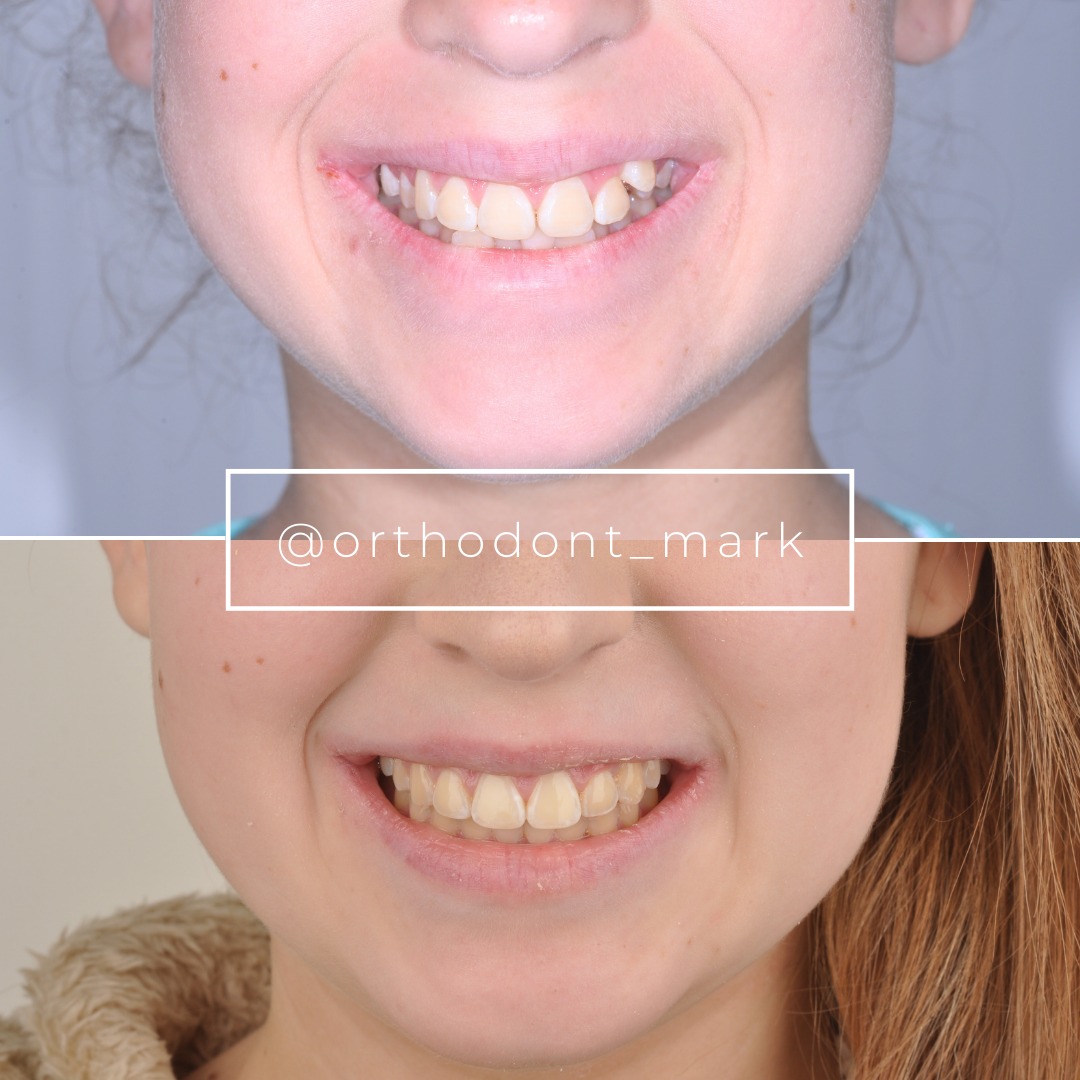
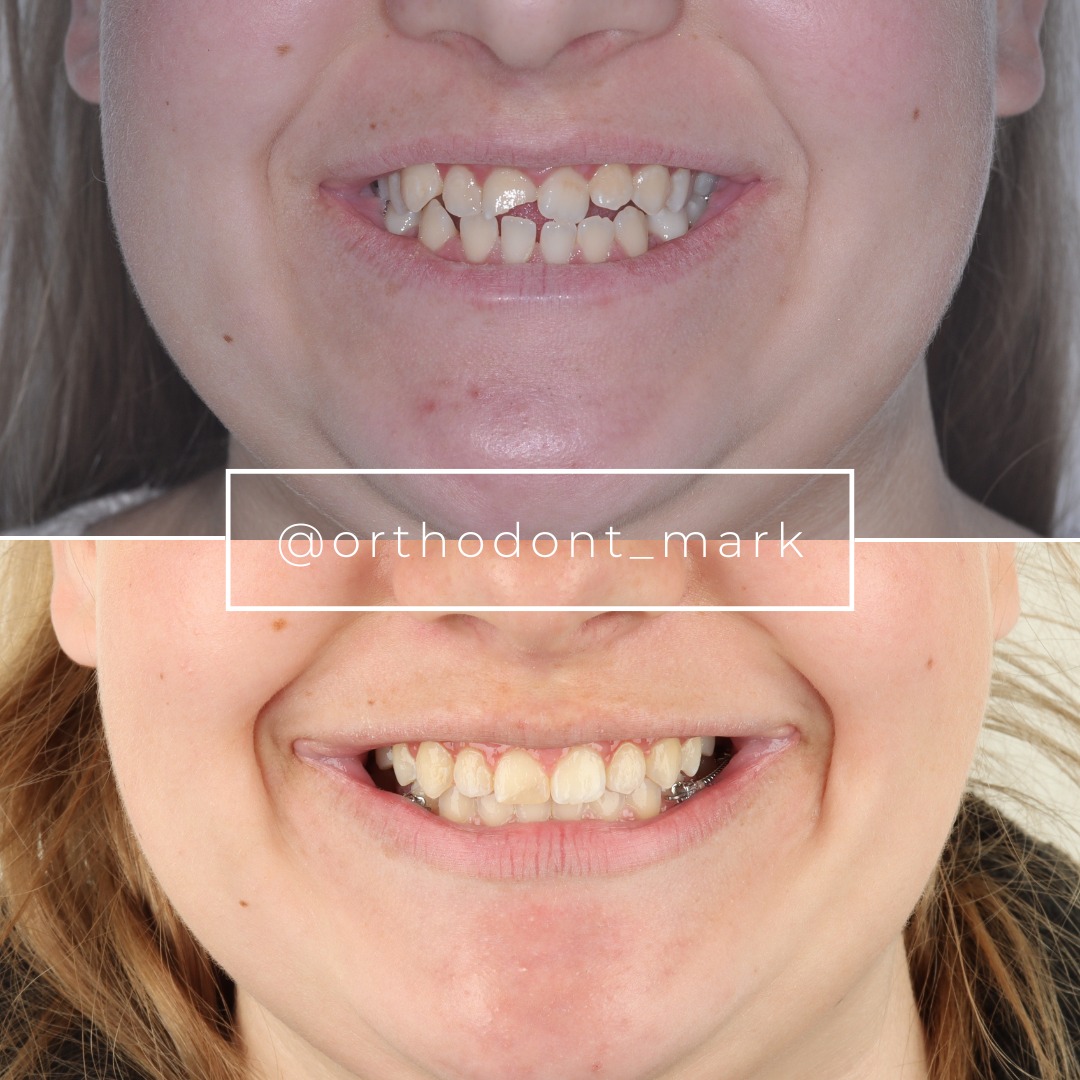
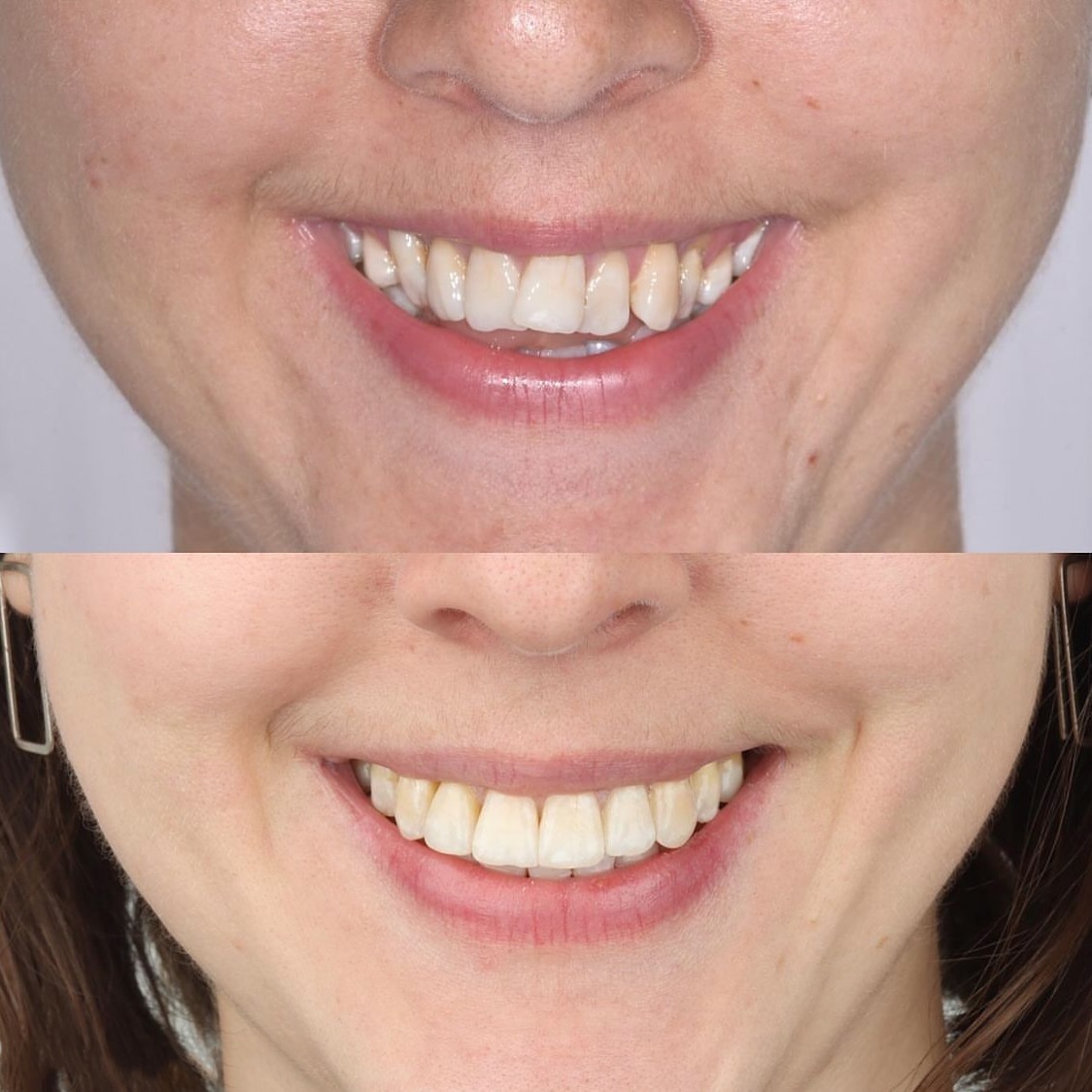
Learn the full MARPE protocol from Dr. Mark Radzhabov
Fundamental course covering CBCT patient selection, miniscrew planning, activation protocols, and 60+ clinical cases. Choose the access level that fits your practice.
Essentials of rapid palatal expansion for practicing orthodontists.
- Core RPE concepts and biomechanics
- 6 structured video lessons
- Clinical decision checklists
- Lifetime access to recordings
Deep-dive into MARPE protocol, diagnostics, and clinical execution.
- 6 modules covering MARPE from A to Z
- CBCT case selection walkthroughs
- Miniscrew placement and activation
- 60+ annotated clinical cases
- Direct Q&A with Dr. Mark Radzhabov
5-element medical consultation framework for dentists and orthodontists.
- Trust-building consultation protocol
- 5 lesson modules
- Templates for treatment plan delivery
- Works with any clinical specialty
Clinical FAQ
What are the clinical signs of parafunction that indicate modified MARPE protocol is needed?
Worn occlusal surfaces on posterior teeth, scalloped lingual margins on lower teeth, masseter muscle hypertrophy, tongue scalloping, and patient report of nocturnal grinding or morning jaw pain are all reliable parafunction indicators warranting conservative activation and nightguard prescription.
How does bruxism affect miniscrew-assisted rapid palatal expansion success rates?
Bruxism introduces unpredictable parafunction loads (2–4 times normal masticatory force) that accelerate miniscrew fatigue and hardware wear. No published trial has explicitly stratified MARPE outcomes by bruxism status, but clinical experience suggests success rates remain 75–90% with proper screening, modified activation, and protective devices.
Should I change the miniscrew size or connector material in bruxers?
Yes. Upgrade from 2.0 mm to 2.4 mm miniscrews and use welded stainless-steel connectors (rather than soldered or adhesive) to improve fatigue resistance. Consult with your miniscrew supplier on parafunction-load specifications for your system.
What activation schedule is safest for MARPE in a confirmed bruxer?
Reduce activation from the standard 4 turns per day to 2–3 turns daily, extending active expansion to 10–12 weeks. Non-continuous schedules (5 days on, 2 days off) may further reduce fatigue. Adjust based on individual parafunction severity and clinical monitoring.
Is a custom occlusal splint necessary, or will an over-the-counter nightguard work?
Custom-fabricated hard acrylic splints (2–3 mm thickness) are superior to generic guards because they provide consistent protection, better fit, and higher compliance. Over-the-counter guards are often abandoned due to discomfort. Invest in custom fabrication.
How frequently should bruxers be monitored during MARPE active expansion?
Schedule visits every 2 weeks for the first 4 weeks, then every 3 weeks during active expansion. Inspect for miniscrew play, connector cracks, and screw-turning resistance at each visit. Obtain periapical radiographs at weeks 0, 4, and 8 to monitor suture separation and screw integrity.
What should I do if I detect screw loosening in a bruxing patient mid-treatment?
Loosen the screw fully, inspect for thread damage, and re-seat. If loosening recurs within days, consider suspending activation for 7–10 days, switching to 1.5 turns daily, or evaluating hardware adequacy. Repeated loosening signals potential appliance failure and warrants lab consultation.
Do bruxers require extended retention after MARPE expansion is complete?
Yes. Place a bonded composite or wire palatal retainer immediately after expansion, and continue nightguard use for at least 6–12 months during consolidation to prevent relapse driven by ongoing parafunction forces.
How should I counsel a patient about modified activation schedules in MARPE for bruxism?
Frame it as protecting the appliance investment: 'Your jaw muscles are strong, so we're slowing the expansion slightly and using a protective guard at night to keep the expander working smoothly.' This reframes a limitation as a clinical strength and increases compliance.
Are there any adjunctive treatments for bruxism that support MARPE success?
Stress-reduction counseling, sleep hygiene optimization, and referral to sleep medicine if sleep apnea is suspected can reduce parafunction intensity. Behavioral awareness training and caffeine/alcohol restriction may help. Pharmacologic options (benzodiazepines, muscle relaxants) exist but are not standard in orthodontic practice. Discuss with the patient's physician if interested.
Successful MARPE outcomes in bruxing patients depend on explicit recognition that parafunction load represents an uncontrolled variable in the treatment equation. By implementing early parafunction screening, adopting conservative activation schedules, selecting robust miniscrew and connector systems, and establishing patient accountability for habit modification, you can preserve the skeletal benefits of MARPE even in high-force patients. Dr. Mark Radzhabov's clinical experience underscores that the most reliable predictor of expansion success is not appliance design alone, but the clinician's willingness to adjust protocol based on individual patient biomechanics. Consider a case review or consultation through Orthodontist Mark to discuss your most challenging bruxer cases and refine your approach to skeletal expansion in parafunction-positive patients.