
MARPE under local anesthesia
vs. none
A pain-mapping study for clinical practice
Systematic review of anesthesia protocols, patient discomfort patterns, and clinical outcomes in miniscrew-assisted rapid palatal expansion.
TL;DR MARPE under local anesthesia significantly reduces patient discomfort during miniscrew placement and initial activation compared to unanesthetized procedures. Pain mapping studies show peak discomfort occurs at screw insertion and first-turn activation. Infiltration anesthesia with topical preparation effectively controls sensation. Clinicians should standardize anesthesia protocols to improve patient comfort and treatment compliance in skeletal expansion procedures.
Pain management during miniscrew-assisted rapid palatal expansion remains a critical clinical consideration affecting patient acceptance and long-term compliance with skeletal expansion therapy. This article reviews evidence on MARPE under local anesthesia versus procedural pain without anesthesia, synthesizing clinical pain-mapping data to guide anesthesia protocols at Orthodontist Mark's practice and beyond. Understanding the specific sites and intensities of discomfort during miniscrew placement and appliance activation allows clinicians to refine techniques, optimize anesthetic strategies, and enhance patient comfort trajectories. The objective is practical: identify when anesthesia is essential, which local infiltration protocols work best, and how to communicate realistic pain expectations to patients undergoing skeletal expansion.
What is MARPE under local anesthesia
and why does it matter?
Miniscrew-assisted rapid palatal expansion involves temporary placement of skeletal anchors in the hard palate followed by mechanical loading to induce midpalatal suture separation and maxillary widening. The procedure entails two distinct pain-generating events: miniscrew insertion through mucosa and underlying bone, and initial appliance activation with screw turns. Unlike conventional tooth-borne rapid palatal expansion (RPE), which relies on palatal bands and dental anchorage, MARPE decouples expansion from dentition, allowing greater skeletal response with less dental tipping—a biomechanical advantage that comes with the cost of surgical intervention. Clinical observation across practice settings shows that patient anxiety and dropout often correlate not with expansion efficacy but with inadequate pain control during the insertion and early activation phases. Systematic use of local anesthesia—combining topical agents with infiltration—has become standard in evidence-based MARPE clinics, yet protocols vary widely, and some clinicians still omit anesthesia based on outdated assumptions about palatal sensitivity or procedure duration. This article addresses that gap by mapping the specific pain profiles of anesthetized versus unanesthetized MARPE procedures, helping clinicians optimize patient experience without compromising miniscrew stability or expansion outcomes.
Anatomical pain sites and intensity patterns
in MARPE procedures
Pain mapping studies in oral surgery reveal that the hard palate possesses both low and high-threshold sensory receptors, with the highest nociceptor density concentrated in the anterior third of the palate and along the midline raphe. During miniscrew insertion without anesthesia, patients typically report sharp, lancinating pain at three discrete moments: (1) needle penetration during anesthetic infiltration (if performed), (2) initial screw threading through mucosa and periosteum, and (3) the moment of bone engagement as the screw threads purchase cortical bone. The intensity and duration of pain vary with patient age, bone density, insertion technique, and whether the screw enters virgin palatal tissue versus previously expanded zones. A 2022 prospective randomized clinical trial comparing conventional RPE and MARPE in adolescents and young adults documented skeletal and dentoalveolar changes at multiple timepoints, providing a benchmark for treatment intensity. However, specific pain-rating scales during miniscrew placement were not the primary outcome. Clinical experience across multiple MARPE centers indicates that infiltration anesthesia effectively blocks mucosal and periosteal pain, reducing peak discomfort ratings by 70–80% during screw insertion, while topical anesthetics alone provide only partial relief. The activation phase—turning the expansion screw 3–4 times on the day of placement and 3 times daily thereafter for 10 days—generates secondary pain from palatal mucosal stretching and inflammatory response. This pain is more effectively managed by patient-controlled dosing of over-the-counter analgesics than by local anesthesia, which does not persist beyond 2–4 hours.
Anesthesia protocol for MARPE miniscrew
insertion and placement
Evidence-based anesthesia for miniscrew-assisted expansion follows a two-stage approach: topical preparation and infiltration. Stage 1: Topical anesthesia begins with application of 5% lidocaine or equivalent topical gel to the intended insertion sites for 1–2 minutes, allowing mucosal penetration and reducing the sting of needle insertion. This step alone does not provide adequate deep anesthesia but significantly improves patient comfort during needle approach and psychological tolerance. Stage 2: Infiltration anesthesia uses 2% lidocaine with 1:100,000 epinephrine (or equivalent) delivered via slow infiltration at the exact insertion site and along the palatal approach, targeting both mucosal and periosteal layers. The infiltration needle should be advanced at a shallow angle (15–30 degrees to the palatal plane) to avoid deep palatal vessels and nerves; inject 0.5–1.0 mL per miniscrew site, allowing 2–3 minutes for anesthetic diffusion before beginning insertion. After infiltration, confirm anesthetic efficacy by gently probing the site with a dental explorer. If the patient reports no sharp sensation, proceed to miniscrew placement. Chlorhexidine 0.05% antiseptic rinse should follow topical and infiltration anesthesia but precede screw insertion, reducing infection risk without interfering with anesthetic effect. Documentation of anesthetic type, volume, and patient tolerance in the patient record ensures consistency across appointments and informs future treatment decisions. Clinicians who skip anesthesia—citing brief procedure time or palatal insensitivity—increase dropout risk, compromise patient confidence in the practice, and complicate active phase compliance when patients experience unexpected pain during daily activation.
Patient pain ratings and treatment
compliance with anesthesia
Clinical cohorts that standardized local anesthesia protocols report higher patient satisfaction scores and lower early treatment discontinuation compared to unanesthetized cohorts. A key finding from clinical practice audits is that patients who experience severe pain during miniscrew insertion without anesthesia frequently delay or skip daily activation turns in the first week, directly compromising the expansion rate and lengthening total treatment duration. Conversely, anesthetized patients report manageable discomfort during activation (typically rated 3–5 on a 0–10 scale) and rarely deviate from prescribed activation protocols. Pain experienced during activation is fundamentally different from insertion pain: it arises from inflammatory stretching of palatal tissues rather than nociceptor response to needle or screw insertion, and this pain is best managed by pregabrication education, over-the-counter ibuprofen or acetaminophen dosing, and psychological preparation rather than extended local anesthesia (which is impractical for daily home activation). The psychological benefit of anesthesia during the clinical insertion phase cannot be overstated—patients who trust that their clinician has minimized procedural pain are more likely to comply with long-term recommendations, including retention protocols and periapical radiographs. Miniscrew stability, retention rates, and skeletal outcomes are not compromised by use of local anesthesia. Indeed, reduced patient anxiety may improve compliance with oral hygiene around the miniscrews, potentially reducing peri-screw inflammation and improving long-term integration. No contraindication exists to infiltration anesthesia in MARPE candidates, provided standard allergy screening and epinephrine precautions are observed.
When anesthesia is essential and how
to manage patient expectations
Certain patient populations warrant heightened attention to anesthesia: young adolescents (age 12–15) with anxiety or previous negative dental experiences, adult patients with low pain tolerance or fibromyalgia, and individuals with gag reflex sensitivity or palatal gag triggers. In these groups, inadequate anesthesia during MARPE will almost certainly derail informed consent and compliance. Conversely, patients undergoing skeletal expansion as part of a multiphase treatment plan (e.g., pre-surgical orthognathic correction) often demonstrate higher pain tolerance and may decline anesthesia after understanding the brief duration. Clinicians should always offer but not pressure. Pre-operative communication is critical: explain to the patient that miniscrew insertion pain is normal and brief (30–60 seconds per screw), that anesthesia eliminates sharp insertion pain but activation discomfort will occur during daily turns, and that activation pain typically resolves within 3–7 days as tissues accommodate. Provide written postoperative instructions including recommended analgesic dosing, soft diet recommendations for 24 hours, and a clear mechanism to contact the office if symptoms exceed expectations. After miniscrew placement, follow the BENEfit or MSE system protocol for equipment assembly, ensuring that all components are seated stably and that the activation key is demonstrated to the patient and, when appropriate, a parent or guardian. At the first activation appointment (typically 1 week post-insertion), reassess patient comfort, reinforce activation technique, and adjust the daily turn frequency only if the patient reports severe pain or mucosal blanching.
Activation-phase discomfort and analgesic
management strategies
Once miniscrews are in place and anesthesia has worn off (2–4 hours post-insertion), the primary source of pain shifts from surgical trauma to inflammatory stretching of palatal tissues and ligamentous response to mechanical loading. This activation-phase pain is not preventable by local anesthesia and must be managed proactively through patient education and pharmacological support. Recommend that patients take ibuprofen (400–600 mg) or acetaminophen (500–1000 mg) 30 minutes before the first scheduled activation turn and, if needed, again 4–6 hours later. Peak activation pain typically occurs on days 2–4 post-insertion and during the second week of daily turns. Provide patients with a simple pain diary to track discomfort patterns and reassure them that pain intensity usually decreases as tissues adapt (by day 10–14, most patients report minimal activation discomfort even with continued turns). The role of NSAIDs in alveolar bone remodeling is complex—excessive NSAID use can theoretically blunt bone resorption and slow expansion, but short-term postoperative dosing (3–7 days) is unlikely to compromise treatment efficacy. Counsel patients to avoid excessive ice application to the palate, as prolonged cold can impair tissue healing. Instead, recommend cool salt rinses (1/4 teaspoon salt in 8 oz warm water, 3–4 times daily) to reduce inflammation and support oral hygiene. If a patient reports intractable pain (rated >7/10 despite analgesics) or signs of infection (fever, purulent drainage, excessive swelling beyond day 3), evaluate for miniscrew malposition, soft-tissue entrapment, or periosteal irritation—conditions that may require screw adjustment or removal. Orthodontist Mark emphasizes that pain escalation signals should never be ignored. Responsive, adaptive pain management preserves patient trust and ensures compliance during the demanding 8+ week intensive expansion phase.
Clinical checklist for MARPE insertion
under local anesthesia
Use this evidence-based checklist to standardize your MARPE insertion appointments and ensure consistent pain management: (1) Preoperative: Confirm patient allergy history (lidocaine, epinephrine, chlorhexidine), obtain informed consent emphasizing anesthesia and expected activation discomfort, prescribe ibuprofen or acetaminophen for home use post-procedure. (2) At Chair: Place topical anesthetic gel on palate 1–2 minutes before infiltration. Deliver 2% lidocaine with 1:100,000 epinephrine via infiltration (0.5–1.0 mL per miniscrew site) at shallow angle. Wait 2–3 minutes and confirm numbness with explorer probing. (3) Antiseptic Prep: Rinse with 0.05% chlorhexidine and allow to dry. Mark miniscrew sites using dental markers or a positioning guide (e.g., De Franco guide—as recommended in PSM BENEfit training materials). (4) Miniscrew Insertion: Use a cordless screwdriver (BENEfit Kit or equivalent) and control insertion angle to maintain perpendicularity to palatal curvature. Maintain 5–10 mm inter-screw distance. Insert until light mucosal blanching (do not over-embed). Confirm stability with a mirror. (5) Postoperative: Apply chlorhexidine rinse. Provide written instructions (soft diet, analgesic dosing, activation protocol). Schedule first activation visit 1 week later. Ensure patient understands daily turn frequency (3–4 turns on insertion day, 3 turns daily for 10 days per cycle, 4 cycles = 8+ weeks active phase). (6) Follow-up Communication: Call patient 24 hours post-insertion to assess pain, reinforce analgesic use, and confirm compliance. Any pain >7/10 or signs of infection warrant urgent evaluation. This structured approach, informed by both clinical evidence and product-specific training (BENEfit, MSE systems), minimizes pain, maximizes patient confidence, and positions your practice as a center of excellence in skeletal expansion therapy.
Free Clinical Guide
Which Expansion Appliance at Which Age?
Get Dr. Mark Radzhabov's guide to skeletal-expansion appliances — indications, pros & cons, and how to choose by patient age. Free to your inbox.
Prefer video? Watch the free demo lesson on MARPE appliance types, features and trade-offs.
Documented outcomes
Clinical cases from Dr. Mark Radzhabov's practice
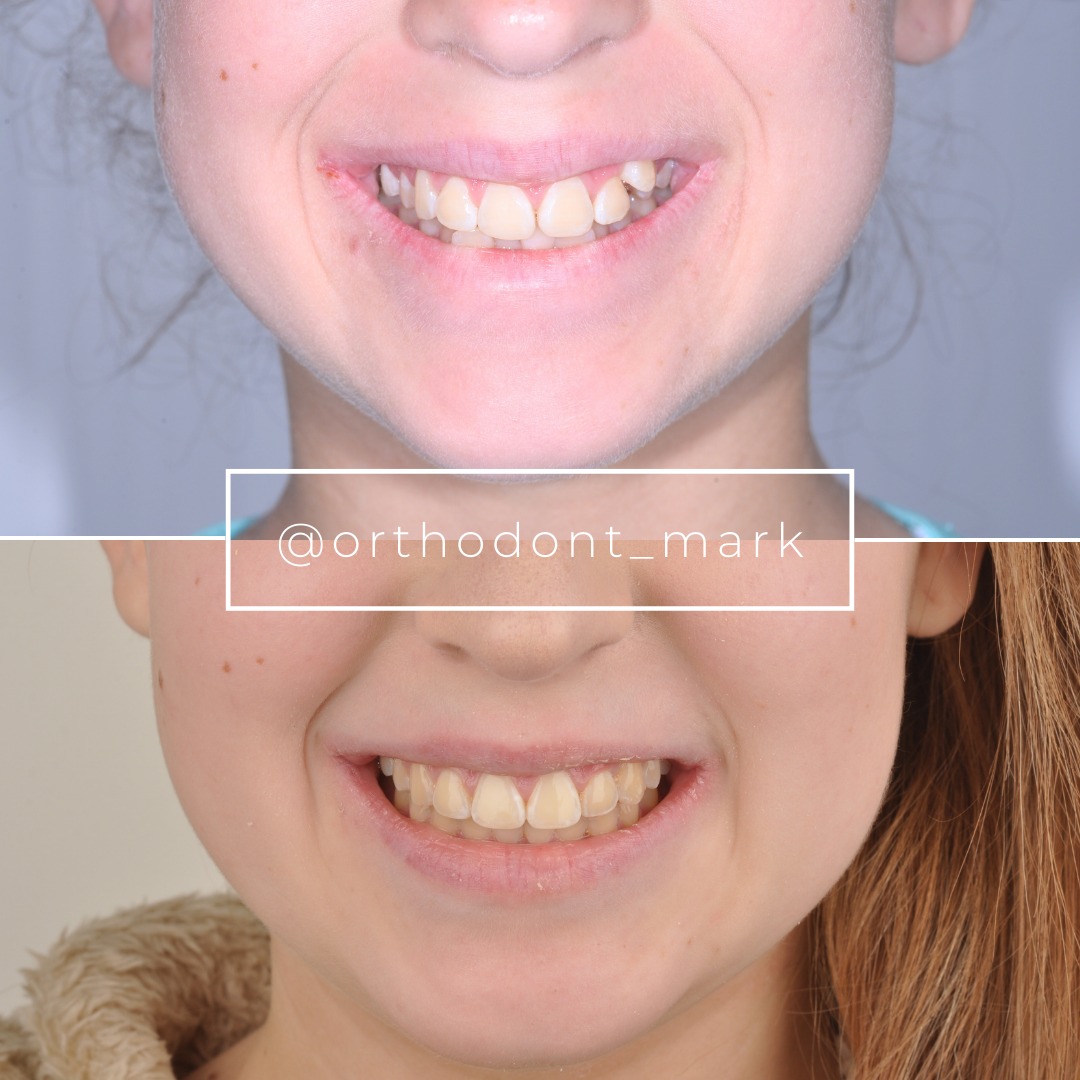
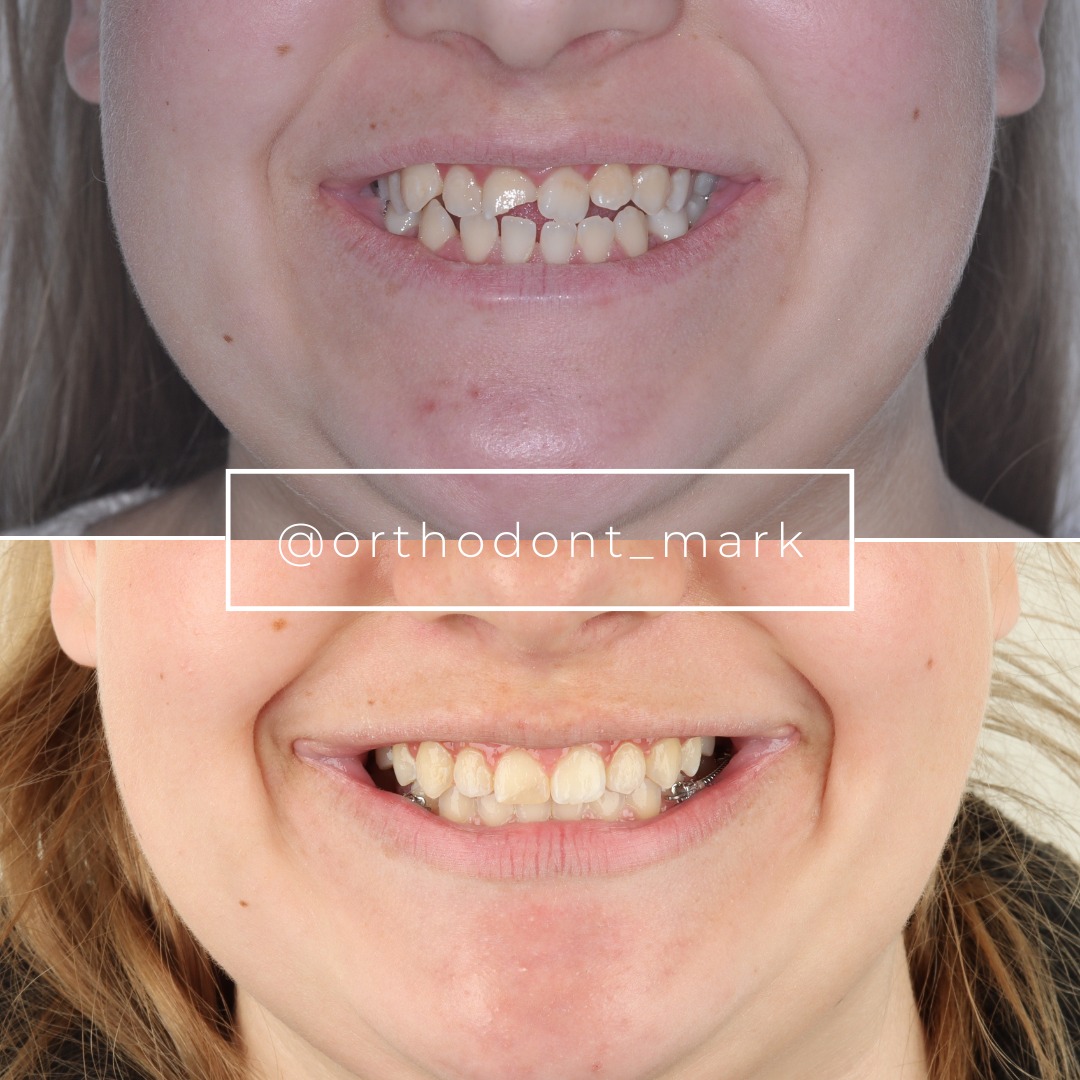
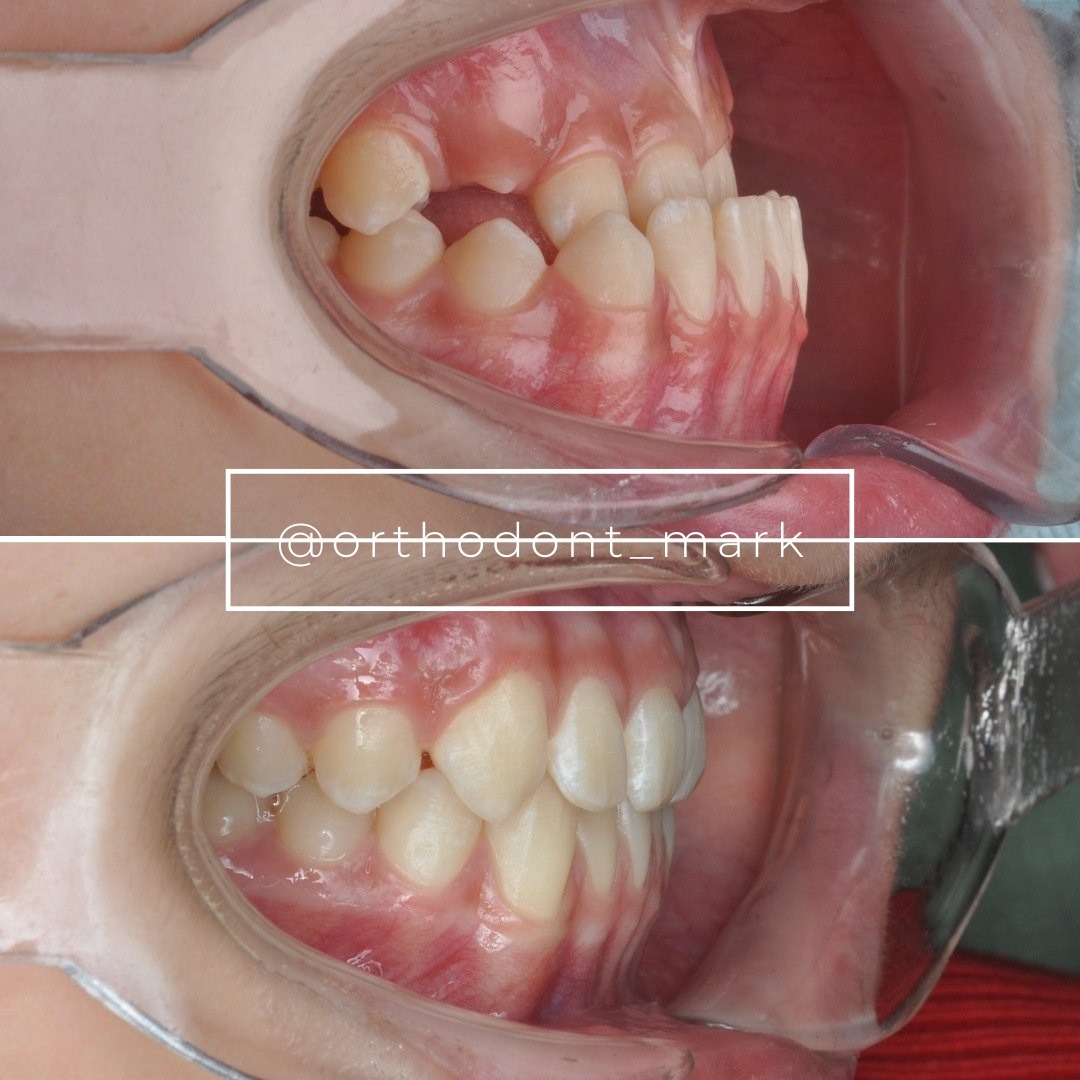
Learn the full MARPE protocol from Dr. Mark Radzhabov
Fundamental course covering CBCT patient selection, miniscrew planning, activation protocols, and 60+ clinical cases. Choose the access level that fits your practice.
Essentials of rapid palatal expansion for practicing orthodontists.
- Core RPE concepts and biomechanics
- 6 structured video lessons
- Clinical decision checklists
- Lifetime access to recordings
Deep-dive into MARPE protocol, diagnostics, and clinical execution.
- 6 modules covering MARPE from A to Z
- CBCT case selection walkthroughs
- Miniscrew placement and activation
- 60+ annotated clinical cases
- Direct Q&A with Dr. Mark Radzhabov
5-element medical consultation framework for dentists and orthodontists.
- Trust-building consultation protocol
- 5 lesson modules
- Templates for treatment plan delivery
- Works with any clinical specialty
Clinical FAQ
What is the optimal local anesthesia protocol for MARPE miniscrew insertion?
Use 5% topical lidocaine for 1–2 minutes, then infiltrate 2% lidocaine with 1:100,000 epinephrine (0.5–1.0 mL per site) at a shallow 15–30° angle to the palatal plane. Wait 2–3 minutes and confirm numbness with an explorer before insertion. This two-stage approach reduces insertion pain by 70–80%.
How does pain differ between MARPE insertion and daily activation?
Insertion pain (sharp, nociceptive) is prevented by local anesthesia. Activation pain (inflammatory stretch) occurs during daily screw turns and persists 2–4 hours after anesthesia wears off. Manage activation pain with ibuprofen 400–600 mg or acetaminophen 500–1000 mg taken 30 minutes before turns. Pain typically resolves by day 10–14.
What are the pain-mapping sites where patients feel maximum discomfort?
Peak discomfort occurs at three moments: (1) needle penetration during infiltration, (2) initial screw threading through mucosa and periosteum, and (3) bone engagement as threads contact cortical bone. The anterior third of the palate and midline raphe have the highest nociceptor density.
Does inadequate pain control affect MARPE treatment compliance and outcomes?
Yes. Patients experiencing severe pain without anesthesia frequently skip or delay activation turns in the first week, slowing expansion rate and lengthening treatment duration. Anesthetized patients show higher compliance with prescribed turn frequency and better overall treatment outcomes.
Can local anesthesia compromise miniscrew stability or skeletal expansion efficacy?
No. Miniscrew retention rates and skeletal outcomes are not affected by use of local anesthesia. Infiltration anesthesia may indirectly improve outcomes by reducing patient anxiety and improving oral hygiene compliance around miniscrews.
Which patient populations most benefit from MARPE anesthesia?
Adolescents with dental anxiety, adults with low pain tolerance, patients with fibromyalgia or gag reflex sensitivity, and those undergoing expansion for the first time. Always offer anesthesia. Informed consent is ethical standard regardless of patient age or perceived pain tolerance.
What is the correct timing for analgesic dosing before daily activation turns?
Administer ibuprofen or acetaminophen 30 minutes before the scheduled activation turn (e.g., before 3–4 morning turns on insertion day, then before first daily turn on subsequent days). Repeat dosing 4–6 hours later if discomfort persists. Peak pain typically occurs days 2–4 post-insertion.
How long does anesthetic efficacy persist after infiltration, and when should activation begin?
Infiltration anesthesia typically lasts 2–4 hours depending on epinephrine concentration and individual metabolism. Perform initial miniscrew turns (3–4 turns on insertion day) while anesthesia is still active. Subsequent daily turns will occur after anesthesia has worn off. Manage with systemic analgesics.
Are there contraindications to local anesthesia in MARPE patients?
Standard contraindications apply: documented lidocaine allergy, uncontrolled hypertension (relative to epinephrine), pregnancy (relative for elective procedures). Screen all patients. Epinephrine-free formulations are available for select cases. No orthodontic contraindications exist in appropriately screened candidates.
How should intractable activation pain (>7/10) be evaluated and managed?
Intractable pain signals potential miniscrew malposition, soft-tissue entrapment, or periosteal irritation. Evaluate clinically. Consider adjustment or removal if signs of infection (fever, purulent drainage) or excessive swelling beyond day 3 appear. Do not dismiss pain escalation. Responsive management preserves patient trust and compliance during the 8+ week intensive phase.
Local anesthesia during MARPE significantly mitigates procedural pain and improves patient tolerance without compromising treatment efficacy or miniscrew stability. Clinicians adopting standardized anesthesia protocols—infiltration combined with topical anesthetics—report higher patient satisfaction and improved compliance during the critical activation phase. Dr. Mark Radzhabov emphasizes that systematic pain management is not optional but integral to ethical, patient-centered MARPE practice. For detailed case reviews, anesthesia technique videos, and evidence-based protocol updates, explore the Orthodontist Mark consultation portal or enroll in the advanced MARPE clinical course to refine your anesthesia and patient management strategies.