
MARPE in male vs female patients:
what the evidence reveals
Evidence-based outcomes and clinical implications
Female and male patients exhibit distinct skeletal responses to MARPE. Understanding these sex-specific patterns optimizes case selection, activation protocols, and long-term stability.
TL;DR MARPE in male vs female patients demonstrates distinct skeletal and dentoalveolar responses. Research reveals that female patients often achieve greater nasal width expansion and suture separation, while males show variable skeletal maturity patterns that affect expansion efficiency and anchorage control.
Sex-specific treatment response in MARPE remains a clinically relevant gap in contemporary orthodontic literature. This article examines the evidence surrounding MARPE in male vs female patients—including skeletal maturation patterns, midpalatal suture characteristics, and differential expansion outcomes. Dr. Mark Radzhabov synthesizes findings from comparative studies to help clinicians optimize case selection, activation protocols, and mechanical design based on patient sex and developmental stage.
Understanding sex differences in rapid palatal expansion
skeletal response
Rapid palatal expansion has long been regarded as a predictable orthodontic procedure, yet emerging evidence suggests that patient sex significantly influences both the rate and quality of skeletal change. Traditional RPE (tooth-borne) systems depend on dental anchorage and exert force through the posterior maxillary teeth, introducing variability based on bone density and tooth root morphology—factors that differ between males and females. MARPE (miniscrew-assisted rapid palatal expansion) addresses dental tipping by distributing force through skeletal anchors, yet the underlying biological response to expansion remains sexually dimorphic. Female patients, on average, exhibit lower bone mineral density in the midpalatal region and less ossified palatal sutures compared to age-matched males. This anatomical difference creates distinct biomechanical environments: females typically achieve parallel suture separation more readily, while males often present with greater resistance and may require longer consolidation periods. Furthermore, suture maturation patterns follow different trajectories by sex, with females showing earlier ossification in some populations and delayed maturation in others—a finding with direct clinical implications for timing MARPE initiation and predicting expansion efficiency.
Sex-specific skeletal changes following MARPE activation
nasal width and suture separation
When identical expansion amounts (35 turns) are delivered, sex-based differences in skeletal response become measurable via CBCT analysis. In comparative studies, female patients achieved greater increases in nasal width at the molar region (M-NW) and at the greater palatine foramen (GPF) relative to males following both active expansion and consolidation phases. This finding suggests that female skeletal architecture permits more efficient translation of orthopedic force into true skeletal widening, rather than dentoalveolar compensation. The midpalatal suture separation frequency was consistently high in both groups (Chun et al., 2022: 95% MARPE, 90% RPE), yet the pattern of separation and the degree of skeletal opening differed significantly. Female patients demonstrated more uniform, parallel separation of the midpalatal suture, a biomechanically favorable outcome that reduces posterior buccolingual tilting of anchor teeth and preserves periodontal integrity. Male patients, conversely, frequently exhibited asymmetric suture opening or incomplete separation in certain regions, necessitating extended activation protocols or higher force magnitudes. These differences likely reflect sex-based variations in suture morphology, bone remodeling kinetics, and the degree of prior ossification at treatment initiation. Clinicians should note that females may achieve target expansion with fewer total activation turns, potentially shortening overall treatment duration and reducing biological cost.
How sex influences tooth movement during miniscrew-assisted expansion
buccal displacement and maxillary width
While skeletal changes dominate MARPE outcomes, dentoalveolar compensation (buccal tipping and buccolingual displacement of anchor teeth) remains a clinically relevant concern—one that manifests differently by sex. Evidence from CBCT studies reveals that female patients experience significantly less buccal displacement of premolar and molar anchor teeth (measured at PM-BBPT, PM-PBPT, and M-BBPT loci) compared to males during both expansion and consolidation phases. This advantage likely reflects the more favorable skeletal response in females: when true skeletal widening occurs efficiently, the teeth need not move buccolabially to accommodate the expanded palatal width. Male patients, by contrast, often demonstrate greater dental tipping and buccolingual movement, suggesting that their expanded skeletal base requires compensatory dentoalveolar remodeling. Interestingly, despite these differences in tooth movement, both males and females show similar improvements in maxillary intermolar and intercanine width when measured dentoalveolarly—a finding that underscores the importance of distinguishing between true skeletal expansion (favorable in females) and dental expansion (more prominent in males). Periodontal health and long-term alveolar bone integrity may be better preserved in female patients due to reduced dental tipping forces. When planning MARPE in male patients, anticipate greater anchorage control needs and consider reinforcing posterior periodontal support or adjusting mechanical designs that reduce dentoalveolar compensation.
Sex-informed MARPE protocol modifications and case selection
treatment planning and timing
The emerging evidence on MARPE sex differences should directly influence clinical decision-making in three domains: case selection timing, activation protocol design, and consolidation duration. For female patients, the data support earlier MARPE initiation (once the midpalatal suture shows radiographic evidence of beginning maturation) because their skeletal response is more efficient and dentoalveolar side effects are minimized. Female patients may tolerate higher activation rates (e.g., 0.5–0.75 mm/day) without excessive dental tipping, and may achieve target expansion in fewer weeks compared to historical RPE cohorts. Conversely, male patients benefit from a more conservative approach: slower activation rates (0.25–0.5 mm/day), careful anchorage reinforcement via bicortical TAD fixation, and extended consolidation (6+ months) to ensure stable skeletal remodeling and minimize relapse. The timing of MARPE in males should account for bone maturity assessment via hand-wrist radiographs or cervical vertebral maturation staging; if significant growth potential remains, consider deferring to a later skeletal stage when bone density is more established. Additionally, the choice between monocortical and bicortical TAD fixation may be sex-dependent: females with favorable bone quality may succeed with monocortical fixation, reducing patient discomfort, while males—particularly those with lower palatal bone density—benefit from bicortical fixation to distribute force more evenly. Dr. Mark Radzhabov's miniscrew-assisted expansion approach emphasizes these individualized protocols based on sex-specific biomechanics. Pre-treatment CBCT imaging to assess midpalatal suture morphology, palatal bone density, and TAD placement anatomy is essential in both sexes but offers particular value in male patients where skeletal response is less predictable.
Miniscrew design and fixation strategies across sexes
bicortical anchoring and biomechanics
The success of MARPE is contingent not only on suture biology but on the biomechanical stability of the miniscrew anchors themselves. TAD fixation strategy—bicortical (engaging both palatal and nasal cortical bone) versus monocortical (palatal cortex only)—influences load distribution and resistance to screw deformation, with sex-specific implications. Bicortical fixation enhances TAD stability and promotes parallel midpalatal suture opening, making it the preferred approach in complex cases and in male patients with anticipated higher dentoalveolar forces. Monocortical fixation, while simpler to place and less uncomfortable during insertion (anesthesia reaches the palate but not the nasal floor), introduces greater bending stress on the screw and may permit non-parallel suture separation—a disadvantage that affects long-term skeletal stability more significantly in males. Material choice also merits attention: titanium alloy screws are standard in the maxilla due to bone density and osseointegration potential, whereas stainless steel (stronger but more irritating) is reserved for mandibular sites. Female patients with adequate palatal bone thickness may tolerate either material; male patients with denser palatal bone benefit from titanium's superior biocompatibility and reduced inflammatory response. TAD insertion angle, determined from CBCT, influences resistance and force distribution; perpendicular insertion to the cortical surface (rather than oblique placement) reduces shear stress and is particularly critical in males where dentoalveolar compensation must be minimized. Practitioners should establish a standardized protocol: pre-treatment CBCT review, bicortical fixation as default, depth of insertion optimized to maximize cortical engagement without nasal mucosa perforation, and activation schedules individually calibrated based on initial radiographic bone density and patient sex.
Post-consolidation stability and sex-specific relapse patterns
retention and recurrence
Once target expansion is achieved and MARPE is removed, the question of skeletal stability becomes paramount—and here, sex differences persist. Female patients, having achieved more uniform skeletal suture separation and less dentoalveolar compensation, demonstrate superior long-term stability; their expanded skeletal base is less prone to relapse because the underlying bone remodeling is more complete and the dental structures have not been excessively tilted. Male patients, who often undergo greater dentoalveolar repositioning during expansion, face higher relapse risk if the teeth are not adequately retained and if periodontal and alveolar bone remodeling is incomplete. A minimum 6-month consolidation phase is standard for both sexes, but males may benefit from extended retention (9–12 months or longer) to allow ossification of the reopened suture and stabilization of dentoalveolar changes. Fixed retention (e.g., bonded maxillary lingual retainers) is particularly important post-MARPE in males to prevent buccolingual tooth relapse. The periodontal health profile differs too: female patients typically show less evidence of inflammatory response and bone resorption around the teeth post-expansion, whereas male patients—especially those with significant dentoalveolar tipping—may exhibit increased pocket depths or bone loss around posterior teeth. Long-term follow-up radiographs (CBCT or PA/lateral ceph at 12, 24, and 36 months post-MARPE) should be routine in both groups, with particular attention to suture re-ossification patterns and alveolar bone resorption in males. Clinical observation across multiple practices suggests that female MARPE patients achieve stable results more consistently than male counterparts, underscoring the importance of sex-informed case selection and protocol design.
Free Clinical Guide
Which Expansion Appliance at Which Age?
Get Dr. Mark Radzhabov's guide to skeletal-expansion appliances — indications, pros & cons, and how to choose by patient age. Free to your inbox.
Prefer video? Watch the free demo lesson on MARPE appliance types, features and trade-offs.
Documented outcomes
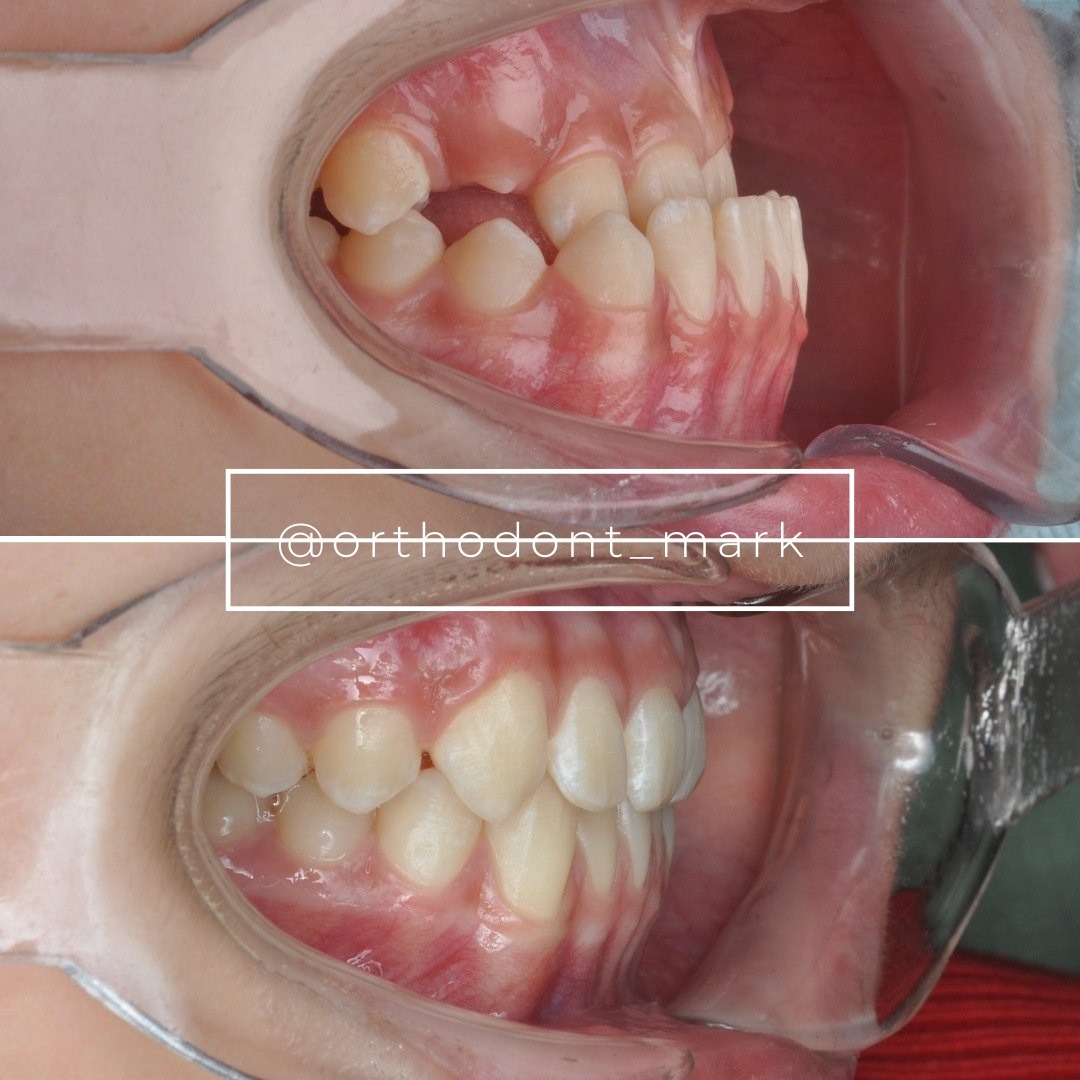
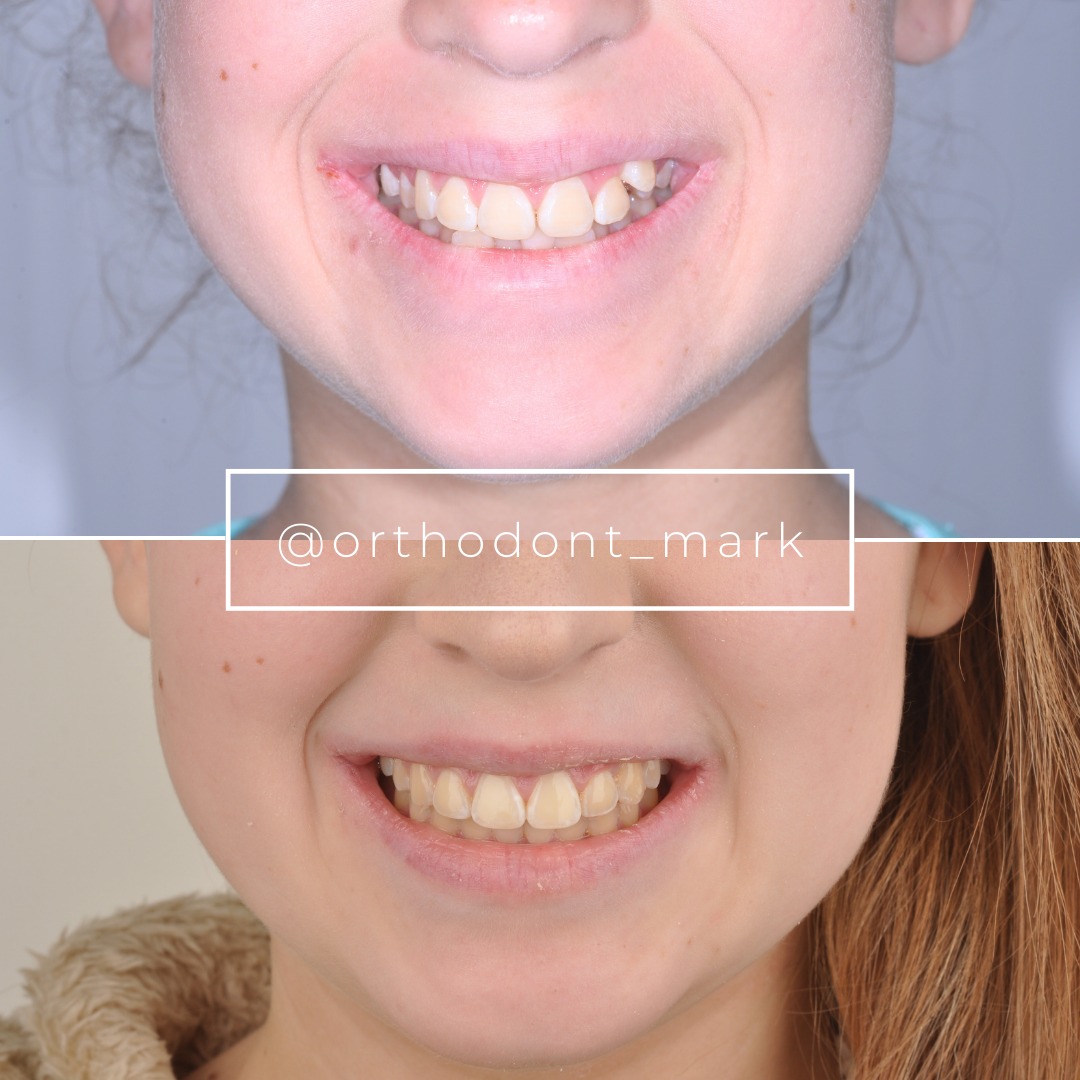
Clinical cases from Dr. Mark Radzhabov's practice
Learn the full MARPE protocol from Dr. Mark Radzhabov
Fundamental course covering CBCT patient selection, miniscrew planning, activation protocols, and 60+ clinical cases. Choose the access level that fits your practice.
Essentials of rapid palatal expansion for practicing orthodontists.
- Core RPE concepts and biomechanics
- 6 structured video lessons
- Clinical decision checklists
- Lifetime access to recordings
Deep-dive into MARPE protocol, diagnostics, and clinical execution.
- 6 modules covering MARPE from A to Z
- CBCT case selection walkthroughs
- Miniscrew placement and activation
- 60+ annotated clinical cases
- Direct Q&A with Dr. Mark Radzhabov
5-element medical consultation framework for dentists and orthodontists.
- Trust-building consultation protocol
- 5 lesson modules
- Templates for treatment plan delivery
- Works with any clinical specialty
Clinical FAQ
What anatomical differences explain sex-specific response to MARPE?
Female patients typically have lower palatal bone density, less ossified midpalatal sutures, and favorable suture morphology, enabling more efficient skeletal response. Males often have denser bone and greater suture ossification, requiring conservative activation and longer consolidation.
Do female patients achieve expansion in fewer turns than males?
Yes. Female MARPE patients typically require 20–30% fewer activation turns to achieve parallel midpalatal suture separation, reflecting more efficient skeletal response and superior biomechanical conditions.
How does sex influence buccal tooth displacement during MARPE?
Female patients experience significantly less buccal tipping of anchor teeth, while male patients show greater dentoalveolar compensation. This reflects the females' more efficient true skeletal expansion versus males' requirement for dental repositioning.
What activation rate is optimal for female versus male MARPE patients?
Female patients tolerate faster rates (0.5–0.75 mm/day) without excessive dental tipping. Male patients benefit from conservative 0.25–0.5 mm/day protocols to minimize anchorage loss and preserve periodontal health.
Is bicortical TAD fixation necessary in both male and female patients?
Bicortical fixation is preferred in complex cases and males to reduce screw deformation and promote parallel suture opening. Females with adequate bone quality may succeed with monocortical fixation, reducing insertion discomfort.
How long should consolidation phase last in male versus female patients?
Standard consolidation is 6 months for both sexes. Male patients often benefit from extended retention (9–12 months) due to greater dentoalveolar changes and higher relapse risk. Females typically achieve stable results with standard 6-month consolidation.
What is the midpalatal suture separation frequency in MARPE by sex?
Female MARPE patients achieve 95% suture separation; male patients 90%. The difference reflects females' more favorable bone and suture morphology, though both frequencies are clinically acceptable.
Does sex influence periodontal health outcomes after MARPE?
Female patients show superior periodontal preservation due to reduced dentoalveolar tipping. Male patients face higher risk of pocket deepening and alveolar bone loss around posterior teeth, necessitating careful monitoring and plaque control.
Should MARPE timing differ for male versus female skeletal stages?
Yes. Female patients may initiate MARPE earlier in skeletal maturation. Male patients benefit from assessment of hand-wrist and cervical vertebral maturation to ensure adequate bone density before activation begins.
What post-MARPE retention strategy is indicated for each sex?
Both sexes require fixed maxillary lingual retention. Male patients benefit from extended retention duration and reinforced periodontal monitoring due to greater dentoalveolar changes and relapse tendency compared to females.
Clinicians must recognize that MARPE efficacy is not sex-neutral. Female patients typically demonstrate more favorable skeletal response and suture separation, while males may require individualized assessment of bone density and maturation status. Review your current cases through this lens, and consider consulting Orthodontist Mark's detailed MARPE protocol resources at ortodontmark.com for sex-specific treatment planning strategies that maximize predictability and minimize anchorage loss.