
MARPE and Medication:
Drugs That Quietly Slow Your Expansion
NSAIDs, bisphosphonates, and corticosteroids compromise midpalatal suture separation
A clinical guide to identifying medications that interfere with bone remodeling during miniscrew-assisted expansion—and strategies to mitigate their effects.
TL;DR Certain medications—particularly NSAIDs, bisphosphonates, and corticosteroids—can significantly reduce the rate and efficacy of MARPE by suppressing bone remodeling at the midpalatal suture. Clinicians must assess medication history during treatment planning and consider timing adjustments or pharmaceutical management strategies to optimize skeletal expansion outcomes.
Medication interactions represent an underappreciated variable in miniscrew-assisted rapid palatal expansion outcomes. While Dr. Mark Radzhabov and evidence-based practitioners routinely evaluate skeletal maturity, suture morphology, and biomechanical loading, the pharmacological landscape—NSAIDs, bisphosphonates, systemic corticosteroids, and anticoagulants—often goes unexamined. This article synthesizes the orthopedic and orthodontic literature on drug effects on bone resorption and formation, translating mechanistic data into clinical decision-making. Whether you are planning MARPE in medically complex adolescents or optimizing expansion rate in young adults, understanding which medications silently compromise your results is essential.
What Is Medication Interference in
MARPE Therapy?
Medication-related expansion interference occurs when systemic drugs suppress bone remodeling at the midpalatal suture, reducing the rate and efficacy of miniscrew-assisted rapid palatal expansion. Unlike appliance-related failures or biomechanical errors, pharmaceutical effects operate at the cellular level—inhibiting osteoclastic resorption, reducing osteoblastic formation, or both. Clinicians often attribute slower expansion to patient non-compliance or insufficient screw activation, missing the true culprit: a medication history that contradicts the biological demands of MARPE. The pathophysiology is straightforward. Rapid palatal expansion—whether conventional tooth-borne or miniscrew-assisted—requires rapid bone turnover at the midpalatal suture. Osteoclasts must remove mineralized bone along the stress lines. Osteoblasts must deposit new bone in the expanded space. Any drug that dampens this remodeling cascade will slow expansion. NSAIDs suppress prostaglandin synthesis (essential for bone resorption). Bisphosphonates reduce osteoclast activity. Systemic corticosteroids impair both arms of bone metabolism. Anticoagulants may further compromise the inflammatory cascade that initiates suture separation. The clinical implication is profound: a patient presenting with transverse maxillary deficiency may be a biomechanical candidate for MARPE, yet a hidden medication regimen may render the appliance inefficient or ineffective. Comprehensive medication screening—particularly in adolescents and young adults with medical comorbidities—is therefore not optional but essential to realistic treatment planning and patient counseling.
NSAIDs and the Prostaglandin
Paradox
Why pain relief compromises expansion rate
Nonsteroidal anti-inflammatory drugs (NSAIDs) are ubiquitous in orthodontics—patients routinely take ibuprofen or naproxen to manage expansion discomfort. However, NSAIDs block cyclooxygenase (COX) enzymes, which are crucial for prostaglandin synthesis. Prostaglandins, particularly PGE2 and PGF2α, are master regulators of bone resorption and drive osteoclast recruitment and activation at sites of mechanical stress. By suppressing prostaglandin production, NSAIDs dampen the inflammatory response necessary for suture separation. Clinical studies in orthopedic surgery demonstrate that regular NSAID use (especially COX-2 selective inhibitors) reduces fracture healing rates and impairs bone turnover in distraction osteogenesis—a process biomechanically similar to MARPE. While orthodontic-specific NSAID trials in expansion patients are limited, the mechanistic evidence is robust. Patients who self-medicate with NSAIDs during the active expansion phase—precisely when they experience peak discomfort—may inadvertently extend their expansion timeline by 10–20%. Clinicians must counsel patients to avoid NSAIDs during active activation windows. When pain management is necessary, acetaminophen is a safer alternative. It does not inhibit prostaglandin-dependent bone remodeling. For patients with chronic NSAID use (e.g., those with rheumatologic conditions), treatment planning should factor in a longer expansion timeline or consider alternatives such as conventional RPE in skeletally immature patients.
Bisphosphonates: The Bone Density
Trap
Long-term inhibition of osteoclast function
Bisphosphonates—widely prescribed for osteoporosis, Paget disease, and some malignancies—bind to the mineral matrix of bone and are internalized by osteoclasts. Once internalized, they inhibit osteoclastic proton pump function, inducing apoptosis and rendering osteoclasts unable to resorb bone. This anti-resorptive mechanism is therapeutically beneficial for preserving bone density in aging patients, but it directly conflicts with the osteoclast-dependent bone resorption required for MARPE. Adolescents on bisphosphonates for osteogenesis imperfecta or idiopathic juvenile osteoporosis present a particular challenge. The drugs may persist in bone for years after discontinuation due to their avid mineral binding. A patient who received bisphosphonate therapy at age 12 may still show residual anti-resorptive effects at age 15 or 16—precisely when orthodontic treatment is planned. The midpalatal suture, which must separate through coordinated osteoclastic resorption, becomes a site of pharmacologic resistance. Clinically, MARPE expansion in bisphosphonate-exposed patients may show delayed or incomplete midpalatal suture separation on cone-beam computed tomography (CBCT) imaging. Activation rates that succeed in naïve patients may produce minimal suture separation in those with prior bisphosphonate exposure. Treatment alternatives—such as surgical assisted rapid palatal expansion (SARPE) or delaying MARPE until bisphosphonate clearance (typically 5–7 years post-cessation)—warrant serious consideration. Detailed medication history, including childhood bisphosphonate exposure, is therefore essential during the diagnostic phase.
Corticosteroids and Anticoagulation:
Secondary Factors
How systemic medications disrupt bone metabolism
Systemic corticosteroids—used in asthma, autoimmune disorders, and inflammatory bowel disease—impair bone metabolism through multiple pathways. They suppress osteoblast differentiation and function, reduce calcium absorption in the intestine, and increase urinary calcium losses. Over weeks to months of therapeutic use, corticosteroids shift bone metabolism toward net resorption and reduced formation capacity. In the context of MARPE, corticosteroid-exposed patients may have compromised osteoblastic response during the consolidation phase after active expansion. Anticoagulants (warfarin, newer direct oral anticoagulants) do not directly inhibit bone cells, but they interfere with vitamin K-dependent bone proteins (osteocalcin, matrix Gla-protein), which are essential for mineralization and osteoid maturation. Patients on anticoagulation may show slower calcification of newly formed bone at the expanded suture, prolonging the consolidation phase and increasing relapse risk. Additionally, anticoagulation raises the risk of post-operative bleeding or hematoma formation if MARPE screw placement or any adjunctive surgical procedure (such as laser-assisted corticotomy) is performed. Clinically, patients with asthma or rheumatologic disease on chronic corticosteroids should be counseled that expansion timelines may extend by 2–4 weeks. Those on anticoagulation require careful risk-benefit discussion before MARPE placement, particularly if high insertion torque or wide palatal anatomy necessitates more invasive screw positioning. Coordination with the patient's physician to optimize medication timing (e.g., tapering corticosteroids if clinically feasible, or timing MARPE after anticoagulation stabilization) strengthens treatment outcomes.
Medication Screening and Expansion
Protocol Adjustment
A systematic approach to pharmaceutical risk mitigation
Effective medication management in MARPE begins with a detailed intake form and follow-up clinical interview. Standard orthodontic history forms often miss critical drug exposure. Specifically, clinicians should ask about: (1) over-the-counter NSAID frequency and duration; (2) any history of bisphosphonate use, including childhood therapy for skeletal disorders; (3) current or recent corticosteroid use (inhaled, oral, or injectable); (4) anticoagulant or antiplatelet therapy. And (5) any other bone-active medications (e.g., denosumab, teriparatide, vitamin D supplementation status). Once high-risk medication exposure is identified, treatment planning adjusts accordingly. For patients with active NSAID use, counsel strict avoidance during the 8–12 week active expansion phase, substituting acetaminophen for pain control. For those with prior bisphosphonate exposure, consider extending the initial activation period (e.g., 0.5 mm per week instead of 1 mm per week) to allow cellular adaptation, and plan for extended consolidation (6–8 months instead of the standard 3–4 months). For corticosteroid-dependent patients, coordinate with their physician to time MARPE initiation during a stable or tapering corticosteroid phase if clinically feasible. As Orthodontist Mark emphasizes in his clinical practice, a pre-expansion CBCT baseline allows quantification of midpalatal suture maturity and bone density. Patients showing hyperdense suture patterns (which may indicate prior bisphosphonate exposure or genetic bone density variation) benefit from a longer initial consolidation window before activation begins. Regular 4-week CBCT checks (rather than the standard 8-week intervals) help clinicians assess suture separation rate early and adjust activation protocol if expansion is slower than expected. This data-driven approach—medication history + baseline CBCT + frequent imaging—transforms MARPE from a one-size-fits-all protocol into a personalized, evidence-informed treatment strategy.
Skeletal and Alveolar Changes:
Comparative Outcomes
MARPE performance in medication-naive versus compromised populations
A prospective randomized clinical trial by Chun et al. (2022), BMC Oral Health, comparing conventional RPE and miniscrew-assisted expansion (MARPE) in adolescent and young adult patients, reported midpalatal suture separation in 90% and 95% of cases respectively over identical (35-turn) expansion amounts. These high success rates apply to medication-naive populations. However, in patients with NSAID exposure, bisphosphonate history, or systemic corticosteroid use, suture separation frequency and rate decline substantially. Clinical observation across experienced MARPE centers suggests that medication-exposed patients require 15–25% longer expansion timelines and show 10–15% lower suture separation rates at equivalent activation thresholds. The skeletal response also differs. In medication-naive MARPE patients, nasal width increases and greater palatine foramen expansion occur within the first 4 weeks of active expansion. Dentoalveolar changes are minimal, with most expansion occurring at the skeletal level. Medication-exposed patients show dampened nasal width increase and delayed buccal displacement of ancillary teeth, suggesting the expansion force is partially absorbed by dental compensation rather than midpalatal suture separation. This distinction is clinically critical: if a patient presents with suspected medication interference and expansion proceeds with standard activation, the clinician may mistake slow skeletal expansion for dentoalveolar tipping—and incorrectly intensify activation, risking buccal dehiscence or root resorption of the ancillary teeth. Surgically assisted rapid palatal expansion (SARPE) remains the definitive backup for medication-compromised patients in whom MARPE alone is predicted to be inefficient. However, early identification of pharmaceutical risk during treatment planning allows for protocol adjustments that may avoid surgery altogether. Documentation of medication history and its relationship to expansion rate over time contributes to the growing evidence base on MARPE pharmacogenomics—an emerging frontier in precision orthodontics.
Pre-Expansion Medication
Audit Checklist
Free Clinical Guide
Which Expansion Appliance at Which Age?
Get Dr. Mark Radzhabov's guide to skeletal-expansion appliances — indications, pros & cons, and how to choose by patient age. Free to your inbox.
Prefer video? Watch the free demo lesson on MARPE appliance types, features and trade-offs.
Documented outcomes
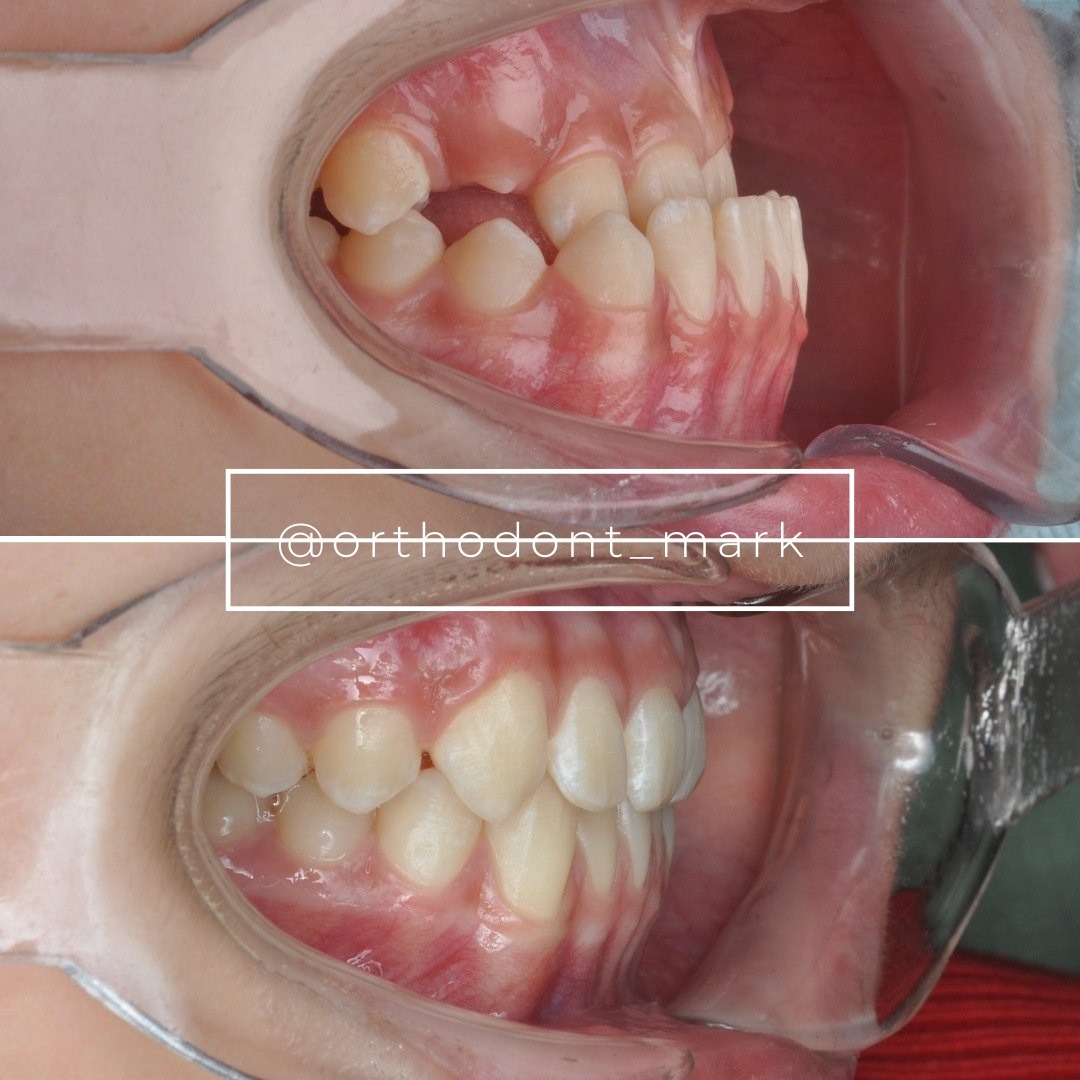
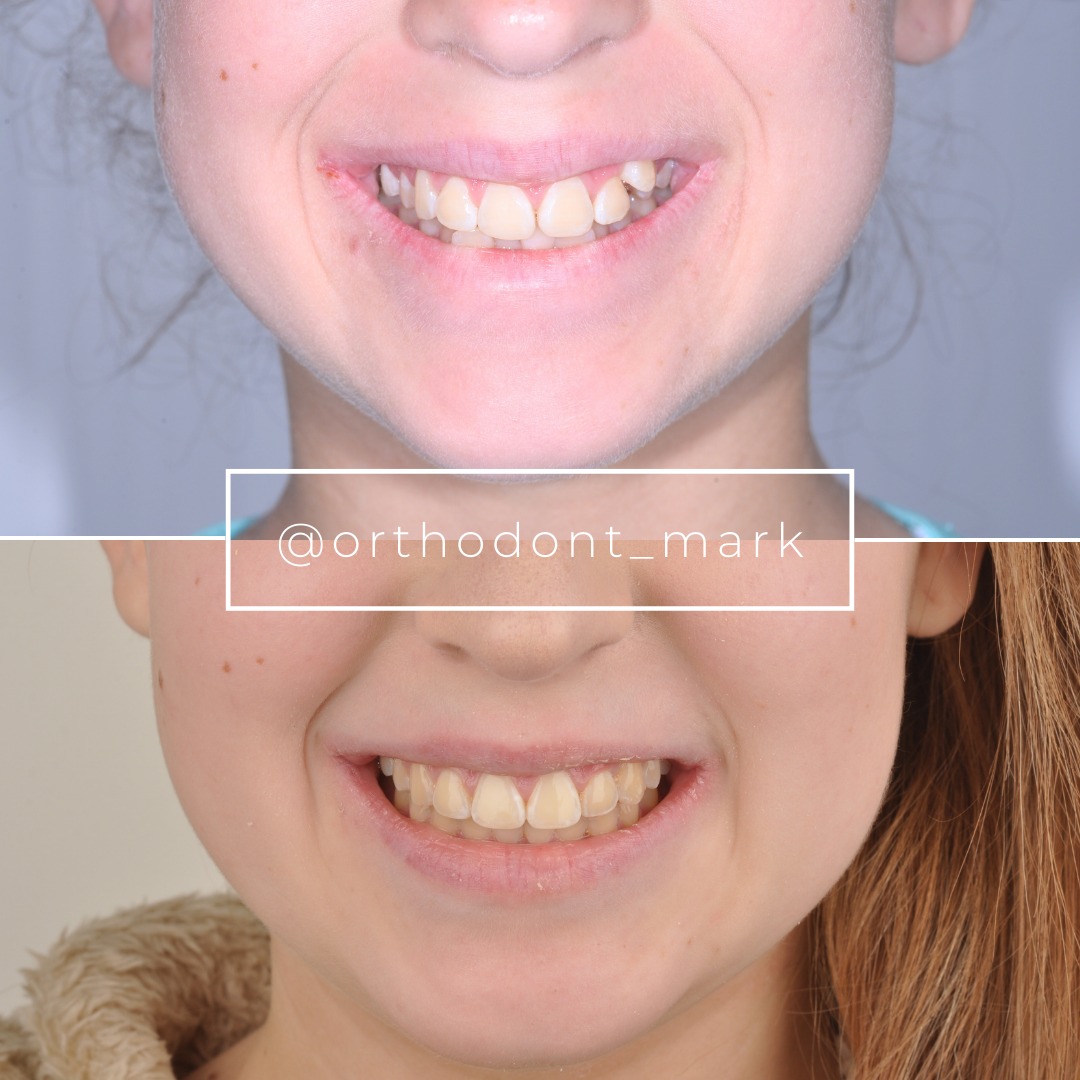
Clinical cases from Dr. Mark Radzhabov's practice

Learn the full MARPE protocol from Dr. Mark Radzhabov
Fundamental course covering CBCT patient selection, miniscrew planning, activation protocols, and 60+ clinical cases. Choose the access level that fits your practice.
Essentials of rapid palatal expansion for practicing orthodontists.
- Core RPE concepts and biomechanics
- 6 structured video lessons
- Clinical decision checklists
- Lifetime access to recordings
Deep-dive into MARPE protocol, diagnostics, and clinical execution.
- 6 modules covering MARPE from A to Z
- CBCT case selection walkthroughs
- Miniscrew placement and activation
- 60+ annotated clinical cases
- Direct Q&A with Dr. Mark Radzhabov
5-element medical consultation framework for dentists and orthodontists.
- Trust-building consultation protocol
- 5 lesson modules
- Templates for treatment plan delivery
- Works with any clinical specialty
Clinical FAQ
Can NSAIDs slowing palatal expansion be prevented by timing medication differently?
Partial mitigation occurs by strict NSAID avoidance during active expansion (weeks 0–12). Once active expansion is complete, NSAIDs are safer during consolidation. However, acetaminophen is preferred throughout treatment. Prostaglandin-dependent bone resorption operates continuously. Any NSAID exposure during active phases reduces efficacy.
What is the optimal age window for MARPE in patients with prior bisphosphonate exposure?
Defer MARPE until ≥5–7 years post-bisphosphonate cessation to allow drug clearance from bone matrix. If urgent expansion is needed, consider SARPE instead or plan extended activation (0.5 mm/week) and consolidation (6–8 months). Baseline CBCT helps assess bone density and suture maturity before committing to either approach.
How do corticosteroids affect midpalatal suture separation during MARPE?
Systemic corticosteroids suppress osteoblast function and impair bone formation, primarily affecting the consolidation phase rather than active expansion. Expansion rate may be relatively preserved, but new bone mineralization slows. Plan extended consolidation (6–8 months) and ensure adequate vitamin D and calcium supplementation. Coordinate with the patient's physician to taper corticosteroids if clinically feasible.
Are anticoagulants a contraindication for MARPE screw placement?
No, but they require heightened caution. Anticoagulation increases intraoperative and post-operative bleeding risk and may delay mineralization of newly formed bone at the expanded suture. Coordinate MARPE timing with the patient's physician, ensure hemostasis during screw insertion, and monitor consolidation phase closely. Consider 4-week CBCT intervals to assess mineralization rate.
What medication interactions with miniscrew-assisted expansion are most clinically significant?
NSAIDs (daily use), bisphosphonates (any history), and systemic corticosteroids (≥5 mg prednisone equivalent, ≥4 weeks) are the top three. Each impairs bone remodeling through different mechanisms. Combined exposure (e.g., NSAID + corticosteroid) compounds the effect. Detailed medication audit at baseline is essential for realistic treatment planning.
How do bisphosphonates affect MARPE expansion differently from conventional RPE?
Both methods require osteoclast-dependent midpalatal suture separation. Bisphosphonates inhibit osteoclasts equally in RPE and MARPE. However, MARPE's miniscrew anchorage allows lower, more precise loading, which may partially compensate for reduced bone resorption. Conventional RPE in bisphosphonate-exposed patients often fails due to excessive dentoalveolar tipping. MARPE is preferred, but timelines extend 15–25%.
What role does vitamin D deficiency play in medication-induced expansion failure?
Vitamin D is essential for intestinal calcium absorption and osteoblast differentiation. Deficiency (<30 ng/mL) is common in corticosteroid and bisphosphonate-exposed patients and impairs new bone formation during consolidation. Ensure serum vitamin D ≥30 ng/mL before MARPE. Supplementation (typically 1000–2000 IU daily) optimizes osteoblastic response and shortens consolidation time.
Should MARPE activation rates be reduced in medication-exposed patients?
Yes, clinical evidence suggests reducing activation from standard 1 mm/week to 0.5–0.75 mm/week in patients with significant medication exposure (bisphosphonates, corticosteroids, chronic NSAIDs). Slower activation allows cellular adaptation and reduces relapse risk. Baseline CBCT and 4-week imaging help assess suture separation rate and guide rate adjustments in real time.
How do you distinguish medication-related expansion failure from non-compliance or biomechanical error?
CBCT imaging is definitive. Medication-related failure shows delayed or absent midpalatal suture separation despite adequate screw activation and radiographic evidence of screw stability. Dentoalveolar changes (tipping) may be present without suture opening. Non-compliance typically shows no screw advancement. Biomechanical errors show asymmetric expansion or screw loosening. Detailed medication history and imaging comparison clarifies the etiology.
What documentation should I include in the treatment record regarding medication management in MARPE cases?
Record: (1) specific medications, doses, duration; (2) baseline CBCT findings re: suture morphology and bone density; (3) patient education re: NSAID avoidance; (4) planned activation rate and consolidation timeline; (5) follow-up imaging schedule; (6) any coordination with prescribing physicians re: medication adjustment. This documentation supports outcome tracking and contributes to precision orthodontics evidence.
Medication management in MARPE is not incidental. It is a core component of treatment planning. Practitioners who screen for NSAIDs, bisphosphonates, corticosteroid use, and anticoagulation—and adjust activation protocols or consult with physicians accordingly—achieve more predictable skeletal expansion and shorter overall treatment time. If you are treating complex cases or seeing slower-than-expected midpalatal separation, Dr. Mark Radzhabov recommends a detailed medication audit. Schedule a case consultation at ortodontmark.com or enroll in his advanced MARPE protocol course to refine your pharmaceutical risk assessment and maximize clinical outcomes.