
MARPE in Patients With Metal Allergy:
Titanium Sensitivity Realities
Evidence-Based Patient Selection and Clinical Protocol
True titanium allergy is rare in orthodontics, but delayed-type hypersensitivity and galvanic corrosion can compromise treatment outcomes. Learn how to screen, select biocompatible materials, and monitor safely.
TL;DR MARPE titanium sensitivity is rare but clinically significant. True IgE-mediated titanium allergy occurs in <1% of the orthodontic population. However, delayed-type hypersensitivity reactions and galvanic corrosion concerns warrant pre-treatment allergy screening, biocompatible material selection, and patient-specific risk stratification before miniscrew-assisted rapid palatal expansion.
Titanium allergy in the orthodontic patient represents an increasingly recognized clinical challenge, particularly when planning miniscrew-assisted rapid palatal expansion (MARPE) therapy. Although titanium is considered one of the most biocompatible metals in dentistry, isolated case reports and emerging immunological evidence suggest that delayed-type hypersensitivity and contact sensitization can occur in susceptible individuals. At Orthodontist Mark, our clinical team has systematized a pre-treatment assessment protocol—combining detailed patient history, patch testing recommendations, and material-selection guidelines—to maximize treatment safety and efficacy in patients with documented metal sensitivity. This article reviews the current evidence on titanium biocompatibility in skeletal expansion, identifies risk factors for adverse reactions, and outlines a practical decision-making framework for clinicians managing MARPE in metal-allergic patients.
What Is MARPE in Metal-Allergic Patients?
Definition and scope
MARPE in patients with metal allergy refers to miniscrew-assisted rapid palatal expansion adapted for individuals with known or suspected hypersensitivity to titanium or nickel-containing alloys. True IgE-mediated titanium allergy is exceptionally rare in the general population, affecting fewer than 1% of orthodontic patients. However, delayed-type contact hypersensitivity and galvanic corrosion concerns are clinically relevant in a subset of patients with prior metal reactions or autoimmune predispositions. The distinction between true allergy, contact sensitization, and mechanical irritation is critical because misclassification can unnecessarily restrict treatment options or, conversely, expose a genuinely allergic patient to unnecessary risk.
The clinical presentation of metal hypersensitivity in the oral cavity ranges from asymptomatic sensitization (detected only by patch testing) to symptomatic reactions manifesting as localized erythema, edema, mucosal ulceration, or systemic effects such as oral lichenoid lesions. When considering miniscrew-assisted expansion, the cumulative burden of titanium exposure—including miniscrews, arch wires, brackets, and bonding agents—may exceed the individual's tolerance threshold, necessitating a comprehensive material audit and careful staging of treatment.
Biocompatible alternatives exist but come with trade-offs: stainless steel miniscrews offer lower cost and similar mechanical properties but carry higher nickel-sensitization risk. Zirconia-coated or composite screws remain experimental in the miniscrew space. And material modification (polishing, anodization) can reduce galvanic potential. At Orthodontist Mark, our approach prioritizes individualized risk assessment over blanket material restrictions, allowing evidence-based treatment planning even in sensitive populations.
The Rising Recognition of Metal Sensitivity in Orthodontics
Prevalence and implications
For decades, titanium was considered universally biocompatible, and reports of adverse reactions were dismissed as rare exceptions or misdiagnosed contact dermatitis. However, growing awareness of metal hypersensitivity in implant dentistry, increased patient health literacy, and improved diagnostic pathways (including standardized patch testing for titanium) have revealed a more nuanced immunological landscape. Orthodontists now encounter patients who arrive with pre-existing nickel or cobalt allergy from previous dental or medical exposures, raising legitimate concerns about cross-reactivity or cumulative sensitization when titanium appliances are introduced.
The prevalence of nickel allergy in the general population ranges from 10–15% in women and 1–3% in men, with higher rates in Europe and regions with strict nickel regulations. Among orthodontic patients, reports of lichen planus-like reactions, perilesional inflammation, and systemic symptoms temporally related to appliance insertion suggest that metal sensitivity is not as rare as historical literature implies. Additionally, the electrochemical environment of the oral cavity—characterized by saliva, pH variation, and galvanic potential between dissimilar metals—can accelerate corrosion and increase the risk of metal ion release, even from traditionally inert alloys.
For orthodontists planning skeletal expansion in metal-sensitive patients, this shift toward evidence-based individual assessment represents both a clinical opportunity and a liability management imperative. Proactive screening, transparent communication about material risks, and documented informed consent protect both patient safety and clinical outcomes.
Pre-Treatment Allergy Assessment: History, Testing, and Risk Stratification
Clinical protocol
A systematic pre-treatment allergy assessment is the cornerstone of safe MARPE planning in metal-sensitive patients. The process begins with a detailed medical and dental history, specifically inquiring about prior reactions to jewelry, eyeglass frames, dental fillings, retainers, piercing reactions, or other metal-containing devices. Patients reporting pruritus, erythema, edema, or delayed mucosal reactions following metal contact warrant further investigation. Additionally, screening for systemic conditions associated with metal sensitivity—including atopic dermatitis, nickel-food syndrome, and certain autoimmune states—helps contextualize individual risk.
Standardized patch testing (TRUE Test or equivalent, applied by dermatology) remains the reference standard for identifying delayed-type hypersensitivity. However, patch testing availability varies geographically, and false negatives can occur if the allergen concentration is inadequate or the patient is in a refractory phase. Consequently, clinical judgment must integrate patch-test results with history: a patient with strong prior reactions but negative patch testing still warrants conservative material selection, whereas a patient with negative history and testing can safely proceed with standard titanium miniscrews. Risk stratification tools—such as the Wolters classification system for metal allergy severity—help categorize patients as low, moderate, or high risk, guiding material selection and monitoring intensity.
Documentation of all pre-treatment findings is essential for medicolegal protection and informed consent. At Orthodontist Mark, we recommend photographing the intraoral soft tissues and recording baseline mucosal status before appliance insertion, enabling objective comparison during treatment and distinguishing pre-existing lesions from appliance-related reactions.
Biocompatible Alternatives and Material Modifications for MARPE
Titanium and beyond
For patients with documented or suspected titanium allergy, material substitution must be approached with care because no currently available miniscrew alloy is entirely hypoallergenic. Grade 5 titanium (Ti–6Al–4V ELI, used in most orthodontic miniscrews) is exceptionally biocompatible and resistant to galvanic corrosion. However, the vanadium component can elicit delayed-type reactions in vanadium-sensitized individuals, and trace contaminants or alloying elements may trigger cross-reactivity. Pure titanium (Grade 1–2) or titanium–niobium alloys offer marginally improved allergenicity profiles but are less frequently manufactured in miniscrew form and may exhibit reduced mechanical strength.
Stainless steel miniscrews (316L) remain mechanically sound and cost-effective but carry substantial nickel-release risk, particularly in acidic or chloride-rich oral environments. For patients with documented nickel allergy, stainless steel is contraindicated. Zirconia-coated titanium miniscrews represent an emerging option with promising immunological profiles—the zirconia overcoat acts as a barrier to metal ion release—but clinical long-term data remain limited, and manufacturing variability affects coating integrity. Composite or resin-coated miniscrews are experimental and not yet validated for load-bearing skeletal expansion applications.
A practical strategy for metal-allergic patients involves selecting pure-grade titanium miniscrews, ensuring meticulous surface preparation (electropolishing to remove surface contaminants), and minimizing concurrent use of nickel-containing arch wires or brackets. In high-risk cases, temporary palatal plastic barriers or localized antioxidant protocols (e.g., topical tocopherol) may reduce local corrosion potential, though evidence for these adjunctive measures remains anecdotal.
Miniscrew Placement and Monitoring in Metal-Allergic Patients
Operative technique and follow-up
Once biocompatible materials are selected and pre-treatment screening is complete, miniscrew placement in metal-allergic patients follows standard MARPE insertion protocols with enhanced attention to soft-tissue preservation and infection control. A key consideration is isolation of the miniscrew site from direct saliva contact during the initial healing phase (7–10 days), as acidic salivary components and bacterial lipopolysaccharides can accelerate corrosion and immune sensitization. After local anesthesia and transalveolar insertion, we recommend a protective gauze dressing or placement of a small silicone separator around the miniscrew neck to minimize mechanical irritation and isolate the surgical site.
Post-insertion monitoring intervals are shortened compared to standard MARPE cases: intraoral photographs and clinical examination at 1 week, 2 weeks, and 4 weeks post-insertion assess for localized erythema, edema, discharge, or mucosal ulceration. Any signs of adverse reaction warrant immediate evaluation and possible miniscrew removal. Activation protocols for MARPE expansion are unchanged (typically 4–6 turns per day until midpalatal suture separation is achieved), but the cumulative activation duration should be tracked to minimize total miniscrew dwell time in high-risk patients.
Importantly, expansion can proceed in metal-allergic patients with the same biomechanical efficacy as non-allergic populations when appropriate material selection and surveillance are implemented. A prospective randomized trial comparing conventional RPE and MARPE (Chun et al. (2022), BMC Oral Health) demonstrated high midpalatal suture separation rates (90% RPE, 95% MARPE) and favorable skeletal outcomes with standard titanium hardware. Similar efficacy is expected with biocompatible variants when properly inserted and monitored.
Managing Adverse Reactions: Recognition, Response, and Recovery
Clinical decision-making
Adverse reactions to miniscrews in metal-allergic patients range from mild localized inflammation (erythema, minor edema) to severe delayed-type hypersensitivity (mucosal ulceration, necrotic lesions, systemic symptoms). Mild inflammatory responses—often indistinguishable from normal post-insertion healing—typically resolve within 2–4 weeks with topical antimicrobial rinse and improved oral hygiene. However, reactions persisting beyond 4 weeks, accompanied by pruritus, pain disproportionate to mechanical irritation, or spreading erythema beyond the miniscrew site, warrant suspicion of true hypersensitivity.
Management of suspected allergic reactions follows a staged approach: (1) enhance plaque control and rinse with chlorhexidine or topical antioxidants to reduce secondary bacterial contamination; (2) apply topical corticosteroids (triamcinolone acetonide paste) for 1–2 weeks to dampen local inflammation. And (3) if no improvement is observed, arrange urgent miniscrew removal and histopathological sampling if severe ulceration is present. Removal is curative in the vast majority of cases, with complete resolution of symptoms within 2–4 weeks post-extraction. Importantly, premature miniscrew removal must be weighed against treatment interruption. If expansion has not achieved midpalatal suture opening by the time reaction occurs, surgical intervention (SARPE) may become necessary—a significant clinical and patient-burden consideration that underscores the importance of pre-treatment risk stratification.
For patients who react to a biocompatible miniscrew (e.g., pure titanium or zirconia-coated), true miniscrew allergy is confirmed, and skeletal expansion via traditional tooth-borne rapid palatal expander (RPE) becomes the safer alternative, despite potentially greater dentoalveolar side effects.
Alternative Expansion Modalities: When MARPE Is Not Suitable
Treatment decision tree
For patients with confirmed miniscrew allergy or unacceptable risk profiles, conventional tooth-borne rapid palatal expansion (RPE) represents a well-established alternative. While RPE relies on clasps and wire components that still contain metals, the quantity of titanium or vanadium exposure is significantly lower than MARPE (which uses one or two titanium miniscrews as the primary load-bearing components). Patients with documented nickel allergy can transition to a nickel-free RPE appliance, using stainless steel clasps bonded to maxillary posterior teeth or acrylic-supported mechanisms.
The trade-off is biomechanical: conventional RPE generates greater dentoalveolar side effects—buccal tipping of posterior teeth, vertical maxillary changes, and reliance on patient compliance for screw activation—compared to MARPE, which delivers primarily skeletal effects with minimal anchor-tooth movement. A prospective randomized trial comparing RPE and MARPE in adolescent and young adult patients (Chun et al., 2022) demonstrated that MARPE produced greater nasal widening at the molar region and greater palatine foramen, with significantly less buccal displacement of anchor teeth. For metal-allergic patients, this biomechanical superiority of MARPE must be weighed against the immunological risk of miniscrew implantation, placing emphasis on careful pre-treatment screening and biocompatible material selection.
Surgical rapid palatal expansion (SARPE) is reserved for skeletally mature patients in whom conventional RPE or MARPE has failed or is contraindicated. SARPE avoids miniscrew implantation entirely, making it an attractive option for patients with severe or multi-metal sensitivity. However, the surgical morbidity, cost, and need for postoperative osteosynthesis substantially increase treatment burden and limit its use to high-severity cases.
Key Clinical Takeaways: Implementing a Safe MARPE Protocol for Metal-Allergic Patients
Practical framework
Clinicians embarking on MARPE treatment in metal-allergic patients should adopt a structured, evidence-informed approach that prioritizes risk stratification, transparent material selection, and enhanced clinical monitoring. Begin with a comprehensive allergy history and, when indicated, recommend standardized patch testing (via dermatology referral) before miniscrew insertion. Document baseline mucosal status with intraoral photography, and clearly communicate material options, risk-benefit ratios, and contingency plans (including miniscrew removal criteria) in the informed-consent discussion.
Material selection should reflect individual risk: low-risk patients with negative allergy history and patch testing can safely proceed with standard Ti–6Al–4V miniscrews. Moderate-risk patients (prior metal sensitivity, positive patch testing, autoimmune conditions) warrant consideration of pure-grade titanium or zirconia-coated options. High-risk patients with documented titanium or vanadium sensitization should be counseled toward RPE or SARPE alternatives. Regardless of material choice, meticulous surgical technique—including soft-tissue preservation, infection-control measures, and protective isolation of the miniscrew site during early healing—minimizes secondary inflammatory triggers that can unmask or exacerbate latent hypersensitivity.
Post-insertion surveillance should be more frequent in high-risk cohorts: clinical examination and photographic documentation at 1, 2, and 4 weeks post-insertion, with lower thresholds for miniscrew removal if any adverse signs emerge. Importantly, expansion can proceed on schedule in the vast majority of metal-allergic patients when appropriate precautions are taken. Over-caution and unnecessary delays can compromise treatment efficacy and increase total treatment time. As Dr. Mark Radzhabov emphasizes in his clinical training, the goal is not to avoid MARPE in sensitive patients but to execute it safely through evidence-based individualization.
Free Clinical Guide
Which Expansion Appliance at Which Age?
Get Dr. Mark Radzhabov's guide to skeletal-expansion appliances — indications, pros & cons, and how to choose by patient age. Free to your inbox.
Prefer video? Watch the free demo lesson on MARPE appliance types, features and trade-offs.
Documented outcomes
Clinical cases from Dr. Mark Radzhabov's practice
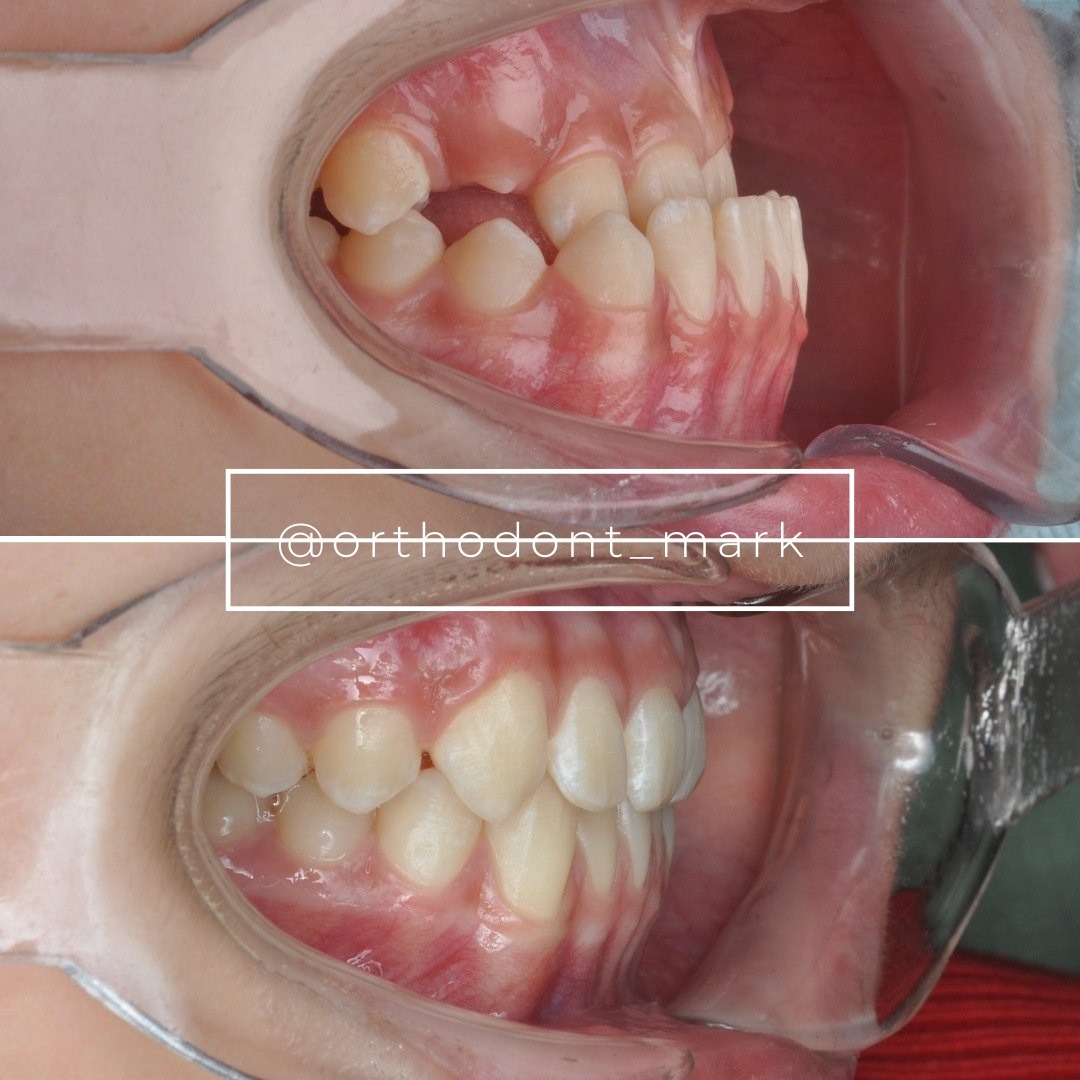
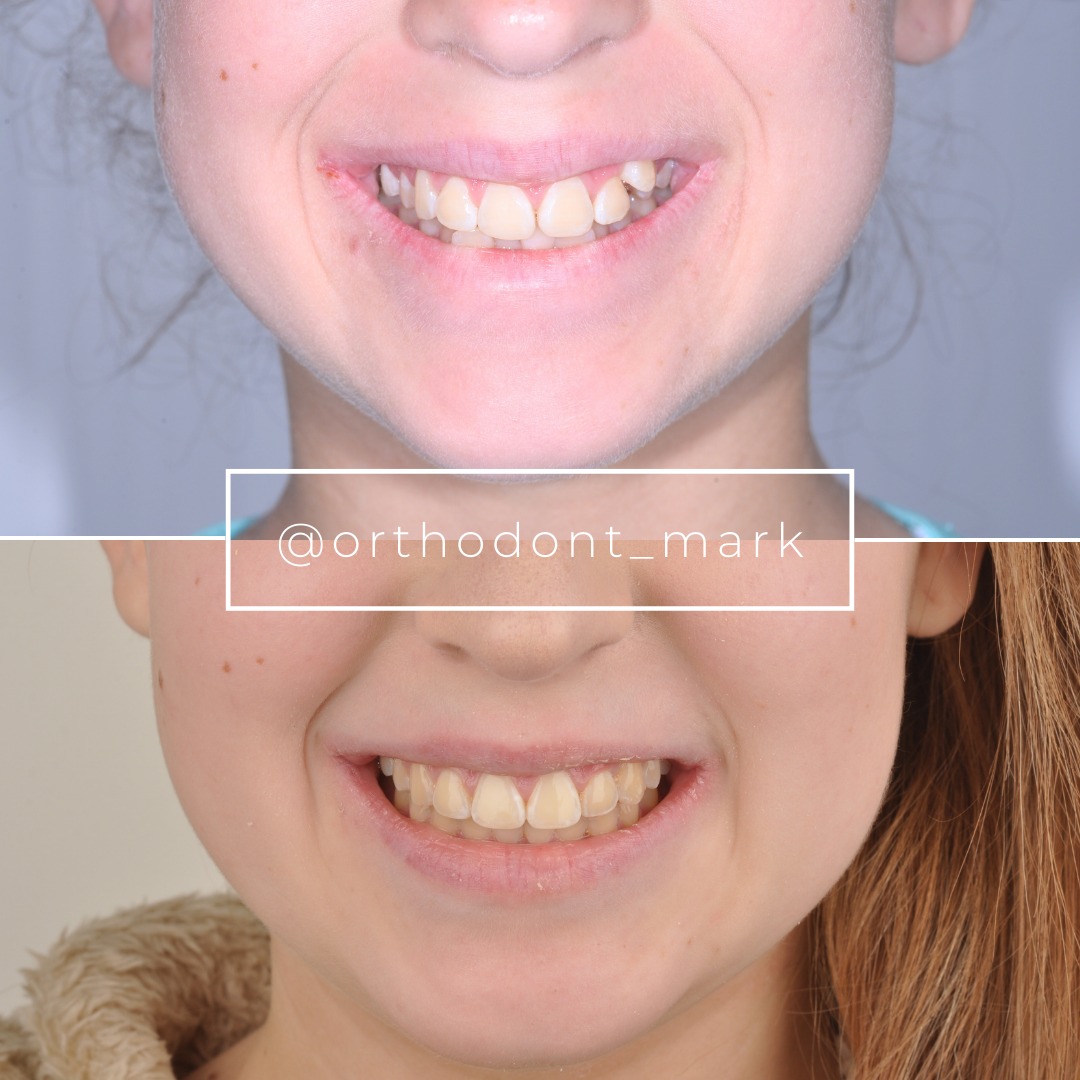
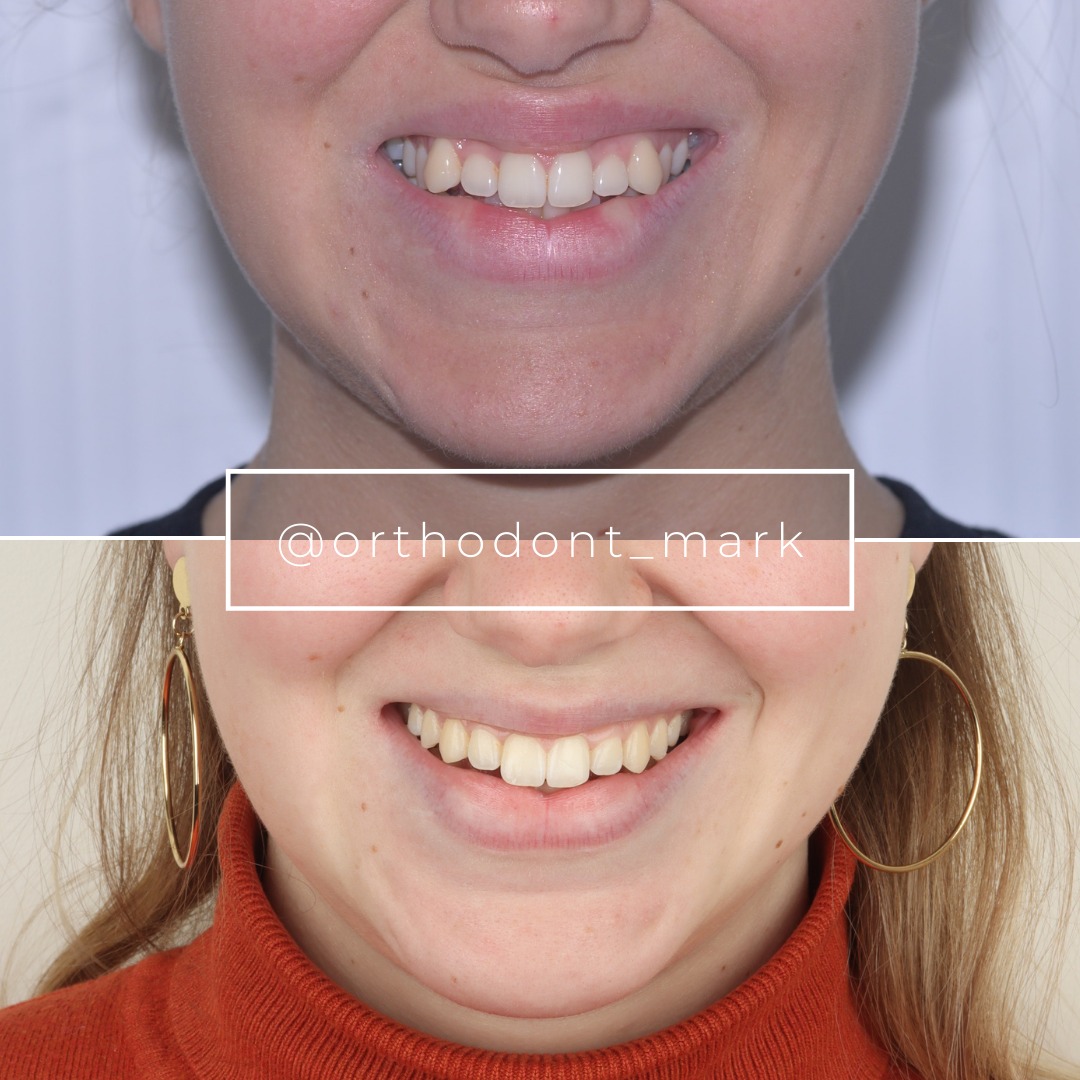
Learn the full MARPE protocol from Dr. Mark Radzhabov
Fundamental course covering CBCT patient selection, miniscrew planning, activation protocols, and 60+ clinical cases. Choose the access level that fits your practice.
Essentials of rapid palatal expansion for practicing orthodontists.
- Core RPE concepts and biomechanics
- 6 structured video lessons
- Clinical decision checklists
- Lifetime access to recordings
Deep-dive into MARPE protocol, diagnostics, and clinical execution.
- 6 modules covering MARPE from A to Z
- CBCT case selection walkthroughs
- Miniscrew placement and activation
- 60+ annotated clinical cases
- Direct Q&A with Dr. Mark Radzhabov
5-element medical consultation framework for dentists and orthodontists.
- Trust-building consultation protocol
- 5 lesson modules
- Templates for treatment plan delivery
- Works with any clinical specialty
Clinical FAQ
How common is true titanium allergy in orthodontic patients requiring miniscrew-assisted expansion?
True IgE-mediated titanium allergy affects fewer than 1% of the orthodontic population. However, delayed-type hypersensitivity and contact sensitization occur in a small subset of patients with prior metal reactions or autoimmune conditions. Accurate prevalence data remain limited because many cases are unreported or misdiagnosed.
What is the difference between contact allergy and true IgE-mediated titanium allergy in MARPE patients?
Contact (Type IV delayed-type) hypersensitivity is triggered by metal-ion penetration into epithelial and dermal tissues, causing localized inflammation appearing days to weeks after exposure. True IgE-mediated (Type I) allergy is immediate, systemic, and rare with titanium. Contact sensitization is more common in orthodontics and managed by removing the offending device.
Should all patients undergo patch testing before MARPE placement, or only those with allergy symptoms?
Patch testing is recommended for patients reporting prior metal reactions, skin conditions (atopic dermatitis), or autoimmune diagnoses, and is routine before MARPE in high-risk cohorts. Routine patch testing in asymptomatic patients is not cost-effective. Clinical history guides selective referral to dermatology.
What are the best biocompatible alternatives to standard Ti–6Al–4V miniscrews in metal-allergic patients?
Pure-grade titanium (Grade 1–2) offers optimal biocompatibility and eliminates vanadium risk but has limited miniscrew availability. Zirconia-coated titanium reduces metal-ion release via a ceramic barrier—promising but with limited long-term orthodontic data. Both cost more than standard titanium. Custom ordering is often required.
Can patients with documented nickel allergy safely undergo MARPE with standard titanium miniscrews?
Yes. Standard Ti–6Al–4V miniscrews contain minimal nickel and are safe for nickel-allergic patients. However, concurrent use of stainless steel arch wires or brackets should be avoided because stainless steel (316L) releases significant nickel and can trigger cross-reactivity or cumulative sensitization.
What are the clinical signs that a miniscrew reaction is occurring during MARPE treatment in a metal-allergic patient?
Early signs include localized erythema, edema, or mild bleeding around the miniscrew site. Delayed signs (after 2–4 weeks) include persistent inflammation, mucosal ulceration, pruritus, or pain beyond normal post-insertion discomfort. Lesions spreading beyond the immediate miniscrew site suggest systemic or severe local hypersensitivity.
If a metal-allergic patient reacts to a titanium miniscrew, can expansion continue with a tooth-borne RPE appliance?
Yes. Miniscrew removal is curative for contact hypersensitivity, resolving symptoms within 2–4 weeks. If midpalatal suture opening has not yet occurred, transition to conventional RPE is feasible, though it introduces greater dentoalveolar side effects (anchor-tooth tipping, vertical maxillary changes) compared to MARPE.
How does material surface modification (polishing, anodization) reduce galvanic corrosion risk in MARPE miniscrews?
Electropolishing removes surface contaminants and oxide defects, reducing corrosion initiation sites. Anodization (creating a stable oxide layer) further protects against metal-ion release. These modifications lower the galvanic potential of the miniscrew, particularly beneficial in acidic or high-chloride oral environments in sensitive patients.
What is the role of intraoral photography and documentation in MARPE treatment of metal-allergic patients?
Baseline photography at pre-treatment and post-insertion establishes objective baseline mucosal status, enabling detection of early adverse changes. Serial photographs at follow-up visits provide medicolegal documentation and allow early intervention if reaction signs emerge, protecting both clinical outcomes and informed-consent records.
Are there validated protocols or scoring systems for assessing miniscrew allergy severity and determining removal criteria in MARPE?
The Wolters classification system stratifies metal allergy severity. However, miniscrew-specific removal protocols remain largely clinical (based on symptom severity, extent of mucosal involvement, and failure of conservative management). Standardized removal criteria would improve consistency. Dr. Radzhabov recommends pre-treatment discussion of removal triggers with patients.
Managing MARPE in patients with titanium sensitivity requires a nuanced, individualized approach that balances treatment efficacy with biocompatibility concerns. While true IgE-mediated titanium allergy is uncommon, delayed-type hypersensitivity and galvanic effects warrant systematic pre-treatment screening, selective use of hypoallergenic alloys, and close intraoral monitoring during treatment. Clinicians at Orthodontist Mark recommend documenting allergy history, consulting dermatologic patch-testing resources when indicated, and remaining alert to signs of mucosal irritation or peri-implant inflammation. For a detailed case-review protocol or consultation on managing complex metal-allergic patients, contact Dr. Mark Radzhabov directly—evidence-based decision-making in this population is essential to long-term success.

