
Miniscrew Length for MARPE
8 mm Question
How screw depth determines skeletal expansion success
Bicortical miniscrew placement and optimal insertion depth are the biomechanical foundation of reliable MARPE. Learn why screw length, not just anchorage, predicts suture separation and treatment success across age groups.
TL;DR Miniscrew length is a critical determinant of MARPE success; bicortical placement of 8–12 mm miniscrews provides optimal skeletal anchorage for reliable suture separation and transverse expansion in adult patients. Underdimensioned screws increase failure risk, particularly in males over 30 and skeletally mature patients.
Miniscrew-assisted rapid palatal expansion (MARPE) has transformed adult orthodontics by enabling non-surgical skeletal expansion in patients previously deemed unsuitable for conventional rapid palatal expansion. Yet a single parameter—miniscrew length—remains one of the most overlooked variables in clinical practice. Dr. Mark Radzhabov emphasizes that screw length directly correlates with bone purchase, stability, and force transfer efficiency. In this article, we explore the biomechanical evidence, clinical protocols, and case-specific decision-making that determine whether your MARPE cases succeed or fail, drawing on the latest systematic reviews and over a decade of ortho-surgical research published on ortodontmark.com.
What Is Miniscrew Length in MARPE?
Miniscrew length
and why it determines clinical success
Miniscrew length in MARPE refers to the total insertion depth of a bone-borne skeletal anchorage device (typically 8–12 mm) selected to achieve bicortical cortical plate engagement and maximize load transfer during rapid palatal expansion. Unlike tooth-borne rapid palatal expansion devices that rely on dental anchorage, MARPE systems anchor expansion forces directly to the palatal bone through miniscrews, eliminating unwanted buccal tipping and dentoalveolar compensation. The critical distinction lies in bicortical engagement—the miniscrew must penetrate both the palatal mucosa and the dense cortical plates of the hard palate to develop sufficient frictional resistance and withstand the multidirectional forces generated during active activation. A 2021 systematic review and meta-analysis reported that MARPE achieved a high success rate (mean 92.5%; 95% CI: 88.7%–96.3%) with significant skeletal width increases (mean 2.33 mm) in late adolescents and adults, but these outcomes depend heavily on proper screw dimensioning. Screw length is not a standardized variable in the literature—clinicians often select lengths based on appliance design specifications rather than individual palatal anatomy, leading to inconsistent outcomes. Understanding the anatomical basis for optimal miniscrew length selection transforms MARPE from a high-risk procedure into a predictable skeletal treatment modality for adult transverse deficiency.
Why Age and Sex Influence Miniscrew Selection
Age-dependent
success rates reshape your protocol
Recent research reveals that MARPE success is not uniform across patient demographics—age and sex are critical variables that modify the biomechanical demands on miniscrew anchorage. A clinical study of 215 MARPE patients by Jeon et al. (2022, Clinical Oral Investigations; 95 male, 120 female; age range 6–60 years) reported dramatically divergent success rates: 94.17% in females versus 61.05% in males, with older age strongly associated with suture nonseparation in male patients (p < 0.001). Younger female patients achieved near-complete suture separation regardless of screw length, whereas males over age 30 experienced significantly reduced expansion and higher failure rates. This sex-dependent pattern reflects both increased midpalatal suture interdigitation in mature males and differential bone density distribution. In skeletally mature males, the palatal cortical plates become denser and more resistant, requiring miniscrews with greater bone surface contact—thus longer lengths with enhanced bicortical purchase. Conversely, younger patients with less interdigitated sutures may succeed even with shorter miniscrews (7–8 mm), provided cortical plate penetration is achieved. The clinical implication is clear: one miniscrew length does not fit all demographics. A 35-year-old male requires a fundamentally different anchorage strategy than a 16-year-old female, and screw length selection must reflect this anatomical reality. Orthodontist Mark's clinical protocol incorporates age-stratified miniscrew dimensions to account for these sex-dependent variations in suture morphology and cortical bone resistance.
The Bicortical Miniscrew Placement Protocol
Bicortical
engagement and the 5–10 mm spacing rule
Clinical protocols for miniscrew placement in MARPE demand precision across three dimensions: anatomical landmark selection, angulation perpendicular to palatal curvature, and insertion depth sufficient for bicortical cortical plate engagement. The standard protocol begins with topical anesthesia (benzocaine gel 20%) followed by infiltration anesthesia using a 27-gauge needle at a shallow angle—approximately 30 degrees to the sagittal plane—to achieve sufficient anesthesia without deep soft-tissue penetration. The landmark for screw placement is 2 mm anterior to the transverse palatal suture (the posterior junction of hard and soft palate), equidistant from the midline, creating a bilateral pair. The interdistance between miniscrews should measure 5–10 mm, depending on initial palatal width and appliance design constraints; excessive spacing reduces rigidity, while insufficient spacing increases risk of screw collision during insertion. Before insertion, the clinician marks the palatal mucosa at the predetermined screw length (typically 8–12 mm) using a periodontal probe, then gently palpates the tissue at this depth under anesthesia to confirm absence of pain sensation. The miniscrew is then inserted using a hand screwdriver or motorized handpiece at low torque (≤20 Ncm), with continuous visual control via mouth mirror to maintain perpendicular angulation. Insertion is complete when the mucosa blanches slightly—indicating the screw head is flush or just submerged in soft tissue. Over-insertion risks mucosal inflammation and abscess formation, while under-insertion (inadequate bone purchase) compromises bicortical engagement and increases mobility. Post-insertion care includes chlorhexidine 0.05% rinse twice daily for 2 weeks, patient instruction in gentle mechanical cleaning using a soft-bristle toothbrush, and immediate communication protocol if mobility develops. The appliance is affixed 7–10 days after screw placement, once initial osseointegration stabilizes the miniscrew.
Miniscrew Length and Load Transfer in Skeletal Expansion
Load transfer
efficiency depends on bone surface contact
The biomechanical advantage of miniscrews over tooth-borne expanders lies in direct bone-to-device coupling, which eliminates unwanted dentoalveolar side effects and directs expansion forces along the midpalatal suture. However, this advantage is only realized when miniscrew anchorage achieves sufficient friction and surface contact—both of which correlate directly with insertion depth. A longer miniscrew (10–12 mm with bicortical engagement) develops greater frictional resistance along the cortical plates and provides a larger bone-implant interface for stress distribution. Shorter miniscrews (6–8 mm) offer less bone purchase and concentrate stress at the apex, increasing risk of screw migration, loosening, or cortical perforation. During active expansion, the hyrax expander generates forces typically between 30–50 Ncm (approximately 10–15 kg/force per side), transmitted symmetrically through the miniscrews to the palatal bone. These forces create compressive and tensile stresses along the midpalatal suture and cortical plates. A miniscrew with inadequate bone surface contact cannot distribute these stresses evenly; instead, stress concentrates at the screw head and at the apex, creating local inflammation, bone resorption, and eventual failure. In contrast, a miniscrew with robust bicortical engagement distributes stress uniformly along its length, minimizing local stress peaks and promoting stable bone remodeling around the suture and cortical surfaces. Clinical evidence from recent systematic reviews confirms that skeletal expansion outcomes (measured as increase in intermolar width and basal bone width) are significantly higher in cohorts with optimized miniscrew anchorage—a surrogate for proper length selection and bicortical engagement.
Selecting the Right Miniscrew Length for Your Patient
Right miniscrew length
based on age, palatal anatomy, and clinical goal
Miniscrew length selection in MARPE is not a one-size-fits-all decision; instead, it demands individualized assessment of patient age, palatal morphology, bone density, and treatment goals. For patients under age 20 (either sex), miniscrew lengths of 8–10 mm typically suffice, as the midpalatal suture remains relatively loose and less interdigitated. Female patients in this age range achieve near-complete suture separation even with 8 mm screws, provided bicortical engagement is confirmed on periapical radiographs. For patients age 20–30, a length of 10–11 mm is advisable, particularly for males, to account for increased suture interdigitation and greater palatal cortical density. For patients over age 30 (especially males), miniscrews should measure 11–12 mm to maximize cortical plate penetration and ensure sufficient bone surface contact to overcome the dramatically increased suture resistance. CBCT imaging before screw placement is strongly recommended in patients over 35 or those with suspected palatal anatomy variations (prior surgery, cleft palate history, or asymmetric bone resorption). CBCT allows direct measurement of palatal thickness at the planned insertion site and identification of neurovascular structures, ensuring screw length is optimized to the individual's anatomy. Orthodontist Mark's clinical workflow includes pre-screw CBCT assessment in all adult cases over age 25, followed by length-adjusted miniscrew selection. For patients in whom CBCT is unavailable or declined, a periapical radiograph taken immediately after screw insertion confirms bicortical engagement—defined as visualization of the screw apex in dense cortical bone, not in medullary space. If the apex appears to float in medullary bone or screw mobility is detected on clinical testing, the screw should be replaced with a longer model. Post-insertion tightness and absence of clinical mobility 48 hours after placement are reliable indicators of successful bicortical anchorage.
Why MARPE Cases Fail: Miniscrew Length and Other Causes
MARPE failure
prevention through protocol adherence
Despite the high overall success rate of MARPE (92.5%, 95% CI 88.7–96.3%; Kapetanović et al. (2021), European Journal of Orthodontics), individual cases still fail—and the root cause often traces back to miniscrew length insufficiency or inadequate bicortical engagement. The most common failure mode is screw loosening or migration during active expansion, occurring within 4–8 weeks of activation in 5–8% of cases. This failure type is almost always preventable through proper initial length selection and insertion depth verification. A second failure mode is incomplete suture separation despite proper screw stability, most common in males over 35 and attributable to suture interdigitation resistance—not screw failure. In such cases, extending the expansion phase and increasing activation frequency (e.g., 2 turns per week instead of 1 turn per week) may improve outcomes, but if initial screw length was undersized, no protocol adjustment can compensate. The third failure mode is mucosal inflammation or abscess formation around the miniscrew, typically caused by over-insertion (screw embedded too deeply in soft tissue, creating pressure necrosis) or inadequate patient hygiene. This complication, though not strictly a failure of expansion efficacy, necessitates screw removal and treatment abandonment. To minimize these failure modes, clinicians should adopt a rigorous protocol: (1) use CBCT or detailed pre-screw imaging to confirm palatal thickness; (2) select miniscrew length based on patient age and sex, with a minimum of 10 mm for males over 25 and 8 mm for females under 20; (3) verify bicortical engagement with periapical radiographs immediately post-insertion; (4) instruct patients explicitly in daily chlorhexidine rinses and gentle mechanical cleaning; (5) monitor screw mobility at each monthly appointment using the “twist test” (gentle manual application of torsion to assess play); and (6) do not hesitate to replace a screw if mobility is detected at any point.
Free Clinical Guide
Which Expansion Appliance at Which Age?
Get Dr. Mark Radzhabov's guide to skeletal-expansion appliances — indications, pros & cons, and how to choose by patient age. Free to your inbox.
Prefer video? Watch the free demo lesson on MARPE appliance types, features and trade-offs.
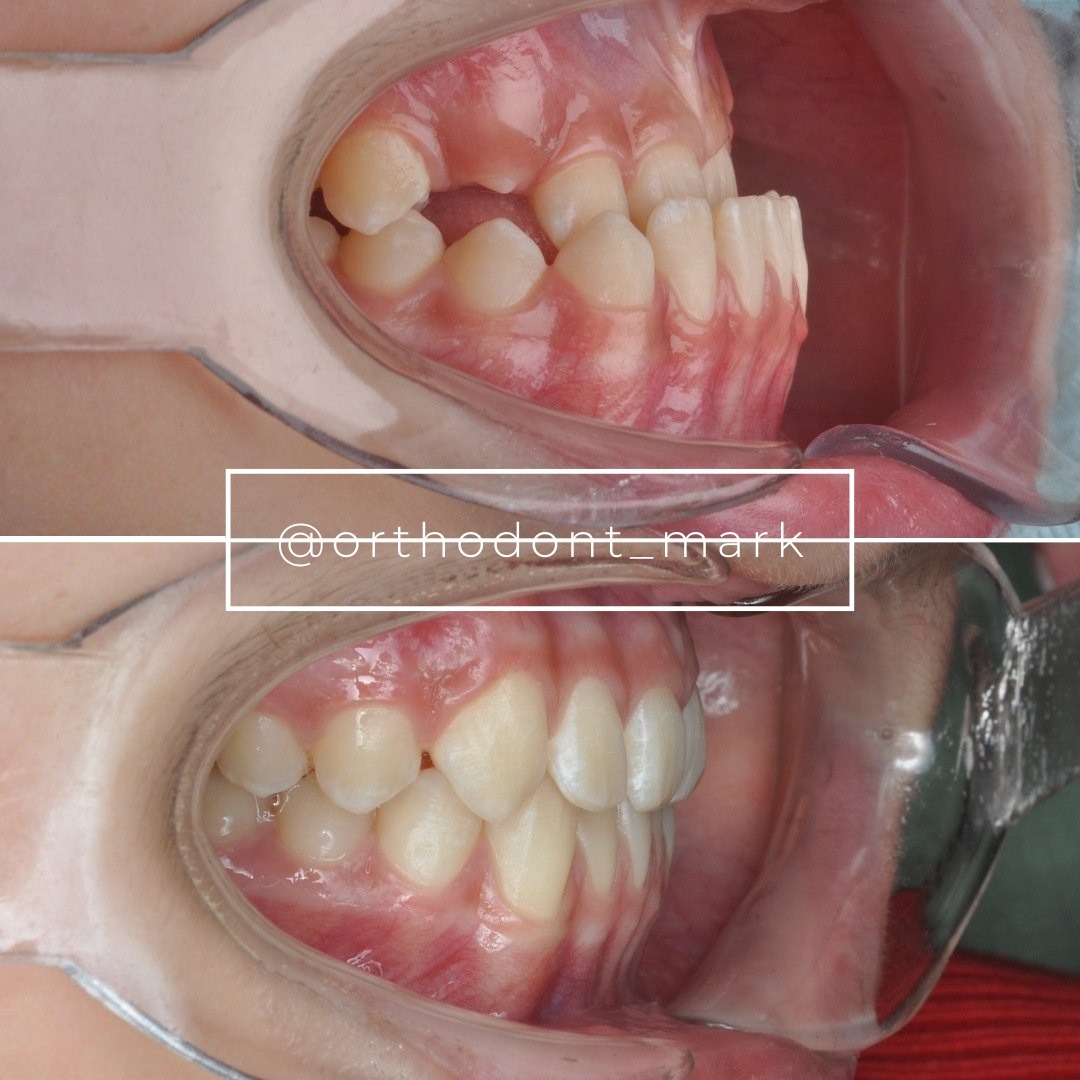
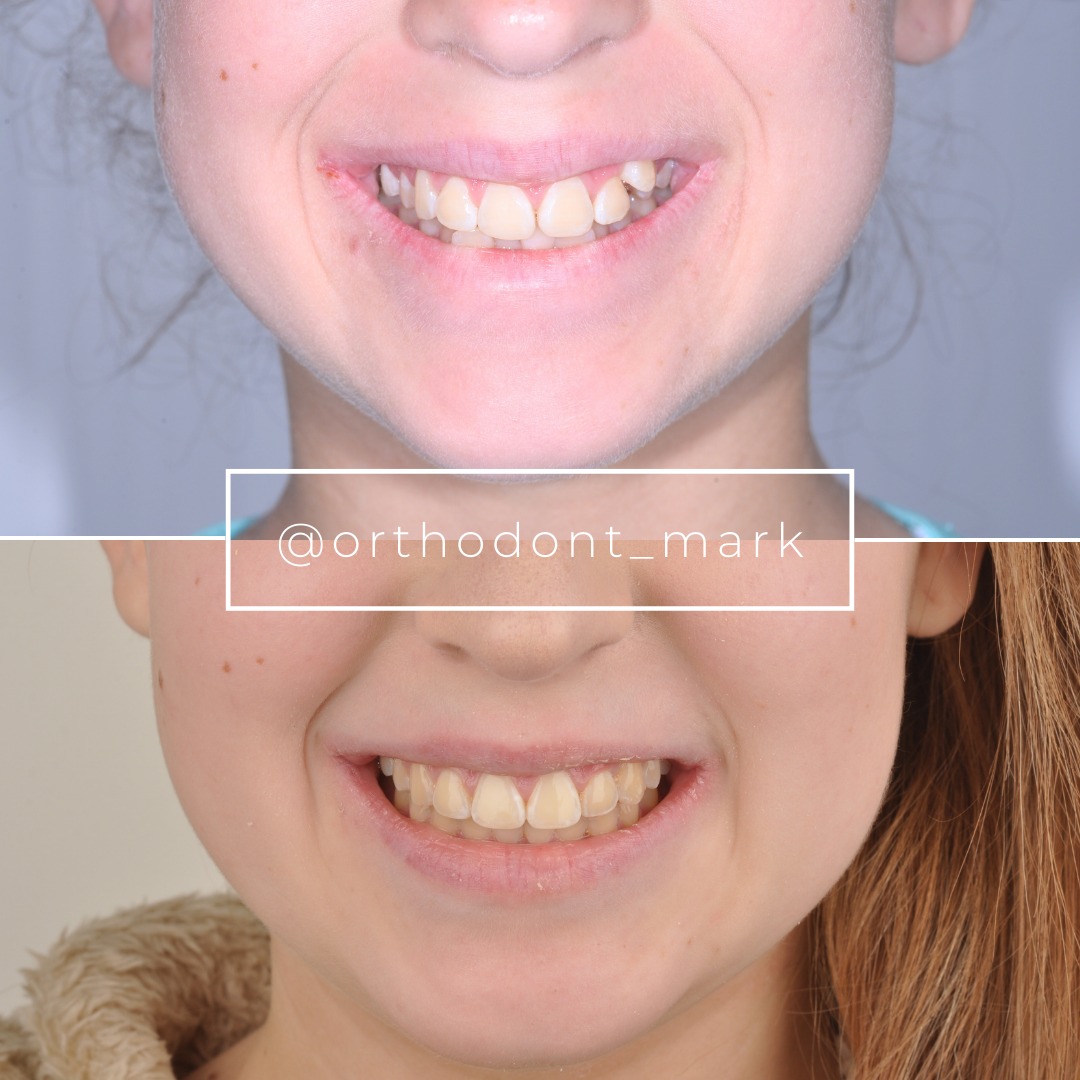
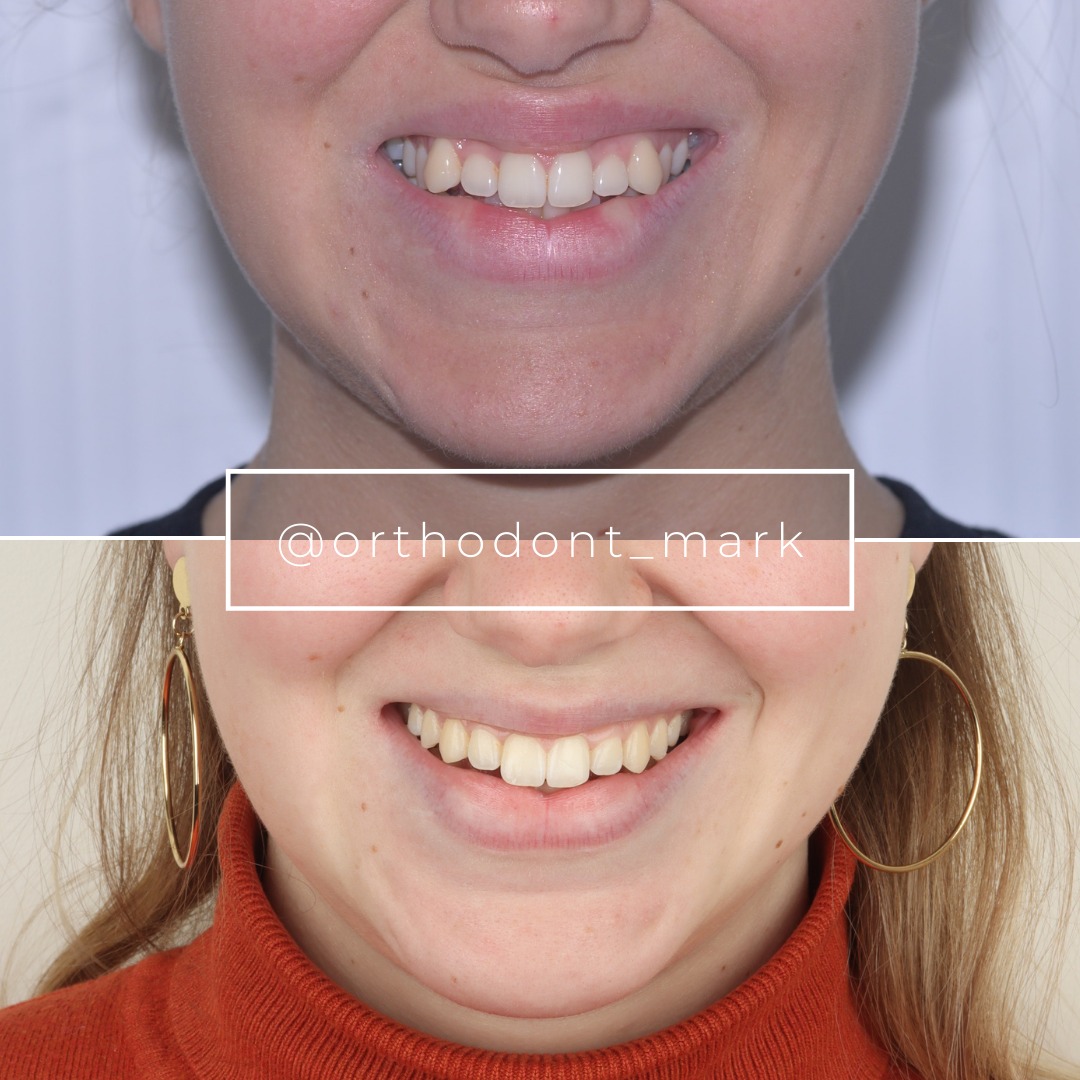
Documented outcomes
Clinical cases from Dr. Mark Radzhabov's practice
Learn the full MARPE protocol from Dr. Mark Radzhabov
Fundamental course covering CBCT patient selection, miniscrew planning, activation protocols, and 60+ clinical cases. Choose the access level that fits your practice.
Essentials of rapid palatal expansion for practicing orthodontists.
- Core RPE concepts and biomechanics
- 6 structured video lessons
- Clinical decision checklists
- Lifetime access to recordings
Deep-dive into MARPE protocol, diagnostics, and clinical execution.
- 6 modules covering MARPE from A to Z
- CBCT case selection walkthroughs
- Miniscrew placement and activation
- 60+ annotated clinical cases
- Direct Q&A with Dr. Mark Radzhabov
5-element medical consultation framework for dentists and orthodontists.
- Trust-building consultation protocol
- 5 lesson modules
- Templates for treatment plan delivery
- Works with any clinical specialty
Clinical FAQ
What is the optimal miniscrew length for MARPE in a 35-year-old male patient?
11–12 mm is recommended for males over 30 to maximize cortical plate penetration and compensate for increased suture interdigitation and bone density with age.
How do I confirm bicortical engagement on a periapical radiograph after miniscrew insertion?
Bicortical engagement is confirmed when the screw apex appears in dense cortical bone (not medullary space) and the screw exhibits no clinical mobility 48 hours post-insertion.
Why do female MARPE patients have higher success rates than males?
Females achieve 94.17% success versus 61.05% in males (Jeon et al. (2022), Clinical Oral Investigations) due to less interdigitated midpalatal sutures, lower cortical bone density, and reduced age-dependent resistance.
Can a shorter miniscrew (6–7 mm) succeed in MARPE if the patient is young?
Shorter screws may succeed in patients under 18 with confirmed bicortical engagement, but 8–10 mm is preferred to ensure adequate bone surface contact and stress distribution.
What spacing between bilateral MARPE miniscrews is biomechanically optimal?
5–10 mm interdistance is standard; excessive spacing reduces rigidity and force transfer, while tight spacing risks screw-to-screw collision during insertion.
How do I select miniscrew length if CBCT imaging is not available?
Use periapical radiographs to estimate palatal thickness, select length based on patient age/sex guidelines (8–10 mm for young females, 11–12 mm for males >30), and verify engagement on immediate post-insertion radiograph.
What clinical sign indicates inadequate miniscrew length and impending failure?
Screw mobility detected on the 'twist test' (gentle manual torsion applied at monthly visits) is the earliest sign of insufficient bone purchase and loss of bicortical engagement.
Should MARPE miniscrew insertion angle be perpendicular to the palatal plane or parallel to the midline?
Miniscrews must be inserted perpendicular to the local curvature of the hard palate at the insertion site, not to the sagittal plane, to maximize cortical plate contact.
Is 8 mm miniscrew length sufficient for MARPE in a 45-year-old male with posterior crossbite?
No; 8 mm is inadequate for a 45-year-old male due to increased suture interdigitation and cortical density. 11–12 mm is required to achieve bicortical engagement and overcome age-dependent resistance.
How does bicortical versus unicortical miniscrew placement affect MARPE expansion outcomes?
Bicortical placement (penetrating both cortical plates) distributes stress evenly and prevents migration; unicortical placement increases failure risk, particularly in mature patients with denser bone.
Miniscrew length selection is not arbitrary; it is a biomechanical imperative that predicts skeletal response and treatment outcome. A clinician who understands the relationship between screw depth, bone density, age, and sex-specific factors gains a strategic advantage in case selection and protocol design. Dr. Mark Radzhabov's evidence-based approach to MARPE placement prioritizes bicortical anchorage and individualized screw dimensioning to maximize success rates. Review your current MARPE cases and request a clinical consultation through ortodontmark.com to optimize your miniscrew selection and expansion protocols.