
Miniscrew Placement for MARPE:
Anatomical Guide
and Clinical Protocol
Master the anatomical landmarks, bone thickness assessment, and insertion technique that determine MARPE success rates. Evidence-based protocol for all age groups.
TL;DR Miniscrew placement for MARPE requires precise anatomical understanding of palatal bone thickness, sutural anatomy, and force vector optimization. Success depends on site selection, insertion angle, and patient age—with higher rates in female patients and younger cohorts.
Miniscrew placement for MARPE remains the critical determinant of treatment success in skeletal maxillary expansion. In this article, Dr. Mark Radzhabov presents an evidence-based anatomical guide to miniscrew insertion for bone-anchored expansion appliances, covering site-specific bone morphology, surgical technique, and age- and sex-dependent outcome predictors. Whether you treat adolescents or adults, this clinical protocol will refine your diagnostic planning and placement accuracy.
Understanding Palatal Bone Anatomy for
Miniscrew Insertion
Successful miniscrew placement for MARPE begins with recognition that palatal bone morphology is highly variable. The hard palate consists of cortical bone with marrow spaces; thickness ranges from 4–8 mm in the anterior region to 10–12 mm in the posterior third, near the palatal vault. The midpalatal suture, which runs sagittally from the anterior nasal aperture to the posterior soft palate, is the critical expansion axis. When placing miniscrews, clinicians must identify and avoid the intermaxillary and interpalatine sutures, which offer inferior purchase and compromise expansion force transmission. The palatal arteries and nerves course along the lateral palate; injury is rare but remains a consideration in anterior or lateral placement. Preoperative CBCT imaging allows precise three-dimensional assessment of bone density, thickness, and proximity to vital structures. Dense cortical bone in the posterior hard palate, lateral to the midline and anterior to the soft palate, offers optimal purchase. Clinically, the region between the maxillary first and second molars—approximately 6–8 mm lateral to the midline—represents the gold-standard placement zone. Understanding this anatomy reduces insertion complications and optimizes force distribution across the palatal complex.
Patient Selection and Skeletal
Response Predictors
Miniscrew-assisted rapid palatal expansion outcomes are profoundly age- and sex-dependent. Jeon et al. (2022, Clinical Oral Investigations) demonstrated that female patients achieve a significantly higher success rate of suture separation—94.17% across all age groups—compared to 61.05% in males. In males, a statistically significant association exists between older age and suture nonseparation, whereas females show consistent success regardless of chronological age. When suture separation does occur, older patients in both sexes demonstrate reduced amounts of basal bone expansion, suggesting that interdigitation of the midpalatal suture increases with age and maturity. Young females (ages 6–12) represent the ideal cohort: nearly 100% suture separation, maximum skeletal response, and minimal dentoalveolar side effects. Adolescents (ages 13–18) show excellent outcomes in both sexes, though males already demonstrate lower separation rates. Adults under 30 remain viable candidates, with success achievable in 80–90% of female cases but declining to 60–70% in males. Patients over 30, particularly males, face a substantially diminished likelihood of skeletal expansion; these cases may warrant consideration of surgically assisted palatal expansion (SARPE) or concomitant surgical corticotomy to enhance expansion potential. Clinically, informed consent must address these age- and sex-dependent outcome probabilities.
Step-by-Step Miniscrew Insertion Technique for
MARPE
Miniscrew placement for MARPE follows a systematic surgical protocol to ensure optimal positioning, stability, and force transmission. Begin with preoperative CBCT analysis: identify the midpalatal suture, measure bone thickness in the target zone (6–8 mm lateral to midline, at the level of the first–second molar interface), and assess bone density. Mark the surgical site using a surgical guide or freehand technique, maintaining 6–8 mm lateral distance from the sagittal midline and positioning the screw anterior to the palatal soft tissue transition. Administer local anesthesia with 2% lidocaine or similar, ensuring adequate depth infiltration to anesthetize periosteum. Create a small (0.5 mm) pilot hole using a twist drill at 90° perpendicular to the palatal vault surface. This perpendicular angle optimizes cortical purchase and prevents lateral deflection into anatomical hazards. Once the pilot hole is established, advance the miniscrew (typically 1.6–2.0 mm diameter, 8–10 mm length) using steady rotational force. Avoid excessive speed, which generates frictional heat and compromises bone integration. Insert the screw until the head is flush with or slightly submerged in the mucosa; this position minimizes food impaction and discomfort. Allow 1–2 weeks of osseous healing before connection to the expansion appliance. During activation, use the expansion protocol specified for the device (e.g., Benefit or other MARPE system): typically 4 turns per day for 2–3 days, then 3 turns daily. This controlled activation allows suture stress redistribution and maximizes dentoalveolar and skeletal changes while minimizing posterior tooth tipping.
Force Transmission and Skeletal Expansion
Mechanics
The biomechanical advantage of miniscrew-assisted rapid palatal expansion lies in direct skeletal force transmission, bypassing dental structures. When miniscrews are positioned in posterior palatal bone and connected to an expansion device (hyrax or hybrid appliance), the expanding force is applied to the maxillary base rather than to individual teeth. This fundamental difference shifts the center of force application from the alveolar crest toward the skeletal midpalatal suture, dramatically increasing the probability of orthopedic (suture) expansion over dentoalveolar tipping. Comparative studies using low-dose CBCT have demonstrated that MARPE produces greater increases in nasal width at the molar region and greater palatine foramen widening compared to conventional tooth-borne RPE, indicating superior skeletal response. Additionally, the MARPE approach results in less buccal displacement of anchor teeth (molars and premolars), reducing unwanted dentoalveolar side effects. The force magnitude in MARPE expansion is typically 4–6 kg per side, applied perpendicular to the palatal vault, generating a symmetric transverse and anterior force couple across the midpalatal suture. This vector optimization is critical: any deviation from perpendicularity risks asymmetric expansion or lateral tilting of the maxillary segments. Screw stability, determined by cortical purchase and osseous contact, is the prerequisite for consistent force transmission. Loosening or micromotion at the screw–bone interface compromises expansion efficiency and may necessitate screw replacement.
Post-Expansion Management and Long-Term
Stability
Once the prescribed amount of expansion is achieved (typically 7–10 mm skeletal expansion over 8–12 weeks), active screw turning ceases and a consolidation phase begins. This phase, typically 6 months in duration, allows bone remodeling and suture maturation while the miniscrews remain in situ, functioning as passive skeletal anchors. Clinical protocols recommend CBCT imaging immediately post-expansion and at the end of consolidation to document suture separation, assess skeletal changes, and identify any unexpected dentoalveolar or skeletal decompensation. During consolidation, the miniscrews should remain stable and free from infection. Mucosal inflammation around the screw head is common and usually resolves with gentle irrigation and oral hygiene instruction. If screw mobility or infection develops, removal and replacement at an adjacent site may be necessary. After the 6-month consolidation period, the expansion device is unloaded and the miniscrews are removed in the office under local anesthesia. Removal is quick and typically painless; the screw site heals within 2–3 weeks. Long-term relapse of palatal expansion averages 10–15% of the total skeletal expansion achieved, and is mitigated by appropriate orthodontic retention (palatal wrap wire or fixed lingual retention) and completion of comprehensive orthodontic treatment. Clinically, patient education regarding oral hygiene, screw site care, and realistic expectations regarding post-expansion retention is essential to optimize long-term outcomes. Dr. Radzhabov recommends a structured follow-up protocol with radiographic assessment at 3, 6, and 12 months post-removal to monitor skeletal and dentoalveolar stability.
Research Outcomes and Evidence for Miniscrew
Placement Optimization
Contemporary evidence from prospective randomized trials and clinical cohort studies has refined our understanding of MARPE success and failure patterns. A landmark 2022 investigation of 215 patients undergoing MARPE (Jeon et al., 2022, Clinical Oral Investigations) revealed that overall suture separation success was 79.53%, but this aggregate figure masks critical age- and sex-dependent heterogeneity. Female patients consistently achieved 94.17% success across all age decades, whereas male patients showed only 61.05% success and a strong inverse relationship between age and suture separation probability. These findings suggest that sexual dimorphism in craniofacial skeletal maturation and midpalatal suture interdigitation is a dominant factor in MARPE outcomes. Notably, the amount of basal bone expansion achieved in suture-separated cases declined significantly with age in both sexes, indicating that even successful suture separation in older patients yields smaller absolute skeletal gains. Skeletal and alveolar change comparisons between conventional tooth-borne RPE and MARPE demonstrated that miniscrew-assisted systems produce greater increases in nasal width and palatal width while reducing buccal dentoalveolar tipping—evidence supporting the biomechanical superiority of skeletal anchorage. Complications are rare when proper technique is employed: screw loosening occurs in fewer than 5% of cases, mucosal inflammation in 10–15%, and infection in less than 1–2%. No reports of permanent neurological injury to the greater palatine nerve have been documented in the published literature, though tactile paresthesia (temporary) may occur in fewer than 1% of patients. These outcome data validate miniscrew placement for MARPE as a safe and effective skeletal expansion method across most patient populations, with the important caveat that adult males require careful patient selection and realistic expectations.
Free Clinical Guide
Which Expansion Appliance at Which Age?
Get Dr. Mark Radzhabov's guide to skeletal-expansion appliances — indications, pros & cons, and how to choose by patient age. Free to your inbox.
Prefer video? Watch the free demo lesson on MARPE appliance types, features and trade-offs.
Documented outcomes
Clinical cases from Dr. Mark Radzhabov's practice
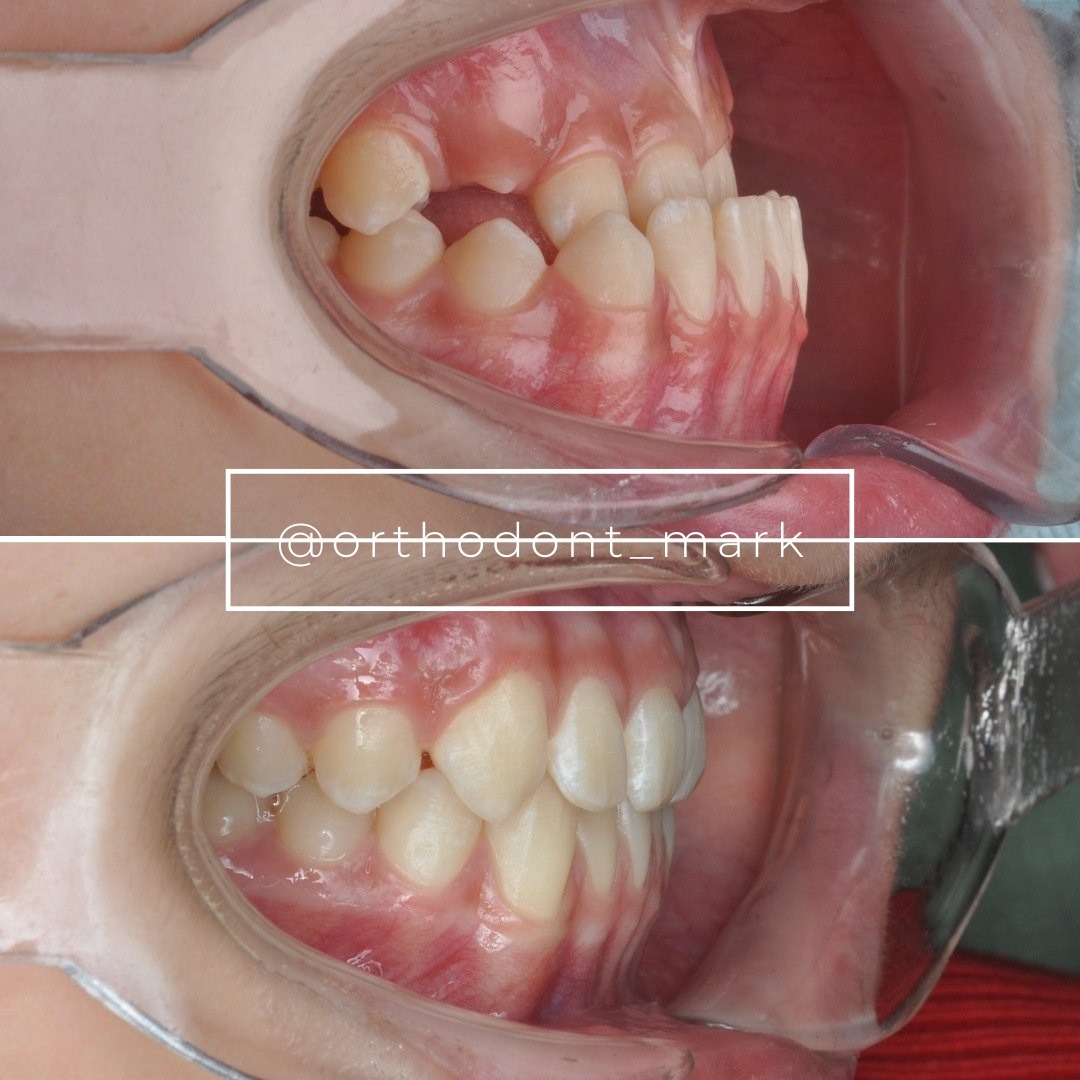
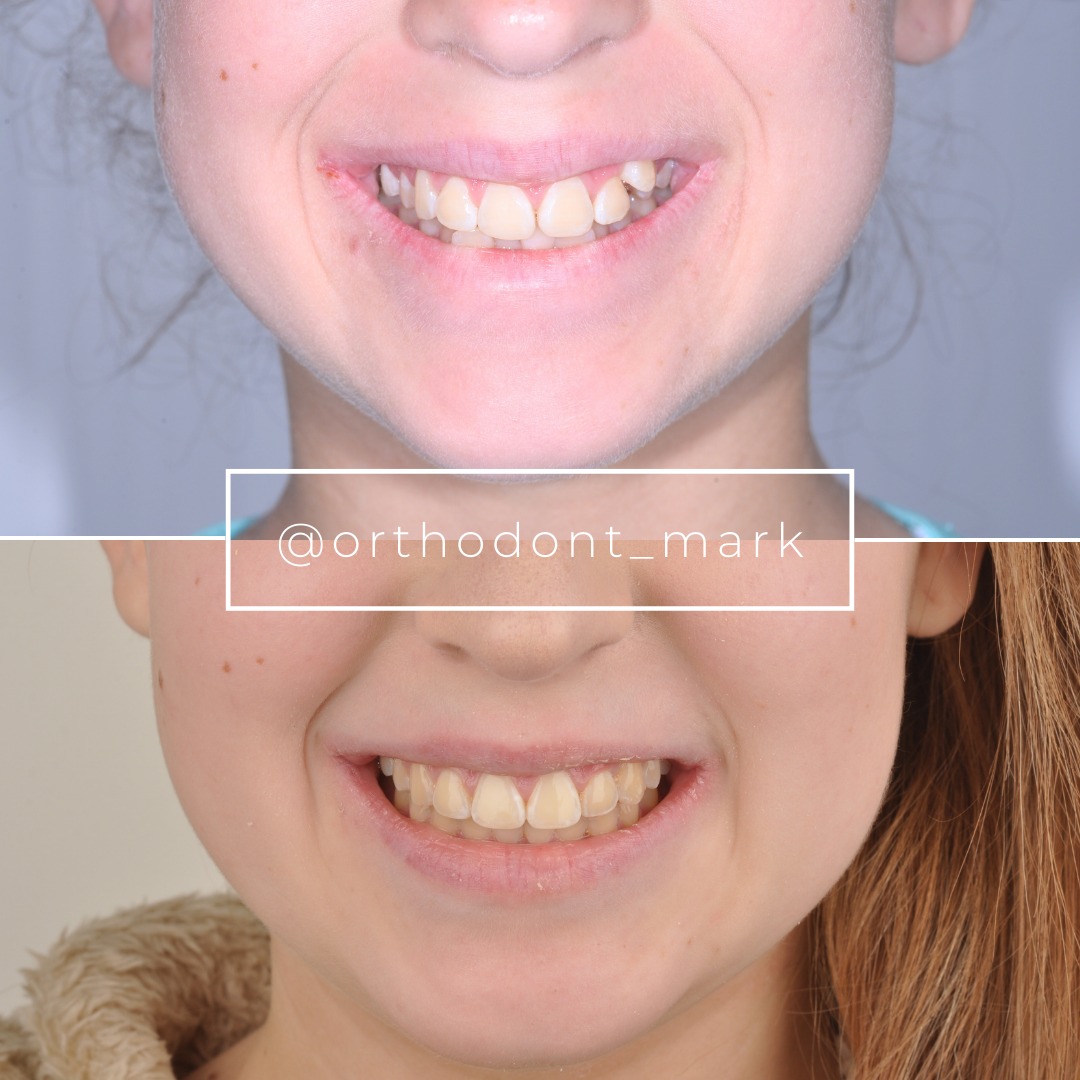
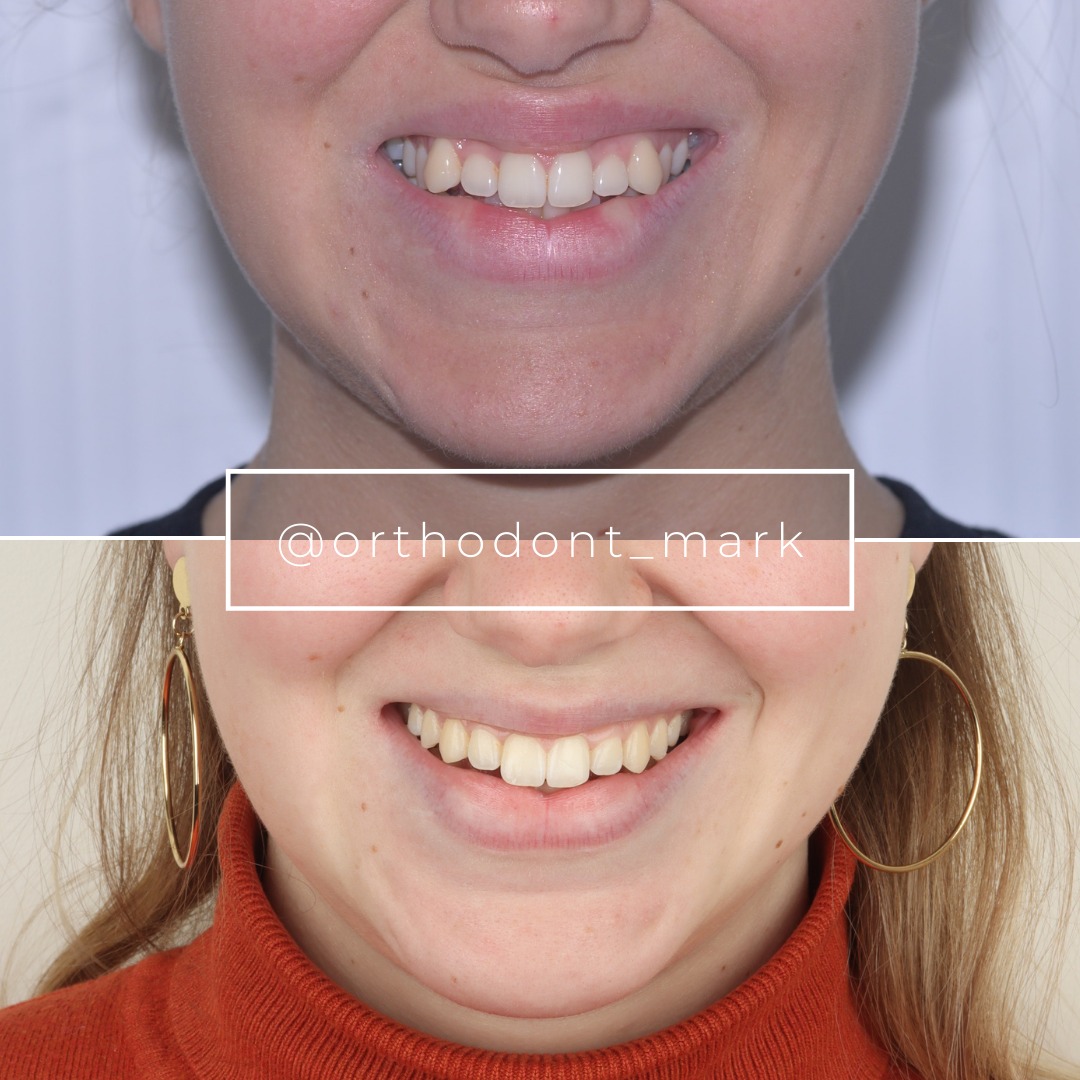
Learn the full MARPE protocol from Dr. Mark Radzhabov
Fundamental course covering CBCT patient selection, miniscrew planning, activation protocols, and 60+ clinical cases. Choose the access level that fits your practice.
Essentials of rapid palatal expansion for practicing orthodontists.
- Core RPE concepts and biomechanics
- 6 structured video lessons
- Clinical decision checklists
- Lifetime access to recordings
Deep-dive into MARPE protocol, diagnostics, and clinical execution.
- 6 modules covering MARPE from A to Z
- CBCT case selection walkthroughs
- Miniscrew placement and activation
- 60+ annotated clinical cases
- Direct Q&A with Dr. Mark Radzhabov
5-element medical consultation framework for dentists and orthodontists.
- Trust-building consultation protocol
- 5 lesson modules
- Templates for treatment plan delivery
- Works with any clinical specialty
Clinical FAQ
What is the optimal anatomical location for miniscrew placement in MARPE?
Posterior hard palate, 6–8 mm lateral to the midline, at the level of the maxillary first–second molar interface. This zone offers dense cortical bone (10–12 mm thickness), optimal screw stability, and direct force transmission to the midpalatal suture.
How does bone thickness measurement by CBCT improve miniscrew-assisted expansion outcomes?
CBCT identifies bone density variations, confirms adequate cortical thickness (≥8 mm), and allows precise virtual screw placement planning. This reduces insertion complications and optimizes mechanical stability before surgery.
What insertion angle minimizes dentoalveolar side effects in MARPE?
Perpendicular 90° insertion to the palatal vault surface. This angle distributes force symmetrically across the midpalatal suture, reducing unwanted buccal tooth displacement and maximizing skeletal response.
Why do female patients show higher MARPE success rates than males?
Sexual dimorphism in midpalatal suture interdigitation and skeletal maturation patterns. Female sutures remain less interdigitated across all ages, allowing easier separation (94.17% success; Jeon et al., 2022). Male sutures become increasingly interdigitated with age, reducing success (61% overall).
Is miniscrew-assisted rapid palatal expansion safe in adult patients?
Yes, when patient age and sex are carefully considered. Females under 50 show excellent outcomes. Males over 25 face significantly reduced success (< 60%) and may benefit from surgical assistance. Complication rates are < 5% (screw loosening) when proper technique is used.
How long should miniscrews remain in place after active expansion is complete?
Typically 6 months during the consolidation phase, allowing bone remodeling and suture maturation. CBCT imaging at the end of consolidation confirms skeletal expansion before screw removal and device unloading.
What is the role of a surgical guide in miniscrew placement for MARPE?
A surgical guide ensures reproducible 90° perpendicular insertion, maintains precise lateral distance from the midline (6–8 mm), and reduces insertion angulation errors. Guides improve accuracy, reduce operative time, and enhance screw stability.
How much skeletal expansion can be expected from MARPE in adolescents versus adults?
Adolescents (13–18): 7–10 mm skeletal expansion typical. Young adults (18–30): 6–8 mm (females) vs. 3–5 mm (males). Adults > 30: expect 2–4 mm in females, < 2 mm in males. Older patients show reduced basal bone expansion despite suture separation.
What complications should clinicians monitor during miniscrew placement and consolidation?
Screw loosening (< 5%), mucosal inflammation (10–15%), and infection (< 1–2%). Mild inflammation resolves with oral hygiene. Mobile screws require replacement. Infection is rare and managed conservatively. Temporary paresthesia (< 1%) resolves within weeks.
How does miniscrew-assisted expansion compare to conventional tooth-borne RPE for skeletal outcomes?
MARPE produces greater nasal width increase and palatine foramen widening with significantly less buccal anchor-tooth displacement. Miniscrew-assisted systems prioritize skeletal over dentoalveolar change, making them superior for patients seeking maximal transverse skeletal expansion.
Successful miniscrew placement for MARPE is not improvisation—it is anatomy-informed precision. The evidence shows that female patients and younger subjects achieve higher rates of midpalatal suture separation and greater basal bone expansion. Dr. Radzhabov recommends incorporating CBCT-based bone thickness mapping and adopting the standardized insertion protocol outlined here. Consider a case consultation or enrollment in his advanced MARPE course to master these techniques in your practice.

