
MARPE Nasal Floor:
The Hidden Skeletal Win
Why Miniscrew Expansion Widens More Than Palate
Prospective CBCT studies reveal that MARPE produces greater nasal floor widening than conventional RPE. Learn the anatomy, recognize the radiographic signs, and optimize outcomes in your patients.
TL;DR Miniscrew-assisted rapid palatal expansion (MARPE) produces significant widening of the nasal floor and piriform aperture as an unintended but clinically valuable secondary effect. Recent prospective studies demonstrate greater nasal width gains in the molar region during MARPE compared to conventional tooth-borne expansion, with skeletal changes persisting through consolidation. This expanded nasal cavity may contribute to improved airway dimensions in select patients.
Miniscrew-assisted rapid palatal expansion has emerged as the preferred skeletal expansion method in adolescents and adults, yet most clinicians focus on achieving midpalatal suture separation and maxillary width gain. A less discussed but anatomically significant finding is the consistent widening of the nasal floor and piriform aperture that accompanies MARPE. Dr. Mark Radzhabov explores this secondary skeletal effect—why it occurs, how to measure it, and what it means clinically for your patient outcomes. This analysis draws on prospective comparative studies and practical insights from more than a decade of clinical practice.
What Is
MARPE Nasal Floor Expansion?
MARPE nasal floor expansion refers to the widening of the nasal cavity floor and piriform aperture that develops as a secondary skeletal consequence of miniscrew-anchored maxillary expansion. The nasal floor, formed by the vomer and maxillary bones, sits directly beneath the palate and expands passively when midpalatal suture separation occurs. Unlike tooth-borne rapid palatal expansion (RPE), which relies on dental forces and produces greater dentoalveolar tipping, MARPE anchors expansion to the skeletal base via titanium miniscrews placed in the hard palate. This skeletal anchor redirects expansion forces more parallel to the sagittal plane, allowing the maxillary segments to move laterally with less dental tilt. The result is a more orthopedic, less dental, expansion pattern—and a wider nasal floor as a direct consequence. A 2022 prospective randomized clinical trial compared immediate and short-term skeletal changes between conventional RPE and MARPE using low-dose cone-beam computed tomography (CBCT). The study followed 40 patients (20 per group) through active expansion and a 3-month consolidation period. At both the immediate post-expansion timepoint (T1) and after consolidation (T2), the MARPE group demonstrated statistically significant greater nasal width in the molar region (M-NW) and at the greater palatine foramen (GPF) compared to the RPE group. These differences persisted through the consolidation phase, suggesting that the nasal floor widening is a stable skeletal adaptation rather than a transient mechanical effect.
How MARPE Forces Differ from
Conventional Rapid Palatal Expansion
The biomechanical difference between miniscrew-anchored expansion and tooth-borne RPE is fundamental to understanding nasal floor widening. Conventional RPE devices (Hyrax, expanders attached to maxillary molars) transmit expansion force through the dental crown and root, creating a force vector that extends vertically and anteroposteriorly through the anchor teeth. This produces substantial buccal tipping of the molars and premolars—a limitation well documented in comparative trials. The anterior teeth also experience proclined and often procumbent movement. In contrast, miniscrew-assisted expansion (MARPE, MSE) places the axis of force directly at the center of resistance of the maxilla or at the skeletal base itself. When miniscrews are positioned symmetrically in the hard palate (as in the BENEfit system used in many practices), the hyrax or similar screw engages both miniscrews, and expansion forces travel through bone rather than tooth. This shift from dental to skeletal anchorage has immediate consequences for adjacent structures. The nasal floor and piriform aperture lie in direct continuity with the expanding palate and maxillary segments. When expansion is primarily dental (RPE), the nasal floor widens passively as a byproduct of tooth movement and marginal palatal stretching. When expansion is skeletal (MARPE), the entire maxillary complex—palate, nasal floor, and vomer—moves laterally as a coordinated unit. The lateral force component is larger and more symmetrical, resulting in more uniform nasal floor widening. Additionally, because anchor-tooth buccal tipping is minimized in MARPE, the vertical and anteroposterior dimensions of the nasal cavity are preserved or even slightly increased, whereas in RPE, molar tipping can compromise nasal floor morphology.
Identifying Nasal Floor Widening on
CBCT and Periapical Radiographs
Accurate assessment of nasal floor changes requires proper radiographic technique and anatomical landmark identification. The primary sites of measurement are: (1) M-NW (Molar region nasal width)—the distance between the inner cortices of the nasal cavity walls measured at the level of the maxillary molar apices. And (2) GPF (Greater Palatine Foramen width)—the distance between the bilateral greater palatine foramina, which lie in the hard palate near the maxillary tuberosity. On axial CBCT slices, these measurements are straightforward: the vomer and lateral nasal walls are clearly delineated in bone grayscale. Sagittal and coronal reconstructions also help visualize the relationship between palatal vault depth, nasal floor slope, and floor width. Periapical radiographs, while less sensitive for three-dimensional changes, can provide a gross estimate of nasal floor widening through indirect markers: increased separation of the dental midline (diastema), lateral displacement of maxillary molar roots, and widening of the apical distance between symmetrical roots. However, two-dimensional imaging underestimates true nasal cavity expansion. CBCT is the standard for accurate quantification in research and advanced clinical practice. When performing CBCT for MARPE assessment, imaging protocols should include axial slices through at least three levels: (1) the nasal bridge, (2) the molar region apical level, and (3) the anterior nasal aperture. This allows comprehensive mapping of nasal floor changes along the full palatal length. Measurements should be performed at T0 (pretreatment), T1 (immediately post-expansion, after 35–40 turns in most protocols), and T2 (post-consolidation, typically 3–6 months). In practice, many clinicians order CBCT at T0 and T2 only to reduce radiation. However, T1 imaging is valuable for understanding the acute skeletal response.
Nasal Cavity Expansion as a
Secondary Benefit for Airway
While the primary objective of MARPE is to correct maxillary transverse deficiency and resolve posterior crossbite, the secondary expansion of the nasal cavity may confer additional clinical value, particularly in patients with mild nasal obstruction or sleep-disordered breathing concerns. The literature does not yet provide definitive randomized trials linking MARPE-induced nasal floor widening to measured airway improvement or reductions in obstructive sleep apnea (OSA) severity. However, the anatomical logic is sound. The nasal passages and nasopharynx are the first site of airflow resistance in respiration. Expanding the nasal cavity floor and piriform aperture increases cross-sectional area and reduces flow velocity, thereby reducing turbulence and resistance. In adolescents and young adults treated with MARPE, even modest increases in nasal dimension may improve comfort and reduce mouth-breathing tendency, which has secondary orthodontic benefits (reduced anterior open bite relapse, improved lip posture). For case selection, clinicians should consider nasal cavity dimensions as a secondary factor in MARPE candidacy. Patients with maxillary constriction and concurrent narrow nasal passages—particularly those with history of nasal obstruction, allergic rhinitis, or deviated septum—may derive particular benefit from skeletal expansion protocols that reliably widen the nasal floor. In contrast, conventional tooth-borne RPE does not reliably expand the nasal cavity and may even worsen nasal morphology if molar tipping restricts the nasal floor aperture. Age is a critical moderator: younger patients (prepubertal to early adolescent) respond well to conventional RPE and achieve excellent nasal floor expansion passively through growth. Older adolescents and adults are better served by MARPE to ensure nasal floor widening independent of growth potential. Recent studies show that MARPE success rate for suture separation is age- and sex-dependent, with female patients achieving higher success rates (94.2%) than males (61%) and older male patients showing reduced likelihood of adequate suture separation. These factors should inform treatment planning and patient counseling.
Designing Expansion Protocols for
Optimal Skeletal and Nasal Outcomes
Successful MARPE execution depends on three foundational elements: proper miniscrew placement, appropriate activation schedule, and consolidation duration. To maximize nasal floor widening as a secondary outcome, each of these requires deliberate attention. Miniscrew positioning is paramount. Symmetric placement of two or four miniscrews in the hard palate—ideally between tooth roots and parallel to the sagittal plane—ensures that expansion forces are centered on the maxillary base and not skewed anteroposteriorly or laterally. Asymmetric miniscrew placement or malalignment can result in uneven maxillary segment movement and suboptimal nasal floor widening. The BENEfit system and similar bone-borne platforms allow precise screw placement via surgical guides and parallel-alignment instruments, reducing variability. Activation protocol varies by clinical circumstances but typically follows a pattern of intensive expansion (4–6 turns per day for 7–14 days) followed by lighter maintenance turns (2–3 turns per day) over 8–12 weeks of active phase. Prospective clinical trials have demonstrated safety and efficacy with 35–40 total turns of expansion screw activation, correlating with midpalatal suture separation rates of 79–95%. After active expansion, a consolidation period of 6 months is standard to allow secondary bone deposition and maturation of the expanded suture. Evidence shows that nasal floor widening stabilizes during consolidation. Changes measured immediately post-expansion (T1) persist at the 3–6 month follow-up (T2), confirming skeletal rather than dental adaptation. In clinical practice, intermittent light activation (quarter-turns) during consolidation may facilitate bone fill and prevent relapse, though definitive protocols remain under investigation. For non-growing patients (>18 years), activation schedules are often more conservative (3 turns per day or less) due to higher resistance from interdigitation of the midpalatal suture. Males >25 years show substantially lower suture separation rates even with MARPE. These patients require longer expansion phases and careful CBCT monitoring to confirm adequate suture opening.
Avoiding Complications: Asymmetric Expansion,
Miniscrew Failure, and Insufficient Nasal Widening
Despite the documented safety and efficacy of MARPE, several clinical errors can compromise nasal floor expansion outcomes. Asymmetric miniscrew placement is among the most common. If miniscrews are positioned at different anteroposterior levels or with unequal lateral offset, expansion forces will be non-parallel and the maxillary base will rotate rather than translate laterally. This rotation reduces nasal floor widening and may increase dentoalveolar compensation on one side. Prevention requires surgical guides, preoperative CBCT planning, and confirmation of bilateral screw engagement before final seating. Inadequate activation protocol is another frequent error. Some clinicians under-prescribe activation turns, assuming that slower rates will reduce relapse or discomfort. While patient comfort is important, insufficient expansion force may fail to separate the midpalatal suture altogether, especially in older or male patients. The literature supports 35–40 turns as the threshold for reliable suture separation across age groups. Fewer turns risk treatment failure. Premature consolidation phase termination is less common but significant. Terminating active expansion before adequate suture separation occurs, then moving directly to retention, results in incomplete maxillary expansion and proportionally reduced nasal floor widening. If CBCT confirms inadequate suture opening, reinitiation of active expansion (even after weeks of rest) is permissible and often necessary. Another consideration is miniscrew loosening or fracture, which can occur in <10% of placements but necessitates replacement. Loss of skeletal anchorage forces the patient back to dental compensation and reduces nasal floor expansion efficacy. Regular clinical inspection (monthly or every 4–6 weeks) and torque checks with a dental implant driver prevent most loosening events. For non-growing adults, particularly males, the clinician should set realistic expectations: while MARPE can achieve nasal floor widening even in adults >40 years, the amount of skeletal expansion is often 30–50% less than in adolescents due to suture maturity. In these cases, combination therapy (MARPE plus limited corticotomies or partial surgical release) may be indicated to optimize outcomes.
Recent Prospective Data on
Nasal Floor and Skeletal Outcomes
Two landmark studies published in 2022 provide the strongest current evidence for MARPE-induced nasal floor widening. The first, a prospective randomized controlled trial comparing RPE and MARPE in 40 patients (14 male, 26 female. Ages 14.0–14.1 years on average), used low-dose CBCT to quantify skeletal and dentoalveolar changes at three timepoints: baseline (T0), immediately post-expansion (T1), and 3-month consolidation (T2). Both groups received identical expansion volume (35 turns). Results showed that nasal width in the molar region (M-NW) increased significantly more in the MARPE group at both T1 and T2 compared to RPE. Additionally, the greater palatine foramen (GPF) width—a bone-level marker of maxillary skeletal expansion—was significantly larger in the MARPE group. Midpalatal suture separation rates were high in both groups (90% RPE, 95% MARPE), but the quality of expansion differed: MARPE achieved greater basal bone expansion with less dental tipping, whereas RPE showed substantially more buccal displacement of anchor teeth. This distinction is clinically important: basal bone expansion translates more reliably to nasal floor widening than dental tipping alone. The second study, a retrospective analysis of 215 MARPE patients (95 male, 120 female. Ages 6–60 years), examined the relationship between chronological age, sex, and suture separation success. The overall success rate was 79.5%, but important stratifications emerged: female patients achieved 94.2% success compared to 61% in males. Moreover, older male patients (particularly >25 years) showed significantly reduced likelihood of both suture separation and adequate basal bone expansion. This age-by-sex interaction suggests that treatment planning for adults requires individualized assessment. For females up to age 40, MARPE remains predictable and reliable. For males >25 years, conventional MARPE alone may produce inadequate nasal floor widening. Adjunctive corticotomy or surgical assistance should be considered if maximum expansion is desired. Together, these studies affirm that MARPE is a robust orthopedic tool for expanding not only the palate but the entire nasal cavity—with nasal floor widening as a consistent, measurable, and clinically meaningful secondary benefit.
Free Clinical Guide
Which Expansion Appliance at Which Age?
Get Dr. Mark Radzhabov's guide to skeletal-expansion appliances — indications, pros & cons, and how to choose by patient age. Free to your inbox.
Prefer video? Watch the free demo lesson on MARPE appliance types, features and trade-offs.
Documented outcomes
Clinical cases from Dr. Mark Radzhabov's practice
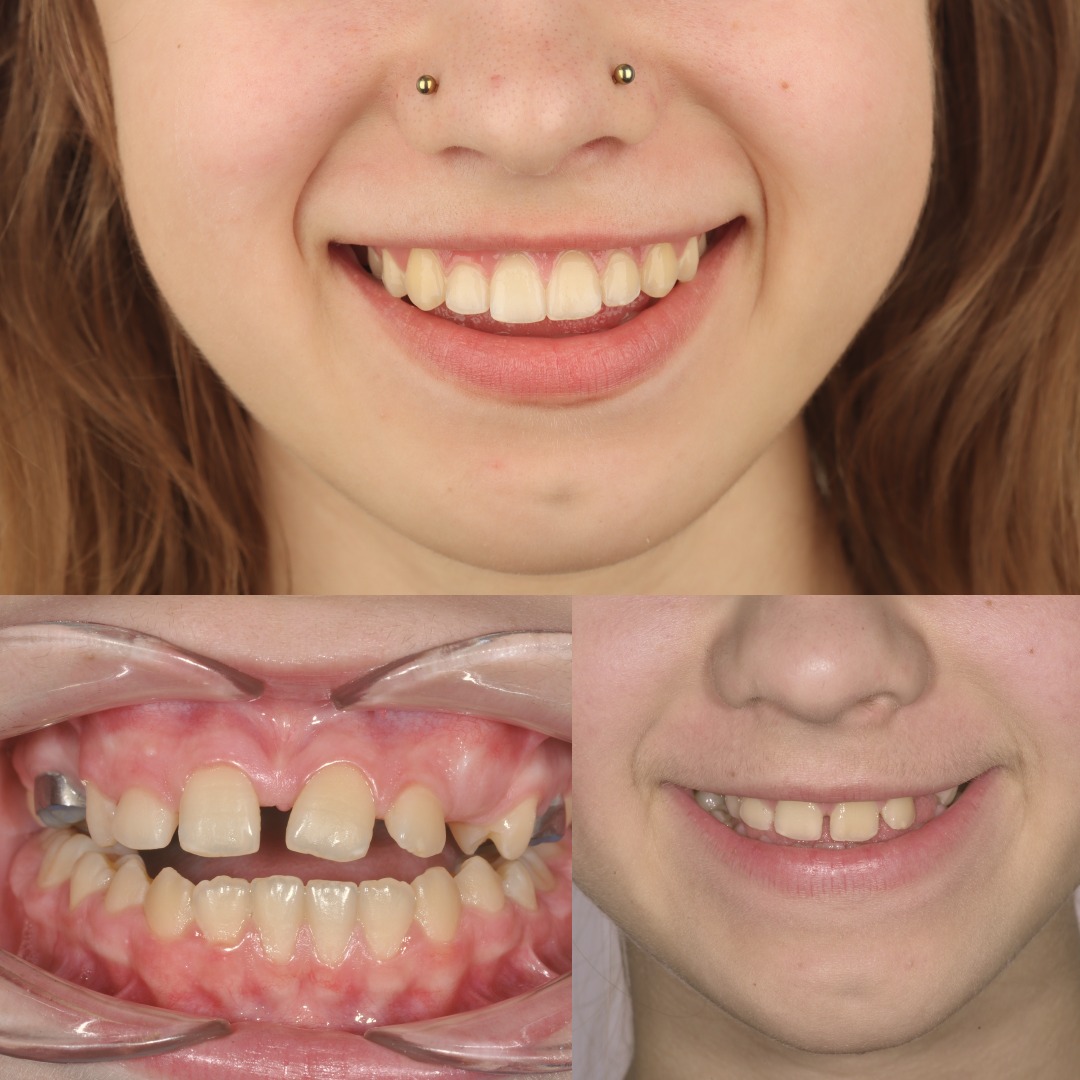
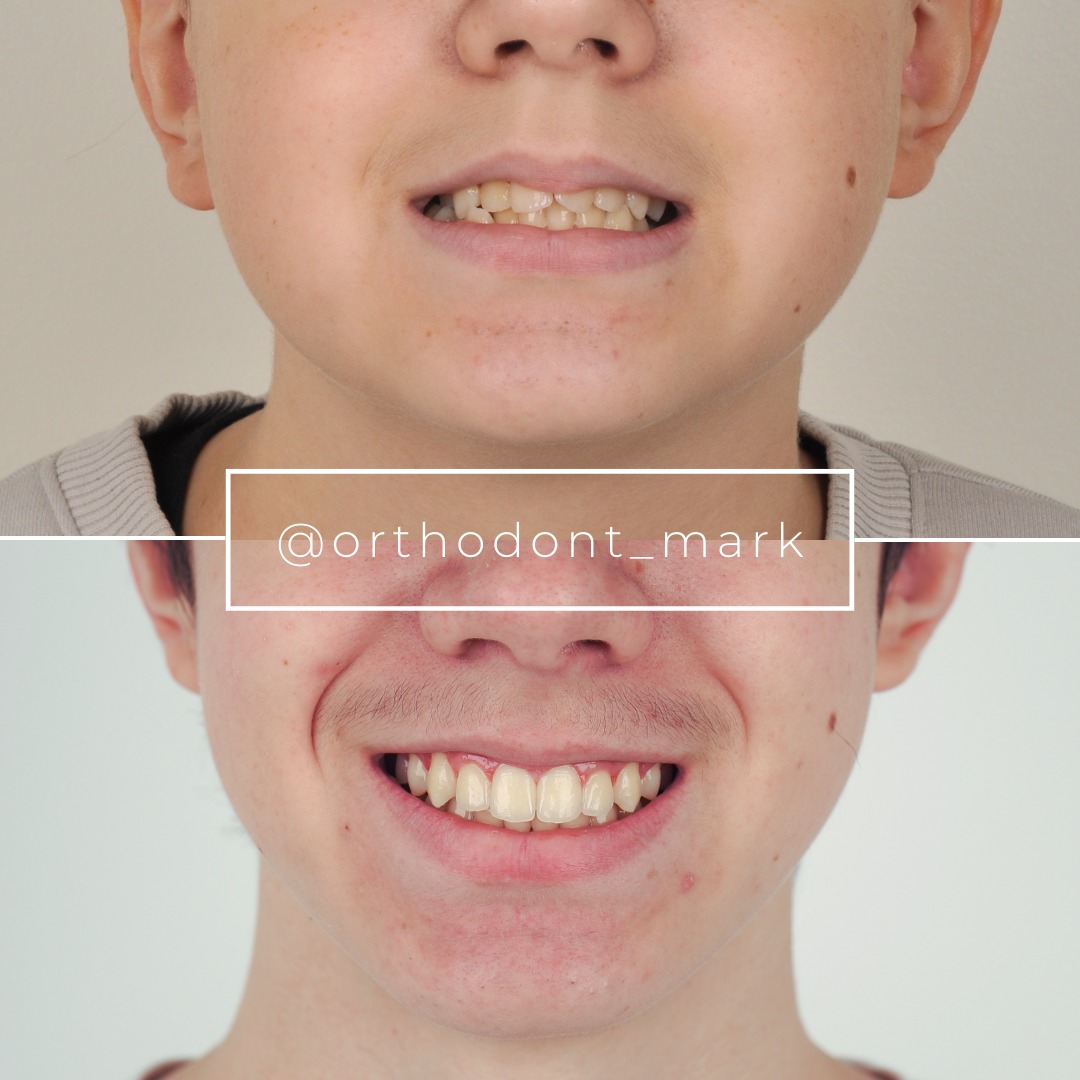
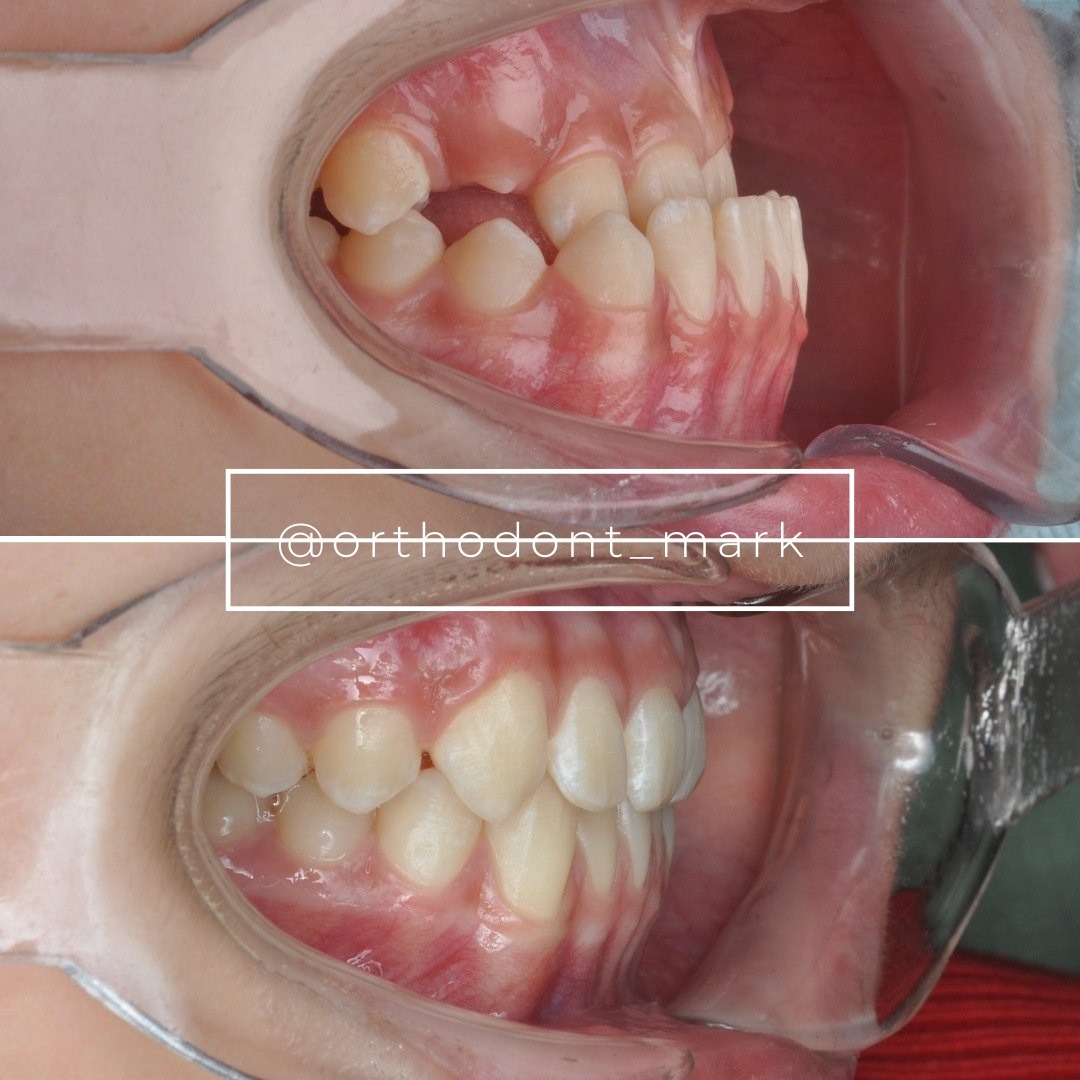
Learn the full MARPE protocol from Dr. Mark Radzhabov
Fundamental course covering CBCT patient selection, miniscrew planning, activation protocols, and 60+ clinical cases. Choose the access level that fits your practice.
Essentials of rapid palatal expansion for practicing orthodontists.
- Core RPE concepts and biomechanics
- 6 structured video lessons
- Clinical decision checklists
- Lifetime access to recordings
Deep-dive into MARPE protocol, diagnostics, and clinical execution.
- 6 modules covering MARPE from A to Z
- CBCT case selection walkthroughs
- Miniscrew placement and activation
- 60+ annotated clinical cases
- Direct Q&A with Dr. Mark Radzhabov
5-element medical consultation framework for dentists and orthodontists.
- Trust-building consultation protocol
- 5 lesson modules
- Templates for treatment plan delivery
- Works with any clinical specialty
Clinical FAQ
What is the difference between nasal floor widening in MARPE versus conventional rapid palatal expansion?
MARPE achieves significantly greater nasal floor widening because expansion forces are anchored to bone via miniscrews, creating more parallel lateral movement. RPE, anchored to teeth, produces greater dentoalveolar tipping and less basal nasal floor expansion. Prospective CBCT studies confirm MARPE nasal width gains exceed RPE at both immediate and consolidation timepoints.
How should I measure nasal floor widening on CBCT for MARPE case assessment?
Measure molar nasal width (M-NW)—the perpendicular distance between lateral nasal cavity walls at maxillary molar root apex level—and greater palatine foramen width (GPF) on axial CBCT slices. Compare at T0 (baseline), T1 (post-expansion), and T2 (post-consolidation) to track skeletal adaptation and stability.
What is the relationship between miniscrew placement and nasal floor expansion outcomes?
Symmetric placement of miniscrews in the hard palate, positioned between tooth roots and parallel to the sagittal plane, ensures centered expansion forces and uniform nasal floor widening. Asymmetric placement causes maxillary rotation and uneven nasal cavity expansion. Surgical guides and preoperative CBCT planning minimize variability.
Does miniscrew-assisted expansion improve airway dimensions or sleep-disordered breathing?
MARPE reliably widens the nasal cavity floor and piriform aperture, which may improve nasal airflow resistance. However, high-quality randomized trials directly linking MARPE to measured airway improvement or OSA reduction are lacking. Secondary benefits to nasal obstruction and mouth-breathing tendency are clinically likely but not yet formally proven.
Why do older male patients show lower MARPE success rates for suture separation?
With age, the midpalatal suture undergoes increased interdigitation and ossification, particularly in males. Studies show 61% suture separation success in males versus 94% in females. Males >25 years experience substantially reduced likelihood of adequate skeletal expansion. These patients require longer activation phases and CBCT confirmation. Adjunctive corticotomy may be necessary.
How many total activation turns are needed to achieve reliable nasal floor widening in MARPE?
Clinical protocols recommend 35–40 total turns of the expansion screw across 8–12 weeks of active phase, with intensive turns (4–6/day) for 7–14 days followed by maintenance (2–3/day). This volume reliably achieves 79–95% midpalatal suture separation and consistent nasal floor expansion across adolescent and young adult populations.
What should I monitor during the consolidation phase to ensure stable nasal floor expansion?
After active expansion, enter a 6-month consolidation period allowing secondary bone deposition. CBCT at 3-month consolidation (T2) confirms nasal floor width gains persist from immediate post-expansion (T1). Light intermittent quarter-turns during consolidation may facilitate bone fill. Clinical inspection and torque checks prevent miniscrew loosening, which would compromise skeletal outcomes.
Can MARPE nasal floor expansion be predicted based on patient age and sex before treatment?
Yes, treatment response is age- and sex-dependent. Female adolescents and young adults achieve high suture separation (>90%) and robust nasal expansion. Older females remain predictable. Males >25 years show reduced success (61%). Pretreatment CBCT assessment of suture calcification and frankfort-mandibular plane angle may refine predictions further.
What is the optimal timing of CBCT imaging for MARPE nasal cavity assessment?
Capture CBCT at T0 (baseline), T1 (immediately post-expansion after 35–40 turns), and T2 (3–6 months post-consolidation). T1 imaging reveals acute orthopedic response. T2 confirms skeletal stability. For non-growing adults, T0 and T2 may suffice if radiation is a concern, though T1 provides invaluable mechanistic insight.
If a male patient >25 years fails to achieve adequate suture separation on MARPE alone, what are clinical alternatives?
Consider adjunctive corticotomy or laser-assisted suture release prior to or during MARPE to reduce bone density and improve mechanical advantage. Combination therapy (MARPE plus limited surgical release) is evidence-based in adult males with low baseline suture separation likelihood. Extended activation phases with CBCT monitoring are also permissible before resorting to surgery.
The nasal floor widening observed during MARPE is neither a complication nor a side effect—it is a predictable skeletal response to miniscrew-anchored expansion forces. For orthodontists treating growing and non-growing patients with maxillary constriction, recognizing and leveraging this anatomical change adds clinical value beyond arch width alone. If you are evaluating your MARPE cases or considering protocol refinements, scheduling a case review with Dr. Mark Radzhabov at Orthodontist Mark can help you integrate nasal cavity assessment into your treatment planning.

