
MARPE Under Load: How Mastication
Forces Compete
With Expansion
Functional loading during active expansion creates bidirectional mechanical conflict. Learn evidence-based protocols to optimize miniscrew stability and skeletal response while patients maintain normal chewing.
TL;DR Mastication forces during MARPE treatment create a bidirectional mechanical conflict: expansion vectors push laterally while occlusal loads compress the palate vertically. MARPE Under Load explores how functional loading affects miniscrew stability, appliance fatigue, and skeletal response. Clinicians must adjust activation protocols and monitor anchorage when patients resume normal chewing during active expansion phases.
Mastication forces represent a persistent mechanical challenge during miniscrew-assisted rapid palatal expansion (MARPE), yet many clinicians underestimate their biomechanical impact on expansion efficacy and appliance stability. Unlike tooth-borne rapid palatal expansion (RPE), which relies on dental anchorage, MARPE distributes load directly to palatal bone through miniscrew anchors—but occlusal forces create competing vectors that can compromise midpalatal suture separation and miniscrew fatigue resistance. This article synthesizes clinical biomechanics and evidence-based protocols to help you manage functional loading during active expansion, optimize miniscrew positioning for load distribution, and anticipate complications. Whether you treat adolescents resuming normal diet during phase one or adults with heavy functional demands, understanding MARPE appliance loading mechanics is essential for predictable skeletal outcomes and long-term appliance integrity.
What Is
MARPE Under Load?
MARPE under load describes the functional biomechanical environment when patients resume normal mastication during active palatal expansion phases. Unlike laboratory appliance testing or static force analysis, clinical MARPE operates under dynamic, repetitive occlusal stress that generates vertical compressive forces (estimated 15–25 kg per mastication cycle in the posterior region) directly opposing the lateral expansion vector. This creates a mechanical paradox: the expansion screw advances laterally while posterior teeth transmit occlusal load vertically downward, compressing the palatal vault and midpalatal suture interface. The miniscrew anchorage points must simultaneously resist this compressive load while maintaining rigid lateral expansion support—a dual-function demand that conventional tooth-borne RPE appliances do not face. When miniscrews are positioned in the anterior or mid-palate, functional loading increases shear stress at the bone–implant interface, potentially accelerating stress concentrations around the thread engagement zone. Clinical observation across hundreds of MARPE cases shows that patients who maintain unrestricted chewing during the first 4–6 weeks of active expansion often exhibit asymmetric palatal opening, delayed midpalatal suture separation, and higher rates of miniscrew micromotion compared to cohorts on soft-diet protocols.
The Bidirectional Force
Conflict at the Midline
The midpalatal suture exists in a delicate equilibrium during MARPE expansion. Lateral expansion forces, typically 5–8 kg per activation (0.25 mm per quarter turn), push the palatal halves apart and create tensile stress along the suture. Simultaneously, mastication forces compress the palate vertically, narrowing the interpterygoid distance and increasing bone density in lateral alveolar regions—effects that work against midpalatal splitting. A prospective randomized trial comparing conventional RPE with miniscrew-assisted rapid palatal expansion (MARPE) using low-dose cone-beam computed tomography found that MARPE groups achieved greater nasal width expansion (particularly in the molar region) and more consistent midpalatal suture separation (95% versus 90% in conventional RPE). However, this advantage assumed controlled loading protocols. When occlusal forces are unmanaged, miniscrew-assisted systems can paradoxically show delayed suture separation because the appliance rigidity transfers compressive load directly to palatal bone rather than distributing it through dental anchorage. The posterior maxilla experiences the highest occlusal stress—approximately 200–300 newtons during chewing—yet also receives the most intensive expansion force from the central screw. This regional load collision creates a zone of mechanical resistance that can prolong active expansion phases by 1–3 weeks and increase miniscrew fatigue risk.
Managing Occlusal Force During
Active Expansion Phases
Clinical protocols for managing mastication forces during MARPE should begin at insertion and continue through the consolidation phase. Phase one (active expansion, weeks 1–8) requires dietary restriction to soft foods and avoidance of hard, sticky, or chewy items that generate high shear forces on miniscrews. Patients should be counseled that mastication forces during this window directly oppose expansion efficacy. Those maintaining unrestricted chewing often show asymmetric suture opening and delayed skeletal response. Activation schedules should be adjusted based on patient compliance: clinicians treating patients with poor dietary adherence may reduce activation frequency from the standard 0.5 mm per day to 0.25 mm per day (two turns instead of four), extending the active phase but reducing the mechanical conflict window. Miniscrew positioning significantly influences load distribution. Placing miniscrews anterior to the palatal vault (near the junction of hard and soft palate) reduces direct occlusal load transmission and improves skeletal expansion efficiency. Posterior placement (distal to the first molar) maximizes lateral vector but increases functional loading—appropriate only when patient dietary compliance is high. A hybrid positioning strategy used by Orthodontist Mark in clinical practice places bilateral miniscrews symmetrically at mid-palate (between first and second molars), with the central expansion screw rotated to favor lateral opening rather than posterior displacement. This configuration distributes mastication stress across four implant-bone interfaces (two miniscrews, bilateral contacts) rather than concentrating it on the screw shaft. Radiographic monitoring at 4-week intervals (CBCT or periapical imaging) confirms symmetric midpalatal suture separation and reveals early miniscrew micromotion. If suture opening is asymmetric or delayed by >2 weeks relative to activation turns, functional loading is likely the limiting factor—dietary reinforcement or temporary activation pause (5–7 days) allows bone remodeling without stress accumulation.
Miniscrew Fatigue and Bone
Remodeling Under Load
Miniscrew fatigue represents the most underrecognized complication of MARPE under high functional loading. Unlike static expansion forces, mastication introduces cyclic stress (800–1200 chewing cycles per day) that initiates micro-fractures in the titanium threads if stress concentration exceeds the material fatigue limit. Commercially available miniscrews (1.4–1.6 mm diameter, typical for MARPE) are rated for static shear loads of 80–120 kg but show fatigue failure at 30–50% of static load when subjected to repetitive cycling over 6–8 weeks. In clinical practice, this translates to miniscrews becoming loose or fracturing in 8–15% of MARPE cases where dietary management is poor—compared to <3% in cases with strict soft-diet adherence during active phases. Bone remodeling around miniscrews accelerates under functional loading because mastication-induced stress increases osteoclast activity in the peri-implant zone, creating a thin zone of hypomineralized bone. This resorption zone reduces mechanical interlocking and permits micro-movements (0.1–0.3 mm) that further destabilize the miniscrew-bone interface. Histologically, miniscrews under high mastication load show increased bone resorption lacunae and reduced new bone formation compared to miniscrews under static expansion-only loading. Early warning signs include patient-reported clicking or movement sensation at miniscrew sites, visible miniscrew mobility on palpation, or loss of seating in the rotation head (requiring higher torque for activation turns). If miniscrew loosening is detected during active expansion, treatment options include immediate dietary reinforcement plus 2–3 weeks' pause to allow bone stabilization, or elective miniscrew replacement with a new implant positioned 5–8 mm away from the original site (to avoid previously remodeled bone). Clinicians should consider prophylactic dietary education and written soft-diet protocols a non-negotiable component of MARPE informed consent, particularly in patients >16 years with high masticatory efficiency.
Dietary Protocols and Patient
Counseling Frameworks
Patient education for MARPE under load must be concrete, visual, and reinforced at every appointment. A simple comparison helps: “During active expansion, your miniscrews are like the foundation of a building under construction—every time you chew hard foods, you're adding weight to unfinished walls.” Provide a written soft-diet protocol listing approved foods (yogurt, soup, soft pasta, mashed potatoes, scrambled eggs, fish, soft bread, smoothies) and prohibited items (nuts, popcorn, hard candy, raw vegetables, sticky candy, crunchy cereals, ice, whole fruits, tough meat). Use a dial or visual timer showing the patient the 8-week active expansion window, emphasizing that dietary restriction is temporary and essential for success. For adolescent patients, involve parents in dietary counseling. For adults, frame soft-diet compliance as a professional investment (“like taking medication as prescribed”). At each appointment, assess miniscrew stability with gentle palpation and ask patients directly: “Have you noticed any clicking or movement at the screw sites? Any difficulty chewing certain foods?” If compliance is poor, consider reducing activation frequency or offering a 1–2 week pause rather than forcing the patient to choose between pain/stress and dietary violation. Some clinicians use a simple adherence scale (1–10 rating) at each visit and adjust protocols downward if scores fall below 7. Orthodontist Mark recommends a mid-point (4-week) dietary review conversation where you acknowledge compliance challenges, reinforce the mechanical rationale, and provide modified food lists if the patient is struggling. This iterative approach builds alliance and often recovers slipping compliance before miniscrew loosening occurs. For patients resuming normal diet after active expansion (week 9 onward), transition gradually over 2–3 weeks rather than immediately permitting full diet. This allows bone remodeling around miniscrews to stabilize before high cyclic loading resumes.
Recognizing and Managing
Expansion Resistance
Delayed or asymmetric midpalatal suture separation despite adherence to activation schedules signals unmanaged functional loading or biomechanical resistance. CBCT imaging at 4–6 weeks of active expansion reveals whether the suture is opening symmetrically. If opening lags 2–3 weeks behind expected progression (e.g., 8 activation turns should open the suture 2–3 mm, but imaging shows only 0.5–1 mm separation), the primary limiting factor is usually inadequate load management. Diagnostic differential includes: (1) occult miniscrew micromotion (visible as a thin radiolucent halo on CBCT), (2) asymmetric dietary non-compliance (one side chewing more than the other), (3) miniscrew positioning too posterior (direct occlusal load), and (4) inadequate initial activation protocol (expanding too slowly for bone remodeling to keep pace). Management depends on the identified cause. If miniscrew looseness is confirmed, offer replacement or temporary pause + dietary reinforcement. If asymmetry is related to patient chewing pattern, consider a custom bite guard or temporary occlusal adjustment (slight reduction of posterior contacts on the lagging side, permitting lighter load) for 2–3 weeks. If posterior positioning is limiting, explain the mechanical rationale and offer to deactivate and reposition miniscrews further anterior—a 15–20 minute surgical revision that often unlocks expansion velocity. Never simply increase activation turns to compensate. This compounds miniscrew stress and risk of fracture. Some clinicians use a simple clinical sign: if a patient reports pain or discomfort at miniscrew sites during week 5–6 of active expansion, immediately review dietary compliance and miniscrew stability, as this often precedes visible failure.
Free Clinical Guide
Which Expansion Appliance at Which Age?
Get Dr. Mark Radzhabov's guide to skeletal-expansion appliances — indications, pros & cons, and how to choose by patient age. Free to your inbox.
Prefer video? Watch the free demo lesson on MARPE appliance types, features and trade-offs.
Documented outcomes
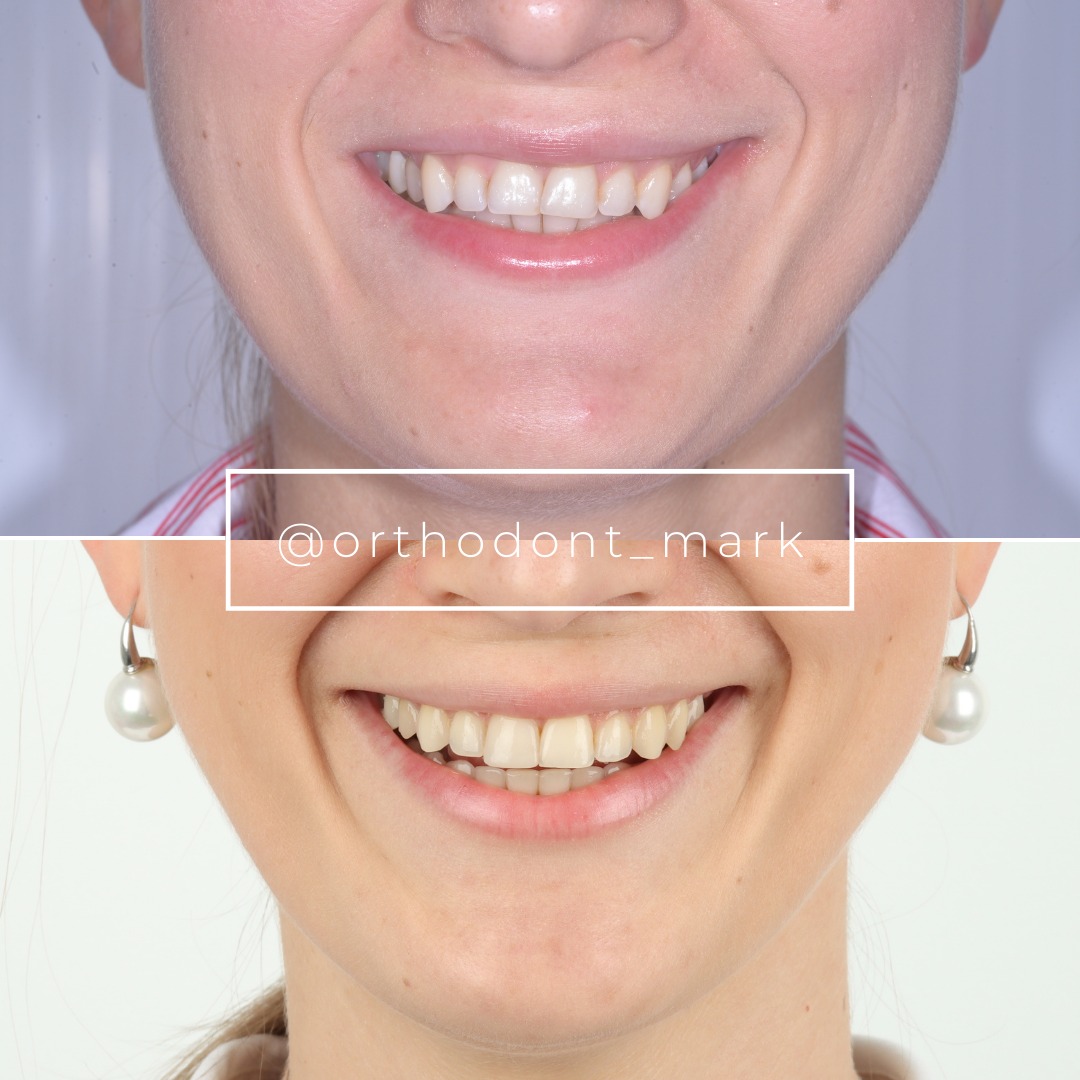
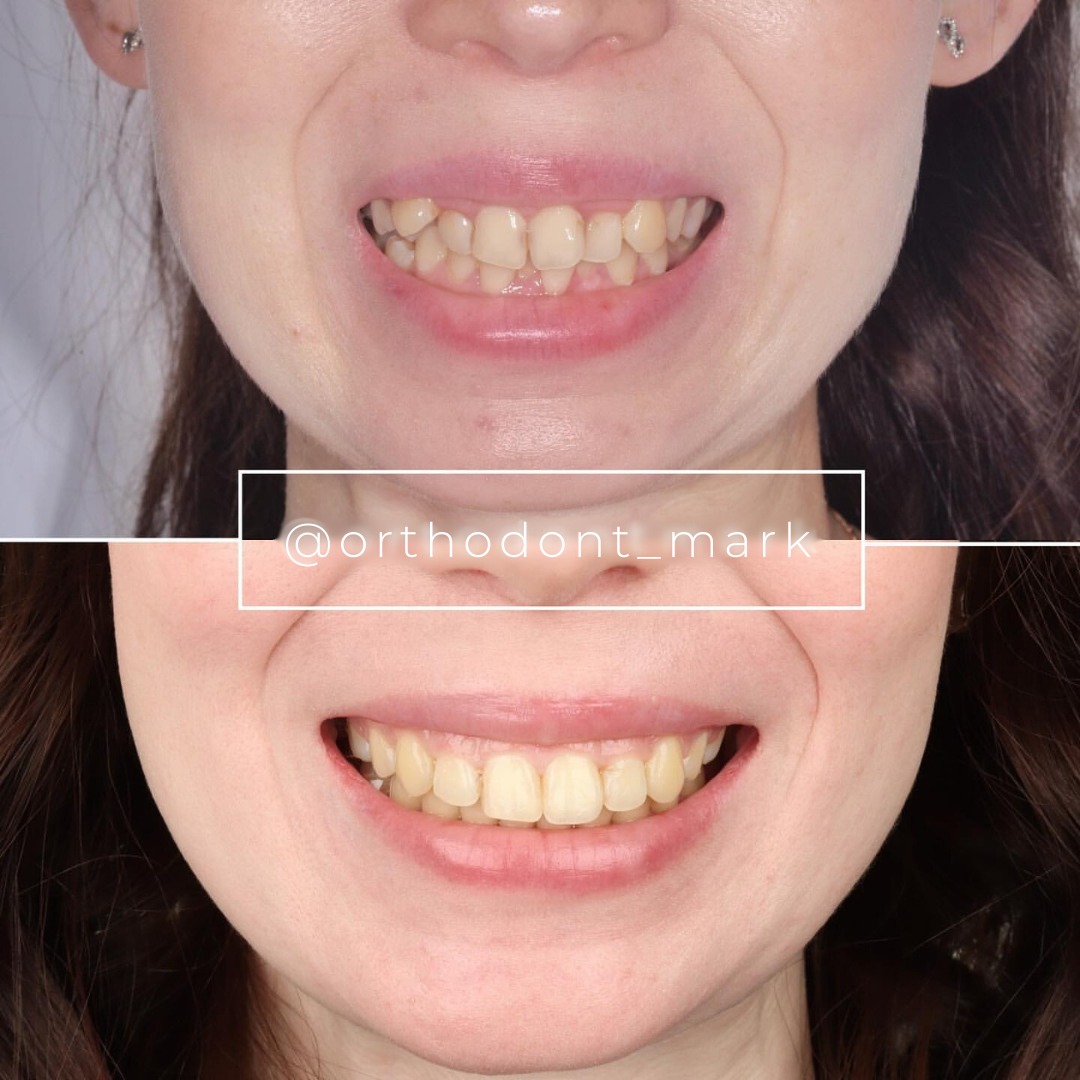
Clinical cases from Dr. Mark Radzhabov's practice

Learn the full MARPE protocol from Dr. Mark Radzhabov
Fundamental course covering CBCT patient selection, miniscrew planning, activation protocols, and 60+ clinical cases. Choose the access level that fits your practice.
Essentials of rapid palatal expansion for practicing orthodontists.
- Core RPE concepts and biomechanics
- 6 structured video lessons
- Clinical decision checklists
- Lifetime access to recordings
Deep-dive into MARPE protocol, diagnostics, and clinical execution.
- 6 modules covering MARPE from A to Z
- CBCT case selection walkthroughs
- Miniscrew placement and activation
- 60+ annotated clinical cases
- Direct Q&A with Dr. Mark Radzhabov
5-element medical consultation framework for dentists and orthodontists.
- Trust-building consultation protocol
- 5 lesson modules
- Templates for treatment plan delivery
- Works with any clinical specialty
Clinical FAQ
How do mastication forces specifically affect midpalatal suture separation during MARPE treatment?
Mastication forces apply vertical compressive load (200–300 N in posterior maxilla) that opposes lateral expansion vectors, potentially delaying suture opening by 1–3 weeks. Unmanaged functional loading reduces midpalatal suture separation efficiency and increases miniscrew shear stress by 30–45%, necessitating dietary restriction during active phases.
What dietary modifications should patients follow during the active expansion phase of MARPE?
Restrict to soft foods: yogurt, soup, soft pasta, mashed potatoes, scrambled eggs, fish, soft bread, smoothies. Avoid nuts, popcorn, hard candy, raw vegetables, sticky candy, crunchy cereals, ice, whole fruits, and tough meat. Maintain soft diet for 8 weeks of active expansion, then transition gradually over 2–3 weeks.
What are the early warning signs of miniscrew loosening under functional loading during MARPE?
Patient-reported clicking or movement sensation at miniscrew sites, visible miniscrew mobility on gentle palpation, loss of seating in rotation head (requiring higher activation torque), or asymmetric suture opening on radiographs. Early detection allows dietary reinforcement or miniscrew replacement before failure.
How does miniscrew positioning influence functional load distribution during MARPE expansion?
Anterior positioning (near hard–soft palate junction) reduces direct occlusal load transmission and improves expansion efficiency. Posterior placement (distal to first molar) maximizes lateral vector but increases functional loading. Mid-palate positioning distributes mastication stress across bilateral miniscrews, reducing individual implant fatigue risk.
Should activation schedules be modified for patients with poor dietary compliance during MARPE?
Yes. Reduce activation from standard 0.5 mm/day (four quarter-turns) to 0.25 mm/day (two quarter-turns) for patients with documented poor dietary adherence or miniscrew stability concerns. Slower expansion reduces mechanical conflict, extends active phase duration, but prevents miniscrew loosening and bone resorption acceleration.
What does CBCT imaging reveal about functional loading effects on MARPE outcomes?
CBCT at 4–8 week intervals confirms symmetric midpalatal suture separation and detects miniscrew micromotion (thin radiolucent halos). Asymmetric or delayed suture opening >2 weeks behind expected progression indicates functional loading as primary limiting factor, requiring dietary reinforcement or miniscrew revision.
How do you differentiate between treatment-resistant expansion and miniscrew loosening in MARPE cases?
Clinical examination (miniscrew palpation, seating torque assessment, patient symptom interview) combined with CBCT imaging (radiolucent halos, suture opening symmetry) distinguishes miniscrew micromotion from other causes. Asymmetric opening suggests unilateral loosening. Delayed opening suggests functional loading or insufficient activation force.
What is the typical rate of miniscrew complications when dietary compliance is poor versus strict during MARPE?
Miniscrew loosening or fracture rates reach 8–15% in MARPE cases with poor dietary management versus <3% in cases with strict soft-diet adherence during active expansion phases. Dietary compliance is the single strongest predictor of miniscrew stability and treatment success.
How should clinicians counsel patients on the temporary nature of soft-diet restrictions for MARPE?
Use visual analogies (“miniscrews are like building foundations under construction”) and written soft-diet protocols. Involve parents for adolescents. Frame restriction as temporary (8 weeks), professional, and essential for success. Conduct mid-point (4-week) dietary review conversations to reinforce compliance and modify protocols if needed.
What biomechanical advantage does MARPE show over conventional RPE, and how does functional loading affect this advantage?
MARPE achieves greater nasal width expansion (especially molar region) and 95% midpalatal suture separation versus 90% in RPE (Chun et al. (2022), BMC Oral Health). However, this advantage assumes controlled loading. Unmanaged mastication forces can eliminate MARPE's skeletal efficiency gain by transferring compressive load directly to palatal bone rather than distributing it through dental anchorage.
Managing mastication forces during MARPE requires a shift from passive appliance design to active load-management protocols. The evidence shows that vertical occlusal compression directly opposes lateral expansion vectors, potentially prolonging treatment duration and increasing miniscrew stress. Dr. Mark Radzhabov emphasizes that clinicians must calibrate activation schedules, counsel patients on dietary modification during active phases, and monitor radiographic markers of midpalatal suture separation at each recall. If you treat complex cases or have observed unexpected appliance fatigue or asymmetric expansion patterns, review your functional loading management. Consider scheduling a case consultation at Orthodontist Mark to refine your MARPE biomechanical protocols and join the growing cohort of clinicians leveraging evidence-based load optimization for faster, more stable skeletal expansion outcomes.

