
MARPE and Orthognathic Planning:
Expansion Precedes Jaw Surgery
Timing, skeletal response, and surgical coordination
Evidence-based protocol for sequencing palatal expansion before orthognathic surgery. Minimize surgical steps, maximize stability.
TL;DR MARPE and orthognathic planning require careful sequencing: palatal expansion may be performed 6–12 months before jaw surgery to optimize maxillary width, reduce surgical complexity, and improve final occlusal stability. Evidence shows that miniscrew-assisted rapid expansion achieves greater skeletal separation at the midpalatal suture than tooth-borne expansion, with fewer undesirable buccal tipping effects.
When a patient presents with combined transverse maxillary deficiency and anteroposterior or vertical skeletal discrepancy, the question of sequencing becomes critical: should MARPE precede orthognathic surgery, or should both corrections occur simultaneously? This article explores the evidence-based rationale for timing palatal expansion before jaw surgery, examines the skeletal and dentoalveolar outcomes documented in the literature, and provides practical clinical decision-making guidance. Dr. Mark Radzhabov at Orthodontist Mark synthesizes clinical observations with current research to help you plan combined MARPE and surgical cases with confidence and precision.
What Is MARPE and Orthognathic Planning?
pre-surgical expansion
MARPE and orthognathic planning refers to the deliberate sequencing of miniscrew-assisted rapid palatal expansion (MARPE) performed 6–12 months prior to jaw surgery in patients with combined transverse and anteroposterior maxillary discrepancies. The primary goal is to address skeletal width deficiency independently, thereby reducing intraoperative complexity and improving final asymmetry correction.
In adult patients with fused midpalatal sutures, conventional rapid palatal expansion (RPE) alone cannot generate sufficient skeletal separation. Orthognathic surgery alone corrects anteroposterior or vertical relationships but often leaves transverse deficiency unresolved. By inserting miniscrews into the hard palate and applying intermittent, controlled force, MARPE bypasses the anchor teeth and achieves direct skeletal effect with minimal undesirable buccal tipping—a key advantage over tooth-borne RPE, especially when anterior crowding and incisor alignment are concurrent treatment priorities.
Surgical timing becomes a decision-making tool: if palatal width can be normalized before jaw surgery, the surgeon's Le Fort I osteotomy can focus exclusively on the anteroposterior or vertical correction, reducing the magnitude of surgical manipulation and supporting long-term stability. Evidence shows that midpalatal suture separation rates exceed 90% with MARPE in appropriately selected cohorts, making pre-surgical expansion a viable alternative to combined simultaneous surgery.
When Transverse Deficiency Meets Anteroposterior Discrepancy
surgical complexity
Many orthognathic cases present with what orthodontists term “compound maxillary deformity”—a narrow palate combined with a recessed or vertically positioned maxilla. Historically, the standard approach was to perform a single Le Fort I with widening through inter-premaxillary or pterygomaxillary cuts. However, this requires either extended surgical dissection or reliance on force application to the teeth to maintain width, both of which increase morbidity and complicate long-term retention.
Pre-surgical MARPE changes this calculus. By normalizing palatal width 6–12 months before jaw surgery, the surgeon inherits a wider, more symmetric base. The Le Fort I can then be performed with minimal rotational or widening components, focusing surgical effort on the vertical and anteroposterior axes where the skeletal deficiency truly resides. This stratification of correction—expansion first, then anteroposterior and vertical surgery—aligns with biomechanical principles and reduces reliance on teeth for long-term retention of width.
Additionally, pre-surgical expansion shortens the final consolidation period. If both MARPE and jaw surgery occur simultaneously or in very close sequence, the patient faces prolonged fixation, prolonged retention of appliances, and overlapping healing phases. Spacing the phases 6–12 months apart allows full mineralization of the expanded palate, giving the surgical team a stable skeleton to work from. Clinical observation suggests that early orthodontic alignment combined with pre-surgical expansion improves surgical access and aesthetics.
Skeletal and Dentoalveolar Effects of Pre-Surgical MARPE
skeletal response
The skeletal changes produced by miniscrew-assisted rapid expansion differ meaningfully from tooth-borne expansion, especially in the context of presurgical planning. Research demonstrates that MARPE generates greater bilateral separation at the midpalatal suture and greater nasal width increases compared to conventional RPE in identical activation amounts (35 turns). When low-dose cone-beam computed tomography (CBCT) is used to measure changes immediately after expansion and after a 3-month consolidation period, the MARPE group consistently shows increased maxillary molar width (M-MW) and premolar width (PM-MW) relative to RPE.
One of the most clinically relevant findings is the reduced buccal displacement of anchor teeth in MARPE systems. In tooth-borne RPE, the expander screw's force translates through the premolar and molar teeth, causing mesial-distal tooth movements that create false midlines and buccal flare. With miniscrew anchorage, force is transmitted directly to bone, preserving tooth position and alignment. This distinction matters enormously in pre-surgical cases: if the teeth remain in ideal axial inclination and buccolingual position during expansion, the subsequent orthodontic finishing and surgical planning become simpler and more predictable.
Dentoalveolar changes are also more symmetric in MARPE cohorts. The reduction in unilateral anchor-tooth tipping means that asymmetries already present in the patient are less likely to be amplified during the expansion phase. For patients scheduled for orthognathic surgery, this preservation of dental relationships streamlines final surgical occlusal planning and reduces the need for post-surgical corrections.
Clinical Decision-Making: Which Patients Benefit Most?
patient selection
Not every orthognathic patient requires pre-surgical MARPE, and indiscriminate expansion adds time and cost to treatment. Careful patient selection based on clinical and radiographic criteria is essential. First, the patient must have documented transverse maxillary deficiency—a maxillary intercanine or intermolar width more than 1 standard deviation below normal for age and sex, measured on dental models or CBCT. Patients with normal transverse dimensions but only anteroposterior or vertical discrepancy do not benefit from expansion. Their surgical correction alone is sufficient and more efficient.
Second, assess the status of the midpalatal suture via CBCT. In younger adults (late teens to early 30s), the suture may not be fully ossified, and conventional RPE might still succeed. However, in patients over 35–40 or those with radiographic evidence of heavy suture calcification, MARPE becomes necessary if expansion is clinically indicated. The individual variability in suture maturation is not always age-dependent, so direct radiographic assessment is essential rather than assumption based on age alone.
Third, consider the magnitude of anteroposterior or vertical correction required. If the surgical movement is large (>8 mm Le Fort I advancement or significant intrusion), addressing width preoperatively simplifies the surgical plan. Conversely, if the jaw surgery is minor (2–4 mm correction), the added time of MARPE may not be justified. Consultation with your surgical colleague is invaluable here.
Finally, assess patient motivation and compliance. MARPE activation occurs over 8–12 weeks with a retention phase of 6+ months before surgery. Patients must understand this timeline and commit to the protocol. Dr. Mark Radzhabov emphasizes that informed consent and clear communication about the sequencing are paramount in managing expectations.
Treatment Sequence and Timing Windows
timeline
The standard pre-surgical MARPE protocol unfolds in discrete phases, each with specific timing rationale. Active expansion typically spans 8–12 weeks, with activation frequency tailored to the appliance system and patient tolerance. Once the desired width is achieved (confirmed clinically by diastema closure between upper central incisors or radiographically by midpalatal suture separation on CBCT), the expansion screw is locked and the retention phase begins.
Retention after active expansion lasts a minimum of 6 months, ideally extending to 9–12 months before jaw surgery. During this period, the mineralization of the newly separated midpalatal suture occurs, and any dentoalveolar movement stabilizes. Concurrently, comprehensive orthodontic treatment (leveling, alignment, incisor torque correction, transverse settling) proceeds. By the time the patient reaches the surgical consultation, the dentition should be in near-final position, allowing the surgeon and orthodontist to plan the final occlusion with precision.
The interval between completion of retention and surgical date should be 2–4 weeks to allow for final refinement and pre-operative record-taking, but not so long that orthodontic settling creates new discrepancies. Some clinicians prefer to maintain light retention (typically a maxillary bonded retainer or removable appliance) during this interval to prevent any relapse of expansion or dentoalveolar shift.
Post-surgical, standard orthognathic retention protocols apply: 24/7 maxillomandibular fixation for 4–6 weeks followed by functional phase with elastics, then long-term retainers. The fact that transverse correction was completed pre-surgically means the retainers can focus on anteroposterior and vertical stability, potentially improving long-term outcomes.
Working with the Maxillofacial Surgeon
interdisciplinary approach
The success of MARPE followed by orthognathic surgery depends critically on clear, early communication between orthodontist and surgeon. At the initial surgical consultation, present CBCT scans documenting midpalatal suture status and transverse dimensions. Discuss whether the surgeon is comfortable proceeding with width already normalized, or whether they prefer to address width simultaneously with Le Fort I. Some surgeons trained in inter-premaxillary or pterygomaxillary widening techniques may be more comfortable managing width intraoperatively. Others may enthusiastically support pre-surgical expansion as a way to simplify their procedure.
Establish the surgical sequence clearly: if MARPE precedes surgery, the surgeon should plan the Le Fort I without widening components, focusing on the anteroposterior and vertical axes. Provide the surgeon with pre-expansion and post-expansion CBCT images and final pre-surgical records showing achieved width and current dental relationships. This documentation ensures the surgeon understands the changes made and can plan accordingly.
Communicate timing expectations with the patient as a unified team. Conflicting messages from orthodontist and surgeon about timing, duration, or outcomes erode patient trust. Schedule a pre-operative visit or call where both you and the surgeon review the plan with the patient, confirm the timeline, and address any remaining questions.
Finally, establish a post-operative communication plan. After the surgeon completes the Le Fort I, send the final surgical records to your office. Confirm that the achieved maxillary position and width match the pre-operative plan. If unexpected changes occurred (rare but possible), adjust your post-operative orthodontic plan accordingly. This loop ensures quality control and supports optimal outcomes.
Clinical Implementation and Common Pitfalls
practice management
Before initiating MARPE in a patient destined for orthognathic surgery, perform thorough diagnostic assessment: full-face photography, lateral and frontal radiographs, CBCT with careful attention to palatal anatomy and suture maturation, and dental models. Measure transverse discrepancy using established norms (e.g., intercanine width, intermolar width, maxillary-to-mandibular width ratios). Document baseline periodontal health, especially gingival biotype and supraeruption status of posterior teeth, as these factors influence miniscrew insertion and anchor stability.
When selecting the MARPE appliance system, consider modular designs (such as those incorporating hybrid Hyrax or palatal plates with miniscrew anchorage) that allow flexibility in future adjustments if needed. Ensure miniscrew positioning respects palatal vascular anatomy and provides adequate bone thickness for secure insertion. Standard insertion sites are in the midline and laterally in the hard palate, anterior to the junction of the hard and soft palate.
During the active expansion phase, monitor patient comfort and miniscrew stability at each visit (typically weekly). Watch for signs of suture separation on clinical exam (diastema between central incisors) and confirm with periapical or occlusal radiographs at key intervals. If separation is inadequate after 8–10 weeks, CBCT may be warranted to assess whether a surgical approach (SARPE) is needed instead. However, in well-selected patients with MARPE, this scenario is uncommon.
Common pitfalls include inadequate initial diagnosis, poor miniscrew stability due to insufficient bone thickness, patient non-compliance with activation schedule, and insufficient retention time before surgery. Addressing each requires diligent case selection and patient communication—hallmarks of the Orthodontist Mark clinical approach.
Stability and Long-Term Outcomes
evidence-based results
Published evidence on MARPE outcomes in general populations is robust, showing high success rates for skeletal separation and dentoalveolar correction. The extrapolation to pre-surgical sequencing is supported by biomechanical reasoning and clinical observation: if MARPE achieves stable width gain in non-surgical patients, the same stability should apply when MARPE precedes jaw surgery, with the added benefit that the subsequent surgical correction occurs on an already-widened base.
Long-term relapse studies are limited for MARPE specifically, but tooth-borne RPE and SARPE literature both suggest that width gains are largely stable when adequate retention is maintained. The miniscrew-anchored design of MARPE may offer additional relapse resistance compared to tooth-borne RPE, since force was applied to bone rather than dentition. In the context of orthognathic surgery, the surgical fixation of the maxilla further stabilizes any width achieved, making relapse unlikely unless the patient experiences long-term anterior dental crowding or significant horizontal jaw growth (rare in adults).
Stability is further enhanced when expansion precedes surgery by an adequate interval (6–12 months), allowing full bony consolidation before surgical manipulation. Cases where expansion and surgery occur simultaneously or in very close succession show higher relapse rates, supporting the spacing principle.
Patient satisfaction data from combined expansion-surgery cases are sparse in the literature, but qualitative reports emphasize reduced surgical complexity, improved facial symmetry, and patient acceptance of the extended timeline when outcomes meet or exceed expectations. Clinical case series would strengthen this evidence base.
Managing Complications and Atypical Cases
problem-solving
Some patients present with asymmetric transverse deficiency—one side of the maxilla is narrower than the other, often due to unilateral crossbite or previous dental loss. Conventional symmetric MARPE activation may over-correct the wider side while under-correcting the narrower side. In these cases, consider differential activation: activate one miniscrew more frequently than the other to preferentially expand the deficient side. This requires careful monitoring and patient communication but can achieve more balanced results and reduce the surgical burden of asymmetry correction.
Periodontal considerations are paramount. Patients with thin gingival biotype, active periodontal disease, or history of bone loss should be optimized before MARPE. Expansion itself is not contraindicated in well-controlled periodontitis, but the inflammatory environment may reduce miniscrew stability and slow bony consolidation. Pre-expansion periodontal therapy and maintenance during the expansion phase are essential. Post-expansion, continue close periodontal monitoring through the retention and surgical phases.
Atypical cases include patients with cleft palate history, previous palatal surgery, or unusual anatomy. CBCT assessment becomes even more critical in these populations. Miniscrew insertion may be challenging if palatal bone is thin or scarred, and the surgical team must be alerted to any anatomic anomalies. In some cleft cases, a staged approach—first surgically repairing the cleft, then MARPE, then orthognathic surgery—may be optimal, though individual case analysis is required.
If MARPE fails to achieve adequate separation despite optimal activation (less than 2 mm diastema or poor suture split on CBCT after 10–12 weeks), discuss SARPE conversion with the surgical team. Some clinicians proceed directly to surgical separation followed by light post-operative orthopaedic force. Others continue conservative expansion longer. The key is early recognition and timely discussion rather than prolonged unsuccessful expansion.
Free Clinical Guide
Which Expansion Appliance at Which Age?
Get Dr. Mark Radzhabov's guide to skeletal-expansion appliances — indications, pros & cons, and how to choose by patient age. Free to your inbox.
Prefer video? Watch the free demo lesson on MARPE appliance types, features and trade-offs.
Documented outcomes
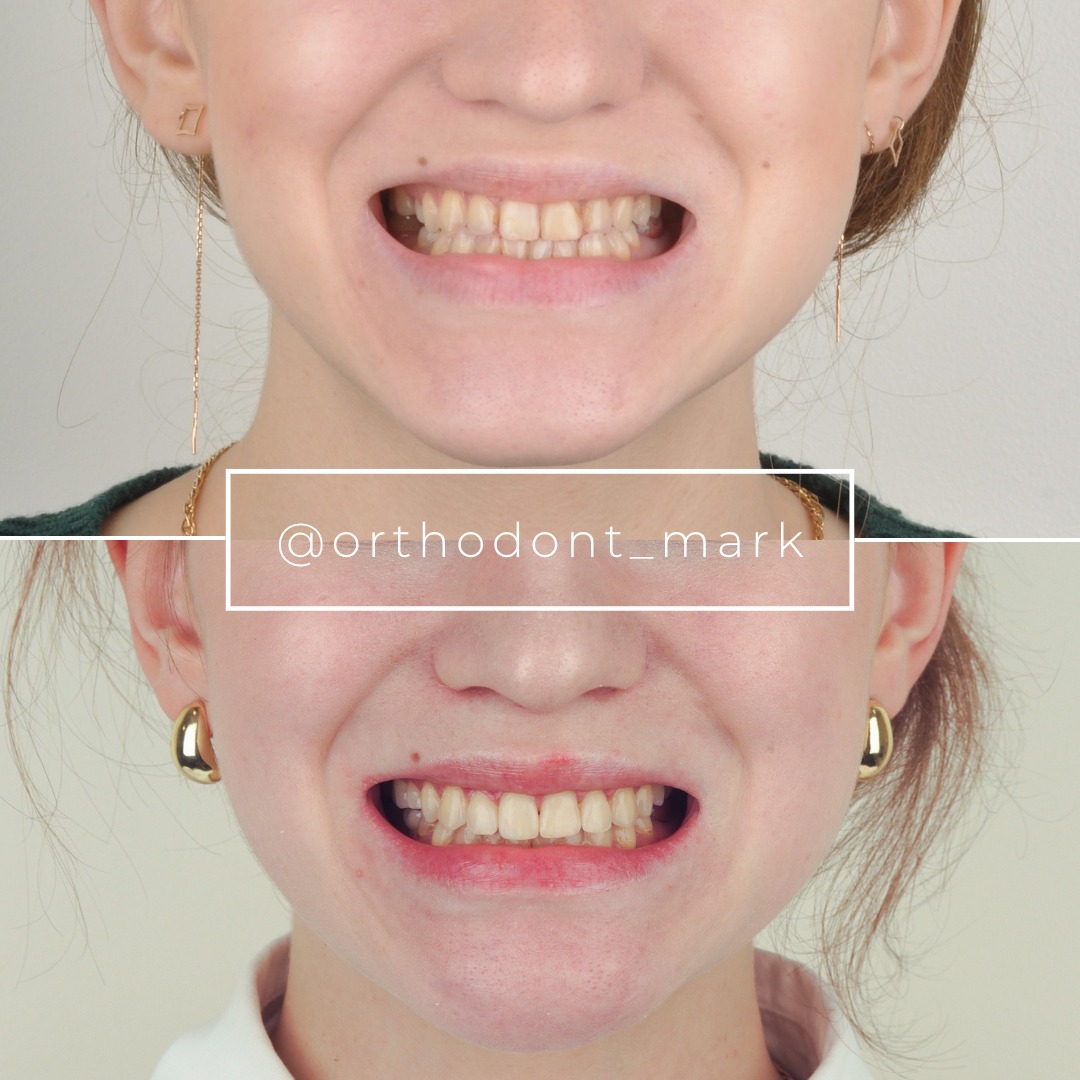
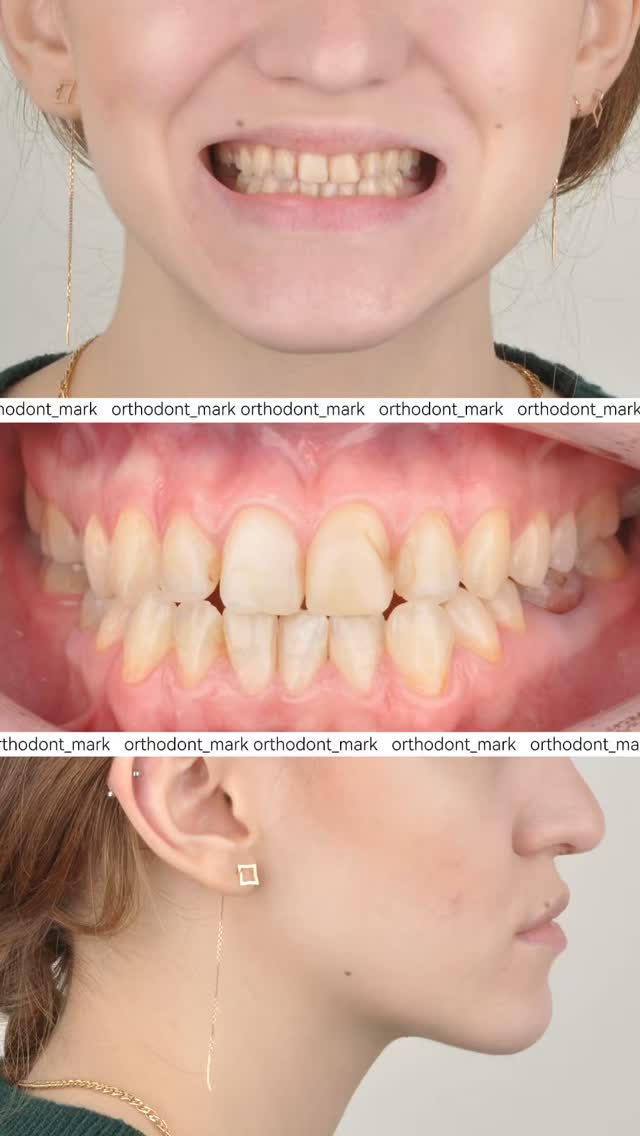
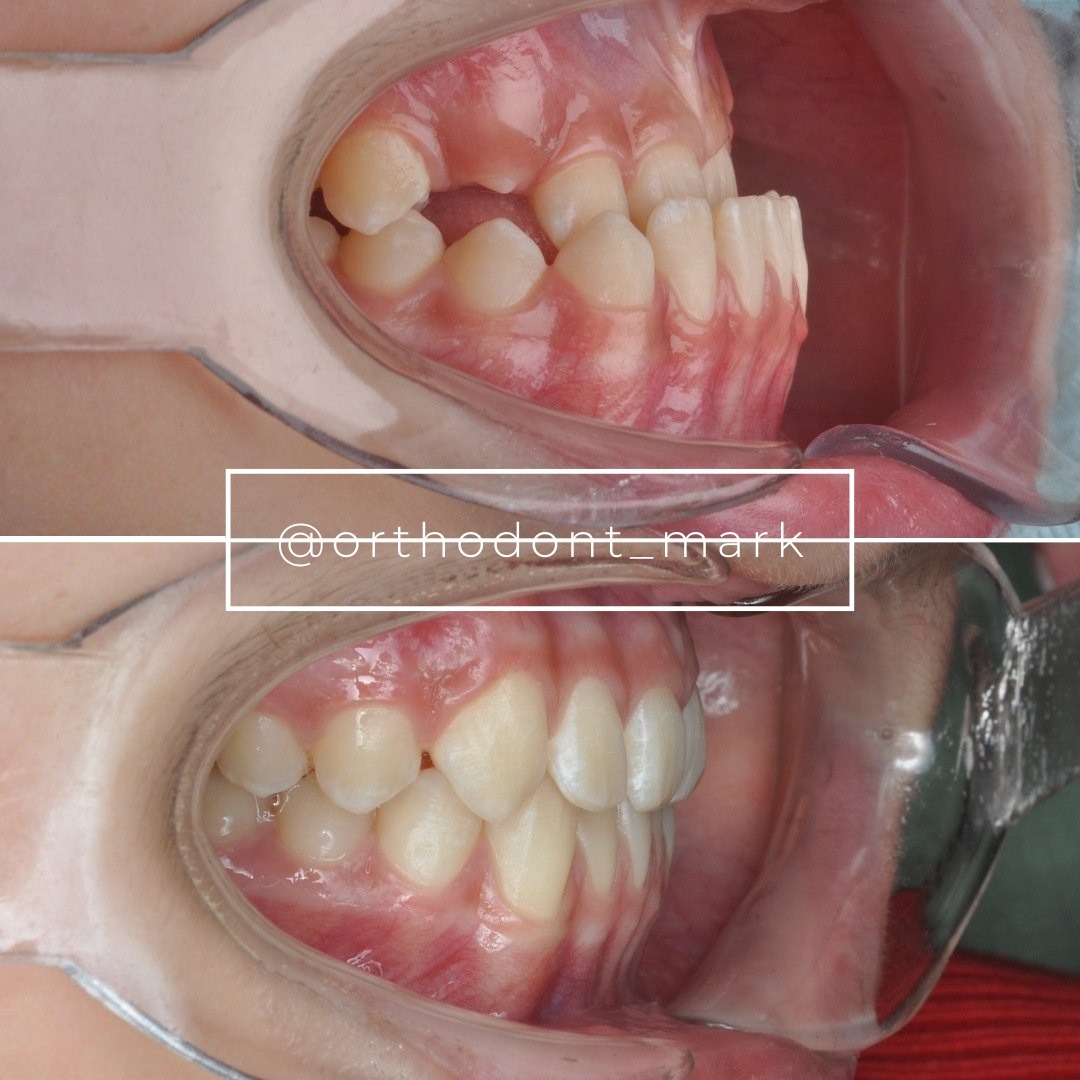
Clinical cases from Dr. Mark Radzhabov's practice
Learn the full MARPE protocol from Dr. Mark Radzhabov
Fundamental course covering CBCT patient selection, miniscrew planning, activation protocols, and 60+ clinical cases. Choose the access level that fits your practice.
Essentials of rapid palatal expansion for practicing orthodontists.
- Core RPE concepts and biomechanics
- 6 structured video lessons
- Clinical decision checklists
- Lifetime access to recordings
Deep-dive into MARPE protocol, diagnostics, and clinical execution.
- 6 modules covering MARPE from A to Z
- CBCT case selection walkthroughs
- Miniscrew placement and activation
- 60+ annotated clinical cases
- Direct Q&A with Dr. Mark Radzhabov
5-element medical consultation framework for dentists and orthodontists.
- Trust-building consultation protocol
- 5 lesson modules
- Templates for treatment plan delivery
- Works with any clinical specialty
Clinical FAQ
What is the optimal age window for MARPE in non-growing patients scheduled for orthognathic surgery?
MARPE is indicated in patients with fused or nearly-fused midpalatal sutures, typically age 18 and older. However, suture maturation varies independently of age. CBCT assessment is essential. In surgical candidates under 30 with normal transverse width, defer expansion unless documented deficiency exists.
How does palatal expansion affect surgical planning and the magnitude of Le Fort I advancement?
Pre-surgical expansion normalizes maxillary width, allowing the surgeon to focus the Le Fort I solely on anteroposterior and vertical correction without widening components. This reduces surgical complexity and improves long-term stability by applying force to bone rather than relying on dental compensation.
What is the recommended timeline between MARPE completion and orthognathic surgery?
Standard protocol includes 8–12 weeks of active expansion, followed by 6–12 months of retention to allow full bony consolidation and dentoalveolar stabilization. Surgery is then scheduled 2–4 weeks after retention to allow final pre-operative records and minor refinement.
Can MARPE replace jaw surgery for treating combined transverse and anteroposterior maxillary deficiency?
No. MARPE addresses transverse deficiency only. Anteroposterior or vertical skeletal discrepancies still require orthognathic surgery. MARPE is a precursor that simplifies the surgical correction, not a substitute for it.
What signs indicate that MARPE is failing and SARPE conversion is needed?
Inadequate diastema closure (<2 mm) after 8–10 weeks of optimal activation, poor midpalatal suture separation on CBCT, or miniscrew loosening suggest failure. Discuss surgical conversion with your surgical partner rather than prolonging unsuccessful expansion.
How does miniscrew-assisted rapid expansion compare to tooth-borne RPE in pre-surgical cases?
MARPE produces greater skeletal separation, reduced buccal tipping of anchor teeth, and more symmetric dentoalveolar changes compared to RPE at identical activation amounts. These advantages preserve dental relationships and simplify final surgical occlusal planning.
Are there periodontal contraindications to MARPE in patients destined for jaw surgery?
Active periodontal disease and severe bone loss are relative contraindications. Optimize periodontally before expansion. Thin gingival biotype increases complication risk. Well-controlled periodontitis is not a contraindication if maintenance is continued through expansion and surgical phases.
How should I counsel patients on the extended treatment timeline combining MARPE and orthognathic surgery?
Present a unified interdisciplinary message: expansion phase (8–12 weeks) + consolidation and final orthodontics (6–12 months) + surgery + post-surgical refinement (typical total 12–18 months). Emphasize benefits: reduced surgical complexity, improved symmetry, enhanced stability. Confirm patient motivation and compliance before starting.
What happens to width stability after orthognathic surgery if MARPE precedes jaw surgery by 6–12 months?
Width achieved via MARPE consolidates fully over 6–12 months before surgery. The subsequent surgical fixation of the maxilla further stabilizes achieved width. Relapse is minimal if retention protocols are followed post-surgically. Focus post-operative retainers on anteroposterior and vertical stability.
How do I document and communicate MARPE outcomes to the surgical team?
Provide CBCT scans (pre-, post-expansion, and pre-surgical), dental models, and intraoral photos showing diastema and dentoalveolar relationships. Create a brief summary documenting achieved width, suture separation status, and current orthodontic position. Schedule a pre-operative discussion to confirm surgical expectations.
The evidence suggests that pre-surgical MARPE, when indicated, can reduce intraoperative complexity, improve skeletal symmetry, and enhance long-term stability in orthognathic cases. However, patient selection, timing windows, and surgical coordination remain paramount. If you are managing complex cases requiring both maxillary expansion and jaw surgery, careful treatment planning and collaboration with your surgical team are essential. Dr. Mark Radzhabov offers case consultation and evidence-based protocol reviews—contact Orthodontist Mark to discuss your most challenging expansion-surgery cases.