
MARPE Over-Expansion:
Safe Upper Limit
Calculating the Safe Upper Limit Per Patient
A practical, radiograph-driven protocol for determining patient-specific expansion thresholds and preventing bone dehiscence in adult skeletal expansion therapy.
TL;DR MARPE over-expansion occurs when skeletal expansion exceeds individual midpalatal suture density and buccal bone dimensions. Safe limits depend on age, bone morphology, and radiographic anatomy. Most clinicians restrict expansion to 8–10 mm at the molar region when buccal bone thickness is ≥3 mm. Prospective CBCT assessment and incremental activation protocols minimize dehiscence risk.
Over-expansion in MARPE represents one of the highest-consequence complications in contemporary skeletal expansion therapy, yet few clinicians possess a systematic framework for calculating patient-specific safe limits. Dr. Mark Radzhabov offers a practical, evidence-based protocol for determining when to halt expansion and how to predict bone loss before it occurs. This article distills radiographic anatomy, activation biomechanics, and consolidation timing into a single clinical reference, enabling you to treat with confidence and defend your treatment planning at recall.
What Is MARPE Over-Expansion?
Over-Expansion
MARPE over-expansion occurs when the clinician applies incremental activation that exceeds either the biological capacity of the midpalatal suture to separate or the structural integrity of the buccal alveolar bone. Unlike classical rapid palatal expansion (RPE) in growing patients, where the suture is relatively compliant and buccal bone is often thick, adult skeletal expansion operates in a fundamentally different biological context: the midpalatal suture is increasingly mineralized with age, and the thickness of buccal cortical bone varies dramatically between individuals.
The critical distinction is between alveolar bone loss (dehiscence on the buccal aspect) and suture separation failure (inadequate skeletal split). Some patients reach full suture opening but lose 2–4 mm of buccal bone in the process. Others experience incomplete suture separation despite aggressive activation because the suture remains calcified. A clinically actionable expansion protocol therefore requires pretreatment CBCT analysis to identify which anatomical constraint—bone thickness or suture density—will limit that individual patient's expansion ceiling.
Research from prospective randomized trials comparing conventional RPE and MARPE has documented that skeletal expansion outcomes depend heavily on patient age and baseline suture morphology. The midpalatal suture separated in 95% of MARPE and 90% of conventional RPE cases in the randomized trial of Chun et al. (2022), BMC Oral Health, but these figures mask substantial individual variation. Some patients achieve full skeletal response with minimal tooth movement. Others show equivalent expansion at the skeletal level but with greater buccal tipping and bone loss. Your task as a clinician is to identify these anatomical risk factors before activation begins.
Pretreatment CBCT Analysis: The Anatomical Blueprint
CBCT Analysis
Before placing a single miniscrew or activating any expansion appliance, obtain a high-resolution cone-beam computed tomography (CBCT) scan focused on the anterior hard palate, midpalatal suture, and buccal cortices of the anchor teeth (typically first premolars and first molars). The scan should include at least 0.5 mm slice thickness to allow accurate linear measurements of bone dimensions. Three measurements define your patient-specific expansion limit: (1) buccal cortical bone thickness at the level of the premolar anchor tooth, (2) buccal cortical thickness at the molar anchor tooth, and (3) midpalatal suture morphology score.
Buccal bone thickness is typically measured perpendicular to the long axis of the root, 2–3 mm apical to the alveolar crest. Patients with buccal bone ≥4 mm at both premolar and molar levels tolerate expansion to 8–10 mm at the molar transverse dimension with minimal dehiscence risk. Conversely, patients with buccal bone thickness of 2–3 mm should be constrained to 6–8 mm expansion, and those with <2 mm buccal bone are at high risk even at conservative expansion targets and may require surgical assistance (SARPE) rather than MARPE.
Midpalatal suture morphology should be classified according to established scoring systems: stage 0 (fully patent), stage 1 (beginning mineralization), stage 2 (intermediate mineralization), stage 3 (advanced mineralization), or stage 4 (complete synostosis). Patients in stages 0–2 typically respond to MARPE within 8–10 weeks of activation. Those in stages 3–4 often require 12–16 weeks and show greater buccal compensation. Patients approaching complete synostosis (stage 4) are generally not candidates for MARPE without surgical assistance.
Activation Protocol: How to Prevent Over-Expansion
Activation Protocol
Once you have established the anatomical constraints via CBCT, design a phased activation schedule that respects both suture separation and bone resorption timelines. The standard MARPE activation protocol begins with 0.25 mm per day (4 turns of a typical jackscrew) for the first 8–10 weeks, followed by a 6-month consolidation phase during which the expansion appliance is locked and the newly opened suture undergoes ossification. This timeline allows the midpalatal suture fibers to reorganize and new bone to fill the gap without excessive buccal alveolar sacrifice.
However, incremental monitoring during the active expansion phase is essential to detect signs of over-expansion early. At each 2-week clinical visit, assess: (1) incisor diastema width (should track proportionally with intended expansion), (2) buccal gingival recession at the anchor teeth (any sudden increase signals excessive buccal displacement), and (3) patient-reported discomfort (severe pain may indicate suture impaction or excessive cortical compression). If diastema width plateaus despite continued activation, the suture may have fused prematurely, and further expansion risks pure alveolar bone loss without skeletal gain—this is the clinical hallmark of over-expansion. Halt activation immediately and move to a 6-month consolidation phase.
Some clinicians employ a “load-pause” protocol: activate for 4 weeks, pause for 2 weeks to allow ossification, then resume. This approach has been reported anecdotally to reduce buccal bone loss and improve suture separation uniformity, though rigorous comparative data are limited. Regardless of the specific schedule chosen, document each activation in the chart with the date and number of turns, and correlate this with radiographic findings at 8 weeks (post-expansion) and 14 weeks (post-consolidation). If at any point radiographic review shows buccal dehiscence exceeding 2 mm, reduce the activation rate or discontinue expansion.
Understanding Skeletal Expansion vs. Alveolar Bone Loss
Skeletal Expansion
A common pitfall in MARPE treatment is conflating true skeletal expansion (widening of the nasal floor and maxillary base) with alveolar bone loss accompanied by tooth tipping. Both may produce an increase in transverse maxillary width on clinical examination, but the long-term consequences differ markedly. In true skeletal expansion, the midpalatal suture separates, new bone fills the gap, and the maxilla widens at the basal bone level. In over-expansion scenarios, the suture resists opening, and additional activation simply tips the anchor teeth buccally, resorbing buccal alveolar bone without widening the skeletal base.
Research comparing classical RPE and MARPE in adolescent and young adult cohorts provides quantitative insight. A prospective randomized trial using low-dose CBCT found that MARPE produced greater increases in nasal width and greater palatine foramen separation compared to tooth-borne RPE at equivalent activation levels (35 turns in both groups). The MARPE group also demonstrated less buccal displacement of anchor teeth (premolar and molar buccal bone position remained more lingual), indicating that miniscrew anchorage preserved skeletal gain and reduced alveolar compensation. Conversely, in RPE cases, the anchor teeth tipped buccally to a greater degree, and the dentoalveolar width increased at the expense of true skeletal widening.
This distinction is critical for your expansion limit calculation: if you observe that successive activations produce increasing buccal tipping (best detected via periapical radiographs of the anchor teeth at each visit) but minimal increase in incisor diastema, you are likely in the over-expansion zone where alveolar loss is outpacing skeletal gain. At this point, consolidation and radiographic re-evaluation are mandatory before proceeding.
Calculating Your Patient's Specific Safe Expansion Limit
Safe Expansion Limit
Synthesizing CBCT anatomy, patient age, and suture maturity into a single expansion target requires a systematic decision tree. Start with age and suture morphology: patients under age 25 with patent midpalatal sutures (stages 0–1) tolerate aggressive expansion (8–10 mm) more readily than patients over 35 with advanced mineralization (stages 3–4). Next, layer in buccal bone dimensions. If buccal bone at the molar is ≥4 mm, your ceiling is 8–10 mm expansion. If 3–3.5 mm, constrain to 7–8 mm. If 2–3 mm, limit to 5–7 mm.
A practical formula emerges from combining these variables: Safe Expansion = (Base Rate 8 mm) − (1 mm per suture maturity stage above 1) − (1 mm per mm of buccal bone lost below 4 mm). For example, a 28-year-old with stage 2 suture morphology and 3.5 mm buccal bone would calculate as: 8 − 0 (stage 2 is acceptable) − 0.5 (one-half mm reduction for 3.5 mm bone) = 7.5 mm safe ceiling. A 40-year-old with stage 3 suture and 2.5 mm buccal bone would calculate as: 8 − 1 (stage 3) − 1.5 (1.5 mm reduction for insufficient bone) = 5.5 mm maximum expansion.
Document this calculation in the treatment plan and share it with the patient as part of informed consent. Explain that this limit is based on radiographic anatomy and that clinical progress is monitored biweekly. If bone loss becomes evident, expansion will be halted earlier than planned. This transparency builds trust and allows the patient to understand why you may not expand “as much as possible” but rather “as much as safe for their anatomy.” When a patient asks “Why stop at 7 mm if I wanted 10 mm?” you now have a radiographic and biomechanical answer grounded in bone preservation and long-term periodontal health.
Red Flags: When Your Patient Is at Risk of Bone Dehiscence
Red Flags
Even with careful pretreatment planning, individual biological response varies. Several clinical and radiographic red flags should trigger an immediate halt to expansion and radiographic review. First, plateau or reversal of incisor diastema: if the patient is being activated consistently but the diastema width stops increasing or even narrows between visits, the suture is likely impacted or fused and further expansion is purely alveolar. Second, sudden onset of buccal gingival recession or “creeping” bleeding at the anchor teeth: this signals aggressive buccal bone resorption and warrants cessation of activation and a CBCT review within 2 weeks.
Third, patient-reported sharp, localized pain in the hard palate or anterior maxilla during activation (distinct from the mild pressure expected with expansion): this may indicate suture compression or cortical strain. Fourth, changes in tooth mobility or mild tooth mobility at the anchor teeth: minor mobility is expected with miniscrew loading, but sudden or increasing mobility suggests bone loss. Fifth, radiographic signs of buccal dehiscence >2 mm or loss of cortical lamina dura at the anchor tooth roots on periapical or CBCT imaging: this is direct evidence of advanced bone resorption.
When any of these flags appear, your protocol is: (1) stop activation immediately, (2) schedule a CBCT within 2 weeks to quantify bone loss, (3) determine whether consolidation alone will suffice or whether the expansion appliance must be removed and orthodontic treatment redirected toward other orthopedic goals. Document the decision clearly and communicate with the patient that the expansion limit has been reached. Continuing activation in the face of these signs risks surgical complications at removal (increased implant loss, deeper periosteal stripping, delayed bone fill) and long-term periodontal compromise.
Beyond MARPE: MSE, SARPE, and Long-Term Retention
Advanced Protocols
For patients who exceed their MARPE safe limit or who present with anatomical constraints making MARPE unsuitable, two clinical pathways are available. First, micro-implant skeletal expansion (MSE), which uses four miniscrews (two anterior, two posterior) rather than two, distributing forces more evenly across the palate and reducing buccal bone loading at any single tooth. MSE theoretical advantage is greater skeletal response with lower dentoalveolar compensation. However, four-implant systems are more technique-sensitive and require higher precision in screw positioning. MSE expansion limits are typically 1–2 mm higher than two-screw MARPE, but patient anatomy remains the limiting factor.
Second, surgically assisted rapid palatal expansion (SARPE) is appropriate for patients with stage 3–4 suture mineralization, severe buccal bone atrophy (<2 mm), or those who have already exceeded their MARPE capacity and require additional transverse correction. SARPE involves surgical splitting of the midpalatal suture (lateral osteotomies in the anterior and posterior maxilla), reducing suture resistance and allowing expansion without biological constraint. The trade-off is surgical morbidity, longer recovery time, and higher cost. A comparison of SARPE with and without midpalatal split found significantly greater efficacy in the midpalatal-split cohort, with comparable patient discomfort, supporting the surgical approach when transverse correction is critical.
Regardless of which expansion modality is chosen, the consolidation phase remains non-negotiable. After active expansion ends, lock the appliance and retain for a minimum of 6 months to allow the newly opened midpalatal suture to ossify. Many clinicians extend retention to 12 months in high-risk patients (advanced suture mineralization, significant bone loss). This prolonged consolidation is not a delay—it is an investment in skeletal stability and alveolar bone remodeling. Skip consolidation, and relapse becomes inevitable, often requiring re-expansion and additional bone loss in a subsequent treatment phase.
Free Clinical Guide
Which Expansion Appliance at Which Age?
Get Dr. Mark Radzhabov's guide to skeletal-expansion appliances — indications, pros & cons, and how to choose by patient age. Free to your inbox.
Prefer video? Watch the free demo lesson on MARPE appliance types, features and trade-offs.
Documented outcomes
Clinical cases from Dr. Mark Radzhabov's practice
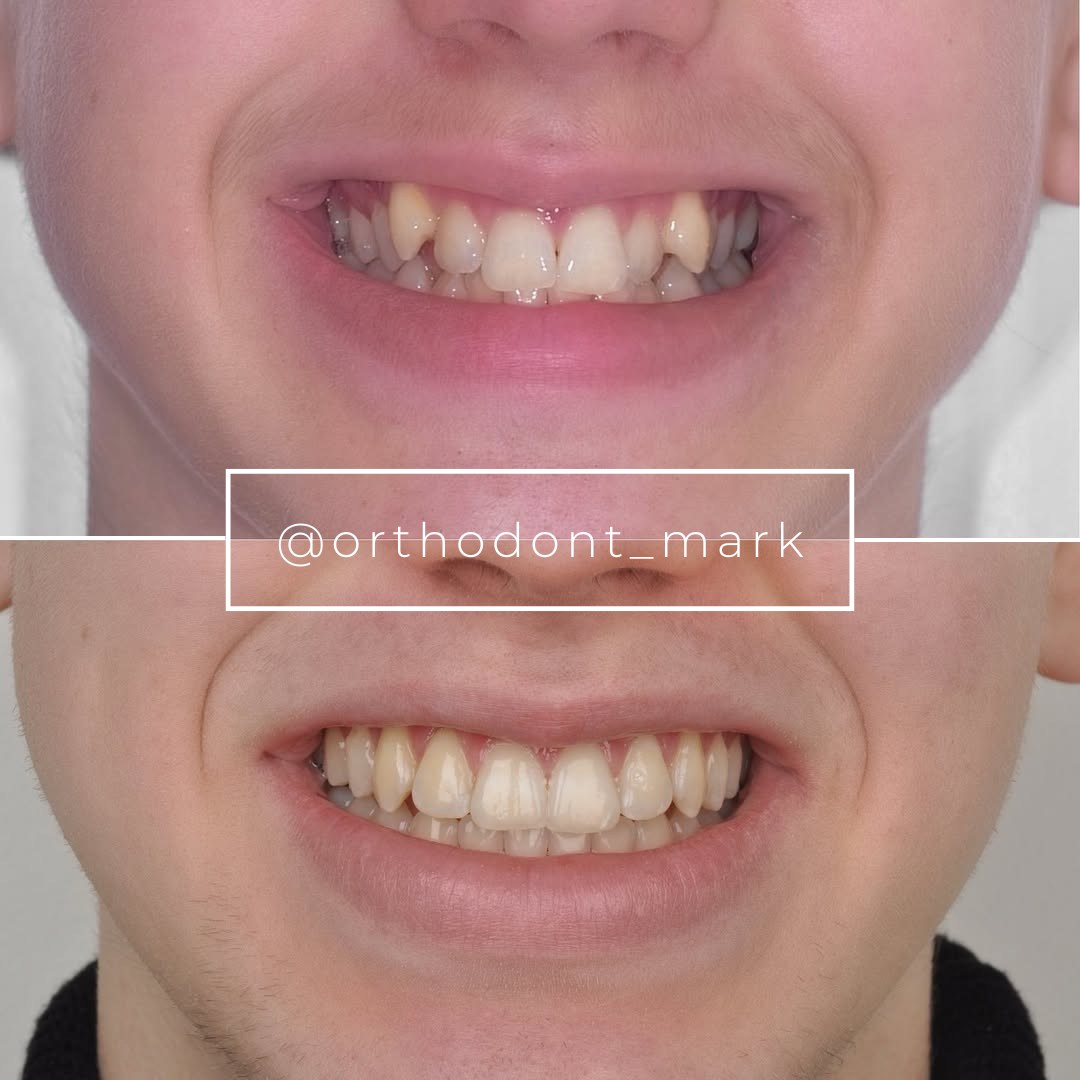
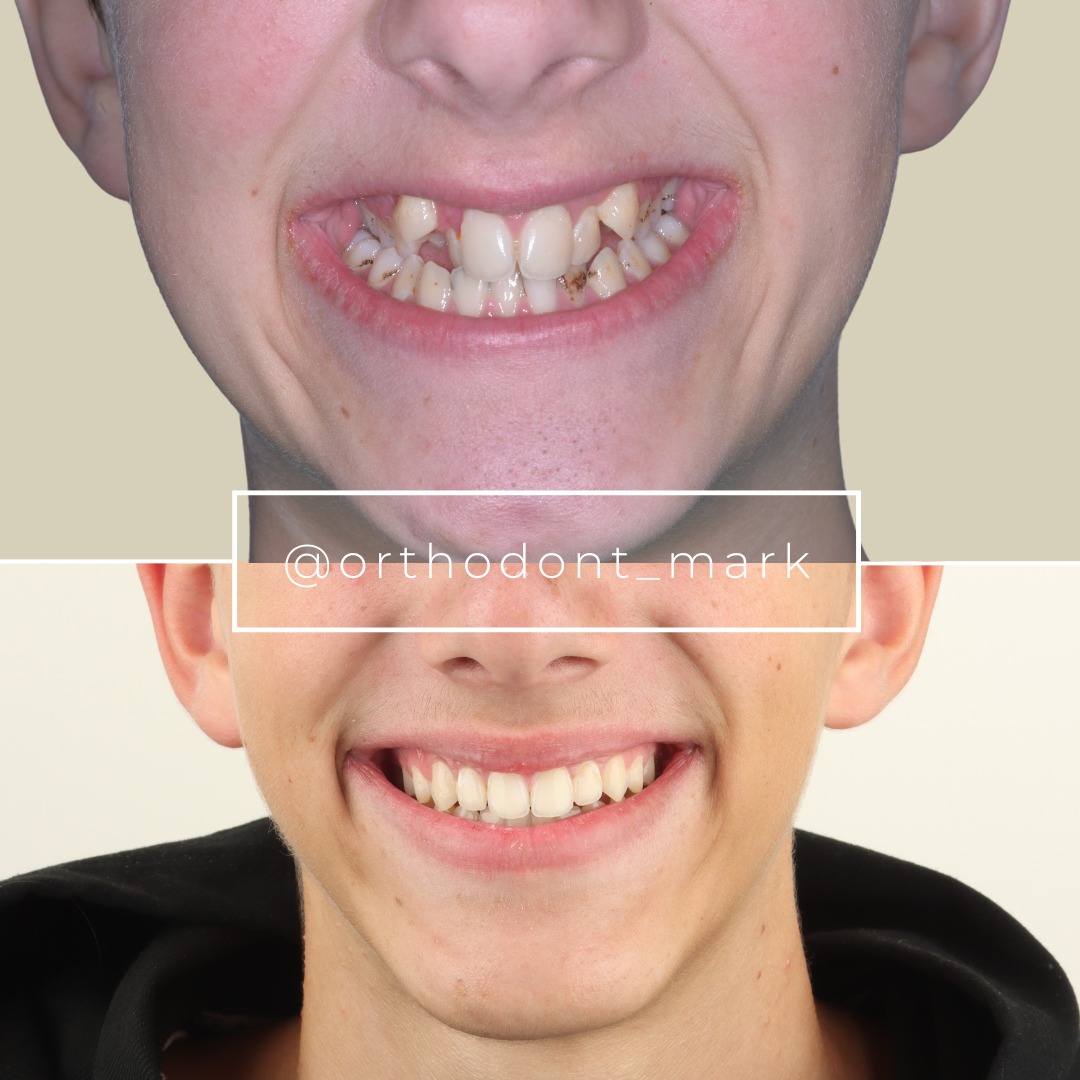
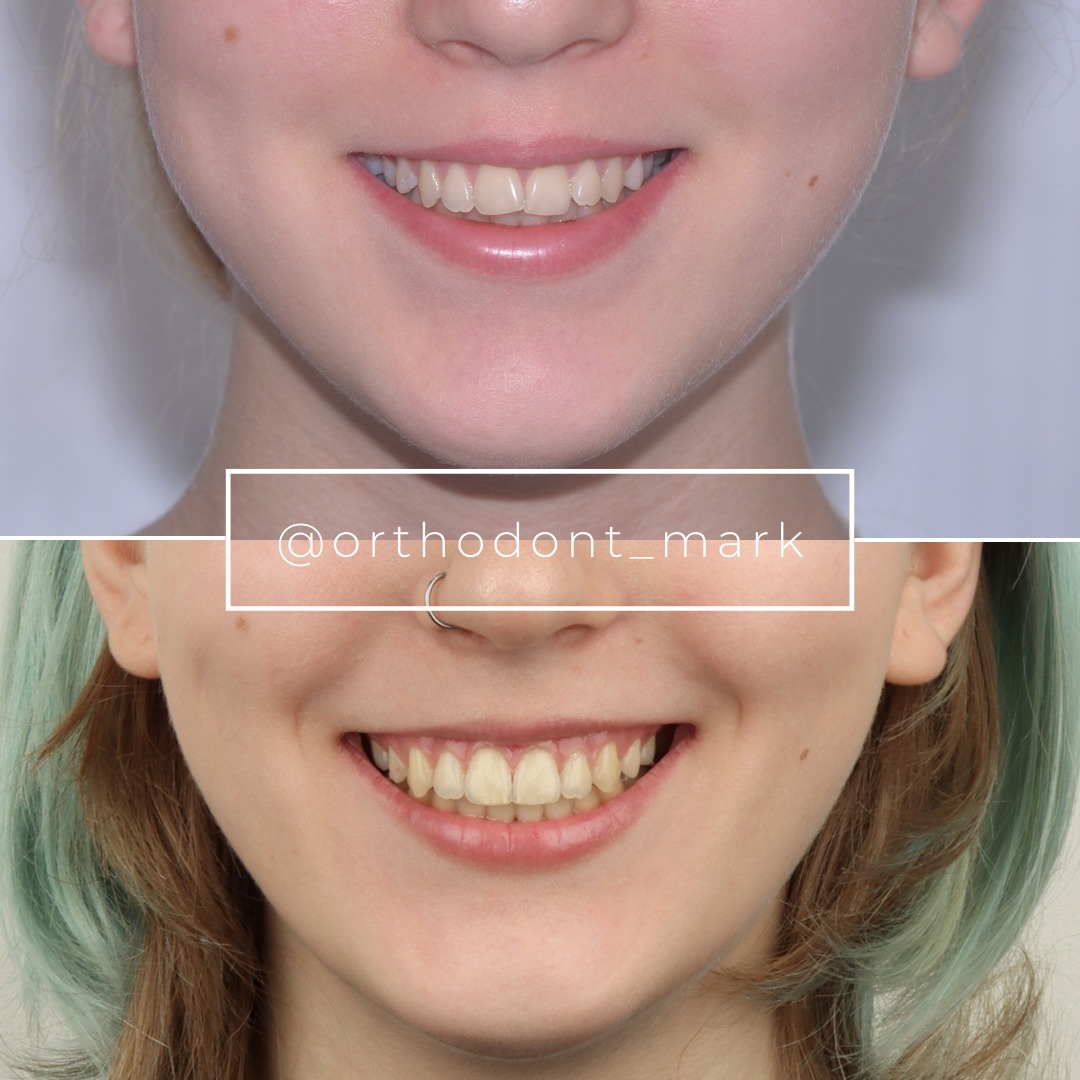
Learn the full MARPE protocol from Dr. Mark Radzhabov
Fundamental course covering CBCT patient selection, miniscrew planning, activation protocols, and 60+ clinical cases. Choose the access level that fits your practice.
Essentials of rapid palatal expansion for practicing orthodontists.
- Core RPE concepts and biomechanics
- 6 structured video lessons
- Clinical decision checklists
- Lifetime access to recordings
Deep-dive into MARPE protocol, diagnostics, and clinical execution.
- 6 modules covering MARPE from A to Z
- CBCT case selection walkthroughs
- Miniscrew placement and activation
- 60+ annotated clinical cases
- Direct Q&A with Dr. Mark Radzhabov
5-element medical consultation framework for dentists and orthodontists.
- Trust-building consultation protocol
- 5 lesson modules
- Templates for treatment plan delivery
- Works with any clinical specialty
Clinical FAQ
What is the optimal buccal bone thickness needed for safe MARPE expansion?
Buccal bone ≥4 mm at premolar and molar levels supports 8–10 mm expansion safely. Bone of 2–3 mm requires limitation to 5–7 mm. Below 2 mm, consider SARPE instead of MARPE.
How do I classify midpalatal suture maturity preoperatively?
Use CBCT staging: stage 0 (patent), stage 1 (slight mineralization), stage 2 (intermediate), stage 3 (advanced), stage 4 (complete fusion). Stages 0–2 favor MARPE. Stages 3–4 may require surgical assistance.
What activation rate prevents over-expansion in adult MARPE?
Standard protocol: 0.25 mm/day (4 turns of typical jackscrew) for 8–10 weeks active expansion. Pause-and-load schedules (4 weeks on, 2 weeks off) have been reported to reduce bone loss, though evidence remains anecdotal.
How should I respond if the incisor diastema plateaus mid-treatment?
Plateau signals premature suture fusion or impaction. Halt activation immediately. Perform CBCT to assess bone loss and suture separation uniformity. Proceed to 6-month consolidation without further expansion.
What is the safe threshold for buccal bone loss during MARPE?
Maximum acceptable dehiscence is 2 mm. If radiographic review shows loss exceeding 2 mm, discontinue expansion and consolidate. Losses above 3 mm may result in permanent periodontal compromise.
When is SARPE indicated instead of MARPE for skeletal expansion?
SARPE is appropriate for suture stage 3–4, buccal bone <2 mm, or patients who have exceeded their MARPE safe limit. Surgical split provides greater efficacy in severely mineralized sutures.
How long should the consolidation phase last after MARPE expansion?
Minimum 6 months with locked appliance to allow ossification of the opened suture. Extend to 12 months in high-risk patients (advanced suture mineralization, significant bone loss) to reduce relapse risk.
Can MSE (four-implant expansion) be used to overcome MARPE limitations?
MSE distributes forces across four miniscrews, reducing buccal bone loading per tooth and allowing 1–2 mm greater expansion than two-implant MARPE. However, anatomy remains the limiting factor. MSE is not a universal solution for over-constrained patients.
How do I detect early signs of excessive buccal bone resorption during activation?
Monitor biweekly for gingival recession, bleeding, increased tooth mobility, and plateau in diastema width. Periapical radiographs at 4-week intervals help detect loss of cortical lamina dura before clinical symptoms emerge.
What is the relationship between MARPE expansion limits and long-term periodontal health?
Respecting patient-specific anatomical limits (suture stage, buccal bone thickness) preserves the periodontium and reduces relapse. Over-expansion causes irreversible alveolar loss, compromises long-term anchor tooth health, and increases post-treatment morbidity.
Establishing a safe expansion upper limit for each patient is not a formulaic task—it requires pretreatment CBCT analysis, incremental activation, and clinical monitoring at 2-week intervals. Dr. Mark Radzhabov's systematic approach to MARPE over-expansion prevention combines radiographic planning with biomechanical restraint, reducing both bone dehiscence and patient morbidity. If you are currently managing adult patients or considering MSE protocols, consult Orthodontist Mark's comprehensive course materials or schedule a case review to refine your expansion thresholds and enhance clinical outcomes.

