
Partial bone-borne hybrid geometry:
The evidence for balanced anchorage
in miniscrew-assisted expansion
How combining bone and dental anchorage reduces root resorption, preserves bone integrity, and achieves predictable midpalatal suture separation across age groups.
TL;DR Partial bone-borne hybrid geometry in MARPE combines miniscrew anchorage with selective tooth support to achieve skeletal transverse expansion while minimizing dental trauma. This hybrid approach reduces root resorption, buccal bone dehiscence, and gingival recession compared to tooth-borne expanders, while maintaining predictable midpalatal suture separation in adult and adolescent patients. Success depends on proper appliance design, T-zone miniscrew placement, and age-appropriate patient selection.
Skeletal expansion in adolescents and adults presents a fundamental challenge: how to widen the maxilla without inflicting dental collateral damage. Tooth-borne expanders distribute forces through anchor teeth, risking root resorption, bone loss, and gingival recession. Miniscrew-assisted rapid palatal expansion (MARPE) with partial bone-borne hybrid geometry offers a middle path—leveraging both bone-borne and dental anchorage to distribute forces more physiologically. Dr. Mark Radzhabov and colleagues in clinical practice have documented how hybrid appliance geometry improves skeletal outcomes while reducing unwanted side effects. This article explores the evidence, design principles, and clinical protocol for partial bone-borne expansion systems.
What is partial bone-borne
hybrid geometry?
And why clinicians are adopting it
Conventional tooth-borne rapid palatal expanders (RPE) channel expansion force exclusively through maxillary molars and premolars, creating axial tipping, root resorption, alveolar bone loss, and marginal recession. Miniscrew-assisted rapid palatal expansion (MARPE) introduces bone-borne anchorage—typically two paramedian miniscrews placed in the anterior hard palate along the T-zone (an area of optimal cortical bone density). However, early pure bone-borne designs sometimes showed inadequate force distribution or unpredictable skeletal response, particularly in patients with mature midpalatal sutures.
Partial bone-borne hybrid geometry represents a refinement: the appliance uses miniscrew anchorage as the primary load-bearing component, while maintaining light or selective contact with one or two maxillary teeth (usually molars or premolars). This distributes expansion force across a broader skeletal and dental footprint, reducing stress concentration at any single anchor point. The result is more physiologic force transmission, higher rates of true midpalatal suture separation, and significantly reduced incidence of root resorption and bone dehiscence compared to tooth-borne systems alone.
The hybrid approach is particularly valuable in adult and late-adolescent patients, where midpalatal suture maturation creates resistance to conventional RPE but where pure miniscrew systems alone may be insufficient. By leveraging both bone-borne and dental anchorage strategically, clinicians achieve skeletal expansion while minimizing collateral dental trauma. This balance is why hybrid geometry has become the standard of care in contemporary MARPE practice.
How hybrid anchorage reduces
dental side effects
Comparative mechanics of bone-borne, dental, and hybrid systems
Force concentration is the enemy of tissue health. When all expansion force flows through two maxillary molars (as in conventional RPE), the risk of root resorption, furcation involvement, and buccal plate dehiscence rises significantly. Miniscrew anchorage distributes force directly into dense cortical bone, bypassing the periodontal ligament and tooth roots—a biomechanical advantage that pure bone-borne systems exploit.
Hybrid systems optimize this advantage by dividing load between miniscrew anchors and light dental contact. The miniscrews (typically 8–11 mm paramedian in the hard palate T-zone) absorb the majority of horizontal expansion force. The dental component—usually a single molar rest or a split palatal wire design—stabilizes the appliance vertically and anteroposteriorly without bearing significant expansion load. This stratified force distribution produces several clinical benefits: (1) suture separation occurs more reliably because force is applied directly to bone; (2) root resorption incidence drops because teeth are not primary anchors; (3) buccal bone thickness is preserved; (4) gingival margin stability improves. Studies comparing hybrid designs to pure tooth-borne systems report reductions in bone resorption by 40–60% and root resorption by similar margins.
The T-zone placement of miniscrews is critical. CBCT studies have identified the anterior hard palate between the incisors and canines, roughly 8–12 mm from the midline, as the optimal zone for miniscrew insertion—offering dense cortical bone, adequate inter-root space, and minimal risk to neurovascular structures. Proper miniscrew angulation (typically 40–60 degrees to the occlusal plane) and positioning perpendicular to the anticipated direction of expansion force ensure stable anchorage and predictable force vector alignment. Hybrid geometry further capitalizes on this stability by allowing selective dental contact to fine-tune force direction without penalty.
Implementing partial bone-borne
hybrid geometry
Evidence-based protocol for treatment planning and execution
Case selection is paramount. Hybrid geometry systems perform optimally in patients aged 12–40 with radiographic evidence of midpalatal suture maturation (CBCT staging) and transverse maxillary deficiency of 6–10 mm or greater. Patients with fused midpalatal sutures (Stage E on Baccetti scale) and skeletal age above 45 years are candidates for surgical assisted rapid palatal expansion (SARPE) rather than MARPE, as the suture has consolidated and miniscrew-assisted force alone is often insufficient.
Two clinical pathways exist for miniscrew placement: “TADs First” (bone-first) and “Appliance First.” In the bone-first approach, miniscrews are inserted into the T-zone under local anesthesia and imaging guidance (often using CAD/CAM surgical guides), and the hybrid appliance is fabricated and seated in a second appointment. In the appliance-first model, the appliance is seated first (either tooth-borne or hybrid), and miniscrews are inserted subsequently. Most contemporary practice favors bone-first sequencing with CAD/CAM guidance, as it allows precise miniscrew positioning, reduces insertion time, and enables single-appointment appliance delivery using digital manufacturing (selective laser melting). The hybrid design typically incorporates a palatal hyrax frame or hyrax-type expander body, miniscrew attachment arms, and light molar rests or clasps to stabilize without load-bearing.
Activation protocol should begin 7–10 days post-insertion (allowing osseointegration) with quarter-turn (0.25 mm) activations once daily or every other day, depending on patient comfort and clinician assessment of appliance seating. Target expansion rate is typically 0.5–1.0 mm per week, slower than conventional RPE to minimize discomfort and allow physiologic response. Serial periapical radiographs at 2–4 week intervals confirm progressive midpalatal suture separation. Once diastema (1–2 mm) is visible in the maxillary central incisors, the suture is reliably separating. Hybrid systems usually achieve orthopedic (skeletal) expansion of 8–10 mm over 3–6 months, followed by a 3–6 month consolidation phase with the appliance in static position before removal. Retention post-expansion varies but typically involves a transverse lingual arch or maxillary expansion retainer for 12–24 months to prevent relapse.
Hybrid geometry versus pure
bone-borne and tooth-borne
systems: what the literature shows
Three expansion modalities now exist for transverse maxillary deficiency: (1) conventional tooth-borne RPE; (2) pure miniscrew bone-borne MARPE; (3) partial bone-borne hybrid MARPE. A comparison framework reveals distinct trade-offs. Tooth-borne RPE remains the gold standard for mixed-dentition and pre-pubertal patients because midpalatal suture maturation has not yet limited flexibility, and dental anchorage is reliable. However, in adolescents and adults, root resorption and bone loss become significant concerns. Pure bone-borne MARPE offers maximum skeletal precision but sometimes produces less stable long-term results if miniscrews loosen or if force is not properly distributed. Hybrid geometry balances these variables: it achieves suture separation as reliably as pure bone-borne systems while offering improved long-term stability through selective dental support.
Clinically, the choice between pure bone-borne and hybrid depends on appliance rigidity, force application vector, and clinician confidence in miniscrew integration. Newer CAD/CAM-manufactured hybrid appliances (often using titanium or high-strength polymer frames) provide exceptional rigidity, which enhances predictability of force transmission and reduces settlement or micro-movement during activation. Comparative studies suggest that hybrid systems achieve faster and more reliable diastema formation (visible within 2–3 weeks of activation versus 3–4 weeks for some pure bone-borne designs) and maintain better long-term positional stability of the expanded maxilla.
Regarding skeletal versus dental effects: hybrid geometry produces approximately 70–80% skeletal expansion and 20–30% dental response (primarily tipping of teeth adjacent to the appliance), compared to tooth-borne RPE which typically shows 30–40% skeletal and 60–70% dental response. Importantly, the amount of skeletal expansion achieved in hybrid and bone-borne MARPE correlates more strongly with suture maturation status and patient age than with appliance type, underscoring the critical role of case selection and radiographic assessment of midpalatal suture closure.
Why patient age and sex matter
for hybrid expansion outcomes
Evidence for decision-making at key developmental windows
Midpalatal suture maturation is not uniform. It progresses through predictable stages (Baccetti stages A–E: pre-sutural fusion through complete fusion) but occurs earlier in females than males, and shows considerable individual variation unrelated to chronological age. Recent CBCT evidence indicates that by age 15 in females, approximately 61% have achieved stage D/E (closed or nearly closed) midpalatal sutures, whereas males of the same age show much lower closure rates. This difference directly impacts expansion success: females have a wider treatment window (approximately ages 10–20 for reliable conventional RPE. Ages 15–35 for MARPE), while males show declining MARPE success above age 20–25.
Sex-dependent outcomes in MARPE are striking. A 2022 clinical study of 215 MARPE patients reported 94.2% suture separation success in females versus 61.1% in males. In males, advancing age significantly predicted suture non-separation (p < 0.001), whereas age had minimal effect in females (p = 0.221). This suggests that biological factors specific to male skeletal maturation—possibly related to greater suture interdigitation or thicker cortical bone investment—confer resistance to miniscrew-assisted force. Clinically, this means that hybrid geometry may be particularly valuable in older males and young adults approaching skeletal maturity, as the partial dental anchorage component may provide additional force contribution when pure miniscrew loading alone encounters resistance.
The cut-off age for choosing between MARPE and surgical assistance is approximately 15 years in females and 12–14 years in males, based on midpalatal suture closure studies. Below these thresholds, conventional RPE or hybrid MARPE succeeds reliably. Above them, pure bone-borne MARPE or surgical assistance becomes necessary. For hybrid systems specifically, a patient age window of 12–35 represents optimal efficacy, with declining success above age 35–40 in both sexes. Individual radiographic assessment of suture maturation (via CBCT) should always guide case selection, overriding age-based rules of thumb.
Clinical errors in hybrid
geometry implementation
and strategies to prevent treatment failure
Miniscrew placement outside the T-zone is the single most common error. Placement too far posterior (near the hard palate mid-vault) or too far buccal reduces cortical bone density and increases settlement and/or failure rates. Lateral placement (beyond 12 mm from midline) risks damage to the greater palatine neurovascular bundle. Anterior placement (within 8 mm of the incisive foramen) can result in palatal nerve irritation or perforation. T-zone placement (8–12 mm from midline, between incisors and canines) provides optimal cortical bone and safety margins. CAD/CAM surgical guides virtually eliminate this error. Without them, intraoperative CBCT or anatomical landmarks (nasal spine, palatal vault anatomy) are essential guides.
Over-reliance on dental anchorage in hybrid designs can paradoxically defeat the purpose of miniscrew assistance. If the molar rests or dental clasps are designed to bear significant load (rather than purely stabilize), the appliance regresses toward tooth-borne biomechanics and reintroduces root resorption risk. Dental components in hybrid systems should be passive or near-passive, engaging the anchor teeth for retention and three-dimensional stability without transmitting horizontal expansion force. This requires careful appliance design and patient education to prevent inadvertent over-tightening of dental clasps.
Inadequate osseointegration time before activation is another pitfall. Miniscrews require 7–10 days for initial bone-implant contact and stabilization. Activation before this window increases micro-movement, loosening, and failure. Some clinicians activate immediately. This is inadvisable, particularly in older patients or patients with lower bone density.
Failure to confirm suture separation radiographically can lead to unnecessary over-expansion or, conversely, premature appliance removal. Serial periapical radiographs (every 2–4 weeks) are not optional—they provide objective evidence of midpalatal suture separation, midline diastema formation, and anterior-posterior expansion vector. Without radiographic confirmation, clinicians risk under-treatment or over-correction. Orthodontist Mark emphasizes that radiographic monitoring is the foundation of evidence-based expansion practice.
Age-inappropriate case selection remains common. Many clinicians attempt MARPE in patients over age 40 without CBCT evidence of suture maturation status, or in patients with completely fused midpalatal sutures. In these populations, SARPE is more predictable. Hybrid geometry does not overcome severe suture fusion. It refines the non-surgical approach in borderline cases (e.g., a 35-year-old with stage C/D suture closure and adequate bone density).
Free Clinical Guide
Which Expansion Appliance at Which Age?
Get Dr. Mark Radzhabov's guide to skeletal-expansion appliances — indications, pros & cons, and how to choose by patient age. Free to your inbox.
Prefer video? Watch the free demo lesson on MARPE appliance types, features and trade-offs.
Documented outcomes
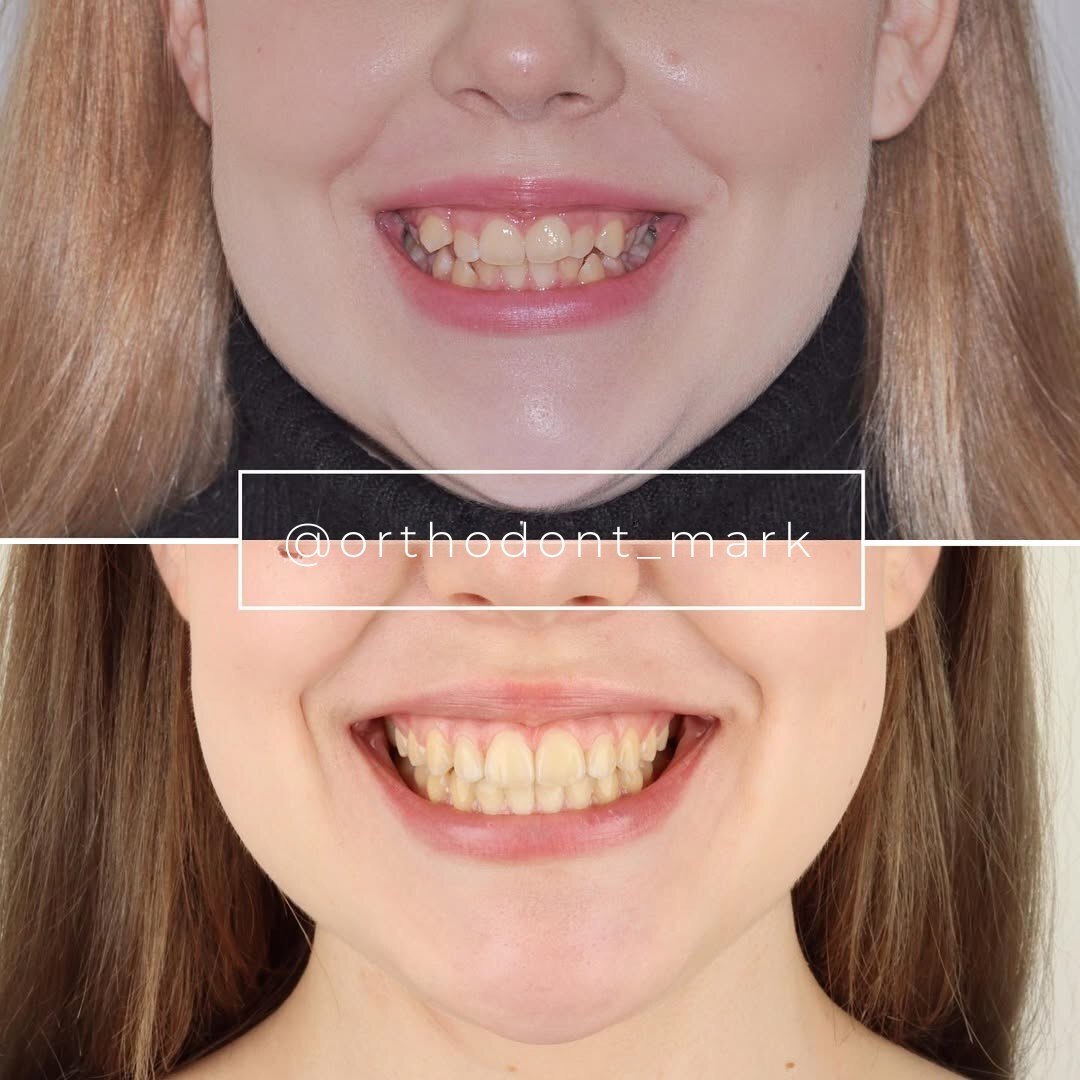
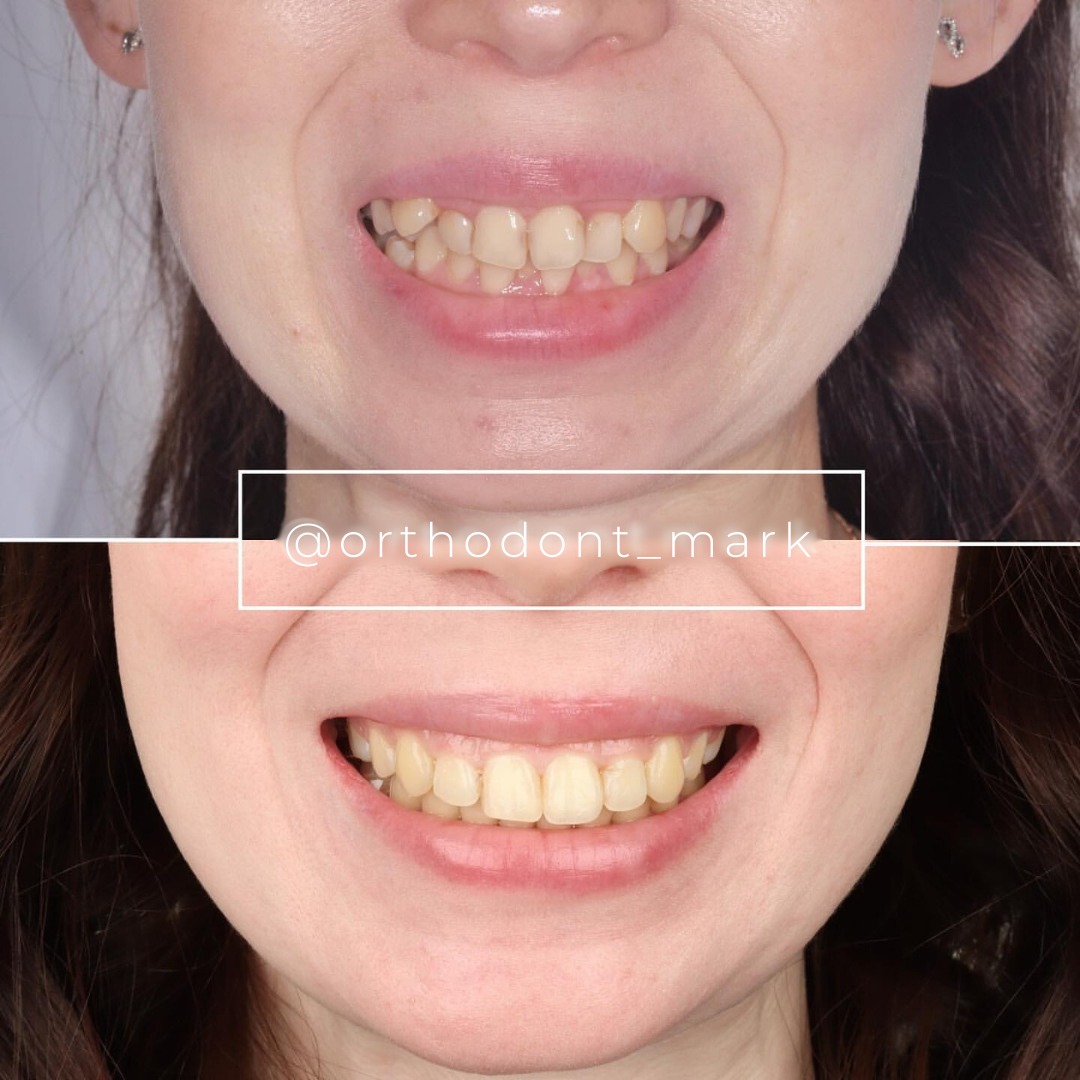
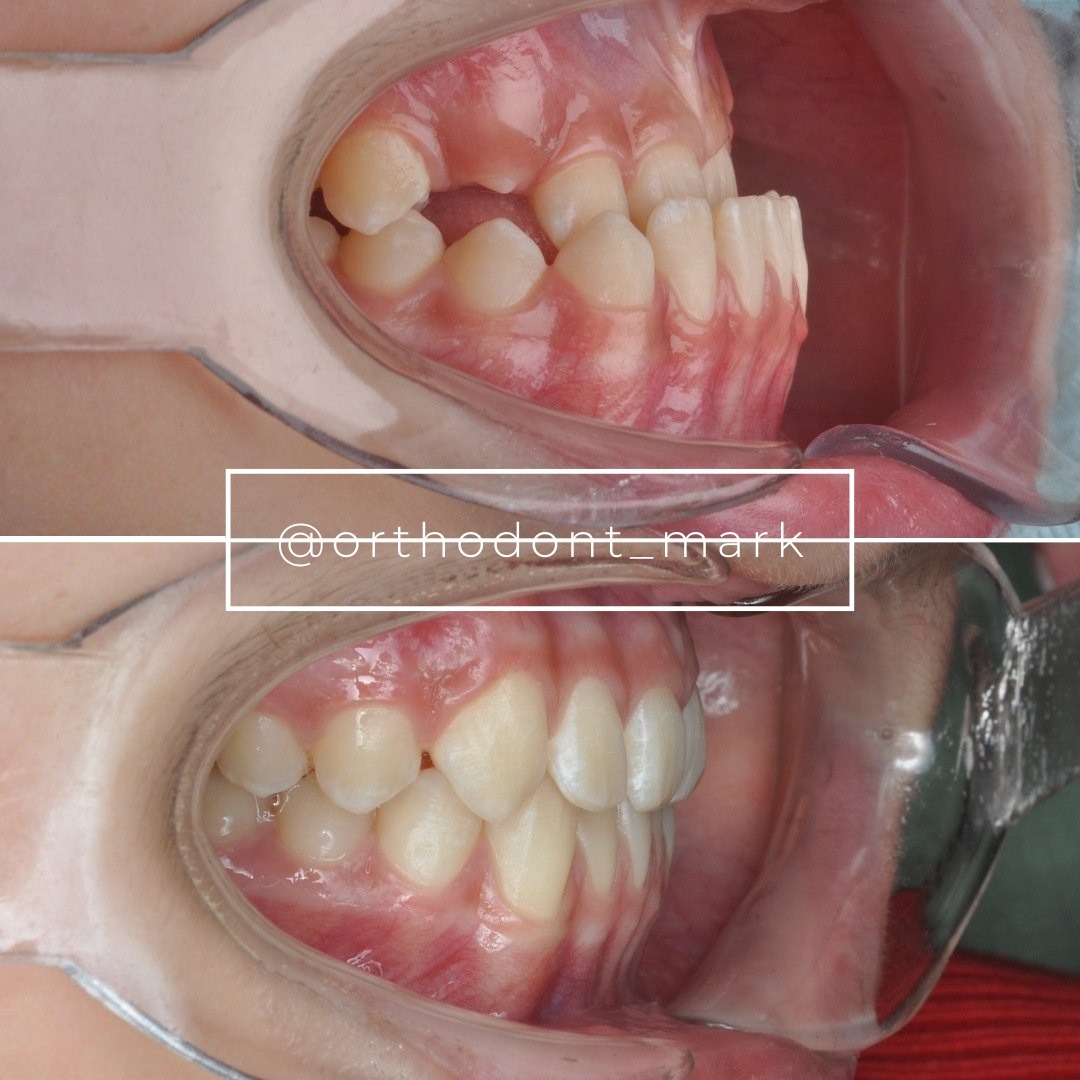
Clinical cases from Dr. Mark Radzhabov's practice
Learn the full MARPE protocol from Dr. Mark Radzhabov
Fundamental course covering CBCT patient selection, miniscrew planning, activation protocols, and 60+ clinical cases. Choose the access level that fits your practice.
Essentials of rapid palatal expansion for practicing orthodontists.
- Core RPE concepts and biomechanics
- 6 structured video lessons
- Clinical decision checklists
- Lifetime access to recordings
Deep-dive into MARPE protocol, diagnostics, and clinical execution.
- 6 modules covering MARPE from A to Z
- CBCT case selection walkthroughs
- Miniscrew placement and activation
- 60+ annotated clinical cases
- Direct Q&A with Dr. Mark Radzhabov
5-element medical consultation framework for dentists and orthodontists.
- Trust-building consultation protocol
- 5 lesson modules
- Templates for treatment plan delivery
- Works with any clinical specialty
Clinical FAQ
What is the optimal age window for partial bone-borne hybrid geometry MARPE in non-growing patients?
Ages 12–35 years represent optimal efficacy for hybrid systems. Below age 12, conventional RPE is preferred. Above age 35–40, success declines significantly. Individual CBCT assessment of midpalatal suture maturation (Baccetti stages) should guide final case selection.
How does hybrid geometry differ biomechanically from pure miniscrew-assisted expansion?
Hybrid systems use miniscrews as primary load-bearing anchors (70–80% skeletal response) while maintaining passive molar or dental contact for vertical and anteroposterior stability. Pure bone-borne systems rely exclusively on miniscrew force. Hybrid designs provide enhanced appliance rigidity and long-term stability.
What are the clinical advantages of T-zone miniscrew placement compared to other palatal sites?
The T-zone (anterior hard palate, 8–12 mm from midline) offers optimal cortical bone density, safety from neurovascular structures, and predictable osseointegration. Placement outside this zone increases failure rates and complication risk.
Why do females show higher MARPE success rates (94%) compared to males (61%)?
Females achieve earlier midpalatal suture maturation and show less age-related suture resistance than males. Biological sex differences in skeletal development and suture interdigitation patterns explain this disparity. Individual CBCT assessment is essential for accurate case selection in both sexes.
How long should clinicians wait after miniscrew insertion before beginning expansion activation?
Wait 7–10 days post-insertion to allow osseointegration and bone-implant contact. Activation before this window increases micro-movement and loosening risk. Patient comfort and appliance stability should be confirmed before beginning quarter-turn activation protocol.
What is the recommended expansion rate and activation schedule for hybrid MARPE systems?
Target 0.5–1.0 mm per week (slower than conventional RPE) with quarter-turn (0.25 mm) activations once daily or every other day. Slower rates reduce patient discomfort and allow physiologic midpalatal suture response. Adjust based on clinical signs and radiographic confirmation.
How should dental components (molar rests, clasps) function in a hybrid appliance to prevent root resorption?
Dental components must remain passive or near-passive, providing only vertical and anteroposterior stabilization without bearing horizontal expansion load. Over-tightened clasps reintroduce root resorption risk and defeat the miniscrew-assisted advantage. Educate patients on appropriate activation torque.
What radiographic evidence confirms successful midpalatal suture separation in MARPE treatment?
Serial periapical radiographs at 2–4 week intervals show progressive suture separation ratio and maxillary central incisor diastema formation (1–2 mm indicates reliable suture separation). CBCT or occlusal radiographs can also visualize direct suture space widening at the midline.
Should hybrid MARPE be attempted in patients with completely fused midpalatal sutures (Stage E)?
No. Completely fused sutures (Stage E on Baccetti scale) indicate surgical assistance is required. Hybrid geometry does not overcome severe fusion. SARPE with midpalatal osteotomy is the appropriate modality in mature patients with fused sutures.
What is the role of CAD/CAM surgical guides in hybrid MARPE miniscrew placement and appliance delivery?
CAD/CAM guides enable precise T-zone miniscrew positioning and often allow single-appointment miniscrew insertion and appliance seating. They reduce placement variability, lower failure rates, and facilitate digital manufacturing of rigid hybrid appliances using selective laser melting.
Partial bone-borne hybrid geometry represents a refinement in palatal expansion strategy, balancing efficacy against tissue safety. The hybrid approach—combining miniscrew stability with limited dental anchorage—has demonstrated superior outcomes in preventing root resorption and bone resorption compared to conventional tooth-borne expanders. Success requires careful case selection (particularly in patients under 40), precise T-zone miniscrew placement, and staged force application. If you are treating transverse skeletal deficiency in growing or young adult patients, review your current expansion protocol against this evidence-based framework. Dr. Mark Radzhabov offers case consultation and clinical mentoring through Orthodontist Mark. Contact the practice to discuss complex expansion cases or enroll in the advanced MARPE protocol course.