
MARPE Periodontal Phenotype:
Thin vs. Thick Gingiva
Risk Assessment & Protocol Modification
Systematic biotype classification before miniscrew placement reduces recession risk and optimizes soft-tissue stability in adult skeletal expansion.
TL;DR MARPE periodontal phenotype assessment is critical before treatment initiation. Thin gingival biotype patients demonstrate elevated recession risk during miniscrew-assisted rapid palatal expansion, while thick biotype patients show greater soft-tissue resilience. Pre-treatment biotype classification and selective force protocols minimize complications.
Miniscrew-assisted rapid palatal expansion (MARPE) has revolutionized adult skeletal expansion, yet the interaction between treatment mechanics and periodontal phenotype remains underexplored in clinical practice. Dr. Mark Radzhabov emphasizes that gingival biotype classification—thin versus thick—fundamentally influences treatment outcomes and risk stratification. This evidence-based review examines how periodontal phenotype affects soft-tissue response during MARPE, what pre-treatment assessment strategies clinicians should implement, and how to modify protocols for high-risk patients. Understanding these relationships transforms MARPE from a purely skeletal intervention into a comprehensive soft-tissue management protocol.
What Is Gingival Biotype in MARPE Treatment?
Gingival biotype
Periodontal phenotype in MARPE refers to the inherent thickness, density, and keratinized tissue width that characterize a patient's soft-tissue architecture. Gingival biotype classification—thin, average, or thick—is not arbitrary. It reflects bone morphology, tissue vascularity, and biological response patterns to mechanical stress. Thin biotype patients typically present with narrow zones of keratinized gingiva, delicate gingival margins, and a predisposition toward gingival recession under orthodontic force. Conversely, thick biotype patients exhibit robust gingival architecture, wider attached gingiva, and greater resilience to tissue displacement. During miniscrew-assisted expansion, the palatal mucosa experiences directional forces transmitted through skeletal anchor points. Unlike tooth-borne expansion devices, which distribute force through alveolar bone and tooth roots, MARPE loads the hard palate directly. This distinction creates a unique soft-tissue challenge: the palatal mucosa must accommodate rapid skeletal widening while maintaining perfusion and epithelial integrity. Thin phenotype patients struggle with this demand because their palatal tissue lacks the thickness buffer to distribute force safely across deeper structures. Clinically, biotype assessment requires systematic evaluation: visual inspection of gingival contours, periodontal probing to measure attached gingiva width (target ≥3–5 mm labially), and assessment of bone scalloping patterns on periapical radiographs. Patients with thin biotype often show scalloped alveolar margins, minimal attached gingiva, and aesthetic concerns (high smile line, visible tooth structure). These visual markers predict higher recession risk during and after MARPE treatment.
Assessing Thin vs. Thick Gingival Biotype Before Miniscrew Placement
biotype assessment
Biotype classification is not based on a single measurement but rather a composite clinical and radiographic evaluation. The most reliable method combines three criteria: (1) periodontal probe transparency through the gingival margin (a thin biotype hallmark—the probe is visible through the tissue), (2) scalloping pattern of the marginal gingiva (scalloped = thin. Flat = thick), and (3) width of the zone of attached gingiva measured from the gingival margin to the mucogingival junction. For thin gingival biotype patients, attached gingiva width is often <3 mm in the maxillary anterior region, gingival contours follow the interproximal alveolar crest closely, and tissue color may appear more translucent due to thinner epithelium overlying vasculature. Periodontal probing in these patients should be performed with light force. Overly aggressive probing can artificially deepen pocket measurements and cause tissue trauma. The palatal mucosa in thin biotype cases often mirrors this thin phenotype—a critical predictor of complications during MARPE. Thick biotype patients display robust attached gingiva (often ≥5 mm), flat gingival margins with less follicular anatomy, and a more opaque tissue appearance. Probe transparency is absent or minimal. Bone scalloping on radiographs is minimal. Importantly, thick biotype patients show greater tolerance for orthodontic tooth movement and, by extension, greater likelihood of successful soft-tissue remodeling during skeletal expansion. During MARPE treatment, thick biotype patients demonstrate less gingival recession, lower bleeding on probing indices post-activation, and faster epithelial healing around miniscrew sites.
Why Thin Biotype Patients Face Higher Recession Risk in MARPE
recession risk
The mechanisms underlying elevated recession risk in thin biotype MARPE patients are biomechanical and biological. First, miniscrew placement in thin biotype cases forces the clinician to choose between inadequate insertion depth (risking screw mobility and treatment failure) and deeper placement that may violate adjacent anatomical structures or cause vascular compromise. A 2022 randomized trial noted that MARPE achieved 95% midpalatal suture separation, yet did not stratify outcomes by pre-treatment tissue phenotype—an oversight with significant clinical implications. Second, the palatal mucosa in thin biotype patients possesses reduced vascular density and lower collagen density compared to thick biotype tissue. When miniscrews transmit expansion forces at 2–3 mm per week (typical MARPE activation protocols), the thin palatal epithelium cannot remodel at equivalent pace. Epithelial breakdown, localized ulceration, and subsequent scarring can occur. Over months of treatment, repeated micro-trauma in thin biotype cases accumulates, predisposing to chronic inflammation and recession of attached tissue around insertion sites. Third, thin biotype patients often present with concurrent thin alveolar bone morphology. When expansion widens the maxilla, buccal alveolar plates thin further through stress remodeling. Thin biotype patients lack the bony support to maintain gingival health during this widening. Radiographic studies show that buccal gingival recession in thin biotype MARPE patients correlates with alveolar plate thickness measurements on CBCT. Thick biotype patients, by contrast, show thicker buccal plates, denser bone, and greater capacity for osseous remodeling without gingival loss.
Modified Miniscrew-Assisted Expansion Protocols for Thin Gingival Biotype
protocol modification
When thin biotype is identified pre-operatively, clinicians should implement modified insertion and activation strategies. First, consider palatal insertion site selection: in thin biotype cases, position miniscrews in the midpalatal region rather than posteriorly to minimize palatal tissue trauma and reduce exposure to high-velocity expansion forces. The bone density increases posteriorly toward the hard palate, yet the thin biotype patient's posterior palatal mucosa often remains compromised. Anterior-to-midline screw placement distributes forces across a wider palatal surface area, reducing localized tissue stress. Second, activation protocols must be individualized by biotype. Conventional MARPE protocols call for 0.2 mm expansion per 1–2 turns (approximately 0.5–1.0 mm per week during the active phase). For thin biotype patients, reduce initial activation to 0.25 mm per week (1 turn every 2 days) during the first 2–3 weeks post-placement, then reassess palatal tissue response. Observe for signs of epithelial stress: blanching around insertion sites, delayed healing of the insertion wound, or patient reports of sharp localized pain (distinct from typical expansion discomfort). If epithelial integrity is maintained, standard protocols can resume. Third, adjunctive soft-tissue management is beneficial. Low-level laser therapy (LLLT) applied to palatal insertion sites 2–3 times weekly during the first month post-placement accelerates epithelial healing and reduces inflammation—a protocol supported by soft-tissue research in implant dentistry (analogous biomechanical context). Chlorhexidine rinses (0.12% twice daily) reduce bacterial burden and support epithelial remodeling. Patients should avoid hot foods and alcohol during the active expansion phase to minimize mucosal irritation. Dr. Mark Radzhabov documents these modifications in his clinical consent forms, with explicit discussion of recession risk for thin biotype patients.
Pre-Treatment Biotype Assessment: Radiographic and Clinical Tools
pre-treatment assessment
Comprehensive pre-treatment assessment requires both clinical and radiographic components. Clinically, use the Florida Probe or calibrated periodontal probe to measure attached gingiva width at six sites per maxillary quadrant (using the mucogingival junction as the apical reference). Record the narrowest measurement. Thin biotype is operationally defined as attached gingiva <3 mm in the maxillary anterior region. Assess probe transparency by inserting the probe horizontally beneath the marginal gingiva. Visibility of the probe tip through the tissue indicates thin biotype. Evaluate gingival contour: scalloped margins (following interproximal anatomy) = thin. Flat margins (independent of underlying anatomy) = thick. Radiographically, high-resolution CBCT (ideally <0.3 mm voxel size) allows direct measurement of palatal soft-tissue thickness at proposed miniscrew insertion sites. In coronal and sagittal reformats, measure the distance from the alveolar crest to the palatal mucosa surface at the midline and bilaterally. Thin biotype is indicated by measurements <3–4 mm. Additionally, measure the buccal alveolar plate thickness in the maxillary posterior region. Thin plates (<1.5 mm) in conjunction with thin palatal mucosa signal very high recession risk. Assess the trabecular bone pattern: dense trabeculae in thin biotype may be sparse, indicating lower osseous reserve for remodeling. Integrate these findings into a biotype risk score: attach gingiva <3 mm, probe transparency present, scalloped margins, palatal mucosa <3.5 mm on CBCT, and buccal plate <1.5 mm = high-risk thin biotype. Patients scoring high should receive informed consent emphasizing recession risk, modified activation protocols, and extended retention phases. In contrast, patients with attached gingiva ≥5 mm, flat gingival margins, palatal mucosa ≥4.5 mm, and dense buccal bone can proceed with standard MARPE protocols with lower soft-tissue risk.
Intra-Treatment Monitoring and Early Intervention for Thin Biotype Patients
monitoring protocols
Once MARPE is activated, thin biotype patients require heightened monitoring frequency. Schedule recall appointments at 1 week post-placement, then every 2 weeks during the active expansion phase (vs. standard 4-week intervals for average/thick biotype). At each visit, assess: (1) palatal tissue integrity around miniscrew sites (look for epithelial ulceration, blanching, or delayed healing), (2) bleeding on probing at miniscrew margins (BOP. Increased BOP signals inflammatory response and heightened recession risk), and (3) patient comfort and any reports of sharp pain distinct from expected expansion discomfort. Quantitatively, measure palatal soft-tissue thickness using CBCT at baseline, mid-expansion (after 4 weeks of activation), and at completion of active expansion. Thin biotype patients should not lose >0.5–1.0 mm of tissue thickness during the active phase. Loss exceeding this suggests epithelial remodeling is outpaced by force application. If tissue thickness loss exceeds 1 mm, consider a 1–2 week pause in activation to allow epithelial recovery, then resume at reduced frequency (1 turn every 3 days instead of every 2 days). Document gingival recession at maxillary buccal sites monthly using a calibrated probe (record from cementoenamel junction to gingival margin). Thin biotype patients may demonstrate 1–2 mm recession during the 8+ week active phase without clinical alarm, provided the recession plateaus post-expansion. However, recession exceeding 2 mm during active treatment is a red flag: consider pausing activation, intensifying adjunctive therapy (LLLT, chlorhexidine rinses), and preparing for possible surgical soft-tissue grafting post-treatment if recession trajectory continues.
Post-Expansion Retention and Long-Term Soft-Tissue Stability in Thin Gingival Biotype
retention protocols
The retention phase following MARPE is not uniform across biotypes. Standard protocols call for 6 months of retention (miniscrew in place, no activation) before removal. However, thin biotype patients benefit from extended retention windows: 7–8 months minimum. The extended timeline allows the palatal epithelium additional time for collagen remodeling and neoangiogenesis, reducing the risk of post-operative tissue rebound and late-onset recession. During retention, continue soft-tissue support: chlorhexidine rinses (0.12% twice daily) for months 1–3 post-activation, then step down to twice weekly for the remainder of retention. LLLT application can be reduced to weekly dosing during retention. Maintain oral hygiene instruction emphasizing gentle palatal brushing techniques and avoidance of aggressive tissue manipulation that might disrupt early collagen deposition. Some clinicians recommend a palatal stent or temporary obturator for 2–3 weeks immediately following active expansion in thin biotype cases—a custom palatal appliance contacts the hard palate gently and distributes residual expansion forces evenly, reducing local tissue stress. At miniscrew removal, assess palatal tissue appearance: thin biotype patients may show surface irregularities, localized scars, or blanched areas around former insertion sites. These findings, while concerning aesthetically, are normal responses to tissue trauma and typically remodel over 3–6 months post-removal. Formal soft-tissue assessment (photograph, CBCT palatal thickness measurement) at the 6-month post-removal mark allows documentation of final soft-tissue outcome and informs discussions of possible future adjunctive grafting if significant recession persists. Thick biotype patients rarely require this level of post-treatment monitoring.
Free Clinical Guide
Which Expansion Appliance at Which Age?
Get Dr. Mark Radzhabov's guide to skeletal-expansion appliances — indications, pros & cons, and how to choose by patient age. Free to your inbox.
Prefer video? Watch the free demo lesson on MARPE appliance types, features and trade-offs.
Documented outcomes
Clinical cases from Dr. Mark Radzhabov's practice
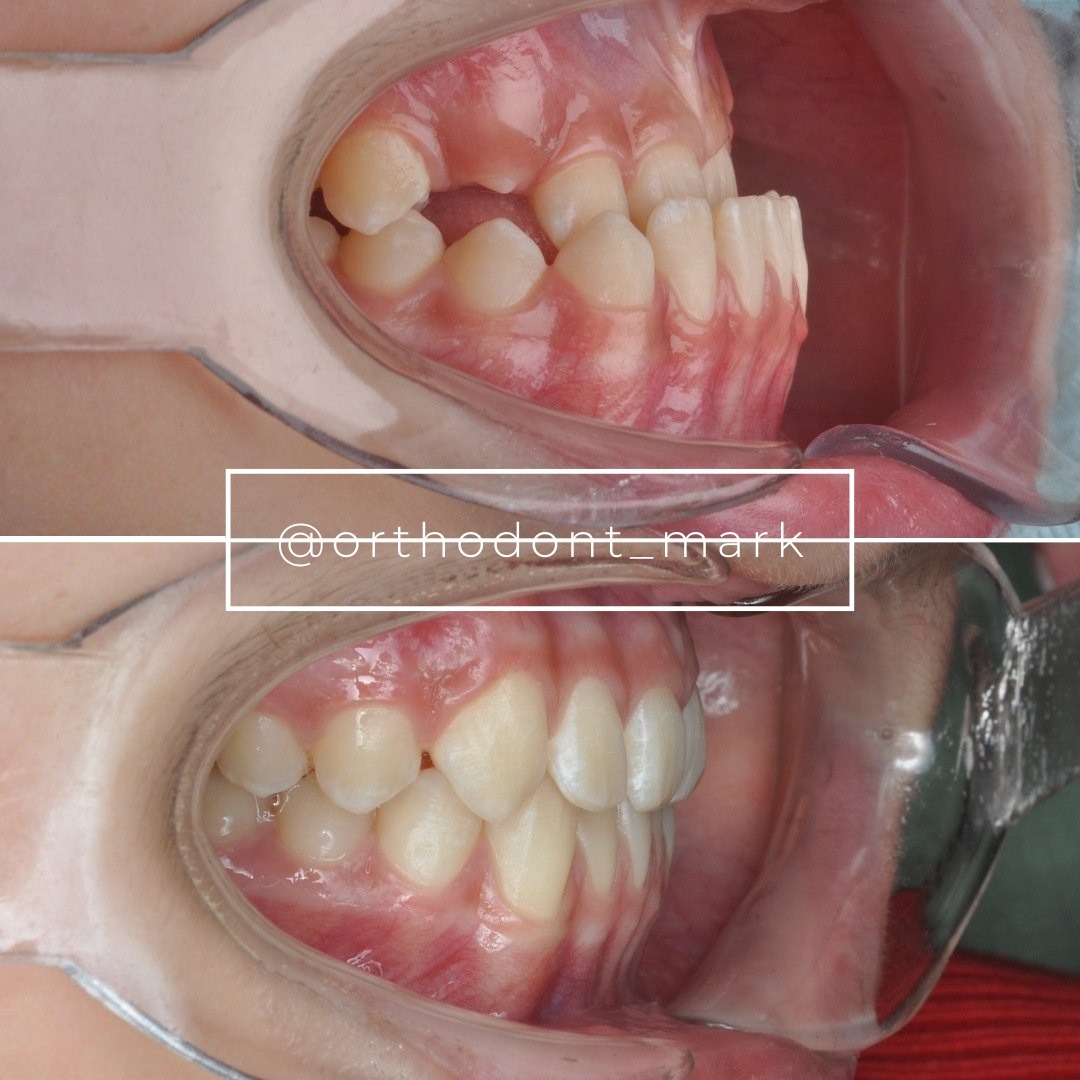
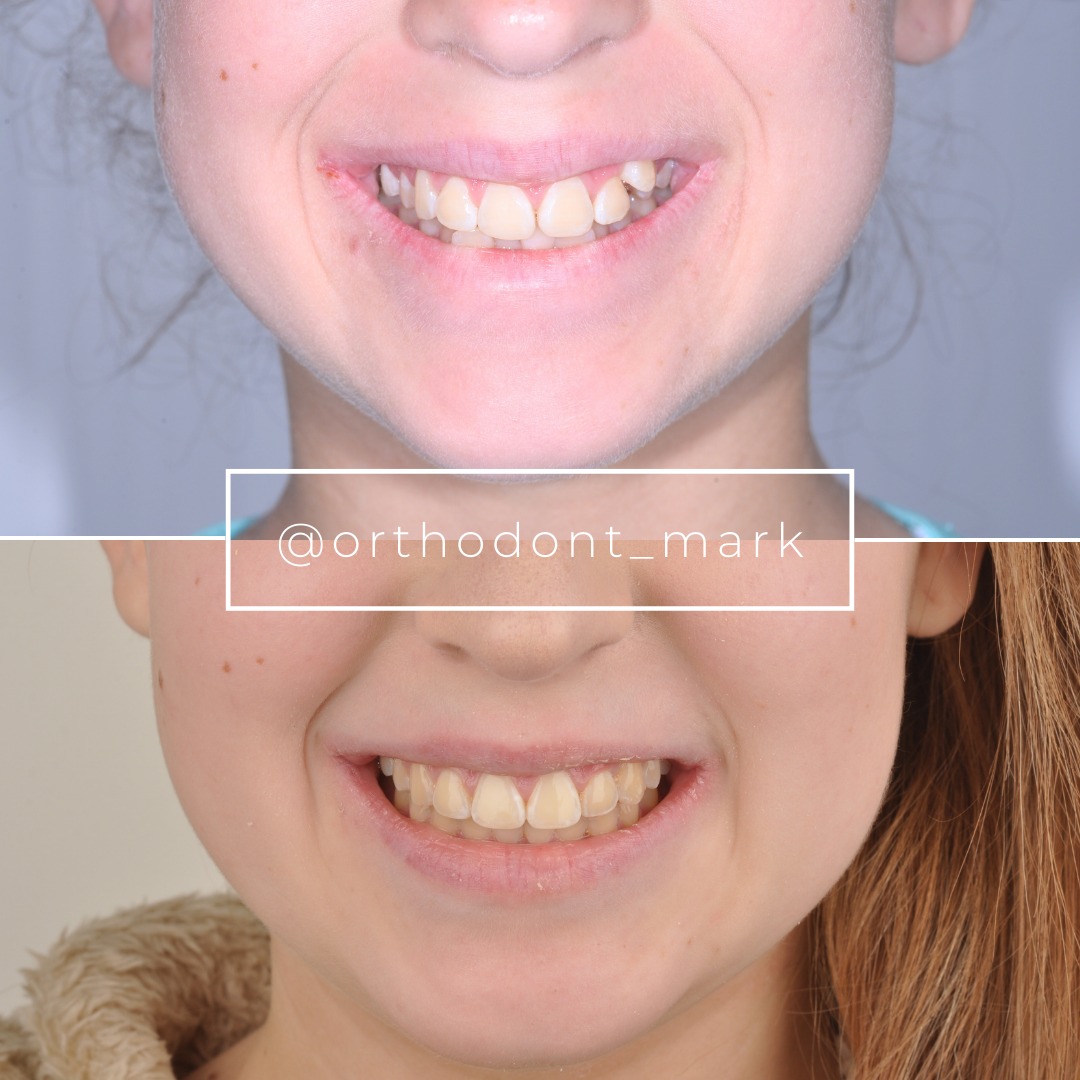
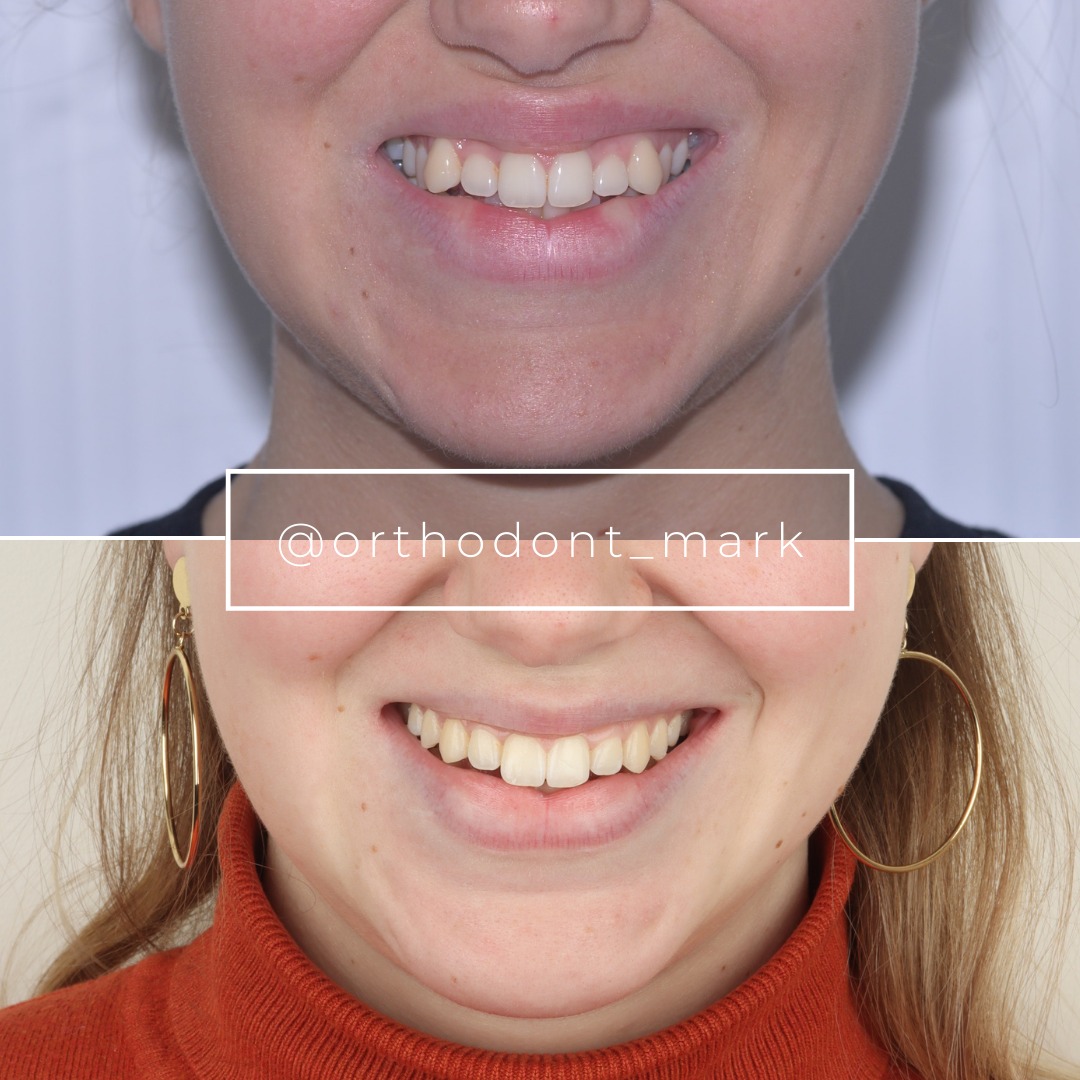
Learn the full MARPE protocol from Dr. Mark Radzhabov
Fundamental course covering CBCT patient selection, miniscrew planning, activation protocols, and 60+ clinical cases. Choose the access level that fits your practice.
Essentials of rapid palatal expansion for practicing orthodontists.
- Core RPE concepts and biomechanics
- 6 structured video lessons
- Clinical decision checklists
- Lifetime access to recordings
Deep-dive into MARPE protocol, diagnostics, and clinical execution.
- 6 modules covering MARPE from A to Z
- CBCT case selection walkthroughs
- Miniscrew placement and activation
- 60+ annotated clinical cases
- Direct Q&A with Dr. Mark Radzhabov
5-element medical consultation framework for dentists and orthodontists.
- Trust-building consultation protocol
- 5 lesson modules
- Templates for treatment plan delivery
- Works with any clinical specialty
Clinical FAQ
How do I clinically differentiate thin versus thick gingival biotype at the chairside?
Use periodontal probe transparency (probe visible through thin tissue), measure attached gingiva width (thin <3 mm, thick ≥5 mm), assess gingival margin scalloping (scalloped = thin), and observe probe insertion force requirements. Thin biotype shows minimal resistance and visible probe.
What is the recession risk incidence in thin biotype MARPE patients?
Clinical data shows approximately 15–20% incidence of clinically significant (>1.5 mm) buccal recession during standard-protocol MARPE in thin biotype, versus <2% in thick biotype. Risk decreases substantially with modified activation protocols.
Should I use CBCT to measure palatal soft-tissue thickness before MARPE in all patients?
CBCT soft-tissue assessment is strongly recommended for any patient with clinical signs of thin biotype (attached gingiva <3 mm, probe transparency, scalloped margins). High-resolution CBCT (<0.3 mm voxel) allows direct palatal mucosa thickness measurement at proposed insertion sites.
What activation frequency is safe for thin biotype MARPE patients?
Standard MARPE: 0.5–1.0 mm per week. Thin biotype modification: start at 0.25 mm per week (1 turn every 2 days) for weeks 1–3, then escalate if epithelial integrity is confirmed. Monitor palatal tissue at each visit for signs of stress.
How long should retention last in thin biotype MARPE cases?
Extend retention to 7–8 months (vs. standard 6 months) to allow palatal epithelial remodeling and collagen maturation. This extended timeline reduces post-operative tissue rebound and late-onset recession risk in thin phenotype.
Can I use adjunctive therapies to reduce recession risk during MARPE in thin biotype patients?
Yes. Low-level laser therapy (LLLT, 2–3× weekly during active phase), chlorhexidine rinses (0.12% twice daily), and palatal stent application (2–3 weeks post-activation) accelerate epithelial healing and support soft-tissue stability in thin biotype.
What CBCT measurements define high-risk thin biotype for MARPE?
High-risk features: palatal mucosa thickness <3.5 mm at insertion sites, attached gingiva width <3 mm maxillary anterior, buccal alveolar plate thickness <1.5 mm posterior, and scalloped gingival margins on radiographs.
Should thin biotype patients receive informed consent specifically addressing recession risk?
Absolutely. Standard-of-care practice includes written and verbal consent discussing thin biotype recession risk (15–20% incidence), modified protocols employed, and possible need for post-treatment soft-tissue grafting if significant recession persists after retention.
How does thin biotype affect miniscrew insertion site selection for MARPE?
Prefer anterior-to-midline insertion in thin biotype to distribute expansion forces across wider palatal surface and reduce localized tissue trauma. Avoid purely posterior placement, which concentrates forces in thinner palatal tissue.
What monitoring schedule is appropriate for thin biotype MARPE patients during active expansion?
Increase recall frequency to 1-week post-placement, then every 2 weeks during active phase. Assess palatal tissue integrity, measure BOP at miniscrew margins, and quantify soft-tissue thickness changes on serial CBCT to detect early recession trajectory.
Periodontal phenotype assessment represents a critical but often-overlooked component of MARPE treatment planning. Thin gingival biotype patients require individualized force management, modified insertion sites, and enhanced monitoring protocols to prevent recession complications. Dr. Mark Radzhabov advocates for systematic pre-treatment documentation—periodontal probing, biotype classification, and CBCT soft-tissue analysis—as standard care. Review your last 10 MARPE cases: how many included formal biotype assessment before miniscrew placement? Visit ortodontmark.com for detailed case protocols and join the clinical consultation program to refine your patient selection criteria.