
MARPE in Periodontally
Compromised Adults
A Risk Matrix for Safe Skeletal Expansion
Structured framework for bone assessment, activation protocols, and miniscrew placement in adult patients with reduced periodontal support. Practical risk stratification for every case.
TL;DR MARPE in periodontally compromised adults demands rigorous pre-treatment bone assessment, reduced activation protocols, and careful miniscrew placement away from dehiscent sites. A 2022 prospective trial showed midpalatal suture separation in 95% of MARPE cases, but skeletal gains depend heavily on baseline periodontal support. Clinical observation suggests two-week activation intervals with radiographic monitoring reduce complications in reduced-bone-support patients.
Treating maxillary transverse deficiency in adults with existing periodontal disease presents a unique clinical challenge that many orthodontists approach with caution—or avoid altogether. MARPE in periodontally compromised adults requires a fundamentally different treatment calculus than cases with healthy periodontium. This article presents Dr. Mark Radzhabov's evidence-based risk matrix: a structured framework for patient selection, radiographic assessment, activation protocols, and miniscrew placement in adults with compromised bone support. Drawing on prospective clinical trials and biomechanical principles, the goal is to establish when skeletal expansion is feasible, when periodontal consultation is mandatory, and when alternative mechanics should be considered.
What Is MARPE in Patients With
Periodontal Compromise
and Why It Demands Unique Protocols
MARPE in periodontally compromised adults represents a departure from standard skeletal expansion practice. Unlike young patients with robust alveolar bone and intact gingival margins, adults presenting with existing bone loss, gingival recession, or probing depths ≥4 mm face cumulative risk during any orthopedic movement. The miniscrew-assisted mechanism itself is sound—a prospective randomized trial demonstrated midpalatal suture separation in 95% of MARPE cases with identical 35-turn expansion protocols. However, the periodontal substrate into which those miniscrews are placed differs fundamentally in compromised patients.
Conventional rapid palatal expansion (RPE) and MARPE both generate buccal tooth displacement and alveolar bone bending as secondary effects of midpalatal suture opening. In patients with existing buccal dehiscence or thin biotype, this dental tipping becomes a liability rather than a tolerable side effect. Clinical observation from practicing periodontists suggests that 8–12 weeks of aggressive expansion in a patient with baseline bone loss can accelerate gingival recession by 0.5–1.5 mm, particularly at the buccal aspects of anchor teeth. The risk matrix must therefore account for both skeletal opportunity (likelihood of successful suture opening) and periodontal cost (cumulative gingival and bone loss).
A key distinction exists between absolute contraindication and modified protocol. Patients with aggressive periodontitis, uncontrolled diabetes, or active inflammation are poor candidates for any expansion. Conversely, patients in periodontal maintenance with stable attachment levels and controlled probing depths—despite prior bone loss—may be candidates for MARPE with reduced activation and enhanced monitoring. The decision rests on a structured pre-treatment assessment that integrates radiographic anatomy, clinical periodontal status, and patient compliance capacity.
Pre-Treatment Assessment: The Four-Pillar
Risk Evaluation
for Periodontal Patients
Any MARPE case in a periodontally compromised patient must begin with a systematic four-pillar assessment: (1) CBCT bone-level anatomy, (2) clinical periodontal documentation, (3) existing dental skeletal pattern, and (4) miniscrew placement feasibility. Each pillar informs whether expansion should proceed, be modified, or be deferred to periodontal resolution.
Pillar 1: CBCT Bone Morphology and Dehiscence Risk. Cone-beam computed tomography imaging allows visualization of buccal bone thickness at the anchor tooth roots (typically first premolars and molars). In healthy patients, buccal bone thickness ranges 1.5–2.5 mm at the apical third and widens toward the cervical. Periodontally compromised patients often exhibit buccal bone thickness <1 mm and dehiscent anatomy from chronic inflammation. CBCT evaluation must map the entire palatal vault to identify safe miniscrew zones (typically anterior palate, medial to the greater palatine artery) and document existing cortical and cancellous bone density. Low bone density, combined with existing buccal dehiscence at anchor teeth, increases risk for accelerated recession during expansion.
Pillar 2: Clinical Periodontal Status and Attachment Loss. Pre-treatment periodontal charting is mandatory: measure probing depths (6-site charting), bleeding on probing (BOP), and plaque-induced inflammation at each site. Patients with probing depths >5 mm at multiple sites, despite recent deep scaling, are poor candidates. Conversely, patients with stable 4–5 mm pockets in periodontal maintenance, BOP <20%, and no progressive attachment loss over 12 months may proceed with modified protocols. Assess gingival phenotype: thin biotype patients (≤1 mm gingival thickness) tolerate expansion poorly and often experience recession even with conservative loading.
Pillar 3: Dental and Skeletal Pattern. Maxillary dentoalveolar height, incisor inclination, and vertical dimension influence how much buccal bone displacement occurs during expansion. Patients with high mandibular plane angles, anterior open bite, or already proclined incisors are at higher risk for acceleration of these unfavorable vectors during expansion. Conversely, patients with horizontal growth patterns and controlled incisor position tolerate expansion mechanics more favorably. Existing anterior-posterior skeletal relationships must also be considered: Class II patients may benefit from expansion more than Class III, where expansion may worsen transverse-sagittal discrepancy.
Pillar 4: Miniscrew Placement Anatomy. In compromised patients, miniscrew insertion location becomes critical. The palate itself typically offers robust bone for temporary implant support, but proximity to nasopalatine neurovascular structures and root apexes of anterior teeth must be mapped on CBCT. Placement too far laterally or into thin alveolar areas risks miniscrew failure or inflammatory response. Experienced clinicians identify a safety window in the hard palate, midline to medial, allowing a 1.4–1.6 mm diameter miniscrew with cortical purchase.
Constructing Your Clinical Risk Matrix: From
Bone Support Evaluation
to Activation Protocol Selection
A practical risk matrix for MARPE in periodontally compromised adults integrates baseline bone loss, biotype, current inflammation, and compliance into three tiers: Tier 1 (Low Risk), Tier 2 (Moderate Risk), and Tier 3 (High Risk / Relative Contraindication).
Tier 1 (Low Risk): Proceed With Standard MARPE Protocol. Patients with <2 mm cumulative alveolar bone loss (confirmed on CBCT), probing depths ≤4 mm, no current BOP, thick gingival biotype, and >12 months stable periodontal maintenance. Activation follows conventional schedule: 0.2 mm/day (4 turns/day for typical screw pitch) until midpalatal suture separation is evident, typically 8–12 weeks. Miniscrew placement in hard palate using standard surgical protocol. Clinical and radiographic monitoring every 4 weeks.
Tier 2 (Moderate Risk): Modified MARPE Protocol Required. Patients with 2–4 mm cumulative bone loss, probing depths 4–5 mm at isolated sites, history of BOP with recent control (<6 months on maintenance), thin to average biotype, and demonstrated compliance with plaque control. Activation reduced to 0.1 mm/day (2 turns/day) to decrease loading force on compromised alveolar support. Expansion period extended to 12–16 weeks. CBCT imaging at baseline, mid-expansion (6 weeks), and post-expansion to document bone loss rate. Coordinate with referring periodontist every 6–8 weeks. Miniscrew placement in hard palate, with placement site selected away from areas of pre-existing buccal dehiscence at anchor teeth.
Tier 3 (High Risk / Contraindication): Defer or Reconsider. Patients with >4 mm cumulative bone loss, probing depths ≥6 mm at multiple sites, active inflammation despite treatment, thin biotype with existing buccal recession, uncontrolled diabetes, smoking status, or poor compliance history. In these cases, recommend completion of intensive periodontal therapy, attainment of stable maintenance status for 6–12 months, and reassessment before MARPE consideration. If expansion is clinically essential, consider staged approach: initiate periodontal therapy first, achieve stability, then plan for MARPE as a lower-risk Tier 2 case. Document informed consent thoroughly, including the possibility of accelerated recession or miniscrew failure.
Activation Schedules and Radiographic
Monitoring for Reduced Bone Support
Patients
The activation schedule is the primary lever for controlling periodontal risk in MARPE patients with compromised alveolar bone. Standard MARPE protocols employ continuous daily activation (0.2 mm/day) until suture opening is evident. In periodontally compromised patients, a modified approach reduces loading stress on remaining bone support and allows time for adaptive bone remodeling.
Tier 1 Modified Schedule (Low-Risk Patients): Activate 4 turns/day (0.2 mm/day estimated) for 5 days per week, pause for 2 days. This creates micro-consolidation periods that allow bone stress relief and cellular adaptation. Expected expansion period: 10–14 weeks. Clinical review every 4 weeks. CBCT at baseline and post-expansion.
Tier 2 Modified Schedule (Moderate-Risk Patients): Activate 2 turns/day (0.1 mm/day estimated) continuously, or 2 turns/day for 5 days with 2-day pause. This substantially reduces daily force and slows expansion, extending the active phase to 14–20 weeks. The reduced force profile minimizes buccal tooth displacement and alveolar bone bending, a key advantage in thin-biotype or dehiscent-risk patients. Periodic radiographic intervals become essential: CBCT at baseline, 8–10 weeks mid-expansion, and immediately post-expansion. Compare sequential CBCT images to measure cumulative buccal bone loss at anchor tooth sites. If bone loss exceeds 1 mm at any 8-week interval, pause expansion and reassess periodontal status with your referring colleague.
Clinical Monitoring Protocol. Beyond activation rate, two additional safeguards apply. First, soft-tissue assessment: Document gingival recession (mm) at buccal aspects of all teeth, especially anchor teeth, at baseline, 8 weeks, and end of expansion. Any gingival recession >1.5 mm during active expansion warrants reduction in activation rate or pause. Second, radiographic bone tracking: Superimpose sequential CBCT images to measure buccal cortical thickness at apical third of first premolar and molar roots. If thickness decreases >0.5 mm between 8-week intervals, initiate a 2–4 week pause to allow bone consolidation. This approach is more labor-intensive than routine MARPE but is clinically defensible in compromised cases and demonstrates due diligence to both patient and referring periodontist.
Consolidation and Retention. After active expansion concludes (midpalatal suture opening confirmed clinically and/or radiographically), maintain the appliance passively for 6 months minimum. In Tier 2 patients, extend consolidation to 6–9 months. This consolidation phase allows bone mineralization and attachment remodeling, particularly important in patients with pre-existing alveolar resorption. After appliance removal, transition to fixed or removable retention. Many clinicians favor circumscribed retention wire bonded to anchor teeth to prevent relapse.
Miniscrew Insertion: Anatomy, Site Selection,
and Surgical Technique
in Periodontal Compromise
Successful MARPE depends on miniscrew stability and osseointegration. In periodontally compromised patients, the surgical approach and site selection become even more critical because baseline bone quality and quantity are already reduced. The palate itself typically offers excellent bone substrate, but trajectory, depth, and proximity to vital structures require meticulous planning.
Anatomical Considerations. The hard palate consists of dense cortical bone overlying cancellous bone. Miniscrew placement in this region (distinct from alveolar crest placement) minimizes periodontal impact because the palate is non-tooth-bearing bone. However, several anatomical hazards exist: (1) Nasopalatine neurovascular bundle, typically located anterior to the first molars; (2) Greater palatine artery and nerve, exiting the greater palatine foramen (typically at the junction of hard and soft palate); (3) Root apexes of anterior teeth and canines, which may extend into palatal bone; (4) Maxillary sinus floor in posterior regions. CBCT evaluation must map these structures before miniscrew placement.
Recommended Placement Zone for Compromised Patients. The optimal site is the anterior hard palate, between the canine apexes and the first molar mesiodistal centers, lateral to midline by 3–5 mm. This location typically avoids all neurovascular structures and root proximity while providing excellent cortical engagement. Insertion angulation is typically 40–50° from vertical (occlusal plane), driving the miniscrew superiorly and posteriorly into dense palatal bone. Depth of insertion: 6–8 mm (1.4–1.6 mm diameter miniscrews) achieves 3–4 mm bicortical purchase, sufficient for expansion loads.
Surgical Technique and Infection Control. Local anesthesia (palatal approach) is preferred to achieve hemostasis and reduce patient anxiety. Topical vasoconstrictor (epinephrine-containing local anesthetic) is standard. Sterile surgical technique with a pilot hole reduces insertion trauma and improves positional accuracy. In periodontally compromised patients, emphasis on gentle tissue handling and minimal trauma is paramount because inflammatory response is often exaggerated. Post-insertion, apply topical antibiotic ointment and provide explicit care instructions: gentle daily saline rinse, avoid traumatic flossing, report any pain or mobility. Monitor at 1-week follow-up for swelling or drainage.
Miniscrew Retention and Failure Management. Miniscrew failure (loss of stability or exfoliation) occurs in 5–15% of cases, with higher rates in compromised bone. Weekly or biweekly clinical checks in the first month, and monthly thereafter during active expansion, confirm screw stability (use a pegged driver to detect any mobility). If a miniscrew fails mid-expansion, removal and replacement is feasible: place a second miniscrew in an adjacent safe zone and continue expansion. Document the failure (infection, mobility, poor primary stability, or mechanical breakage) to inform future case selection. In Tier 2 patients, consider bilateral miniscrew placement from the outset to provide redundancy.
Coordinating Care: Periodontal Partnership
and Informed Consent
Strategies in Compromised Cases
Successful MARPE in periodontally compromised adults is rarely a solo orthodontic effort. Multidisciplinary coordination with the patient's periodontist—or engagement of a periodontist if none is already involved—is not optional but mandatory. This coordination establishes shared treatment goals, clarifies risk acceptance, and allows for evidence-based decision-making when complications arise.
Pre-Treatment Periodontist Consultation. Before miniscrew placement, obtain a letter or detailed report from the referring periodontist documenting baseline attachment level, probing depths, bone loss patterns, and plaque control capacity. Ask explicitly: (1) Is active periodontitis present, or is the patient in stable maintenance? (2) What is the predicted trajectory of bone loss if expansion causes moderate additional trauma? (3) Are there specific zones (e.g., buccal aspect of tooth #6) where recession risk is highest? (4) What 6-month periodontal re-evaluation protocol does the periodontist recommend during MARPE treatment? A periodontal report integrated into your clinical file and shared with the patient demonstrates due diligence and protects both professions from liability.
Informed Consent and Risk Documentation. In Tier 2 cases, specific informed consent discussion is critical. Patients must understand: (1) Expansion may accelerate existing gingival recession by 0.5–1.5 mm in thin-biotype patients. (2) There is a small risk of miniscrew failure (5–10%), requiring replacement. (3) If significant bone loss occurs during expansion, the appliance may need to be removed early. (4) Long-term periodontal prognosis of teeth bearing expansion loads depends on patient compliance with plaque control and periodontal maintenance appointments. Document this discussion in the patient chart, ideally with a signed acknowledgment. This conversation is not meant to deter patients but to establish realistic expectations and shared responsibility for monitoring.
Intra-Treatment Coordination. Schedule a periodontist check-in at the midpoint of active expansion (typically 6–10 weeks) if the case is Tier 2 or higher. Share your CBCT images showing bone thickness at anchor teeth and discuss any changes in soft-tissue appearance since baseline. If the periodontist identifies unexpected recession or bone loss, modify activation rate or consolidate early. At appliance removal, referral back to the periodontist for post-expansion periodontal assessment ensures comprehensive documentation of any changes attributable to MARPE. Some clinicians arrange a joint clinician-patient review meeting at the end of expansion to celebrate success and reinforce home care."
Orthodontist Mark's Practice Integration. Leading practitioners in complex cases establish standing protocols: (1) Pre-MARPE periodontal assessment form completed by referring office. (2) CBCT images imported into case records with annotated bone-loss measurements. (3) Mid-expansion radiographic check and decision checkpoint. (4) Post-expansion periodontal re-evaluation before debonding. (5) Long-term follow-up images at 6 and 12 months post-treatment to confirm bone stability. This integrated approach transforms MARPE in compromised patients from an isolated procedure into a coordinated, evidence-documented clinical pathway.
Free Clinical Guide
Which Expansion Appliance at Which Age?
Get Dr. Mark Radzhabov's guide to skeletal-expansion appliances — indications, pros & cons, and how to choose by patient age. Free to your inbox.
Prefer video? Watch the free demo lesson on MARPE appliance types, features and trade-offs.
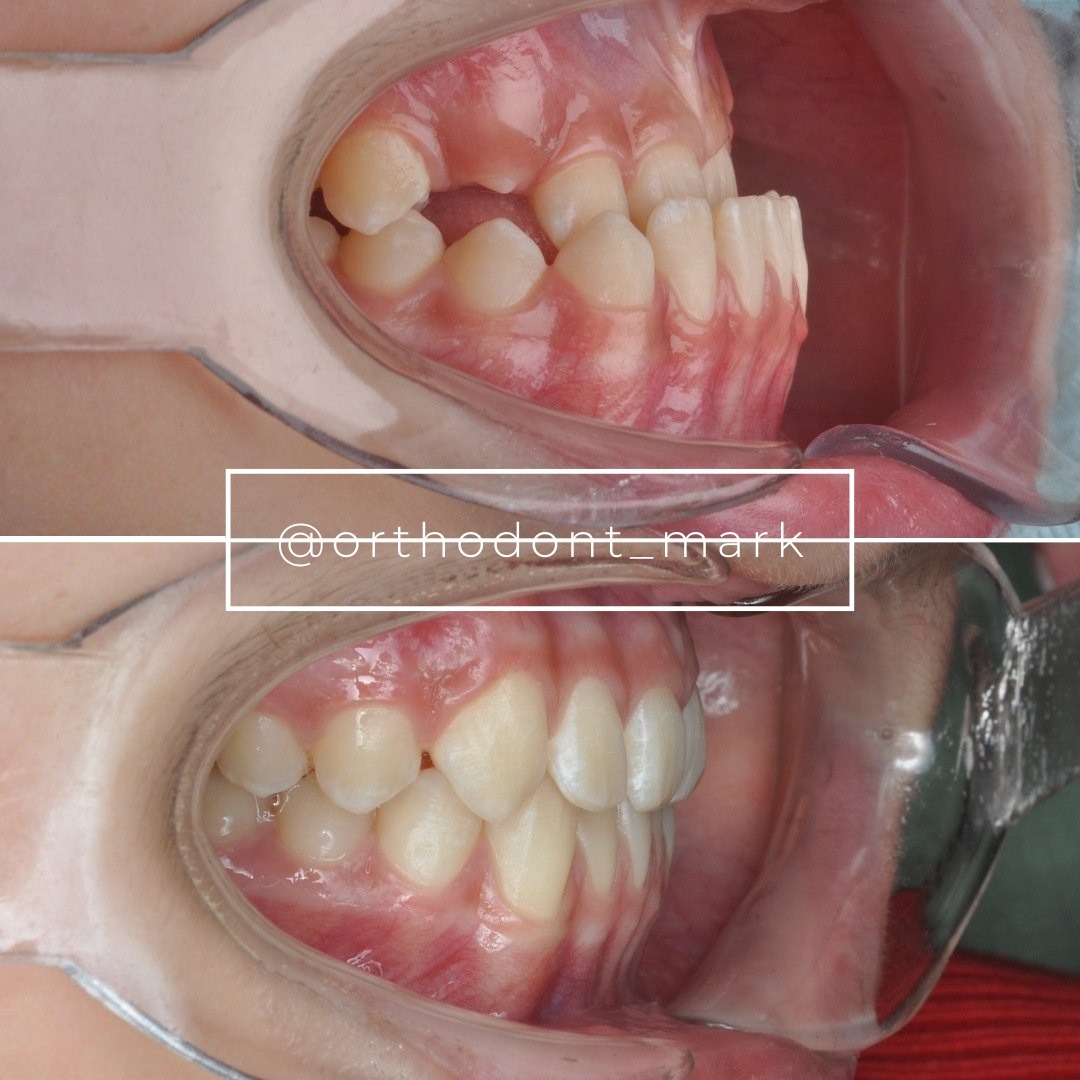
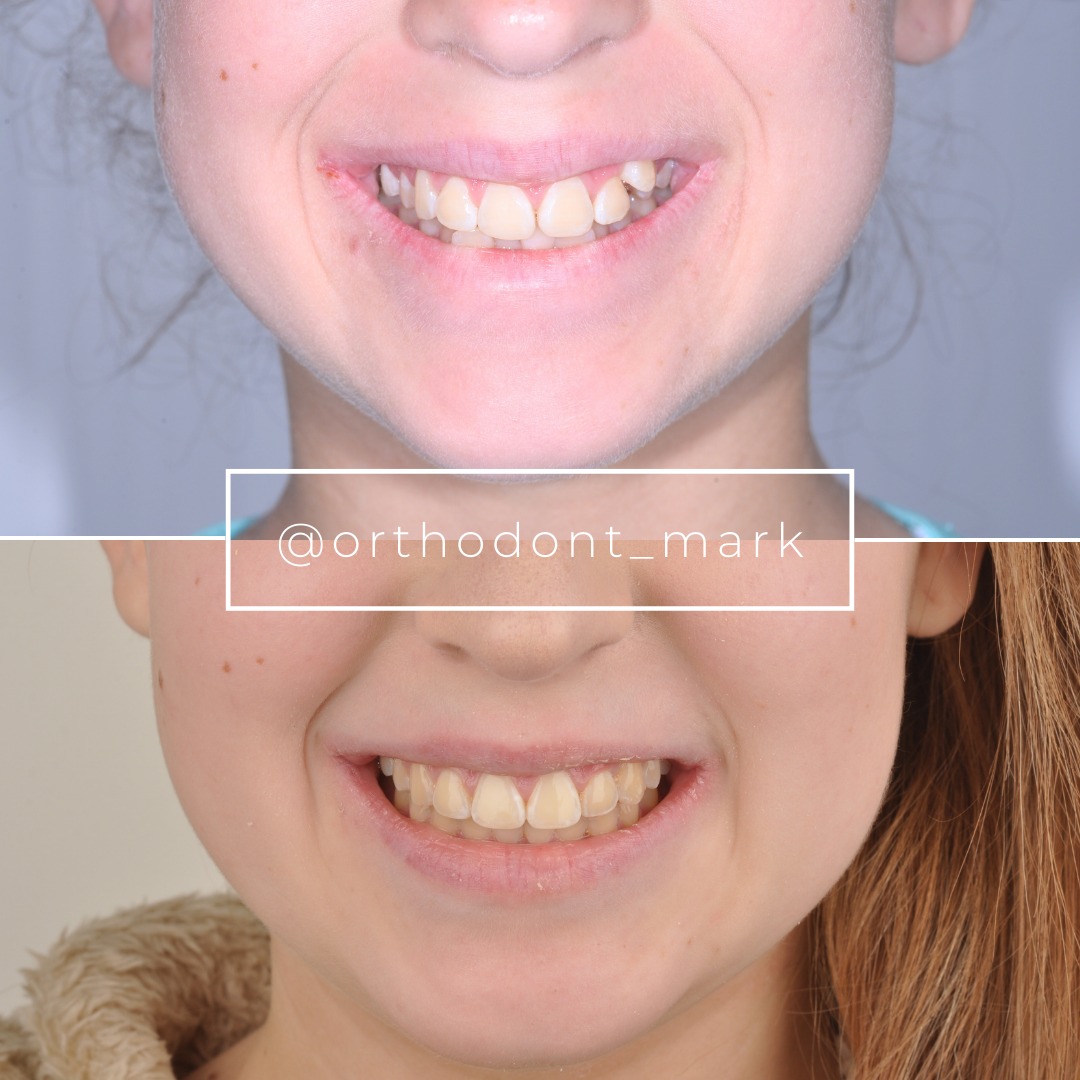
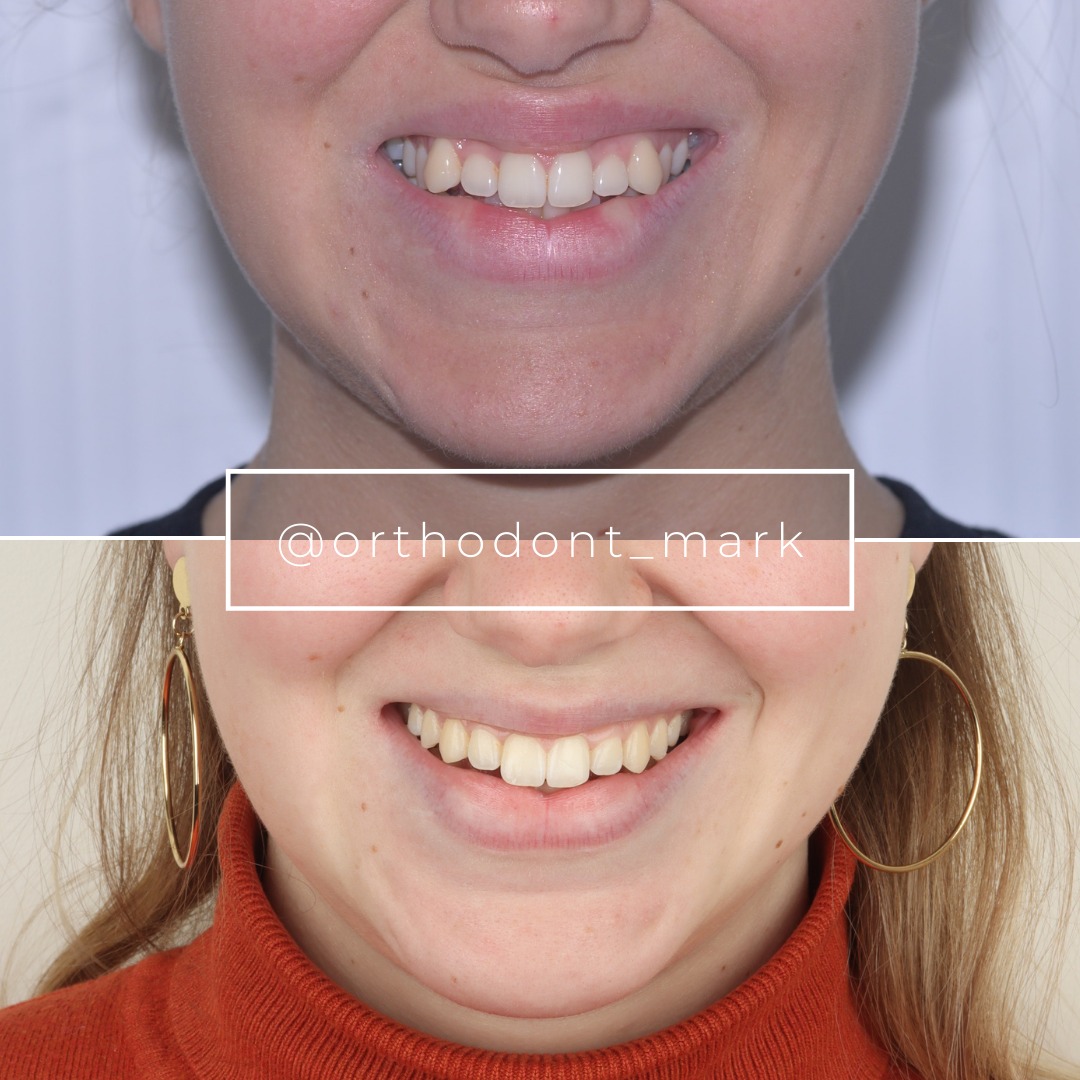
Documented outcomes
Clinical cases from Dr. Mark Radzhabov's practice
Learn the full MARPE protocol from Dr. Mark Radzhabov
Fundamental course covering CBCT patient selection, miniscrew planning, activation protocols, and 60+ clinical cases. Choose the access level that fits your practice.
Essentials of rapid palatal expansion for practicing orthodontists.
- Core RPE concepts and biomechanics
- 6 structured video lessons
- Clinical decision checklists
- Lifetime access to recordings
Deep-dive into MARPE protocol, diagnostics, and clinical execution.
- 6 modules covering MARPE from A to Z
- CBCT case selection walkthroughs
- Miniscrew placement and activation
- 60+ annotated clinical cases
- Direct Q&A with Dr. Mark Radzhabov
5-element medical consultation framework for dentists and orthodontists.
- Trust-building consultation protocol
- 5 lesson modules
- Templates for treatment plan delivery
- Works with any clinical specialty
Clinical FAQ
What is the absolute contraindication for MARPE in patients with reduced bone support?
Active periodontitis, uncontrolled diabetes, probing depths ≥6 mm at multiple sites, cumulative bone loss >4 mm with thin biotype and existing buccal recession, or poor compliance history. Defer MARPE until periodontal stability is achieved and maintained for 6–12 months.
How do I measure buccal bone thickness on CBCT before MARPE in a periodontally compromised patient?
Use axial and sagittal CBCT slices at the apical third of anchor tooth roots (first premolars and molars). Measure perpendicular distance from buccal cortical crest to outer cortical plate. Thickness <1 mm indicates dehiscence risk; thickness 1–1.5 mm suggests caution; >1.5 mm is acceptable for standard protocol.
What activation rate minimizes periodontal harm in Tier 2 MARPE cases?
2 turns/day (approximately 0.1 mm/day screw pitch) for 5 days with 2-day pause, or continuous 2 turns/day. This extends expansion phase to 14–20 weeks but reduces buccal bone displacement and allows adaptive remodeling in compromised sites.
Can I place miniscrews in the alveolar crest of a periodontally compromised patient, or must they be palatal?
Palatal placement is strongly preferred in compromised patients because the palate is non-tooth-bearing bone with lower inflammatory and periodontal risk. Alveolar crest placement violates the attachment apparatus and risks catastrophic bone loss even in healthy patients. Avoid it in compromised cases.
How often should I obtain CBCT imaging during MARPE in Tier 2 patients?
Baseline CBCT, mid-expansion CBCT at 8–10 weeks (to assess cumulative bone loss at anchor teeth), and post-expansion CBCT. If mid-expansion bone loss exceeds 0.5 mm in any 8-week interval, consider pausing expansion and reassessing periodontal status with your referring periodontist.
What is the role of the referring periodontist during active MARPE expansion?
Midpoint consultation (6–10 weeks into expansion) to review soft-tissue changes, confirm absence of unexpected recession, and advise on activation protocol adjustment if needed. Post-expansion periodontal re-evaluation documents any changes attributable to MARPE and informs long-term maintenance.
How much gingival recession is acceptable during MARPE in a periodontally compromised patient?
Gingival recession should not exceed 1.5 mm during active expansion in Tier 2 cases. If recession >1.5 mm is detected, reduce activation rate or pause expansion. Pre-treatment thin biotype or existing recession >2 mm is a relative contraindication.
What miniscrew failure rate should I counsel patients about in compromised bone?
Miniscrew failure (mobility or exfoliation) occurs in 5–15% of cases overall, with higher rates in compromised bone. In Tier 2 patients, consider bilateral miniscrew placement for redundancy. Document any miniscrew failure (cause: infection, poor primary stability, mechanical breakage) to inform future case selection.
Can I use MARPE in a thin-biotype patient with 3 mm cumulative bone loss and probing depths of 4–5 mm?
This is a Tier 2 case: modified protocol is required. Use 0.1 mm/day activation, extended consolidation (6–9 months), CBCT monitoring every 6–8 weeks, and coordinate with the periodontist. Thin biotype elevates recession risk. Establish explicit informed consent and close soft-tissue monitoring.
What is the expected healing timeline for miniscrew osseointegration in a periodontally compromised patient?
Standard osseointegration requires 4–6 weeks. In compromised bone, allow 6–8 weeks before full-force expansion activation. If primary stability is weak at insertion (detected via torque resistance), consider deferring activation for 8 weeks. Delayed loading improves long-term screw retention in low bone-density cases.
The success of MARPE in periodontally compromised adults hinges on honest baseline assessment and conservative activation. A structured risk matrix—integrating CBCT bone-level imaging, probing depth documentation, and miniscrew placement away from dehiscent anatomy—transforms a high-risk procedure into a calculated, defensible clinical decision. Dr. Mark Radzhabov recommends pre-treatment coordination with your referring periodontist and enrollment in evidence-based case review before treating your first compromised case. Consultation referrals and detailed case discussions are available through Orthodontist Mark's clinical platform.