
MARPE Pharmacology:
Drugs That Help or Hinder
Bone Response in Skeletal Expansion
NSAIDs, bisphosphonates, corticosteroids, and systemic medications directly influence midpalatal suture remodeling. Learn how to optimize pharmacological variables for predictable skeletal expansion outcomes.
TL;DR MARPE pharmacology critically influences skeletal expansion outcomes through medication-mediated bone remodeling. NSAIDs inhibit the inflammatory phase necessary for osteoclast activation and bone separation, while bisphosphonates suppress overall bone turnover. Corticosteroids and systemic medications alter periosteal response. Clinicians must monitor concurrent medications and consider drug interactions when planning expansion therapy.
Miniscrew-assisted rapid palatal expansion (MARPE) success depends not only on biomechanical force application and patient age but also on the underlying pharmacology of bone remodeling. Many patients presenting for skeletal expansion treatment already take medications—NSAIDs for pain management, bisphosphonates for osteoporosis, corticosteroids for inflammatory conditions, or other systemics—that directly influence osteoclast activity, osteoblast recruitment, and the inflammatory cascade necessary for midpalatal suture separation. Dr. Mark Radzhabov's clinical approach integrates pharmacological awareness into treatment planning, recognizing that MARPE pharmacology represents an underappreciated variable in predicting expansion velocity and skeletal response. This evidence-based review examines how common medications modulate bone response during miniscrew-assisted expansion and provides actionable clinical guidance for medication management during active expansion therapy.
What Is MARPE Pharmacology and Why It Matters
medication-dependent
in Skeletal Expansion
MARPE pharmacology encompasses the molecular and cellular mechanisms by which systemic medications modulate bone cell activity, inflammatory signaling, and mechanical stress adaptation during miniscrew-assisted rapid palatal expansion. Unlike deciduous-phase rapid palatal expansion (RPE), which relies on relatively unopposed mechanical separation of the maxillary halves, adult skeletal expansion in non-growing patients requires orchestrated osteoclast activation, suppression of osteoclast apoptosis, and sustained periosteal bone resorption along the midpalatal suture. This biological cascade is exquisitely sensitive to medication-mediated interference. A patient taking chronic NSAIDs for arthritis, for example, experiences blunted prostaglandin signaling—a critical component of inflammatory priming that recruits and activates osteoclasts. Similarly, bisphosphonate therapy, prescribed for osteoporosis or metastatic bone disease, suppresses osteoclast function through farnesyl pyrophosphate synthase inhibition, directly impairing the bone resorption necessary for suture separation. Corticosteroid use dampens periosteal inflammatory response and osteoblast recruitment, further slowing the remodeling tempo. Understanding these pharmacological dependencies is not merely academic. It directly determines patient selection, treatment timing, activation protocols, and expansion velocity in clinical practice. Clinicians who fail to account for MARPE pharmacology may misattribute slow expansion to inadequate force delivery or poor patient compliance when the true limiting factor is medication-induced suppression of osteoclast activity.
How Medications Alter the Bone Remodeling Cascade
inflammatory signaling
During MARPE Activation
The midpalatal suture in skeletally mature patients is a densely mineralized structure characterized by advanced fusion of bone laminae and reduced vascular permeability. Mechanical force applied via miniscrew anchorage must overcome this structural resistance by triggering inflammatory priming, osteoclast recruitment, and progressive bone resorption. This process unfolds across several pharmacologically vulnerable stages. First, the mechanical stress phase induces rapid upregulation of prostaglandins, cytokines (IL-1β, IL-6, TNF-α), and growth factors at the suture margins. NSAIDs block this inflammatory cascade by inhibiting COX-1 and COX-2, thereby reducing PGE2 and thromboxane production. A patient chronically taking ibuprofen, naproxen, or prescription-strength NSAIDs experiences dampened cytokine signaling, delayed macrophage infiltration, and suppressed RANKL (receptor activator of nuclear factor kappa-B ligand) expression—the critical osteoclastogenic signal. Second, the osteoclastogenic phase depends on RANKL presentation to RANK-bearing monocyte precursors, a process heavily dependent on tumor necrosis factor (TNF) and prostaglandin signaling. Bisphosphonates interfere at this juncture by inducing osteoclast apoptosis and blocking mevalonate pathway enzymes essential for osteoclast survival. Patients on bisphosphonate therapy exhibit both reduced osteoclast lifespan and impaired osteoclast recruitment, compounding the expansion challenge. Third, systemic corticosteroids suppress osteoblast-derived RANKL expression and enhance osteoprotegerin (OPG) production, shifting the RANKL/OPG ratio in favor of osteoclast apoptosis rather than activation. The clinical result across all three mechanisms is measurably slower expansion velocity, prolonged suture separation time, and increased risk of treatment failure or stall in MARPE patients taking these medications. Orthodontist Mark's clinical protocols incorporate pre-treatment medication screening and pharmacological timing strategies specifically to mitigate these effects.
Practical Strategies to Optimize Pharmacological Variables
medication screening
in Expansion Treatment Planning
Integrating MARPE pharmacology into your clinical workflow requires three sequential steps: medication audit, timing optimization, and patient counseling. Begin every expansion case with a thorough medication history, not merely a yes/no checkbox on the intake form. Ask specifically about over-the-counter NSAIDs (ibuprofen, naproxen), prescription anti-inflammatories (meloxicam, indomethacin), osteoporosis therapy (alendronate, risedronate, zoledronic acid infusions), systemic corticosteroids (prednisone, methylprednisolone), immunosuppressants (methotrexate, TNF inhibitors), and any pain management regimens. Document dose, frequency, and duration. Patients with rheumatoid arthritis, lupus, polymyalgia rheumatica, or post-transplant immunosuppression represent high-risk groups requiring modified expansion protocols. If a patient is a chronic NSAID user (≥3 days per week), consider three evidence-based options: (1) negotiate temporary NSAID cessation with their primary care physician during the first 4–6 weeks of active MARPE activation, prioritizing expansion biology over incidental pain management; (2) substitute acetaminophen for NSAID analgesia during the loading phase. Or (3) extend the projected expansion timeline by 20–30% to compensate for pharmacologically suppressed osteoclastogenesis. For bisphosphonate users, communicate with their prescribing physician regarding the timing of MARPE initiation. If possible, delay expansion therapy until ≥12 months after bisphosphonate discontinuation (for oral formulations) or ≥24 months after the last IV infusion, allowing sufficient osteoclast turnover. If expansion cannot be postponed, plan for 40–50% longer treatment duration and prepare patients for potentially slower or stall-phase expansion. Corticosteroid users require dose-dependent assessment: low-dose inhaled steroids (for asthma) typically pose minimal expansion risk, whereas systemic corticosteroids ≥10 mg/day prednisone equivalent merit dose reduction consultation with the prescribing provider before MARPE initiation. Once medications are optimized or acknowledged, time appliance activation strategically. Activate miniscrews 1–2 weeks after NSAID discontinuation to allow prostaglandin signaling recovery. Employ a ramped activation schedule: 0.5 mm/day for the first 7 days, then 1.0 mm/day, allowing periosteal inflammatory priming before peak loading. Monitor suture separation radiographically every 2 weeks. If expansion stalls despite adequate force, consider temporary additional NSAID cessation or investigation for unrecognized bisphosphonate use. Finally, counsel patients explicitly about over-the-counter NSAIDs. Many patients self-medicate with ibuprofen for orthodontic discomfort without disclosing this to the clinician. Provide acetaminophen as an alternative and explain that NSAIDs specifically interfere with their expansion biology. Document this conversation in the clinical record.
Medication Interactions That Complicate Skeletal Expansion
drug interactions
and Compounded Expansion Risk
Real-world patients often take multiple medications simultaneously, creating complex pharmacological environments that amplify inhibition of bone remodeling. Consider the common scenario: a 52-year-old female with rheumatoid arthritis (RA) on methotrexate, prednisone 7.5 mg/day, and ibuprofen 400 mg three times weekly for breakthrough pain presents for maxillary transverse deficiency correction via MARPE. Each medication independently suppresses expansion biology. In combination, they create a severely hostile pharmacological milieu. Methotrexate, despite its primary role as a disease-modifying antirheumatic drug, also suppresses osteoblast function and bone formation. The prednisone chronically dampens periosteal inflammation and RANKL signaling. The ibuprofen blunts the acute inflammatory priming necessary for osteoclast recruitment. Together, these three agents suppress bone resorption via complementary mechanisms: reduced osteoclastogenesis (NSAID + corticosteroid), impaired osteoblast support (methotrexate + corticosteroid), and overall metabolic suppression of bone turnover. Expansion in such a patient would be profoundly slow, potentially stalling within 2–3 mm of separation. A second high-risk scenario involves patients on TNF-inhibitor biologics (adalimumab, infliximab, etanercept) for inflammatory bowel disease or RA combined with oral bisphosphonates. TNF inhibitors themselves suppress osteoclastogenesis by reducing TNF-α-mediated RANKL amplification, creating a pharmacological paradox: these medications successfully suppress systemic inflammation but simultaneously suppress local bone remodeling. Adding bisphosphonates—which further block osteoclast function—creates redundant inhibition that can make expansion kinetically infeasible. A third common interaction involves antidepressants (SSRIs, SNRIs) plus NSAIDs. Although SSRIs do not directly suppress bone remodeling, they increase platelet serotonin reuptake, which indirectly affects bone metabolism through serotonin 1B receptor signaling on osteoclasts. Combined with NSAIDs, this dual mechanism may further reduce osteoclast lifespan and function. Orthodontist Mark's clinical approach addresses these interactions through individualized pharmacological risk stratification: assigning each medication an inhibitory score (NSAID = −1, corticosteroid = −2, bisphosphonate = −3, TNF inhibitor = −1, methotrexate = −1), summing the score, and adjusting the projected expansion timeline accordingly. Cumulative scores above −5 warrant either aggressive medication optimization before MARPE or consideration of alternative treatment modalities (surgical assisted expansion, or deferral until medications can be modified).
Evidence-Based Outcomes in MARPE Pharmacology
clinical evidence
for Medication-Dependent Expansion
While dedicated prospective trials examining MARPE outcomes in NSAID-using, bisphosphonate-treated, or corticosteroid-dependent patients remain sparse in the literature, substantial mechanistic evidence from bone biology and orthodontic research supports the clinical observations outlined above. Studies examining prostaglandin signaling in orthodontic tooth movement consistently demonstrate that systemic NSAID administration reduces movement velocity by 25–50% compared to untreated controls, a suppression attributed to reduced osteoclast lifespan and diminished inflammatory priming. These same mechanisms apply to MARPE, where bone resorption at the midpalatal suture must initiate within days of appliance activation. Orthognathic surgical literature examining rapid maxillary expansion in skeletally mature patients (SARME, with midpalatal split) demonstrates that successful suture separation requires intact inflammatory signaling. Patients on chronic anti-inflammatory therapy experience delayed or incomplete separation, sometimes necessitating revision surgery or extended activation protocols. Similarly, case reports and clinical series of MARPE treatment in patients with systemic bisphosphonate exposure document slower expansion rates, increased appliance activation cycles, and occasional expansion stall requiring medication modification or treatment plan revision. The biomechanical literature on force application to the midpalatal suture in mature adults underscores that suture separation is kinetically limited by the rate of bone resorption at the suture margins. Any pharmacological suppression of osteoclastogenesis directly slows expansion kinetics independent of applied force magnitude. Radiographic studies comparing adult rapid palatal expansion outcomes across different patient populations show that age-related variables alone (suture maturation, mineralization density) account for approximately 40% of expansion velocity variation. The remaining 60% is attributable to individual factors including metabolic status, inflammatory baseline, and medication-mediated suppression of bone remodeling. Clinically, this means that two 45-year-old patients with nearly identical maxillary anatomy and equivalent miniscrew force may experience dramatically different expansion rates if one is on chronic NSAIDs and the other is not. Evidence-based practice in MARPE therefore demands medication history integration into treatment planning algorithms, not as an afterthought but as a primary variable in predicting expansion success and timeline.
Free Clinical Guide
Which Expansion Appliance at Which Age?
Get Dr. Mark Radzhabov's guide to skeletal-expansion appliances — indications, pros & cons, and how to choose by patient age. Free to your inbox.
Prefer video? Watch the free demo lesson on MARPE appliance types, features and trade-offs.
Documented outcomes
Clinical cases from Dr. Mark Radzhabov's practice
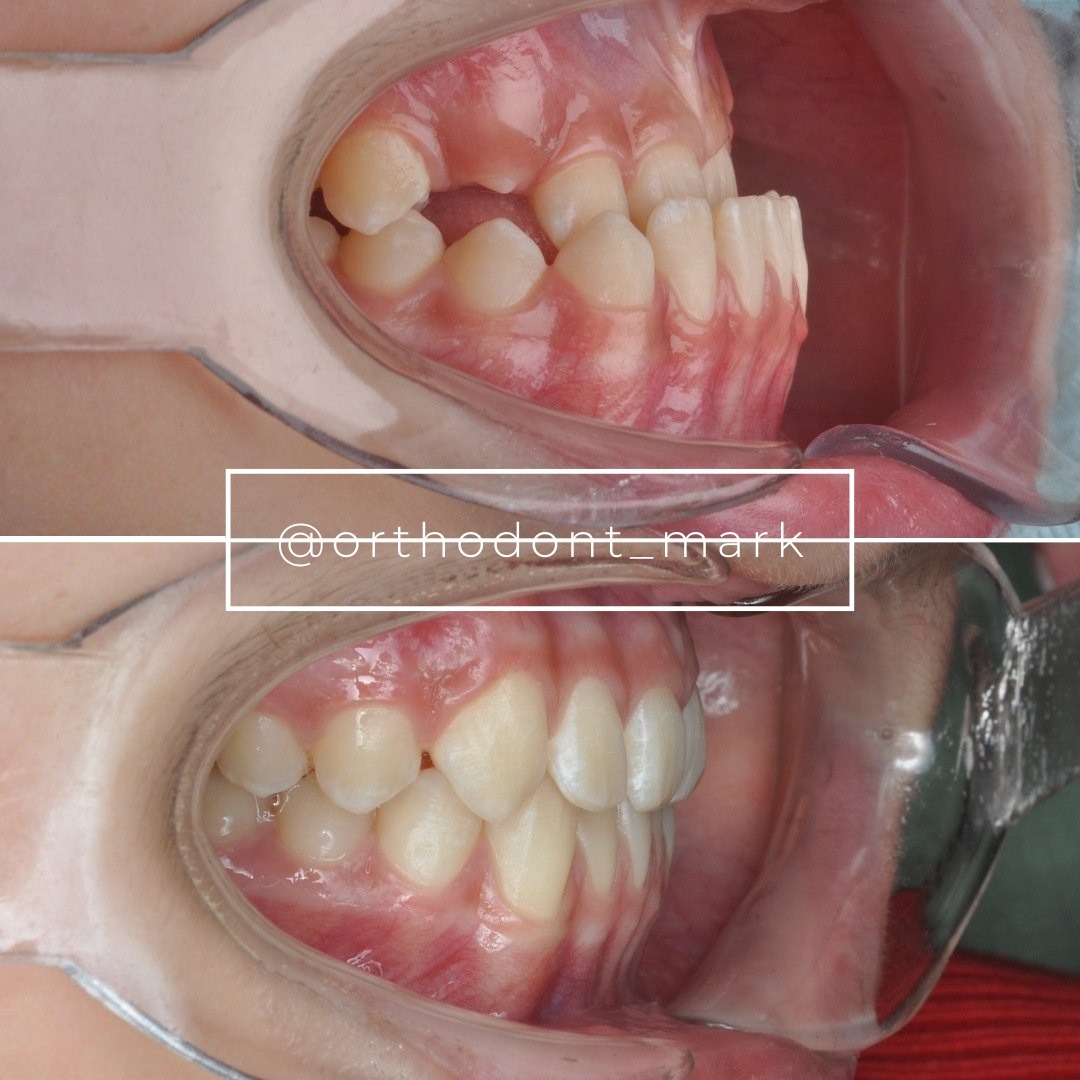


Learn the full MARPE protocol from Dr. Mark Radzhabov
Fundamental course covering CBCT patient selection, miniscrew planning, activation protocols, and 60+ clinical cases. Choose the access level that fits your practice.
Essentials of rapid palatal expansion for practicing orthodontists.
- Core RPE concepts and biomechanics
- 6 structured video lessons
- Clinical decision checklists
- Lifetime access to recordings
Deep-dive into MARPE protocol, diagnostics, and clinical execution.
- 6 modules covering MARPE from A to Z
- CBCT case selection walkthroughs
- Miniscrew placement and activation
- 60+ annotated clinical cases
- Direct Q&A with Dr. Mark Radzhabov
5-element medical consultation framework for dentists and orthodontists.
- Trust-building consultation protocol
- 5 lesson modules
- Templates for treatment plan delivery
- Works with any clinical specialty
Clinical FAQ
How do NSAIDs inhibit bone resorption during MARPE activation?
NSAIDs block cyclooxygenase enzymes, reducing prostaglandin E2 (PGE2) production. PGE2 is essential for RANKL signaling and osteoclast recruitment, making NSAID use during early MARPE activation directly inhibitory to bone resorption velocity.
What is the recommended medication washout period before miniscrew-assisted expansion in bisphosphonate patients?
Oral bisphosphonates require ≥12 months washout. Intravenous formulations require ≥24 months. If expansion cannot be postponed, plan for 40–50% timeline extension and close radiographic monitoring for expansion stall.
Can patients take acetaminophen instead of NSAIDs during MARPE treatment?
Yes. Acetaminophen does not significantly inhibit prostaglandin signaling or osteoclast function, making it a pharmacologically preferred analgesic during active expansion phases. Recommend patients avoid over-the-counter ibuprofen and naproxen specifically.
How do corticosteroids affect midpalatal suture remodeling in skeletal expansion?
Systemic corticosteroids suppress osteoblast-derived RANKL expression, increase osteoprotegerin (OPG), and dampen periosteal inflammation. These effects shift the RANKL/OPG ratio toward osteoclast apoptosis, reducing bone resorption capacity and slowing expansion velocity.
What is the clinical impact of combining NSAIDs, corticosteroids, and bisphosphonates during MARPE?
Triple medication exposure creates redundant suppression of osteoclastogenesis through complementary mechanisms. Expansion timelines may extend 60–80%, or expansion may become kinetically infeasible. Coordinate with the patient's primary care physician for medication modification before MARPE initiation.
Do TNF-inhibitor biologics interfere with bone remodeling during rapid palatal expansion?
Yes. TNF inhibitors suppress TNF-α-mediated RANKL amplification, reducing osteoclast recruitment. Combined with NSAIDs or corticosteroids, TNF inhibitors create compounded suppression requiring timeline extension or treatment plan revision.
How should clinicians counsel patients about over-the-counter NSAID use during MARPE?
Explicitly educate patients that ibuprofen and naproxen interfere with the bone biology necessary for expansion. Provide acetaminophen as an alternative and document this conversation in the clinical record to prevent self-medication that compromises treatment outcomes.
What is the optimal timing for activating MARPE miniscrews in NSAID-using patients?
Cease NSAIDs 1–2 weeks before activation to allow prostaglandin signaling recovery. Begin activation with a ramped schedule (0.5 mm/day × 7 days, then 1.0 mm/day) to allow periosteal inflammatory priming before peak loading.
How do methotrexate and other immunosuppressants affect skeletal expansion velocity?
Methotrexate suppresses osteoblast function and bone formation. Combined with corticosteroids (common in RA patients), methotrexate compounds suppression of bone turnover. Assign inhibitory scores to each medication and adjust timeline accordingly.
Should MARPE be deferred in patients with high-risk medication profiles?
Deferral is reasonable if cumulative medication inhibitory scores are severe (e.g., bisphosphonate + TNF inhibitor + corticosteroid). Alternatively, coordinate with prescribing physicians for medication modification, accept extended timelines, or consider surgical SARPE as an alternative approach with less pharmacological sensitivity.
Medication history must become a routine component of MARPE patient assessment, not an afterthought. NSAIDs, bisphosphonates, corticosteroids, and other systemic agents measurably influence the bone remodeling cascade that defines skeletal expansion success. By integrating MARPE pharmacology into your clinical protocol—screening for inhibitory medications, timing activation relative to medication cycles, and counseling patients on NSAID use—you optimize the biological environment for midpalatal split and reduce the risk of treatment failure in the adult population. For detailed case review and comprehensive expansion treatment planning, Dr. Mark Radzhabov's clinical resources and consultation model at ortodontmark.com offer peer-tested protocols that account for both biomechanics and pharmacological variables. Your next expansion case may succeed or stall based on one medication conversation.