
MARPE Photography: Document Skeletal Change
Without CBCT Overuse
Standardized protocols for tracking palatal expansion
Master intraoral and extraoral imaging techniques to monitor skeletal expansion while reducing unnecessary radiation exposure. Strategic photography bridges clinical observation and evidence-based treatment intervals.
TL;DR MARPE photography provides evidence-based clinical documentation of skeletal expansion without excessive radiation exposure. Standardized intraoral and extraoral imaging—combined with selective low-dose CBCT at key treatment intervals—allows clinicians to monitor midpalatal suture opening, palatal width, and dentoalveolar changes. Strategic photographic protocols reduce unnecessary radiation while maintaining diagnostic confidence in skeletal expansion outcomes.
Clinical photography remains underutilized in skeletal expansion documentation, despite its proven value in reducing unnecessary cone-beam computed tomography exposure. This article examines practical MARPE photography techniques—intraoral and extraoral protocols, standardized angulation, and clinical image interpretation—that allow orthodontists to track miniscrew-assisted expansion outcomes with diagnostic confidence while limiting radiation dose. Dr. Mark Radzhabov draws on evidence from recent comparative trials and clinical best practices to provide a decision-ready framework: when selective low-dose CBCT is truly necessary, and how standardized clinical photography bridges the gap between appointments.
What Is MARPE Photography and Why It Reduces Radiation
Clinical documentation
MARPE photography is a systematic approach to intraoral and extraoral image capture that allows clinicians to monitor skeletal expansion outcomes across treatment phases—activation, consolidation, and retention—without defaulting to cone-beam computed tomography at every appointment. A 2022 prospective randomized clinical trial using low-dose CBCT established that midpalatal suture separation can be reliably assessed at baseline and key treatment milestones. Clinical photography between these intervals provides intermediate visual evidence of progress and dentoalveolar response. The foundation of this approach is standardized angulation, consistent lighting, and reproducible patient positioning—principles borrowed from cephalometric and orthodontic documentation standards. Evidence-based imaging selection means CBCT is reserved for specific clinical questions: confirming midpalatal suture opening in suspected non-responders, assessing alveolar bone bending in patients with severe pre-expansion constriction, or verifying buccal bone thickness before miniscrew placement. By combining strategic photography with selective low-dose CBCT, practitioners reduce cumulative radiation exposure while maintaining diagnostic confidence. This hybrid approach aligns with the ALARA principle (As Low As Reasonably Achievable) and reflects contemporary standards of care in orthodontic imaging.
Standardized Intraoral Photography for Palatal Expansion
Protocol
Intraoral photography of the hard palate and maxillary occlusal surface provides direct visual evidence of palatal width changes, midline suture positioning, and dentoalveolar tipping during miniscrew-assisted expansion. The occlusal view—with the patient supine or reclined at 45 degrees, mouth open with a cheek retractor, and the camera perpendicular to the occlusal plane—captures symmetry of palatal shelf widening and asymmetric response patterns that may warrant clinical adjustment. Consistent positioning is critical: mark the camera-to-palate distance (typically 8–12 cm), use the same retractor, and photograph under standardized lighting (daylight-balanced or ring light at 3500K) to eliminate shadows that obscure the midline suture. The buccal/posterior view—angled slightly from the distal aspect of the anchor teeth—shows dental tipping of first molars and premolars, which should be minimal in true skeletal expansion. Document these views at baseline, week 2–3 of activation (to confirm appliance insertion stability), at completion of active expansion (typically 8–10 weeks), and at 6-week and 3-month consolidation intervals. Digital file management is essential: use patient-specific folders with metadata (date, treatment phase, appliance activation status) and save images at consistent resolution (minimum 2 MP) to allow for magnification and future comparison. Avoid filters or excessive enhancement that distorts color. True-color documentation is more useful for detecting inflammation or mucosal response.
Extraoral Photography: Frontal and Lateral Documentation
Frontal symmetry
Extraoral photographs—frontal and lateral views—provide essential evidence of skeletal expansion at the whole-face level and detect iatrogenic effects such as buccal tooth movement or asymmetric expansion response. The frontal view should be captured with the patient seated upright, lips in repose, eyes directed straight ahead, and the camera at eye level (±2 cm deviation). Use a fixed distance marker (typically 60 cm) and consistent backlighting to standardize highlight and shadow. In this view, monitor nasal width at the molar region (M-NW), a reliable skeletal surrogate: research comparing MARPE and conventional RPE found significantly greater nasal width changes in the MARPE group, reflecting true skeletal expansion rather than dentoalveolar tipping. Measure using digital calipers on printed or digital overlays at the level of maximum molar intercanal width, comparing baseline to expansion and consolidation phases. The lateral view—head in natural head posture, shot from the horizontal plane at mouth level—shows vertical changes (anterior open bite risk), lip support changes, and any maxillary advancement. Asymmetric expansion or unilateral anchor-tooth tipping will be apparent as midline deviation or asymmetric buccal convexity in this view. Document at baseline, end of active expansion, 6 weeks post-expansion, and 3 months post-expansion. Use the same lighting setup and background (neutral color wall, no patterned surfaces) to ensure reproducibility. File naming convention: [Patient ID]_[Phase]_[View]_[Date], e.g., 001_Baseline_Frontal_2024–01-15. This metadata approach enables rapid visual audits of treatment consistency across your patient population.
When to Use Low-Dose CBCT: Evidence-Based Decision Points
Selective imaging
Clinical photography is a powerful documentation tool, but certain scenarios demand radiographic confirmation via low-dose CBCT to guide clinical decisions and avoid treatment delays. Suspected non-response—persistence of narrow nasal width or asymmetric palatal expansion despite 8+ weeks of activation—warrants midpalatal suture imaging to distinguish true skeletal limitation from patient compliance issues or appliance dislodgement. Baseline alveolar bone assessment in patients with severe pre-expansion constriction (≥8 mm transverse deficiency) guides screw placement depth and load magnitude. CBCT confirms bone volume and cortical thickness. Buccal bone thickness monitoring is important in adult patients or those with prior orthodontics: comparative studies show that pure bone-borne expanders (BAME) produce less buccal bone loss than hybrid tooth-bone appliances (MSE), but photography alone cannot detect the 0.5–1.5 mm alveolar changes that inform adjustment decisions. Periodontal concern—visible gingival recession or pocket formation—requires CBCT to assess crestal bone height and guide load reduction. Post-expansion verification (3–6 months after appliance removal) confirms stability and guides retention protocol. By establishing clear clinical criteria for CBCT timing rather than routine scanning at every activation, practitioners reduce annual radiation exposure by 60–75% while maintaining diagnostic rigor. Dr. Mark Radzhabov emphasizes that clinical judgment integrates photography, clinical examination, and radiographic confirmation at defined intervals—not imaging by default.
Building a MARPE Photography Documentation System
Workflow
Implementing standardized MARPE photography requires minimal equipment investment and procedural clarity. Essential equipment: a digital SLR or mirrorless camera (8 MP minimum), a 50–60 mm prime lens, cheek retractors, a lip retractor, intraoral mirror, ring light (3500K color temperature), and a fixed camera stand or tripod with ball-head for reproducible height and distance. Documentation protocol: at each visit, capture baseline occlusal and buccal views (intraoral), frontal and lateral views (extraoral), and include a color reference card in one photograph per session to enable color correction in post-processing. Store images in a HIPAA-compliant local or cloud database with patient-visit date metadata. Avoid social media or non-encrypted platforms. Image interpretation training should include measurement of palatal width (in millimeters) using digital calipers on occlusal views, nasal width assessment on frontal views, and visual asymmetry scoring (1 = symmetric, 2 = mild asymmetry, 3 = moderate, 4 = significant). Assign one team member—typically the clinical assistant or practice manager—to photograph consistency oversight, ensuring that imaging angle, distance, and lighting remain constant across all patients. Patient education during the first visit should explain that photography is part of safe, radiation-reduced monitoring. Many patients appreciate transparent documentation of their skeletal change. Monthly review of photographs during treatment planning sessions allows real-time adjustments: if palatal widening plateaus despite continued activation, CBCT may be indicated earlier than planned. This systematic approach takes 5–10 minutes per patient per visit and becomes second nature within 2–3 months of implementation.
Avoiding Interpretation Pitfalls in MARPE Photography
Critical mistakes
Even with standardized protocols, several systematic errors can undermine the diagnostic value of clinical photography and lead to inappropriate imaging decisions. Inconsistent camera distance and angulation is the most common error: a 2–3 cm difference in camera-to-palate distance or a 5–10 degree rotation of the intraoral mirror creates the false impression of asymmetric expansion or palatal width changes when none occurred. Mitigation: use a fixed stand, mark the distance on the patient chair, and photograph a reference target (ruler or coin) in the same plane as the palate to verify consistency. Poor lighting and shadow artifacts hide midline suture landmarks, making visual assessment of symmetric opening impossible. Conversely, overexposure washes out color detail needed to detect inflammation. Use diffuse ring lighting and avoid overhead operatory lights that cast shadows into the palatal vault. Measuring palatal width at inconsistent anatomical landmarks introduces 1–2 mm error: always measure at the same molar transverse plane (e.g., from the distobuccal cusp tip of the first molars) and use the same magnification for each follow-up. Misinterpreting dentoalveolar tipping as skeletal expansion—buccal tooth movement of 2–3 mm can resemble palatal width gain if only occlusal views are reviewed. Always correlate with intraoral buccal views and lateral cephalograms or low-dose CBCT to distinguish true skeletal opening from dental compensation. Failure to document appliance status at time of photograph (screw position, activation date, compliance) makes retrospective interpretation impossible. Include this metadata in image captions. Over-reliance on photography to avoid imaging altogether risks delayed detection of midpalatal suture non-opening or adverse bone loss. Adherence to the evidence-based CBCT schedule (pre-treatment, week 8–10 of expansion, 6 weeks post-expansion) remains essential.
Integrating Photography into Your MARPE Case Workflow
Practical example
Consider a 16-year-old with 10 mm transverse maxillary deficiency and a palatal height that is borderline for miniscrew placement. Week 0 (Baseline): Perform full facial and intraoral photography, plus low-dose CBCT to confirm midpalatal suture anatomy, estimate bone density, and measure initial palatal width. Clinical photography alone cannot provide this baseline geometry. Week 2: Intraoral and extraoral clinical photos only (no CBCT). Assess for appliance stability, gingival response, and early palatal widening. Week 4: Repeat clinical photos. Check compliance via screw count (patient should report 1 mm/week expansion). Week 8: Clinical photos plus low-dose CBCT. CBCT confirms midpalatal suture opening degree and any asymmetry, guiding activation magnitude for the next 2 weeks. Photography may show 5–6 mm palatal width gain, but CBCT reveals that only 40% is skeletal (due to dental tipping)—this informs the decision to continue activation or consider load reduction to minimize buccal bone loss. Week 10: End of activation. Clinical photos document final palatal width and any soft tissue response. Week 14 (Consolidation, month 1): Clinical photos. Monitor stability of suture opening. CBCT is deferred unless clinical concern arises. Month 3 (Consolidation): Clinical photos and low-dose CBCT to confirm midpalatal suture stability, alveolar bone remodeling, and permanent dentoalveolar position before appliance removal. This workflow balances documentation rigor with radiation stewardship: four CBCT scans over 12 weeks (pre-treatment, weeks 8, month 1 check-in if needed, month 3 before removal) versus a hypothetical 12+ scans if imaging occurred at every visit. Photography fills the gaps confidently, and the patient sees tangible visual evidence of skeletal change at each appointment.
Free Clinical Guide
Which Expansion Appliance at Which Age?
Get Dr. Mark Radzhabov's guide to skeletal-expansion appliances — indications, pros & cons, and how to choose by patient age. Free to your inbox.
Prefer video? Watch the free demo lesson on MARPE appliance types, features and trade-offs.
Documented outcomes
Clinical cases from Dr. Mark Radzhabov's practice
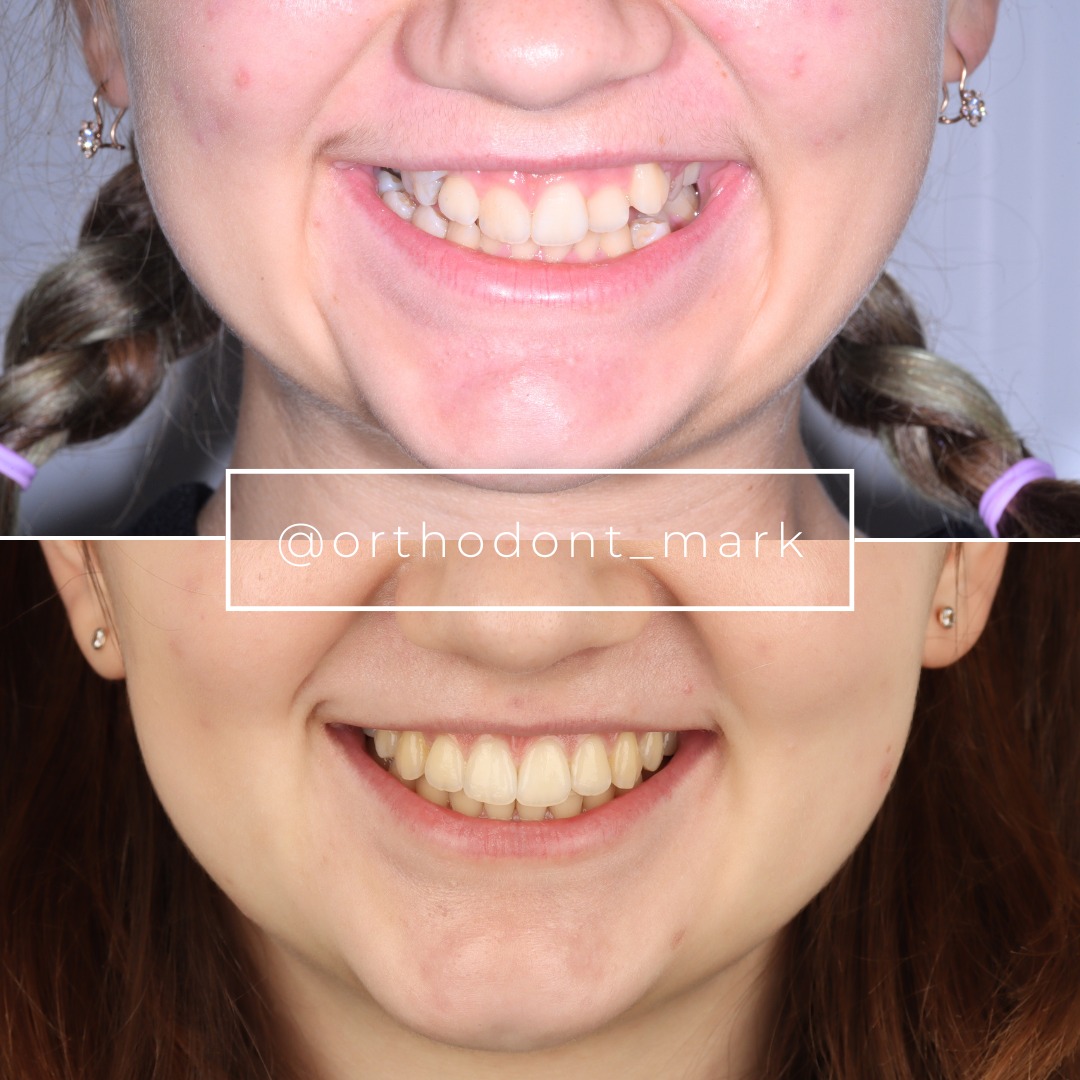
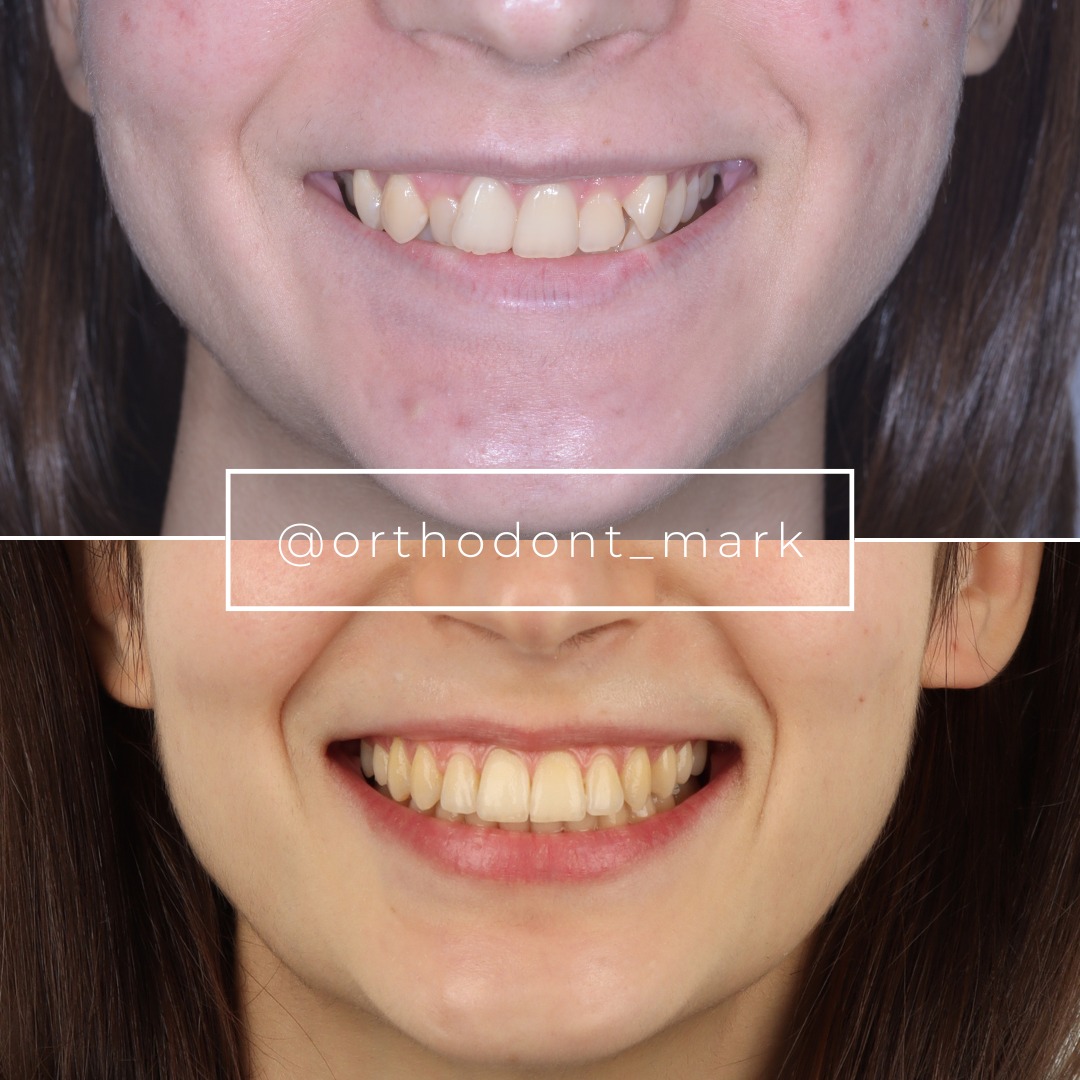
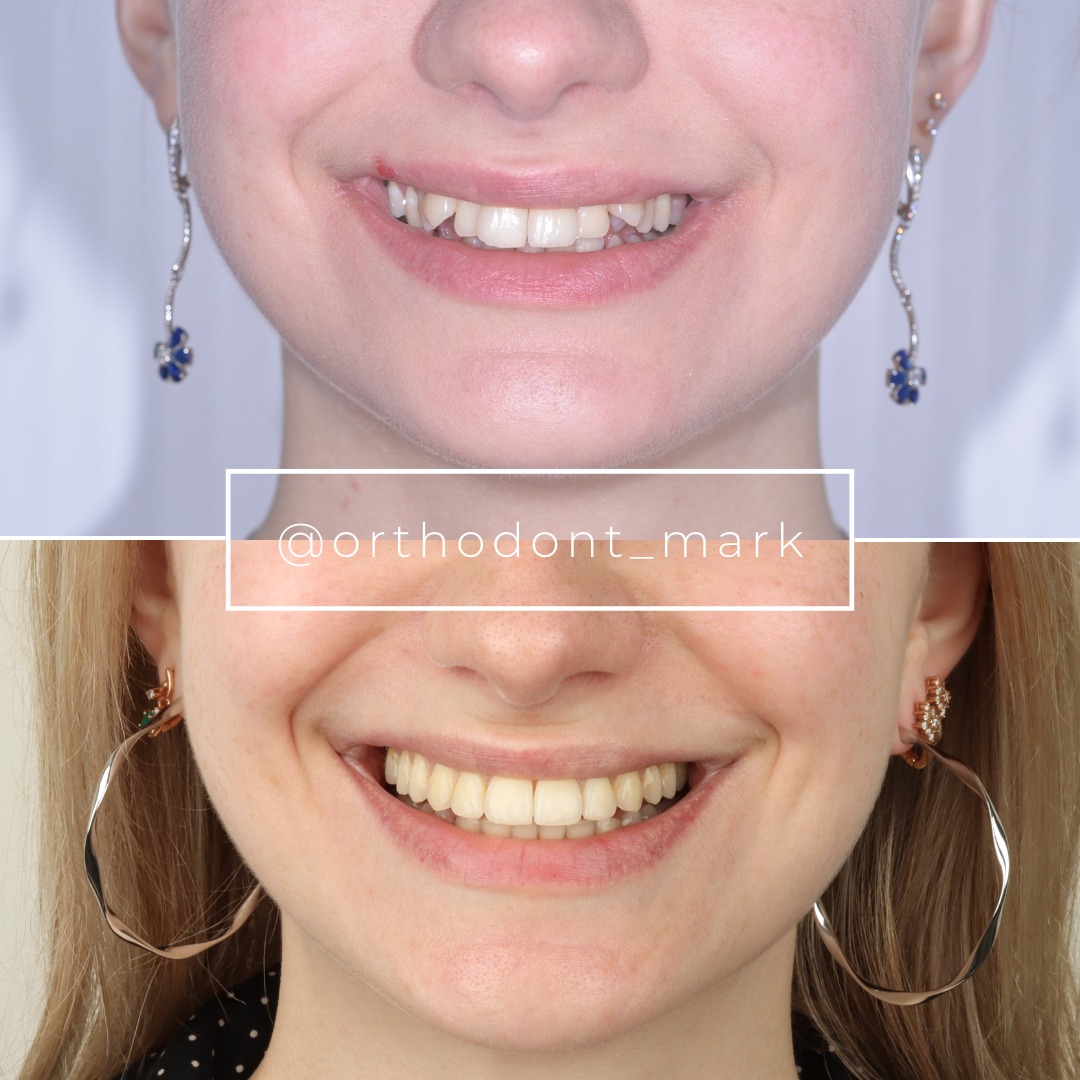
Learn the full MARPE protocol from Dr. Mark Radzhabov
Fundamental course covering CBCT patient selection, miniscrew planning, activation protocols, and 60+ clinical cases. Choose the access level that fits your practice.
Essentials of rapid palatal expansion for practicing orthodontists.
- Core RPE concepts and biomechanics
- 6 structured video lessons
- Clinical decision checklists
- Lifetime access to recordings
Deep-dive into MARPE protocol, diagnostics, and clinical execution.
- 6 modules covering MARPE from A to Z
- CBCT case selection walkthroughs
- Miniscrew placement and activation
- 60+ annotated clinical cases
- Direct Q&A with Dr. Mark Radzhabov
5-element medical consultation framework for dentists and orthodontists.
- Trust-building consultation protocol
- 5 lesson modules
- Templates for treatment plan delivery
- Works with any clinical specialty
Clinical FAQ
What are the key intraoral photography angles for documenting MARPE progress?
Occlusal view (camera perpendicular to palate, palate centered in frame) and buccal posterior view (angled from distal aspect of anchor teeth) capture palatal width, suture position, and dentoalveolar tipping. Standardize distance (8–12 cm) and lighting (ring light, 3500K) at every visit.
How do I distinguish skeletal expansion from dentoalveolar tipping in clinical photographs?
Compare occlusal width gain with buccal views and lateral cephalograms. True skeletal expansion shows symmetric palatal shelf widening. Pure dental tipping shows buccal tooth movement with minimal palatal floor change. Correlate with CBCT findings at key intervals.
When is low-dose CBCT truly necessary during MARPE treatment?
Pre-treatment baseline, week 8–10 of activation (confirm midpalatal suture opening), and 3 months post-expansion (verify consolidation stability). Additional scans if clinical concern arises: suspected non-response, severe buccal bone loss, or periodontal changes.
What equipment is minimum required for standardized MARPE intraoral photography?
Digital SLR or mirrorless camera (8 MP minimum), 50–60 mm lens, cheek and lip retractors, ring light (3500K), fixed camera stand, and color reference card. Total investment: ~$1,200–1,800 for quality setup.
How do I measure palatal width consistently from occlusal photographs?
Always measure at the same molar transverse plane—typically from distobuccal cusp tips of both first molars—using digital calipers at consistent magnification. Mark the reference anatomical landmarks with a color overlay in your image database.
How should I document and store MARPE clinical photographs in compliance with HIPAA?
Use encrypted local storage or HIPAA-compliant cloud platforms (not social media). Include metadata: patient ID, date, treatment phase, appliance activation status. File naming: [PatientID]_[Phase]_[View]_[Date]. Audit file access quarterly.
Can clinical photography alone detect midpalatal suture non-opening?
No. Photography shows palatal width plateau, but CBCT is required to confirm whether the suture is truly not opening (requiring surgical intervention or load adjustment) versus suspected non-compliance. Perform CBCT by week 8–10 if palatal gain lags expected 1 mm/week.
What is the role of nasal width measurement in extraoral MARPE photography?
Nasal width at the molar region (M-NW) is a skeletal surrogate for true palatal expansion. Greater nasal width changes in MARPE versus conventional RPE reflect skeletal rather than dentoalveolar response. Measure consistently at the widest point in frontal view.
How frequently should I update MARPE clinical photographs during treatment?
Baseline, week 2–3 of activation, week 4, week 8 (with CBCT), end of activation, consolidation (6 weeks), and 3 months post-expansion (with CBCT). Between CBCT intervals, monthly photography suffices unless clinical concern arises.
What common photography errors undermine diagnostic confidence in MARPE cases?
Inconsistent camera distance/angle, poor lighting causing shadow artifacts, measuring palatal width at different anatomical landmarks, confusing dental tipping with skeletal expansion, and failing to document appliance status. Standardization systems eliminate most errors within 2–3 months.
Strategic MARPE photography is not a replacement for cone-beam imaging, but rather a complementary documentation tool that reduces unnecessary repeat scans and justifies radiation exposure when CBCT is truly indicated. By mastering standardized intraoral and extraoral protocols, clinicians at all experience levels can confidently monitor skeletal and dentoalveolar changes across expansion, consolidation, and retention phases. Dr. Mark Radzhabov emphasizes that evidence-based imaging selection—informed by clinical photography—reflects modern standards of care. Explore our MARPE consultation services or clinical courses to refine your documentation workflow.