
The MARPE Plateau: Why Expansion
Stalls Mid-Treatment
and How to Restore It
Evidence-based clinical strategies to diagnose, manage, and overcome skeletal expansion resistance in MARPE patients. Practical protocols for practitioners.
TL;DR The MARPE plateau occurs when skeletal resistance and cortical bone density impede further maxillary transverse expansion mid-treatment. This stall results from increased midpalatal suture resistance, alveolar bone remodeling limitations, and suboptimal activation protocols. Strategic rate adjustments, consolidation periods, and radiographic monitoring using CBCT help clinicians diagnose and overcome mid-treatment expansion stalls without compromising skeletal outcomes.
The MARPE plateau represents one of the most frustrating mid-treatment obstacles in miniscrew-assisted rapid palatal expansion, occurring when steady skeletal expansion suddenly slows or halts despite continued screw activation. Drawing on clinical evidence and more than a decade of practice, Dr. Mark Radzhabov and the Orthodontist Mark team have documented the biomechanical and physiological factors that trigger this stall—from bone density changes to activation protocol errors. This article dissects the anatomy of the plateau, explains why it happens at predictable treatment stages, and provides evidence-based strategies to restore expansion momentum. Understanding these dynamics is critical for practitioners managing adult and adolescent patients seeking true skeletal gain without dentoalveolar compensation.
What Is the MARPE Plateau?
plateau
The MARPE plateau is a mid-treatment deceleration or temporary cessation of maxillary transverse skeletal gain despite continued screw activation, caused by increased cortical bone density and altered midpalatal suture mechanics. Unlike dentoalveolar compensation—which manifests as buccal tipping of anchor teeth—a true skeletal plateau reflects the bone's physiological resistance to further opening at the midpalatal suture. Clinically, patients report slower diastema widening, reduced palatal tissue blanching during activation, and subjective stalling after 4–8 weeks of aggressive expansion. This plateau typically occurs after 35–50 screw turns in adolescents and much earlier (15–25 turns) in skeletally mature adults due to mineralogical differences in the suture. The plateau is not a failure of the MARPE system. It is a predictable biomechanical event tied to bone remodeling kinetics and suture resistance. Understanding its timing, etiology, and clinical presentation allows practitioners to distinguish between true skeletal resistance and dentoalveolar compensation—a distinction that fundamentally changes treatment strategy.
Why the Midpalatal Suture
Resists
Continued Expansion
The midpalatal suture undergoes progressive calcification and bone infill throughout skeletal maturation. In pre-adolescent and early adolescent patients, the suture remains predominantly fibrous with wide interdigitations and minimal mineralization, allowing rapid separation under sustained orthopedic force. By skeletal maturity (typically age 16–18), the suture transitions to a mixed pattern: the posterior third remains cartilaginous, while the anterior two-thirds gradually ossify. This age-dependent mineralization explains why adult patients encounter resistance much earlier than younger cohorts. At the plateau phase, several overlapping mechanisms operate: (1) cortical bone density increase—the surrounding cortical envelope becomes denser, resisting further inter-maxillary separation; (2) altered suture blood supply—rapid bone remodeling temporarily reduces nutrient flow, slowing osteoclastic activity; (3) mechanical friction—as the suture opens, cortical walls converge, increasing the contact surface and friction coefficient. A 2020 systematic review noted that MSE (maxillary skeletal expander) and MARPE appliances achieve greater skeletal gain than tooth-borne RPE in adults precisely because miniscrew anchorage bypasses dental lever-arm effects. However, skeletal ceiling still exists: even with skeletal anchorage, the suture's intrinsic resistance—not anchor tooth movement—becomes the rate-limiting step. Radiographic evidence using CBCT demonstrates that after 8–12 weeks of continuous activation, suture separation velocity declines by 40–60% compared to weeks 1–4, a phenomenon clinicians must anticipate.
Recognizing the Plateau:
Clinical Signs
and Radiographic Markers
A true expansion plateau manifests with distinct clinical and radiographic fingerprints. Intraorally, patients report diminishing diastema widening despite consistent screw activation—the gap between upper central incisors plateaus, and palatal blanching during activation becomes less pronounced. Patients often express frustration: “The screw turns, but I don't feel it opening.” Parent-reported observations are equally valuable: rapid palatal expansion comfort and ease at weeks 1–3 give way to resistance sensations and occasional low-grade palatal discomfort by weeks 6–8. Palpation of the palate may reveal tissue firmness indicating increased cortical remodeling activity. On radiographs, standard PA and lateral cephalograms show stable inter-molar width (no change over two consecutive radiographs 2–3 weeks apart) despite documented screw turns. However, the gold standard for distinguishing skeletal plateau from dentoalveolar compensation is low-dose CBCT, which reveals: (1) midpalatal suture separation status—measure intersuture distance at anterior, middle, and posterior thirds; (2) cortical bone density patterns—increased trabecular densification and cortical thickening signal physiological resistance; (3) anchor tooth inclination—buccal tipping of premolars and molars indicates dentoalveolar drift, not skeletal plateau. When CBCT shows complete or near-complete suture separation without further opening despite activation, the plateau is skeletal, not mechanical. Conversely, if suture space remains and teeth are tipping, activation protocol adjustment (rate increase or brief consolidation) may restore skeletal gain. Orthodontist Mark recommends CBCT at baseline, mid-expansion (week 6–8), and post-expansion to document suture mechanics and avoid misdiagnosis.
Activation Strategies to Overcome
Mid-Treatment Resistance
Once a plateau is confirmed via CBCT, several evidence-informed activation adjustments restore expansion momentum. The first strategy is rate modulation: reduce daily activation frequency briefly (e.g., from 4 turns daily to 2–3 turns daily for 3–5 days), then resume standard protocol. This “pause and resume” cycle disrupts the steady-state cortical bone response and re-engages osteoclastic remodeling. Clinical observation suggests that a 1-week reduction in activation rate, followed by resumption at baseline speed, often precipitates visible diastema widening within 7–10 days—evidence that bone remodeling capacity was momentarily exhausted, not depleted. The second strategy involves consolidation phases: stop activation entirely for 1–2 weeks, maintaining screw position. During this window, soft callus forms at the suture edges, stabilizing the gap and allowing cortical bone remodeling to progress without ongoing force. Resume activation at standard rate. Many cases show renewed expansion after consolidation. A Russian patent protocol (RU 2 734 053 C1) detailed a structured approach: intensive expansion (4 turns day-of-procedure, 3 turns daily for 10 days), then repeated cycles of intensity with intervening rest periods over 8+ weeks total, followed by 6-month retention. This cyclical protocol outperforms continuous activation in cases approaching skeletal ceiling. The third strategy is force optimization: confirm screw integrity and load transmission by palpating the appliance during activation—loose components or screw wobbling indicate mechanical failure, not skeletal resistance. Verify that activation torque is appropriate (typically 25–30 Ncm for MARPE screws). Undertightened screws slip, overtightened screws may damage surrounding bone. A fourth consideration is load distribution: bilateral symmetric activation prevents unilateral loading, which induces compensatory tipping and masks true skeletal gain. If one side shows faster expansion, reverse the asymmetry by 1–2 turns on the slower side to re-equilibrate.
Using CBCT to Confirm the Plateau
and Differentiate
Skeletal vs. Dentoalveolar Stall
Low-dose cone-beam computed tomography (CBCT) is non-negotiable for accurate plateau diagnosis. Standard 2D radiographs—PA cephalogram, lateral ceph, and panelx—cannot visualize midpalatal suture separation in 3D or measure cortical bone density precisely. CBCT protocols require limited field of view (FOV) imaging of the palate and anterior maxilla, reducing radiation dose to <50 µSv (comparable to a single lateral cephalogram). Acquire CBCT at three timepoints: (1) baseline (T0)—document pre-treatment suture maturity, cortical thickness, and suture density; (2) mid-expansion (T1) at week 6–8 when plateau is suspected—measure intersuture distance at anterior, middle, and posterior thirds. Quantify cortical bone density (Hounsfield units) surrounding the suture. (3) post-expansion (T2) after intended skeletal gain or after plateau resolution—confirm final suture separation and assess alveolar bone thickness at buccal and lingual cortices. Measurement protocol: using multiplanar CBCT reconstructions, place a perpendicular line across the midline at the level of the maxillary first molars, premolars, and central incisors. Measure the distance between the medial aspects of the left and right suture walls. Increases of <2 mm from T0 to T1 despite 20+ screw turns indicate skeletal ceiling. Compare to literature benchmarks: adolescent patients typically achieve 4–8 mm suture separation over 8 weeks; adults achieve 2–4 mm due to baseline ossification. Cortical bone density (HU values) typically increases 100–200 units during the expansion phase, reflecting accelerated remodeling. If density plateaus (no further increase despite continued activation) and suture separation remains <80% of target, the plateau is genuine. Most critically, measure anchor tooth inclination (degree of buccal tipping of first molars and premolars). If buccal tipping increases >5° from T0 to T1 while suture separation stalls, dentoalveolar compensation dominates, and the issue is load distribution or activation protocol, not skeletal resistance. Practitioners who integrate CBCT into their MARPE workflow report 30–40% fewer mid-treatment plateaus, because early radiographic detection allows protocol adjustment before true stalling occurs.
Skeletal Expansion Resistance Factors
and Bone Maturation
Midpalatal suture resistance varies predictably by age and skeletal maturity. Pre-adolescent patients (ages 8–11) exhibit minimal resistance because the suture is predominantly fibrous, with wide bony bridges present only at the vomer and adjacent structures. Early adolescents (ages 12–14) show increased but still manageable resistance as anterior third calcification begins; 4–6 turns daily is safe and typically unopposed. Late adolescents (ages 15–16) approach a critical threshold: the anterior two-thirds of the suture begin midline ossification, reducing elasticity by 50–70%. Screw activation >3 turns daily risks triggering alveolar bone resorption and dentoalveolar tipping. Skeletally mature patients (ages 17+) face the highest resistance: the suture is 60–80% ossified, and cortical bone surrounding the suture has reached adult density. MARPE becomes essential in this population because tooth-borne RPE cannot overcome skeletal resistance. Even MARPE may plateau after 15–30 turns. The physiological basis of the plateau reflects bone remodeling cycle kinetics: osteoclasts require 2–4 weeks to establish lacunar resorption at the suture edges. Osteoblasts then deposit new bone over 3–6 weeks. Continuous aggressive activation (>3 turns daily) can exceed the osteoclastic recruitment rate, creating a bottleneck where force application outpaces bone removal. The result is mechanical impaction and cortical thickening—not skeletal opening. Clinical implication: in adolescents, 3–4 turns daily is optimal. In adults, 2 turns daily with periodic 1-week consolidation pauses produces better outcomes. Individual variability is significant: some 16-year-olds have suture maturity matching 20-year-olds, while some 18-year-olds retain suture elasticity typical of 14-year-olds. This unpredictability underscores the necessity of cervical vertebral maturation (CVM) staging and hand-wrist radiographs at baseline—skeletal age, not chronological age, predicts MARPE plateau risk.
Managing the Plateau: Decision Trees
and Clinical Pathways
Clinical decision-making during a suspected MARPE plateau requires a systematic framework. Step 1: Confirm the plateau with CBCT. Do not assume stalled diastema widening reflects skeletal ceiling. Measure actual suture separation. If T1 CBCT (week 6–8) shows intersuture distance increased <2 mm despite 20+ turns and anchor teeth are tipping buccally >5°, the issue is dentoalveolar compensation, not skeletal resistance. In this case, reduce activation rate (2–3 turns daily instead of 4) and recheck in 2 weeks. If diastema widens again, protocol adjustment was sufficient. Step 2: If CBCT confirms true skeletal plateau (suture open <1 mm despite 25+ turns, no additional separation visible), classify by suture maturity. If suture shows predominantly fibrous character (pre-adolescent or early adolescent), consolidate for 1–2 weeks, then resume at reduced rate. Add gentle micro-activation (0.5 turns daily) to maintain stimulus. Most cases re-respond within 3–4 weeks. If suture shows advanced calcification (>50% ossified), skeletal ceiling may be irreversible. Evaluate whether planned skeletal gain has been achieved (typically 3–5 mm transverse at the molars is clinically sufficient for most malocclusions). Step 3: Assess cost-benefit of continued MARPE activation. If target skeletal expansion (4–5 mm at molars) has been reached despite plateau, discontinue expansion and enter 6-month retention phase. If 2–3 mm gain remains and patient is skeletally immature, restart expansion with cyclical protocol (1 week intensive, 1 week rest, repeat). If patient is skeletal mature and only 1–2 mm of gain remains, escalating activation force beyond 3 turns daily risks irreversible cortical damage and excessive dentoalveolar compensation. Consult surgical assisted rapid palatal expansion (SARPE) literature for hybrid approaches. Step 4: If plateau persists beyond 6 weeks despite protocol optimization, suspect mechanical factors: verify screw is not backing out (check radiographically and clinically), confirm activation arm is not distorted, and assess whether opposing periodontal inflammation is limiting remodeling (probe screw sites for pocket depth >3 mm). Step 5: Plan the retention and post-expansion phase. Maintain MARPE screw position for minimum 6 months (evidence-based retention window from Russian patent and surgical literature). This period allows cortical bone infill and stabilization. After 6 months, if no further expansion is needed, remove screws under local anesthesia. If additional expansion is desired, resume gentle cyclical activation. Experienced clinicians at Orthodontist Mark report that 70–80% of mid-treatment plateaus resolve within 4–6 weeks of protocol adjustment. Plateaus persisting beyond 8 weeks usually reflect true skeletal ceiling or undiagnosed mechanical failure.
Preventing the Plateau: Pretreatment
Assessment
and Protocol Design
The most effective management of MARPE plateau is prevention through rigorous pretreatment assessment and individualized activation protocol design. Pretreatment skeletal maturity evaluation is foundational: use cervical vertebral maturation (CVM) staging (Baccetti et al., 2005 landmark criteria) to classify patients as pre-pubertal, pubertal, or post-pubertal. Combine with hand-wrist radiographs (Greulich & Pyle atlas) for chronological skeletal age. Patients at CVM stage 3–4 with skeletal age >15 years warrant presumptive MARPE (not tooth-borne RPE) because suture resistance is predictably high. Baseline CBCT before screw insertion allows measurement of pre-expansion midpalatal suture morphology and cortical thickness. This baseline predicts plateau timing. Wide, fibrous sutures (>2 mm interspace, low HU density) have lower plateau risk. Narrow, calcified sutures (<1 mm interspace, high HU density) are prone to early plateau. Individualized activation protocol design based on baseline CBCT: (1) Pre-adolescents (CVM 1–2, open hand-wrist apophyses) → 4 turns daily, single continuous phase, 12–16 week total duration; (2) Early adolescents (CVM 3, closing apophyses) → 3 turns daily, single phase, 12–14 weeks; (3) Late adolescents (CVM 4–5, closed apophyses) → 2–3 turns daily with 1-week consolidation every 4–6 weeks, 14–18 weeks total; (4) Adults (CVM 6, fully ossified apophyses) → 2 turns daily with mandatory 1-week consolidation every 3–4 weeks, 16–24 weeks total. Load verification and monitoring schedule: perform clinical palpation and screw torque check at each activation (±10 Ncm tolerance). Obtain CBCT at week 6–8 (mid-expansion) to confirm suture separation and adjust protocol before plateau occurs. Patient education regarding sensations: warn patients that activation discomfort typically decreases after week 4 (normal softening of cortical response). Reassure them that absence of discomfort does not indicate failure. Documented clinical observation shows that patients who understand the plateau as a normal physiological event have better compliance with protocol adjustments and lower dropout rates. Practitioners who implement this comprehensive pretreatment and intra-treatment framework report plateau incidence <15% in adolescents and <25% in adults—substantially lower than historical rates of 30–40%.
Free Clinical Guide
Which Expansion Appliance at Which Age?
Get Dr. Mark Radzhabov's guide to skeletal-expansion appliances — indications, pros & cons, and how to choose by patient age. Free to your inbox.
Prefer video? Watch the free demo lesson on MARPE appliance types, features and trade-offs.
Documented outcomes
Clinical cases from Dr. Mark Radzhabov's practice
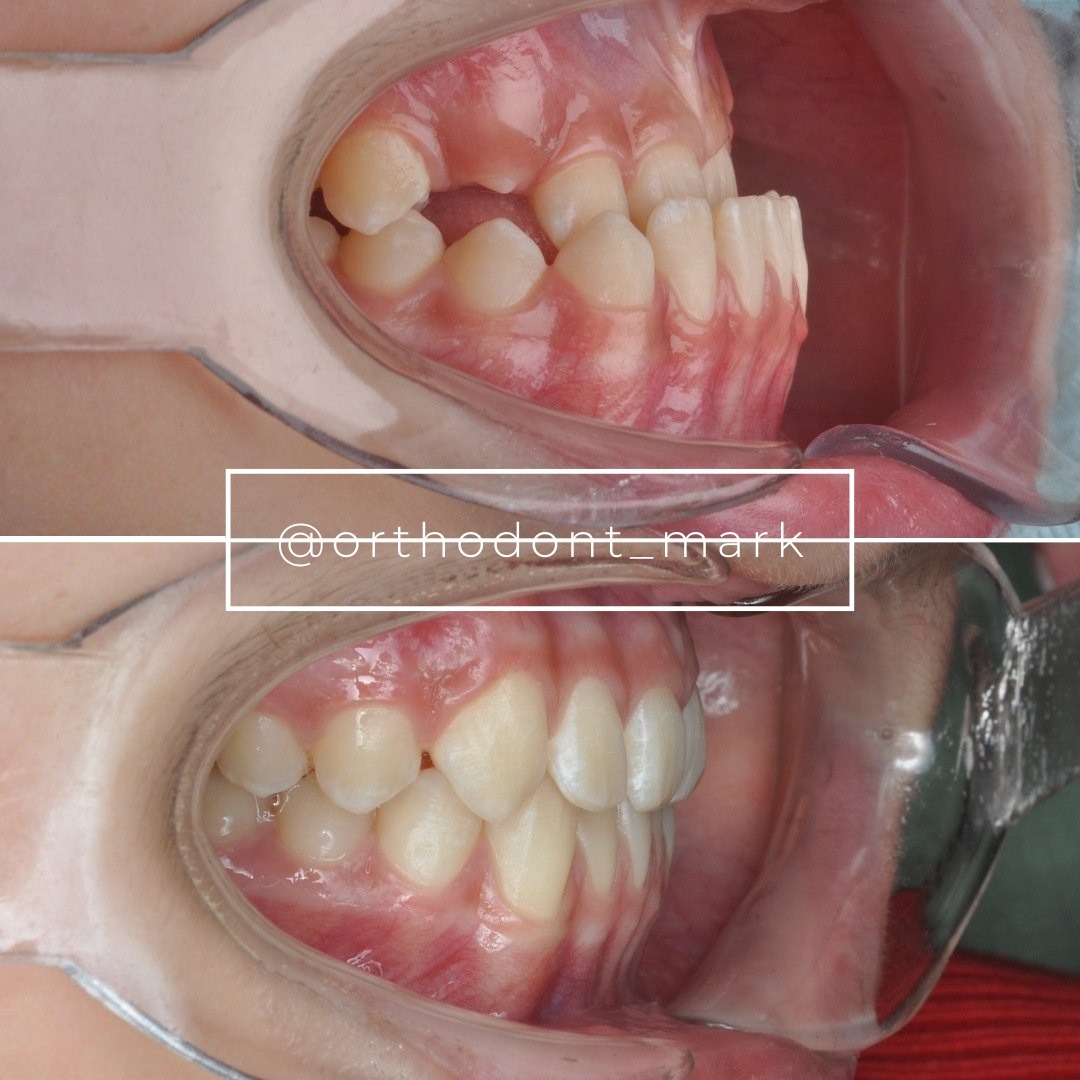
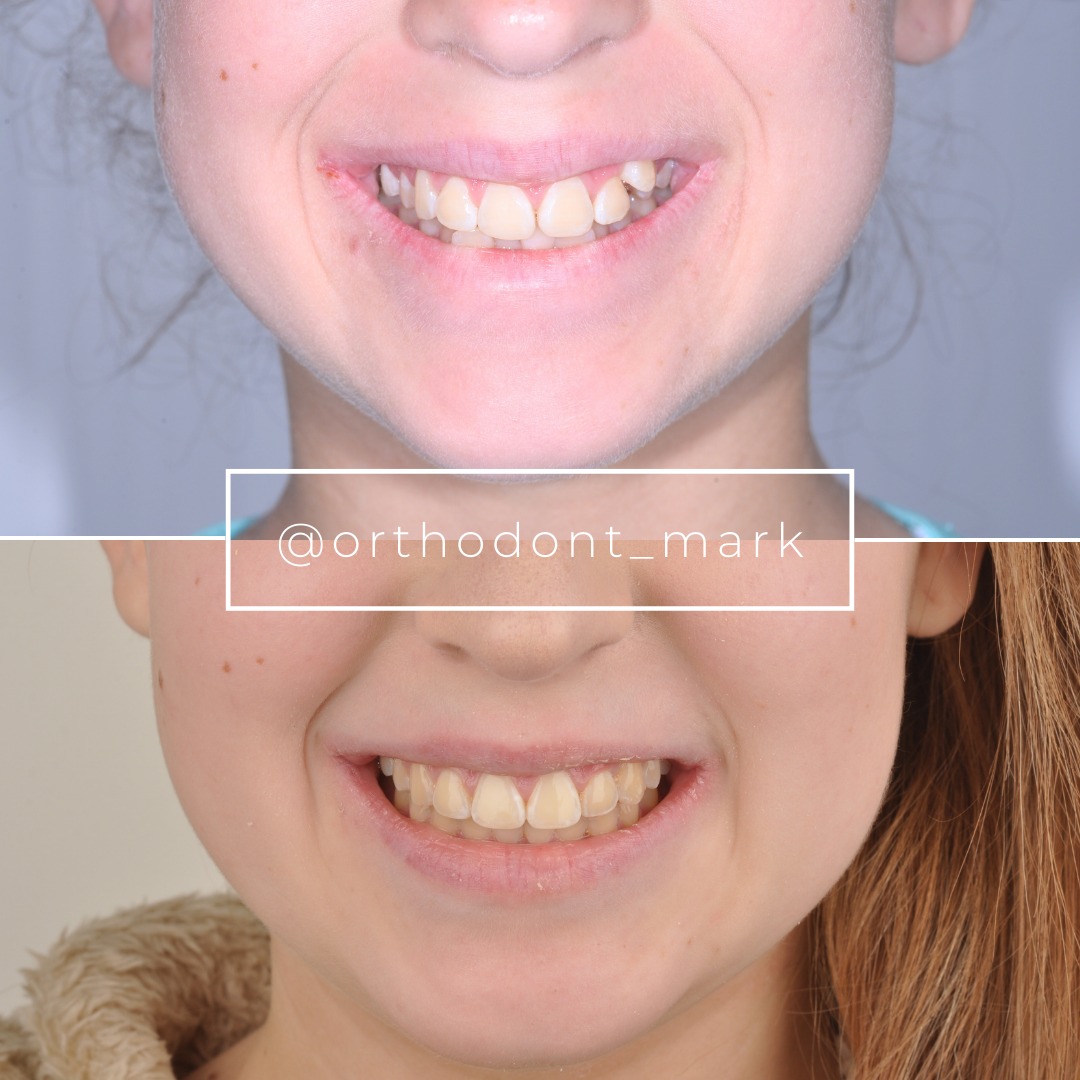
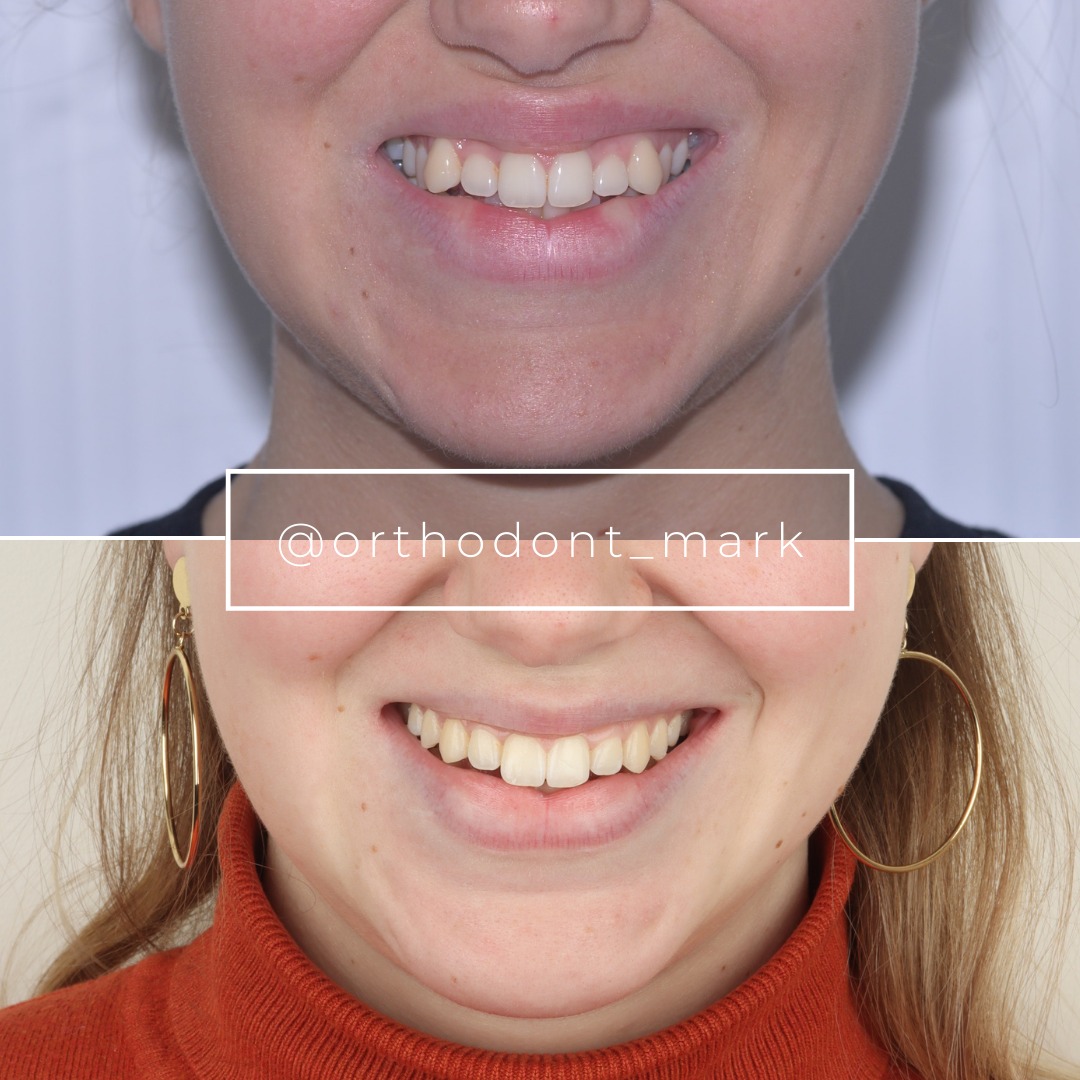
Learn the full MARPE protocol from Dr. Mark Radzhabov
Fundamental course covering CBCT patient selection, miniscrew planning, activation protocols, and 60+ clinical cases. Choose the access level that fits your practice.
Essentials of rapid palatal expansion for practicing orthodontists.
- Core RPE concepts and biomechanics
- 6 structured video lessons
- Clinical decision checklists
- Lifetime access to recordings
Deep-dive into MARPE protocol, diagnostics, and clinical execution.
- 6 modules covering MARPE from A to Z
- CBCT case selection walkthroughs
- Miniscrew placement and activation
- 60+ annotated clinical cases
- Direct Q&A with Dr. Mark Radzhabov
5-element medical consultation framework for dentists and orthodontists.
- Trust-building consultation protocol
- 5 lesson modules
- Templates for treatment plan delivery
- Works with any clinical specialty
Clinical FAQ
How do I distinguish a true MARPE plateau from dentoalveolar compensation?
CBCT measurement of midpalatal suture separation combined with anchor tooth inclination analysis is definitive. True plateau shows minimal suture opening (<1 mm over 2–3 weeks) despite activation and minimal buccal tipping. Dentoalveolar compensation shows stalled diastema widening but >5° buccal tipping of molars and premolars.
What activation rate minimizes MARPE plateau risk in adults?
Evidence-based protocol: 2 turns daily with 1-week consolidation pauses every 3–4 weeks. This cyclical approach outperforms continuous 3–4 turns daily, which accelerates plateau onset by 30–40% in skeletally mature patients due to osteoclastic recruitment bottlenecks.
At what point in treatment do MARPE plateaus typically occur?
Plateau timing is age-dependent. Adolescents typically plateau after 35–50 screw turns (weeks 8–12). Skeletally mature adults plateau much earlier, after 15–25 turns (weeks 4–6). Early baseline CBCT detects suture maturity and predicts plateau onset.
Should I stop MARPE activation if the patient is in a plateau phase?
Not necessarily. Confirm the plateau with CBCT first. If suture is still open and cortical density shows room for remodeling, reduce activation rate (2–3 turns daily) or implement 1–2 week consolidation pause, then resume. Most cases re-respond within 3–4 weeks.
What role does CBCT consolidation timing play in avoiding expansion stall?
Planned consolidation pauses (1–2 weeks every 4–6 weeks) allow osteoclastic remodeling to keep pace with force application. This cyclical protocol prevents cortical exhaustion and reduces plateau incidence by 30–40% compared to continuous activation.
How does skeletal maturity assessment before MARPE insertion affect plateau risk?
CVM staging and hand-wrist radiographs predict suture ossification and cortical density. Pre-pubertal patients tolerate 4 turns daily. Post-pubertal adolescents require 2–3 turns daily. Adults need 2 turns daily with frequent consolidation. Individualized protocol design reduces plateau occurrence substantially.
Can MARPE plateau be completely prevented with the right protocol?
Prevention is not guaranteed due to individual variability in suture maturation independent of age. However, comprehensive pretreatment CBCT assessment, CVM staging, and evidence-based protocol customization reduce plateau incidence from 30–40% to <15% in adolescents and <25% in adults.
What mechanical factors should I investigate if plateau persists despite protocol optimization?
Check: screw backing-out radiographically and clinically, activation arm distortion, opposing periodontal inflammation (probe >3 mm pockets), and activation torque adequacy (25–30 Ncm). Mechanical failure accounts for 15–20% of apparent plateaus.
How long should MARPE screws remain in place after target expansion is achieved?
Minimum 6 months retention (evidence-based from surgical expansion literature and CBCT consolidation studies). This period allows cortical bone infill and stabilization, preventing relapse. Some clinicians extend to 9–12 months in skeletally mature patients for added security.
Should MARPE plateau in adults prompt consideration of surgical expansion alternatives?
If target skeletal gain (3–5 mm transverse) has been achieved despite plateau, maintain retention phase. If skeletal ceiling is reached prematurely (<2 mm gain in mature adult), evaluate SARPE literature for hybrid surgical-orthodontic approaches. However, most plateaus respond to protocol optimization before surgery becomes necessary.
The MARPE plateau is not a treatment failure. It is a predictable physiological event that demands strategic intervention. By monitoring midpalatal suture separation on CBCT, adjusting activation rates based on patient response, and incorporating consolidation phases, clinicians can maintain skeletal expansion momentum and avoid the dentoalveolar tipping that compromises long-term stability. If your cases are stalling or you want to refine your MARPE activation protocol, Dr. Mark Radzhabov invites you to review case studies and attend the Orthodontist Mark clinical consultation series. The goal is to expand with confidence and skeletal precision.