
MARPE in Pregnancy:
Imaging, Timing, and Safe Continuation
A Clinical Evidence Review
Evidence-based protocols for cone-beam imaging selection, trimester-specific treatment decisions, and miniscrew management when pregnancy occurs during active skeletal expansion.
TL;DR MARPE in pregnancy requires careful imaging selection, trimester-specific treatment planning, and ongoing skeletal monitoring. Cone-beam CT should be deferred when clinically feasible. Periapical radiographs offer lower-dose alternatives. Treatment continuation depends on stage of expansion, miniscrew stability, and maternal health status—evidence supports selective MARPE progression in stable, low-risk cases.
Managing rapid palatal expansion when a patient becomes pregnant presents a unique clinical challenge, blending orthodontic biomechanics with reproductive safety. Dr. Mark Radzhabov addresses a topic rarely covered in orthodontic literature: how to safely continue or modify miniscrew-assisted rapid palatal expansion (MARPE) during pregnancy, what imaging is safe, and when treatment timing favors deferral versus continuation. This article synthesizes current evidence on radiation safety, skeletal changes during pregnancy, and practical decision-making for cases already in active expansion—essential knowledge for any orthodontist managing complex adult cases.
What Is
MARPE in Pregnancy
and Why It Demands Special Attention
MARPE—miniscrew-assisted rapid palatal expansion—relies on direct skeletal anchorage via titanium miniscrews inserted into the hard palate, independent of tooth roots. When a patient becomes pregnant during or before treatment, the clinician faces two immediate concerns: radiation exposure during diagnostic imaging and the physiologic changes in pregnancy that may alter skeletal response to expansion forces. Pregnancy induces significant cardiovascular, hormonal, and bone-remodeling changes. Estrogen and relaxin levels rise, potentially increasing bone turnover and ligamentous laxity throughout the skeleton. The midpalatal suture—target of expansion—is no exception. While the suture is not a ligament, the surrounding alveolar and palatal bone undergo accelerated remodeling during pregnancy, a phenomenon clinically observable in cases where mothers report loosening of existing restorations or tooth mobility. Radiation safety is the second pillar. Although diagnostic orthodontic imaging delivers low doses, cumulative exposure and dose to the fetus (especially in the first and second trimester) warrant conservative imaging selection. Cone-beam computed tomography (CBCT), while invaluable for MARPE planning and monitoring, delivers 5–15 times the dose of a panoramic radiograph. Therefore, understanding which imaging modalities are truly necessary—and when they can be deferred—is essential to protecting fetal development while maintaining clinical control.
Safe Imaging Selection During
Pregnancy
and When to Defer Radiographs
The American College of Radiology and the American Academy of Oral & Maxillofacial Radiology provide a hierarchy of imaging safety for pregnant patients. Intraoral and extraoral periapical radiographs—using modern rectangular collimation and lead aprons—deliver minimal fetal dose, especially when performed in the second and third trimesters. CBCT, by contrast, should be reserved for cases where clinical decisions cannot be made without three-dimensional data. For a patient already in active MARPE expansion, the decision tree is straightforward: (1) If miniscrews are stable and the patient is progressing normally, defer all radiographs until after delivery. Clinical markers—diastema widening, palatal vault changes, subjective patient reports of bite changes—provide adequate monitoring. (2) If miniscrew stability is questionable (mobility, pain, or signs of infection), a single periapical radiograph of the miniscrew site is justified to confirm position. The fetal dose remains negligible. (3) CBCT should be deferred entirely during pregnancy unless there is a compelling clinical emergency (e.g., suspected miniscrew perforation into the nasal cavity or sinus). Trimester matters. First trimester is the period of maximum organogenesis. Defer elective imaging. Second and third trimesters carry lower teratogenic risk from radiation at diagnostic doses, but deferral remains the standard of care. After delivery and the completion of lactation (if applicable), full CBCT documentation can be obtained without hesitation.
Deciding When to Continue, Pause, or Defer
Expansion During Pregnancy
The decision to continue MARPE during pregnancy hinges on four factors: (1) stage of expansion (early active vs. consolidation), (2) miniscrew osseointegration status, (3) maternal health (uncomplicated pregnancy vs. gestational diabetes, preeclampsia, or other conditions), and (4) patient preference and obstetric clearance. Early Active Expansion (Weeks 1–8): If a patient discovers pregnancy during the first 4 weeks of MARPE, continuation is biomechanically feasible. The expanding miniscrews are under maximum load and stable. Abruptly pausing may allow slight relapse. Consult with the obstetric team to confirm an uncomplicated pregnancy. If cleared, activate the expansion screw at normal velocity (0.25 mm per quarter-turn, typically twice daily). Monitor at 4-week intervals using clinical markers alone. Defer radiographs. The accelerated bone remodeling associated with pregnancy may, in some cases, actually support more efficient suture separation, though the literature on MARPE-specific pregnancy responses remains sparse. Consolidation Phase (Weeks 8+): Once active expansion is complete (typically after 8–12 weeks), miniscrew load decreases significantly. At this stage, pregnancy poses minimal biomechanical risk. Miniscrews are fully integrated, and the primary biological process is midpalatal suture remodeling and consolidation—a process that may benefit from the enhanced osteogenic environment of pregnancy. Deferral is unnecessary. Proceed with retention protocols as planned. Gestational Complications: If the patient develops preeclampsia, gestational diabetes, placental insufficiency, or other high-risk conditions, pause expansion and defer any non-essential treatment. Coordinate with the obstetric team before proceeding.
Protecting Miniscrew
Osseointegration and Stability
Throughout Pregnancy
Miniscrew stability depends on two factors: initial mechanical stability (thread grip in bone) and secondary biological integration (osseointegration). Pregnancy alters bone metabolism in ways that could theoretically affect both. Hormonal shifts—elevated estrogen, progesterone, and relaxin—promote systemic bone remodeling. While this supports suture separation, it may also increase bone turnover around miniscrew threads, potentially destabilizing insertion sites. Clinically, this risk is highest if miniscrews were inserted with marginal initial torque or placed in thin alveolar bone. To mitigate: (1) Confirm insertion torque in your patient records. Typical safe range is 8–10 N·cm for palatal miniscrews, depending on bone density. (2) At the first prenatal visit, perform a clinical stability assessment: gentle palpation and percussion of each miniscrew, checking for mobility or discomfort. (3) If mobility is detected, do not re-torque. Instead, consider whether expansion must continue or if reversal to passive retention is safer. (4) Maintain strict oral hygiene around insertion sites. Pregnancy-associated gingivitis and inflammatory shifts increase infection risk, which directly threatens miniscrew integration. Sodium fluoride supplementation is sometimes recommended in pregnancy (for fetal bone development), but verify with obstetrics before recommending. Calcium and vitamin D status should be optimized. Some literature suggests that adequate maternal vitamin D supports fetal skeletal health and may support bone remodeling around implanted devices, though direct evidence in orthodontics is limited. If miniscrew infection or loosening occurs, removal and site closure are preferred over re-insertion during pregnancy, deferring new placement until the postpartum period.
How Pregnancy Alters Skeletal
Expansion Response
and MARPE Outcomes
The skeletal response to rapid palatal expansion—measured as midpalatal suture separation, nasal width changes, and palatal vault dimension increases—may be modified by pregnancy. Evidence specific to MARPE in pregnancy is virtually absent from the literature, but extrapolation from orthopedic and periodontologic pregnancy research provides useful context. Pregnancy-associated bone metabolism shifts toward increased osteoclastic activity (bone resorption) to mobilize calcium for fetal skeletal development. This osteoporotic-like state is reversible post-weaning and breastfeeding. In the context of MARPE, this resorptive phase could theoretically accelerate midpalatal suture separation by reducing resistance at the suture interfaces. Some clinicians anecdotally report faster diastema widening in pregnant patients undergoing expansion, though controlled data are lacking. Conversely, elevated relaxin may increase ligamentous laxity—potentially benefiting expansion—but the midpalatal suture, being primarily osseous (not ligamentous), may not respond equivalently. Dentoalveolar changes (buccal tooth movement, alveolar crest remodeling) are also sensitive to estrogen and progesterone. Periodontal inflammation during pregnancy can amplify alveolar resorption around anchor teeth, potentially exaggerating dentoalveolar side effects. This argues for stricter plaque control and consideration of pausing expansion if periodontal health deteriorates. Post-delivery, rapid decline in estrogen and progesterone occurs, triggering a rebound in bone density. This transition period (first 3–6 months postpartum, especially if breastfeeding) represents a “recalibration” phase in which skeletal geometry may shift. Radiographic reassessment at 3 months postpartum is prudent to document final suture separation and identify any relapse before beginning final alignment.
Protocol for Continuity and
Safety Across Trimesters
Implementing a structured decision protocol reduces uncertainty and supports shared decision-making with the patient and her obstetric team. The framework below assumes an uncomplicated pregnancy and coordination with prenatal care. Preconception Counseling: For patients planning pregnancy or at reproductive risk, discuss MARPE timing during the initial treatment consultation. Ideally, complete active expansion and enter consolidation before conception, or defer MARPE initiation until after pregnancy. This eliminates the need for protocol modifications. Patient Reports Pregnancy During Active Expansion: (1) Congratulate the patient. Confirm pregnancy with obstetric documentation. (2) Assess expansion stage: early (weeks 1–4), mid (weeks 4–8), or late (weeks 8+). (3) Obtain obstetric clearance for continued orthodontic treatment and confirm uncomplicated pregnancy status. (4) Perform miniscrew stability clinical assessment. (5) Document current diastema width, palatal morphology, and patient symptoms. (6) Decide: continue at normal velocity, slow activation to 0.125 mm daily, or pause to consolidation mode. Most early-stage cases proceed with normal protocols if obstetrics agrees. (7) Schedule follow-up at 4-week intervals. Defer CBCT and periapical radiographs unless clinical instability emerges. Patient Reports Pregnancy During Consolidation: No modification needed. Miniscrews are under minimal load. Retention protocols proceed as planned. Post-Delivery and Lactation: Allow 6–8 weeks postpartum before resuming aggressive orthodontic mechanics. At 8–12 weeks postpartum, obtain full CBCT to assess final skeletal response and miniscrew status. Breastfeeding does not contraindicate MARPE or imaging. However, if imaging is deferred during pregnancy, it should not be further delayed postpartum. Dr. Mark Radzhabov's protocol emphasizes documenting baseline skeletal status before removing miniscrews, ensuring a complete treatment record and supporting any future corrections or orthognathic planning.
Managing Complications and
Coordinating with Obstetrics
Several comorbidities and treatment scenarios warrant particular caution. Gestational Diabetes: Impairs bone healing and increases periodontal inflammation risk. If a patient develops gestational diabetes during MARPE, consider pausing expansion and relying on passive retention until after delivery. Glucose control directly affects miniscrew integration. Preeclampsia / HELLP Syndrome: Systemic vascular and endothelial dysfunction compromises bone perfusion. Pause MARPE immediately. Defer radiographs and coordinate closely with obstetrics. Miniscrew removal may be warranted if the clinical situation deteriorates. Periodontal Flare: Pregnancy-associated gingivitis or periodontitis can accelerate around miniscrew sites. Escalate plaque removal, consider chlorhexidine rinses (use cautiously. Consult obstetrics), and monitor for pocket deepening. If peri-implantitis develops, removal is safer than continuation. Medications: Orthodontists do not typically prescribe medications. However, awareness of obstetric medications is valuable. Prenatal vitamins (iron, calcium, prenatal multi) support bone metabolism. Antibiotics for miniscrew infection should be cleared by the obstetrician (amoxicillin and azithromycin are generally considered safe. Doxycycline is contraindicated). NSAIDs (e.g., ibuprofen) are contraindicated in the third trimester due to renal and cardiovascular fetal effects. Acetaminophen is preferred if pain management is needed. Multidisciplinary Communication: Provide a brief letter to the patient's obstetrician documenting MARPE status, planned expansion timeline, and imaging protocols. This establishes transparency and allows obstetrics to flag any pregnancy-specific concerns that might affect treatment. Similarly, if miniscrew complications arise, involve your patient's dentist or periodontist in the evaluation.
Free Clinical Guide
Which Expansion Appliance at Which Age?
Get Dr. Mark Radzhabov's guide to skeletal-expansion appliances — indications, pros & cons, and how to choose by patient age. Free to your inbox.
Prefer video? Watch the free demo lesson on MARPE appliance types, features and trade-offs.
Documented outcomes
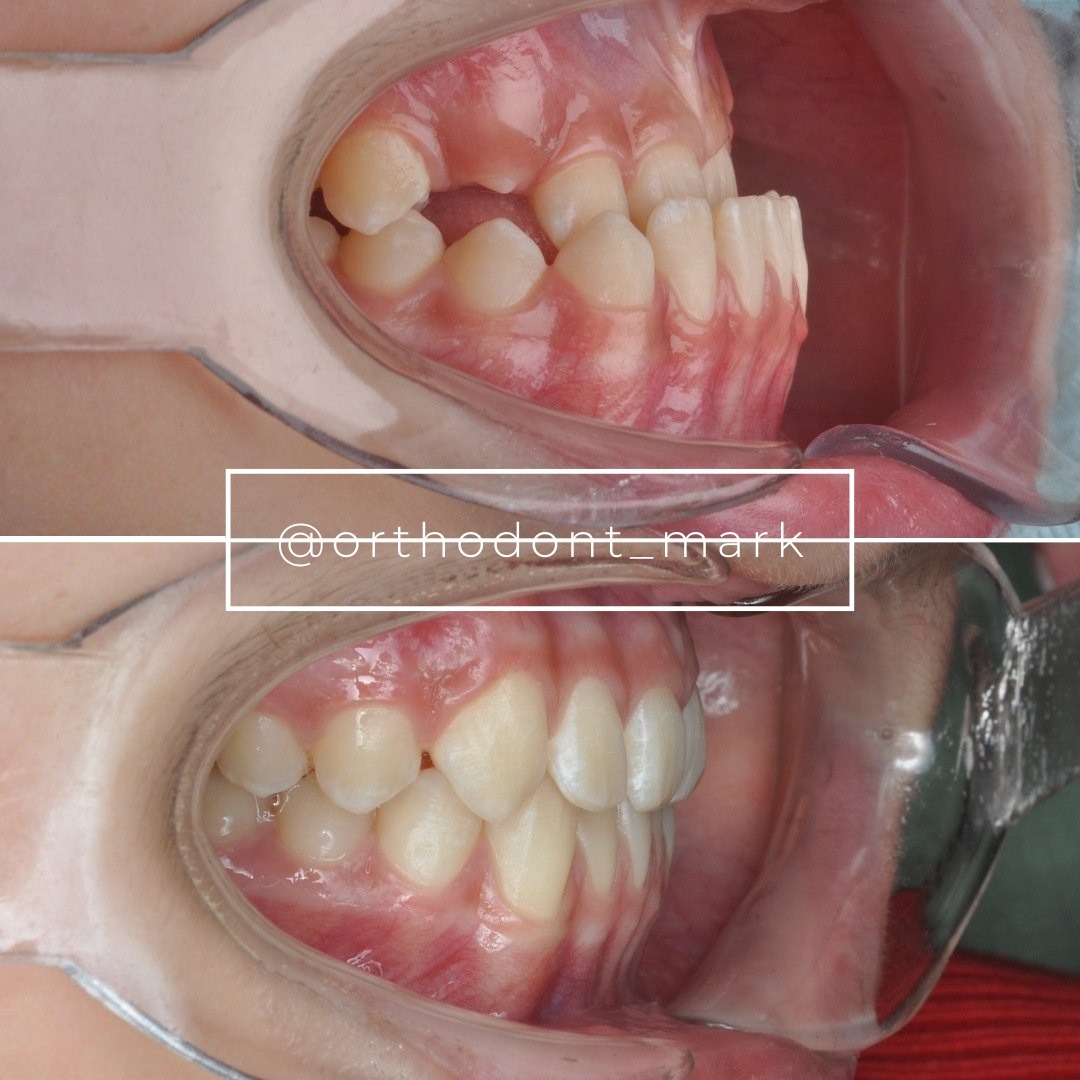
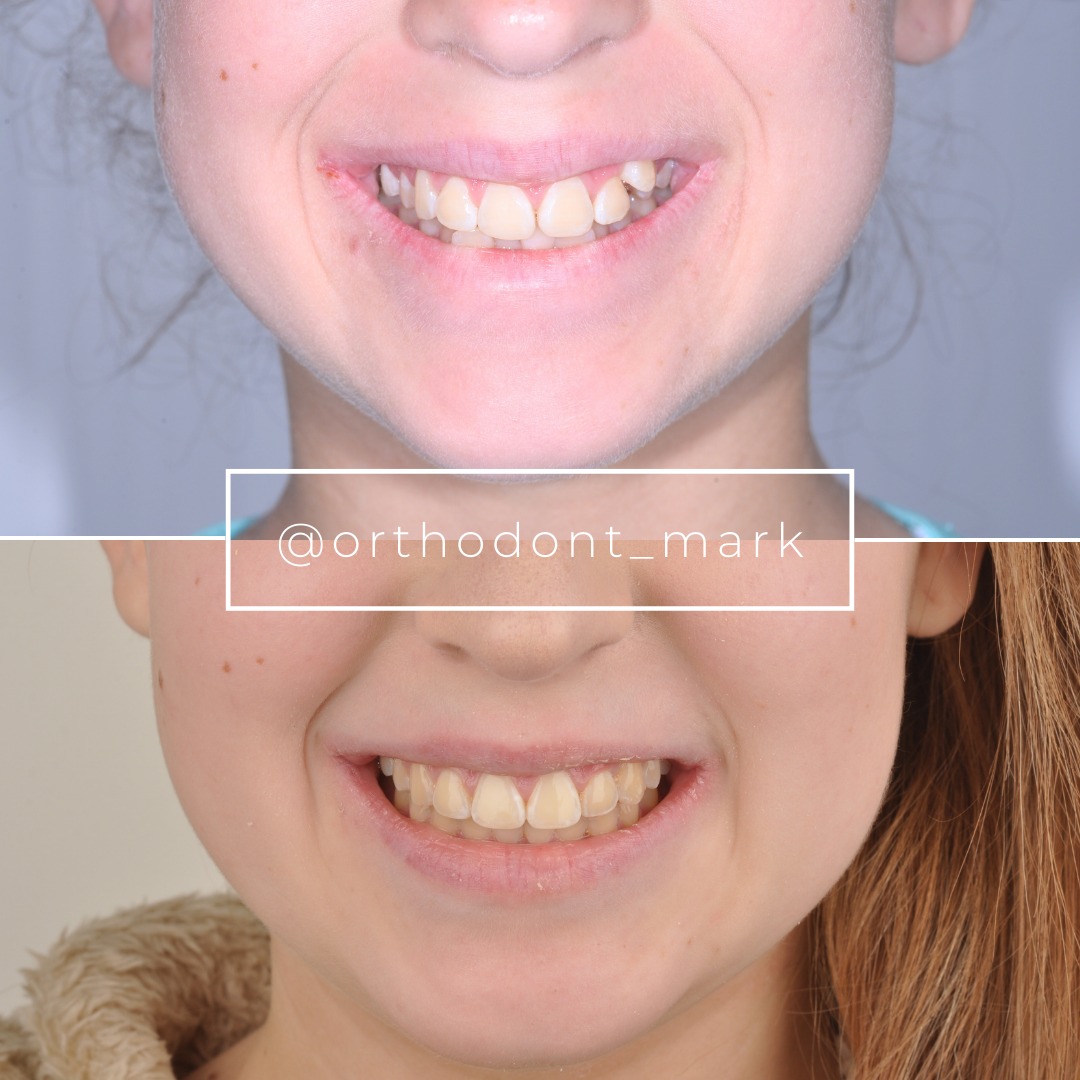
Clinical cases from Dr. Mark Radzhabov's practice

Learn the full MARPE protocol from Dr. Mark Radzhabov
Fundamental course covering CBCT patient selection, miniscrew planning, activation protocols, and 60+ clinical cases. Choose the access level that fits your practice.
Essentials of rapid palatal expansion for practicing orthodontists.
- Core RPE concepts and biomechanics
- 6 structured video lessons
- Clinical decision checklists
- Lifetime access to recordings
Deep-dive into MARPE protocol, diagnostics, and clinical execution.
- 6 modules covering MARPE from A to Z
- CBCT case selection walkthroughs
- Miniscrew placement and activation
- 60+ annotated clinical cases
- Direct Q&A with Dr. Mark Radzhabov
5-element medical consultation framework for dentists and orthodontists.
- Trust-building consultation protocol
- 5 lesson modules
- Templates for treatment plan delivery
- Works with any clinical specialty
Clinical FAQ
Is MARPE contraindicated during pregnancy?
No. MARPE is not contraindicated in uncomplicated pregnancies. Treatment continuation depends on expansion stage (active vs. consolidation), miniscrew stability, and obstetric clearance. Coordinate with the patient's obstetrician and defer imaging when possible.
What imaging is safe for MARPE pregnancy patients?
Periapical radiographs using rectangular collimation and lead aprons are safe, especially in the second and third trimesters. CBCT should be deferred during pregnancy unless clinically emergent (suspected miniscrew perforation). Resume CBCT at 8–12 weeks postpartum.
How does pregnancy affect midpalatal suture separation and skeletal expansion?
Pregnancy-associated bone remodeling—increased osteoclastic activity and elevated relaxin—may theoretically accelerate suture separation and enhance skeletal response. However, direct MARPE-specific evidence is absent. Anecdotal reports suggest faster diastema widening, but controlled data are lacking.
What should I do if miniscrew mobility or infection emerges during pregnancy?
Perform a clinical stability assessment immediately. If infection is suspected, obtain obstetric clearance and consider miniscrew removal. Re-insertion can be deferred until postpartum. Avoid re-torqueing a mobile screw. Instead, assess whether expansion can pause safely.
Can I continue normal MARPE activation rates during pregnancy?
Yes, if the patient is in early active expansion and obstetrics confirms an uncomplicated pregnancy. Standard activation (0.25 mm per quarter-turn, twice daily) is biomechanically sound. Monitor via clinical markers. Defer radiographs unless miniscrew instability emerges.
How does pregnancy-related bone remodeling affect miniscrew osseointegration?
Pregnancy increases bone turnover, potentially destabilizing miniscrew threads if insertion torque was marginal or bone density was low. Perform regular clinical palpation assessments. Optimize oral hygiene to prevent infection, which directly threatens integration.
Should MARPE patients complete expansion before attempting conception?
Ideally, yes. Preconception counseling should address MARPE timing. Completing active expansion and consolidation before pregnancy eliminates protocol modifications and imaging concerns. If pregnancy is unplanned, coordinate care with obstetrics.
What is the recommended timeline for post-delivery CBCT and miniscrew removal?
Allow 8–12 weeks postpartum before obtaining CBCT to document final skeletal response and miniscrew status. Breastfeeding does not delay imaging or miniscrew removal. Complete radiographic assessment before removing screws to ensure comprehensive treatment records.
How should I counsel patients on MARPE pregnancy risks versus benefits?
Emphasize that uncomplicated MARPE during pregnancy carries minimal risk if miniscrews remain stable and imaging is minimized. Benefits include continuous skeletal expansion and avoidance of re-insertion. Risks include potential accelerated bone resorption and miniscrew instability if gestational complications develop.
What multidisciplinary coordination steps are essential for MARPE in pregnancy?
Provide a brief clinical summary to the patient's obstetrician documenting MARPE status and planned imaging protocol. Coordinate with the patient's dentist regarding miniscrew hygiene and infection prevention. Document all decisions and communications in the patient record.
MARPE in pregnancy is neither contraindicated nor risk-free. It demands individualized case assessment, close coordination with obstetrics, and rigorous radiation hygiene. The clinical takeaway is clear: defer imaging when possible, stabilize miniscrews if active expansion is underway, and complete treatment planning conversations before conception. For guidance on case-specific protocols—particularly when a patient reports pregnancy mid-treatment—Dr. Mark Radzhabov's evidence-based consultation service and course materials provide detailed frameworks for informed decision-making alongside your patient's obstetric team.