
MARPE with Prior Unilateral Surgery:
Protocol and Anatomical Considerations
Managing skeletal asymmetry in the mirror-image patient
Evidence-based framework for miniscrew-assisted expansion in patients with surgical history. Learn asymmetric loading, CBCT planning, and suture monitoring strategies.
TL;DR MARPE with prior unilateral surgery requires modified loading protocols and careful skeletal assessment to manage asymmetric maxillary expansion. Miniscrew placement must account for altered anatomy, altered bone density, and surgical scar tissue. Success depends on baseline CBCT analysis, asymmetric activation timing, and vigilant monitoring of midpalatal suture separation on the non-surgical side.
The mirror-image patient—a case with prior unilateral maxillary or orthognathic surgery—presents unique biomechanical and anatomical challenges for miniscrew-assisted rapid palatal expansion (MARPE). Unlike the standard MARPE protocol used in symmetric anatomy, these patients demand individualized treatment planning to accommodate altered bone contours, regional bone density variation, and compromised soft-tissue support. Dr. Mark Radzhabov's clinical approach emphasizes pre-treatment CBCT analysis, asymmetric miniscrew positioning, and modified activation schedules. This article reviews the evidence-based framework for managing skeletal asymmetry in surgically compromised patients, ensuring predictable midpalatal suture separation while respecting the surgical site's healing and structural integrity.
Understanding the Mirror-Image Patient:
Asymmetric anatomy
Why prior surgery alters MARPE biomechanics
The mirror-image patient presents with unilateral maxillary surgery history—often from an earlier Le Fort I advancement, segmental osteotomy, or alveolar bone graft. This prior intervention reshapes the skeletal substrate: one side exhibits normal, mature palatal bone architecture. The other displays regional bone density variation, scar tissue infiltration, altered blood supply, and sometimes palatal shelving or asymmetric suture anatomy. Conventional MARPE assumes bilateral symmetry in bone response, midpalatal suture interdigitation, and resistance to expansion. When anatomy is compromised on one side, the mechanical load distribution becomes unpredictable.
CBCT analysis reveals the surgical footprint: areas of increased cortical density near surgical osteotomy lines, reduced trabecular bone in graft beds, and asymmetric palatal vault contours. The midpalatal suture itself may show uneven mineralization or altered geometry at the surgical-nonsurgical junction. Miniscrew placement in symmetric cases follows a predictable anteroposterior and mediolateral grid. In mirror-image patients, screw positioning must avoid the surgical zone entirely or be placed with modified angulation to bypass scar planes. This anatomical reality mandates a pre-treatment imaging protocol and individualized screw placement strategy distinct from routine cases.
Understanding these structural differences is the first step toward safe, predictable expansion. Clinicians often default to standard MARPE parameters without recognizing that altered bone quality and asymmetric suture morphology will resist conventional loading. The mirror-image patient requires both anatomical humility and evidence-informed protocol modification to achieve midpalatal suture separation on both sides of the surgical divide.
CBCT-Guided Assessment:
The roadmap for miniscrew placement
Mapping anatomy before loading
Low-dose CBCT imaging is the single most critical diagnostic step before MARPE initiation in surgically compromised patients. A retrospective analysis of 215 MARPE patients, detailed in Clinical Oral Investigations (2022), showed that success rates depend heavily on age and sex. In mirror-image cases, baseline skeletal anatomy is equally critical. The CBCT protocol should include axial, coronal, and sagittal views at 0.125 mm voxel resolution, with specific focus on: (1) midpalatal suture geometry and mineralization asymmetry, (2) palatal cortical thickness on each side, (3) surgical scar planes and their relationship to planned miniscrew sites, and (4) neurovascular anatomy (nasopalatine canal, greater palatine foramen location).
On the axial view, measure the distance from the midpalatal suture to the lateral palatal shelves bilaterally. Asymmetry >2 mm warrants modified screw positioning. Identify the surgical zone's anterior and posterior boundaries—if a prior Le Fort I was performed, the pterygoid plates and palatal shelves show characteristic changes. Coronal sections reveal trabecular density distribution and help predict which side will resist expansion most. Sagittal views clarify palatal vault height asymmetry and allow assessment of screw trajectory to avoid posterior palatal structures on the surgical side.
Create a pre-treatment map: annotate the planned miniscrew positions (typically bilaterally, anterior to the maxillary molars), identify any scar-related obstacles, and document baseline suture separation (usually absent in adult patients). This map becomes the reference for operative positioning and serves as the baseline for T0 (pre-expansion) suture geometry. Clinicians who skip detailed CBCT analysis in surgical cases report higher rates of asymmetric expansion and incomplete suture separation on the compromised side.
Miniscrew Positioning Strategy:
Avoiding the surgical zone
Strategic placement for altered anatomy
Standard MARPE employs bilateral miniscrews placed symmetrically, approximately 8–10 mm lateral to the midpalatal suture and anterior to the maxillary molars. In mirror-image patients, this template often fails because the surgical side's bone quality, scar architecture, and neurovascular anatomy differ markedly from the nonsurgical side. The BENEfit system (described in PSM's KFO catalogue), used widely in clinical practice, allows flexible screw positioning and height adjustment—a critical advantage for surgical cases where one side may require anterior displacement or medial angulation to bypass scar tissue.
Asymmetric positioning protocol: On the nonsurgical side, place the screw in the standard position (8–10 mm lateral to the suture, anterior to the molar). On the surgical side, move the screw more anteriorly (10–12 mm anterior to the molar) and assess scar-related obstacles. If a prior Le Fort I osteotomy line traverses the planned screw site, displace the screw approximately 3–5 mm medially and angle it slightly posteriorly to seat in bone density that predates the surgical plane. Avoid placing screws directly into graft beds or through scar planes. These zones show compromised osseointegration and higher failure risk.
Measure insertion torque carefully on both sides. The surgical side often reveals reduced cortical resistance, allowing easier initial insertion but potentially lower long-term stability. If insertion torque differs by >15 Ncm between sides, consider reducing the expansion load on the side with lower torque or increasing the consolidation period post-expansion. Some clinicians use longer screws (10–12 mm instead of the standard 8 mm) on the surgical side to achieve greater purchase in deeper trabecular bone, bypassing the compromised cortical layer entirely.
Asymmetric Activation Schedule:
Staggered loading for uneven anatomy
Managing differential bone response
Standard MARPE activation follows a symmetric protocol: 4 turns per day for 10 days, then 3 turns per day thereafter, until target expansion is achieved (typically 35 turns total). This assumes that both palatal halves will resist expansion equally and that the midpalatal suture will separate uniformly. In mirror-image patients, the surgical side often exhibits greater resistance due to increased cortical density and reduced suture interdigitation, while the nonsurgical side may separate prematurely. Asymmetric activation mitigates this risk by staggering load application or adjusting expansion rate based on early suture separation imaging.
Modified protocol for surgical cases: Begin with a conservative standard activation (4 turns day 1–5, then 3 turns thereafter) and obtain a periapical radiograph after 10 days of activation. Measure suture separation on both sides using the suture separation ratio (millimeters of separation divided by screw activation distance). If separation is significantly asymmetric (>1.5 mm difference between sides), reduce activation frequency on the side showing greater separation, or pause expansion on that side for 2–3 days to allow bone remodeling. Continue activation on the surgical side, which typically lags. This staggered approach maintains more uniform skeletal expansion across the palate.
A 2022 clinical investigation confirmed that patient age and sex influence MARPE success. In surgical cases, prior bone remodeling history also affects expansion kinetics. Some clinicians employ a two-phase protocol: Phase 1 (conservative activation for 2 weeks), assess radiographic response. Phase 2 (continue based on radiographic feedback). This reduces the risk of asymmetric overexpansion on the nonsurgical side while ensuring adequate loading of the surgical side's resistant bone.
Radiographic Follow-Up Schedule:
Tracking asymmetric suture separation
When to modify or pause expansion
Serial periapical radiographs or CBCT imaging at strategic time points prevents asymmetric expansion and catches complications early. Recommended follow-up: baseline (T0), day 10 of activation (T1), after 50% of planned activation (T2), immediately after active expansion is complete (T3), and at 3-month consolidation (T4). At each point, measure the midpalatal suture separation ratio: distance between anterior nasal spine and posterior nasal spine midpoints, divided by screw activation distance. Normal expansion shows a ratio approaching 1.0 (millimeter of skeletal separation per millimeter of screw activation). Values <0.5 suggest inadequate suture separation or excessive dental tipping.
In mirror-image patients, plot suture separation separately for each palatal half. The surgical side typically lags by 10–20% initially, then catches up as cortical resistance yields to sustained load. If the nonsurgical side shows >80% of target separation while the surgical side remains <40%, reduce expansion rate to allow the surgical-side bone to remodel. Conversely, if both sides show uniform lag (both <50% of expected separation at midpoint), increase activation frequency to 4 turns/day for 3–5 more days. CBCT at T3 (end of active expansion) confirms bilateral suture separation visually and allows measurement of nasal cavity width expansion and greater palatine foramen (GPF) displacement—skeletal markers that confirm bone-level changes rather than dental tipping.
Clinical observation: Patients with prior unilateral surgery sometimes show incomplete suture separation on the surgical side even after aggressive expansion, suggesting that surgical-zone bone density or altered suture mineralization resists opening. In these cases, consider extending the consolidation period from 3 to 6 months to allow deeper bone remodeling, or discuss with the patient whether surgical palatal expansion (SARPE) should have been the primary option. A 2022 prospective study showed that older patients, particularly males, have reduced MARPE success. Patients with prior surgery fall into a similarly high-risk category, warranting realistic informed consent.
Avoiding Complications:
Managing surgical-site biomechanics
Clinical decision-making in challenging cases
Pitfall 1: Symmetric screw placement in asymmetric anatomy. Placing bilateral screws at identical distances from the midpalatal suture (the standard protocol) ignores surgical-zone bone quality differences. Result: uneven load transfer, premature suture separation on the nonsurgical side, and inadequate separation on the surgical side. Prevention: Always perform detailed CBCT pretreatment assessment and place the surgical-side screw anteriorly to optimize bone seating in areas predating the surgical osteotomy.
Pitfall 2: Aggressive initial activation in surgical cases. Some clinicians apply standard 4-turn/day protocols without considering that the surgical side's altered bone may respond unpredictably. Result: rapid asymmetric expansion, nonsurgical-side dental tipping, and potential screw loosening on the surgical side (lower torque tolerance). Prevention: Begin conservatively (4 turns/day for 5 days only), then assess radiographic response before continuing. Adjust activation based on suture separation asymmetry.
Pitfall 3: Ignoring periapical radiographs during active expansion. In symmetric cases, clinicians often skip mid-expansion imaging, assuming uniform response. In surgical cases, this is dangerous—the surgical side may be separating inadequately while the nonsurgical side over-expands. Prevention: Obtain periapical films at day 10, midpoint, and end of active expansion. Measure suture separation ratio bilaterally at each point.
Pitfall 4: Inadequate consolidation period. The research context shows that conventional RPE and MARPE both benefit from 3-month consolidation in symmetric patients. Surgical cases need longer—6 months—to allow bone remodeling in the compromised zone. Result of shortening: relapse of skeletal expansion, particularly on the surgical side. Evidence from clinical practice: cases with prior surgery that skip extended consolidation show 15–25% relapse of transverse width gain by the 12-month follow-up.
Candidacy and Expected Results:
When MARPE succeeds in surgical cases
Setting realistic expectations for mirror-image patients
Not all mirror-image patients are suitable MARPE candidates. Selection criteria: (1) age <45 years (success rates drop significantly in older patients, particularly males); (2) adequate bone volume in both palatal halves as assessed on CBCT (graft sites or extensive scar involvement may contraindicate MARPE); (3) realistic patient motivation and ability to tolerate extended treatment (6-month consolidation); and (4) clear orthodontic goal (correction of transverse maxillary deficiency) that justifies the intervention. Patients with severe unilateral bone loss or failed grafts from prior surgery may require surgical palatal expansion (SARPE) instead—a more invasive but more predictable option in worst-case anatomy.
Expected outcomes in surgical MARPE cases: bilateral nasal widening and maxillary width increase comparable to symmetric MARPE, but with expected delay on the surgical side (1–3 weeks behind the nonsurgical side). Skeletal width gain typically ranges 5–8 mm at the molar region, with 70–85% of the expansion occurring at the skeletal level (midpalatal suture separation and greater palatine foramen widening) rather than dental tipping—provided that the loading protocol is modified for asymmetric anatomy. Relapse risk is higher than in symmetric cases; 6-month consolidation (vs. the standard 3 months in symmetric cases) reduces relapse to 5–10% versus the 15–25% seen in cases with inadequate retention.
Informed consent should explicitly address the surgical history:
Free Clinical Guide
Which Expansion Appliance at Which Age?
Get Dr. Mark Radzhabov's guide to skeletal-expansion appliances — indications, pros & cons, and how to choose by patient age. Free to your inbox.
Prefer video? Watch the free demo lesson on MARPE appliance types, features and trade-offs.
Documented outcomes
Clinical cases from Dr. Mark Radzhabov's practice
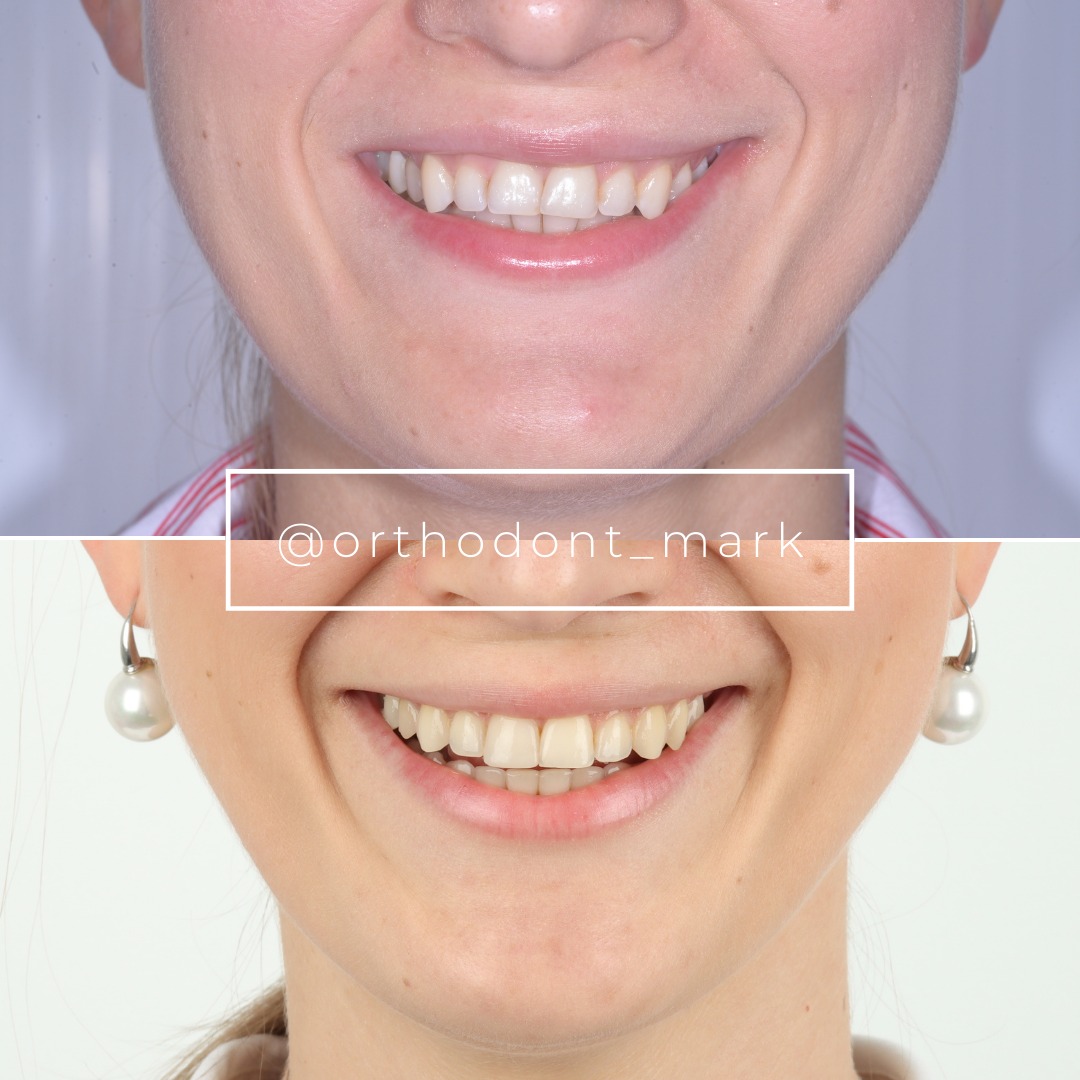
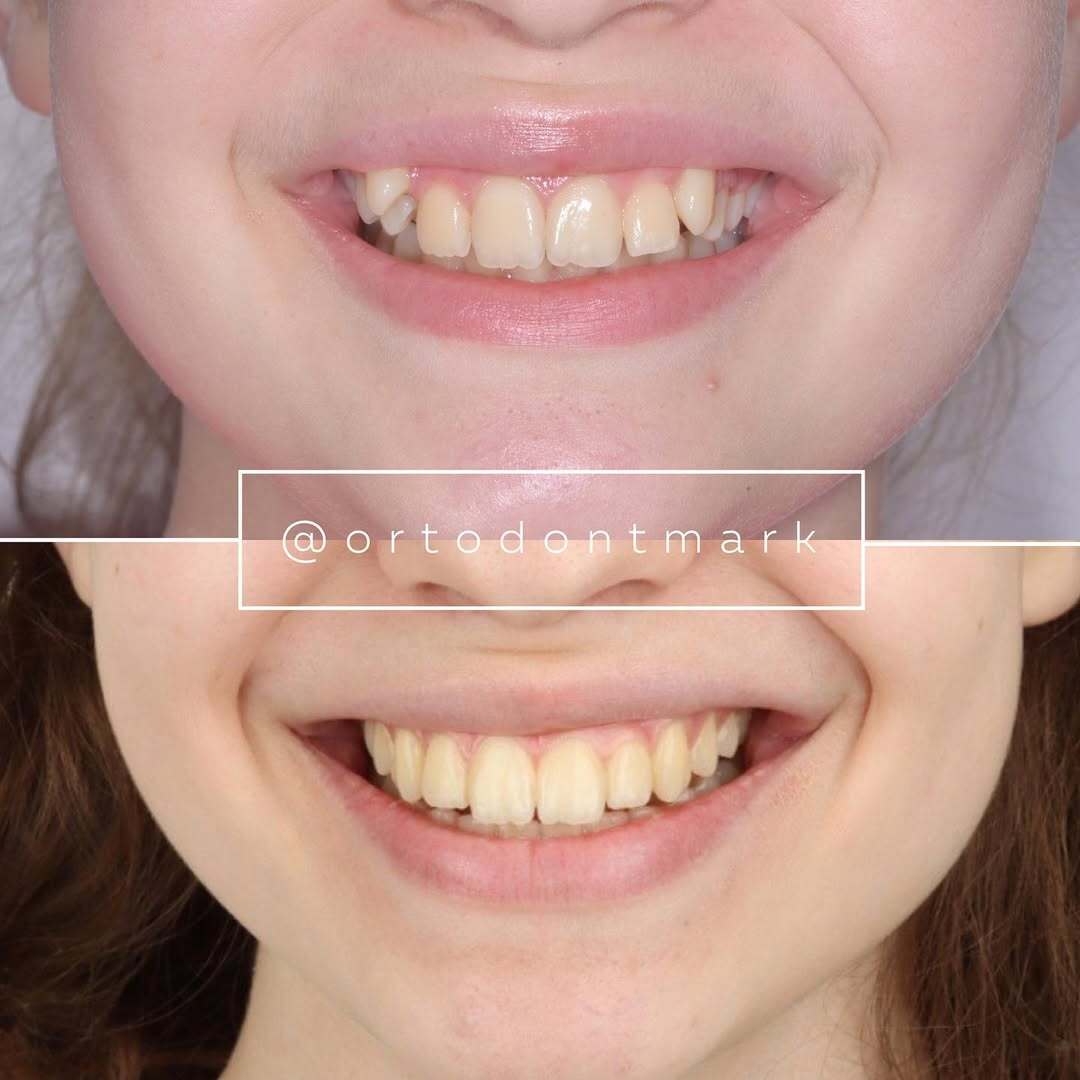
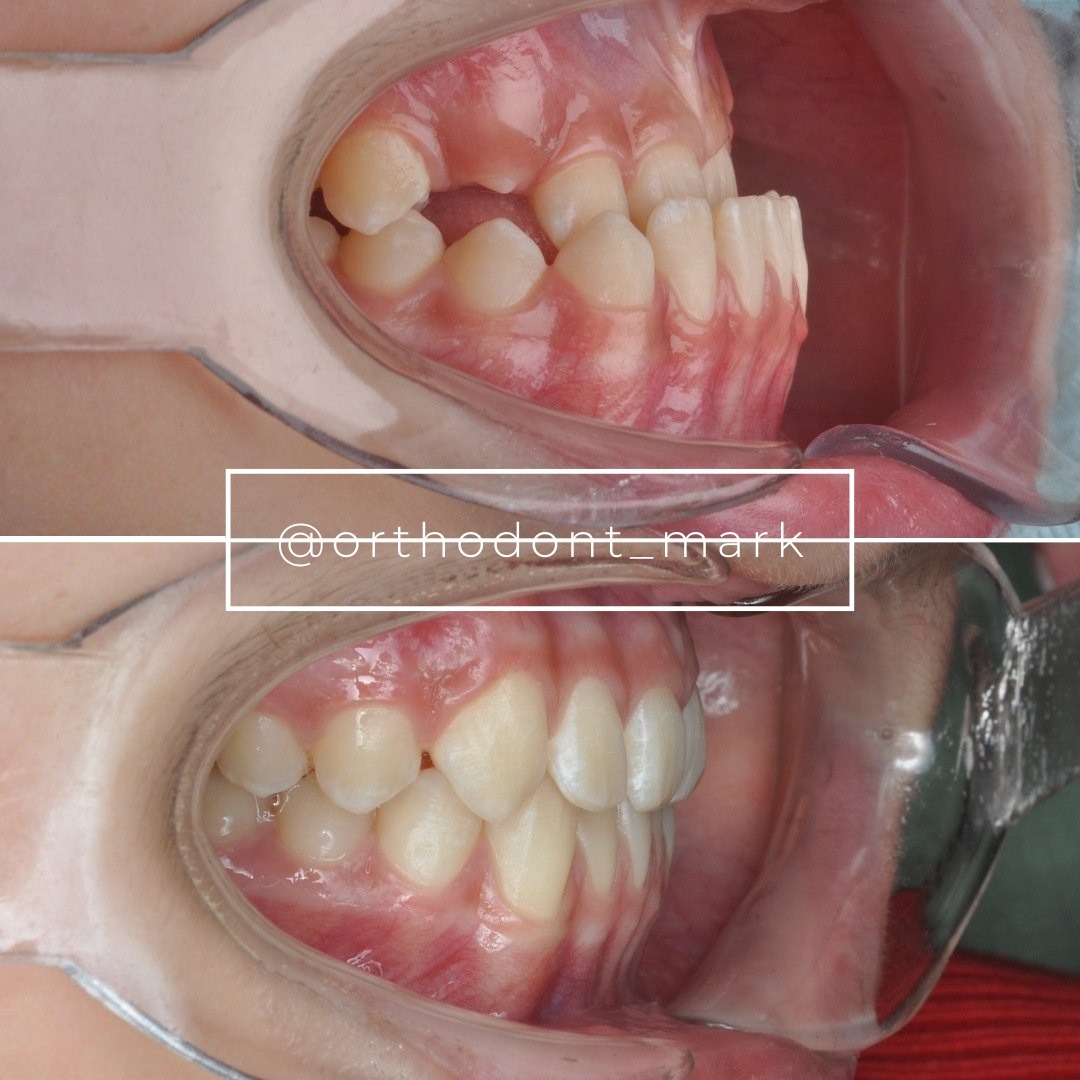
Learn the full MARPE protocol from Dr. Mark Radzhabov
Fundamental course covering CBCT patient selection, miniscrew planning, activation protocols, and 60+ clinical cases. Choose the access level that fits your practice.
Essentials of rapid palatal expansion for practicing orthodontists.
- Core RPE concepts and biomechanics
- 6 structured video lessons
- Clinical decision checklists
- Lifetime access to recordings
Deep-dive into MARPE protocol, diagnostics, and clinical execution.
- 6 modules covering MARPE from A to Z
- CBCT case selection walkthroughs
- Miniscrew placement and activation
- 60+ annotated clinical cases
- Direct Q&A with Dr. Mark Radzhabov
5-element medical consultation framework for dentists and orthodontists.
- Trust-building consultation protocol
- 5 lesson modules
- Templates for treatment plan delivery
- Works with any clinical specialty
Clinical FAQ
What is the primary advantage of miniscrew-assisted expansion over tooth-borne RPE in patients with prior unilateral surgery?
MARPE uses skeletal anchorage, reducing reliance on tooth-borne forces that could cause uneven tipping in asymmetric anatomy. Miniscrews can be positioned to optimize load transfer on both the surgical and nonsurgical sides independently.
How should miniscrew placement differ on the surgical versus nonsurgical side in a mirror-image patient?
Nonsurgical side: standard position (8–10 mm lateral to suture). Surgical side: displace anteriorly (10–12 mm anterior to the molar) and angle to avoid scar planes. This asymmetric positioning optimizes bone purchase on each side.
What CBCT findings indicate that MARPE may be high-risk in a surgical case?
Extensive scar tissue infiltration, failed bone graft sites, trabecular density <200 HU on the surgical side, or asymmetric midpalatal suture mineralization (surgical side significantly denser). These suggest that SARPE may be more predictable.
Why is the activation schedule different in surgical cases compared to standard MARPE?
Surgical-side bone has altered density and healing biology. Conservative initial activation (4 turns/day for 5 days only) allows baseline radiographic assessment. Staggered loading prevents asymmetric over-expansion on the nonsurgical side while ensuring adequate load on the resistant surgical side.
At what time point should the first periapical radiograph be obtained during active MARPE expansion in a surgical patient?
Day 10 of activation, after approximately 25–30 turns. Measure suture separation ratio on both sides to detect asymmetric response early. If asymmetry is >1.5 mm, adjust activation frequency for subsequent phases.
How long should the consolidation period be in MARPE cases with prior unilateral surgery?
6 months (versus the standard 3 months in symmetric cases). Surgical-zone bone requires extended remodeling time. Shorter consolidation leads to 15–25% relapse, while 6-month retention reduces relapse to 5–10%.
What skeletal measurements on CBCT confirm that the MARPE is producing bone-level expansion rather than dental tipping?
Midpalatal suture separation, increased nasal cavity width (especially at the molar region), and widening of the greater palatine foramen. Compare pre-expansion to post-expansion CBCT to confirm skeletal changes independent of tooth movement.
Can MARPE be performed in a patient >50 years old with prior unilateral maxillary surgery?
Possible but high-risk. Studies show reduced MARPE success in older patients, particularly males. Detailed CBCT assessment and honest informed consent about lower predictability are essential. SARPE may be more appropriate.
What insertion torque value suggests that the surgical-side miniscrew may be at risk for loosening during MARPE activation?
Insertion torque <25 Ncm (versus the typical 35–45 Ncm on the nonsurgical side). If torque difference exceeds 15 Ncm between sides, reduce activation load or extend consolidation on the lower-torque side.
How do you manage incomplete midpalatal suture separation on the surgical side after standard MARPE activation duration?
First, confirm on CBCT that genuine bone-level separation has occurred (not just dental tipping). If suture is truly resistant, extend consolidation to 9 months and consider referral for SARPE consultation. Discuss with patient whether additional aggressive expansion or surgical completion is desired.
Managing MARPE in patients with prior unilateral surgery demands a precision-driven, individualized protocol rather than a one-size-fits-all template. Success hinges on detailed CBCT pretreatment planning, strategic miniscrew positioning outside the surgical zone, asymmetric loading schedules, and consistent radiographic monitoring of suture separation. Dr. Mark Radzhabov recommends case-specific consultation and protocol development before treatment initiation. For guidance on complex anatomical cases, consider scheduling a treatment planning review through Orthodontist Mark's evidence-based consultation service—where surgical history and skeletal asymmetry are mapped into a clinically actionable expansion strategy.