
Re-Expansion After Relapse:
Can You MARPE the Same Maxilla Twice?
Evidence-based guidance on miniscrew stability, suture reopening, and retreatment protocols for patients seeking restoration of transverse gains.
TL;DR Yes, re-expansion after relapse is clinically feasible when skeletal maturity allows suture reopening. MARPE re-expansion depends on midpalatal suture status, miniscrew anchorage integrity, and time elapsed since initial expansion. Proper diagnosis via CBCT and staged activation protocols improve outcomes, though long-term stability data remain limited.
Palatal relapse after MARPE remains a clinically relevant challenge, and the question of whether a maxilla can be re-expanded a second time frequently arises in practice. This article reviews the evidence on re-expansion after relapse, miniscrew stability during retreatment, and practical protocols for managing patients who have lost transverse gains. Dr. Mark Radzhabov and the team at Orthodontist Mark examine how skeletal maturity, suture biology, and appliance selection influence success rates—equipping clinicians with decision-making criteria for case selection and treatment planning.
What Is Palatal Re-Expansion After Relapse?
re-expansion
Palatal re-expansion after relapse describes a second course of maxillary widening undertaken when patients have experienced significant recoil of initial expansion gains. This phenomenon occurs due to skeletal rebound, incomplete midpalatal suture separation during the first treatment phase, or inadequate retention duration. The biology of re-expansion differs from primary expansion: the midpalatal suture may exhibit partial re-fusion, the surrounding cortical bone has already undergone remodeling, and miniscrew anchorage sites—if reused—may show changes in bone density and implant-to-bone contact. Understanding whether a patient's suture remains partially separated, has completely re-fused, or exhibits variable maturation across regions is essential before committing to retreatment. Radiographic assessment via cone-beam computed tomography (CBCT) is mandatory to establish baseline suture morphology, miniscrew position relative to new bone, and periodontal status around anchor teeth or implants. A 2022 prospective randomized clinical trial comparing conventional rapid palatal expansion (RPE) and miniscrew-assisted RPE (MARPE) in adolescents and young adults reported a 95% frequency of midpalatal suture separation in the MARPE group with identical 35-turn expansion. These findings suggest that complete suture reopening is achievable in younger patients, but long-term data on re-expansion cycles in the same individual remain sparse. Clinical observation from experienced practitioners indicates that re-expansion is feasible, yet individual variability in suture re-fusion rates demands personalized diagnostic protocols.
Who Is a Candidate for Re-Expansion?
candidate
Patient selection for palatal re-expansion hinges on four key variables: chronological and skeletal age, amount of relapse experienced, current midpalatal suture maturation stage, and bone volume and quality at miniscrew sites. Younger patients (late teens to early 20s) with a moderate relapse of 2–4 mm retain better prognosis than skeletally mature adults (40+) or those with severe relapse exceeding 50% of initial gain. CBCT imaging must confirm that the midpalatal suture has not fully ossified. Stage II or III suture maturation (partial fusion) permits re-expansion with acceptable outcomes, while stage IV (complete fusion) necessitates surgical assistance. The time interval between first and second expansion also influences feasibility: relapse occurring within 6–12 months post-retention suggests inadequate initial retention or accelerated re-fusion and may indicate that a longer consolidation period (8–12 weeks minimum) is needed in the re-expansion phase. Patients must demonstrate realistic expectations: re-expansion gains are often 60–80% of the initial expansion magnitude, depending on suture biology and load application. Clinicians should conduct a thorough periodontal and radiographic workup, assessing for implant osseointegration if prior miniscrews are being considered for re-use, and establish a clear retention protocol before beginning treatment. Dr. Mark Radzhabov emphasizes that unsuccessful first expansion attempts—where suture separation was incomplete—are not ideal candidates for immediate re-expansion without surgical consultation.
Diagnostic Imaging for Miniscrew-Assisted Re-Expansion
CBCT imaging
Cone-beam computed tomography is non-negotiable for re-expansion case planning. The imaging protocol should capture axial, coronal, and sagittal sections of the hard palate at a resolution sufficient to assess midpalatal suture morphology across multiple levels (anterior, middle, and posterior thirds). Clinicians must evaluate: (1) degree of suture separation (none, partial, or complete re-fusion); (2) bone density and trabecular pattern within the suture space; (3) position and status of prior miniscrews or osseointegrated implants, including bone-implant contact and surrounding radiopacity. And (4) palatal vault dimensions and available space for new miniscrew placement if the prior sites are compromised. A standardized suture maturation staging system (such as the five-point scale: stage I, open. Stage II, partially fused. Stage III, mostly fused. Stage IV, completely fused. Stage V, fused with trabecular fusion) should be applied to assign a pre-expansion maturity grade. Patients with stage II–III morphology are candidates for re-expansion without surgical intervention. Patients with stage IV–V sutures are surgical candidates and should be referred for orthognathic assessment. Additionally, CBCT allows measurement of bone loss around previously placed miniscrews, helping clinicians decide whether to re-use implant sites or select new regions in the hard palate. Low-dose CBCT protocols are preferred to minimize radiation exposure in young adult patients undergoing retreatment. A 2022 low-dose CBCT study in adolescents and young adults showed that detailed skeletal and dentoalveolar measurements were achievable with minimal dose. This same imaging quality is essential for re-expansion planning.
Miniscrew Stability During Re-Expansion
miniscrew stability
Miniscrew anchorage is the cornerstone of successful MARPE, and stability during a second expansion cycle is subject to unique biomechanical and biological pressures. If the original miniscrews remain in situ with confirmed osseointegration and no signs of mobility, reactivation may be possible. However, the bone surrounding these implants has undergone initial remodeling and may exhibit reduced density compared to pristine bone. Clinicians should perform a percutaneous stability test (gentle manual probing or radiographic assessment of crestal bone level) before deciding to re-load existing miniscrews. If prior implants show any evidence of loosening, infection, or peri-implant bone loss, they should be removed and new sites selected. The posterior hard palate (between the molar roots, in the region of the greater palatine foramen and lateral to the midline) typically offers superior bone volume and density compared to anterior regions. When placing new miniscrews for re-expansion, divergent positioning (slight buccal offset) can distribute load more favorably and reduce risk of root contact. The activation protocol for re-expansion should be conservative: a quarter-turn per day is preferred initially, with the rate adjusted based on patient comfort and radiographic evidence of suture separation. Unlike primary MARPE, which often employs quarter-turns twice daily, re-expansion benefits from slower activation to permit biological accommodation and minimize relapse risk. Root proximity assessment via CBCT is essential. Buccal displacement of anchor teeth during re-expansion can exceed that seen in primary expansion if the cortical margins have already been remodeled. As documented in recent studies comparing RPE and MARPE in younger cohorts, MARPE groups exhibited lesser buccal displacement of anchor teeth, suggesting that miniscrew anchorage provides superior skeletal control—a biomechanical advantage relevant to re-expansion scenarios where alveolar support may be compromised.
Re-Expansion Protocol: Activation and Retention
activation and retention
The re-expansion protocol for MARPE consists of three phases: initial activation, consolidation, and extended retention. During the activation phase, quarter-turn daily expansion is continued until a visible midline diastema appears (indicating suture separation) and cross-sectional imaging confirms adequate bone separation at multiple palatal levels. Unlike primary expansion, which often requires 6–8 weeks of continuous activation, re-expansion may necessitate 8–12 weeks of activation due to suture re-fusion resistance. Clinical judgment and patient comfort are paramount: if significant discomfort or complications (implant loosening, severe root resorption) arise, activation should be paused and reassessed. Once adequate expansion is achieved, the appliance remains in place during a consolidation phase lasting 12–16 weeks (longer than primary MARPE consolidation) to permit bone remodeling and suture re-stabilization. During consolidation, the screw is not advanced. Patient compliance with the appliance is monitored, and CBCT imaging is obtained at the 8-week mark to confirm suture maturity and absence of unexpected recoil. The retention phase is critical: unlike primary MARPE, where 6-month retention is standard, re-expansion requires minimum 12-month passive retention using a fixed or removable retainer to prevent rapid relapse. A Russian patent (2020) describing maxillary expansion methodology emphasized an 8-week intensive expansion protocol followed by 6-month retention. However, re-expansion scenarios warrant extension of both phases. Monitoring for late relapse (beyond 12 months) is recommended. Some clinicians advocate for 18–24 month retention in re-expansion cases. Patient education regarding the long-term nature of retreatment and the increased commitment required is essential for compliance.
Skeletal Response and Biomechanical Challenges
skeletal response
The skeletal response to re-expansion differs from primary expansion in several ways. During primary MARPE, the midpalatal suture has never been disrupted and responds to cyclic load by progressive separation, accompanied by buccal tipping of maxillary premolars and molars. In re-expansion, the suture has experienced prior separation and re-fusion, altering its collagen fiber orientation and mineralization pattern. Re-opening this tissue may incite a stronger inflammatory response and accelerated recoil tendency. Bone remodeling kinetics are faster in younger patients but may be sluggish in adults over 30, necessitating extended consolidation. A 2022 study comparing RPE and MARPE in adolescents and young adults found that MARPE produced greater increases in nasal width at the molar region and greater palatine foramen across expansion and consolidation periods, indicating superior skeletal effect compared to tooth-borne appliances. These findings support MARPE use in re-expansion: the skeletal anchorage prevents dental compensation and directs force directly to the suture, optimizing suture separation geometry. However, increased forces to the suture in re-expansion (due to re-fusion resistance) may necessitate reduced activation rates or staged expansion (pause-and-resume cycles) to allow biological accommodation. Palatal vault height changes should also be monitored. Some clinicians report greater vertical expansion changes in re-expansion scenarios compared to primary expansion, which may have malocclusion implications if not anticipated. The comparative advantage of MARPE over tooth-borne RPE becomes even more pronounced in re-expansion, as dental anchor loss is minimized and skeletal force application remains consistent.
Common Pitfalls and When to Refer for Surgery
Common Pitfalls
Several pitfalls frequently derail re-expansion attempts. First, inadequate pre-treatment diagnosis: clinicians who proceed to re-expansion without CBCT imaging risk underestimating suture maturity or missing miniscrew loosening, leading to failed activation and frustrated patients. Second, overly aggressive activation: applying the same activation rate as primary MARPE to re-expansion often backfires. The re-fused suture resists more forcefully, causing implant loosening or relapse immediately post-treatment. Third, underestimating retention duration: many practitioners revert to 6-month retention post-re-expansion, mirroring primary protocols. This frequently results in late relapse within 6–12 months. Fourth, ignoring periodontal status: re-expansion in patients with existing gingival recession or peri-implant bone loss can accelerate tissue loss and compromise long-term miniscrew stability. Surgical referral is indicated when: (1) CBCT confirms stage IV or V (complete) midpalatal fusion; (2) re-expansion with miniscrew load has failed to produce visible suture separation after 10–12 weeks of activation; (3) miniscrew failure (loosening, infection) occurs during treatment. Or (4) patient is skeletally mature (40+) and requires expansion exceeding 5 mm. Surgically assisted re-expansion (SARPE) remains the standard for completely fused sutures and offers superior skeletal response, though it carries higher morbidity, cost, and patient recovery time. A 2016 orthognathic surgery study comparing SARME with and without midpalatal split found greater efficacy (P = 0.00) for the split approach, suggesting that surgical re-opening of fused sutures delivers more predictable expansion than miniscrew-assisted methods alone. When in doubt, cross-sectional CBCT imaging and consultation with an orthodontist experienced in skeletal expansion protocols clarifies the optimal pathway.
What the Evidence Shows—and What Remains Unknown
evidence shows
The evidence base for palatal re-expansion after relapse remains limited, a gap that reflects the relative novelty of miniscrew-assisted expansion and the rarity of published re-expansion cohorts. A 2022 prospective randomized trial comparing RPE and MARPE in adolescents and young adults demonstrated 95% midpalatal suture separation in MARPE groups and documented superior skeletal expansion effects, suggesting that miniscrew anchorage is biomechanically favorable for repeat expansions. However, this trial did not include re-expansion cycles or long-term relapse data. Thus, direct evidence for re-expansion success rates is extrapolated from primary expansion studies. Surgical literature on SARME (surgically assisted rapid maxillary expansion) provides indirect support: a 2016 comparative study confirmed that surgical midpalatal split significantly improves expansion efficacy, implying that suture biology is a critical limiting factor—a principle that applies equally to miniscrew-assisted re-expansion. Clinical observation from experienced practitioners indicates that re-expansion is feasible in patients under age 35 with stage II–III suture maturation, but long-term stability data spanning 2–5 years post-retention are absent. Current knowledge gaps include: (1) optimal miniscrew placement sites and screw diameter for re-expansion loads; (2) long-term relapse trajectories in re-expansion cohorts; (3) effects of prior expansion on peri-implant bone remodeling and miniscrew survival in retreatment. And (4) comparative outcomes of re-expansion via MARPE versus surgical re-expansion in matched cohorts. Future multicenter prospective studies, ideally with CBCT imaging at standardized intervals and cohorts stratified by age and suture maturity, would clarify these unknowns and refine clinical protocols. Until such evidence accumulates, clinicians should base re-expansion decisions on suture maturity status, individual patient factors, and conservative (extended) retention strategies.
Free Clinical Guide
Which Expansion Appliance at Which Age?
Get Dr. Mark Radzhabov's guide to skeletal-expansion appliances — indications, pros & cons, and how to choose by patient age. Free to your inbox.
Prefer video? Watch the free demo lesson on MARPE appliance types, features and trade-offs.
Documented outcomes
Clinical cases from Dr. Mark Radzhabov's practice
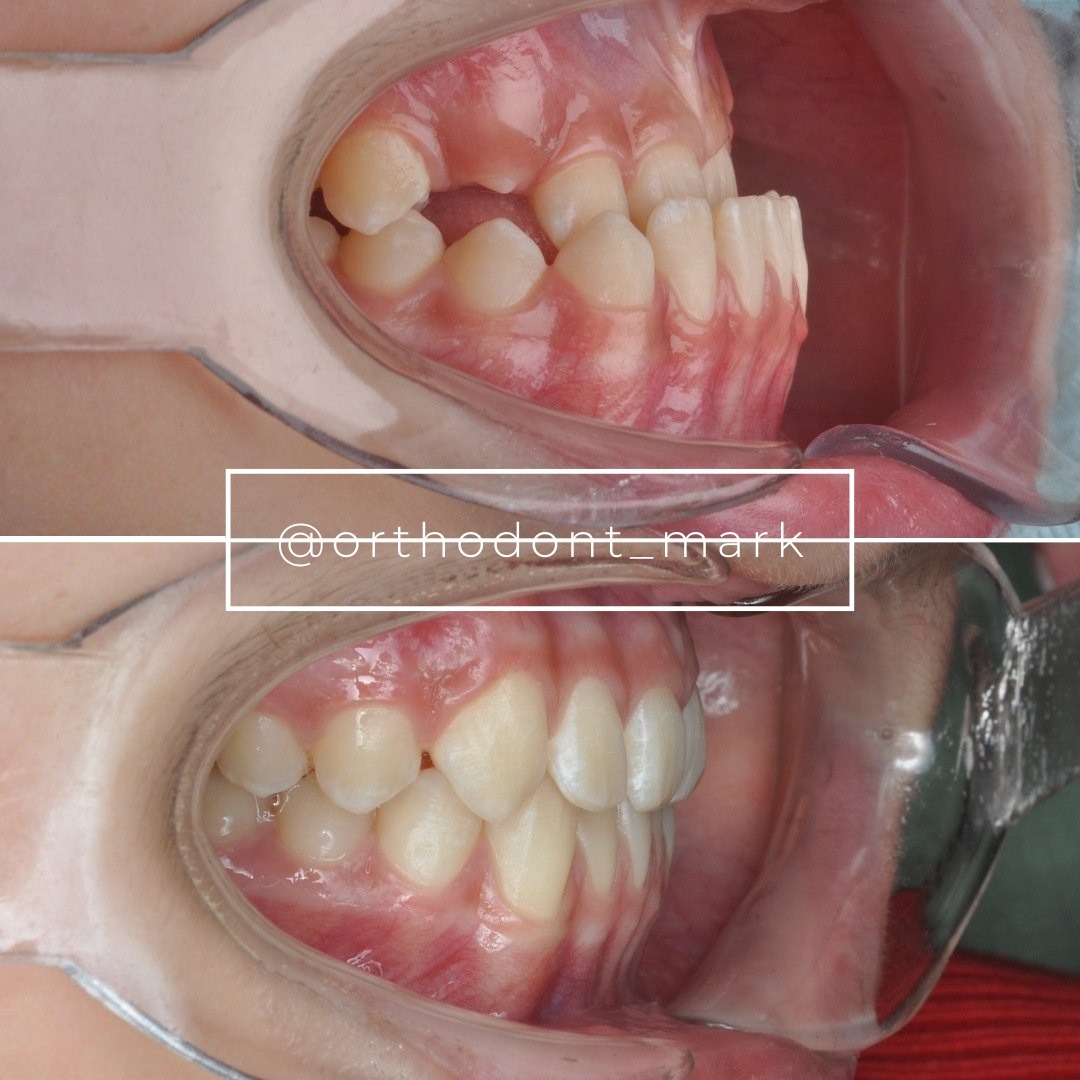
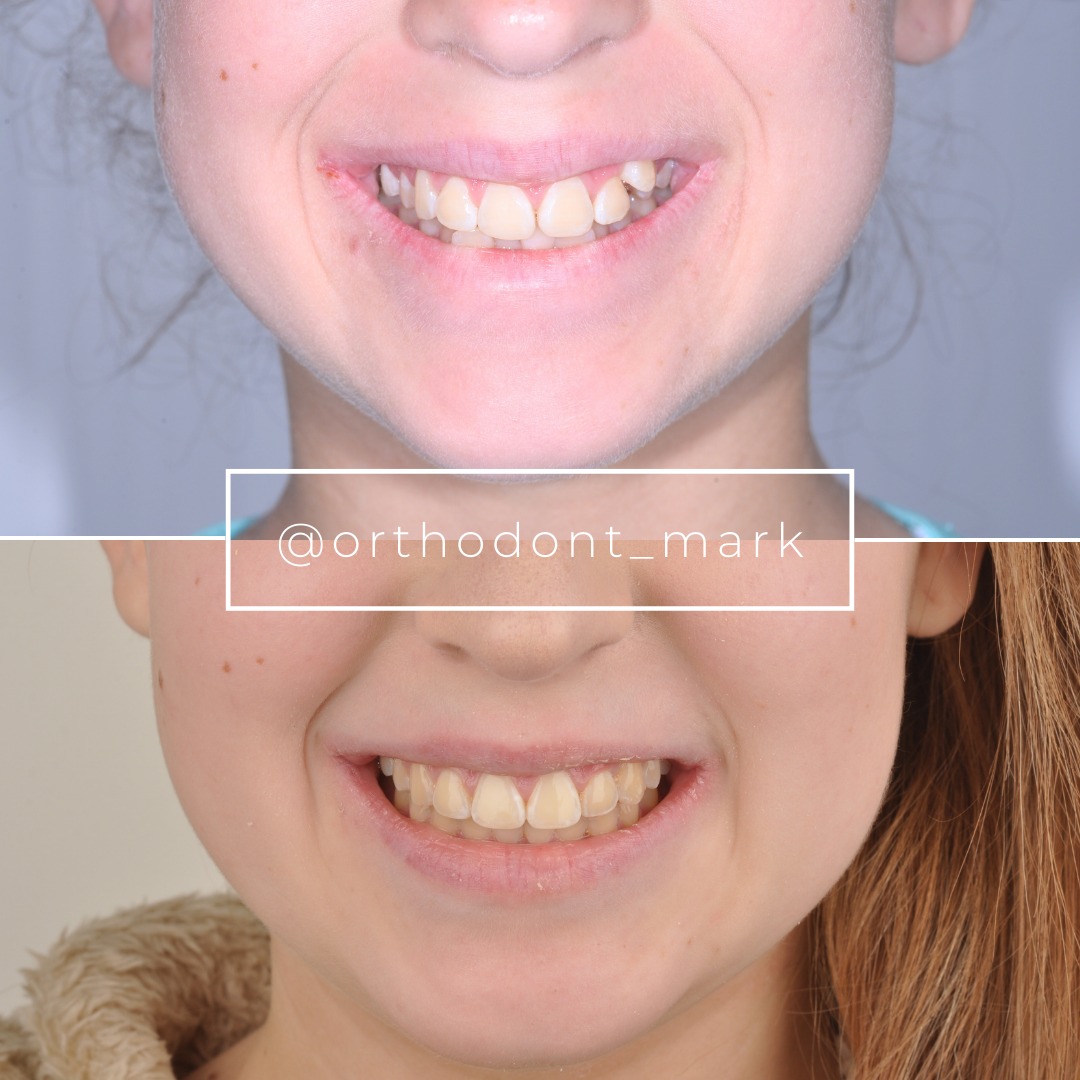
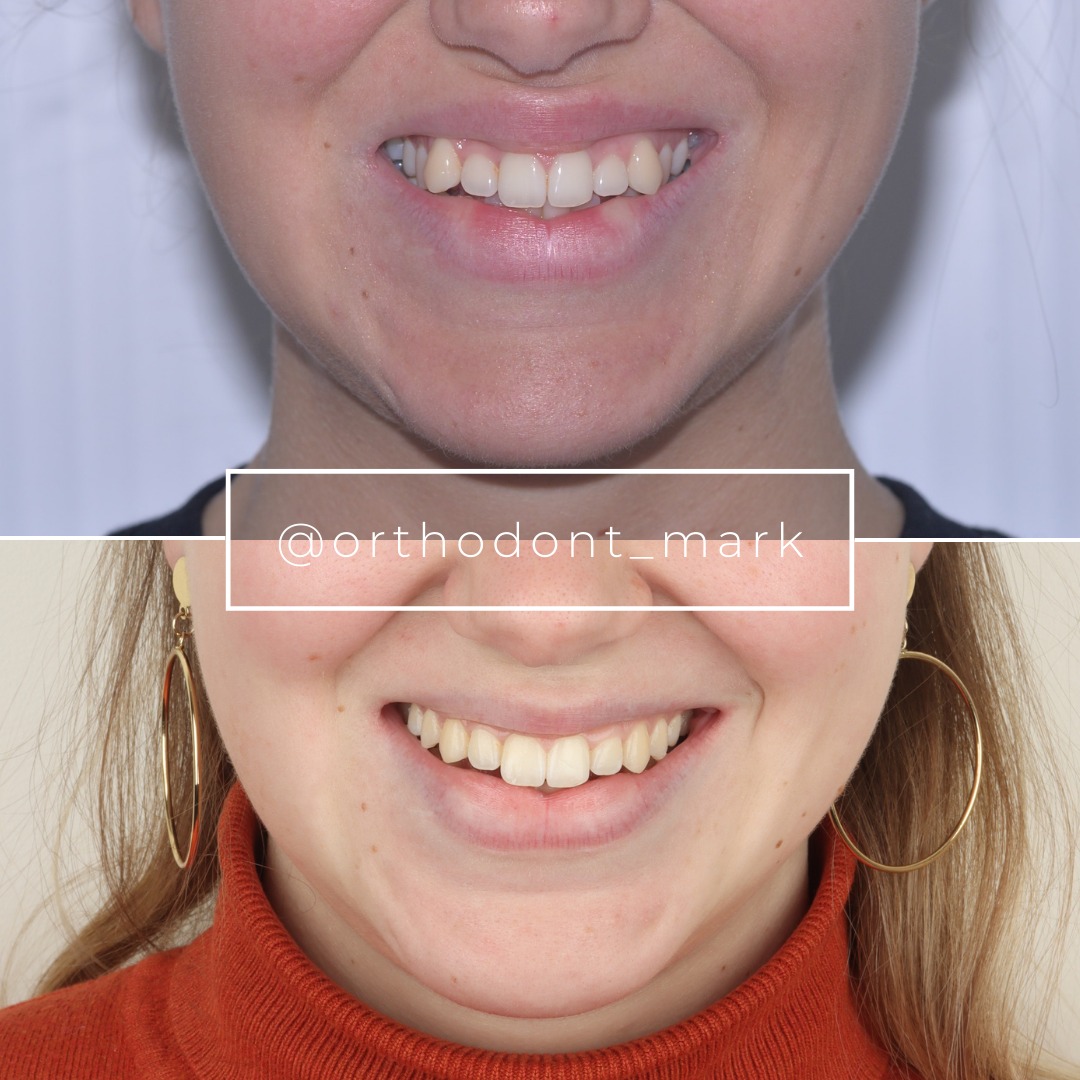
Learn the full MARPE protocol from Dr. Mark Radzhabov
Fundamental course covering CBCT patient selection, miniscrew planning, activation protocols, and 60+ clinical cases. Choose the access level that fits your practice.
Essentials of rapid palatal expansion for practicing orthodontists.
- Core RPE concepts and biomechanics
- 6 structured video lessons
- Clinical decision checklists
- Lifetime access to recordings
Deep-dive into MARPE protocol, diagnostics, and clinical execution.
- 6 modules covering MARPE from A to Z
- CBCT case selection walkthroughs
- Miniscrew placement and activation
- 60+ annotated clinical cases
- Direct Q&A with Dr. Mark Radzhabov
5-element medical consultation framework for dentists and orthodontists.
- Trust-building consultation protocol
- 5 lesson modules
- Templates for treatment plan delivery
- Works with any clinical specialty
Clinical FAQ
Can you do MARPE twice on the same patient if relapse occurs?
Yes, if CBCT confirms partial suture re-fusion (stage II–III) and patient is under age 35. Re-expansion requires extended activation (8–12 weeks), reduced daily turns, and prolonged retention (12–18 months) to prevent secondary relapse.
How do you assess if a patient is a candidate for re-expansion versus surgery?
CBCT imaging is mandatory. Patients with stage II–III suture maturation and intact miniscrew anchorage are candidates for miniscrew-assisted re-expansion. Stage IV–V complete fusion requires surgical intervention (SARPE with midpalatal split).
What is the optimal activation rate for palatal suture reopening during re-expansion?
Quarter-turn per day is preferred for re-expansion, slower than primary MARPE (often quarter-turn twice daily). Reduced rate accommodates re-fused suture resistance, minimizes implant loosening, and reduces relapse risk.
How long should consolidation and retention last after re-expansion?
Consolidation should extend 12–16 weeks (double primary MARPE). Passive retention requires 12–18 months minimum to prevent late relapse, which is common when retention is shortened to 6 months.
What happens to miniscrew stability during a second expansion cycle?
Prior miniscrews may remain stable if bone-implant contact is confirmed via CBCT. Assess percutaneous mobility before re-use. New sites in posterior hard palate are preferred if prior implants show bone loss or loosening.
How much transverse gain can you expect from re-expansion compared to primary expansion?
Re-expansion typically achieves 60–80% of initial expansion magnitude due to suture re-fusion resistance. Actual gains depend on patient age, suture maturity stage, and compliance with activation and retention protocols.
Should CBCT imaging be obtained before starting re-expansion therapy?
Yes, mandatory. CBCT establishes baseline suture morphology, miniscrew position, bone density, and periodontal status. Imaging at 8-week mark during consolidation confirms suture maturity and absence of unexpected recoil.
What indicates failure of miniscrew-assisted re-expansion and need for surgical referral?
Refer for SARPE if: (1) complete suture fusion (stage IV–V) on CBCT; (2) no visible diastema after 10–12 weeks of activation; (3) miniscrew loosening or infection. Or (4) patient requires expansion >5 mm in skeletally mature adult (40+).
How does re-expansion affect alveolar bone support and root proximity compared to primary expansion?
Prior alveolar remodeling increases risk of root contact during re-expansion. CBCT-guided miniscrew placement and buccal offset positioning reduce this risk. MARPE anchoring minimizes dental compensation compared to tooth-borne appliances.
What periodontal precautions are necessary before undertaking palatal re-expansion?
Assess peri-implant bone levels and gingival recession thoroughly. Patients with existing gingival involvement should be counseled about accelerated tissue loss risk. Poor periodontal status may contraindicate miniscrew re-expansion. Consider surgical alternative or defer treatment pending periodontal optimization.
Re-expansion after relapse is possible, but success hinges on accurate patient selection, radiographic suture assessment, and strict adherence to activation and retention protocols. Clinicians should obtain CBCT imaging to evaluate midpalatal fusion status and miniscrew position before committing to a second round of expansion. For detailed case review or to discuss your challenging relapse cases with Dr. Mark Radzhabov, contact Orthodontist Mark for a consultation or explore our MARPE retreatment resources.