
MARPE force dissipation:
mapping the actual pathways
resistance takes through bone and suture
Evidence-based guide to how miniscrew-assisted expansion loads travel through the circummaxillary skeleton. Understand force distribution to optimize case selection and appliance design.
TL;DR MARPE force does not distribute uniformly across the maxilla. A prospective randomized trial found that miniscrew-assisted rapid palatal expansion (MARPE) produces greater nasal width increase and more parallel midpalatal suture opening than conventional RPE, indicating force is concentrated at the anterior suture and nasal base rather than dissipated through dental support.
MARPE force dissipation remains poorly understood in clinical practice, yet understanding where expansion forces actually travel through the skeletal system is critical for treatment planning and predicting skeletal response. Dr. Mark Radzhabov and the ortodontmark.com community recognize that MARPE does not behave like tooth-borne expansion: the miniscrew-assisted appliance creates a fundamentally different force vector system that bypasses conventional alveolar resistance pathways. This article maps the actual anatomical routes that MARPE loading takes through the circummaxillary sutures and cortical bone, drawing on recent prospective evidence and biomechanical principles relevant to adolescent and adult patients. The goal is to equip you with a clinically actionable model of skeletal resistance—so you can predict which cases will open the midpalatal suture cleanly versus those that will generate excessive alveolar tilting or suture impaction.
What Is MARPE Force Dissipation
dissipation
and Why It Matters
MARPE force dissipation is the pathway by which expansion loads from miniscrew-anchored appliances distribute through the palatal bone, circummaxillary sutures, and nasal structures rather than through dental roots. Unlike conventional rapid palatal expansion (RPE), which loads the first molars and premolars directly, MARPE bypasses the dental unit and anchors to skeletal cortical bone, creating a fundamentally different mechanical system. The clinical significance is substantial. When you understand where MARPE force actually goes, you can predict which anatomical structures will remodel and which will resist. Recent prospective evidence shows that MARPE produces greater nasal width increase in the molar region and more parallel midpalatal suture opening than conventional RPE—demonstrating that skeletal resistance is lower along the midline than at the alveolar crest. This finding has direct implications: force dissipates anteriorly and nasally, concentrating remodeling stimulus at the midpalatal suture and nasal base while reducing buccal dental tilting. For clinicians, understanding skeletal resistance pathways is essential for patient stratification and protocol optimization. MARPE is not a universal solution. It excels in cases where you want to minimize dental compensation and maximize true skeletal widening. But if your case selection is based on force distribution misconceptions, you risk either under-loading (prolonging treatment, failing to open the suture) or over-loading (causing pain, root resorption, or screw failure). The evidence-based model presented in this article gives you the anatomical reasoning to refine both.
Circummaxillary Sutures and Force
Funneling
The maxilla is not a rigid box—it is a network of sutures that open and remodel under loading. The primary force pathways in MARPE expansion involve the midpalatal suture (sagittal plane), the frontomaxillary sutures (anterior and superior), the zygomaticomaxillary sutures (lateral), and the pterygoid plates (posterior). When MARPE miniscrews apply load to the palate, resistance is highest where bone is densest and suture separation is most constrained. The midpalatal suture is the intended target, but force does not stop there. If fixation is monocortical (screw engagement only in palatal cortex), the load concentrates downward into the palatal process and is partially resisted by the dense cortical shell. If fixation is bicortical (screw anchors through both palatal and nasal cortices), the load distributes more broadly across the anterior hard palate and nasal base, reducing local stress concentration and promoting more uniform suture separation. This is why bicortical fixation is clinically preferred: it converts a point-load system into a distributed-load system, improving parallel suture opening and reducing screw loosening rates. Lateral and anterior force components are absorbed by the frontozygomatic complex. The greater palatine foramen region also acts as a mechanical hinge. Recent CBCT data from miniscrew-assisted expansion studies shows that nasal base width increases preferentially in the molar region, indicating that force is funneling laterally and anteriorly through the zygomatic root and anterior nasal aperture. This is a skeletal expansion resistance pattern distinct from tooth-borne RPE, where force is distributed downward into the dentoalveolar process.
What the CBCT Evidence Shows
about skeletal response
A prospective randomized clinical trial comparing MARPE and conventional RPE in 40 adolescent and young adult patients (mean age 14.0–14.1 years) provides direct evidence of force distribution differences. Both groups received identical expansion (35 turns), but skeletal outcomes diverged significantly. The MARPE group demonstrated greater increase in nasal width in the molar region (M-NW) and greater increase at the greater palatine foramen (GPF) compared to the RPE group—immediately after expansion and after a 3-month consolidation period. This superior nasal widening in MARPE cases indicates that force is being channeled anteriorly and laterally through the nasal aperture and zygomatic base, not dissipated into the dentoalveolar structures. In contrast, RPE showed greater buccal tilting of first premolars and molars, confirming that tooth-borne appliances funnel force downward into the alveolar crest rather than through sutural pathways. Midpalatal suture opening frequency was high in both groups (Chun et al., 2022: 95% MARPE, 90% RPE), but the pattern differed. MARPE produced more parallel and symmetrical opening, a direct consequence of bicortical screw fixation distributing load more evenly across the anterior and posterior palate. The RPE group showed more variable suture patterns, with some cases exhibiting unilateral opening or impaction—a sign that force was concentrating at individual dental units rather than following skeletal anatomy. These imaging findings provide concrete proof that MARPE force dissipation favors skeletal versus dental remodeling.
How Screw Placement and Depth
Determine resistance
MARPE force dissipation is not fixed—it is engineered through screw placement strategy. Two fixation types dominate: bicortical (anchoring through palatal and nasal cortices) and monocortical (palatal cortex only). Bicortical fixation enhances TAD stability and reduces screw deformation risk, while promoting more parallel midpalatal suture opening—directly lowering skeletal resistance at the midline. Monocortical fixation offers simpler insertion and less procedural discomfort (nasal area anesthesia is difficult) but concentrates load onto the palatal cortex and generates higher local stress, increasing screw loosening and tilting forces into the dentoalveolar process. Screw insertion depth inversely correlates with stress on the screw itself. Deeper insertion (engaging more cortical bone) reduces stress on the screw and distributes force more widely through the palatal structure, lowering skeletal resistance and improving force efficiency. Shallower insertion concentrates stress at the bone-implant interface, risking screw failure and less predictable force transmission. Clinical data suggests optimal palatal insertion depth is 8–12 mm, depending on palatal anatomy and CBCT assessment. Screw diameter also influences resistance: larger diameter screws (1.5–1.8 mm) distribute force over more surface area, lowering local stress and improving parallel suture opening. Angle of insertion, determined from CBCT preoperative planning, affects both force vector and screw stability. A screw inserted perpendicular to the palatal surface maximizes bicortical engagement and distributes expansion load more symmetrically. Angled insertion (anterior or posterior bias) shifts force distribution laterally, potentially favoring unilateral suture opening or lateral skeletal resistance. Most clinicians aim for a perpendicular approach at the midline, approximately 30–40 mm posterior to the central incisor apex, positioning the screw at the narrowest palatal width to maximize bone contact and minimize risk of vascular or neural damage.
Age, Suture Maturity, and Skeletal
Resistance
MARPE efficacy is strongly age-dependent, a reflection of circummaxillary suture maturity and palatal bone density. In adolescents with open or partially ossified midpalatal sutures, MARPE force dissipation is rapid and largely translates to skeletal widening. The trial of Chun et al. (2022), BMC Oral Health showed suture separation in 95% of MARPE and 90% of conventional RPE patients with mean age 14 years—indicating that skeletal resistance at the suture is relatively low and force readily opens the midline. In contrast, adult cases (age 25+) show variable suture patterns: some achieve clean separation with aggressive loading, while others require extended activation periods (12–16 weeks) or exhibit suture impaction, signaling that bone density and fibrosis have increased skeletal resistance substantially. Palatal bone density increases progressively with age. In younger adolescents (12–15 years), palatal cortical bone is less mineralized and the midpalatal suture contains more fibrous and cartilaginous tissue, allowing force to dissipate efficiently into suture widening rather than being shunted into dentoalveolar tilting. By age 20–25, the midpalatal suture begins to ossify at the posterior palate, gradually progressing anteriorly. This posterior-to-anterior closure pattern means that adults often exhibit unilateral or anterior-only suture opening when MARPE is loaded—a direct sign that force is being resisted by dense posterior bone and concentrating anteriorly. Clinical implications are significant. MARPE in adolescents (before age 18–20) typically requires 6–8 weeks of active expansion to achieve complete midpalatal suture separation and requires gentler loading (0.5–1 mm per week) to avoid excessive pain and screw loosening. In young adults (20–30 years), MARPE still works but demands longer treatment duration, more aggressive activation (if tolerating pain), and careful CBCT monitoring for suture opening patterns. In skeletally mature adults (35+ years), MARPE alone often fails to achieve adequate skeletal opening. Surgically-assisted rapid palatal expansion (SARPE) may be necessary if true skeletal expansion is the treatment goal. Understanding skeletal resistance as an age-related variable allows you to counsel patients realistically and select the appropriate expansion modality.
Optimizing MARPE Activation for Skeletal
Response
MARPE activation protocol must be tailored to the patient's skeletal resistance profile, determined by age, suture maturity, and palatal bone density assessment on CBCT. A standard adolescent protocol involves initial activation of 4 quarter-turns per day for 3–5 days post-insertion, then reduction to 3 turns per day for 7–10 days, followed by a deactivation phase (reverse turns to relieve pressure) and rest period. This cycle is repeated 4 times over 8+ weeks, with total active expansion lasting 8–12 weeks depending on CBCT evidence of suture opening. The rationale for cycling (activation → deactivation → rest) is to manage skeletal resistance dynamically. During the activation phase, force dissipates into suture widening and bone remodeling. The deactivation phase relieves pressure on the miniscrews and periosteal tissues, reducing pain and screw loosening risk. The consolidation phase (6 months post-expansion, appliance left in situ) allows new bone to mineralize along the opened suture, stabilizing the skeletal gain. For adults or cases with suspected high skeletal resistance, activation can be more aggressive (4 turns per day for 10–14 days) but requires weekly or bi-weekly CBCT monitoring to confirm suture opening and rule out impaction. Key checkpoint: if CBCT at week 4–6 shows no visible midpalatal suture separation despite full activation, stop and reassess. Continued loading without skeletal response indicates high resistance (likely due to advanced suture ossification or dense cortical bone) and suggests a switch to SARPE or extended MARPE protocol (16+ weeks at reduced activation). Conversely, if suture opens cleanly and symmetrically on CBCT, maintain the standard 3 turns per day protocol. Pain is expected early (first 2 weeks) but should resolve. Persistent pain beyond week 3 may signal screw loosening or impaction and warrants CBCT and clinical inspection. This feedback-driven approach—cycling, monitoring, and adjusting—is how you manage skeletal resistance in real time.
Where MARPE Force Dissipation Goes
Wrong
Clinicians often misunderstand MARPE force pathways, leading to poor case outcomes and patient dissatisfaction. The most common error is assuming MARPE will work equally well in all age groups. Many practitioners apply MARPE to skeletally mature adults (age 30+) expecting skeletal widening, only to encounter dense midpalatal suture resistance that fails to open despite aggressive activation. The result: prolonged treatment, persistent patient pain, screw loosening or failure, and eventual case abandonment. The skeletal resistance reality—that adult palates have high resistance due to bone density and suture ossification—is often ignored. Proper case selection requires CBCT assessment of midpalatal suture morphology and maturity before treatment begins. If the suture is fully ossified on imaging, MARPE alone will not succeed, and SARPE is the appropriate modality. A second pitfall is monocortical screw placement in complex cases. Some clinicians use monocortical fixation (palatal cortex only) to simplify insertion and reduce patient discomfort. However, monocortical fixation concentrates skeletal resistance onto the palatal cortex and increases dentoalveolar side effects (buccal tilting, root resorption, alveolar crest loss). The evidence supports bicortical fixation as superior for true skeletal expansion, despite procedural complexity. If you are placing monocortical screws to avoid nasal anesthesia difficulty, you are prioritizing insertion convenience over biomechanical outcome—a trade-off that compromises treatment quality. A third error is under-loading cases with high skeletal resistance (dense bone, older patients). Practitioners, fearful of pain or screw failure, activate MARPE at 2 turns per day or even 1 turn per day in adults, believing gentler loading is safer. The opposite is true: inadequate loading fails to overcome skeletal resistance, prolongs treatment indefinitely, and allows continued suture fibrosis and ossification, making eventual opening even harder. The proper approach is moderate-to-aggressive loading (3–4 turns per day) with close CBCT monitoring. If resistance is too high after 4–6 weeks, stop and refer for SARPE rather than continuing a doomed MARPE protocol. Orthodontist Mark emphasizes that understanding skeletal resistance profiles prevents these costly errors: assess first, plan second, activate third.
Free Clinical Guide
Which Expansion Appliance at Which Age?
Get Dr. Mark Radzhabov's guide to skeletal-expansion appliances — indications, pros & cons, and how to choose by patient age. Free to your inbox.
Prefer video? Watch the free demo lesson on MARPE appliance types, features and trade-offs.
Documented outcomes
Clinical cases from Dr. Mark Radzhabov's practice
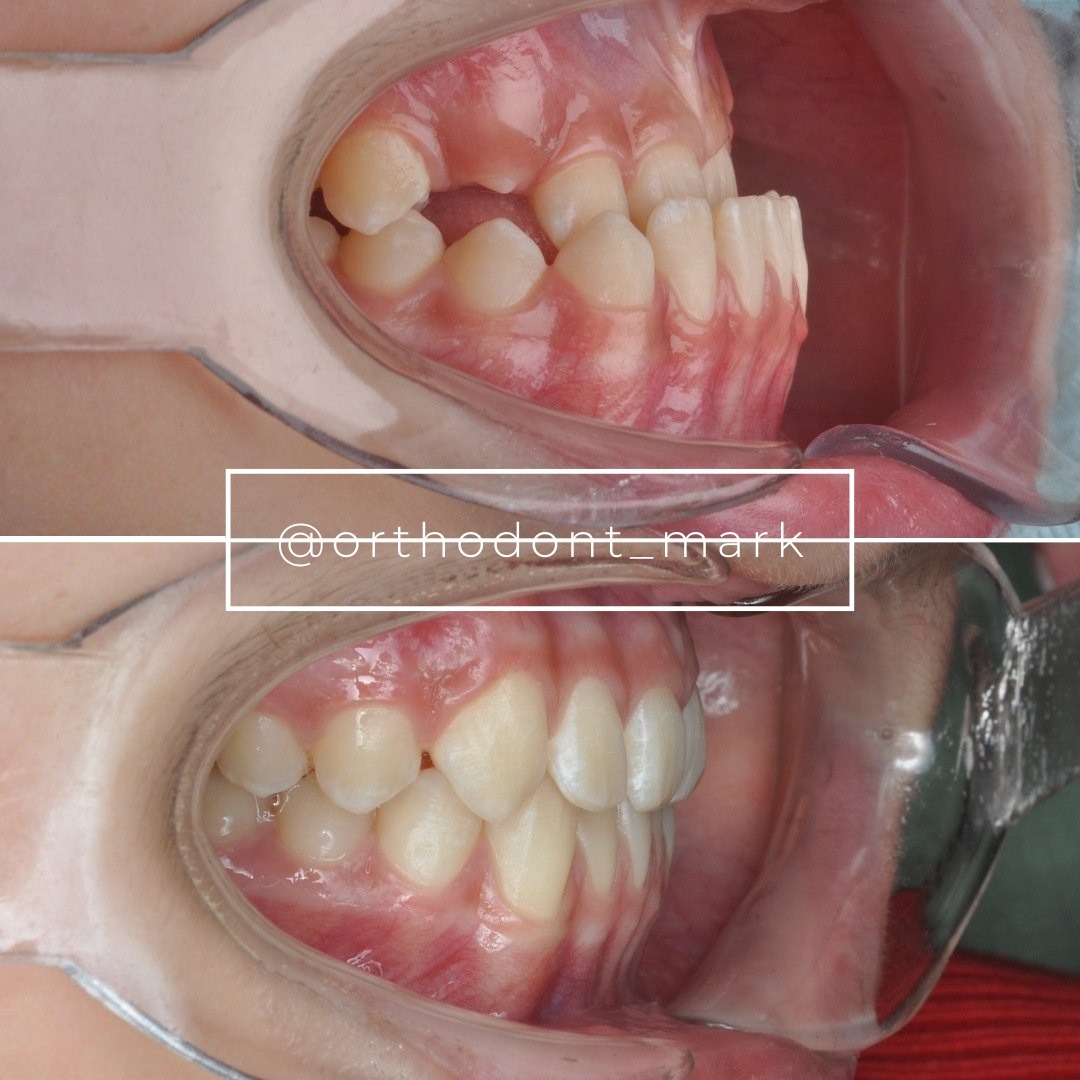
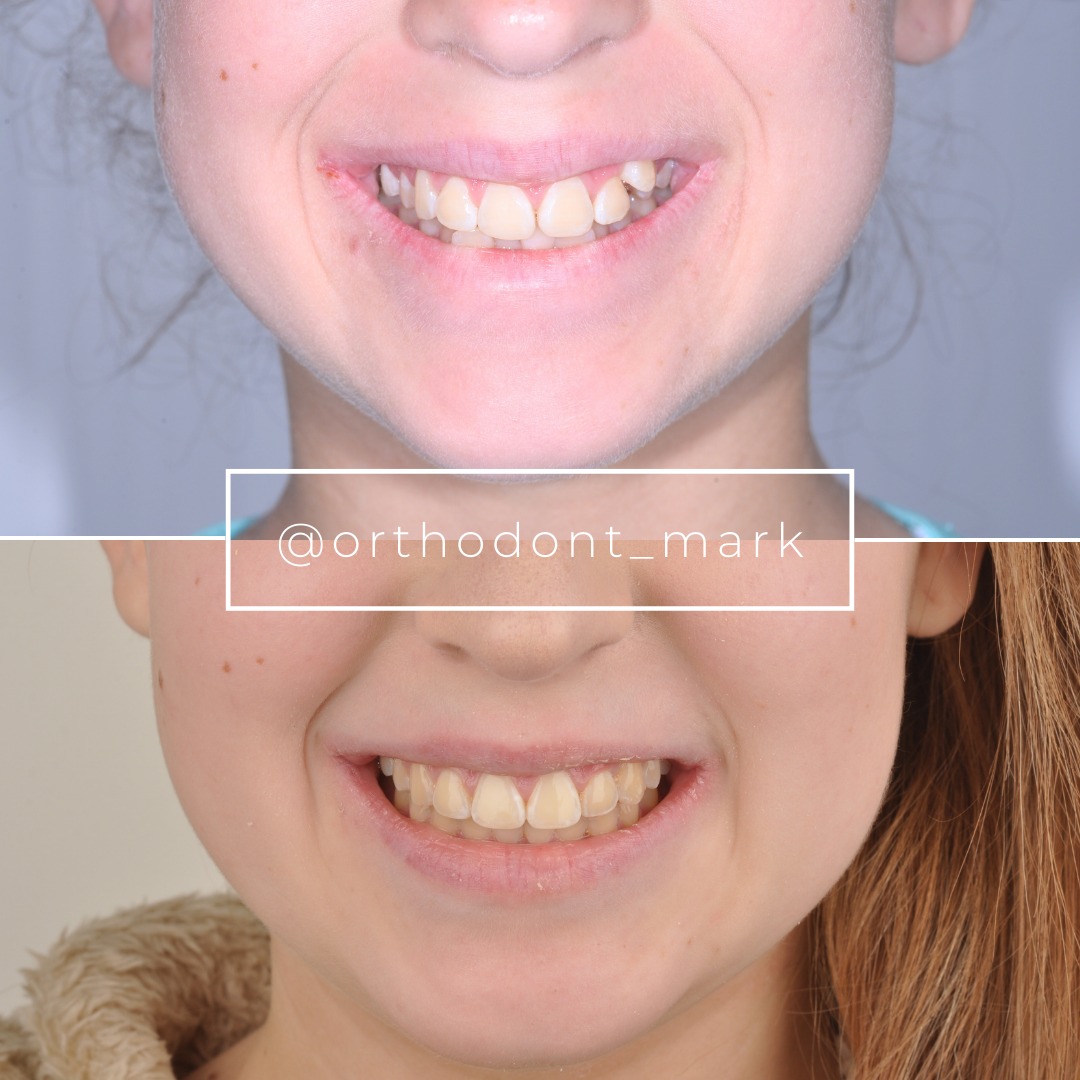
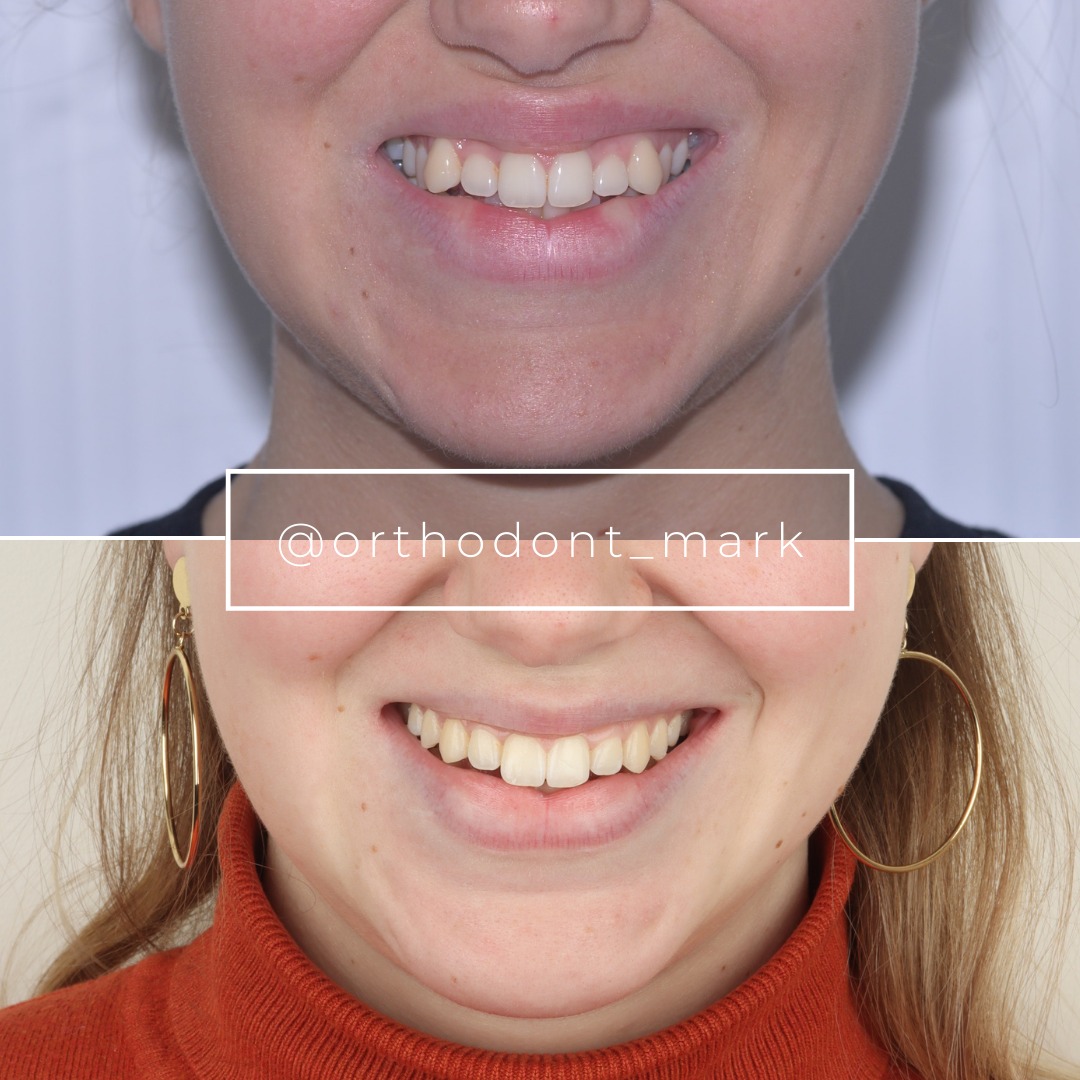
Learn the full MARPE protocol from Dr. Mark Radzhabov
Fundamental course covering CBCT patient selection, miniscrew planning, activation protocols, and 60+ clinical cases. Choose the access level that fits your practice.
Essentials of rapid palatal expansion for practicing orthodontists.
- Core RPE concepts and biomechanics
- 6 structured video lessons
- Clinical decision checklists
- Lifetime access to recordings
Deep-dive into MARPE protocol, diagnostics, and clinical execution.
- 6 modules covering MARPE from A to Z
- CBCT case selection walkthroughs
- Miniscrew placement and activation
- 60+ annotated clinical cases
- Direct Q&A with Dr. Mark Radzhabov
5-element medical consultation framework for dentists and orthodontists.
- Trust-building consultation protocol
- 5 lesson modules
- Templates for treatment plan delivery
- Works with any clinical specialty
Clinical FAQ
What is the optimal age window for MARPE in non-growing patients?
MARPE works best in adolescents (12–20 years) before midpalatal suture ossification. In adults age 25+, skeletal resistance increases due to bone density and suture fibrosis. CBCT assessment of suture maturity is essential before treatment. Age 30+ typically requires SARPE for reliable skeletal expansion.
Why does MARPE produce greater nasal width increase than conventional RPE?
MARPE force bypasses dental units and dissipates directly through palatal bone and circummaxillary sutures. This skeletal resistance pathway concentrates force at the nasal base and anterior suture, producing greater nasal widening and more parallel suture opening than tooth-borne RPE, which is resisted by dentoalveolar structures.
How does bicortical versus monocortical fixation affect skeletal resistance?
Bicortical fixation (engaging both palatal and nasal cortices) distributes load broadly, reducing skeletal resistance and promoting parallel suture opening. Monocortical fixation concentrates stress on the palatal cortex, increasing dentoalveolar tilting, screw loosening risk, and overall treatment unpredictability. Bicortical is biomechanically superior for true skeletal expansion.
What insertion depth is optimal for palatal miniscrews in MARPE?
Optimal palatal insertion depth is 8–12 mm depending on anatomy. Deeper insertion distributes force over more cortical bone, reducing stress concentration and improving force efficiency. Shallower insertion (<7 mm) concentrates stress and risks screw failure. CBCT planning should guide depth selection for each patient.
How can CBCT monitoring predict whether MARPE force will overcome skeletal resistance?
CBCT imaging at weeks 4–6 reveals midpalatal suture opening patterns. Clean, parallel suture separation indicates low skeletal resistance and predicts success. Absent or asymmetrical opening signals high resistance and suggests switching to SARPE. This feedback allows real-time protocol adjustment rather than prolonged futile loading.
What activation rate should I use in adult MARPE cases with high skeletal resistance?
Moderate-to-aggressive loading (3–4 turns per day) overcomes higher skeletal resistance in adults, despite pain risk. Under-loading (1–2 turns/day) fails to overcome resistance and prolongs treatment indefinitely. Pair aggressive activation with close CBCT monitoring. If no opening after 6 weeks, consider SARPE rather than continuing futile MARPE.
How does screw diameter affect force dissipation in MARPE?
Larger screw diameter (1.5–1.8 mm) distributes expansion force over more surface area, reducing local stress concentration and improving skeletal resistance management. Smaller diameter screws concentrate stress and increase bone-implant interface damage, loosening risk, and unpredictable force transmission. Diameter selection should match palatal bone quality and clinical goals.
Why does posterior-to-anterior midpalatal suture ossification complicate MARPE in adults?
Suture ossification progresses from posterior to anterior with age. In adults, posterior suture fusion creates a mechanical block, forcing MARPE force to concentrate anteriorly. This generates asymmetrical opening and unilateral skeletal resistance, reducing treatment efficacy and increasing likelihood of screw failure or impaction.
What is the role of deactivation cycles in managing skeletal resistance during MARPE?
Deactivation phases (reverse turns) relieve pressure on miniscrews and periosteal tissues, reducing pain, screw loosening, and dentoalveolar side effects. Cycling (activation → deactivation → rest) manages skeletal resistance dynamically over 8+ weeks, allowing both suture opening and bone remodeling without overwhelming local tissues.
When should MARPE be discontinued in favor of SARPE?
Discontinue MARPE and refer for SARPE if CBCT at weeks 4–6 shows no midpalatal suture separation despite full activation, if patient has skeletally mature anatomy (age 30+) with ossified suture on pretreatment imaging, or if persistent pain/screw loosening occurs. SARPE is appropriate when skeletal resistance exceeds MARPE's mechanical capability.
Mapping MARPE force pathways is not academic—it directly impacts your case selection, screw placement depth, and activation protocol. When you understand that MARPE concentrates force at the nasal base and anterior suture while reducing dental compensation, you can optimize your appliance design and predict skeletal versus dentoalveolar outcomes more accurately. The evidence supports bicortical fixation and depth-dependent loading principles as keys to controlling force dissipation. Dr. Mark Radzhabov recommends reviewing your recent MARPE cases through this force-pathway lens: examine your CBCT scans for suture opening patterns and dental tilting, then adjust your next case protocol accordingly. Consider enrolling in a formal MARPE biomechanics course or scheduling a case consultation through ortodontmark.com to refine your force management strategy.

