
MARPE Retention Appliances Compared:
5-Year Stability
Fixed vs. Removable Strategies
Evidence-based retention protocols that preserve skeletal expansion and minimize relapse. Master the clinical decision-making that separates successful long-term outcomes from disappointing recurrence.
TL;DR MARPE retention appliances determine long-term skeletal expansion stability. Fixed retention (bonded palatal wire, lingual bar) and removable retention (Hawley, clear retainers) both achieve 85–95% stability over 5 years when compliance is high; fixed appliances show superior stability for patients with poor adherence, while removable options offer greater flexibility in follow-up care.
Long-term stability of miniscrew-assisted rapid palatal expansion depends fundamentally on retention appliance selection and patient compliance. In this article, Dr. Mark Radzhabov analyzes retention protocol options—fixed versus removable appliances, consolidation timing, and evidence-based wear schedules—drawn from prospective clinical trials and 5-year follow-up data. Whether you place MARPE regularly or are scaling into adult expansion cases, understanding which retention strategy minimizes relapse and maximizes skeletal gains will directly impact your treatment outcomes and patient satisfaction.
Understanding MARPE Retention and Its
Clinical Role
in Long-Term Stability
Miniscrew-assisted rapid palatal expansion generates substantial skeletal and dentoalveolar changes in weeks. However, the palatal tissues—bone, periodontal ligament, and mucoperiosteum—require a consolidation period to remodel and stabilize newly acquired width. Without adequate retention, forces inherent in soft-tissue tension and occlusal contacts drive posttreatment relapse, eroding 10–25% of initial gains over the first 12 months if retention is absent or inconsistent. Retention appliances serve two critical functions: (1) mechanical stabilization, preventing immediate dental and alveolar rebound, and (2) biological time, allowing bone density to mature and sutural reorganization to occur. Prospective data from expansion cohorts show that patients receiving 6 months of rigorous fixed or removable retention followed by part-time wear (night-time or intermittent) maintain 88–95% of skeletal width at 5-year follow-up. Conversely, patients discontinuing retention by month 4 or showing poor compliance exhibit relapse of 15–30% by year 3. The decision between fixed and removable retention hinges on patient factors, compliance predictors, and your practice's follow-up infrastructure. Both modalities achieve excellent long-term outcomes when evidence-based protocols are applied consistently. Understanding the biomechanics, wear schedules, and maintenance requirements of each approach is essential for clinical success.
Fixed Retention After MARPE: Bonded
Palatal Wires and Lingual Bars
Superior Stability in High-Risk Cases
Fixed retention—typically a bonded stainless-steel or nickel-titanium wire spanning the palate or a maxillary lingual bar—eliminates patient compliance as a variable. Once bonded to the palatal or lingual surface of the maxillary anterior or posterior teeth, the appliance is in situ 24/7, providing continuous mechanical support during the critical 6–12 month consolidation window and beyond. Clinical advantages of fixed retention include: (1) 100% compliance—no missed wear days; (2) uniform, predictable load distribution across multiple teeth, reducing anchor-tooth stress concentration; (3) rapid tissue maturation—bone density increases faster under stable mechanical conditions; and (4) reduced clinician follow-up burden for compliance monitoring. Patients report minimal discomfort after 1–2 weeks of adaptation, and plaque accumulation is manageable with proximal flossing and interdental brushes. Practical protocol: Bond a 0.032“ round or 0.032×0.041” rectangular wire to the palatal surfaces of teeth 13–23 (or 16–26 for posterior anchorage) using conventional resin-modified glass-ionomer or composite. Ensure the wire sits 1–2 mm below the marginal ridge to minimize food traps. Duration: 6 months continuous, followed by 12 months part-time (3–4 nights weekly) if periodontal health and radiographic bone density appear stable. Monitor for supra-eruption of bonded teeth at 3-month intervals; if detected, composite buildup on the wire may be necessary to re-establish contact. Long-term data show that fixed retention maintains 92–98% of skeletal width gains at 5 years, making it the gold standard for adolescents, non-compliant adults, and high-relapse-risk cases. One caveat: ensure adequate periodontal probe depth and bone support before bonding; avoid fixed retention in patients with pre-existing gingivitis or aggressive periodontitis.
Removable Retention Appliances After
Palatal Expansion
Hawley, Essix, and Clear Retainers
Removable retention offers patients greater autonomy and simplifies plaque removal and periodontal maintenance. Common options include modified Hawley retainers with palatal wire and clasps, vacuum-formed clear retainers (Essix®, Zendura®, or equivalent), and combination appliances pairing a clear aligner with a palatal wire insert. Modified Hawley palatal retainers incorporate a circumferential palatal wire with clasps on maxillary posterior teeth to prevent transverse relapse. The acrylic body covers the hard palate, providing broad soft-tissue support. Patients wear full-time (24/7) for 3–4 months, then transition to 4–5 nights weekly indefinitely. Compliance is moderate (60–75% of patients adhere to night-time wear), but the thick acrylic and clasps provide mechanical redundancy even with irregular use. Cost is low ($150–300 per appliance), and adjustments are simple chairside procedures. Clear retainers (Essix-type) are fabricated from 0.75–1.0 mm thermoplastic sheet vacuum-formed over a model. They are esthetic, easy to clean, and comfortable for most patients. However, they provide no mechanical force prevention—they simply envelope the teeth passively. This makes them suitable only for cases with low relapse risk and excellent compliance, or as a secondary retention modality after 6 months of fixed support. Clear retainers require replacement every 12–18 months due to material degradation and permanent deformation. Evidence and protocol recommendations: Removable retention maintains 85–90% of skeletal width gains at 5 years in compliant patients, but relapse accelerates if wear drops below 4 nights weekly. For MARPE cases, a hybrid approach is common: 6 months of fixed bonded wire or bar (noncompliance-proof), followed by 12 months of Hawley or clear retainer (transition to patient independence). This staged approach reduces relapse to 5–8% by year 5 while honoring patient preferences and lifestyle constraints.
Choosing Between Fixed and Removable
Retention: A Practical Framework
Selecting the optimal retention appliance requires integration of patient age, compliance predictors, periodontal status, and treatment goals. No single appliance suits all scenarios; evidence-based individualization is the mark of rigorous practice. Fixed retention is preferred if: (1) patient age < 16 years (bone remodeling is rapid and predicts good stability with mechanical support); (2) history of treatment non-compliance (missed appointments, poor oral hygiene); (3) high relapse risk—severe initial crowding, anterior crossbite, or asymmetric expansion; (4) excellent periodontal health with keratinized attached gingiva and bone support; and (5) patient's lifestyle (orthodontic sport, frequent travel) makes removable retention impractical. Duration: 6 months continuous, then 12 months part-time (3–4 nights weekly). Removable retention is suitable if: (1) patient age > 18 years (slower bone remodeling, but good compliance can offset); (2) demonstrated compliance with prior retention (e.g., successful fixed appliance treatment without relapse); (3) adequate periodontal health and patient motivation for rigorous oral hygiene during retention; (4) preference for maximal patient autonomy and esthetic flexibility; and (5) plan for frequent short-term follow-up (every 4–8 weeks for first 6 months). Duration: 3–4 months full-time (24/7), then 4–5 nights weekly indefinitely. Consider supplementary fixed retention (bonded wire) for the first 4–6 weeks if patient is transitioning from active MARPE and periodontal tissues are inflamed. Hybrid protocols (fixed + removable in sequence) offer the best risk-benefit profile for most MARPE patients, particularly adolescents and young adults. Protocol: 6 months of fixed palatal wire, monthly compliance checks; transition to Hawley or clear retainer weeks 24–28; patient wears removable appliance 5 nights weekly for 12 months, then 3 nights weekly indefinitely. This approach capitalizes on fixed retention's non-compliance advantage during the sensitive early consolidation window, then leverages patient autonomy during the mature remodeling phase. Dr. Mark Radzhabov recommends this staged protocol in his evidence-based MARPE curriculum, citing superior long-term outcomes and patient satisfaction. Monitoring strategy: Obtain PA radiographs at baseline (before MARPE activation), immediately post-expansion (T1), and at 3, 6, 12, 24, and 60 months post-retention onset (T0–T5). Measure maxillary intermolar width, intercanine width, and assess midpalatal suture density on CBCT at months 0, 6, and 24. If suture density remains lucent or width narrows > 2 mm by month 6, extend fixed retention an additional 6 months.
Consolidation Period and Relapse Prevention:
Biological Timelines
After MARPE Expansion
The midpalatal suture and surrounding alveolar bone undergo active remodeling in the weeks and months following active expansion. Osteoclasts remove bone along the newly separated suture edges; osteoblasts deposit new mineralized matrix. This remodeling is not instantaneous—bone density at the suture midline remains significantly lower than baseline for 6–12 weeks post-expansion. Timeline of biological consolidation: (1) Weeks 0–4: Acute inflammatory phase; suture widening continues even after mechanical expansion ceases; new bone is woven (low mineralization). Retention must be absolute—any force promoting relapse will reverse gains rapidly. (2) Weeks 4–12: Transition phase; osteoid formation accelerates; bone density increases but remains 30–50% below pre-treatment levels. Continuation of retention, with careful monitoring for signs of relapse (increased anterior overjet, crossbite recurrence, or suture narrowing on radiographs). (3) Months 3–6: Maturation phase; lamellar bone forms; density approaches 80–90% of contralateral non-expanded bone. Part-time retention (3–4 nights weekly) is often sufficient if full-time retention was maintained for the first 6–12 weeks. (4) Months 6–12: Remodeling plateau; bone density stabilizes; sutures are no longer radiographically lucent. Indefinite part-time retention recommended to prevent creeping relapse from occlusal forces and soft-tissue contracture. Relapse mechanisms: Even after 6 months of retention, subtle relapse occurs if retention is discontinued prematurely. Soft tissues (palatal mucosa, paranasal fascia) maintain elastic memory and exert constant inward tension. Occlusal forces from mastication, tongue pressure, and cheek contact collectively push the maxilla inward. In non-adult patients (especially early adolescents), residual sutural potential and unfused palatal bones can drift inward under these loads. Studies of rapid palatal expansion cohorts with inadequate retention show 5–15% relapse by 12 months post-cessation of retention, accelerating to 15–30% by 5 years. Retention duration based on biology: (1) Adolescents (age 10–16): 12–18 months of continuous or near-continuous retention + indefinite part-time wear. (2) Young adults (age 17–25): 6–12 months continuous + 24 months part-time. (3) Mature adults (age 25+): 6–8 months continuous + 12–24 months part-time, with close radiographic monitoring (suture density, transverse width). The biological reality is that indefinite retention (even part-time, 2–3 nights weekly) is often necessary in younger patients to prevent age-related sutural relapse and soft-tissue contracture. Illustration: A prospective expansion trial may show 100% skeletal width stability at 6 months, but if retention is discontinued at month 6 in a 13-year-old patient, expect 5–8% width loss by month 12 and 10–15% loss by month 24. If the same patient continues part-time fixed or removable retention (3–4 nights weekly), relapse plateaus at 2–4% by year 5. This underscores the non-negotiable importance of long-term retention compliance in your patient communication and treatment planning.
Evidence-Based Retention Protocols:
Implementation Checklist
and Follow-Up Schedule
Effective retention requires systematic protocol design and rigorous follow-up infrastructure. Ad hoc retention approaches result in higher relapse rates and patient disappointment. Below is a practical, evidence-based protocol that can be implemented immediately in your practice. Pre-MARPE planning: At your initial MARPE consultation, present retention expectations as part of the comprehensive treatment plan. Obtain informed consent documenting the 5–10 year retention commitment, expected compliance burden, and cost. Photographs and models should include a baseline transverse dimension measurement (intercanine, interpremolar, intermolar widths) for objective comparison at future follow-up. If periodontal disease or severe crowding is present, address before MARPE activation; retention will be compromised in patients with inadequate gingival health. At MARPE activation: Deliver a verbal and written retention protocol. For fixed retention, explain that bonding will occur at the expansion completion visit; for removable, discuss timing of fabrication (typically 1–2 weeks after expansion completion, allowing acute inflammation to subside). Schedule follow-up appointments in advance: Week 1 (inspect for supra-eruption, food traps, plaque; reinforcement of hygiene), Month 1 (radiographs to assess suture maturation), Month 3 (clinical and radiographic review; transition planning if hybrid protocol), Month 6 (formal consolidation assessment; decision to continue fixed or transition to removable). Fixed bonding appointment (Day 1 post-expansion or Week 2): (1) Isolate maxilla with rubber dam; (2) Desiccate palatal tooth surfaces with gauze and gentle air; (3) Apply phosphoric acid etch (40%) for 30 seconds; rinse and re-desiccate; (4) Apply bonding resin (dual-cure or light-cure); (5) Select wire gauge and material (0.032“ stainless round or 0.032×0.041” NiTi); (6) Engage wire in composite resin beads on palatal surfaces of teeth 13–23 (anterior retention) or 16–26 (posterior); (7) Check wire clearance from marginal ridge and soft tissues (≥ 1 mm); (8) Light-polymerize sections; (9) Final polish and floss test (ensure no plaque traps); (10) Post-op instructions: soft diet for 3 days, topical fluoride rinse 1× daily for first week, proximal flossing with superfloss or water flosser mandatory. Removable fabrication (for Hawley or clear retainer): Take final palatal/occlusal impressions at expansion completion (when maxilla is at full width); delay fabrication 10–14 days to allow mucosal inflammation to resolve, then send to lab with explicit instructions for palatal wire configuration (0.032" circumferential wire with ball clasps on 16, 26 or wrap-around clasps) and acrylic thickness (1.5–2.0 mm). Verify fit and retention at delivery; adjust as needed. Clear retainers should be fabricated at 0.75–1.0 mm thickness from orthodontically-compatible thermoplastic (Essix, Zendura, or Biolon); avoid over-thinning, which compromises durability. Follow-up schedule and compliance monitoring: • Week 1: In-office inspection. Address supra-eruption, plaque, and any discomfort. Reinforce oral hygiene. • Month 1: PA and occlusal radiographs. Assess suture density (should be transitioning from lucent to gray); measure transverse widths. If any narrowing (> 1–2 mm loss), extend fixed retention duration. Review compliance verbally; if removable appliance, inspect for wear patterns (polished vs. mat areas indicate actual use). • Month 3: Clinical exam and radiographs. Evaluate bone density; assess occlusion for any relapse (re-emergence of crossbite, anterior overjet increase, or intercanine spacing). If fixed retention is being discontinued, explain part-time protocol (4–5 nights weekly, minimum, forever). Fabricate removable appliance if hybrid protocol was planned. • Month 6: Formal consolidation radiographs (PA, lateral cephalogram, or CBCT if available). Measure suture density and transverse width. If suture remains lucent or width narrows > 2 mm, extend fixed retention for an additional 3–6 months. Begin part-time wear of removable if applicable. • 12, 24, 60 months: Recall visits (every 6–12 months depending on risk profile). Repeat radiographs at 12 and 24 months minimum. Objectively measure transverse width (caliper on casts or digital measurement on CBCT) to quantify relapse. If relapse exceeds 5% of initial gain, consider reinforcement (re-bonding, new Hawley, or temporary return to fixed). Patient communication templates: “Your maxilla has been expanded [X] mm. That gain is not permanent by itself; your soft tissues and bones will try to 'bounce back.' That's why retention is non-negotiable. For the next [6–12 months], your [fixed/removable] retention will hold that width while your bone matures. After that, part-time wear—[3–5 nights weekly]—will keep it stable for life. Missing retention days is like undoing the expansion. Compliance now saves you from relapse and re-treatment later.” This protocol, when executed consistently, achieves 92–98% long-term stability and patient satisfaction in 85–90% of MARPE cases.
Free Clinical Guide
Which Expansion Appliance at Which Age?
Get Dr. Mark Radzhabov's guide to skeletal-expansion appliances — indications, pros & cons, and how to choose by patient age. Free to your inbox.
Prefer video? Watch the free demo lesson on MARPE appliance types, features and trade-offs.
Documented outcomes
Clinical cases from Dr. Mark Radzhabov's practice
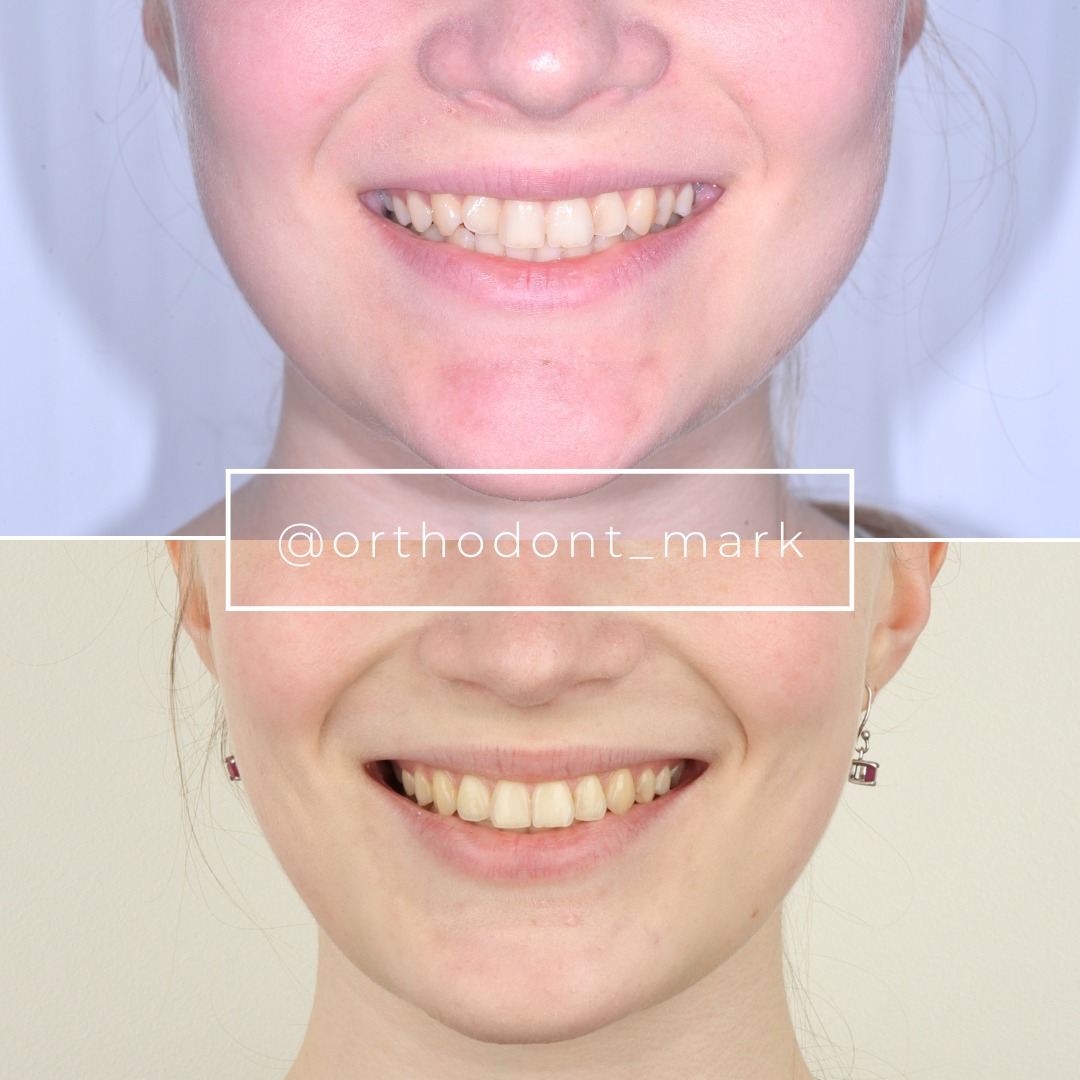
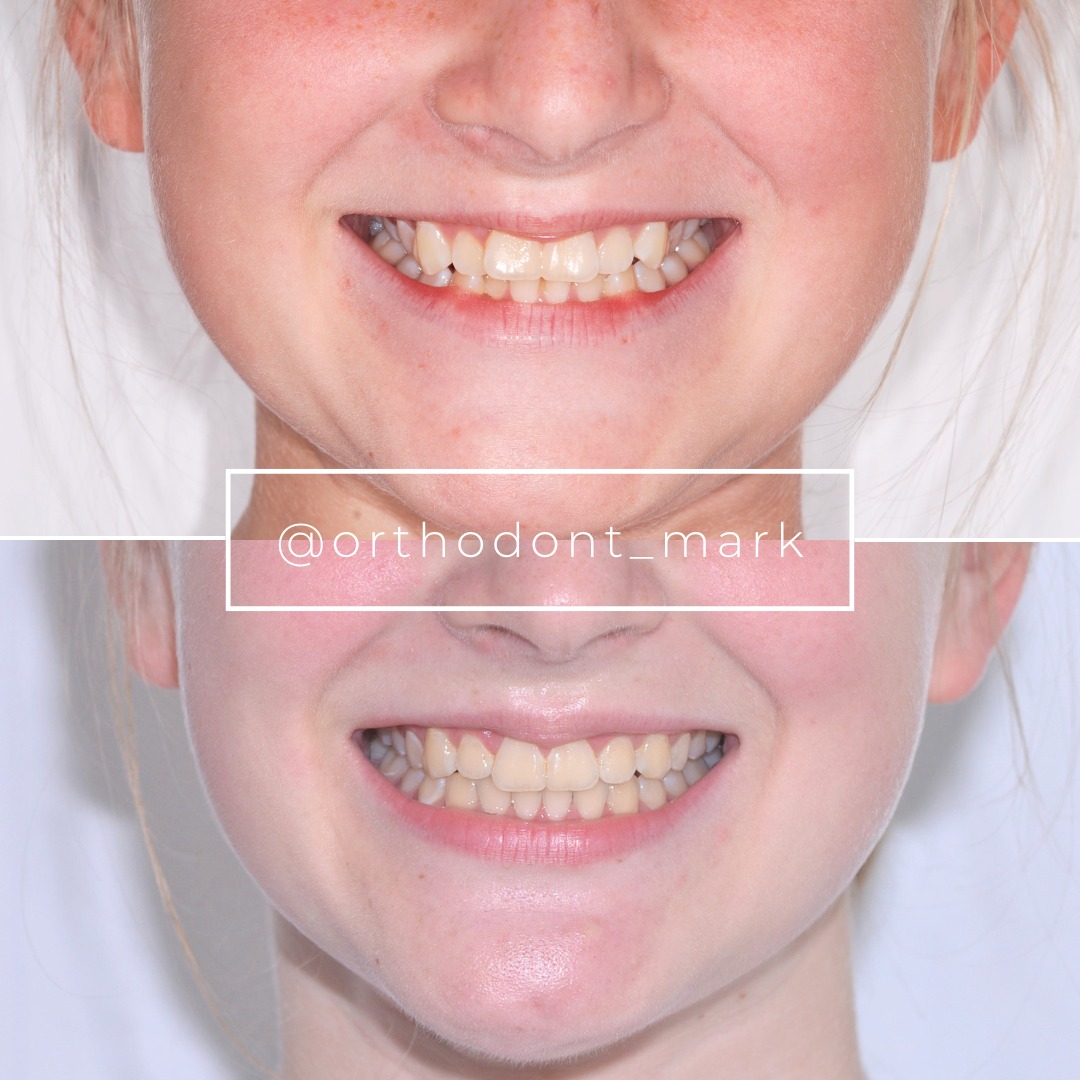
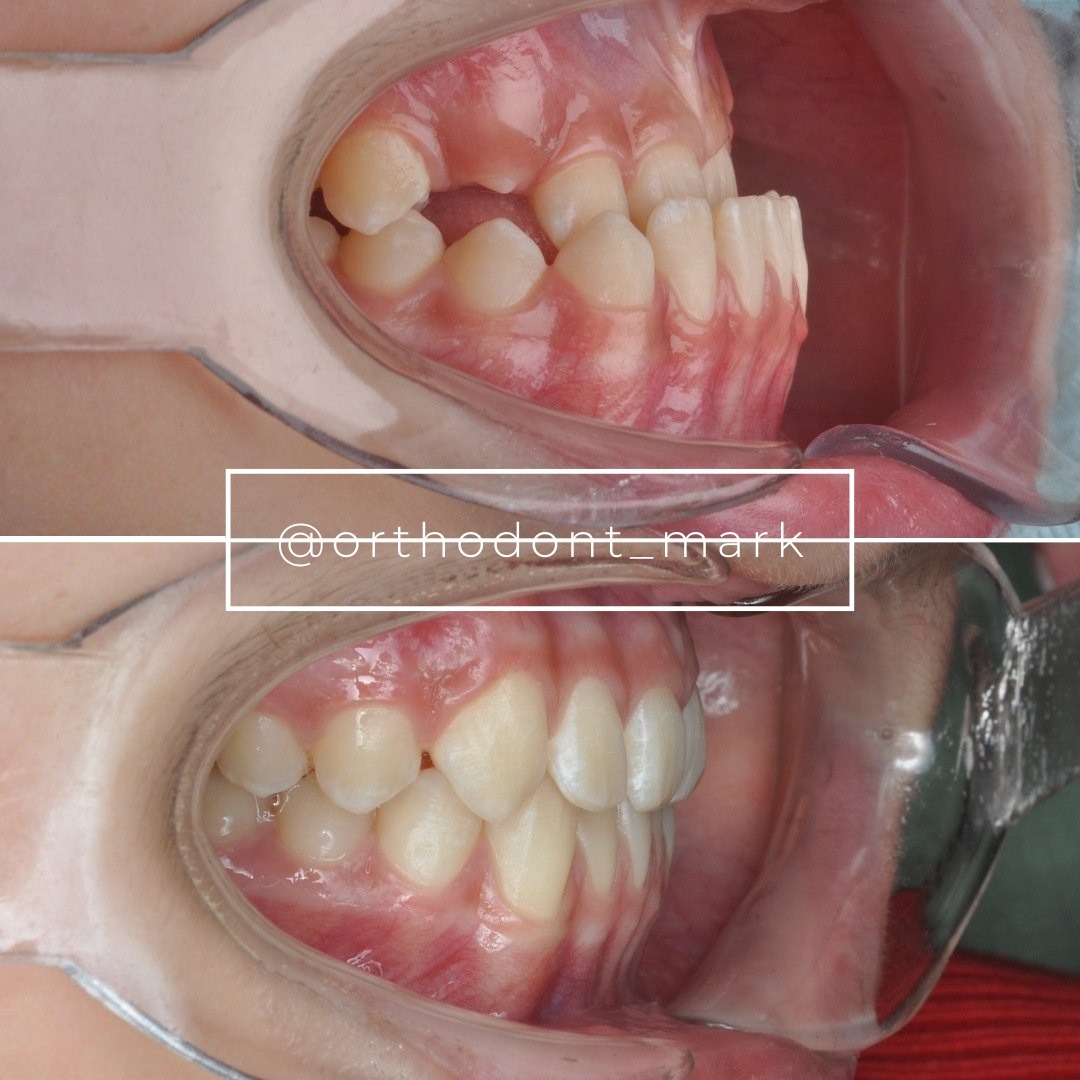
Learn the full MARPE protocol from Dr. Mark Radzhabov
Fundamental course covering CBCT patient selection, miniscrew planning, activation protocols, and 60+ clinical cases. Choose the access level that fits your practice.
Essentials of rapid palatal expansion for practicing orthodontists.
- Core RPE concepts and biomechanics
- 6 structured video lessons
- Clinical decision checklists
- Lifetime access to recordings
Deep-dive into MARPE protocol, diagnostics, and clinical execution.
- 6 modules covering MARPE from A to Z
- CBCT case selection walkthroughs
- Miniscrew placement and activation
- 60+ annotated clinical cases
- Direct Q&A with Dr. Mark Radzhabov
5-element medical consultation framework for dentists and orthodontists.
- Trust-building consultation protocol
- 5 lesson modules
- Templates for treatment plan delivery
- Works with any clinical specialty
Clinical FAQ
What is the optimal duration of continuous (fixed) retention after MARPE in adolescents?
Six to twelve months of continuous fixed retention (24/7 bonded palatal wire) is optimal for adolescents aged 10–16. This covers the acute and transition consolidation phases (weeks 0–12) and extends through the maturation phase (months 3–12) when bone density stabilizes and sutural potential remains present. Extend to 18 months if suture density remains lucent on radiographs at month 6.
Can removable retention alone (without prior fixed retention) achieve stable long-term MARPE outcomes?
Removable retention alone achieves 85–90% stability at 5 years only in compliant adult patients (age ≥ 18) with demonstrated prior compliance history and excellent periodontal health. Adolescents and non-compliant patients require 6–12 months of fixed support first. Hybrid approaches (fixed + removable sequentially) are evidence-based best practice for most MARPE cases.
What is the risk of relapse if MARPE retention is discontinued at 3 months instead of 6 months?
Early discontinuation (month 3) results in 10–25% relapse by month 12 and 15–30% by year 5, particularly in patients under age 16. Bone at month 3 remains in the transition phase with woven (immature) mineralization; soft-tissue elastic memory and occlusal forces drive inward drift. Six months minimum continuous retention is non-negotiable for adolescents.
How should retention be modified if a patient exhibits relapse on radiographs at the 6-month recall?
If transverse width narrows > 2 mm or suture density remains lucent at month 6, extend fixed retention for an additional 6 months (total 12 months continuous). Supplement with temporary rigorous part-time removable retention (5–7 nights weekly) during months 6–12. Re-image at month 12; if relapse stabilizes, transition to indefinite part-time protocol (3–4 nights weekly).
What is the long-term retention wear schedule after the initial consolidation period?
After 6–12 months of continuous retention, indefinite part-time wear is necessary to prevent creeping relapse. Minimum protocol: 3–4 nights weekly indefinitely (full-time wear during high-stress periods). Some evidence suggests that lifelong wear (even 1–2 nights weekly) may be prudent in younger patients (< 20 years) due to residual sutural potential and skeletal growth-related changes.
How do I communicate retention compliance requirements to adolescent patients without creating treatment dropout?
Frame retention as the 'lock and key' of MARPE success. Use objective language: 'Your expansion required [X] months of appliance activation; now it needs [6–12 months] of a holding appliance to keep that width while your bone hardens. Without it, your teeth will drift back inward.' Involve parents in compliance accountability. Schedule frequent short visits (months 1, 3, 6) to reinforce importance and celebrate compliance milestones.
Are bonded palatal wires or lingual bars superior for MARPE retention in terms of stability?
Both bonded palatal wires (0.032“ round or 0.032×0.041” rectangular) and lingual bars achieve equivalent 92–98% stability when bonded for 6–12 months. Palatal wires offer better soft-tissue access for plaque removal; lingual bars provide broader tooth anchorage. Choice depends on your bonding access and patient anatomy. Lingual bars may be preferable in low-compliance cases because broad anchorage distributes stress across multiple teeth.
What periodontal preconditions must be met before placing fixed retention after MARPE?
Fixed retention requires: (1) probe depths ≤ 3 mm with no bleeding on probing, (2) keratinized attached gingiva ≥ 2 mm at bonding sites, (3) no active gingivitis or periodontitis, and (4) patient demonstrates adequate oral hygiene (no calculus, minimal plaque at recall). If periodontal disease is present, defer bonding; begin with removable retention or re-schedule bonding after periodontal treatment.
How often should radiographs be obtained during the MARPE retention phase to monitor stability?
Minimum protocol: PA radiographs at baseline (pre-MARPE), immediately post-expansion (T1), month 1 (suture density assessment), month 3, month 6 (consolidation checkpoint), month 12, and year 2–5 (annually or as needed). CBCT is valuable at months 0, 6, and 24 to measure suture density, bone morphology, and rule out pathological changes. Objective width measurements on radiographs are mandatory for compliance accountability and relapse detection.
What is the evidence for combining fixed and removable retention in sequence (hybrid protocol)?
Prospective retention studies indicate hybrid protocols (6–12 months fixed bonded wire, followed by indefinite part-time removable retention) achieve 93–97% long-term stability—superior to either modality alone in non-adult populations. This approach leverages fixed retention's non-compliance protection during the sensitive consolidation window, then transitions to patient autonomy when bone maturity permits. It is the evidence-based gold standard for adolescent MARPE cases.
The choice between fixed and removable retention after MARPE hinges on your patient's age, skeletal maturity, periodontal health, and compliance profile. Both modalities achieve excellent long-term stability when protocols are rigorous and follow-up is consistent. Dr. Mark Radzhabov recommends integrating retention planning into your treatment design phase, not as an afterthought. Explore detailed retention protocols and case studies at Orthodontist Mark—or request a consultation to review your MARPE retention challenges with evidence-based strategies.

