
MARPE Retention and Relapse:
Long-Term Skeletal
Stability Strategies
Evidence-based retention protocols prevent relapse after miniscrew-assisted expansion. Learn optimal timing, appliance selection, and clinical monitoring strategies for durable skeletal results.
TL;DR MARPE retention and relapse prevention require individualized protocols extending 6–12 months post-expansion. Studies demonstrate that maxillary basal width relapse ranges from 1.19–1.35 mm over 3 years, with molar width relapse of 2.23–2.79 mm, making retention duration and fixed retention design critical to long-term skeletal stability.
Long-term stability after miniscrew-assisted rapid palatal expansion remains a central clinical challenge in contemporary orthodontics. This article examines MARPE retention and relapse patterns, drawing on published evidence and the clinical experience of Dr. Mark Radzhabov at Orthodontist Mark. Understanding the magnitude of post-expansion relapse, optimal retention timing, and best-practice protocols will help clinicians achieve durable skeletal expansion gains in skeletally mature patients.
What Is MARPE Retention and Relapse?
retention phase
MARPE retention and relapse refers to the dimensional changes in skeletal and dental transverse width that occur after the active expansion phase is complete, requiring evidence-based retention protocols to maintain skeletal gains. After miniscrew-assisted expansion, both the maxillary basal width and molar intercusp distance undergo measurable relapse during the post-expansion period. A landmark 3-year follow-up study comparing surgically assisted rapid maxillary expansion (SARME) and orthopedic maxillary expansion (OME) found that maxillary basal width decreased by 1.35 mm in the surgical group and 1.19 mm in the orthodontic group, while upper molar width relapsed 2.23 mm and 2.79 mm respectively. These findings underscore the reality that relapse is inevitable after expansion, but the magnitude can be minimized through structured retention. The interplay between dentoalveolar remodeling, soft tissue rebound, and sutural remineralization creates ongoing dimensional change for months to years after appliance removal. Understanding this pattern allows clinicians to anticipate patient expectations and design retention protocols that account for expected relapse.
Immediate vs. Long-Term Skeletal Relapse Patterns
skeletal expansion
The relapse timeline for MARPE differs significantly between the immediate post-expansion period and the long-term follow-up interval. Within the first 12 months after miniscrew-assisted rapid palatal expansion, alveolar bone undergoes dynamic remodeling as the teeth and surrounding structures adapt to their new transverse positions. A 1-year stability assessment of 24 patients undergoing MARPE revealed that despite relapse of some measurements during the retention interval, most dental, alveolar, and skeletal measurements remained significantly increased compared to baseline. Alveolar bone thickness changed asymmetrically: buccal thickness decreased while palatal thickness increased, reflecting the directional forces applied during expansion. By contrast, studies extending to 3 years post-expansion show that relapse continues gradually but at a slower rate than the initial 6–12 month window. The alveolar crest level at the first premolar typically moved apically during retention, raising periodontal considerations for long-term stability. This suggests that the retention period is not merely passive—it is an active phase requiring monitoring and intermittent support to combat ongoing rebound from circumaxillary structures.
Optimal Retention Duration and Appliance Selection
retention duration
Published evidence supports a minimum retention period of 6 months following the completion of active expansion in MARPE treatment, with many clinicians extending fixed retention for 12 months or longer in skeletally mature patients. The structural stability of the midpalatal suture and circummaxillary sutures depends on time for new bone formation and collagen cross-linking in the expanded regions. Retention can take two complementary forms: passive holding with the miniscrews and abutments in place, and active fixed retention using bonded palatal bars or removable appliances. Dr. Mark Radzhabov emphasizes that the choice between fixed and removable retention should account for patient compliance, the degree of skeletal maturity, and the magnitude of expansion achieved. Removable retention (such as a maxillary expansion retainer) is less invasive but depends on consistent wear; fixed retention (bonded to palatal mucosa or anchored to remaining miniscrews) provides passive stability regardless of patient adherence. Hybrid protocols combining initial fixed retention for 6 months followed by removable retention for an additional 6–12 months have shown favorable outcomes. The retention phase is also the appropriate time for second-phase orthodontic treatment if alignment and occlusal refinement are needed. Early removal of retention without adequate bone consolidation substantially increases the risk of rapid relapse, potentially undoing months of treatment gains.
Monitoring Long-Term Skeletal Stability
long-term stability
Long-term stability assessment requires objective measurement protocols and serial follow-up imaging to distinguish expected relapse from unwanted regression. Cone-beam computed tomography (CBCT) taken at baseline (T0), immediately post-expansion (T1), and at retention checkpoints (T2 at 12 months, T3 at 3 years) allows precise quantification of relapse in dental intercusp width, interapex width, skeletal basal width, alveolar bone dimensions, and nasal floor/cavity width. Dental measurements typically show greater relapse than skeletal measurements, reflecting dentoalveolar compensation. In clinical practice, orthodontists should establish baseline skeletal and dental transverse measurements and plan serial imaging intervals (12 months, 3 years) to validate that relapse remains within acceptable ranges. Acceptable relapse is generally defined as loss of no more than 20–30% of the total expansion gain. If relapse exceeds this threshold, retention protocol should be revised (e.g., extending fixed retention, adding intermittent re-activation, or considering surgical-grade retention devices). Patient education regarding the biology of relapse—explaining that some rebound is expected but that structured retention prevents catastrophic loss—improves compliance with retention protocols. Additionally, periodontal health must be monitored throughout retention, as studies show that buccal alveolar thickness may decrease post-expansion, necessitating vigilance for dehiscence or alveolar bone loss.
Evidence-Based MARPE Retention Protocol
retention protocol
An evidence-based MARPE retention and relapse prevention protocol integrates timing, appliance selection, and clinical monitoring into a structured sequence. Phase 1 (Active Retention, Months 0–6): Continue miniscrew abutments in place; allow passive settling without additional screw activation. Many clinicians add a bonded palatal bar or transpalatal arch during this phase to resist dentoalveolar rebound. Recall appointments should occur every 4–6 weeks to assess comfort, confirm miniscrew stability, and photograph the palate for dimensional reference. Phase 2 (Transition Retention, Months 6–12): Remove miniscrews under local anesthesia; transition to removable or fixed passive retention (bonded bar, expansion retainer, or light-wire fixed lingual arch). If second-phase alignment is required, it is safely initiated after 6 months of skeletal consolidation. Phase 3 (Long-Term Retention, Months 12+): Implement long-term retention strategy (removable retainer nightly use or fixed retention as tolerated). Schedule follow-up CBCT imaging at 12 months and 3 years to validate skeletal stability. Patient counseling should emphasize that retention duration may extend 2–3 years in mature patients and that compliance directly impacts relapse risk. Dr. Mark Radzhabov recommends documenting baseline transverse dimensions (intercusp width, basal width, nasal floor width) and re-measuring at each retention checkpoint to objectively track stability and adjust retention intensity based on measured relapse.
Avoiding Common Retention Errors in Skeletal Expansion
relapse prevention
Several clinical pitfalls increase the risk of excessive relapse after MARPE and can undo months of treatment effort. Premature miniscrew removal (before 6 months) before adequate bone consolidation has occurred is the most common error. Removing retention appliances prematurely invites rapid relapse from circumaxillary sutural rebound and dentoalveolar remodeling. Inadequate retention intensity—such as relying solely on removable retention without a fixed component or without consistent patient compliance—also predisposes to relapse. Many clinicians underestimate the duration of retention needed in skeletally mature patients; retention protocols appropriate for growing adolescents (3–6 months) are insufficient for adults and may need to extend 12–24 months. Failure to document baseline measurements and serial follow-up imaging prevents objective assessment of relapse and makes it impossible to distinguish acceptable relapse from treatment failure. Periodontal oversight is another critical error: reduced alveolar bone thickness and apical migration of the alveolar crest, observed in post-expansion studies, require vigilant periodontal monitoring throughout retention. Patient non-compliance with removable retention is predictable, especially if the retention design is uncomfortable or inconvenient; fixed retention designs minimize relapse risk but require clinician skill to place and may require extended appointment time. Finally, inadequate patient education about relapse biology often leads to surprise or frustration when patients observe some degree of dimensional regression; explaining that relapse is a normal biological process and that retention prevents catastrophic loss improves acceptance and compliance.
Free Clinical Guide
Which Expansion Appliance at Which Age?
Get Dr. Mark Radzhabov's guide to skeletal-expansion appliances — indications, pros & cons, and how to choose by patient age. Free to your inbox.
Prefer video? Watch the free demo lesson on MARPE appliance types, features and trade-offs.
Documented outcomes
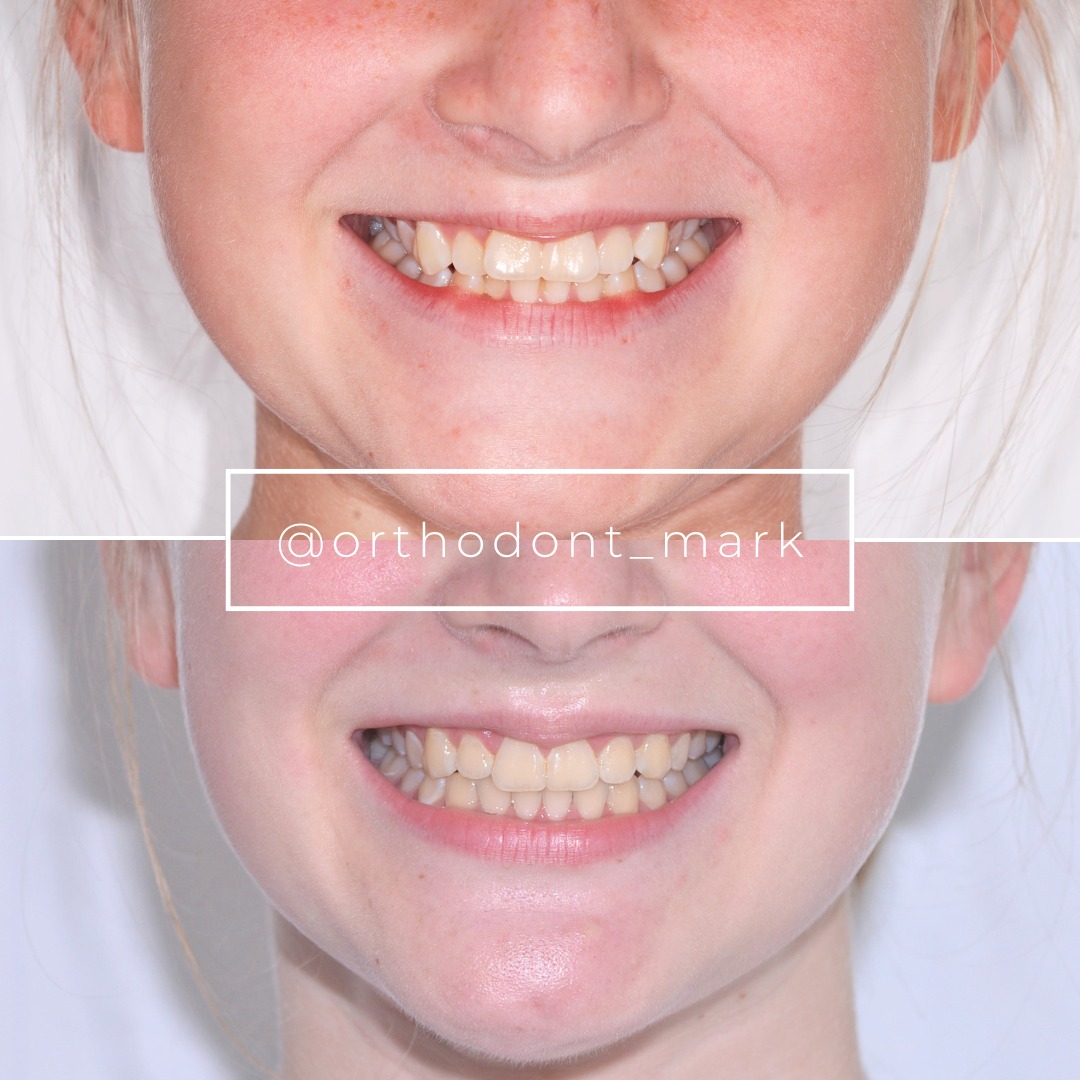
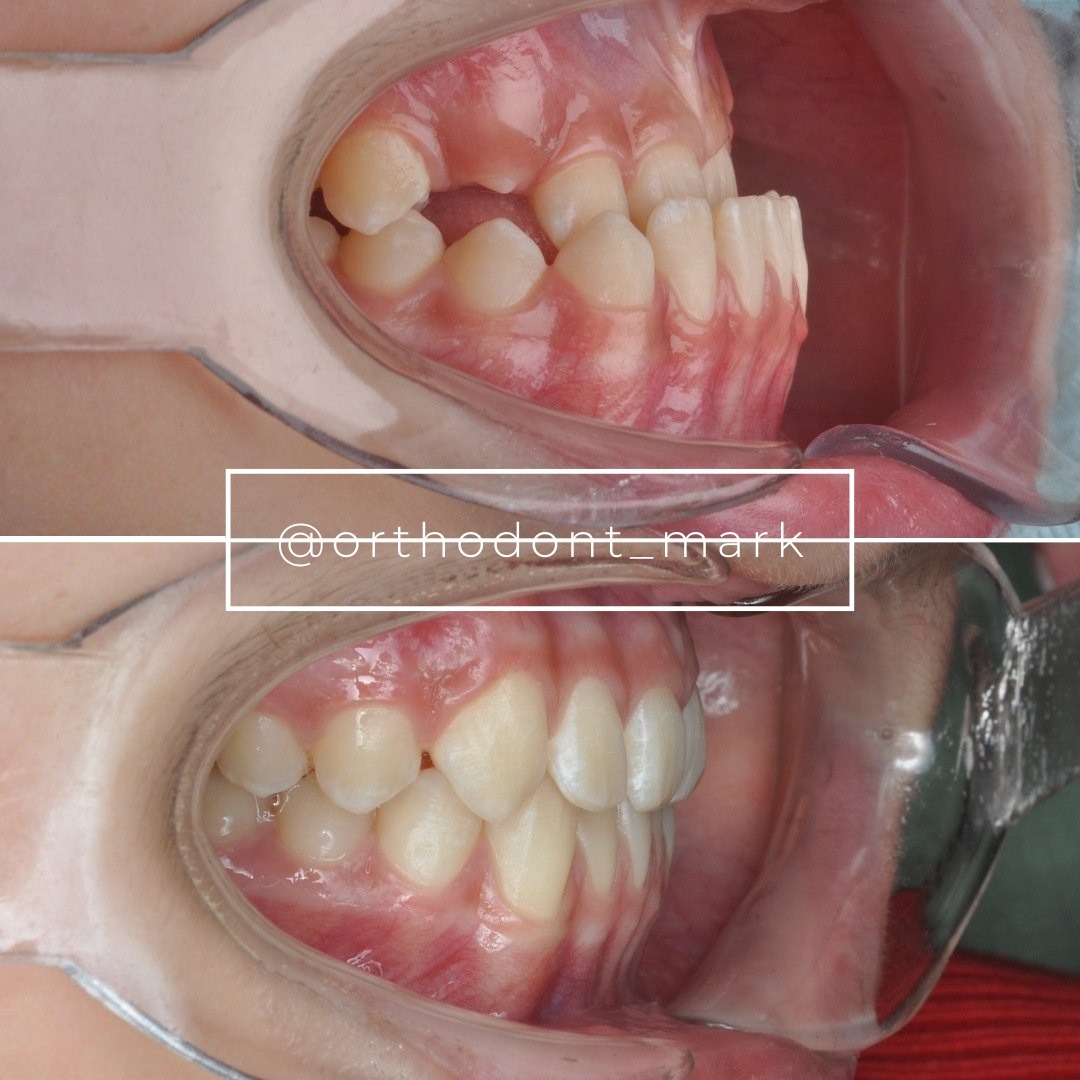
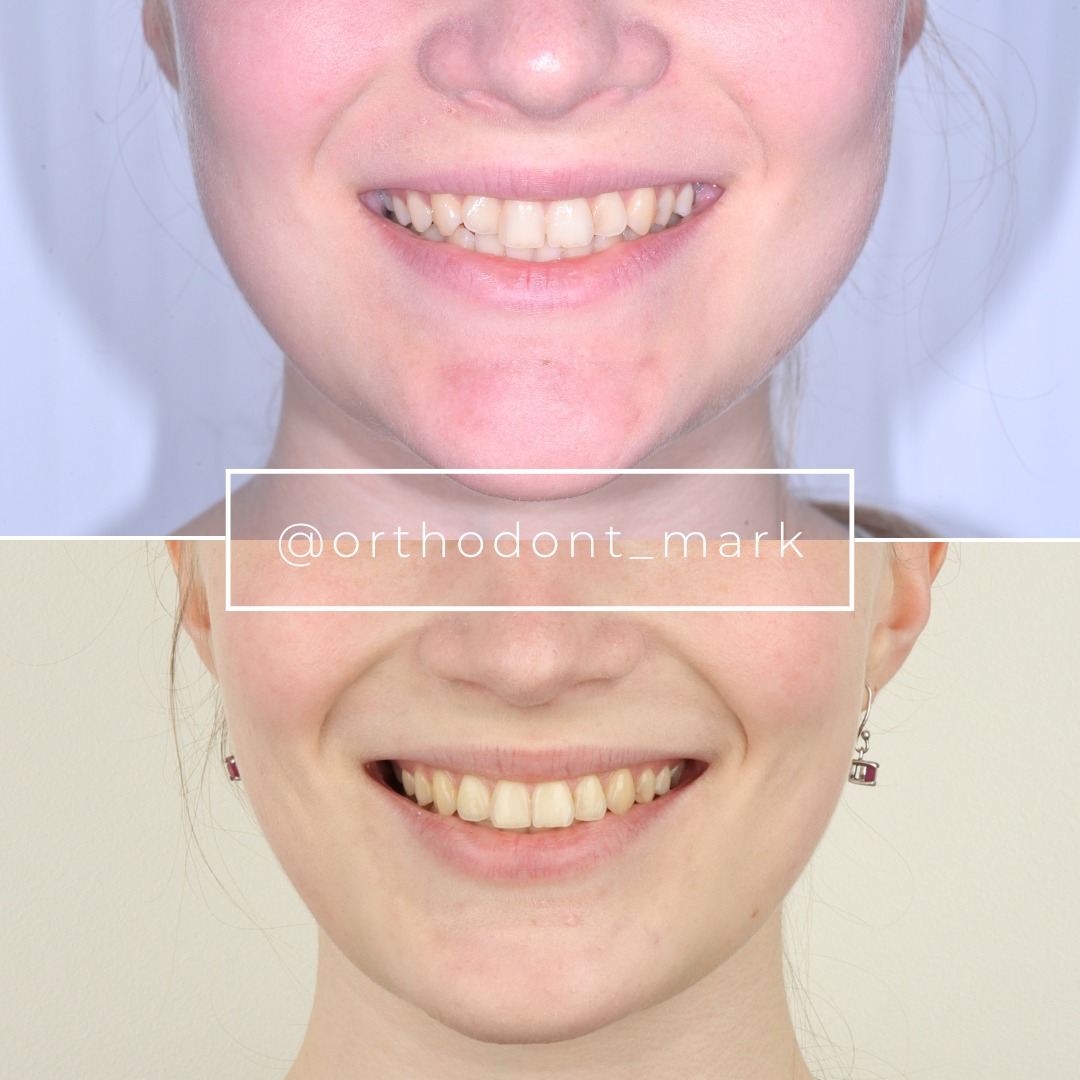
Clinical cases from Dr. Mark Radzhabov's practice
Learn the full MARPE protocol from Dr. Mark Radzhabov
Fundamental course covering CBCT patient selection, miniscrew planning, activation protocols, and 60+ clinical cases. Choose the access level that fits your practice.
Essentials of rapid palatal expansion for practicing orthodontists.
- Core RPE concepts and biomechanics
- 6 structured video lessons
- Clinical decision checklists
- Lifetime access to recordings
Deep-dive into MARPE protocol, diagnostics, and clinical execution.
- 6 modules covering MARPE from A to Z
- CBCT case selection walkthroughs
- Miniscrew placement and activation
- 60+ annotated clinical cases
- Direct Q&A with Dr. Mark Radzhabov
5-element medical consultation framework for dentists and orthodontists.
- Trust-building consultation protocol
- 5 lesson modules
- Templates for treatment plan delivery
- Works with any clinical specialty
Clinical FAQ
What is the optimal retention duration after MARPE in skeletally mature patients?
Minimum 6 months fixed retention is recommended, with extended retention (12–24 months) often needed in fully mature patients to allow complete bone consolidation and sutural remineralization. Relapse risk remains elevated throughout the first year.
How much relapse should I expect after miniscrew-assisted rapid palatal expansion?
Maxillary basal width typically relapses 1.19–1.35 mm over 3 years; molar width relapse is 2.23–2.79 mm. Dental relapse exceeds skeletal relapse. Structured retention minimizes but does not eliminate these changes.
What is the difference between fixed and removable retention after MARPE?
Fixed retention (bonded palatal bar or miniscrew-anchored design) provides passive stability independent of patient wear but is less reversible. Removable retention allows periodic adjustment but depends on nightly compliance and carries higher relapse risk.
Should miniscrews be left in place during the retention phase?
Leaving abutments in situ for 6 months provides passive skeletal anchorage and allows early detection of relapse. Removal before 6 months increases relapse risk. After 6 months, miniscrews can be safely removed if fixed palatal retention is in place.
How does alveolar bone remodel after MARPE expansion?
Alveolar bone changes asymmetrically: buccal thickness decreases while palatal thickness increases. Alveolar crest migrates apically during retention. Periodontal monitoring throughout retention is essential to detect dehiscence or bone loss.
What imaging protocol should I use to monitor long-term skeletal expansion stability?
Serial CBCT at baseline (T0), immediately post-expansion (T1), 12 months post-expansion (T2), and 3 years (T3) allows objective quantification of dental, alveolar, and skeletal relapse. Compare intercusp, interapex, basal, and nasal cavity widths.
When is it safe to begin second-phase orthodontic alignment after MARPE?
Safe initiation is 6 months post-expansion, after initial bone consolidation. Avoid loading expanded regions during the first 6 months of retention when sutural stability is still developing. Coordinate with your retention protocol.
How do I counsel patients on expected relapse after miniscrew-assisted expansion?
Explain that some relapse is normal biology (sutural rebound, dentoalveolar remodeling) but that structured retention prevents catastrophic loss. Emphasize that retention duration may extend years in mature patients and that compliance directly impacts outcomes.
What periodontal complications should I monitor during MARPE retention?
Monitor for reduced buccal alveolar thickness, apical migration of alveolar crest at premolars, and potential dehiscence. Maintenance of excellent oral hygiene and periodic periodontal assessment throughout retention are critical.
What should I do if a patient shows excessive relapse during retention?
If relapse exceeds 20–30% of total gain, revise retention: extend fixed retention duration, increase appliance intensity, consider re-activation cycles, or implement surgical-grade retention. Serial imaging guides decision-making.
MARPE retention and relapse prevention demand a structured, individualized approach—one that extends well beyond the active expansion phase. The evidence supports retention periods of at least 6 months, with consideration for fixed retention design and long-term follow-up protocols. For detailed guidance on retention strategy and case-specific retention protocols, explore the resources at Orthodontist Mark or schedule a clinical consultation with Dr. Mark Radzhabov.