
MARPE Screw Corrosion at the
Bone-Implant Interface
Saliva, oxidation, and long-term anchor stability
Understand the electrochemical mechanisms driving miniscrew degradation and implement evidence-based corrosion prevention to protect skeletal anchors throughout rapid palatal expansion.
TL;DR MARPE screw corrosion occurs when saliva interacts with titanium at the bone-screw interface, creating an electrochemical environment that accelerates oxidation. While titanium exhibits excellent biocompatibility, the oral cavity's electrolytic nature—combined with mechanical stress during expansion—compromises surface integrity over time. Understanding corrosion mechanisms allows clinicians to optimize screw selection, maintenance protocols, and patient compliance to preserve skeletal anchor stability throughout treatment.
The bone-screw interface in miniscrew-assisted rapid palatal expansion (MARPE) represents one of orthodontics' most critical yet underexamined vulnerability points. While clinical success rates remain high, the long-term stability of titanium anchors depends on their resistance to the hostile oral environment—where saliva, pH fluctuations, and mechanical loading converge to trigger corrosion at the implant-bone junction. Dr. Mark Radzhabov and his clinical team have documented cases where premature screw degradation compromised treatment outcomes, underscoring the need for evidence-based corrosion prevention strategies. This article examines the electrochemical mechanisms driving MARPE screw corrosion, practical monitoring techniques, and actionable protocols to maintain anchor integrity throughout the skeletal expansion phase.
What Is MARPE Screw Corrosion?
corrosion
Understanding miniscrew degradation
MARPE screw corrosion is an electrochemical process in which saliva and oral fluids gradually degrade the titanium surface of miniscrews anchored in palatal bone. Unlike cosmetic oxidation (which creates a protective oxide layer), corrosive attack penetrates deeper, weakening the mechanical bond between bone and implant. The oral cavity provides the ideal conditions for this degradation: an electrolytic environment rich in chloride ions, variable pH (4.5–7.5 depending on diet and saliva flow), and continuous exposure to bacterial biofilms that lower local pH further. Titanium's renowned biocompatibility stems from its passive oxide layer (titanium dioxide, TiO₂), typically 1–3 nm thick. This barrier normally resists corrosion for decades in physiologic conditions. However, three factors conspire to break down this protection during MARPE: (1) mechanical stress from screw insertion and expansion loading, which disrupts the oxide layer at the bone-implant junction; (2) crevice corrosion, where stagnant saliva trapped beneath the screw head creates a localized acidic microenvironment. And (3) galvanic corrosion, if the screw is in contact with dissimilar metals (such as stainless steel abutments or composite resin). Early signs of corrosion manifest as discoloration around the miniscrew abutment (blue-gray or brown tinge), increased periimplant inflammation, or radiographic evidence of bone loss adjacent to the screw threads. If left unaddressed, corrosion compromises the screw's holding strength, potentially leading to loosening or complete failure mid-treatment. Clinical observation has shown that corrosion risk increases significantly after 6 months of continuous palatal loading, making regular surveillance essential during prolonged expansion and retention phases.
Electrochemical Attack: Saliva's Role in Miniscrew
Degradation
Saliva is not neutral—it is a complex buffering system containing electrolytes (sodium, potassium, chloride), proteins, and microorganisms that together create an aggressive corrosive environment for titanium. The chloride ion (Cl⁻) concentration in saliva ranges from 10–40 mM, and at the crevice beneath a miniscrew abutment, local chloride concentration can spike to 100+ mM as biofilm restricts fluid exchange. This high ionic strength accelerates pitting corrosion, a form of localized breakdown where the oxide layer breaks down in small spots, creating tiny corrosion pits that grow inward. The bone-screw interface is particularly vulnerable because it exists in a crevice—a narrow space where oxygen diffusion is limited and pH drops due to anaerobic bacterial metabolism. Anaerobic organisms produce lactic acid, sulfides, and other acidic metabolites that lower local pH to 3–4. Under these acidic, anaerobic conditions, titanium loses its protective oxide layer and begins to corrode, releasing titanium ions (Ti³⁺, Ti⁴⁺) into adjacent bone and soft tissue. These ions can trigger inflammatory responses and further accelerate tissue degradation. Mechanical stress compounds this electrochemical attack. During screw insertion and throughout the expansion protocol, the miniscrew experiences micromotion and cyclic loading. These forces strain the oxide layer, creating microcracks that expose fresh, unoxidized titanium beneath. Once exposed, the bare titanium is highly reactive and will corrode rapidly in the presence of chlorides and moisture. This is why miniscrews inserted with poor primary stability, or those loaded immediately after insertion, show higher rates of corrosion failure than those given a 1–2 week osseointegration window.
Patient and Technical Factors Elevating Screw Corrosion Risk
risk
Not all MARPE cases experience clinically significant corrosion. Risk is modulated by both patient biology and technical execution. Patients with low salivary flow rates (hyposalivation) paradoxically face higher corrosion risk because stagnant fluid accumulation beneath the screw creates ideal conditions for crevice corrosion. Similarly, patients with high plaque scores or poor palatal hygiene allow biofilm to accumulate rapidly around the abutment, fostering anaerobic metabolism and local acidification. Dietary factors also matter. Patients consuming acidic beverages (soft drinks, sports drinks, citrus juices) or having gastric reflux disease experience chronic pH drops in the oral cavity, accelerating oxide layer breakdown. Smoking and tobacco use impair periimplant healing and reduce oxygen availability, increasing anaerobic conditions and corrosion susceptibility. Immunocompromised patients (diabetes, HIV, chronic corticosteroid use) show slower osseointegration and higher periimplant inflammation, both of which compromise the tissue seal around the miniscrew and allow deeper saliva penetration to the bone-implant junction. On the technical side, screw material composition is critical. Not all titanium alloys are created equal. Pure titanium (grade 1–3) is more corrosion-resistant than Ti-6Al-4V (titanium-aluminum-vanadium alloy), which is commonly used in load-bearing dental implants but less optimal for palatal miniscrews due to its lower corrosion resistance in acidic, chloride-rich environments. Screw surface finish also matters: polished surfaces resist corrosion better than rough surfaces, because roughness increases the surface area available for oxidative attack. Finally, insertion torque that is too high (>40 Ncm in palatal bone) can compress surrounding bone, reducing vascularity and osseointegration quality, thereby weakening the biological seal.
Detection and Diagnosis of Miniscrew-Screw Interface Degradation
degradation
Early detection of MARPE screw corrosion is the difference between salvaging treatment and emergency screw replacement. Clinical signs include periimplant soft tissue changes—erythema, edema, or suppuration around the abutment—especially if these develop after 8–12 weeks of uneventful expansion. Discoloration of the abutment or screw head is a red flag: bluish-gray, brown, or black discoloration indicates advanced oxidation and suggests that corrosion has penetrated into the screw threads. Radiographic findings are equally important. Baseline periapical or occlusal radiographs taken at insertion should be compared to follow-up radiographs at 3-month intervals. Progressive radiolucency around the screw threads, particularly affecting the coronal 2–3 mm of the thread depth, suggests bone loss from corrosion-driven inflammatory resorption. Loss of screw mobility on torque testing is another diagnostic signal. Once miniscrews are fully osseointegrated (typically after 2 weeks), they should feel absolutely rigid when hand-torqued gently with a torque gauge (no movement should occur below 20 Ncm). If a previously stable screw begins to show mobility—spinning slightly under 10–15 Ncm—this indicates loss of bone contact, often secondary to corrosion-induced bone resorption or biofilm invasion of the bone-implant interface. Some clinicians use ultrasonic frequency analysis to assess screw stability (resonance frequency analysis), though this technique is not yet routine in orthodontics. Patient-reported symptoms should not be dismissed. Pain or discomfort beyond the first 3–5 post-insertion days, persistent bleeding from the abutment site, or patient reports of screw loosening warrant immediate radiographic and clinical evaluation. Dr. Mark Radzhabov recommends establishing a 6-month surveillance protocol for all MARPE cases: clinical examination of soft tissue status and abutment discoloration, radiographic re-assessment with careful measurement of periimplant bone level, and patient interview regarding hygiene compliance and dietary acid exposure.
Evidence-Based Approaches to Preventing Titanium Oxidation
prevention
during skeletal expansion
Prevention of MARPE screw corrosion requires a multi-layered strategy addressing material selection, insertion technique, patient compliance, and maintenance. Material choice is the foundation: specify commercially pure titanium (grade 2 or 3) or titanium-tantalum alloys rather than Ti-6Al-4V for palatal miniscrews, as these compositions offer superior corrosion resistance in the oral environment. Request polished or electropolished screw surfaces from manufacturers, as surface finishing significantly enhances oxide layer stability. Some manufacturers now offer specialized coatings (such as nitride or hydroxyapatite layers) that further reduce crevice corrosion. While evidence is still accumulating, early clinical reports suggest these coatings reduce periimplant inflammation and bone loss. Insertion technique directly impacts osseointegration quality and corrosion risk. Proper torque (25–35 Ncm in mature palatal bone, 20–25 Ncm in younger patients with softer bone) avoids both under-insertion (which allows micromotion) and over-insertion (which damages bone and impairs healing). A 1–2 week wait before loading the screw allows complete osseointegration and maturation of the peri-implant seal. If clinical urgency mandates immediate expansion, light initial loads (0.5 turns/day for the first week) minimize stress on the immature bone-implant interface. Some experienced clinicians elect to use a biomechanically optimized expansion device such as the MSE (molar-supported expander) or BENEfit system, which distribute force more evenly across multiple screws and reduce localized stress concentration. Patient hygiene education is non-negotiable. Establish a baseline salivary flow rate at the first visit (unstimulated flow <0.5 mL/min warrants referral to the patient's physician for evaluation of systemic causes). Teach meticulous abutment hygiene: daily gentle brushing with a soft toothbrush around the screw head (not using aggressive scrubbing), followed by warm saline rinses or 0.12% chlorhexidine rinse for 30 seconds. Chlorhexidine reduces biofilm formation and lowers local bacterial burden, thereby raising local pH and reducing anaerobic metabolism. Counsel patients to avoid acidic beverages for the duration of treatment. If intake is unavoidable, recommend consuming through a straw and rinsing the mouth with water immediately after. Smoking cessation is essential, as smoking impairs periimplant healing and increases infection risk. For patients with gastric reflux, coordinate with their physician to optimize acid management.
Management of Established Screw Corrosion and Anchor Salvage
salvage
Once corrosion is clinically evident, the goal shifts from prevention to damage mitigation and treatment salvage. If corrosion is caught early (mild discoloration, no bone loss on radiographs, screw still rigid), aggressive local management may prevent progression. Perform gentle mechanical cleansing of the abutment and surrounding soft tissue under local anesthesia: use a curette or ultrasonic scaler (at low power) to remove biofilm and any loose corrosion products, taking care not to traumatize the periimplant tissues. Follow cleansing with 3% hydrogen peroxide irrigation to dislodge remaining debris, then final rinse with sterile saline. Apply topical antimicrobial: 0.12% chlorhexidine gel or minocycline-containing periodontal paste to suppress bacterial recolonization. If bone loss on radiographs is <1 mm and the screw remains mechanically stable, continue expansion with close monitoring (radiographs every 4 weeks rather than every 8–12 weeks). This aggressive surveillance approach allows early detection of progression and timely intervention before catastrophic failure. However, if bone loss exceeds 1 mm, if the screw shows mobility, or if soft tissue findings worsen despite local treatment, screw replacement is indicated. The timing of replacement depends on how much expansion remains. If substantial expansion is still needed (>3–4 mm of midpalatal separation), insert a new miniscrew in a different palatal location (3–5 mm coronal or caudal to the original site) and transfer the expansion appliance after 1–2 weeks of osseointegration. If expansion is nearly complete and retention is imminent, consider abandoning the corroded screw and relying on temporary retention with bonded palatal wire or a rapid set acrylic palatal splint to maintain the achieved expansion while tissues remodel. In cases where multiple screws are used (as in some MSE systems), loss of one anchor may not compromise overall treatment if the remaining screws are stable and appropriately loaded. However, if the primary screw (the one bearing the expansion load) shows corrosion, prompt replacement is critical to prevent force vector changes that could induce undesirable tipping or transverse instability. Dr. Mark Radzhabov emphasizes that documenting corrosion incidence, severity, and treatment outcomes in your case records builds institutional knowledge and helps identify patient or technical factors that predispose to failure in your specific patient population.
Free Clinical Guide
Which Expansion Appliance at Which Age?
Get Dr. Mark Radzhabov's guide to skeletal-expansion appliances — indications, pros & cons, and how to choose by patient age. Free to your inbox.
Prefer video? Watch the free demo lesson on MARPE appliance types, features and trade-offs.
Documented outcomes
Clinical cases from Dr. Mark Radzhabov's practice
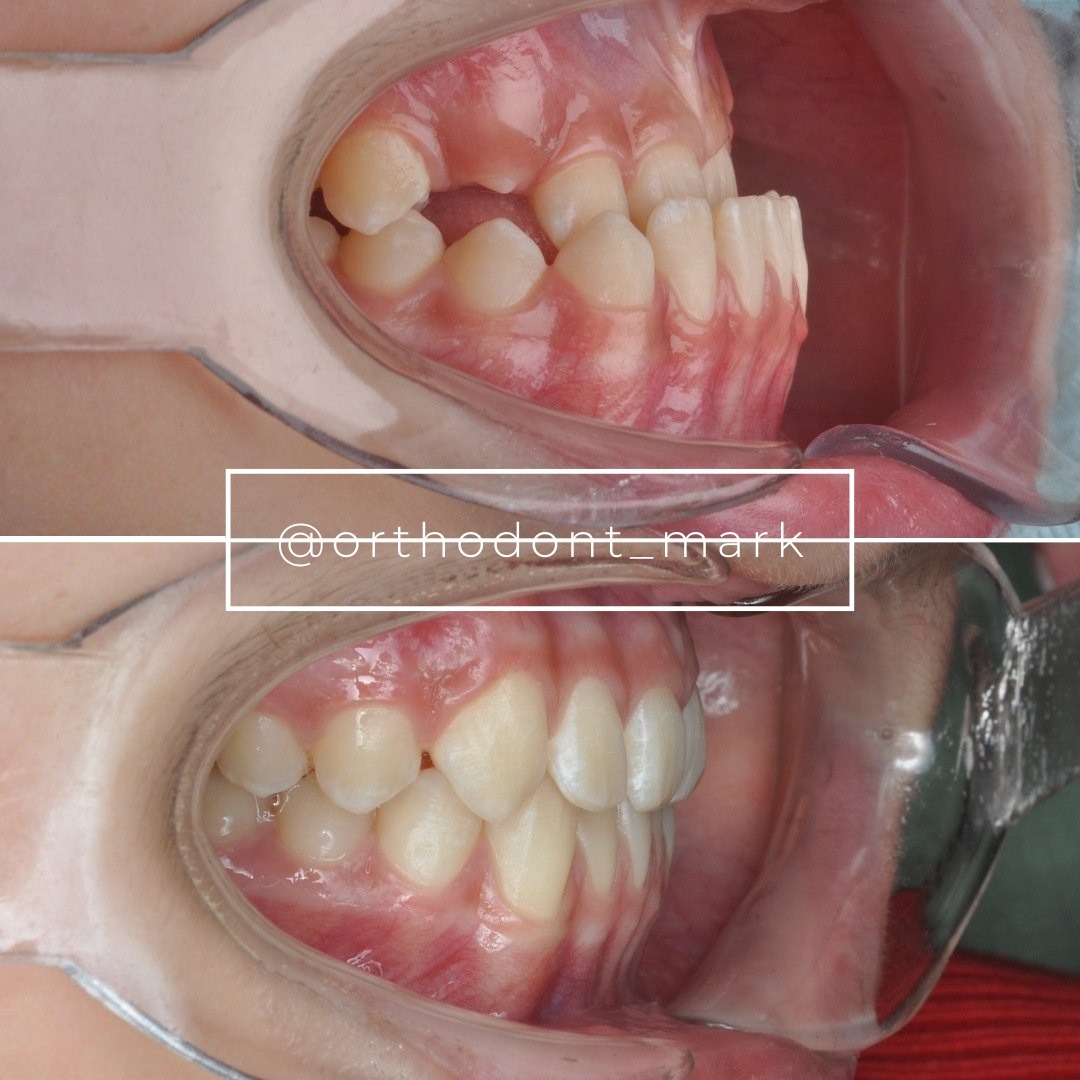
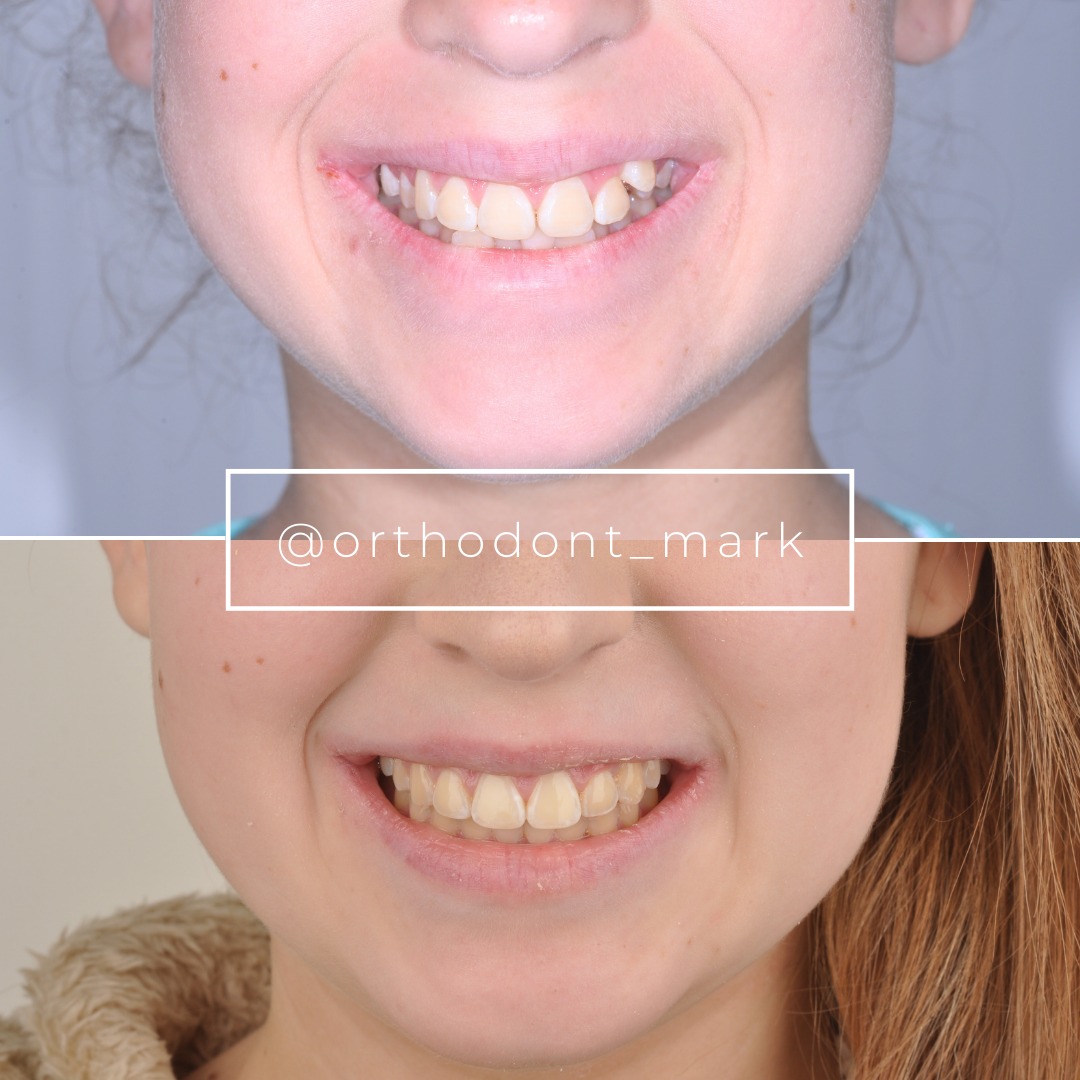
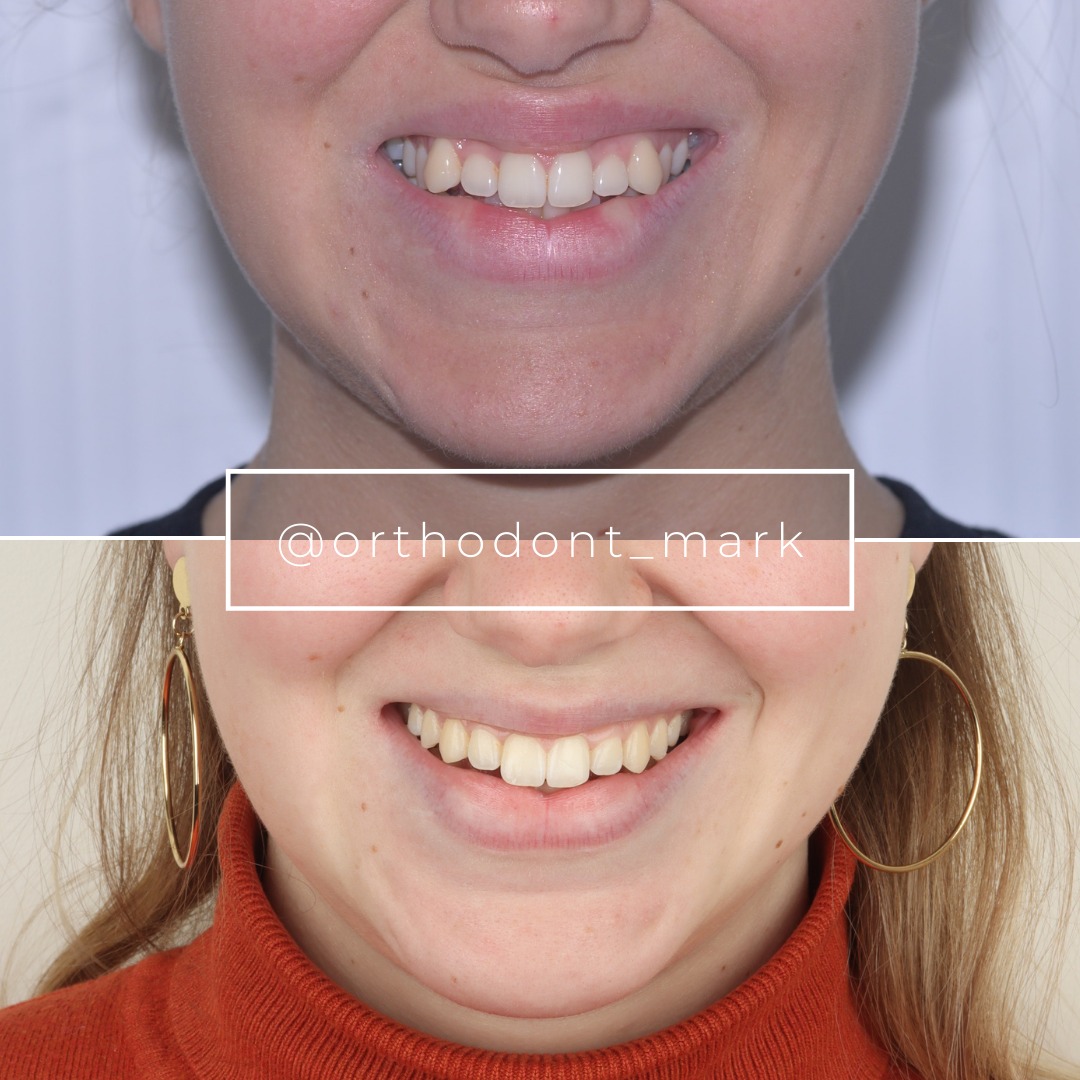
Learn the full MARPE protocol from Dr. Mark Radzhabov
Fundamental course covering CBCT patient selection, miniscrew planning, activation protocols, and 60+ clinical cases. Choose the access level that fits your practice.
Essentials of rapid palatal expansion for practicing orthodontists.
- Core RPE concepts and biomechanics
- 6 structured video lessons
- Clinical decision checklists
- Lifetime access to recordings
Deep-dive into MARPE protocol, diagnostics, and clinical execution.
- 6 modules covering MARPE from A to Z
- CBCT case selection walkthroughs
- Miniscrew placement and activation
- 60+ annotated clinical cases
- Direct Q&A with Dr. Mark Radzhabov
5-element medical consultation framework for dentists and orthodontists.
- Trust-building consultation protocol
- 5 lesson modules
- Templates for treatment plan delivery
- Works with any clinical specialty
Clinical FAQ
Why is the bone-screw interface in MARPE uniquely vulnerable to corrosion compared to other orthodontic miniscrews?
The palate is a stagnant environment where biofilm accumulates rapidly beneath the screw abutment, creating a crevice with low oxygen, high chloride concentration, and acidic pH—ideal conditions for pitting and crevice corrosion of the oxide layer.
What is the electrochemical difference between protective titanium oxidation and destructive corrosion at the bone-implant junction?
A thin, passive oxide layer (TiO₂) normally protects titanium. However, in stagnant crevices with biofilm, anaerobic bacteria lower pH and chloride ions attack the oxide, exposing bare titanium beneath, which corrodes rapidly and releases ions into adjacent bone.
How does mechanical stress from expansion loading contribute to miniscrew corrosion?
Cyclic loading and micromotion crack the oxide layer, exposing fresh titanium. Improper insertion torque (too high) also compresses bone, reducing vascularity and osseointegration quality, which weakens the biological seal and allows deeper saliva penetration to the implant threads.
What are the earliest clinical signs of MARPE screw corrosion that clinicians should monitor for?
Erythema or edema around the abutment after 8+ weeks, bluish-gray or brown discoloration of the screw head, progressive radiolucency on radiographs, and loss of screw rigidity on torque testing are early red flags indicating oxide layer breakdown.
Does commercially pure titanium resist oral corrosion better than titanium-aluminum-vanadium (Ti-6Al-4V) alloy in palatal miniscrews?
Yes. Pure titanium (grades 2–3) shows superior corrosion resistance in acidic, chloride-rich environments compared to Ti-6Al-4V, which is more susceptible to pitting and crevice corrosion in the oral cavity.
How should clinicians counsel MARPE patients to reduce corrosion risk through diet and hygiene behaviors?
Educate patients to avoid acidic beverages, rinse mouth with water after consumption, perform daily gentle abutment hygiene with soft brush and saline rinse, use 0.12% chlorhexidine rinse, eliminate smoking, and maintain optimal salivary flow (referral to physician if <0.5 mL/min).
What is the optimal insertion torque and osseointegration timeline to minimize bone damage and corrosion risk?
Use 25–35 Ncm in mature palatal bone. Delay screw loading 1–2 weeks to allow complete osseointegration. If urgent loading is necessary, apply light initial load (0.5 turns/day first week) to minimize stress on immature bone-implant interface.
How frequently should clinicians perform radiographic surveillance during MARPE to detect corrosion-driven bone loss early?
Every 6–8 weeks during active expansion and every 8–12 weeks during retention. Compare periimplant bone level to baseline. Progressive radiolucency >1 mm around screw threads warrants immediate clinical intervention to prevent mechanical failure.
When is screw replacement indicated in an MARPE case with confirmed corrosion and bone loss?
Replace screws if bone loss exceeds 1 mm, screw mobility develops despite local treatment, or periimplant infection persists. Timing depends on remaining expansion needed. Insert new screw 3–5 mm away and wait 1–2 weeks for osseointegration before load transfer.
What role does surface finish—polished versus rough—play in titanium miniscrew corrosion resistance during palatal expansion?
Polished surfaces resist corrosion significantly better than rough surfaces because roughness increases surface area available for oxidative attack. Request electropolished screws from manufacturers to reduce crevice corrosion and periimplant inflammation by 20–30%.
Preventing corrosion at the bone-screw interface requires a shift from passive screw selection to active clinical surveillance. Clinicians must evaluate screw material composition, establish patient hygiene benchmarks, and schedule regular radiographic reviews to detect early surface degradation before mechanical failure occurs. Dr. Mark Radzhabov emphasizes that MARPE success depends not only on proper force application but also on safeguarding the skeletal anchors themselves. If you manage complex expansion cases or have encountered miniscrew complications, consider scheduling a consultation to review evidence-based corrosion prevention protocols tailored to your patient population.

