
MARPE Screw Angulation:
Force Vector Control
How Insertion Angle Changes the Palatal Split
Explore the biomechanical relationship between miniscrew positioning and expansion force direction—and discover why angulation protocol matters for orthogonal skeletal response.
TL;DR MARPE screw angulation directly determines the direction and magnitude of expansion force applied to the midpalatal suture. Adjusting insertion angle changes the force vector, influencing whether expansion occurs orthogonally across the suture or with buccal and/or vertical components. Proper angulation protocol optimizes skeletal response and minimizes dentoalveolar side effects.
Miniscrew-assisted rapid palatal expansion (MARPE) has become the standard skeletal expansion option for post-pubertal patients, yet one of the most underappreciated variables remains screw angulation and its effect on force vector direction. The insertion angle of MARPE miniscrews determines not only the direction of expansion force but also the degree of lateral and vertical components transmitted to the palate—ultimately controlling whether the midpalatal suture splits orthogonally or with compensatory buccal tipping of anchor teeth. In this evidence-based review, Dr. Mark Radzhabov examines how miniscrew insertion angle modifies the biomechanical vector of split, reviews clinical protocols for optimal screw positioning, and presents practical strategies to predict and control the expansion vector based on skeletal anatomy and treatment goals.
What Is MARPE Screw Angulation?
insertion angle
And Why It Matters for Expansion Vector Control
MARPE screw angulation refers to the three-dimensional insertion angle of the miniscrew relative to the palatal plane and the midpalatal suture axis. Unlike tooth-borne rapid palatal expansion (RPE), which relies on dental anchor points and inevitably causes buccal tipping and extrusion, miniscrew-assisted systems allow direct control of force direction by varying how the screw is positioned during insertion. A screw placed perpendicular to the palate delivers force primarily in the vertical dimension. One angled anteriorly or posteriorly changes the anterior-posterior vector. And lateral angulation influences whether force is distributed symmetrically or with asymmetric components. The clinical significance is profound. When miniscrews are placed at improper angles, the force vector may not align with the true direction of midpalatal suture separation, resulting in compensatory tooth movement, uneven skeletal response, and relapse potential. Conversely, when insertion angle is optimized, the expansion force aligns with the axis of least resistance—the midpalatal suture itself—maximizing skeletal gain and minimizing dentoalveolar displacement. Understanding and controlling screw angulation therefore becomes a primary determinant of treatment efficiency and long-term stability in miniscrew-assisted palatal expansion protocols.
How Screw Insertion Angle Affects Force Vector
vector direction
The expansion force vector in MARPE is a composite of the mechanical input from the activation screw, the elasticity of the palatal tissues, and the spatial orientation of the miniscrews. When a screw is inserted at a specific angle, it becomes the fulcrum around which force is transmitted. If both miniscrews are placed at identical angles perpendicular to the palate, the resultant force vector points directly outward in the transverse dimension—orthogonal to the midpalatal suture. This is the ideal scenario for true skeletal expansion with minimal dentoalveolar side effects. In clinical reality, the palate is rarely symmetric, and insertion angles often vary between left and right sides due to anatomical variations, surgical access, or operator technique. A miniscrew angled more anteriorly on one side will shift the expansion vector slightly toward that side, creating asymmetric force distribution. Similarly, if both screws are angled buccally or palatally instead of remaining perpendicular, the resultant force includes vertical and sagittal components. These secondary force components, while sometimes small in magnitude, can accumulate over the 8–12 weeks of active expansion, leading to unintended skeletal rotations, uneven suture separation, and tooth displacement. The palatal split itself is not a simple lateral separation but a complex three-dimensional event involving the midpalatal suture and its articulation with surrounding skeletal elements. High-resolution cone-beam computed tomography (CBCT) studies show that the suture opens laterally, but also with slight vertical and anteroposterior displacement depending on force vector orientation. When miniscrew angulation is optimized for orthogonal force delivery, the split is more uniform and symmetrical. When angulation is suboptimal, compensatory movements occur in teeth and bone to accommodate the misdirected force.
Optimal MARPE Miniscrew Insertion Angle
positioning protocol
Evidence-Based Placement Technique
The consensus in the orthodontic literature suggests that miniscrews for MARPE should be placed as perpendicular to the palatal plane as possible, ideally between 85° and 95° to the palatal surface. This near-perpendicular angulation ensures that the expansion force vector is directed primarily in the transverse (lateral) dimension, minimizing vertical and sagittal components. However, strict perpendicularity is not always achievable due to anatomical constraints: palatal vault height, proximity to roots, and the presence of midpalatal vasculature may necessitate slight deviations. Pre-operative CBCT planning is essential for identifying optimal screw positions and predicting insertion angles. Multiplanar reformatting allows the clinician to measure the palatal plane inclination, identify the widest and most stable zones for screw placement (typically lateral to the midline and anterior to the posterior nasal spine), and visualize root positions to avoid interference. During surgical placement, using a radiographic guide or surgical stent with an embedded angulation indicator helps maintain consistent insertion angles bilaterally. If manual insertion is required, careful pre-drilling with a pilot guide angled to the pre-determined axis reduces drift during final screw placement. Post-operative CBCT verification is valuable in teaching cases or when clinical expansion response is asymmetric. Measurements of insertion angle relative to the palatal plane and assessment of screw parallelism inform whether observed asymmetries are due to angulation error or other factors (e.g., unequal activation, asymmetric force loading). As evidence from advanced miniscrew-assisted expansion (MSE) systems demonstrates, precision in screw positioning and angulation is a learnable skill that improves with systematic protocol and cross-sectional imaging guidance.
Adjusting Screw Angulation to Control
Skeletal Response
and Minimize Dentoalveolar Side Effects
While the default goal is perpendicular insertion, clinicians may intentionally modify miniscrew angulation based on individual skeletal anatomy and treatment objectives. For example, in a patient with a very high palatal vault, a slight posterior angulation (screw angled toward the posterior nasal spine) may improve contact and force transmission to the midpalatal suture. Conversely, in a patient with a low palatal vault, a slight anterior angulation may be preferable to reduce compression of palatal soft tissues. These micro-adjustments should be made with awareness that they will introduce minor vertical or sagittal force components. In asymmetric cases—such as a patient with unilateral posterior crossbite or skeletal midline deviation—unequal screw angulation may be intentionally used to concentrate more force on the narrower side. However, this advanced technique requires detailed planning and careful monitoring, as unequal vectors can amplify asymmetry if not paired with appropriate activation protocol. Most practitioners are better served by maintaining bilateral symmetry in screw angulation and instead managing asymmetries through differential activation timing or unequal turn schedules on the expansion screw. Common pitfalls include angling screws excessively buccal (thinking it improves force delivery) or angling them along the palatal midline in an anteroposterior direction. Both result in vector misdirection. Orthodontist Mark recommends standardizing your insertion technique: define a target angulation range based on your anatomy and imaging, train your surgical team to that standard, and verify achievement via post-operative imaging in your first 3–5 cases. Once consistency is established, you will observe more uniform suture separation, better skeletal outcomes, and fewer tooth-movement surprises during expansion.
Skeletal Expansion Outcomes
Related to Screw Positioning
and Force Vector Alignment
Clinical and radiographic evidence from prospective studies shows that MARPE systems, when properly positioned, achieve significant skeletal expansion with reduced dentoalveolar compromise compared to conventional RPE. A 2022 prospective randomized clinical trial comparing RPE and MARPE in adolescents and young adults found that the MARPE group demonstrated greater nasal width expansion at the molar region and greater palatine foramen opening, indices of true transverse skeletal gain. Importantly, the MARPE group showed significantly less buccal displacement of anchor teeth (premolar and molar) across the expansion and consolidation periods. These findings underscore that optimal miniscrew insertion angle—when combined with a sound mechanical system—permits direct skeletal loading with minimal dental side effects. Successful midpalatal suture separation was observed in 95% of MARPE cases in that trial, with rapid and consistent opening over the 8-week expansion phase. The consolidation phase (3 months) showed stable suture position and minimal relapse. These results are consistent with the premise that when the force vector aligns with the true axis of suture separation—i.e., when screw angulation is optimized—the suture opens reliably and the skeletal changes are durable. In clinical practice, asymmetric expansion or uneven suture opening often signals suboptimal screw angulation or unequal force loading. If your CBCT verification shows one screw angled more buccally than the other, or if clinical observation reveals preferential expansion on one side, imaging and protocol adjustment are warranted. Over time, as you standardize your insertion technique and verify outcomes via imaging, screw angulation becomes a controlled variable—and with it controlled, you gain predictability in your expansion vector and skeletal response.
Free Clinical Guide
Which Expansion Appliance at Which Age?
Get Dr. Mark Radzhabov's guide to skeletal-expansion appliances — indications, pros & cons, and how to choose by patient age. Free to your inbox.
Prefer video? Watch the free demo lesson on MARPE appliance types, features and trade-offs.
Documented outcomes
Clinical cases from Dr. Mark Radzhabov's practice
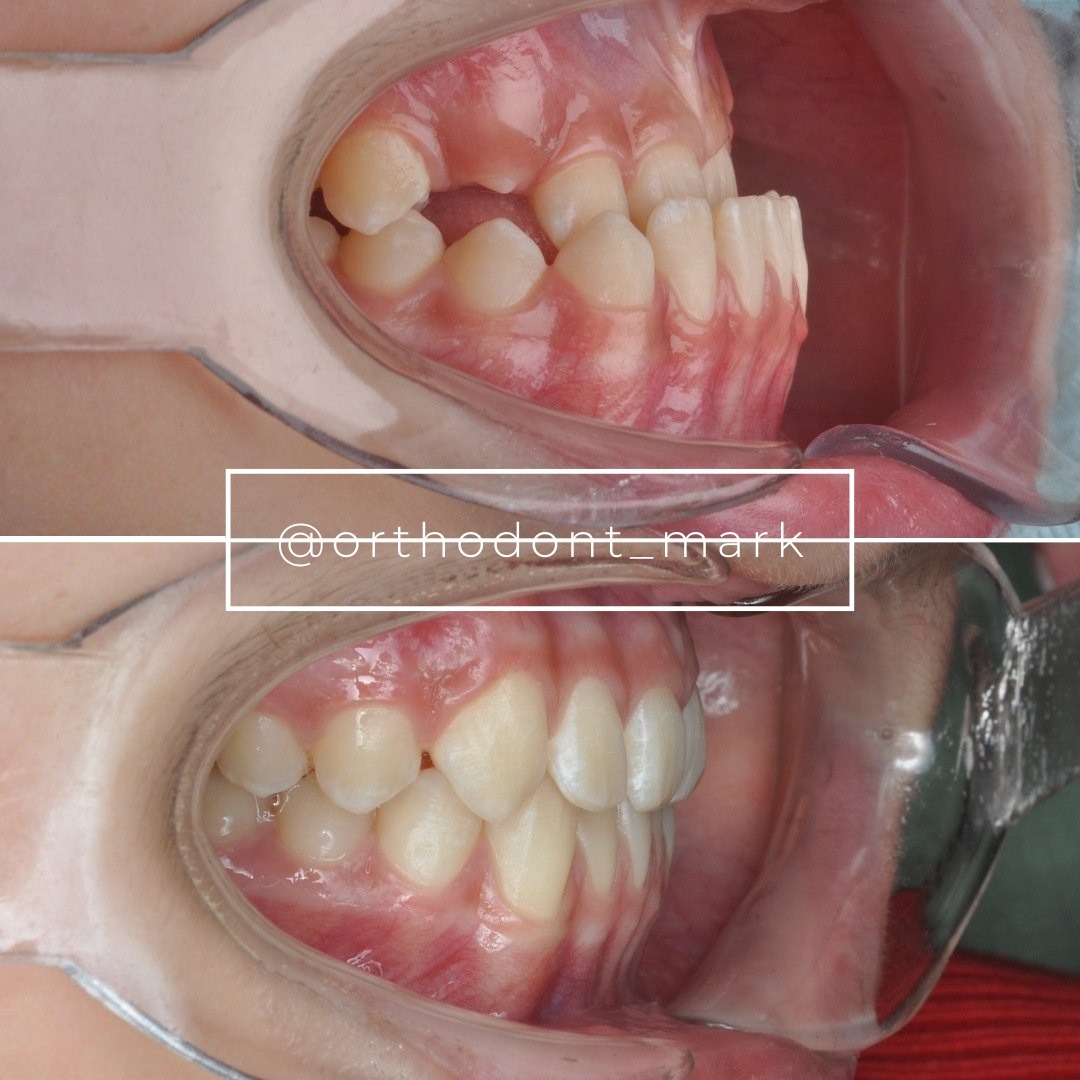
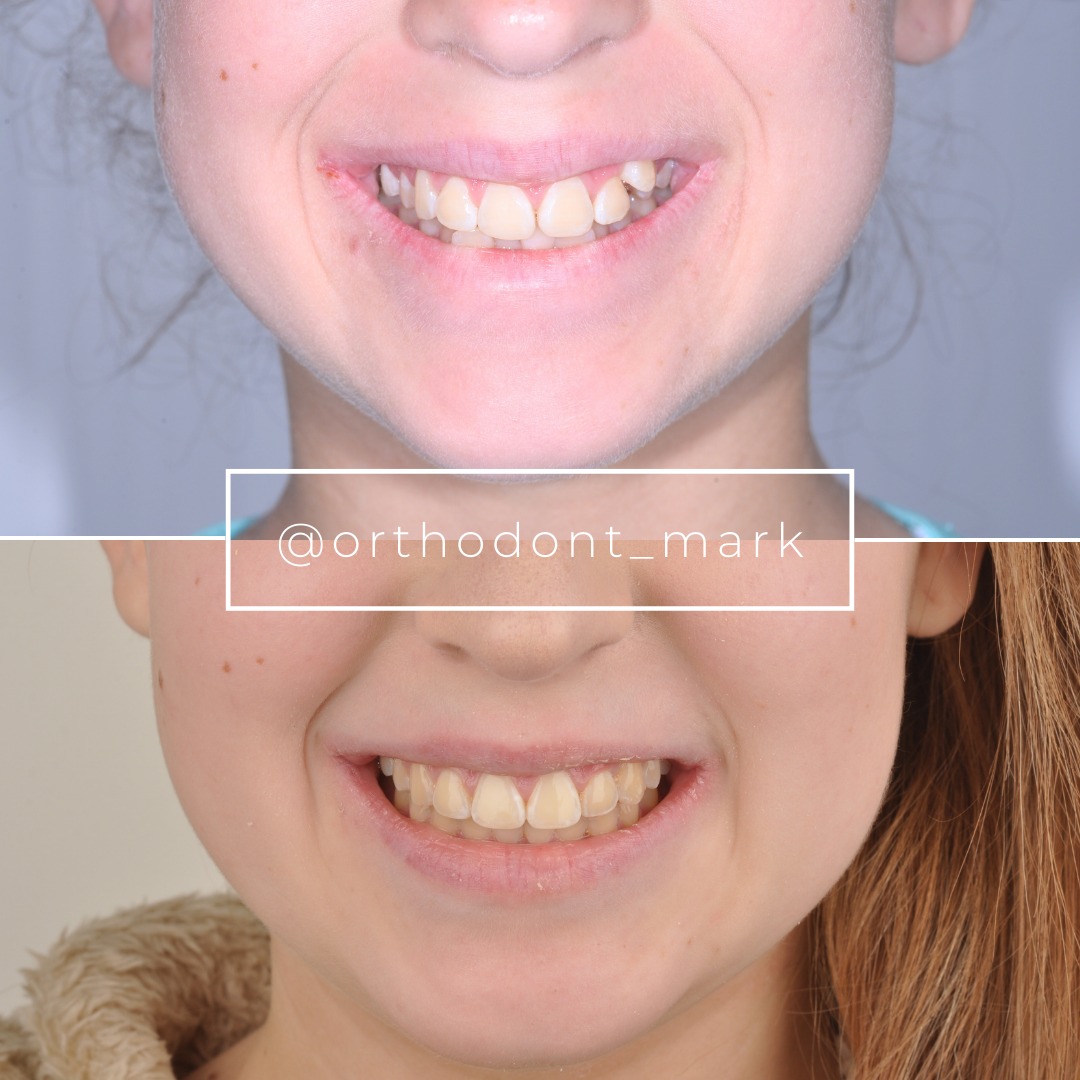
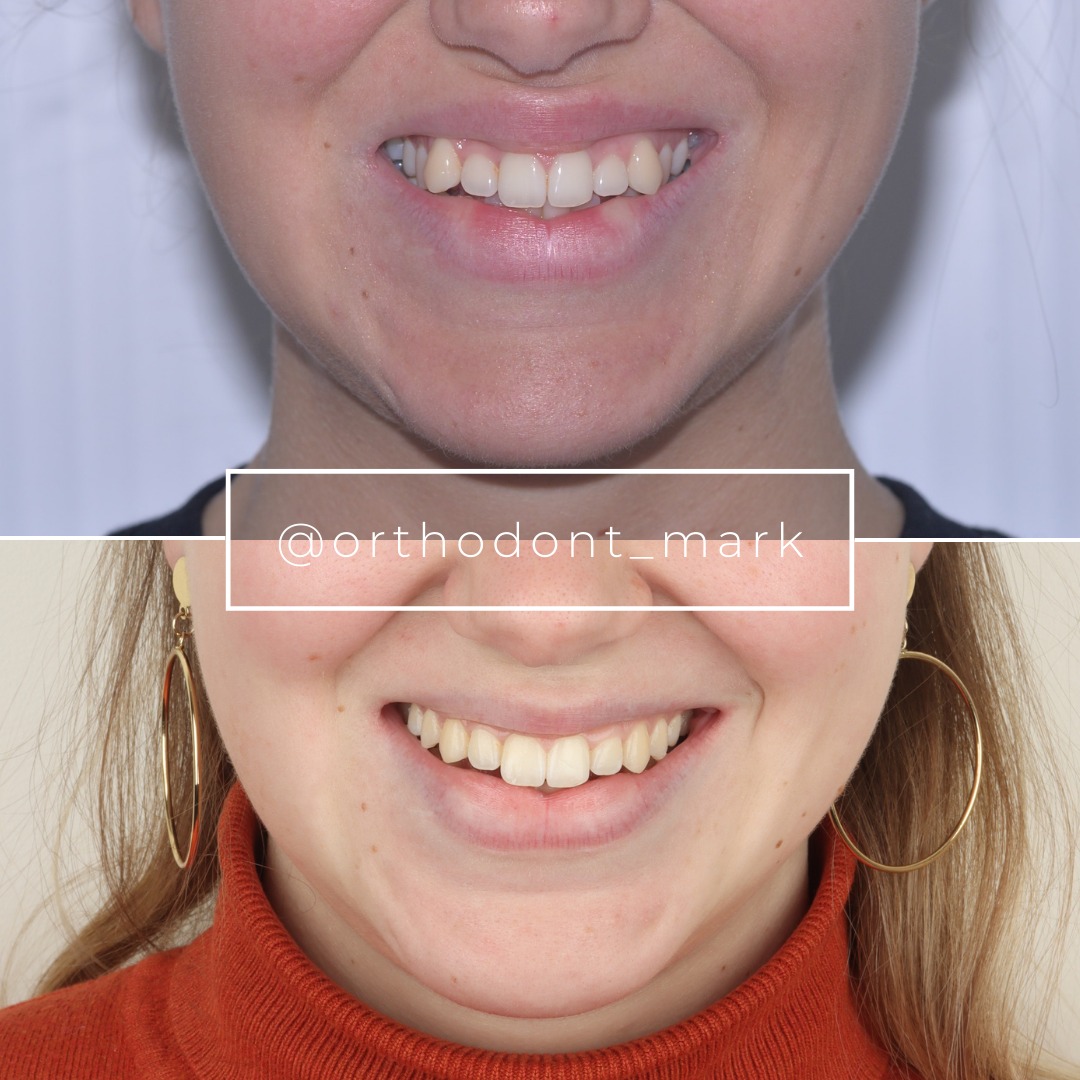
Learn the full MARPE protocol from Dr. Mark Radzhabov
Fundamental course covering CBCT patient selection, miniscrew planning, activation protocols, and 60+ clinical cases. Choose the access level that fits your practice.
Essentials of rapid palatal expansion for practicing orthodontists.
- Core RPE concepts and biomechanics
- 6 structured video lessons
- Clinical decision checklists
- Lifetime access to recordings
Deep-dive into MARPE protocol, diagnostics, and clinical execution.
- 6 modules covering MARPE from A to Z
- CBCT case selection walkthroughs
- Miniscrew placement and activation
- 60+ annotated clinical cases
- Direct Q&A with Dr. Mark Radzhabov
5-element medical consultation framework for dentists and orthodontists.
- Trust-building consultation protocol
- 5 lesson modules
- Templates for treatment plan delivery
- Works with any clinical specialty
Clinical FAQ
What is the optimal insertion angle for MARPE miniscrews?
Aim for 85°–95° perpendicular to the palatal plane. This angle maximizes transverse force delivery and minimizes unintended vertical or sagittal components that can cause dentoalveolar displacement or asymmetric suture opening.
How does screw insertion angle affect the midpalatal suture split direction?
Insertion angle determines the resultant force vector. Perpendicular screws direct force orthogonally across the suture. Angled screws introduce off-axis components. Asymmetric bilateral angles cause uneven or rotational split patterns.
Can I adjust miniscrew angulation during surgery if anatomy is unexpected?
Minor adjustments (5°–10° from target) are acceptable and guided by real-time anatomical visualization. Larger deviations (>15°) should be avoided. If anatomy prevents perpendicular placement, consider alternate screw position or post-operative imaging verification.
What imaging should I use to verify MARPE screw angulation?
Cone-beam computed tomography (CBCT) with multiplanar reformatting is the gold standard. Measure insertion angle relative to the palatal plane on sagittal and coronal views. Assess bilateral symmetry and proximity to roots.
How does screw angulation relate to skeletal versus dentoalveolar expansion outcomes?
Optimized perpendicular angulation permits direct skeletal loading, maximizing nasal width and midpalatal suture opening while minimizing buccal tooth displacement. Suboptimal angles force compensatory dental movement.
Should I use the same insertion angle for all patients, or adjust based on individual anatomy?
Use 85°–95° as your standard target for all patients. Individual anatomical variations (vault height, midline vasculature) may require 5°–10° modification, but standardization across most cases improves reproducibility and outcomes.
What happens if MARPE screws are angled buccally instead of perpendicular?
Buccal angulation introduces a vector component toward the buccal vestibule, causing asymmetric palatal opening and increased buccal tipping of anchor teeth. This reduces skeletal efficiency and increases dentoalveolar side effects.
Can I use unequal screw angles to correct asymmetric expansion?
This is an advanced technique requiring careful planning. For most cases, maintain bilateral symmetry in screw angulation and manage asymmetries via differential activation timing or unequal turn schedules instead.
How often should I verify miniscrew angulation post-operatively?
Verify via post-operative CBCT in your first 3–5 MARPE cases to confirm consistency with your protocol. After establishing a reliable technique, verification can be limited to cases with unexpected asymmetric expansion response.
Does miniscrew insertion angle affect the consolidation phase or long-term stability?
Yes. Proper angle alignment ensures symmetrical and complete suture opening, reducing stress concentration and relapse risk. Suboptimal angles may cause uneven consolidation and higher relapse, particularly in asymmetric cases.
MARPE screw angulation is not a cosmetic choice—it is a critical biomechanical variable that dictates the quality of skeletal expansion and the distribution of stress to teeth and bone. Clinicians who systematically adjust insertion angle based on palatal anatomy and desired expansion vector will achieve more parallel, orthogonal suture separation with less buccal displacement of anchor teeth. If you are managing post-pubertal transverse deficiency cases, Dr. Mark Radzhabov invites you to review MARPE case studies and advanced screw-positioning protocols on Orthodontist Mark. Schedule a consultation to discuss how to refine your miniscrew insertion technique and optimize skeletal expansion outcomes in your practice.