
MARPE in Sinus Disease:
Contraindication or Caution?
Evidence-Based Clinical Decision-Making
A systematic review of diagnostic criteria, complication profiles, and modified protocols for miniscrew-assisted expansion in patients with pre-existing sinonasal involvement.
TL;DR MARPE in sinus disease is not an absolute contraindication but requires careful patient selection, pre-treatment imaging assessment, and modified activation protocols. While gingival inflammation and asymmetric expansion remain common complications, sinus infection is rare when proper diagnostic screening and clinical monitoring are implemented.
The intersection of miniscrew-assisted rapid palatal expansion and pre-existing sinus pathology represents a critical clinical decision point for orthodontists treating older adolescents and adults. This article examines whether MARPE contraindications truly exist in patients with sinus disease or whether the procedure demands heightened clinical caution and modified protocols. Dr. Mark Radzhabov synthesizes current evidence on skeletal expansion, sinus anatomy, and complication management to provide actionable guidance for case selection and treatment planning.
What Is MARPE in the Context of Sinus Disease?
miniscrew-assisted expansion
MARPE in sinus disease refers to the clinical application of miniscrew-assisted rapid palatal expansion in patients with concurrent rhinosinusitis, sinus pneumatization changes, or other sinonasal pathology. Unlike conventional tooth-borne RPE, MARPE transfers expansion forces directly to palatal miniscrews anchored in bone, theoretically bypassing dental side effects. However, the palatal midline—the site of screw placement—lies in close anatomical proximity to the maxillary sinuses, introducing considerations absent in non-sinus-compromised patients. Recent retrospective analyses of MARPE complications document that while sinus infection is rare (approximately 1–3% of treated patients), it remains a documented adverse event. The clinical question is not whether sinus disease absolutely precludes MARPE, but rather what diagnostic assessment and protocol modifications transform this from a contraindication into a cautiously managed treatment option. Pre-treatment cone-beam computed tomography (CBCT) imaging has become essential for evaluating sinus mucosa thickness, pneumatization patterns, and spatial relationships to planned miniscrew trajectories.
Why Sinus Involvement Requires Modified Assessment
sinus pneumatization
The maxillary sinuses occupy a substantial portion of the palatal vault, and their pneumatization—the air-filled volume—varies widely among individuals. In patients with chronic rhinosinusitis, mucosal thickening, polyposis, or recurrent acute infections, sinus physiology is compromised. The normal mechanisms of sinus drainage and aeration may be impaired, creating an environment where rapid palatal expansion and the stress it induces on palatal anatomy could theoretically exacerbate inflammation or impede mucociliary clearance. Additionally, patients with a history of sinus disease often have narrower nasal passages and constrained nasopharyngeal anatomy—the same anatomical constraints that frequently motivate palatal expansion referrals. This overlap creates a treatment population where the clinical need for expansion is high but anatomical risk factors are also elevated. CBCT assessment reveals the extent of sinus involvement and allows the clinician to identify whether miniscrew placement will encroach upon thickened mucosa or proximity to inflammatory foci. Expansion itself increases nasal cavity width; in patients with baseline sinus obstruction, this widening can be therapeutic, potentially improving drainage. However, the transient inflammation associated with palatal split and miniscrew placement may temporarily worsen sinonasal symptoms, warranting patient counseling and, in some cases, collaborative care with otolaryngology.
Pre-Treatment Imaging and Risk Stratification
diagnostic assessment
The cornerstone of safe MARPE treatment in sinus disease is comprehensive pre-treatment evaluation. A detailed patient history should include the frequency, severity, and current status of sinus symptoms; medications (nasal corticosteroids, antihistamines, antibiotics); and any prior sinus surgery. Clinical examination should assess nasal airflow, palatal anatomy, and signs of active inflammation. Cone-beam computed tomography has become standard for MARPE planning and is especially valuable in sinus-compromised patients. CBCT allows the clinician to visualize sinus mucosa thickness, identify asymmetries, evaluate the degree of pneumatization, and assess the spatial relationship between planned miniscrew sites and sinus cavities. A threshold approach is useful: patients with mild sinus mucosal thickening (≤3 mm) and stable symptoms under current medical management are reasonable candidates for MARPE with standard protocols. Patients with moderate thickening (3–5 mm), recurrent acute sinusitis, or polyps warrant more conservative activation schedules and closer monitoring. Those with severe active sinusitis, significant polyps, or prior sinus surgery should be deferred until sinonasal status is optimized—ideally in consultation with otolaryngology. Some clinicians obtain baseline sinus imaging (Waters' view or CBCT) and repeat imaging at the consolidation phase to assess whether expansion has influenced sinus dimensions or mucosal appearance. This longitudinal documentation provides evidence for long-term safety and informs future treatment decisions in this population.
Modified Activation Protocols and Complication Prevention
activation schedules
Standard MARPE activation typically follows protocols reported in the literature: 4 turns on the day of insertion, then 3 turns per day for 10 days, repeated in cycles over 8+ weeks until adequate expansion is achieved. In patients with sinus involvement, several modifications have emerged as clinically prudent. First, slower activation schedules (2 turns per day instead of 3) may reduce the transient inflammatory burden on palatal tissues and potentially lower sinus symptom exacerbation. Second, extended consolidation periods (6–9 months instead of 3 months) allow greater time for bone remodeling and sinus mucosal adaptation. Third, more frequent clinical visits (every 2 weeks instead of monthly) permit early detection of gingival inflammation, swelling, or sinus symptom changes. Gingival inflammation is nearly universal in MARPE patients (83.9% in one large retrospective series of 256 patients; Yoon et al., 2022), and in sinus-compromised cases, meticulous oral hygiene instruction and chlorhexidine rinses are warranted. Pain during and after expansion affects approximately 45% of patients; this may be intensified in those with baseline sinus discomfort. Preemptive communication about expected discomfort and a clear protocol for symptom escalation builds patient confidence and compliance. If a patient reports acute sinus symptoms (facial pressure, purulent drainage, fever) during expansion, temporary deactivation and ENT consultation are indicated. Most transient sinonasal irritation resolves within 1–2 weeks; persistent symptoms warrant imaging reassessment. Documentation of sinus status at key time points (baseline, immediately post-expansion, and at consolidation conclusion) provides a longitudinal record and facilitates peer consultation if complications arise.
Complication Profiles: What Really Happens in MARPE Patients
complication management
Comprehensive retrospective analyses of MARPE have documented a detailed complication spectrum. The most common adverse effects are mild-to-moderate in severity. Gingival inflammation around the appliance occurs in approximately 84% of patients and typically resolves with enhanced oral hygiene and, if needed, topical antimicrobial rinses. Pain during and after expansion is reported by 45% of patients and is usually self-limited, though analgesic use is common. Appliance breakage occurs in about 10% of cases and necessitates chair-side repair or replacement. Asymmetric expansion—defined as greater than 1 mm difference between the right and left sides of maxillary width—occurs in nearly 48% of patients but rarely requires clinical intervention, as subsequent orthodontic mechanics typically correct minor asymmetries. More serious but rare complications include tooth discoloration (suggestive of vitality loss), temporary hearing loss, numbness, severe gag reflex, and, most pertinently to sinus disease discussions, sinus infection. Sinus infection is documented in less than 3% of MARPE cases in published series and does not appear to be significantly more common in patients with pre-existing sinus disease when appropriate case selection and monitoring are implemented. The midpalatal suture separates in 87–95% of patients across studies, confirming the biomechanical efficacy of skeletal anchorage. When counseling patients with sinus disease, clinicians should transparently discuss the high likelihood of gingival inflammation and pain while reassuring that major, long-term complications are uncommon. This balanced disclosure, coupled with clear symptom-monitoring guidance and escalation protocols, frames sinus involvement as a caution requiring modified management rather than an outright contraindication.
Is This Patient a Candidate for MARPE With Sinus Disease?
patient selection criteria
Patient selection for MARPE in the context of sinus disease benefits from a systematic framework. Start with the primary orthodontic indication: does the patient have documented maxillary transverse deficiency requiring skeletal expansion, and is MARPE the most appropriate modality (compared to conventional RPE in younger patients or SARPE in those seeking surgical correction)? Second, assess sinus disease severity and stability using the risk stratification described above. Third, confirm adequate bone volume for safe miniscrew placement via CBCT, ensuring that screw trajectories do not violate sinus cavities or encroach upon thickened mucosa. Fourth, establish baseline sinus symptom status and current medical management—is the patient under ENT care? Are symptoms controlled? Does the otolaryngologist support orthodontic expansion? Fifth, confirm that the patient understands the modified protocol (potentially slower activation, extended consolidation) and accepts the risk profile. Sixth, establish clear communication channels for symptom reporting and escalation. Patients with mild, stable sinus disease who meet all other criteria for MARPE are appropriate candidates. Those with moderate disease should be accepted with modified protocols and enhanced monitoring. Those with severe or uncontrolled disease should be deferred or treated in coordination with otolaryngology. This framework prevents both unnecessary case exclusion and inappropriate case acceptance, placing sinus involvement in its proper context as a modifying variable rather than an absolute contraindication. Orthodontist Mark has emphasized in clinical education that the quality of pre-treatment assessment—not the mere presence of sinus disease—determines success in complex cases.
What Does the Evidence Show About MARPE Safety in Complex Populations?
evidence-based protocols
The current orthodontic literature does not identify sinus disease as an absolute contraindication to MARPE. A prospective randomized clinical trial comparing conventional RPE and MARPE in adolescents and young adults reported midpalatal suture separation rates of 90% and 95%, respectively, with greater skeletal benefits (nasal width increase and greater palatine foramen widening) in the MARPE group. These findings confirm the biomechanical efficacy of miniscrew-assisted approaches. Importantly, the trial did not stratify outcomes by sinus status, reflecting the reality that many practicing clinicians treat patients with varying degrees of sinonasal involvement without explicit reporting of sinus-related complications. The most comprehensive complication analysis, a retrospective review of 256 MARPE patients by Yoon et al. (2022), documented a detailed adverse event profile and notably included sinus infection as a rare complication rather than a common or expected occurrence. The authors concluded that although major and long-term complications are rare with MARPE, patients should be informed that gingival inflammation and pain are common side effects. Asymmetric expansion, also common, is typically managed orthodontically without additional intervention. These findings suggest that MARPE can be safely performed in appropriately selected patients, even those with sinus involvement, provided that diagnostic imaging informs case selection, activation protocols are individualized, and clinical monitoring is vigilant. The absence of large prospective trials specifically in sinus-disease populations reflects not a gap in evidence supporting MARPE's safety, but rather the selective case acceptance and individualized management that define advanced orthodontic practice in complex patients.
Free Clinical Guide
Which Expansion Appliance at Which Age?
Get Dr. Mark Radzhabov's guide to skeletal-expansion appliances — indications, pros & cons, and how to choose by patient age. Free to your inbox.
Prefer video? Watch the free demo lesson on MARPE appliance types, features and trade-offs.
Documented outcomes
Clinical cases from Dr. Mark Radzhabov's practice
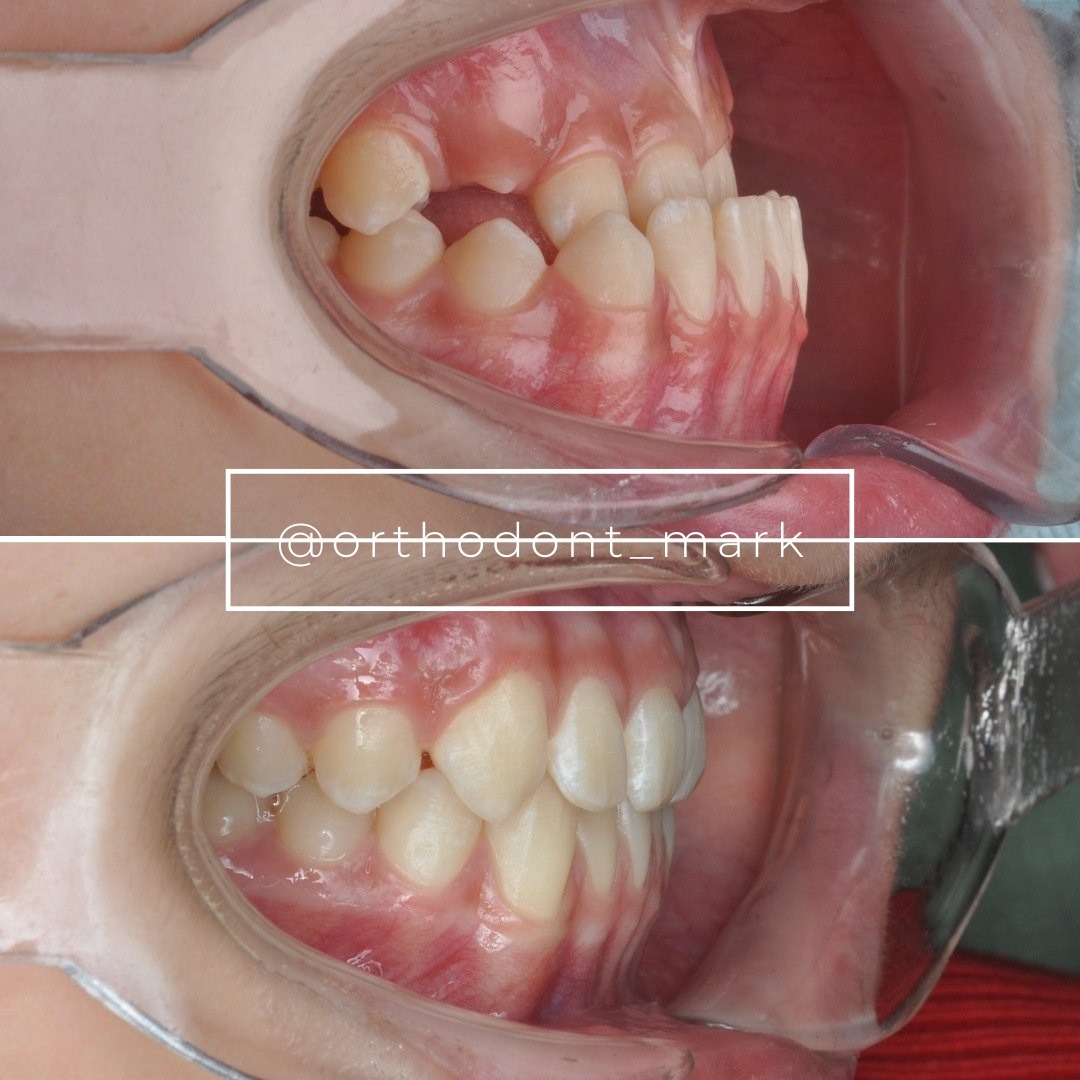


Learn the full MARPE protocol from Dr. Mark Radzhabov
Fundamental course covering CBCT patient selection, miniscrew planning, activation protocols, and 60+ clinical cases. Choose the access level that fits your practice.
Essentials of rapid palatal expansion for practicing orthodontists.
- Core RPE concepts and biomechanics
- 6 structured video lessons
- Clinical decision checklists
- Lifetime access to recordings
Deep-dive into MARPE protocol, diagnostics, and clinical execution.
- 6 modules covering MARPE from A to Z
- CBCT case selection walkthroughs
- Miniscrew placement and activation
- 60+ annotated clinical cases
- Direct Q&A with Dr. Mark Radzhabov
5-element medical consultation framework for dentists and orthodontists.
- Trust-building consultation protocol
- 5 lesson modules
- Templates for treatment plan delivery
- Works with any clinical specialty
Clinical FAQ
Can I safely perform MARPE in a patient with chronic rhinosinusitis?
Yes, if sinus disease is stable and controlled medically. Pre-treatment CBCT assessment, modified activation (2 turns/day), and enhanced monitoring are essential. Defer if acute infection is present or if severe polyps or recent sinus surgery complicate anatomy.
What CBCT findings would contraindicate miniscrew placement in patients with sinus involvement?
Planned screw trajectories that violate maxillary sinus cavities, severe mucosal thickening (>5 mm) at proposed insertion sites, or active inflammatory lesions. Adequate bone volume lateral to the midline and away from thickened mucosa is prerequisite.
How does palatal expansion affect sinus drainage and pneumatization?
MARPE increases nasal cavity width, potentially improving drainage in patients with baseline obstruction. However, transient inflammation during the expansion phase may temporarily exacerbate sinus symptoms. This typically resolves within 1–2 weeks.
Should I modify activation schedules for MARPE in patients with sinus disease?
Yes. Consider 2 turns per day instead of standard 3 turns per day, and extend consolidation from 3 to 6–9 months. This slower approach reduces transient inflammatory stress on palatal tissues and sinus mucosa.
What is the frequency of sinus infection as a complication of MARPE?
Sinus infection occurs in fewer than 3% of MARPE cases in published retrospective series and does not appear significantly elevated in patients with pre-existing sinus disease when proper case selection is applied.
How do I counsel patients with sinus disease about MARPE complications?
Discuss high likelihood of gingival inflammation (84%) and pain (45%), which are expected and typically resolve. Reassure that major complications are rare. Provide clear protocols for reporting acute sinus symptoms and escalation pathways.
Should I involve an otolaryngologist in MARPE treatment planning for sinus patients?
Consider ENT collaboration for moderate-to-severe sinus disease or recurrent infections. Baseline coordination confirms that expansion is not contraindicated and establishes communication for symptom monitoring during treatment.
What baseline imaging should I obtain in MARPE cases with known sinus pathology?
Cone-beam computed tomography is standard. Assess mucosal thickness (normal <2 mm), pneumatization patterns, presence of polyps or fluid, and spatial relationships between planned miniscrew sites and sinus cavities. Document findings for comparison post-expansion.
How often should I monitor patients with sinus disease during MARPE?
Schedule bi-weekly or monthly clinical visits (vs. typical monthly for standard MARPE). Assess gingival health, palatal swelling, and specifically ask about sinus symptoms. Provide patient with contact protocol for acute symptom reporting.
When should I defer MARPE and recommend alternative expansion methods in sinus patients?
Defer if acute sinusitis is present, if severe polyps or significant prior sinus surgery complicates anatomy, or if CBCT reveals inadequate bone volume away from thickened mucosa. Consider conventional RPE in younger patients or ENT-optimized SARPE in skeletally mature adults.
MARPE can be successfully performed in carefully selected patients with sinus disease when informed by CBCT assessment, conservative activation schedules, and enhanced patient communication. Rather than an outright contraindication, sinus involvement necessitates refined diagnostic and monitoring protocols. To explore evidence-based approaches to complex expansion cases and build mastery of protocol modification, visit Orthodontist Mark's clinical consultation platform and engage with the comprehensive course curriculum on skeletal expansion in mature patients.