
MARPE for Sleep Apnea in Adults:
What the Evidence Actually Shows
Volumetric gains, clinical outcomes, and the gap between them
A clinician's guide to airway expansion, miniscrew biomechanics, and honest appraisal of current literature on MARPE efficacy for obstructive sleep apnea management.
TL;DR MARPE for sleep apnea in adults demonstrates statistically significant airway expansion, with nasal cavity volume increases of 9.9–31% and nasopharyngeal gains of 6.4–20.7% immediately post-expansion. However, long-term retention and sleep apnea symptom resolution require prospective longitudinal studies beyond immediate CBCT measurement.
Adult sleep apnea and maxillary constriction remain intimately linked in contemporary orthodontics. In this evidence review, Dr. Mark Radzhabov examines MARPE's role in airway management—including patient selection, skeletal response metrics, and the gap between volumetric gains and clinical apnea resolution. This article synthesizes current literature to help you distinguish between promising volumetric data and the actionable evidence your practice needs for informed treatment planning.
What Is MARPE and Why Does Airway Volume Matter?
MARPE
MARPE for sleep apnea is a miniscrew-assisted skeletal expansion technique designed to increase transverse maxillary dimensions and upper airway volume in skeletally mature adults with constricted palates and sleep-disordered breathing. A robust body of clinical observation confirms that maxillary transverse deficiency—narrowing of the upper jaw—correlates with reduced upper airway volume and increased obstructive sleep apnea (OSAS) prevalence. Patients with constricted maxillae often present with a high palatal vault, bilateral or unilateral crossbite, and dental crowding alongside complaints of poor sleep quality, daytime somnolence, or witnessed apnea. Unlike traditional rapid palatal expansion (RPE), which relies on dental anchorage and is contraindicated in adults due to suture fusion and loss of skeletal compliance, MARPE anchors to the palatal bone via precision miniscrews. This approach bypasses dental side effects and delivers true skeletal movement. The clinical rationale is straightforward: expand the maxilla skeletal, enlarge the nasal cavity and nasopharynx, improve airflow, and reduce apnea severity. However, the leap from volumetric improvement to symptom resolution remains incompletely mapped in the literature.
What Does the Current Literature Tell Us About
MARPE Efficacy for Sleep Apnea?
The evidence base for MARPE and sleep apnea is asymmetric: volumetric gains are well-documented; apnea resolution is not. Current studies consistently report significant increases in nasal cavity and nasopharyngeal airspace immediately after miniscrew-assisted expansion. These measurements are obtained via cone-beam computed tomography (CBCT), which has become the standard imaging modality for quantifying three-dimensional airway geometry. However, critical limitations plague interpretation. First, most published studies measure airway volume at T0 (before expansion) and T1 (immediately after expansion completion), offering only a snapshot. Long-term follow-up—6 months, 1 year, or beyond—remains sparse. A single study in the literature evaluated whether volumetric gains persisted after one year, raising questions about retention and late relapse. Second, few studies correlate CBCT volumetric gains with objective sleep metrics (polysomnography, apnea-hypopnea index) or subjective symptom improvement. This gap between structural change and clinical outcome is the honest truth about current MARPE evidence. Additionally, airway anatomy is multifactorial. Palatal expansion may improve transverse nasal dimensions, but apnea severity also depends on soft-tissue dynamics, pharyngeal tone, tongue position, and patient-specific craniofacial anatomy. A 20% gain in nasal volume does not guarantee proportional reduction in apnea events.
How to Select and Treat Adults with MARPE for
Airway Improvement
Successful MARPE outcome depends critically on accurate patient selection and protocol precision. Ideal candidates are skeletally mature adults (typically 18+) with documented transverse maxillary deficiency, high palatal vault, narrow nasal airway on clinical exam or CBCT, and either suspected or polysomnography-confirmed sleep apnea. Radiographic assessment of midpalatal suture maturation is essential: even in adults, individual variability in suture fusion occurs and does not correlate linearly with chronologic age. CBCT imaging allows you to grade suture maturation (Nos et al. classification or similar) and predict skeletal versus dental response to expansion. Once you confirm midpalatal suture patency sufficient for skeletal movement, miniscrew placement typically occurs on the hard palate between the central incisors and first molars, positioned to avoid roots and neurovascular bundles. After osseointegration (2–4 weeks), activation begins—commonly 0.2–0.5 mm per day, delivered via screw turn at the junction of the miniscrews. Expansion protocols vary: some clinicians activate 4 turns daily for 1–2 weeks, pause, reactivate, and cycle through 8+ weeks of expansion with retention periods interspersed. The goal is to achieve measurable skeletal separation at the midpalatal suture (confirmed radiographically by diastema opening or CBCT verification) without excessive dental tipping. Retention is non-negotiable. After active expansion, a passive retention phase (typically 6+ months) allows new bone remodeling and mineralization. During this window, the miniscrews remain in place but unactivated. Post-retention imaging (CBCT at baseline and 6–12 months post-expansion) documents whether volumetric gains persist. Dr. Mark Radzhabov emphasizes that abbreviated retention or premature screw removal risks relapse, undoing airway gains.
How Does MARPE Compare to RPE and
Surgical Expansion (SARME)?
Three major techniques address maxillary transverse deficiency: conventional RPE (tooth-borne), surgically assisted rapid maxillary expansion (SARME), and MARPE. Each occupies a distinct clinical niche based on patient age, skeletal maturity, and invasiveness tolerance. RPE remains the gold standard for growing patients (pre-pubertal to early adolescence) when midpalatal sutures retain high compliance. In these cohorts, RPE is highly effective, minimally invasive, and cost-effective. However, in skeletally mature adults, RPE efficacy plummets due to suture ossification and compensatory dental tipping. RPE in adults typically yields minimal skeletal movement and significant dental side effects—buccal tipping of molars, root resorption, and marginal bone loss. SARME (surgical midpalatal split with or without adjunctive osteotomies) guarantees skeletal separation by surgically fracturing the fused midpalatal suture and anterior maxillary structures. Efficacy is high when surgery is properly executed. However, SARME requires general anesthesia, inpatient hospitalization, and surgeon expertise. Postoperative pain, swelling, and infection risk are non-trivial. Cost is substantially higher than MARPE. Recent literature suggests that surgical separation of the midpalatal suture (versus leaving it intact) may reduce postoperative discomfort during appliance activation, though both approaches are clinically viable. MARPE occupies a middle ground: more effective than RPE in adults, less invasive than SARME, and more cost-effective than surgery. Miniscrew-assisted expansion does not require general anesthesia and can be performed in an outpatient orthodontic setting. However, MARPE success depends on patient compliance with activation schedules, miniscrew stability, and protocol precision. In approximately 30–50% of adult patients, the midpalatal suture retains sufficient patency for significant skeletal response; in others, limited suture separation occurs and dental tipping dominates.
Does Volumetric Airway Expansion Translate to
Apnea Symptom Improvement?
This is the critical gap in current evidence. MARPE reliably increases nasal cavity and nasopharyngeal volumes by 10–30% in the immediate postoperative period. But does this translate to reduced apnea severity, lower apnea-hypopnea indices (AHI), improved oxygen saturation, or patient-reported sleep quality? The honest answer: we do not yet have robust prospective data. A few mechanistic considerations explain why volumetric gain alone may not guarantee apnea relief. First, the soft palate, pharyngeal muscles, and tongue position are dynamic structures influenced by muscle tone, body position, and neural drive—not static anatomy. Expanding the hard palate and nasal airway may improve nasal airflow but does not necessarily correct pharyngeal collapse if the velopharynx or oropharynx remains hypotonic or crowded. Second, sleep apnea severity is multifactorial: craniofacial anatomy (including maxillary width) is one component, but obesity, age, sex, nasal obstruction, and baseline neuromotor control all play roles. Third, most published studies measure naive patients (pre-expansion baseline) without polysomnography. Without objective sleep data, claiming apnea “improvement” is speculative. The best clinical practice is to obtain baseline polysomnography (or at minimum, home sleep testing) in patients presenting with suspected apnea, then repeat sleep studies 3–6 months post-expansion to quantify any change in AHI or oxygen metrics. Subjective symptom improvement (fewer arousals, better sleep quality, reduced daytime somnolence) should align with objective PSG data. If volumetric gains occur but sleep metrics remain unchanged, other interventions (continuous positive airway pressure, tongue-retaining devices, or weight loss) may be warranted.
What Is the Recommended MARPE Activation
Schedule and Retention Timeline?
A evidence-informed MARPE protocol balances speed of expansion with skeletal response and patient tolerance. Here is a clinically practical framework, adapted from published case series and clinical experience: Miniscrew Placement & Osseointegration (Weeks 0–4): After CBCT planning, miniscrews (typically 1.6–2.0 mm diameter, 8–10 mm length) are placed under local anesthesia on the hard palate in the anterior-posterior midline or bilaterally, depending on the expansion device. A 2–4 week osseointegration period follows before activation begins, allowing bone-implant contact to stabilize and prevent premature loosening during mechanical force application. Active Expansion Phase (Weeks 4–14+): Activation typically proceeds at 0.2–0.5 mm per day (approximately 3–4 turns daily on most expansion screws). Many clinicians use a “turn-pause-turn” schedule: activate for 10–14 days, pause for 3–5 days to allow skeletal remodeling, then resume. This cycle repeats 4–6 times over 8–14 weeks. Diastema opening between the maxillary central incisors and radiographic evidence of midpalatal separation confirm skeletal response. Pain and discomfort are expected but should remain tolerable; excessive pain may indicate inadequate skeletal separation and predominant dental tipping. Retention Phase (6 Months+): After achieving the target expansion (typically 5–8 mm of skeletal separation), the miniscrews remain in place but unactivated. This phase is non-negotiable for remodeling and new bone mineralization. Premature removal risks apnea recurrence and loss of airway gain. Interim CBCT imaging at 3–6 months confirms stability. Completion & Removal: After 6–12 months of retention, miniscrews are removed under local anesthesia, and the small surgical sites heal over weeks. Post-removal CBCT (baseline, 6 months, 12 months) documents long-term volumetric persistence. Retention of skeletal gains in the palate is generally good if the retention phase is adequate, though some studies suggest modest relapse (typically 10–20% of the gain) over years.
What Are the Common Challenges and Limitations of
MARPE for Sleep Apnea?
Incomplete Skeletal Response: Not all adults achieve robust skeletal expansion. Individual variation in midpalatal suture maturation means some patients undergo predominantly dental tipping rather than skeletal separation, negating the airway benefit. Careful suture grading on pretreatment CBCT and realistic patient counseling are essential. Miniscrew Stability Issues: Miniscrew loosening or loss of osseointegration can occur, particularly if activation forces exceed the device's load capacity or if patient compliance with post-operative hygiene lapses. Infection at the screw site, though rare, requires prompt intervention. Selecting experienced surgical placement and high-quality miniscrews (titanium grade, appropriate diameter and length) reduces but does not eliminate this risk. Limited Soft-Tissue Response: Skeletal expansion of the hard palate does not automatically remodel overlying soft tissues. The mucosa, soft palate, and pharyngeal tissues may lag behind skeletal gains, limiting actual airway enlargement. Additionally, MARPE does not address downstream airway obstruction (e.g., adenoid hypertrophy, tonsillar enlargement, pharyngeal obesity) in some patients. Cost and Availability: MARPE is more expensive than RPE and requires specialized miniscrew implants and surgical expertise. Not all orthodontists have the training or resources to place miniscrews, limiting access. Patients may need referral to higher-level practitioners. Limited Long-Term Data: Most published studies are retrospective case reports or small prospective series with follow-up of 6–12 months. Few data exist on 2–5 year stability, late relapse patterns, or long-term effects on sleep apnea severity. Orthodontist Mark emphasizes the importance of patient documentation and case reporting to build the longitudinal evidence base.
Free Clinical Guide
Which Expansion Appliance at Which Age?
Get Dr. Mark Radzhabov's guide to skeletal-expansion appliances — indications, pros & cons, and how to choose by patient age. Free to your inbox.
Prefer video? Watch the free demo lesson on MARPE appliance types, features and trade-offs.
Documented outcomes
Clinical cases from Dr. Mark Radzhabov's practice
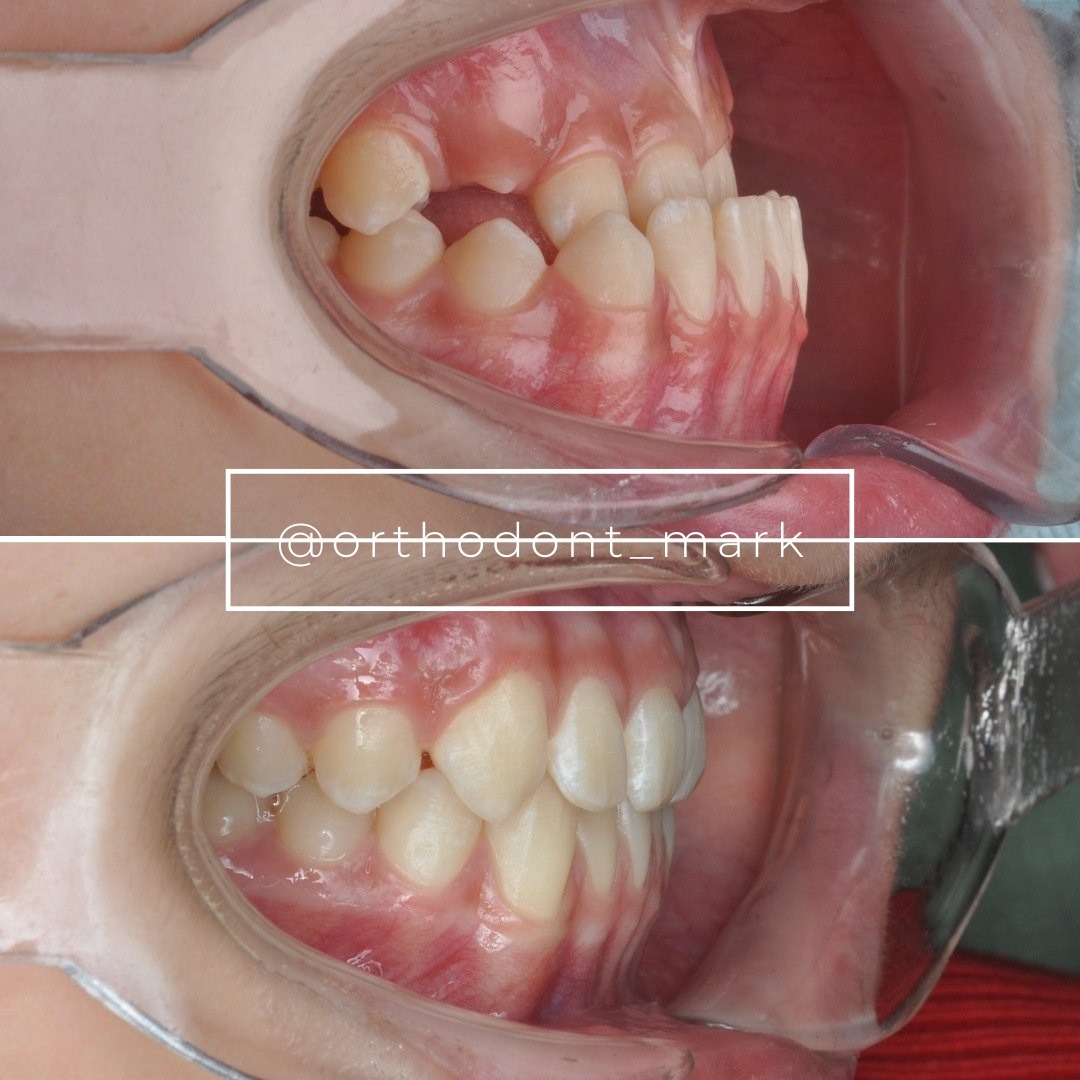
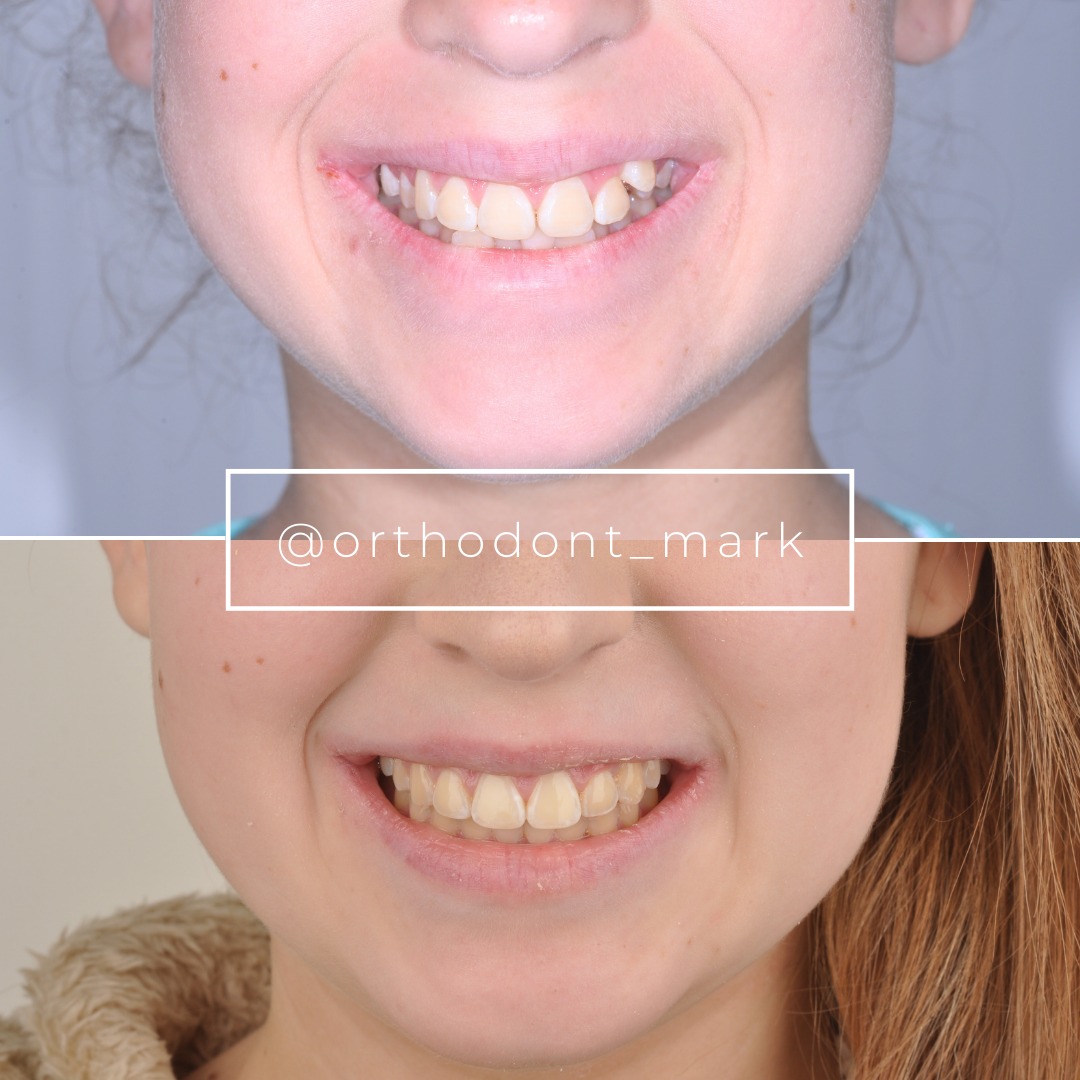
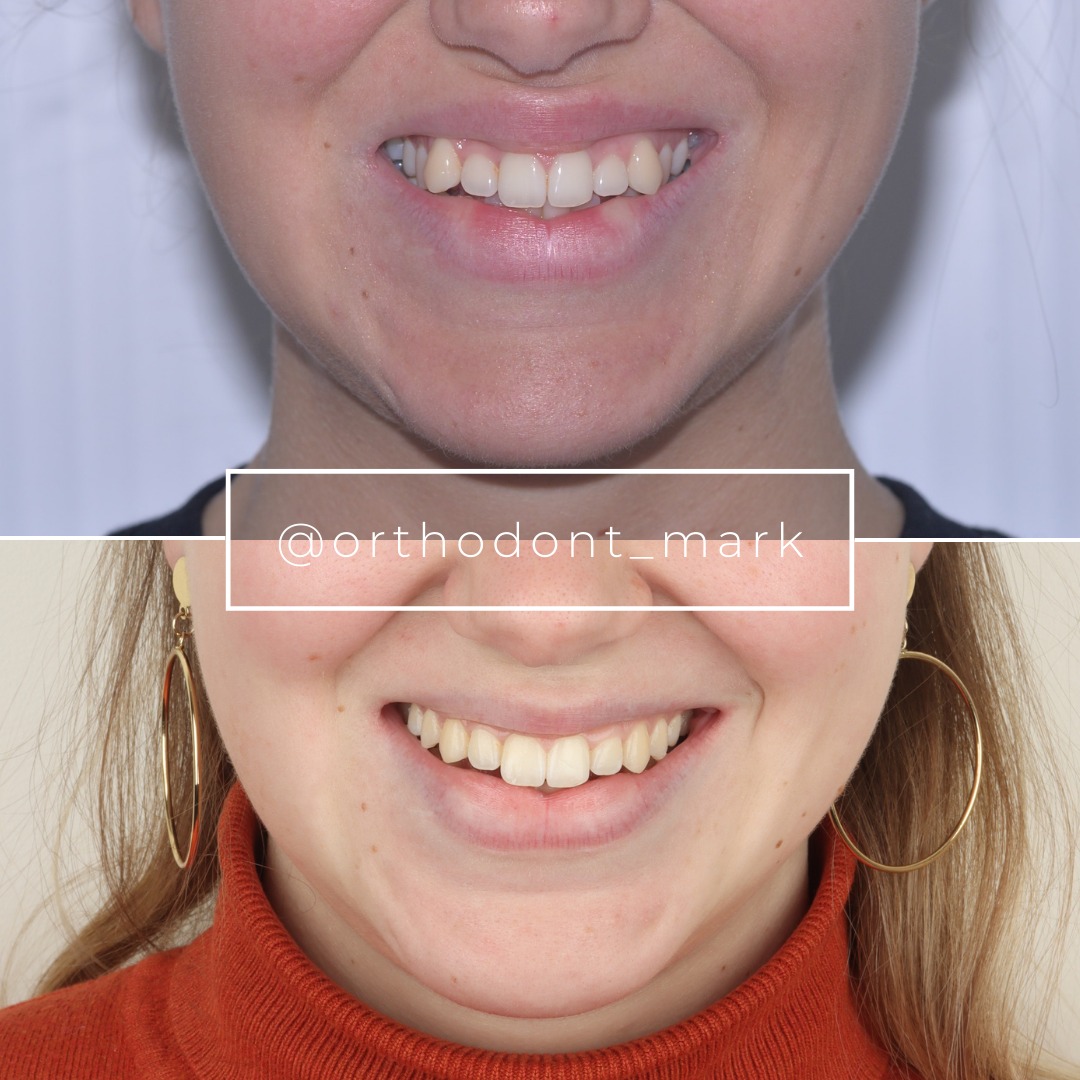
Learn the full MARPE protocol from Dr. Mark Radzhabov
Fundamental course covering CBCT patient selection, miniscrew planning, activation protocols, and 60+ clinical cases. Choose the access level that fits your practice.
Essentials of rapid palatal expansion for practicing orthodontists.
- Core RPE concepts and biomechanics
- 6 structured video lessons
- Clinical decision checklists
- Lifetime access to recordings
Deep-dive into MARPE protocol, diagnostics, and clinical execution.
- 6 modules covering MARPE from A to Z
- CBCT case selection walkthroughs
- Miniscrew placement and activation
- 60+ annotated clinical cases
- Direct Q&A with Dr. Mark Radzhabov
5-element medical consultation framework for dentists and orthodontists.
- Trust-building consultation protocol
- 5 lesson modules
- Templates for treatment plan delivery
- Works with any clinical specialty
Clinical FAQ
What is the optimal age window for MARPE in non-growing patients with maxillary constriction?
MARPE is indicated in skeletally mature adults (18+) with fused or partially fused midpalatal sutures. Success depends on individual suture maturity grading on CBCT, not chronologic age. Younger adults (20–35) typically show better skeletal response than older cohorts (55+).
How do I assess midpalatal suture maturity to predict MARPE skeletal response?
Use CBCT with sagittal multiplanar reconstruction to grade suture fusion (Nos, Oliveira, or similar classification). Stage A (minimal fusion) predicts robust skeletal response; Stage D (complete fusion) predicts minimal skeletal gain. Intermediate stages (B, C) have variable outcomes.
What is the difference between MARPE and miniscrew-assisted skeletal expansion (MSE)?
MARPE and MSE are functionally equivalent terms; both refer to miniscrew-assisted rapid palatal expansion. MSE is sometimes used when highlighting the skeletal outcome goal. Device design and protocol may vary (BENEfit, Hybrid Hyrax, other systems), but the core principle—palatal miniscrew anchorage for skeletal expansion—is identical.
Can MARPE alone resolve obstructive sleep apnea, or is sleep medicine collaboration essential?
MARPE improves nasal airway volume but does not guarantee apnea resolution. Baseline polysomnography and repeat sleep testing 3–6 months post-expansion are strongly recommended. Sleep medicine co-management ensures apnea severity is objectively tracked and alternative therapies (CPAP, positional therapy) are considered if needed.
How do I counsel patients on realistic expectations for airway improvement and symptom timeline?
Frame MARPE as a structural intervention with variable functional outcomes. Explain that volumetric nasal gains (10–30%) occur but sleep apnea symptom improvement requires time (3–6 months minimum) and objective measurement via sleep study. Avoid overpromising apnea “cure.”
What is the rate of miniscrew osseointegration failure or loosening during MARPE activation?
Published incidence of miniscrew mobility or loss ranges from 1–10% depending on placement technique, bone quality, and patient factors. High-quality titanium screws, appropriate surgical technique, and 4-week osseointegration before activation reduce risk. Infection is rare (<1%) if hygiene protocols are followed.
Should I recommend MARPE or SARME (surgical expansion) for an adult with severe transverse maxillary deficiency and sleep apnea?
MARPE is less invasive, non-surgical, and more cost-effective. SARME guarantees skeletal separation but requires general anesthesia and surgery. MARPE is a reasonable first-line option; reserve SARME for inadequate MARPE response or patient preference for definitive surgical correction.
What retention timeline minimizes relapse while ensuring adequate bone remodeling after MARPE?
Minimum 6 months of passive retention (miniscrews in place, unactivated) is recommended. Some protocols extend to 12 months. CBCT imaging at 3, 6, and 12 months post-expansion documents skeletal stability. Removal before 6 months risks significant relapse.
How do I differentiate skeletal vs. dental response to MARPE expansion in a given patient?
Use CBCT multiplanar images to assess midpalatal suture separation (skeletal response) and measure dental tipping of maxillary molars (dental response). Diastema opening and intercanine width increase suggest dental contribution. High tipping + minimal suture separation indicates inadequate skeletal response.
What imaging protocols should I use to document MARPE efficacy for sleep apnea management in my records?
Baseline CBCT (T0, pre-expansion), immediate post-expansion CBCT (T1), and 6–12 month follow-up CBCT (T2) with volumetric nasal cavity and nasopharyngeal measurements. Correlate with polysomnographic AHI change. Document this in patient records and consider case publication to contribute to the MARPE evidence base.
MARPE achieves measurable airway expansion in adults with transverse maxillary deficiency, yet the leap from improved nasal volume to resolved sleep apnea requires careful patient selection and longitudinal follow-up. Before committing to MARPE as an apnea intervention, review the strength of your diagnostic baseline and consider consulting with sleep medicine colleagues. Dr. Mark Radzhabov's evidence-based MARPE resources at ortodontmark.com can guide your protocol refinement and case documentation.