
MARPE gingival recession risk:
soft tissue limits
of rapid skeletal expansion
Evidence-based strategies to monitor buccal bone dehiscence, assess mucogingival compromise, and prevent irreversible gingival recession during miniscrew-assisted palatal expansion therapy.
TL;DR MARPE gingival recession occurs when skeletal expansion velocity exceeds soft tissue adaptation, creating buccal bone dehiscence and mucogingival compromise. Pre-treatment assessment of biotype, expansion rate modulation, and serial radiographic monitoring are essential to detect early signs of gingival recession and prevent irreversible soft tissue loss.
Miniscrew-assisted rapid palatal expansion (MARPE) offers significant skeletal gains in transverse maxillary deficiency, yet its speed and direct skeletal loading create a distinct periodontal risk: gingival recession at the buccal cortex of anchor teeth and expanded dentition. Unlike tooth-borne rapid palatal expanders, which distribute force across broader dental surfaces, MARPE concentrates load on implant-supported appliances, potentially overwhelming the rate of soft tissue remodeling. This article examines the mechanisms of MARPE gingival recession, evidence-based risk stratification, and clinical monitoring protocols based on current orthodontic literature and Dr. Mark Radzhabov's evidence-based clinical practice.
Understanding MARPE gingival recession
mechanism and biology
MARPE gingival recession occurs at the intersection of three biological phenomena: rapid midpalatal suture separation, buccal alveolar bone remodeling, and soft tissue redraping. When miniscrew anchors are placed in the hard palate and load is applied, the midpalatal suture and surrounding bone respond within 8–12 weeks of activation. However, the buccal gingival margin and periodontal ligament require 12–18 weeks to fully adapt to new bone contours. This temporal mismatch—coupled with the direct skeletal loading inherent in MARPE—creates transient buccal bone dehiscence. If expansion continues unmodified, the gingival margin may recede apically, exposing cementum or dentin and compromising long-term periodontal health. A prospective randomized clinical trial comparing conventional rapid palatal expansion (RPE) and miniscrew-assisted RPE in adolescent and young adult cohorts revealed critical differences in dentoalveolar response. While both techniques achieved similar skeletal outcomes at the midpalatal suture, MARPE groups showed greater increase in nasal width at the molar region and greater palatine foramen, indicating more direct and uniform skeletal opening. Importantly, MARPE demonstrated lesser buccal displacement of anchor teeth—a theoretical advantage. However, this reduced buccal tooth movement does not eliminate buccal bone remodeling. Rather, it concentrates expansion load on the underlying skeletal structures, where soft tissue adaptation lags. The clinical presentation of early MARPE gingival recession includes gingival blanching, widening of the attached gingiva zone, and shallow probing depths at the buccal aspect of first molars and premolars. Unlike pathological periodontal disease, these changes initially reflect dynamic remodeling rather than inflammation. However, if expansion rate exceeds approximately 1 mm per week or if expansion is sustained beyond the capacity of the mucogingival complex, inflammation and true gingival recession follow. The risk is especially acute in patients with thin biotype, shallow vestibule, or limited attached gingiva preoperatively.
Pre-treatment assessment for buccal bone dehiscence
and mucogingival risk
Not all patients tolerate MARPE equally. Soft tissue adaptation capacity depends on five modifiable and non-modifiable factors. First, gingival biotype—patients with thin, scalloped gingiva and thin underlying alveolar bone (biotype I) exhibit more gingival recession than those with thick, flat gingival architecture (biotype III). Second, attached gingiva width: patients with <3 mm of keratinized tissue at the buccal aspect of maxillary molars are at substantially higher risk for apical gingival migration during expansion. Third, vestibular depth and frenum position: shallow vestibule or high frenum attachment restricts the soft tissue reserve available for redraping. Fourth, age and skeletal maturity: although MARPE is effective in adults, older patients (>40 years) with dense alveolar bone and reduced vascularity may exhibit slower soft tissue remodeling. Fifth, expansion rate: activation protocols that exceed 0.8–1.0 mm per week overwhelm periodontal adaptation. Pre-treatment cone-beam computed tomography (CBCT) and intraoral photography should quantify buccal alveolar bone thickness at the level of molar and premolar roots. Thickness <1.5 mm predicts higher recession risk. Clinical measurement of attached gingiva via local anesthesia, incision, and palpation can identify patients who would benefit from adjunctive soft tissue graft prior to MARPE—a preventive strategy gaining acceptance among high-risk cohorts. Periodontal probing and bleeding scores establish a baseline. Any preexisting periodontitis or bleeding on probing should be resolved before appliance insertion. Patients with severe crowding or high Angle classification should be screened carefully, as their buccal alveolar envelope may already be compromised. An evidence-based case selection matrix, as advocated by leaders in orthodontic research, integrates age, biotype, radiographic bone thickness, and preoperative periodontal status into a single recommendation: proceed with standard MARPE protocols, proceed with modified expansion rates, recommend adjunctive tissue augmentation, or refer to alternative modalities (such as surgically assisted rapid maxillary expansion in select adults). This matrix transforms subjective clinical judgment into a reproducible decision aid, reducing recession incidence and improving patient counseling about realistic periodontal risk.
Monitoring soft tissue response during
miniscrew-assisted expansion
Effective management of gingival recession risk during MARPE requires serial assessment at fixed intervals. At baseline (before miniscrew insertion), record gingival margin position using a periodontal probe from a fixed intraoral reference (cusp tip or incisal edge). Use high-quality intraoral photographs with a 1:1 magnification ratio and standardized angulation at weeks 0, 4, 8, and 12 of active expansion. This photographic record allows clinician and patient to detect gingival recession as early as 1–2 mm apical shift—the threshold at which reversible measures (rate reduction, temporary deactivation) remain effective. Clinical examination should focus on four zones: (1) buccal gingiva of maxillary first molars and second premolars—the primary load-bearing teeth of most MARPE designs; (2) palatal gingiva and mucosa, monitoring for erythema or ulceration; (3) the mucogingival junction, measuring the distance from gingival margin to mucogingival line. And (4) interdental papillae, assessing for blanching or recession. Gingival blanching indicates early vascular compromise and warrants temporary deactivation (1–2 weeks) or reduction in activation frequency (from twice weekly to once weekly). If blanching resolves and gingival margin remains stable on subsequent photographs, expansion may resume at a slower rate. Radiographic monitoring via periapical or CBCT imaging at the T1 time point (immediately post-expansion) and T2 (3-month consolidation period) documents buccal alveolar bone level relative to cementoenamel junction (CEJ). Horizontal bone loss >2 mm indicates that soft tissue adaptation has been outpaced. These patients require extended consolidation periods (6–12 months instead of standard 3 months) before fixed appliance placement. CBCT slices in the sagittal plane at the long axis of maxillary molars reveal the buccolingual dimension of alveolar bone and the degree of buccal dehiscence. Thickness <1 mm at the coronal third of molar roots predicts higher risk of future recession and should prompt discussion of graft augmentation or modified final mechanics to redistribute load away from areas of bone loss. Dr. Mark Radzhabov's protocol incorporates a 'pause-and-assess' algorithm: if gingival recession exceeds 1 mm or attached gingiva decreases below 2 mm at any follow-up, expansion is temporarily halted for 2–4 weeks. Clinical and radiographic reassessment then determines whether expansion resumes at the original rate, a reduced rate, or not at all. This evidence-based approach balances skeletal correction with periodontal preservation, acknowledging that expansion is a treatment goal, not an absolute mandate if soft tissue jeopardizes long-term health.
Preventing gingival recession through expansion rate
modulation and tissue augmentation
Rate modulation is the first-line intervention for gingival recession risk. Standard MARPE protocols recommend activation of 1 mm per week (typically 4 turns on a rapid expander screw, each turn ≈0.25 mm). For patients with thin biotype or limited attached gingiva, reducing activation to 0.5 mm per week (2 turns, or 1 turn every other day) extends the expansion timeline but allows soft tissue redraping to progress concurrently with bone remodeling. A 7 mm maxillary transverse correction at 0.5 mm per week requires 14 weeks instead of 7, but periodontal safety is preserved. Patient compliance is critical. Written activation schedules with visual reminders are essential. Adjunctive soft tissue augmentation prior to MARPE insertion may be considered for high-risk patients. Free gingival graft (FGG) or connective tissue graft (CTG) to the buccal aspect of maxillary molars increases keratinized tissue width by 3–5 mm and thickens the soft tissue envelope. Although this adds preoperative time and cost, it substantially reduces gingival recession risk during subsequent MARPE. The graft is typically placed 6–8 weeks before miniscrew insertion to allow maturation and vascularization. This two-stage approach—tissue augmentation followed by expansion—is particularly valuable in older adults (>45 years) or patients with severe preexisting bone loss. Activation frequency also modulates soft tissue response. Rather than activating twice per week (standard protocol), reducing activation to once per week slows expansion but provides more time for daily remodeling biology to respond. Mechanistically, once-weekly activation allows 6 days of fibroblast proliferation and extracellular matrix synthesis between loading events, whereas twice-weekly activation compresses this window to 3 days. Clinical observation suggests that once-weekly protocols are better tolerated by patients with thin biotype and produce less interim gingival recession, albeit at the cost of longer active treatment duration. Intraoperative and postoperative care also influences soft tissue outcomes. Miniscrew insertion via flapless approach preserves periosteal blood supply better than full-thickness flap elevation. Careful suturing and avoidance of tension on palatal mucosa during incision closure minimize inflammatory swelling. Postoperative rinses with 0.12% chlorhexidine twice daily for the first 2 weeks reduce bacterial burden and support healing. Patients should be counseled to avoid aggressive brushing at the site of screw insertion for 4 weeks postoperatively. These measures, though individually modest, collectively lower the risk of early periosteal inflammation and subsequent gingival recession.
Managing buccal bone loss during active
MARPE therapy
Once clinical or radiographic signs of excessive buccal bone remodeling or gingival recession appear, the decision tree is clear. If gingival recession is <1 mm and gingival blanching resolves within 1–2 weeks of temporary deactivation, expansion may resume at a reduced rate (0.5 mm per week or once-weekly activation). If gingival recession is 1–2 mm or attached gingiva has decreased below 2 mm, expansion should be paused for 4 weeks to allow soft tissue rebound. Reassessment at week 4 determines whether expansion can resume at a slower rate or should be abandoned in favor of alternative treatment (such as fixed appliance alignment with acceptance of transverse deficiency, or referral for surgical assistance in adult cases). If gingival recession exceeds 2 mm, particularly if accompanied by probing depth increase (indicating loss of clinical attachment), MARPE should be discontinued and the miniscrews removed. At this point, irreversible periodontal damage has likely occurred. Further expansion will only compound recession. The patient should be offered adjunctive soft tissue graft to cover exposed root surface and restore gingival health before resuming orthodontic treatment. In some cases, modified treatment goals (such as partial transverse correction with fixed appliances) may be necessary to preserve remaining dentition and support structure. Radiographic thresholds also guide intervention. On CBCT or periapical radiographs, if buccal alveolar bone thickness decreases to <0.5 mm at the coronal third of molar roots, expansion should cease. Bone thickness of 0.5–1.0 mm indicates marginal periodontal reserve. Further expansion risks frank dehiscence and mucoperiostal perforation. These thresholds are evidence-based extrapolations from periodontal implant literature, where buccal bone thickness <1.0 mm predicts implant recession. The same principle applies to natural teeth during rapid orthodontic expansion. Patient communication is paramount. At the preoperative consultation, patients must understand that 'maximum achievable expansion' is not the clinical goal if it jeopardizes soft tissue health. A candid discussion of recession risk, the pause-and-assess algorithm, and the possibility of treatment modification or discontinuation sets appropriate expectations and supports shared decision-making. Patients with thin gingival biotype should be told explicitly: 'We may need to slow down or stop expansion if your gingiva cannot keep up. That's not treatment failure—it's safety.'
Frequently asked questions on soft tissue
management in MARPE
Free Clinical Guide
Which Expansion Appliance at Which Age?
Get Dr. Mark Radzhabov's guide to skeletal-expansion appliances — indications, pros & cons, and how to choose by patient age. Free to your inbox.
Prefer video? Watch the free demo lesson on MARPE appliance types, features and trade-offs.
Documented outcomes
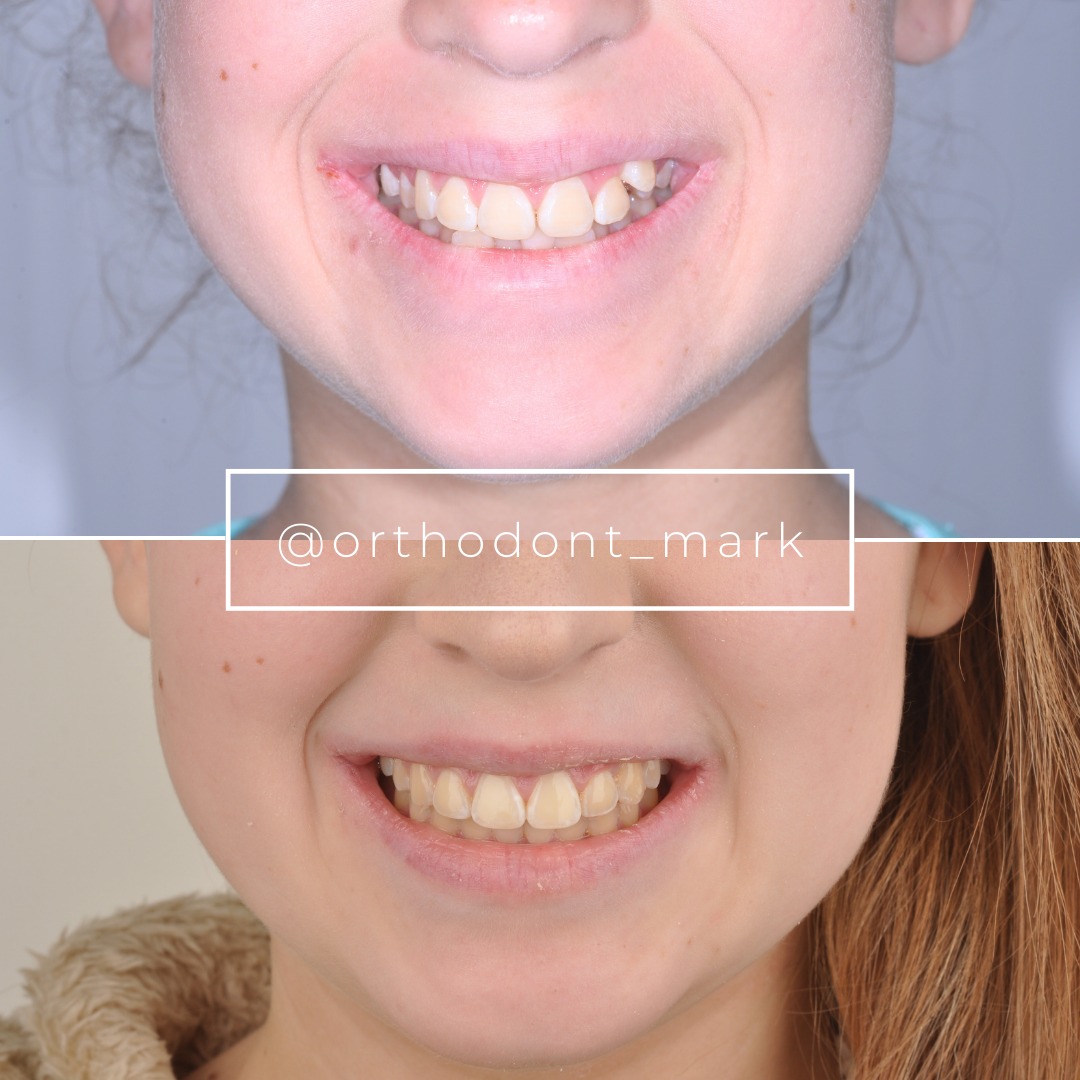
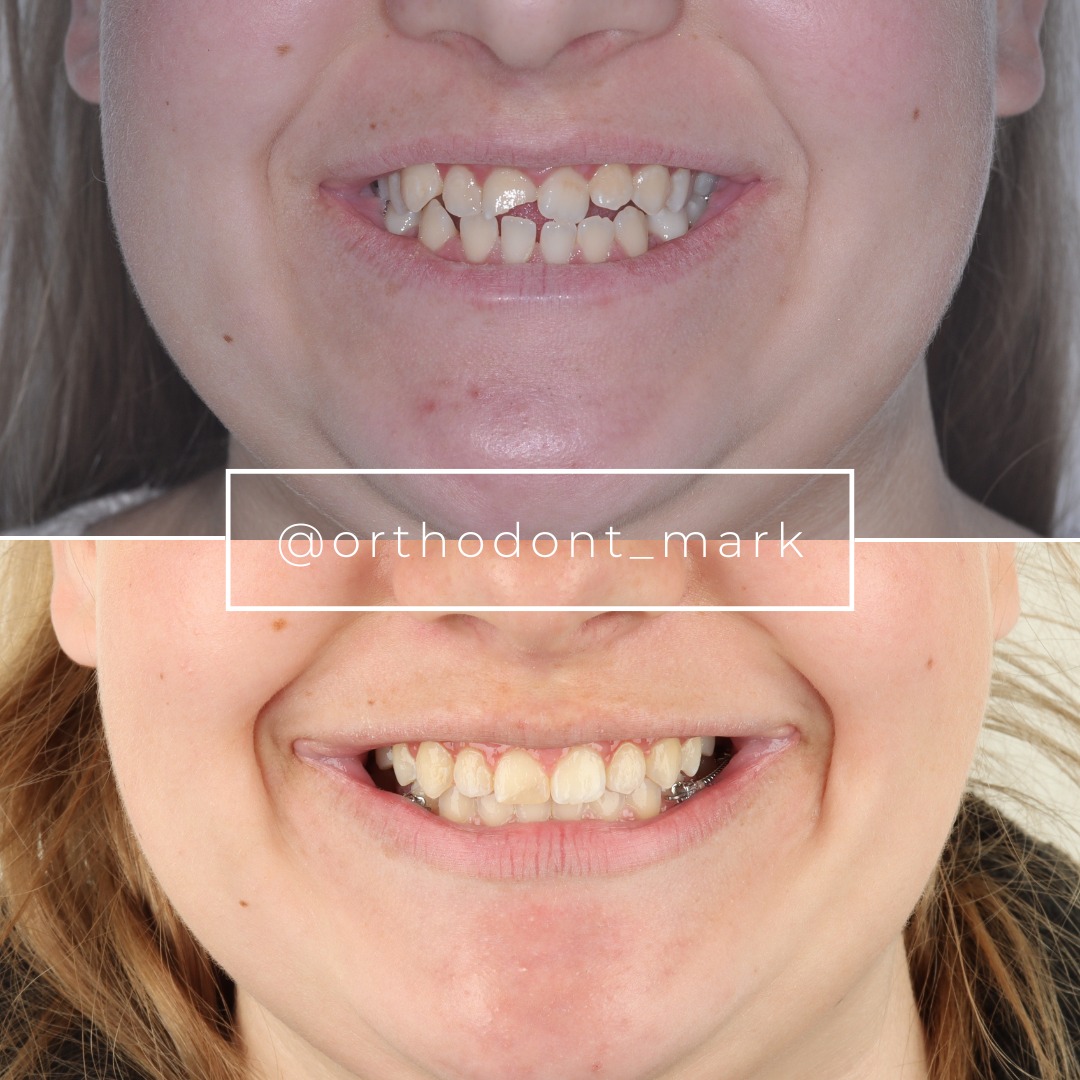
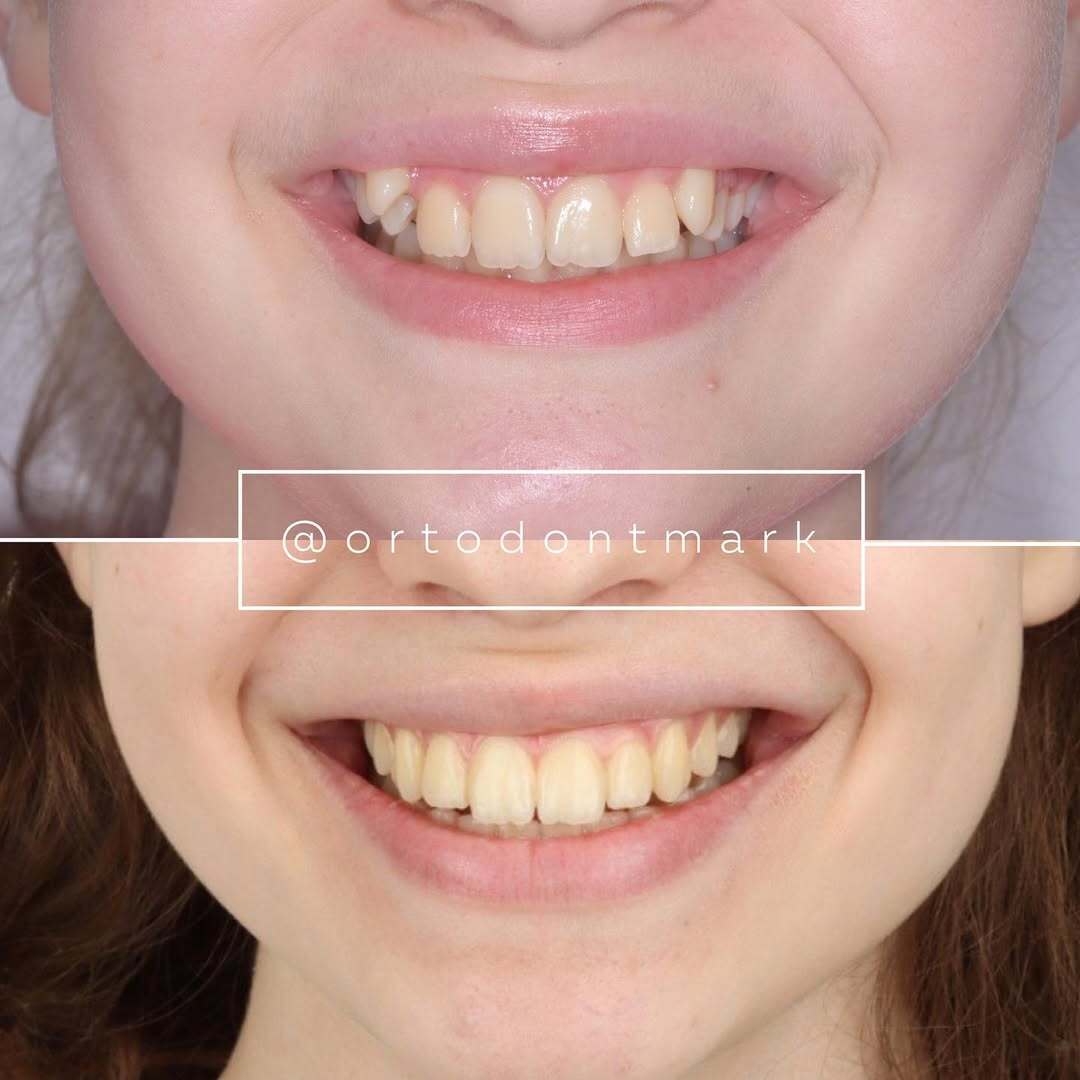
Clinical cases from Dr. Mark Radzhabov's practice
Learn the full MARPE protocol from Dr. Mark Radzhabov
Fundamental course covering CBCT patient selection, miniscrew planning, activation protocols, and 60+ clinical cases. Choose the access level that fits your practice.
Essentials of rapid palatal expansion for practicing orthodontists.
- Core RPE concepts and biomechanics
- 6 structured video lessons
- Clinical decision checklists
- Lifetime access to recordings
Deep-dive into MARPE protocol, diagnostics, and clinical execution.
- 6 modules covering MARPE from A to Z
- CBCT case selection walkthroughs
- Miniscrew placement and activation
- 60+ annotated clinical cases
- Direct Q&A with Dr. Mark Radzhabov
5-element medical consultation framework for dentists and orthodontists.
- Trust-building consultation protocol
- 5 lesson modules
- Templates for treatment plan delivery
- Works with any clinical specialty
Clinical FAQ
What is the difference between gingival recession caused by MARPE versus conventional RPE?
MARPE concentrates skeletal load directly via miniscrew anchorage, creating more uniform and rapid midpalatal separation compared to tooth-borne RPE. This direct loading accelerates buccal bone remodeling and increases risk of buccal bone dehiscence and soft tissue recession, especially in thin-biotype patients. Conventional RPE distributes force across broader dental surfaces, reducing focal stress on alveolar bone.
At what expansion rate does gingival recession become clinically significant?
Expansion rates exceeding 1.0 mm per week outpace soft tissue adaptation in most patients. Rates of 0.5 mm per week are better tolerated. Clinical significance appears when gingival recession exceeds 1 mm or when attached gingiva decreases below 2 mm. At these thresholds, expansion should be paused for 2–4 weeks to permit soft tissue rebound.
How should I measure buccal alveolar bone thickness before MARPE to assess recession risk?
Cone-beam computed tomography (CBCT) with sagittal and coronal slices at the long axis of maxillary molars quantifies buccolingual bone thickness at the coronal, middle, and apical thirds of the root. Thickness <1.5 mm predicts higher recession risk. Thickness <1.0 mm is a radiographic contraindication to standard expansion rates and may warrant rate reduction or preoperative tissue augmentation.
What gingival biotype patients are at highest risk for MARPE-related recession?
Biotype I patients (thin, scalloped gingiva. Thin underlying alveolar bone. Narrow zone of attached gingiva) are at substantially higher risk than Biotype III (thick, flat, resilient gingiva). Patients with <3 mm keratinized tissue at maxillary molars or shallow vestibules also exhibit greater recession. These patients benefit from rate reduction, once-weekly activation, or preoperative soft tissue graft.
Should preoperative free gingival graft (FGG) be performed before MARPE in all patients?
No. FGG is selectively indicated for high-risk patients: Biotype I, attached gingiva <3 mm, severe preexisting bone loss, or age >45 years. FGG adds preoperative time and cost but substantially reduces recession risk by increasing keratinized tissue width by 3–5 mm. The graft should mature for 6–8 weeks before miniscrew insertion.
How frequently should I monitor gingival recession during active MARPE expansion?
Serial intraoral photography at baseline, week 4, week 8, and week 12 of active expansion, using standardized 1:1 magnification and fixed angulation, allows detection of recession as early as 1–2 mm. Clinical examination at each activation appointment should assess gingival margin position, gingival color (blanching indicates vascular compromise), and attached gingiva width. Early detection enables rate reduction before irreversible loss.
What clinical signs indicate I should pause or reduce MARPE expansion rate?
Pause expansion if: gingival blanching occurs, gingival recession exceeds 1 mm, attached gingiva narrows below 2 mm, or probing depth increases. Reduce expansion rate if these signs resolve after 1–2 weeks of deactivation. Discontinue expansion if recession exceeds 2 mm, probing depths increase persistently, or CBCT shows buccal bone thickness <0.5 mm at molar roots.
Does once-weekly MARPE activation reduce gingival recession compared to twice-weekly activation?
Clinical observation and mechanistic reasoning suggest once-weekly activation reduces interim gingival recession by providing six days between loads for fibroblast proliferation and matrix synthesis, versus three days with twice-weekly schedules. Trade-off: treatment duration extends from 7–8 weeks to 14+ weeks. This approach is appropriate for high-risk periodontal phenotypes and older adults.
Can MARPE gingival recession be reversed with soft tissue graft after expansion is complete?
Partial recovery is possible. If recession is mild to moderate (1–2 mm) and alveolar bone has stabilized, free gingival graft or coronally positioned flap can restore gingival coverage by 60–80% in favorable cases. However, cementum and some root structure may remain exposed. Prevention via rate modulation and early detection is far more effective than post-hoc reconstruction.
What is the role of CBCT monitoring at the T1 and T2 time points (immediately post-expansion and 3-month consolidation)?
CBCT at T1 (end of active expansion) documents midpalatal suture separation, assesses degree of buccal alveolar bone remodeling, and measures buccal bone thickness. CBCT at T2 (3-month consolidation) re-evaluates bone level relative to cementoenamel junction and confirms stabilization. Buccal bone loss >2 mm or thickness <1.0 mm warrants extended consolidation (6–12 months) before fixed appliance placement and close monitoring for future recession.
Gingival recession during MARPE is preventable through rigorous pre-treatment planning, biotype assessment, and disciplined expansion rate titration. The key is recognizing that skeletal capacity does not equal periodontal safety—bone splits faster than soft tissue remodels. If you are treating adult patients with transverse deficiency or considering miniscrew-assisted expansion, a formal case review with attention to mucogingival anatomy is essential. Dr. Mark Radzhabov's evidence-based consultation framework and comprehensive MARPE protocol resources are available at ortodontmark.com to guide treatment planning and risk mitigation in your practice.