
MARPE Without a Surgeon:
Solo Operator Workflow
From miniscrew placement to skeletal consolidation
A step-by-step protocol for the independent orthodontist. Learn patient selection, activation sequencing, and radiographic monitoring—all without surgical referral.
TL;DR A solo orthodontist can deliver MARPE (miniscrew-assisted rapid palatal expansion) without surgical referral by mastering miniscrew placement, load application, and skeletal response monitoring. Success depends on patient selection, radiographic confirmation of suture separation, and adherence to a structured activation protocol—particularly in patients under 30, where suture separation rates exceed 90%.
Building a solo MARPE practice eliminates surgical dependencies and expands your treatment envelope in a single clinic. This article walks through a miniscrew-assisted rapid palatal expansion workflow optimized for the independent orthodontist—from patient selection and appliance design to miniscrew placement technique, activation sequencing, and radiographic monitoring. Drawing on clinical evidence and a decade of hands-on practice at ortodontmark.com, Dr. Mark Radzhabov presents a step-by-step protocol that reduces complications, maximizes skeletal response, and keeps complex cases in-house. Whether you're expanding a growing adolescent or a young adult, this guide provides the decision framework and procedural confidence to move beyond tooth-borne RPE into the era of bone-borne expansion.
What Is MARPE and Why Solo Operators
Need It
Understanding the shift from dental to skeletal anchorage
Miniscrew-assisted rapid palatal expansion represents a paradigm shift from traditional tooth-borne appliances to bone-borne mechanics. Unlike conventional RPE, which distributes force through maxillary first molars and creates measurable buccal tipping and alveolar flaring, MARPE anchors directly to the hard palate via small-diameter titanium screws, preserving dental inclination and achieving greater nasal width expansion. This distinction matters profoundly: a 2022 prospective randomized clinical trial comparing RPE and MARPE in adolescents and young adults found that MARPE produced significantly greater increase in nasal width in both the molar region and at the greater palatine foramen, while simultaneously reducing buccal displacement of anchor teeth across all measured sites.
For the solo orthodontist, MARPE eliminates the need for surgical consultation and general anesthesia. You place two or four miniscrews under local anesthetic, apply a hyrax or similar expansion screw directly to those anchors, and manage activation and consolidation in your own operatory. The procedural simplicity—miniscrew insertion takes 10–15 minutes per screw—means no operating room, no surgical team coordination, and no waiting list. This workflow accelerates treatment, improves patient scheduling, and positions skeletal expansion as a routine offering rather than a specialty referral. The business case is equally compelling: MARPE has moderate cost relative to SARPE (surgical-assisted expansion), sits between conventional RPE and surgery in terms of invasiveness, and justifies premium scheduling in most practices.
However, success is not universal. Age and sex strongly influence outcomes. A 2022 clinical investigation analyzing 215 MARPE patients across a 6–60 year age range found that suture separation success rates were 61% in males and 94% in females, with a sharp decline in success in older males. This means patient selection is non-negotiable: younger patients (under 25–30 years) and all females show reliable suture separation. Older males may require a pre-treatment conversation about reduced orthopedic response and possible hybrid approaches. Understanding this evidence base is the foundation of a credible solo MARPE practice.
Who Benefits Most From Miniscrew-Assisted
Expansion
Evidence-based case selection criteria
Not every patient with maxillary transverse deficiency is a MARPE candidate. Chronological age is the primary predictor of success, and the evidence is unambiguous: patients under 25–30 years show suture separation rates consistently above 90%. Older patients—particularly males above 35—face significant risk of non-separation and inadequate orthopedic response. This does not mean older patients are ineligible, but it requires a realistic conversation about reduced skeletal gain and potential hybrid strategies (e.g., MARPE followed by limited dentoalveolar expansion if sutures do not separate).
Sex-dependent outcomes are equally pronounced. Female patients show suture separation success rates near 94% regardless of age, whereas males show a steep decline after age 25–30. The biological basis involves progressive interdigitation and closure of the midpalatal suture with age. Females appear to maintain palatal suture laxity longer. From a clinical standpoint, this means young females are your highest-probability cases, whereas older males warrant careful pre-treatment planning and possibly modified expectations. Additionally, assess cervical vertebral maturation (CVMStage) and assess remaining growth potential using cephalometric or CBCT markers. This refines your estimate of skeletal reserves available for expansion.
Skeletal characteristics matter as well. Patients with transverse maxillary deficiency (bilateral posterior crossbite, narrow nasal floor, V-shaped palatal vault) are ideal. Conversely, patients with severe anterior-posterior skeletal restriction (severe Class III, extreme vertical patterns) may require multidisciplinary planning and are sometimes better served by staged approaches or referral. A CBCT taken at initial diagnosis allows you to assess palatal bone thickness (minimum 4–5 mm at the midline for safe miniscrew placement), suture anatomy, and any anatomical contraindications (previous palatal surgery, severe palatal tori, or insufficient hard palate width). This imaging is not routine but is highly recommended for solo operators building a careful practice.
Designing Your MARPE Appliance and
Miniscrew Layout
From BENEfit to MSE: system options and surgical considerations
Two primary expansion devices dominate the MARPE landscape: the hybrid hyrax (often integrated into bone-borne systems like BENEfit) and the maxillary skeletal expander (MSE). Both attach to palatal miniscrews. The choice depends on your familiarity, available inventory, and patient preferences. The BENEfit system, developed collaboratively with leaders in orthodontia, offers a modular platform: precision titanium miniscrews (typically 7–9 mm length, 2.0 mm diameter), multiple abutment heads for different applications, and a hybrid hyrax expansion screw that threads directly onto the palatal anchors. This system is particularly well-suited to solo operators because the instrumentation is standardized, the learning curve is manageable, and the components are readily available through established distributors.
Miniscrew placement strategy influences success and ease of management. Most solo operators place two miniscrews (palatal approach, roughly at the PMS-PMS line between the roots of the first molars and first premolars, or slightly distal). Some clinicians place four screws (two anterior, two posterior) for additional stability and load distribution, particularly in older or male patients at higher risk of non-separation. A two-screw approach is faster and sufficient for most adolescents and young adults. Four screws add procedural time and cost but may improve outcomes in borderline cases. The miniscrews are placed transgingivally under local anesthesia with a hand driver (many offices now use cordless drivers for efficiency). Placement depth is typically 6–8 mm into bone, leaving 1–2 mm above the mucosa to accommodate the hyrax ball or abutment head. After 2–4 weeks of osseointegration, activation begins.
Appliance passive fitting is critical. Unlike tooth-borne RPE, where engagement occurs at the molar contact points, a bone-borne hyrax must sit at a precise vertical distance above the palatal mucosa. Too low, and it contacts tissue. Too high, and load transfer is compromised. This is where chairside adjustments and careful lab communication matter. Many solo operators request pre-fabricated hybrid hyrax units from specialized laboratories, specifying miniscrew location and inter-screw distance to ensure passive fit. Alternatively, if you outsource to a lab capable of MARPE work, provide digital photogrammetry or a scan of miniscrew position and spacing. Modern CAD systems can then mill a custom hyrax with precision. This upfront investment in appliance fit reduces activation complications and patient discomfort.
Building Your Solo Operator Activation
Schedule
Intensity, timing, and consolidation phases
Activation sequencing is where your solo MARPE protocol lives or dies. The evidence suggests a structured, phased approach: intensive expansion (typically 1–1.5 turns per day, 5–7 days per week) for 8–12 weeks, followed by a consolidation phase (reduced or stopped turning) for 6–12 weeks. This mirrors surgical-assisted protocols but achieves equivalent or superior skeletal response in younger patients without general anesthesia. The key is consistency: unlike tooth-borne RPE, where patient motivation directly impacts treatment speed, bone-borne expansion is operator-controlled. You set the activation schedule, and patients have less discretion to skip or reduce turns.
A practical two-phase schedule for most solo operators: Phase 1 (Active Expansion): 1 quarter-turn (0.25 mm) per day, 6 days per week for 8–10 weeks. This yields approximately 12–15 mm of inter-screw separation over the active period. Patients are instructed to turn at a consistent time daily (morning or evening) and to expect mild palatal pressure. Significant pain or mucosal blanching signals overload and warrants a pause. Phase 2 (Consolidation): Stop turning or reduce to 1 turn per week for 6–8 weeks. During this phase, you monitor suture separation radiographically (periapical or occlusal X-rays every 2–3 weeks) and assess for anterior midline diastema formation (a clinical sign of active suture separation). After consolidation, the appliance is removed, and fixed or removable retention is placed.
Radiographic confirmation of suture separation is non-negotiable. Periapical radiographs taken at baseline, mid-expansion (week 4–5), end of active phase (week 8–10), and post-consolidation (week 14–16) allow you to visualize opening of the midpalatal suture and quantify separation. A suture separation ratio (separation distance divided by total inter-screw distance) above 50% is considered successful orthopedic expansion. Below 30% suggests inadequate skeletal response and possible need for hybrid approaches or surgical referral. For younger patients (under 25), you typically see clear suture opening by week 6–8. Older patients may show slower separation or no separation. If by week 10 of active expansion you see no radiographic evidence of suture opening in a patient over 35, stop intensive turning and shift to a maintenance protocol (1 turn every 1–2 weeks) while reassessing expectations. This is where clinical judgment and patient communication intersect: explaining the age-dependent biology prevents disappointment and preserves the therapeutic relationship.
Managing Your Solo MARPE Cases Through
Treatment and Beyond
Post-expansion care, retention, and referral criteria
Once miniscrews are placed and activation begins, your operatory becomes ground zero for monitoring and troubleshooting. Common early issues include mucosal inflammation around the screw head (usually resolves with topical chlorhexidine rinses and careful oral hygiene), appliance soreness (typically mild and manageable with dietary adjustment), and patient anxiety about palatal pressure (reassurance and realistic expectation-setting help). More serious but rare complications include miniscrew fracture (usually extraction of fragments and possible screw replacement), sepsis or localized infection (treatable with antibiotics if caught early), and asymptomatic screw mobility (check torque at each visit. If loose, remove and replace or accept and manage). In a solo practice, you address these in real-time. Having a standing relationship with a local oral surgeon for rare complications (e.g., impacted miniscrew removal) is prudent.
Radiographic monitoring during the consolidation phase is equally important. A suture that separates cleanly should show a visible radiolucent line at the midline on periapical radiographs by mid-consolidation. If this line persists and widens after appliance removal, skeletal gains are stable. If the suture appears to be closing or if the midline diastema narrows post-removal, retention strategy must be modified: a fixed bonded retainer across the anterior midline or a longer-wear removable retainer (e.g., Essix or fixed lingual bar) is indicated. Some clinicians place a passive miniscrew-supported plate across the palate for 3–6 months post-expansion to act as a
Expected Skeletal and Dentoalveolar Changes
After Solo Operator MARPE
Quantifying expansion gains and comparing outcomes
Modern literature provides robust data on what MARPE delivers in terms of skeletal and dentoalveolar changes. A 2022 prospective randomized trial directly compared RPE (tooth-borne) and MARPE (miniscrew-assisted) in adolescents and young adults, both groups receiving an identical 35 turns of expansion. Key findings: MARPE produced significantly greater increase in nasal width at the molar region and at the greater palatine foramen compared to RPE. Additionally, the MARPE group showed greater bilateral maxillary width at the premolar and molar regions (reflecting true skeletal expansion) while simultaneously demonstrating less buccal displacement of anchor teeth—a crucial advantage because it eliminates the need for post-expansion orthodontic correction of molar flaring. This translates to shorter overall treatment time and cleaner final dentoalveolar relationships.
Quantitatively, expect 10–15 mm of inter-screw separation in younger patients over an 8–10 week active phase, with 50–80% of that gain persisting as stable skeletal expansion (the remainder sometimes reflecting dentoalveolar tipping, which stabilizes over the consolidation phase). Nasal width gains of 3–5 mm are typical in responsive patients, translating to improved airway cross-section and subjective breathing ease. Midpalatal suture opening is radiographically evident by week 6–8 in 90%+ of female patients and adolescent males. Older males may show delayed or incomplete separation, warranting realistic pre-treatment expectations.
One underappreciated benefit: preservation of dental health. Because miniscrew anchors do not rely on dental anchorage, periodontal forces are minimized and dental root resorption is rare. Patients treated with MARPE show significantly less root shortening compared to those treated with tooth-borne RPE—a finding that matters for long-term tooth longevity and justifies the additional cost and complexity. Periodontal health around the miniscrews is generally excellent if basic oral hygiene is maintained. Screw removal after consolidation leaves a small 2 mm diameter defect that typically fills in within 4–6 weeks.
Esthetic outcomes are also superior. Patients achieve a wider smile arc, fuller nasal appearance (as nasal width increases), and improved transverse facial proportions. In some cases, small improvements in snoring or sleep-disordered breathing are reported, though this should not be marketed as a primary indication without strong supporting evidence. From a solo practitioner's standpoint, these favorable outcomes make MARPE an attractive upsell from conventional treatment planning: it's not just fixing a crossbite. It's expanding skeletal limits, preserving dental health, and improving airway and esthetics simultaneously.
Positioning MARPE as a Core Offering in
Your Solo Practice
Training, equipment, and marketing essentials
Introducing MARPE into a solo practice requires modest but deliberate investment in training, equipment, and patient communication. First
Free Clinical Guide
Which Expansion Appliance at Which Age?
Get Dr. Mark Radzhabov's guide to skeletal-expansion appliances — indications, pros & cons, and how to choose by patient age. Free to your inbox.
Prefer video? Watch the free demo lesson on MARPE appliance types, features and trade-offs.
Documented outcomes
Clinical cases from Dr. Mark Radzhabov's practice
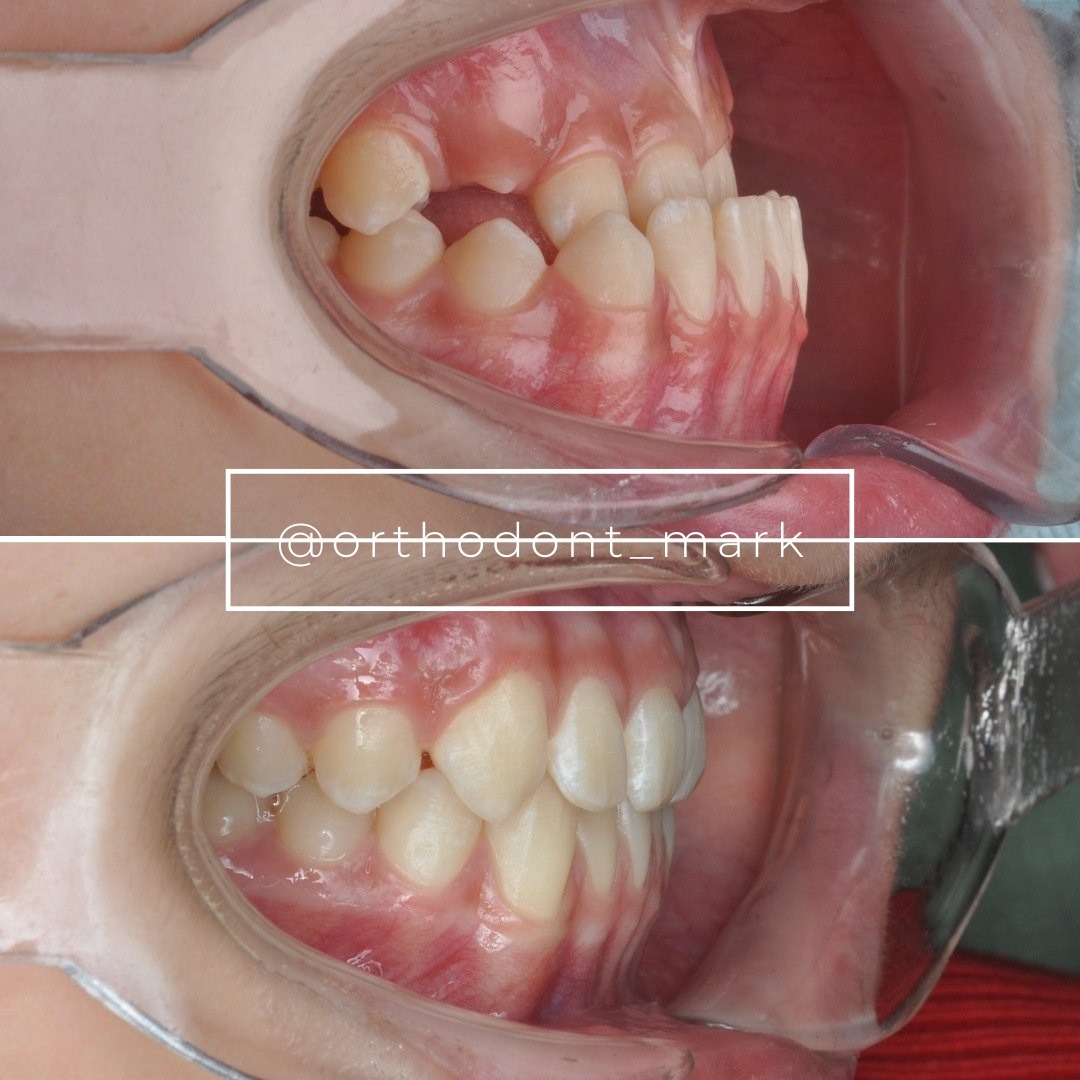
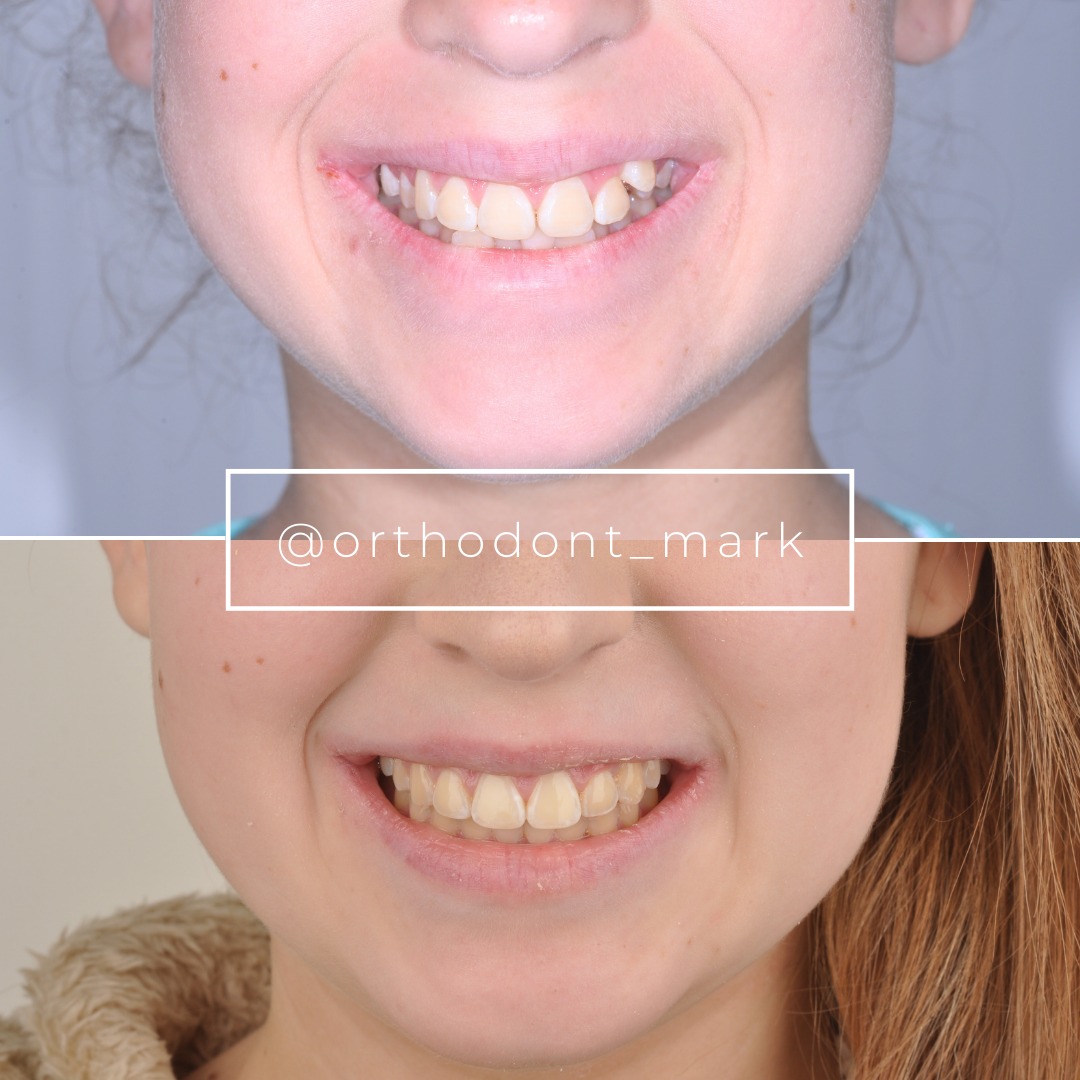
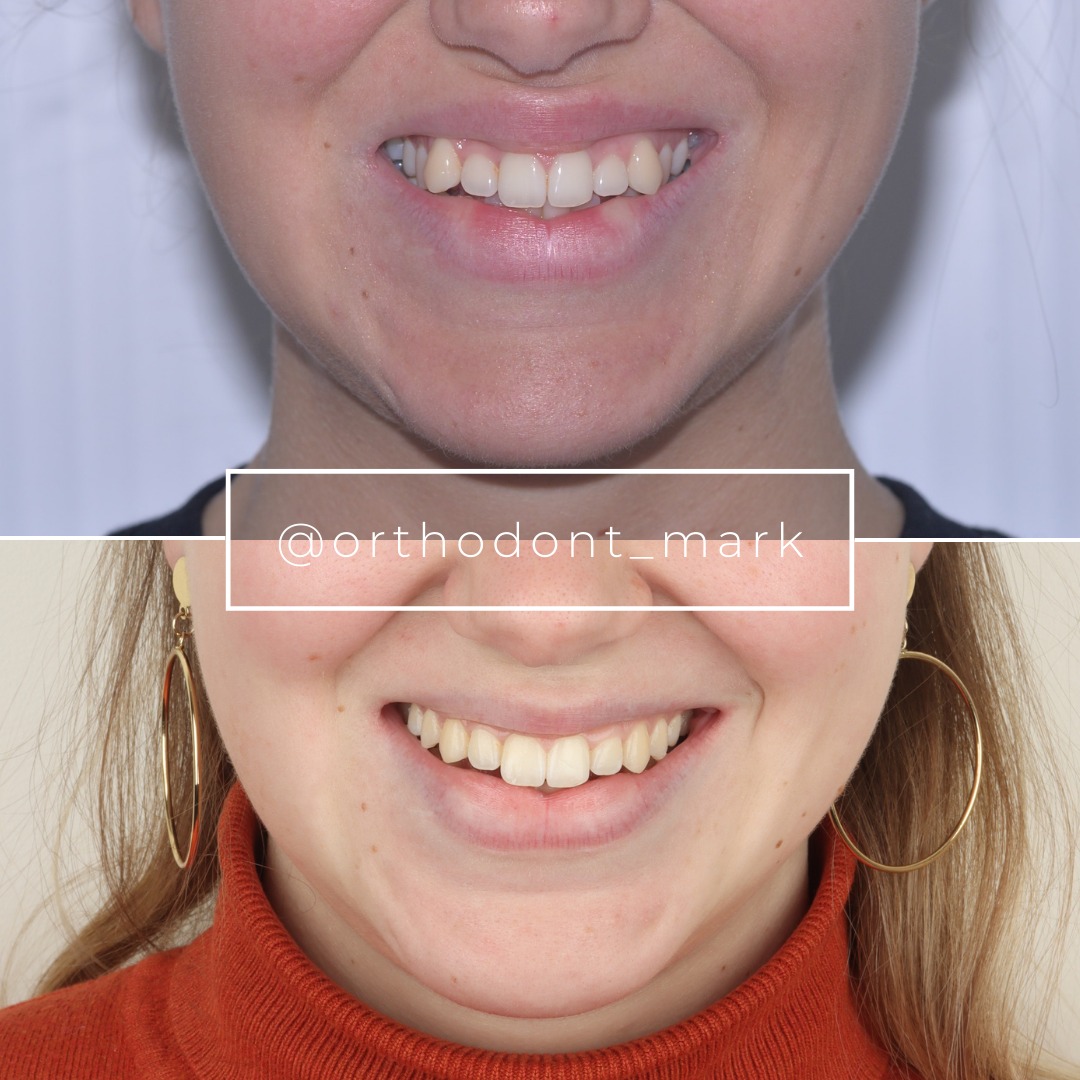
Learn the full MARPE protocol from Dr. Mark Radzhabov
Fundamental course covering CBCT patient selection, miniscrew planning, activation protocols, and 60+ clinical cases. Choose the access level that fits your practice.
Essentials of rapid palatal expansion for practicing orthodontists.
- Core RPE concepts and biomechanics
- 6 structured video lessons
- Clinical decision checklists
- Lifetime access to recordings
Deep-dive into MARPE protocol, diagnostics, and clinical execution.
- 6 modules covering MARPE from A to Z
- CBCT case selection walkthroughs
- Miniscrew placement and activation
- 60+ annotated clinical cases
- Direct Q&A with Dr. Mark Radzhabov
5-element medical consultation framework for dentists and orthodontists.
- Trust-building consultation protocol
- 5 lesson modules
- Templates for treatment plan delivery
- Works with any clinical specialty
Clinical FAQ
What is the optimal age window for miniscrew-assisted rapid palatal expansion in non-growing patients?
Patients under 25–30 years show suture separation rates above 90%. Older patients show declining success. Females maintain high success rates even in the 30s, while males over 35 face significant non-separation risk. Pre-treatment CBCT and honest expectations are essential for patients over 30.
How do I assess palatal bone thickness and anatomy before MARPE miniscrew placement?
CBCT is the gold standard, showing bone density, suture anatomy, and miniscrew trajectory. Minimum hard palate thickness: 4–5 mm at the midline. Assess for tori, prior palatal surgery, or insufficient width. Periapical radiographs can estimate thickness if CBCT is unavailable but offer less precision.
What is the recommended miniscrew diameter and length for MARPE placement?
Standard protocol: 2.0 mm diameter, 7–9 mm length. Place transgingivally, 6–8 mm into bone, leaving 1–2 mm above mucosa for appliance attachment. Hand driver insertion under local anesthesia. Placement time typically 10–15 minutes per screw.
How long should I wait after miniscrew insertion before beginning active expansion?
Osseointegration typically requires 2–4 weeks. Young patients (under 20) can begin activation at 2 weeks. Older patients benefit from full 4-week integration, especially males at higher non-separation risk. Begin with 0.25 mm daily turns (1 quarter-turn).
What radiographic signs indicate successful midpalatal suture separation during MARPE treatment?
Periapical radiographs at weeks 6–8 should show a radiolucent line at the midline and visible opening of the suture. Suture separation ratio (separation distance ÷ total inter-screw distance) above 50% indicates successful orthopedic expansion. Below 30% suggests inadequate skeletal response.
At what point should I refer a MARPE patient to a surgeon for surgical-assisted palatal expansion?
If by week 10 of active expansion (1 quarter-turn daily, 6 days/week), a patient shows no radiographic suture separation and is male and over 35, consider stopping intensive turning and referring for SARPE. Continuing aggressive activation in a non-responding patient risks complications and frustration.
What is the difference between solo operator miniscrew-assisted rapid palatal expansion and traditional tooth-borne RPE?
MARPE anchors to bone via miniscrews, eliminating dental anchorage and reducing molar buccal flaring by 50%+ compared to RPE. MARPE achieves greater skeletal nasal width gain and requires no surgical intervention, making it ideal for independent orthodontists managing complex cases in-office.
How do I manage mucosal inflammation and appliance soreness after MARPE miniscrew insertion?
Typical in weeks 1–2. Manage with topical chlorhexidine rinses, soft diet, and patient reassurance. Appliance relief (light grinding on the hyrax head) or screw adjustment reduces pressure. Most soreness resolves within 1–2 visits without additional intervention.
What retention strategy should I use after removing the MARPE appliance post-consolidation?
Place a bonded palatal retainer across the anterior midline or fixed miniscrew-supported plate for 3–6 months to prevent midline diastema closure and suture re-narrowing. In patients over 30, longer retention (6+ months) or passive miniscrew plate is prudent to stabilize borderline skeletal gains.
How should I price and market MARPE services to build a sustainable solo operator practice?
Typical fee: $3,500–6,000 per case (2–3× RPE). Educate referral partners via one-page handouts and lunch-and-learns highlighting 'no surgery, no tipping, faster treatment' advantages. Clear pre-treatment communication on insurance coverage and out-of-pocket costs prevents disputes and builds patient trust.
Mastering a solo MARPE workflow transforms your practice scope and patient outcomes. The evidence is clear: miniscrew-assisted expansion achieves greater skeletal width, reduced dental tipping, and predictable suture separation—especially when patient selection and activation timing are carefully controlled. If you're ready to implement this protocol in your clinic, Dr. Mark Radzhabov invites you to review detailed case studies, download activation checklists, or schedule a consultation through ortodontmark.com. The investment in training and equipment pays dividends in clinical confidence and treatment reliability.

