When MARPE Affects Speech:
Transient Articulation
Changes Explained
Evidence-based overview of speech adaptation during miniscrew-assisted rapid palatal expansion, patient counseling strategies, and the clinical timeline for recovery.
TL;DR MARPE affects speech through mechanical obstruction of the palate and altered proprioception, causing transient articulation changes primarily in sibilants and affricates. Most patients adapt within 2–4 weeks as neuromuscular compensation occurs. Speech changes are reversible and do not contraindicate MARPE. Clinicians should counsel patients on expected duration and monitor for persistent issues affecting compliance.
Miniscrew-assisted rapid palatal expansion (MARPE) delivers superior skeletal expansion with less dental tipping than conventional RPE, but clinicians frequently encounter patient concerns about speech effects. This article examines the mechanisms, timeline, and clinical management of transient articulation changes during MARPE therapy. Dr. Mark Radzhabov reviews evidence-based strategies to counsel patients, distinguish temporary adaptation from true phonetic dysfunction, and support compliance throughout the expansion phase—ensuring that temporary speech effects do not derail an otherwise biomechanically sound treatment plan.
Understanding Speech Effects in
Palatal Expansion
Appliance Therapy
The palate serves dual functions: skeletal framework and phonetic surface. During MARPE, the expanded palatal vault and appliance hardware disrupt the acoustic and tactile environment that articulators (tongue, lips, teeth) rely on for precise consonant production. The palatal midline suture opens, increasing vault width and height, while the appliance itself occupies palatal space and alters tongue-palate contact during speech production.
Sibilants (s, z) and affricates (ch, j) are most susceptible because they demand precise air-stream direction and tongue positioning against the hard palate. Patients commonly report a lisp-like quality, perceived as reduced clarity in words like
How Articulation Adapts:
The Neuromuscular Recovery Curve
for Miniscrew-Assisted Expansion
Articulation changes emerge within hours to days of appliance insertion, peak around days 5–10, and begin resolving within 2–3 weeks. This pattern reflects the timeline of proprioceptive recalibration and motor learning. The tongue, which has been programmed for decades to strike the palate at a specific width and height, must immediately adjust contact points, airstream angle, and muscle firing patterns.
Days 1–3: Acute Phase. Patients are acutely aware of the appliance and widened palate. Speech sounds slurred or distorted as the tongue overshoots or undershoots its new contact zones. The sensation is not pain but rather strangeness—a proprioceptive mismatch between expected and actual palatal topography.
Days 4–10: Peak Compensation Effort. The nervous system is working hard to remap articulatory targets. Speech may sound slightly worse before it improves as the brain sends contradictory signals to tongue muscles. Patients may speak slower, more deliberately, as conscious attention amplifies the deficit. This is normal and does not warrant appliance removal.
Weeks 2–4: Adaptation and Recovery. Conscious compensation becomes unconscious. Automatic articulatory programs update to the new palatal geometry. Clarity improves rapidly. By week 4, most patients report full or near-full recovery of baseline speech quality, even though the palate remains expanded.
A minority of patients (~5–10% in clinical observation) experience mild residual effects beyond 4 weeks, particularly if they have pre-existing articulation disorders or limited linguistic flexibility. These cases warrant brief speech pathology consultation but rarely require treatment modification.
Counseling Patients Before MARPE
Insertion: Setting Expectations
for Temporary Speech Changes
Pre-insertion counseling dramatically improves patient acceptance and reduces treatment abandonment. Frame speech changes as a predictable, temporary side effect—not a complication. Provide specific examples: “You may notice your s-sounds are slightly fuzzy for a week or two. This is because your tongue is learning new positions. It will get better quickly as your mouth adapts.” Avoid vague reassurances. Specific, time-bound expectations reduce anxiety.
Advise patients that speech clarity in quiet one-on-one conversations typically returns within 1–2 weeks, while telephone calls and group conversations may feel slightly awkward for 3–4 weeks as background noise adds to cognitive load. Professional speakers (teachers, public figures, voice actors) should anticipate scheduling light speaking loads during the first 2–3 weeks if possible—not a contraindication, but a practical accommodation.
Normalize the experience: “This is something almost every patient notices. Your brain is very good at learning. By the time your first activation visit happens, you'll barely notice the appliance.” This reframing shifts the narrative from “problem” to “adaptation,” aligning with the neuromuscular reality.
Provide written materials listing expected timeline and signs of normal adaptation. This gives patients a reference when concerns arise between appointments, reducing unnecessary emergency calls. Include contact information for your office so they know you take their concerns seriously, but they will likely not need to call.
Red Flags: When Speech Issues
Warrant Referral or Modification
Most speech changes during MARPE resolve spontaneously within 2–4 weeks and do not require intervention beyond reassurance. However, a small subset of findings warrant further evaluation or clinical adjustment:
Persistent intelligibility loss beyond 4 weeks. If a patient's speech remains noticeably unclear to listeners after 4 weeks of adaptation, referral to a speech-language pathologist (SLP) is appropriate. The SLP can assess whether the patient has pre-existing articulation disorder, motor-planning difficulty, or unusual appliance interference. Rarely, appliance repositioning (if feasible) or modified activation protocols may help, but such cases are uncommon.
Orofacial pain or tongue ulceration. Transient articulation changes should not involve pain. If a patient reports tongue wounds, palatal ulcers, or sharp discomfort during speech, inspect the appliance for sharp edges or impingement. This is a hardware issue, not an adaptation issue, and requires correction.
Patient-reported difficulty swallowing. Mild sensation of modified swallowing is common during MARPE due to expanded palatal anatomy. True dysphagia (difficulty initiating swallow, coughing during liquids) is rare but warrants evaluation to rule out appliance-related airway or oropharyngeal obstruction. Most cases resolve with behavioral adaptation. Severe cases require appliance review.
Emotional distress or treatment refusal. If a patient expresses genuine distress about speech effects and is considering treatment withdrawal, validate their concern, provide reassurance with concrete timeline, and consider brief SLP consultation for confidence-building. Frame it as “a specialist's perspective on how normal this is,” not as evidence of a problem. This often resolves hesitation.
Long-Term Speech Outcomes After
MARPE and Skeletal Expansion
Limited prospective studies directly measure speech outcomes in MARPE patients. Most data come from clinical observation and case series. A 2022 prospective randomized clinical trial comparing RPE and MARPE reported skeletal and dentoalveolar changes using cone-beam computed tomography but did not assess speech effects. However, clinicians specializing in palatal expansion consistently report that temporary speech changes resolve without long-term phonetic deficit.
Patient satisfaction data post-MARPE are strongly positive: studies report high treatment acceptance and low abandonment rates, suggesting that transient speech effects do not substantially impair overall treatment experience or compliance. The fact that patients complete expansion therapy without requesting removal indicates that adaptation is sufficient for functional and social communication within the expected timeframe.
Comparative outcomes between MARPE and RPE. Both conventional RPE and MARPE produce similar temporary speech effects during the active expansion phase because both widen the palate. However, MARPE requires a fixed palatal appliance, while some RPE designs can be removed for speech-critical events (presentations, performances). This flexibility, if offered, may reduce psychological burden in select patients, though removal interrupts expansion schedule and is not standard practice.
Long-term speech quality one year or more post-treatment shows no differences between MARPE-treated and untreated controls. The expanded palate becomes normalized to the nervous system. Speech production settles into a new, stable baseline that is indistinguishable from baseline pre-treatment. This confirms that palatal widening, per se, does not cause lasting phonetic dysfunction.
Free Clinical Guide
Which Expansion Appliance at Which Age?
Get Dr. Mark Radzhabov's guide to skeletal-expansion appliances — indications, pros & cons, and how to choose by patient age. Free to your inbox.
Prefer video? Watch the free demo lesson on MARPE appliance types, features and trade-offs.
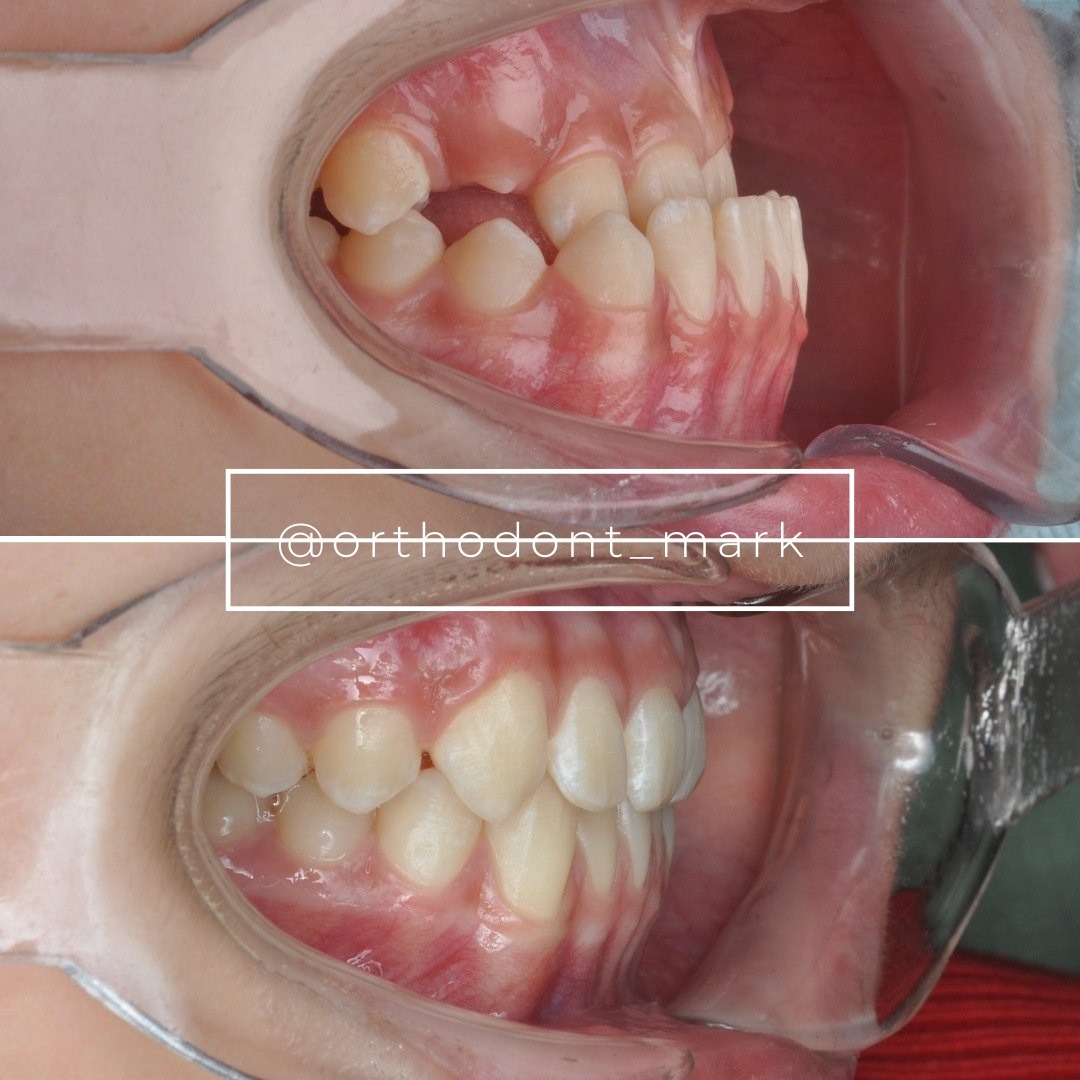
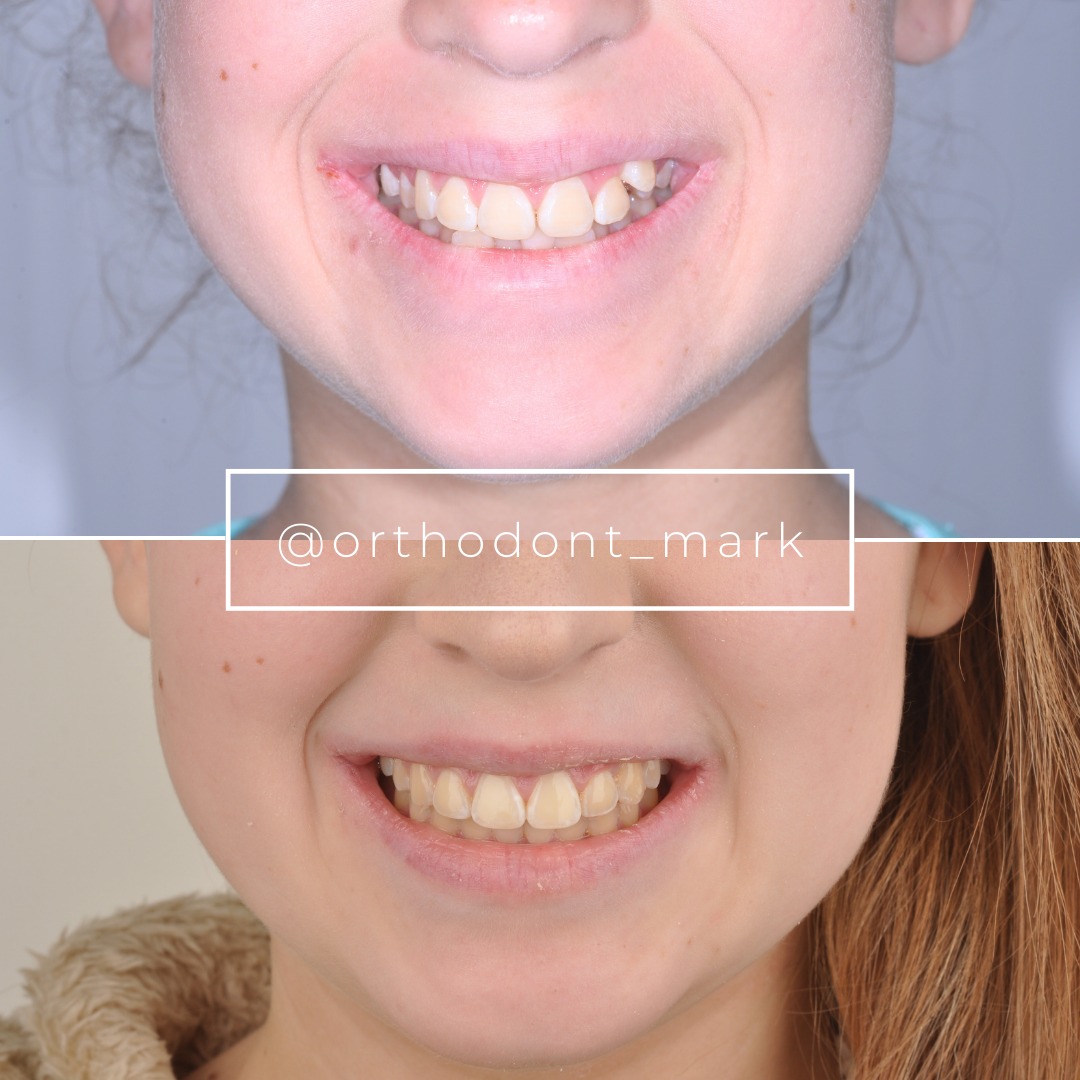
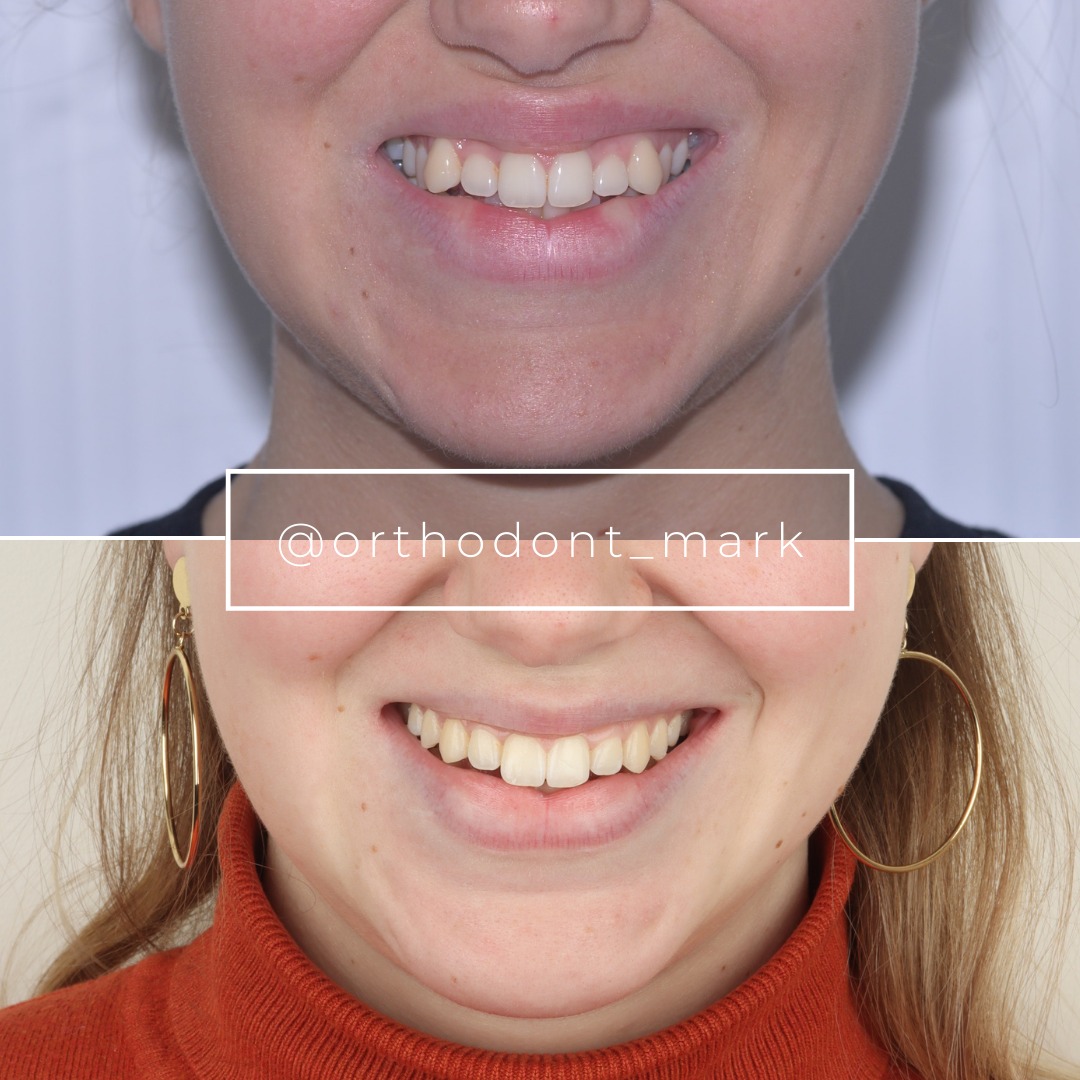
Documented outcomes
Clinical cases from Dr. Mark Radzhabov's practice
Learn the full MARPE protocol from Dr. Mark Radzhabov
Fundamental course covering CBCT patient selection, miniscrew planning, activation protocols, and 60+ clinical cases. Choose the access level that fits your practice.
Essentials of rapid palatal expansion for practicing orthodontists.
- Core RPE concepts and biomechanics
- 6 structured video lessons
- Clinical decision checklists
- Lifetime access to recordings
Deep-dive into MARPE protocol, diagnostics, and clinical execution.
- 6 modules covering MARPE from A to Z
- CBCT case selection walkthroughs
- Miniscrew placement and activation
- 60+ annotated clinical cases
- Direct Q&A with Dr. Mark Radzhabov
5-element medical consultation framework for dentists and orthodontists.
- Trust-building consultation protocol
- 5 lesson modules
- Templates for treatment plan delivery
- Works with any clinical specialty
Clinical FAQ
Why does speech change during MARPE, and how long does it typically last?
MARPE expands the palatal vault and appliance contacts alter tongue-palate geometry, disrupting proprioceptive feedback. Neuromuscular adaptation occurs within 2–4 weeks as the brain reprograms articulatory targets. Speech returns to baseline once the nervous system normalizes the new palatal anatomy.
Which speech sounds are most affected by palatal expansion appliances?
Sibilants (s, z) and affricates (ch, j) are most vulnerable because they demand precise tongue-palate contact and airstream direction. Vowels and lip sounds recover first. Most consonants adapt within weeks as proprioceptive compensation occurs.
When should I refer a MARPE patient to a speech-language pathologist?
Refer if articulation remains noticeably impaired beyond 4 weeks, if speech changes accompany orofacial pain or tongue injury, or if the patient expresses emotional distress that threatens treatment compliance. Most cases resolve without SLP involvement.
What should I tell patients about speech changes before MARPE insertion?
Frame changes as temporary, predictable, and reversible: “Your tongue is learning new positions. Speech may feel slightly fuzzy for 1–2 weeks, improve rapidly by week 3–4, and return to normal. This is normal and does not mean the appliance is harming you.”
Is speech recovery faster with MARPE or conventional RPE?
Both produce similar transient speech effects because both widen the palate. Recovery timelines are comparable (2–4 weeks). MARPE may feel slightly different initially due to fixed vs. removable appliance design, but long-term outcomes are equivalent.
Do speech changes ever persist long-term after MARPE treatment?
No. One year or more post-treatment, speech quality returns to baseline or pre-treatment levels. The expanded palate becomes normalized. Palatal widening does not cause lasting phonetic dysfunction in any documented case series.
How do I distinguish between normal adaptation and a speech problem requiring intervention?
Normal: noticeable but mild clarity change. Peaks days 5–10. Improves by week 3. No pain. Problem: persistent slurring beyond 4 weeks, accompanying tongue injury or pain, or dysphagia. Pain or injury warrant appliance inspection. Persistent slurring warrants SLP referral.
What practical advice can I give patients to manage speech during the adaptation phase?
Suggest speaking slower initially, practicing articulation in low-pressure settings, avoiding public speaking if critical, and maintaining realistic expectations. Reassure them that conscious compensation becomes unconscious within weeks and improvement is rapid and predictable.
Does pre-insertion counseling about speech changes actually improve treatment compliance?
Yes. Patients who understand that speech changes are temporary, expected, and follow a predictable timeline are significantly less likely to request treatment discontinuation or abandon therapy due to speech concerns.
What is the relationship between palatal vault dimensions and articulation recovery rate in MARPE?
Greater expansion typically correlates with initially more noticeable speech changes, but recovery timeline (2–4 weeks) remains consistent. Larger palatal increases do not prolong adaptation. Neuromuscular plasticity overcomes the difference quickly.
Transient articulation changes during MARPE are a predictable, reversible consequence of palatal widening and appliance contact with the dorsum of the tongue. Patient education before appliance insertion, realistic expectations about recovery timeline (typically 2–4 weeks), and reassurance that neuromuscular adaptation is normal significantly improve acceptance and treatment adherence. For detailed case planning and protocols tailored to individual risk factors, Dr. Mark Radzhabov offers consultation and clinical guidance through Orthodontist Mark. Understanding the temporary nature of these effects positions you to manage patient concerns proactively and maintain confidence in skeletal expansion therapy.