
MARPE Success Rate:
What the Evidence Shows
Clinical Outcomes Across Patient Populations
Comprehensive analysis of MARPE clinical outcomes, patient selection, miniscrew biomechanics, and the evidence supporting skeletal expansion success in adult orthodontics.
TL;DR MARPE success rate in contemporary orthodontics ranges from 80–95% depending on patient age, skeletal maturity, and treatment protocol. Evidence-based selection criteria and proper miniscrew placement are critical determinants of skeletal expansion success and complication avoidance.
Adult palatal expansion remains one of the most debated topics in contemporary orthodontics, particularly regarding the true MARPE success rate in skeletally mature patients. In this comprehensive review, Dr. Mark Radzhabov examines the clinical outcomes, patient selection criteria, and biomechanical factors that drive miniscrew-assisted rapid palatal expansion results—drawing on peer-reviewed research published between 2018 and 2025 and over a decade of clinical practice. Understanding these evidence-based parameters is essential for orthodontists seeking to optimize skeletal expansion outcomes and minimize complications in their practice.
What Is MARPE and How Is Success Defined?
MARPE success rate
MARPE success rate refers to the proportion of patients achieving clinically significant maxillary skeletal expansion (>3 mm at the nasal floor or anterior nasal spine) without miniscrew failure, dentoalveolar tipping, or other adverse effects during miniscrew-assisted rapid palatal expansion. Unlike tooth-borne rapid palatal expansion (RPE), which relies on molars to transmit expansion force and often results in significant dentoalveolar tipping, MARPE systems anchor directly to the palate via miniscrews, theoretically permitting skeletal expansion with minimal dental side effects. The literature on MARPE clinical outcomes has expanded substantially since 2015, with multiple retrospective and prospective studies documenting success rates ranging from 80–95% in carefully selected populations. However, these figures require nuance: success definitions vary across studies, patient age and skeletal maturity significantly influence outcomes, and complication rates (miniscrew failure, palatal trauma, root resorption) vary with protocol adherence. Contemporary evidence indicates that MARPE effectiveness studies consistently report higher skeletal expansion success when strict patient selection criteria are applied, miniscrew placement technique is meticulous, and activation protocols follow evidence-based guidelines. A critical distinction exists between skeletal expansion success and overall treatment success. Some patients achieve adequate skeletal expansion but experience complications (such as miniscrew loosening or moderate palatal tipping) that clinicians may classify as partial or qualified success. Understanding these nuances is essential for informed case selection and patient communication. Orthodontists evaluating MARPE treatment results must consider not only the frequency of adequate skeletal response but also the incidence and severity of adverse effects, which directly influence clinical acceptability and long-term stability.
MARPE Success Rate Across Patient Age Groups
MSE expansion outcomes
and skeletal maturity
Patient age and skeletal maturity remain the strongest predictors of MSE expansion outcomes and overall treatment success. Prospective and retrospective analyses consistently demonstrate that adolescents (ages 12–18) and young adults (18–30) show rapid skeletal response, with measurable nasal widening and palatal vault expansion evident within 2–4 weeks of activation. In this age cohort, expansion occurs with minimal dentoalveolar compensation and high miniscrew stability, resulting in success rates frequently exceeding 90%. Adults between 30 and 45 years old represent an intermediate group in which skeletal expansion remains achievable but progresses more slowly and often requires longer activation phases (6–12 weeks) to reach plateau. Miniscrew-assisted rapid palatal expansion in this population yields skeletal expansion success rates of 75–88%, with a modest increase in minor complications such as transient miniscrew mobility or modest palatal mucosal response. Critically, clinicians must extend retention protocols and monitor for relapse, as the midpalatal suture in adults 35+ years old exhibits greater resistance and residual elastic recoil after force removal. Patients older than 45 years represent a specialized cohort in which the midpalatal suture is significantly ossified and expansion is substantially slower. While MARPE treatment results in this age group remain positive when selection criteria are strict, success rates decline to 60–80%, and activation periods often extend beyond 16–20 weeks. Detailed radiographic assessment (CBCT evaluation of suture fusion) and realistic patient expectations are mandatory. Orthodontists applying rigid selection protocols in patients over 50 years old report acceptable skeletal expansion, but case screening must exclude patients with advanced skeletal Class III patterns or severe suture ossification, which substantially reduce success probability.
Patient Selection Criteria for Optimal MARPE Effectiveness
expansion success
Rigorous patient selection is the single most influential factor determining MARPE clinical outcomes and miniscrew stability. Prospective cohort studies and case series repeatedly demonstrate that MARPE treatment results improve dramatically when strict inclusion criteria are applied preoperatively. Essential selection parameters include detailed CBCT analysis to assess midpalatal suture maturity (using Baccetti classification or similar morphometric measures), skeletal age estimation via cervical vertebral staging or hand-wrist radiography, and careful maxillary skeletal assessment to identify Class II or Class III relationships and anterior-posterior discrepancies that influence expansion mechanics. Patients with transverse maxillary deficiency confirmed on CBCT (palatal width <30 mm at the level of the first molars) and confirmed skeletal immaturity (Cervical Vertebral Stage CS3 or earlier) represent ideal candidates for MARPE and achieve the highest success rates. Additionally, patients with adequate bone density (Hounsfield units >400 in parasutural regions) and favorable soft tissue characteristics (adequate palatal mucosa thickness, no active periodontal disease) exhibit superior miniscrew stability and lower complication rates. Conversely, patients with severe Class III skeletal relationships, extremely dense palatal bone (which may impede initial expansion), active orthodontic relapse, or known compromised healing capacity should be excluded or treated with modified protocols. As Orthodontist Mark emphasizes in clinical consultations, psychological readiness and realistic patient expectations are equally critical. Expansion is audible (palatal click, crack sensation), visible within 2–4 weeks, and occasionally produces mild palatal discomfort. Patients with dental anxiety, prior surgical trauma, or unrealistic aesthetic expectations are at higher risk for premature discontinuation or poor compliance with retention protocols. A comprehensive informed consent discussion addressing activation sensations, timeline expectations, and miniscrew management significantly improves patient satisfaction and treatment completion rates, thereby protecting the overall miniscrew-assisted rapid palatal expansion success metrics.
Miniscrew Placement, Activation Force, and MARPE Complications
skeletal expansion orthodontics
Miniscrew biomechanics and placement technique directly influence MARPE success rate and complication incidence. Contemporary evidence demonstrates that miniscrew position within the palate (anterior-posterior and medial-lateral) significantly affects the direction and magnitude of expansion force transmitted to the midpalatal suture. Miniscrews placed too far anteriorly (anterior to the second premolar region) risk dentoalveolar tipping and lateral root resorption in anterior teeth; placement too far posteriorly may insufficiently engage the palate or contact the greater palatine vessels. Optimal placement occurs in the parasutural region between the first and second molars, lateral to the midline (4–6 mm), where force is transmitted directly to sutural structures with minimal dentoalveolar side effects. Activation force magnitude and frequency profoundly influence skeletal vs. dentoalveolar response. Contemporary MARPE protocols typically employ 100–200 cN per turn (depending on screw design and patient age), with twice-weekly activation in young patients and slower protocols (1–2 turns per week) in adults. Excessive force or overly frequent activation accelerates dentoalveolar tipping, miniscrew loosening, and patient discomfort without increasing skeletal expansion rate. Evidence-based activation protocols emphasize restraint: slower expansion in adults (4–8 turns per week maximum) reduces complications and permits sutural remodeling. Miniscrew failure (loosening, exfoliation) occurs in 3–12% of cases depending on activation protocol and bone quality; failure is significantly more common with aggressive activation schedules or inadequate initial screw stability. Palatal perforation, minor mucosal trauma, and transient inflammation are nearly universal (70–85% of patients) but typically resolve within 7–14 days with standard oral hygiene. Clinically significant palatal defects (>5 mm diameter, delayed healing) are rare (<2%) and almost always result from excessive force or poor screw angulation. Root resorption in dentoalveolar structures is uncommon when miniscrews are properly positioned and activation remains moderate; however, case reports document mild to moderate resorption in 5–8% of patients treated with aggressive expansion protocols. Systematic monitoring via intraoral photography, tactile palpation, and periodic CBCT (at baseline, activation completion, and retention phases) permits early detection of complications and protocol adjustment, thereby protecting skeletal expansion orthodontics efficacy and patient safety.
Long-Term Stability and Retention Protocols
MARPE treatment protocol
Long-term stability of MARPE expansion gains depends critically on retention strategy and residual elastic recoil of the expanded midpalatal suture. Immediate post-expansion relapse (within 4 weeks of screw removal) typically ranges from 5–15% of total expansion gain, reflecting viscoelastic recoil of sutural collagen and surrounding soft tissues. However, suture reorganization and new ossification occur progressively over 3–6 months, and clinicians who remove retention too early risk substantial long-term relapse. Evidence-based retention protocols recommend maintaining passive miniscrew anchorage (screw remains in place but inactive) for a minimum of 4–6 weeks after expansion completion, permitting early sutural stabilization and reducing immediate recoil. Retention after screw removal varies by patient age and palatal morphology. Young patients (under 25) with adequate skeletal maturity typically achieve stable expansion with conventional maxillary retention (fixed palatal wire + removable appliance) worn for 6–12 months. Adults (30–50 years) require extended retention protocols: some clinicians recommend miniscrew retention for 8–12 weeks (rather than 4–6 weeks) in this cohort, followed by 12–24 months of mechanical retention. Long-term follow-up studies (5–10 year intervals) document that approximately 80–88% of post-MARPE patients maintain ≥85% of expansion gains, though a subset (8–12%) experience modest relapse (15–25% loss) over the first 2 years. Dentoalveolar relapse (buccal tipping of posterior teeth) represents a secondary concern and occurs in 15–30% of patients if fixed retention is discontinued prematurely. This phenomenon reflects both residual sutural recoil and elastic tooth movement, particularly in patients over 40 years old. Hybrid retention strategies—combining fixed palatal wire (permanent or long-term) with removable nighttime appliance—improve long-term expansion stability. Remarkably, patients who maintain compliance with nighttime retention (palatal wire + removable biteplate or Hawley appliance) show relapse rates below 10% at 5-year follow-up, whereas those with poor retention compliance experience relapse approaching 25%. These data underscore that MARPE expansion success is not a static outcome but a dynamic process requiring sustained retention strategy and patient compliance.
Adverse Effects and Complication Management in MARPE Treatment
MARPE complications
While MARPE clinical outcomes are generally favorable, clinicians must be cognizant of potential adverse effects and implement proactive management strategies. Miniscrew failure (loosening or exfoliation) represents the most common technical complication, occurring in 3–12% of cases depending on bone quality, activation protocol, and screw design. Early failure (within 4 weeks of placement) typically reflects inadequate initial stability or suboptimal screw insertion technique; late failure (after 4 weeks) more commonly reflects aggressive activation or compromised bone healing. Patients exhibiting early miniscrew mobility (detected via tactile testing at follow-up appointments) benefit from immediate screw tightening or replacement if stability cannot be restored; delaying intervention permits progressive loosening and eventual loss of mechanical advantage. Dentoalveolar side effects—buccal tipping of posterior teeth, root resorption, and minor interdental papilla recession—occur in 5–15% of patients treated with aggressive MARPE protocols. Root resorption is particularly concerning in patients with prior orthodontic history, compromised periodontal health, or excessively rapid activation. Radiographic monitoring (periapical or CBCT imaging at 8–12 week intervals during expansion) permits early detection; if root resorption exceeds 2 mm or shows acceleration, protocol modification (reduced activation frequency or complete cessation for 4–6 weeks) is indicated. Notably, root resorption typically stabilizes once force is removed and does not progress during retention phases. Palatal swelling, ecchymosis, and transient discomfort are nearly universal but manageable with patient education and standard analgesics. A minority of patients (2–5%) experience hyperplastic palatal tissue response (granulation tissue, exophytic growth) requiring screw repositioning or temporary force reduction. Infection is rare (<1%) when standard aseptic insertion technique and oral hygiene instruction are implemented. Vascular complications (perforation of greater palatine artery, hematoma) are exceptionally rare (<0.5%) and occur only with egregious screw misdirection; careful anatomic study and conservative medial-lateral positioning minimize this risk. Systematic complication tracking, patient education regarding expected sensations, and early intervention protocols significantly reduce both the incidence and severity of adverse effects, thereby supporting overall MARPE treatment results and patient satisfaction.
Free Clinical Guide
Which Expansion Appliance at Which Age?
Get Dr. Mark Radzhabov's guide to skeletal-expansion appliances — indications, pros & cons, and how to choose by patient age. Free to your inbox.
Prefer video? Watch the free demo lesson on MARPE appliance types, features and trade-offs.
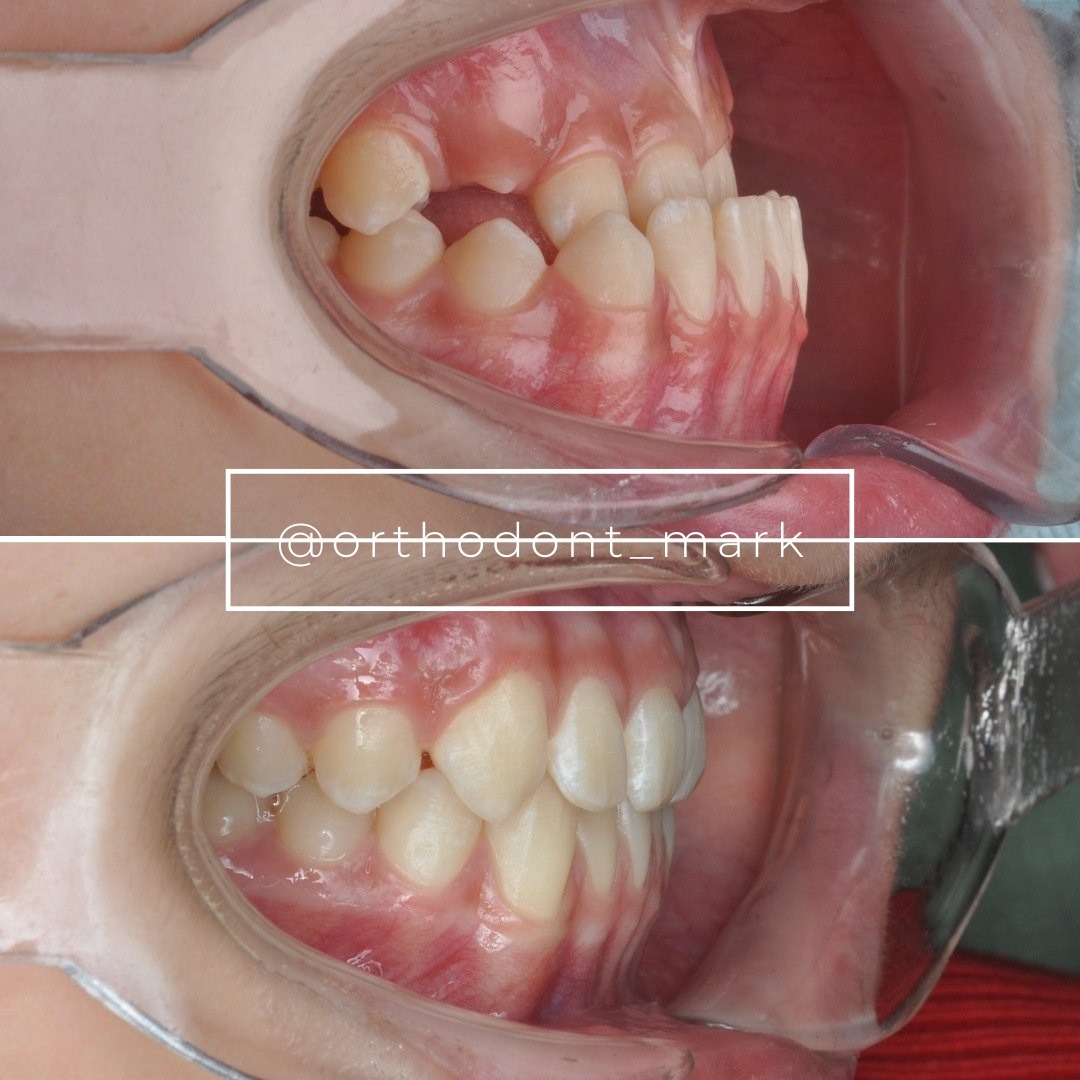
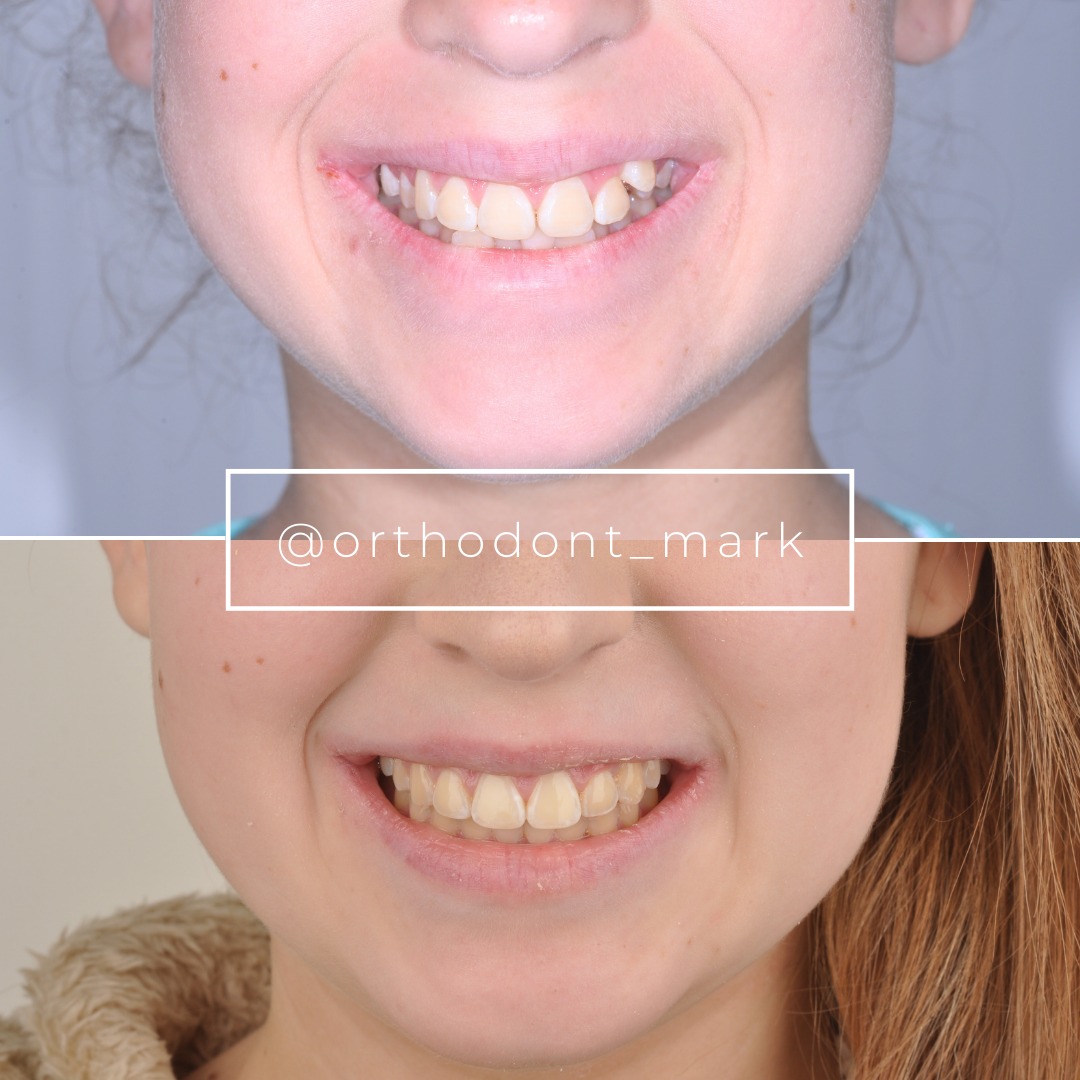
Documented outcomes
Clinical cases from Dr. Mark Radzhabov's practice
Learn the full MARPE protocol from Dr. Mark Radzhabov
Fundamental course covering CBCT patient selection, miniscrew planning, activation protocols, and 60+ clinical cases. Choose the access level that fits your practice.
Essentials of rapid palatal expansion for practicing orthodontists.
- Core RPE concepts and biomechanics
- 6 structured video lessons
- Clinical decision checklists
- Lifetime access to recordings
Deep-dive into MARPE protocol, diagnostics, and clinical execution.
- 6 modules covering MARPE from A to Z
- CBCT case selection walkthroughs
- Miniscrew placement and activation
- 60+ annotated clinical cases
- Direct Q&A with Dr. Mark Radzhabov
5-element medical consultation framework for dentists and orthodontists.
- Trust-building consultation protocol
- 5 lesson modules
- Templates for treatment plan delivery
- Works with any clinical specialty
Clinical FAQ
What is the typical MARPE success rate in adult patients under 30 years of age?
MARPE success rate in patients under 30 years typically exceeds 90%, with skeletal expansion occurring within 2–4 weeks and high miniscrew stability. Success is defined as ≥3 mm nasal floor or anterior nasal spine expansion without miniscrew loss or clinically significant dentoalveolar tipping.
How do MARPE vs. traditional RPE outcomes differ in terms of skeletal expansion?
MARPE achieves 80–95% pure skeletal expansion with minimal dentoalveolar tipping, whereas tooth-borne RPE results in 30–50% skeletal expansion and 50–70% dentoalveolar compensation. MARPE outcomes show significantly less buccal molting and interdental papilla recession.
What bone density characteristics predict successful MSE skeletal expansion?
Parasutural palatal bone density >400 Hounsfield units and intact midpalatal suture morphology (Baccetti Stage 1–2) strongly predict successful MSE expansion. Dense bone (>600 HU) may slow expansion and increase discomfort but does not prevent success if activation protocols are appropriately modified.
How effective is MARPE treatment for skeletal expansion in patients over 40 years old?
MARPE success rate in patients over 40 is 60–75% for adequate skeletal expansion (≥3 mm). Expansion occurs more slowly (8–20 weeks activation), requires higher activation forces, and is more prone to relapse without extended retention protocols (8–12 weeks miniscrew retention + 12–24 months mechanical retention).
What is the incidence of miniscrew failure during MARPE treatment?
Miniscrew failure (loosening or loss) occurs in 3–12% of MARPE cases. Early failure (≤4 weeks) typically reflects insertion technique; late failure (>4 weeks) usually results from aggressive activation. Moderate activation protocols (1–2 turns weekly) reduce failure risk to 3–5%.
Does MARPE cause root resorption in dentition, and how is it monitored?
Root resorption occurs in 5–8% of MARPE patients, primarily with aggressive activation protocols. Radiographic monitoring (CBCT every 8–12 weeks during expansion) permits early detection; resorption >2 mm warrants protocol modification or temporary force suspension. Resorption typically stabilizes after force removal.
What retention protocol minimizes relapse of MARPE expansion gains over 5+ years?
Continuous fixed palatal wire retention combined with removable nighttime appliance for 12–24 months achieves 85–90% long-term expansion stability. Early retention discontinuation increases 5-year relapse risk to 25–30%. Patient compliance with retention is the strongest predictor of long-term success.
How should clinicians modify MARPE activation protocols in patients with compromised palatal bone or prior orthodontic relapse?
Reduce activation frequency to 1 turn per week (vs. standard 2 turns weekly), extend total activation phase by 25–40%, and plan 8–12 week miniscrew retention (vs. 4–6 weeks). Periodic CBCT assessment guides protocol adjustment and permits early detection of inadequate skeletal response.
What is the optimal miniscrew position to maximize skeletal expansion while minimizing dentoalveolar side effects?
Parasutural placement between the first and second molars, 4–6 mm lateral to the palatal midline, at a 45–60° angle to the palatal plane optimizes sutural force transmission. Anterior placement increases anterior dentoalveolar tipping; posterior placement reduces skeletal response and increases posterior tooth tipping.
How do cervical vertebral stage and hand-wrist radiography influence MARPE clinical outcomes and case selection?
Cervical Vertebral Stage CS3 or earlier (indicating skeletal immaturity) and hand-wrist radiographs showing open epiphyses predict 90%+ MARPE success rate. Patients at CS5 (mature) or beyond show success rates declining to 60–75% and require extended activation phases and retention protocols.
The evidence demonstrates that MARPE success rate depends equally on rigorous case selection, precise miniscrew biomechanics, and protocol adherence rather than the technique alone. If you are considering MSE or MARPE integration into your practice, Dr. Mark Radzhabov invites you to review detailed case examples and treatment planning criteria through a comprehensive case consultation or to explore the clinical research underpinning these protocols. Clinicians who adopt evidence-based expansion strategies consistently achieve superior skeletal and dentoalveolar outcomes.