
MARPE Timeline:
Day-by-Day Suture Changes
What happens inside the palate during treatment
A phase-by-phase breakdown of bone resorption, apposition, and cortical remodeling during miniscrew-assisted rapid palatal expansion—essential for optimizing activation schedules and predicting skeletal response in skeletally mature patients.
TL;DR The MARPE timeline reveals progressive changes in the midpalatal suture across three biomechanical phases: initial force distribution and screw-mediated load transfer, followed by bone resorption at suture margins and parallel separation of palatal bones, and finally sustained skeletal adaptation with cortical remodeling. Success depends on bicortical miniscrew fixation, appropriate screw depth, and force magnitude relative to suture maturation status.
Understanding what happens inside the midpalatal suture during miniscrew-assisted rapid palatal expansion (MARPE) separates clinical intuition from evidence-based practice. This article presents a day-by-day breakdown of skeletal expansion mechanics, bone remodeling stages, and force redistribution patterns—the foundation of Dr. Mark Radzhabov's clinical protocol at Orthodontist Mark. Whether you are planning your first MSE case or refining your activation schedule, this timeline clarifies the biological window for intervention and helps you recognize when expansion is progressing skeletally versus dentally.
What Is the MARPE Timeline and Why It Matters
MARPE timeline
in clinical practice
The MARPE timeline describes the sequence of tissue responses that unfold from day one of activation through skeletal consolidation. Unlike rapid palatal expansion in growing patients—where palatal expansion occurs primarily through orthopedic separation of unfused bone—MARPE in adults must overcome a fully or partially fused midpalatal suture. This fundamental difference means the clinician must understand not only force magnitude but also the temporal patterns of bone resorption, remodeling, and new bone formation that define success.
The timeline is divided into three overlapping biomechanical phases: the initial force distribution phase (days 1–7), during which the expansion screw transmits load to the miniscrews and suture; the active resorption and separation phase (days 8–28), characterized by pressure-induced osteoclastic activity and parallel opening of palatal bone; and the consolidation and remodeling phase (weeks 4 onwards), marked by new cortical bone apposition and suture stabilization. Each phase requires different clinical decisions regarding activation frequency, force intensity, and monitoring strategy.
Clinical observation shows that skeletal response varies significantly based on suture maturation status, miniscrew fixation quality, and biomechanical design. A 2016 comparative study of surgically assisted rapid maxillary expansion (SARME) with and without midpalatal split demonstrated that surgical midpalatal separation yielded significantly greater efficacy in achieving suture opening (P = 0.00), a finding that underscores the resistance of the mature palatal suture and the importance of understanding force vectors. MARPE offers a non-surgical alternative, but success depends on recognizing these phase-specific responses and adjusting protocol accordingly.
The expansion screw creates a force that is then redistributed to the miniscrews, the palatal bone, and ultimately the suture itself. As Orthodontist Mark emphasizes in clinical teaching, the quality of force redistribution—not merely the magnitude of force—determines whether expansion occurs at the suture (skeletal) or at the dental level (dentoalveolar). Understanding the timeline helps clinicians distinguish between these outcomes and intervene before unwanted tipping or dentoalveolar compensation occurs.
How Miniscrew Fixation Affects Daily Suture Response
Bicortical fixation
and force distribution patterns
The miniscrew–expansion screw system is only as effective as its anchor. Bicortical fixation—where miniscrews engage both the palatal cortex and the nasal cortex—dramatically improves stability and parallel suture opening. Monocortical fixation, anchoring only to palatal bone, introduces lateral tilting and unequal force distribution, resulting in asymmetric expansion and greater load concentration on the dental alveolus rather than the skeletal suture.
From day one, bicortical miniscrews distribute load more efficiently across the three-dimensional midpalatal anatomy. The nasal cortex, being denser and more lateral, resists tipping and maintains parallelism of the separation. Clinical observation confirms that bicortical TAD placement reduces the risk of miniscrew deformation and breakage while promoting the skeletal response clinicians seek. However, nasal placement complicates anesthesia and patient comfort during insertion—a practical trade-off that many advanced practitioners accept as the cost of superior biomechanics.
Screw depth is inversely proportional to stress concentration in the miniscrew itself. Shallow placement increases shear stress on the implant body and its interface; deeper placement distributes load over a longer thread-bone interface, reducing localized stress peaks. Clinical guidance suggests optimal placement depth of 8–10 mm in palatal bone, with nasal extension of 4–6 mm for bicortical anchorage. This depth geometry significantly alters the daily stress profile experienced by the suture and surrounding osteocytes.
The angle of insertion also influences force vectors and suture opening patterns. A insertion angle chosen from CBCT imaging allows the clinician to optimize load pathways, avoiding the greater palatine neurovascular bundle and ensuring symmetric force transmission to the midpalatal suture. When these biomechanical principles are respected, the suture widens in a more parallel, predictable fashion—reducing dentoalveolar side effects and accelerating the transition to stable skeletal expansion by days 14–21.
The Three Phases of Bone Remodeling Inside the Palate
bone resorption and apposition
week by week
Days 1–3 mark the initial mechanical phase. The expansion screw transmits force to the miniscrews; palatal bone experiences compression medial to the screw sites and tension at the suture margins. Osteocytes—bone cells embedded in the mineralized matrix—sense this strain and initiate a signaling cascade. Inflammatory cytokines (IL-6, TNF-α) are released, activating osteoclast precursor cells. Clinically, patients report mild pressure sensations; imaging reveals no suture opening yet, but histological studies show early expression of receptor activator of nuclear factor κB (RANKL) at the suture interface.
Days 4–7 continue force application as osteoclasts begin resorbing bone at the suture margins and lateral palatal surfaces. The suture space widens slightly—sometimes visible on high-resolution CBCT by day 5–7 in well-selected cases. Peak osteoclastic activity typically occurs between days 8–14. This is the critical window when clinicians must maintain consistent force without exceeding the resorption capacity of bone, which would cause root resorption or pathologic bone loss. Activation during this phase should be conservative: many protocols recommend 0.5 mm advances per week for the first 2–4 weeks to align force with bone cell response rates.
Days 15–28 represent the active separation phase. A visible diastema between upper central incisors usually emerges by day 14–21 in responsive cases, signaling that skeletal response is dominant over dentoalveolar tipping. Osteoclast activity peaks and then plateaus as the suture widens; parallel palatal bone separation accelerates. By day 28, well-managed cases show 2–4 mm of total expansion, with suture opening confirmed on CBCT. Bone density at the suture margins appears lower due to resorption, and osteoblasts begin populating the widened space, laying down new woven bone.
Weeks 4–12 constitute the consolidation and remodeling phase. Osteoclastic activity declines as the pressure gradient decreases; osteoblasts deposit new bone matrix in the suture space. Woven bone fills the suture by weeks 6–8, providing mechanical stability. Cortical bone remodels—lamellar bone gradually replaces woven bone, and mineralization continues. During this phase, expansion can often continue at higher rates (0.5–1 mm per week) because skeletal support is strengthening. Clinical monitoring via intraoral photography, CBCT at 4–6-week intervals, and patient-reported pressure sensations guides the pace. The timeline emphasizes that MARPE is not a sprint—it is a carefully orchestrated sequence of biological responses that, when respected, yields superior skeletal outcomes compared to conventional rapid palatal expansion.
Optimizing Activation Schedules for the Three Phases
Activation schedules
aligned with suture response
The activation frequency and magnitude that work in growing patients can damage or stall results in mature patients. Growing patients benefit from rapid daily or twice-daily activation because the unfused suture and surrounding bone respond quickly to modest forces (200–400 g per side). Mature patients undergoing MARPE require a different philosophy. The midpalatal suture is either partially fused or fully fused; osteoclast recruitment is slower; and the risk of root resorption or cortical perforation rises sharply if force exceeds bone cell response capacity.
Phase 1 (Days 1–7) activation protocol: Begin with 0.25–0.5 mm per week. This conservative pace allows osteocyte signaling and osteoclast recruitment to proceed without overwhelming the local microenvironment. Clinical observation shows that slow initiation prevents patient discomfort, reduces inflammation, and establishes a stable force baseline. Many clinicians use a 4-turn-per-week schedule or even slower. The goal is mechanical engagement without aggressive resorption yet.
Phase 2 (Days 8–28) activation protocol: Increase to 0.5–0.75 mm per week as osteoclastic activity peaks. At this stage, bone is resorbing at maximum capacity; suture widening is accelerating. Diastema appearance is a clinical signal to monitor carefully—if the diastema widens symmetrically and upper incisors show minimal tipping, skeletal expansion is dominant. Maintain consistent weekly activation; avoid sudden jumps in force. CBCT imaging at 2–3-week intervals during this phase provides objective evidence of suture opening and allows early detection of asymmetric expansion or dentoalveolar side effects.
Phase 3 (Weeks 4+) activation protocol: Progress to 0.75–1.0 mm per week as new bone consolidates the suture space. By week 4–6, when cortical remodeling is well underway, the skeletal support is robust enough to accommodate faster activation. Some advanced cases tolerate 1–1.5 mm weekly by weeks 8–12. The key decision point is clinical—does osteoclastic recruitment keep pace with force application, or does bone density plateau? CBCT density measurements and patient-reported pressure sensations guide this judgment. If expansion slows despite consistent activation, a 1–2-week pause often allows osteoclast recruitment to catch up; then resuming activation yields renewed progress. This is distinct from the myth that MARPE progression always accelerates—it follows biological phases, not calendar dates.
What Derails the MARPE Timeline and How to Prevent It
Common pitfalls
in miniscrew-assisted expansion
Dentoalveolar compensation is the most common deviation from the intended skeletal response. It occurs when force magnitude exceeds skeletal resorption capacity, or when miniscrew fixation is inadequate (monocortical placement, shallow depth, or asymmetric positioning). In this scenario, the palatal alveolar bone tips outward and the teeth move buccally rather than the bone separating. Clinically, this appears as rapid diastema closure, buccal root torque of incisors, and minimal suture opening on CBCT. By the time this pattern emerges (often by week 2–3), dentoalveolar repositioning has begun and reversing it requires force reduction and time.
Prevention requires bicortical miniscrew fixation and conservative activation pacing during Phase 1. A baseline CBCT taken before treatment shows the initial suture morphology—is it partially fused, completely fused, or patent? This radiographic staging guides force selection. Fused sutures require gentler Phase 1 pacing; patent sutures may tolerate faster activation from the outset. Weekly intraoral photography is essential for detecting asymmetry or buccal tipping early. If diastema appears off-center or upper incisors begin to flare, reduce activation immediately and allow osteoclastic response to catch up.
Miniscrew failure or loosening is a secondary pitfall. Shallow or monocortical placement, combined with overloading during Phase 2, stresses the miniscrew–bone interface. Stress concentration exceeds the fatigue limit of titanium alloy (typical range 200–400 MPa); fracture or irreversible loosening results. Miniscrew depth and bicortical engagement directly correlate with survival rates. Orthodontist Mark's clinical protocol emphasizes preoperative CBCT-guided insertion at optimal depth and angle to maximize initial stability. If loosening is detected (palpable mobility, patient-reported clicking), cease activation immediately, allow a 2–3-week rest period, or plan miniscrew replacement if the loose implant cannot be re-tightened.
Asymmetric suture opening is another common deviation. This occurs when force vectors favor one side—often due to unequal miniscrew depth, lateral plate malposition, or asymmetric screw-to-screw distance. Over time, one hemi-palate widens faster than the other, creating a crooked midline and requiring corrective mechanics. Prevention relies on careful surgical placement and symmetrical screw positioning confirmed on intraoperative CBCT or surgical navigation. If asymmetry emerges during treatment, unequal activation rates (slower on the advanced side, faster on the lagging side) can gradually correct the pattern, but this prolongs treatment and increases relapse risk. The lesson: precision placement saves months of correction downstream.
Finally, premature consolidation—when new bone fills the suture space before the clinician reaches the target expansion—halts further skeletal opening. This occurs when Force is too low or activation pauses too long during Phase 2. Osteoclasts, sensing reduced pressure, withdraw; osteoblasts dominate and rapidly mineralize the widened space. If this happens at 5 mm expansion when the target is 8 mm, reopening the suture requires either surgical disarticulation or acceptance of the lesser result. Consistent weekly activation during Phase 2 (days 8–28) prevents this scenario.
Real-Time Monitoring: CBCT, Photography, and Palatal Assessment
Real-time monitoring
during the three phases
Serial CBCT imaging is the gold standard for tracking suture opening and bone remodeling during the MARPE timeline. Baseline CBCT before treatment establishes the initial suture fusion status, palatal anatomy, and miniscrew position relative to vital structures. Follow-up CBCT at 2-week intervals during Phase 2 (days 8–28) reveals suture widening, parallel palatal bone separation, and any asymmetry or dentoalveolar tipping. By week 4–6, CBCT shows early woven bone deposition and cortical density changes. This imaging frequency—every 2–3 weeks during active expansion—is intensive but justified: it detects deviations early, prevents complications, and allows immediate protocol adjustment.
Intraoral photography offers real-time clinical assessment at zero radiation cost. Standardized weekly photos of the anterior dentition document diastema width, symmetry, and incisor inclination. Symmetric, parallel diastema widening with minimal incisor tipping signals skeletal dominance—the goal. Asymmetric diastema, unilateral incisor flaring, or midline deviation indicates dentoalveolar compensation and warrants force reduction. Many clinicians measure diastema width in millimeters weekly, plotting progression to identify plateaus or deviations. A diastema that widens steadily 1–2 mm per week during Phase 2 suggests healthy osteoclastic response; diastema that stalls while activation continues suggests either miniscrew loosening, suture resistance, or premature consolidation.
Palatal palpation and patient symptomatology complete the assessment. During each activation appointment, gentle bilateral palpation of the hard palate behind the central incisors confirms that the palatal vault is widening symmetrically and no unusual bone resorption or perforation has occurred. Patients in Phase 1 report mild pressure; Phase 2 reports increased pressure for 2–3 days post-activation, then relief; Phase 3 reports minimal discomfort. Sudden severe pain, asymmetric pressure, or new neurologic symptoms (numbness, paresthesia) warrant immediate imaging and possible protocol modification.
Model analysis at 4-week intervals provides a third-party record of dental changes and palatal width at the molar and canine levels. Plaster casts or digital intraoral scans overlay to quantify transverse expansion at multiple anteroposterior positions. This distinguishes skeletal expansion (palate widening at all levels) from dentoalveolar expansion (widening only at dental alveoli). If dental width increases faster than palatal skeletal width, dentoalveolar compensation is dominating; this signals need for force reduction.
Finally, patient-reported pressure ratings (using a 0–10 numerical scale) correlate loosely with osteoclastic activity. Peak pressure during Phase 2 (around days 10–14) coincides with maximum bone resorption. If pressure ratings exceed 6–7 (where 10 is extreme pain), the patient may be experiencing excessive resorption, bone resorption-induced inflammation, or heightened sensitivity—justifying a 1-week activation pause to allow inflammatory resolution. Dr. Mark Radzhabov's clinical teaching emphasizes that patient comfort is not merely a QoL issue; it reflects the biological pace of bone cell response and should inform activation scheduling.
Free Clinical Guide
Which Expansion Appliance at Which Age?
Get Dr. Mark Radzhabov's guide to skeletal-expansion appliances — indications, pros & cons, and how to choose by patient age. Free to your inbox.
Prefer video? Watch the free demo lesson on MARPE appliance types, features and trade-offs.
Documented outcomes
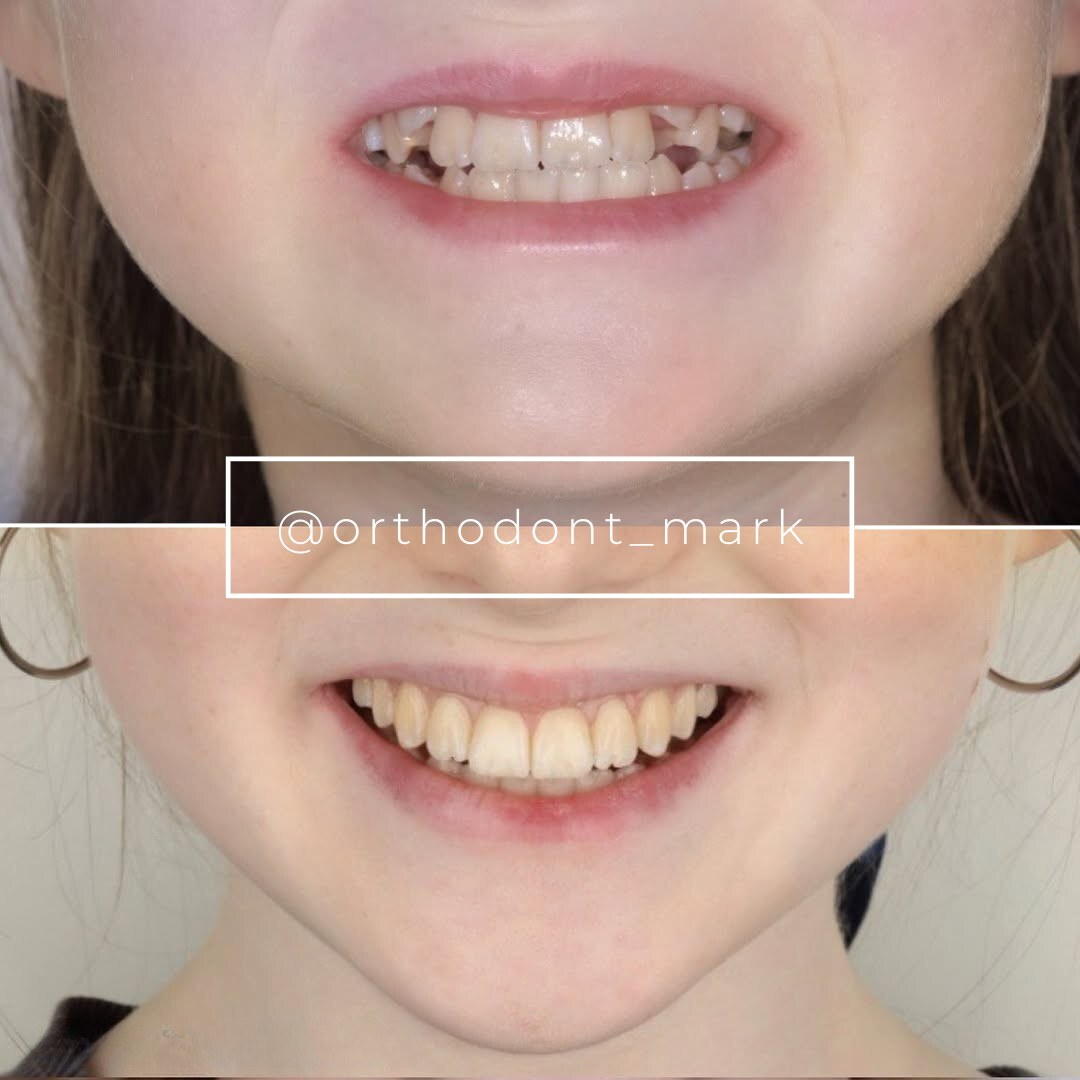
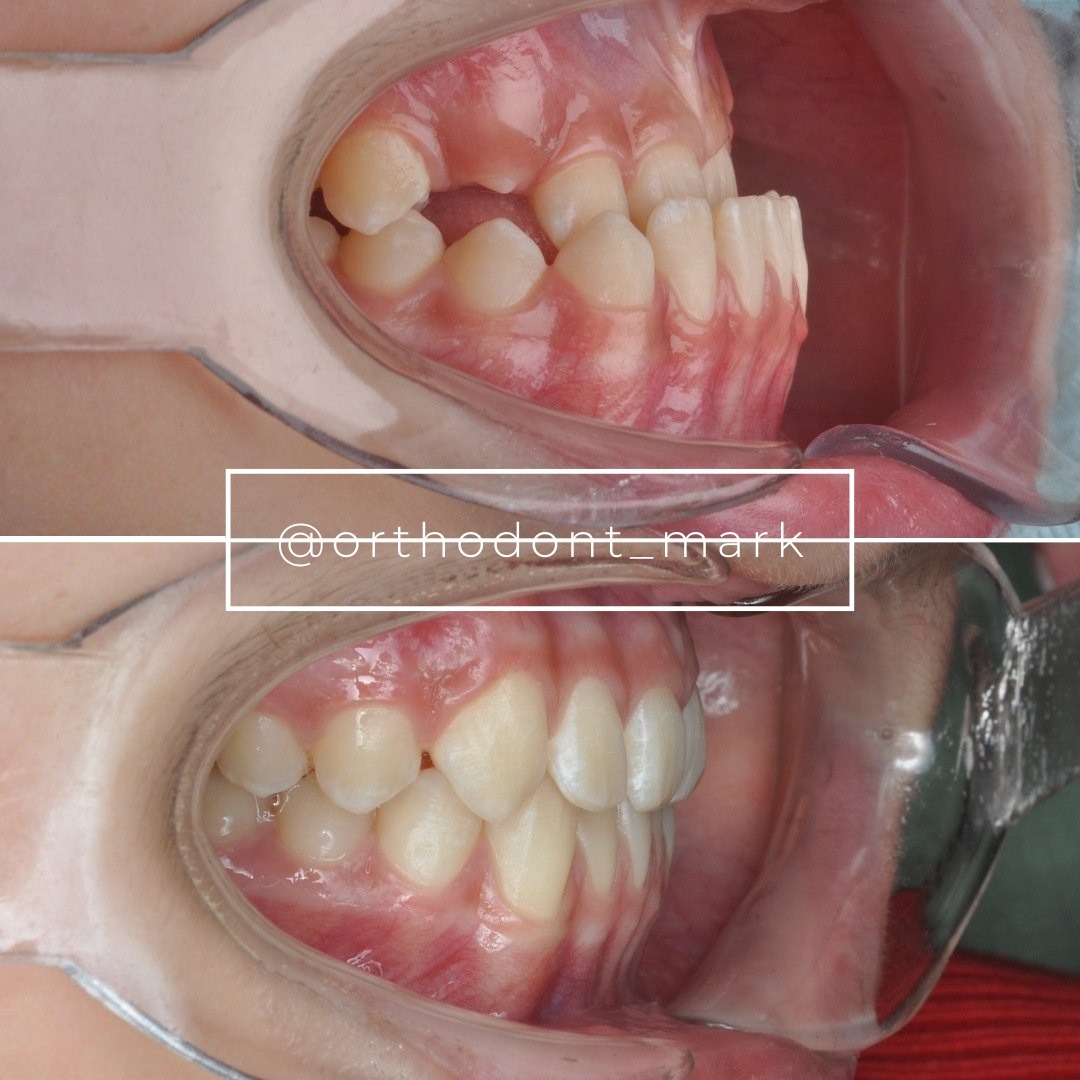
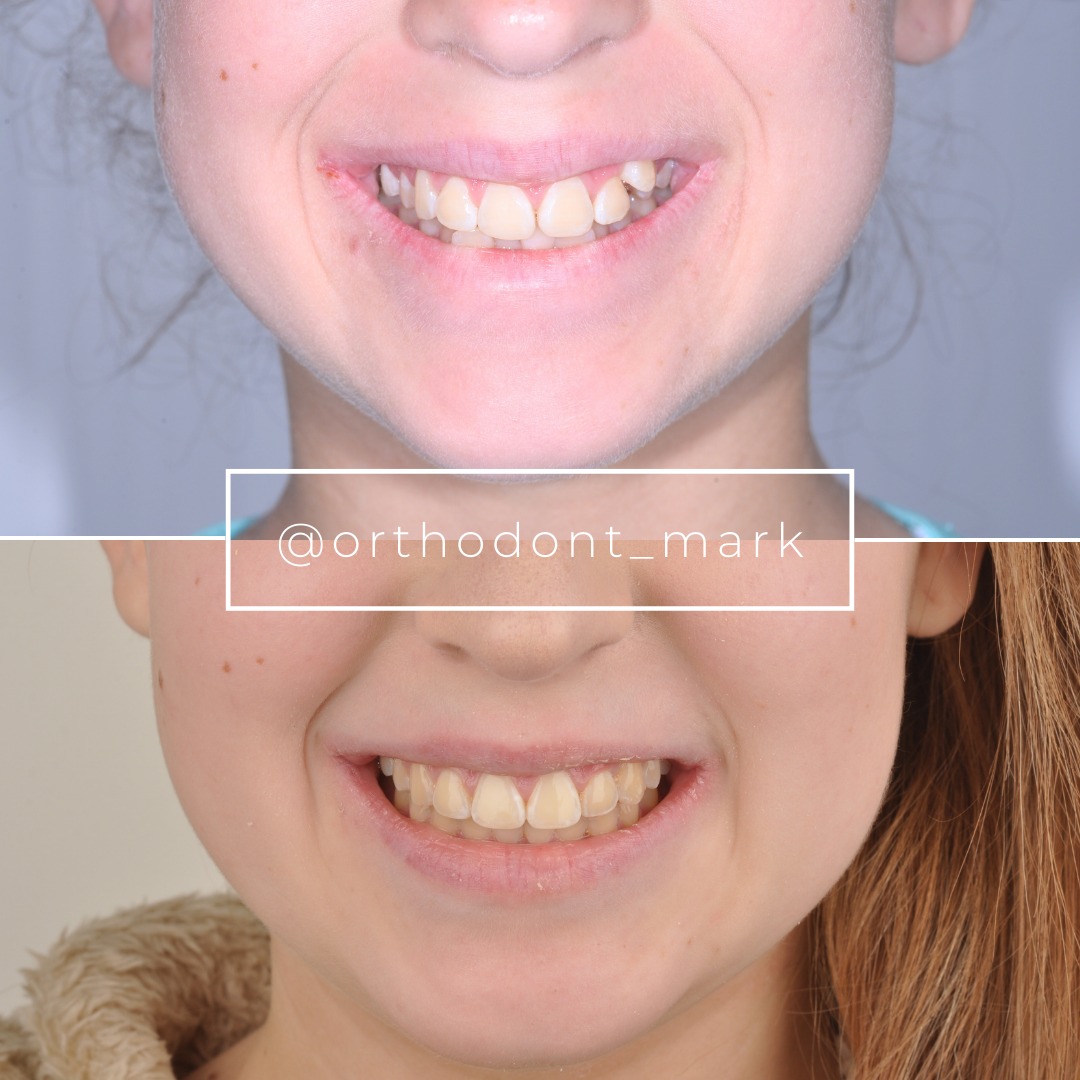
Clinical cases from Dr. Mark Radzhabov's practice
Learn the full MARPE protocol from Dr. Mark Radzhabov
Fundamental course covering CBCT patient selection, miniscrew planning, activation protocols, and 60+ clinical cases. Choose the access level that fits your practice.
Essentials of rapid palatal expansion for practicing orthodontists.
- Core RPE concepts and biomechanics
- 6 structured video lessons
- Clinical decision checklists
- Lifetime access to recordings
Deep-dive into MARPE protocol, diagnostics, and clinical execution.
- 6 modules covering MARPE from A to Z
- CBCT case selection walkthroughs
- Miniscrew placement and activation
- 60+ annotated clinical cases
- Direct Q&A with Dr. Mark Radzhabov
5-element medical consultation framework for dentists and orthodontists.
- Trust-building consultation protocol
- 5 lesson modules
- Templates for treatment plan delivery
- Works with any clinical specialty
Clinical FAQ
What is the difference between the three biomechanical phases of the MARPE timeline?
Phase 1 (days 1–7) involves mechanical force transfer and osteocyte strain sensing with minimal visible suture opening. Phase 2 (days 8–28) features peak osteoclastic bone resorption, parallel palatal separation, and diastema emergence. Phase 3 (weeks 4+) is consolidation, with woven bone filling the suture and lamellar remodeling strengthening the separation.
How does bicortical miniscrew fixation affect suture opening patterns?
Bicortical fixation—engaging both palatal and nasal cortices—distributes load symmetrically and resists tilting, promoting parallel suture opening. Monocortical (palatal only) fixation allows lateral tipping and asymmetric opening, increasing dentoalveolar side effects.
What activation rate (mm/week) should I use during Phase 1 of MARPE treatment?
Phase 1 (days 1–7) warrants conservative 0.25–0.5 mm per week activation to allow osteoclast recruitment without overwhelming bone cell capacity. Faster rates risk dentoalveolar compensation or miniscrew failure.
When does the diastema typically appear during MARPE treatment?
A visible diastema between upper central incisors typically emerges during Phase 2, between days 14–21, and signals transition from dentoalveolar to skeletal dominance. Its symmetric, parallel widening indicates healthy skeletal expansion.
How often should I obtain CBCT imaging during miniscrew-assisted rapid palatal expansion?
Baseline CBCT before treatment; every 2–3 weeks during Phase 2 (weeks 1–4) to monitor suture opening and miniscrew position; then every 3–4 weeks during Phase 3. This frequency detects asymmetry and consolidation early.
What indicates that dentoalveolar compensation is occurring instead of skeletal expansion?
Signs include: asymmetric or off-center diastema, buccal tipping of upper incisors, minimal suture widening on CBCT, and rapid diastema closure despite ongoing activation. Prevent with bicortical fixation and conservative Phase 1 pacing.
What is the optimal miniscrew insertion depth for MARPE in the palate?
Standard recommendations are 8–10 mm in palatal bone with 4–6 mm nasal cortex penetration for bicortical anchorage. Shallower placement increases stress concentration and loosening risk; deeper placement distributes load more effectively.
How should I adjust activation rate if the patient's expansion plateaus during Phase 2?
If expansion stalls despite consistent activation, pause activation for 1–2 weeks to allow osteoclast recruitment to catch up. Then resume at the same or slightly reduced rate. If CBCT shows dense bone filling the suture prematurely, increase activation frequency to maintain pressure.
What patient symptoms indicate healthy progression during different phases of the MARPE timeline?
Phase 1: mild pressure (3–4 on 0–10 scale). Phase 2: increased post-activation pressure (5–6) for 2–3 days, then relief. Phase 3: minimal discomfort. Severe pain, asymmetric pressure, or numbness warrant imaging and protocol review.
How does suture maturation status (partial fusion vs. complete fusion) influence the MARPE timeline?
Completely fused sutures require slower Phase 1 pacing (0.25 mm/week) and longer osteoclast recruitment time; partially patent sutures may tolerate 0.5 mm/week from the start. CBCT-based fusion assessment guides force selection and predicted timeline.
The MARPE timeline is not merely a calendar—it is a roadmap of tissue response that guides your activation frequency, force magnitude, and treatment sequencing. By understanding the phases of bone resorption, apposition, and cortical remodeling, you can optimize outcomes and minimize dentoalveolar side effects. Dr. Mark Radzhabov and the Orthodontist Mark team invite you to review your current cases against this evidence-based framework or schedule a case consultation to refine your MSE protocol.