MARPE and Tongue Posture:
The Missing Link
Nobody Trains For
Why your miniscrew expansion outcomes plateau—and how myofunctional integration unlocks skeletal gains, airway health, and long-term stability.
TL;DR MARPE and tongue posture represent an often-overlooked integration in skeletal expansion therapy. Proper tongue positioning during and after miniscrew-assisted rapid palatal expansion improves nasal airway development, reduces dentoalveolar side effects, and enhances long-term stability—yet most clinicians lack structured training protocols for patient assessment and correction.
MARPE and tongue posture training remain disconnected in most orthodontic curricula, yet their integration is essential for optimal skeletal and functional outcomes. In this article, Dr. Mark Radzhabov at Orthodontist Mark explores the anatomical basis for tongue posture management during miniscrew-assisted expansion, reviews evidence on airway adaptation, and provides a practical clinical protocol for patient assessment and myofunctional therapy integration. Understanding this relationship transforms MARPE outcomes from purely dental to functionally superior.
Understanding MARPE and Tongue Posture:
Why Position Matters
MARPE and tongue posture are biomechanically inseparable. During palatal expansion, the hard palate ascends and widens, creating a larger oral vault and theoretically more space for the tongue. However, most patients maintain their pre-treatment tongue posture pattern—low, forward, and anteriorly positioned—because no one has corrected it. This disconnect produces several clinical consequences: continued mouth breathing despite nasal cavity enlargement, reduced airway benefit from skeletal gains, persistent dentoalveolar compensation, and higher relapse risk. The nasal cavity and oral cavity communicate through the choanae (posterior apertures). When the hard palate expands, the floor of the nasal cavity rises and the internal nasal width increases. A 2022 prospective randomized trial (Chun et al., BMC Oral Health) using low-dose cone-beam computed tomography demonstrated that MARPE produces greater increases in nasal width in the molar region and greater palatine foramen expansion compared to conventional rapid palatal expansion (RPE). Yet if the tongue remains low and forward, it continues to exert downward pressure on the expanded palate, partially negating skeletal gains and potentially compromising the new nasal airway space. Clinically, this means that skeletal expansion without functional retraining is incomplete orthodontics. The tongue occupies approximately 40–50% of the oral cavity volume and generates continuous proprioceptive feedback. Its resting posture influences palatal vault shape, alveolar process development, and even vertical dimension. For MARPE to achieve its full therapeutic potential—wider palate, larger nasal airway, reduced dental tipping, and stable outcomes—the tongue must be repositioned to rest against the hard palate and maintain an elevated, posterior position.
The Functional Problem:
Tongue Thrust and Airway
Adaptation During MARPE
Low tongue posture is both a cause and a consequence of transverse maxillary deficiency. Patients with narrow palates and restricted nasal airways often adopt mouth breathing and anterior tongue posture as compensatory strategies. The tongue moves forward and downward to enlarge the oropharyngeal space and improve airway access. When MARPE begins, the clinician widens the palate, but the neuromuscular system does not automatically reprogram. The patient's brain still perceives the original airway space demand and maintains the old tongue position—creating a functional mismatch. This mismatch produces three distinct clinical problems. First, continued dentoalveolar compensation: as the screw turns, the miniscrews resist the lateral forces while the anchor teeth (usually molars and premolars) still tip buccally because the tongue pressure on the lingual side is insufficient to counterbalance the expansion force. The MARPE advantage—skeletal rather than dental expansion—is partially lost. Second, airway adaptation failure: the enlarged nasal cavity remains underutilized because the patient continues mouth breathing. Without nasal airway conditioning and proprioceptive retraining, the functional airway space does not expand despite skeletal gains. Third, long-term relapse risk: low tongue posture allows the palate to drift back inward over time. The tongue's resting pressure, normally directed upward and posteriorly, is absent; therefore, the expanded palate lacks the continuous functional “splint” provided by correct lingual posture. Clinically, myofunctional training must begin alongside MARPE activation, not after expansion is complete. The neuromuscular system requires weeks to reprogram. Early intervention—during the first 4–6 weeks of active expansion—captures the nervous system's neuroplasticity window and establishes new motor patterns while skeletal gains are being consolidated.
Diagnosing Tongue Posture Dysfunction:
Pre-Treatment Evaluation
Tongue posture assessment begins at the initial consultation and must be documented before MARPE placement. A structured screening identifies patients at risk for poor functional adaptation and airway benefit. Start with observation during rest and conversation. Ask the patient to rest their tongue naturally (no instruction) and observe: Is the tip on the anterior teeth, the alveolar ridge, or the hard palate? Is the dorsum (bulk) elevated against the palate or depressed in the floor of the mouth? During speech, does the tongue thrust anteriorly during sibilants or interdentally? A posterior resting posture (tip on the alveolar ridge or hard palate, dorsum elevated) is normal and ideal. An anterior posture (tip on or between teeth, dorsum low) indicates dysfunction and predicts airway and skeletal challenges during MARPE. Second, perform a functional airway assessment. Ask the patient to breathe naturally at rest. Do they mouth breathe, nose breathe, or mix? Observe during the visit: Is the mouth open at rest? This simple observation correlates strongly with tongue posture. Mouth breathers almost universally have anterior, low tongue posture. Conduct a basic nasal patency test: ask the patient to occlude each nostril and breathe through the open side. Bilateral patency suggests anatomical readiness for nasal respiration. If one or both sides are obstructed (septum deviation, turbinate hypertrophy, polyps, allergic rhinitis), note this as a barrier to functional airway adaptation during MARPE and consider ENT co-management. Third, assess vertical dimension and anterior open bite risk. Anterior tongue thrust and low posture are risk factors for open bite development or exacerbation during MARPE. Measure the overjet and overbite. If the patient already presents with an anterior open bite or horizontal growth pattern, tongue posture retraining becomes even more critical—skeletal expansion alone will not close an open bite created by anterior tongue thrust. Finally, review sleep history and breathing during sleep. Ask about snoring, witnessed apneas, daytime somnolence, or bedtime restlessness. Patients with sleep-related breathing disorder often have compromised nasal airway and habitual mouth breathing, making them prime candidates for MARPE—but also requiring integrated airway and tongue retraining.
Integrating Myofunctional Training
Into Miniscrew Expansion
Orthodontist Mark recommends a phased integration approach that begins at miniscrew placement and continues through consolidation. Phase 1: Pre-activation education and baseline tongue retraining (Day 1–7). After MARPE placement, before the first screw activation, the patient should receive verbal and written instructions on correct tongue posture. Use intraoral mirror feedback: have the patient place their tongue tip on the hard palate just posterior to the upper incisors and press lightly. Instruct them to breathe through the nose only (mouth closed) and practice this posture for 5–10 minutes daily. Many patients find this initially difficult; encourage persistence as a form of “mouth physical therapy.” Provide a simple home exercise sheet: 10 repetitions of “palatal placement with nasal breathing” three times daily. This brief pre-activation window is crucial for priming the nervous system. Phase 2: Active expansion with myofunctional reinforcement (Week 1–8, during active screw turns). At each activation visit (typically 4 turns initially, then 3 turns daily for 10 days in MARPE protocols), reinforce tongue posture correction. Use a tongue depressor or mirror to show the patient the expanded palatal vault. Emphasize: “Your palate is now wider—your tongue has more room. Place it here, not here” (lingual aspect of hard palate, not anterior). If the patient reports mouth breathing or cannot sustain nasal respiration, consider a referral to a myofunctional therapist (speech-language pathologist or dental therapist trained in orofacial myofunctional therapy). Research increasingly supports integrated myofunctional therapy during expansion for both functional and skeletal outcomes. At each visit, assess compliance and correct any regression to anterior tongue posture. Phase 3: Consolidation and habit establishment (Week 9–26, after active expansion stops). Once the screw is deactivated and the patient enters the 6-month consolidation period, the tongue posture habit must be cemented. The expanded palate has no miniscrews or traditional appliance to hold it in position—only functional force from correct tongue posture. Recommend continued myofunctional therapy once weekly or biweekly. Emphasize night breathing (tongue should rest on palate even during sleep) and continue daytime nasal breathing practice. This phase is as critical as active expansion for long-term stability. The tongue becomes the “biological retainer.”
Skeletal Expansion, Nasal Airway,
and Functional Outcomes
The relationship between MARPE, airway enlargement, and tongue posture is supported by convergent evidence, though few studies explicitly address tongue retraining during expansion. Anatomically, the nasal cavity floor is formed by the horizontal processes of the maxilla and palatine bone—the same structures that expand during MARPE. A prospective randomized clinical trial using low-dose cone-beam computed tomography found that MARPE produces significantly greater increases in nasal width in the molar region and greater palatine foramen expansion compared to conventional tooth-borne RPE, particularly in adolescent and young adult patients. This skeletal nasal widening creates the anatomical opportunity for improved nasal airway. However, skeletal change alone does not guarantee functional airway improvement. A patient with a newly widened nasal cavity who continues to mouth breathe and maintain anterior tongue posture does not realize the potential airway benefit. The nasal mucosa requires nasal airflow stimulation to develop optimal ciliary function and responsiveness. The pharyngeal muscles (particularly the levator veli palatini and superior pharyngeal constrictor) require neuromuscular “coaching” to adapt to the new palatal shape and airway space. Tongue repositioning is the primary driver of this neuroadaptation. When the tongue rests on the hard palate, it provides constant proprioceptive input that trains the central nervous system: “This is the new normal position.” This feedback reinforces nasal breathing and orients the palatal vault in its expanded position. Clinically, the absence of myofunctional training during MARPE may explain why some patients show skeletal gains on CBCT but report no subjective airway improvement or persistent mouth breathing. The skeletal structure has expanded, but the functional system has not adapted. Integrating tongue posture assessment and myofunctional therapy during expansion bridges this gap. For patients beginning MARPE, especially those with baseline mouth breathing, anterior tongue posture, or sleep-related breathing concerns, explicit tongue retraining should be considered standard of care—not optional adjunct therapy.
The Clinical Workflow:
MARPE and Tongue Posture
Management Checklist
Transform MARPE and tongue posture management from ad hoc coaching to systematic protocol. Use this chair-side framework at every key visit.
Free Clinical Guide
Which Expansion Appliance at Which Age?
Get Dr. Mark Radzhabov's guide to skeletal-expansion appliances — indications, pros & cons, and how to choose by patient age. Free to your inbox.
Prefer video? Watch the free demo lesson on MARPE appliance types, features and trade-offs.
Documented outcomes
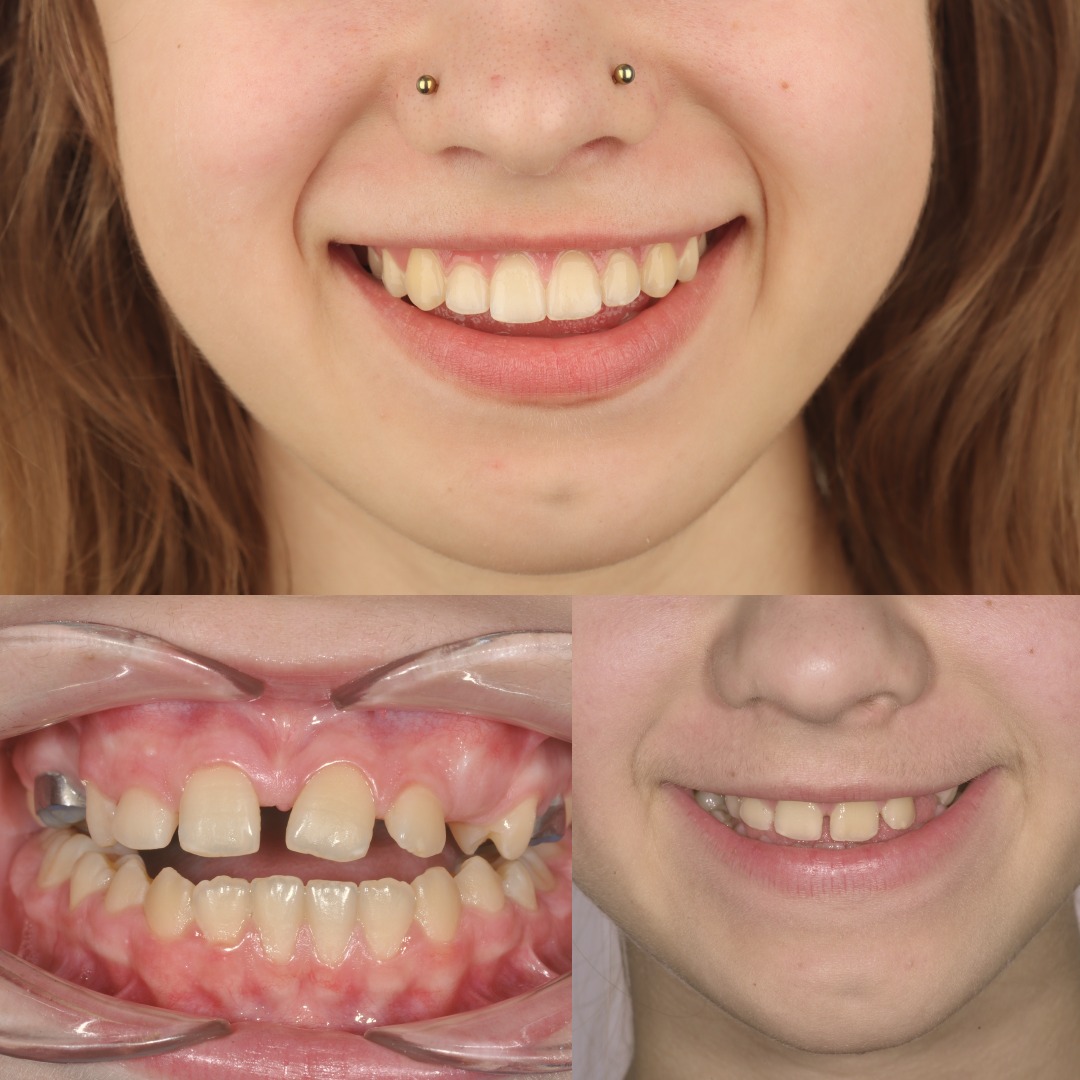
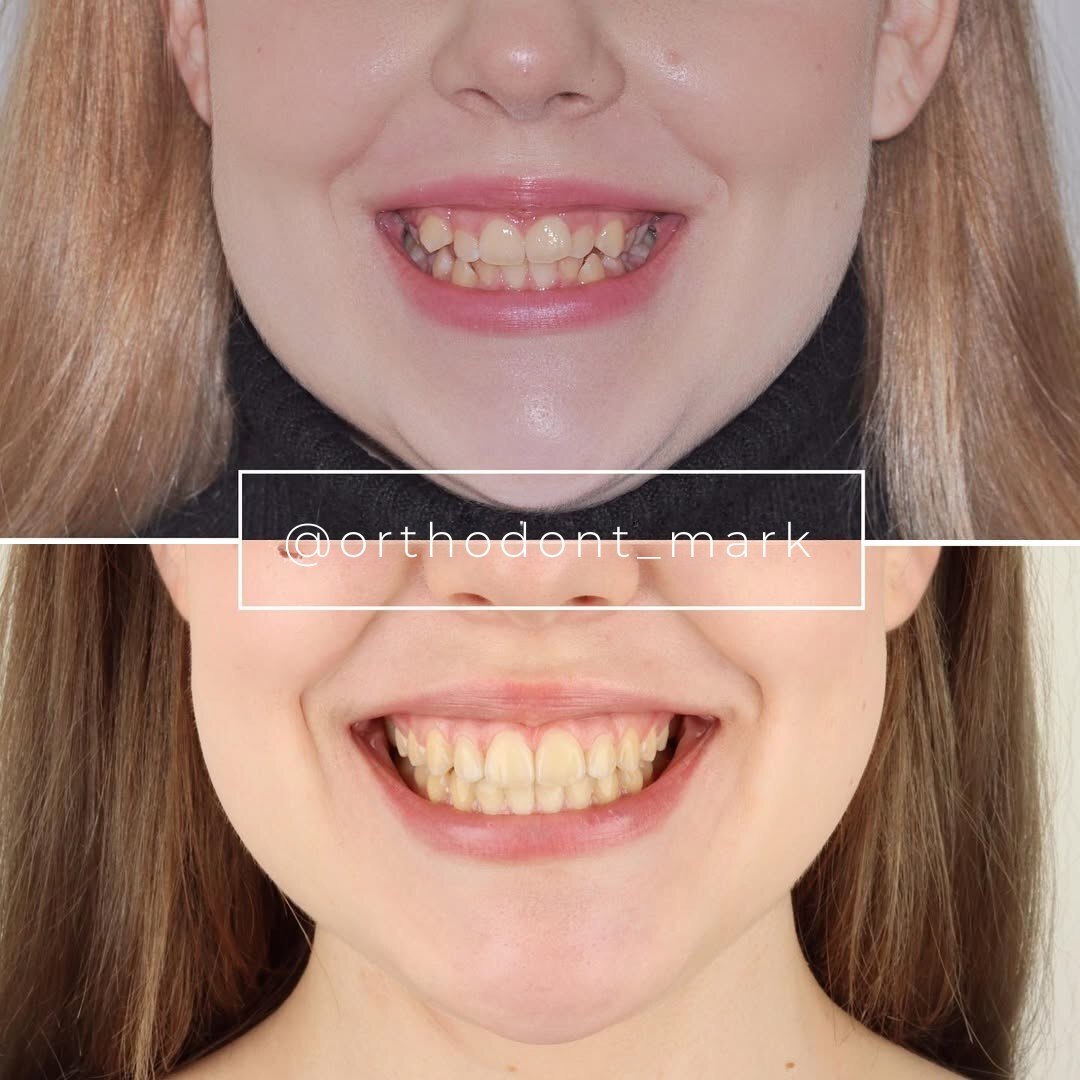
Clinical cases from Dr. Mark Radzhabov's practice
Learn the full MARPE protocol from Dr. Mark Radzhabov
Fundamental course covering CBCT patient selection, miniscrew planning, activation protocols, and 60+ clinical cases. Choose the access level that fits your practice.
Essentials of rapid palatal expansion for practicing orthodontists.
- Core RPE concepts and biomechanics
- 6 structured video lessons
- Clinical decision checklists
- Lifetime access to recordings
Deep-dive into MARPE protocol, diagnostics, and clinical execution.
- 6 modules covering MARPE from A to Z
- CBCT case selection walkthroughs
- Miniscrew placement and activation
- 60+ annotated clinical cases
- Direct Q&A with Dr. Mark Radzhabov
5-element medical consultation framework for dentists and orthodontists.
- Trust-building consultation protocol
- 5 lesson modules
- Templates for treatment plan delivery
- Works with any clinical specialty
Clinical FAQ
How does tongue posture affect skeletal gains during MARPE treatment?
Anterior or low tongue posture reduces the skeletal advantage of miniscrew-assisted expansion by allowing continued dentoalveolar compensation and denying the expanded palate the proprioceptive reinforcement (functional 'splint') needed for stability. Correct posterior posture optimizes skeletal gains and long-term retention.
What is the optimal age window to begin myofunctional training with MARPE in adolescents?
Begin myofunctional training at miniscrew placement, before first screw activation. The adolescent nervous system exhibits high neuroplasticity; early intervention (weeks 1–2) captures this window and establishes correct patterns during active expansion phases.
When should I refer a MARPE patient to a myofunctional therapist?
Refer at pre-treatment screening if the patient exhibits mouth breathing, anterior tongue posture, or anterior open bite. If these signs emerge during expansion, refer immediately. Integrated therapy (orthodontist + myofunctional therapist) optimizes functional airway and skeletal outcomes.
Does MARPE alone enlarge the nasal airway, or is myofunctional therapy required for functional gain?
MARPE enlarges the nasal cavity skeletal dimensions (nasal width, palatine foramen expansion). However, functional airway improvement requires integrated nasal breathing and tongue posture retraining; skeletal change without neuromuscular adaptation does not guarantee patient-reported airway benefit.
How does low tongue posture increase relapse risk after MARPE consolidation?
The expanded palate lacks a fixed retainer; correct posterior tongue posture provides the only continuous functional force maintaining expansion. Low anterior posture allows inward drift of the lateral palatal shelves, reducing long-term stability. Tongue becomes the 'biological retainer.'
What home exercises should MARPE patients perform for tongue posture correction?
Teach palatal placement (tongue tip on hard palate, posterior to incisors) with nasal breathing, 5 minutes, three times daily. Use intraoral mirror feedback. During consolidation, extend to nighttime posture practice. Repeat exercises weekly during myofunctional therapy sessions.
Can mouth breathing persist after MARPE even if nasal cavity is enlarged?
Yes. Skeletal nasal enlargement does not automatically trigger nasal breathing adaptation. Without explicit myofunctional retraining and tongue posture correction, the patient's neuromuscular system maintains pre-expansion breathing patterns despite enlarged airway anatomy.
What baseline assessments predict poor tongue posture adaptation during miniscrew-assisted expansion?
Anterior resting tongue position, unilateral or bilateral nasal obstruction, anterior open bite, horizontal growth pattern, and sleep-disordered breathing all predict challenges. Early identification allows targeted myofunctional intervention during active expansion.
How long should myofunctional therapy continue during and after MARPE?
Begin at miniscrew placement (pre-activation) and continue weekly or biweekly through the 6-month consolidation period. After MARPE removal, maintenance may continue for 2–4 weeks to cement the habit before full discharge from orthofunctional care.
Does integrating tongue posture training increase MARPE treatment time or cost?
Home exercises (3–5 minutes daily) add minimal time. Myofunctional therapy referral incurs additional cost (typically $40–100 per session), but reduces relapse risk and airway complications, potentially offsetting expenses through improved long-term stability and patient satisfaction.
The missing link in MARPE training is not biomechanics—it is functional awareness. Dr. Mark Radzhabov and the Orthodontist Mark team recommend integrating myofunctional assessment into every miniscrew-assisted expansion case, beginning at diagnosis. If you manage MARPE cases without explicit tongue posture protocols, a clinical consultation or case review through Orthodontist Mark will sharpen your diagnostic eye and expand your patient success profile.