
MARPE Combined Force Interference:
Staging for Skeletal Success
Evidence-Based Protocols to Prevent Anchor Tooth Displacement
Learn how to sequence miniscrew-assisted expansion forces with orthodontic mechanics to maximize skeletal gain, minimize dental compensation, and reduce device failure risk.
TL;DR MARPE combined force interference occurs when miniscrew-assisted rapid palatal expansion and simultaneous orthodontic tooth movement create opposing biomechanical loads on anchor teeth and surrounding bone. Clinical success requires staged force application, careful load sequencing, and radiographic confirmation of midpalatal suture separation before initiating major dentoalveolar mechanics to prevent device failure and anchor tooth displacement.
Miniscrew-assisted rapid palatal expansion (MARPE) has revolutionized adult skeletal expansion, yet clinicians frequently face a critical biomechanical challenge: managing force interference between orthopedic expansion forces and concurrent orthodontic tooth movement. When maxillary miniscrews apply expansion vectors while fixed appliances simultaneously apply intrusion, buccal, or distal forces to the same anchor dentition, device stability and clinical outcomes suffer. This article—developed by Dr. Mark Radzhabov at Orthodontist Mark—examines the evidence on combined force interference, provides practical staging protocols, and offers decision-making frameworks to preserve skeletal gains while achieving final tooth position control.
What Is MARPE Combined Force Interference?
force interference
Understanding the biomechanical collision
MARPE combined force interference occurs at the intersection of two competing biomechanical goals: orthopedic separation of the midpalatal suture versus dentoalveolar tooth position correction. When miniscrews anchored in the hard palate deliver expansion vectors (typically 4–5 mm of total activation over 8–10 weeks), they induce bone remodeling along the midline and lateral maxillary structures. Simultaneously, fixed appliances on maxillary teeth apply forces for space closure, intrusion, buccal root torque, or distal movement. Because the miniscrews are rigidly fixed to the bone and the teeth are suspended by the periodontal ligament, these two force systems rarely align. The anchor teeth experience a complex three-dimensional load that combines expansion pressure from the miniscrew assembly with correction forces from the archwire. This dual loading can result in excessive buccal displacement of premolars and molars, compromised device stability, and suboptimal skeletal gain. A 2022 randomized clinical trial reported that miniscrew-assisted rapid palatal expansion groups showed lesser buccal displacement of anchor teeth compared to tooth-borne expansion, yet this advantage depends critically on sequencing. When forces are applied without staging, the periodontium becomes overloaded, causing alveolar bone resorption and loss of miniscrew anchorage integrity.
Why Force Interference Matters:
Age-Dependent Success
Who benefits most from staged protocols?
The clinical risk of combined force interference is not uniform across the patient population. Recent evidence shows that success rate of MARPE and the amount of suture separation are strongly age- and sex-dependent. In male patients older than 25 years, suture separation success drops to 61%, compared to 94% in female patients. This divergence has direct implications for force staging: younger patients with higher suture separation rates can tolerate tighter force sequencing and faster activation protocols. Conversely, older patients—particularly males—face reduced likelihood of sufficient basal bone expansion and must rely on more conservative loading. When combined force interference is introduced to an older male patient with marginal suture separation potential, the competing expansion and tooth-correction forces can override the modest orthopedic effect, leaving only dental tipping and device failure. Furthermore, in patients with confirmed suture separation, the amount of actual skeletal expansion decreases with advancing age. This means that force management must shift from trying to maximize expansion (which is constrained by biology) to protecting the device and preserving whatever skeletal change is achieved. A clinical observation is that practitioners often underestimate the biological cost of concurrent forces in older patients and continue aggressive archwire activation during the active expansion phase, inadvertently creating the interference problem they hoped to avoid.
How Skeletal Expansion and Tooth Movement Collide
three-dimensional loading
The biomechanics of concurrent forces
The biomechanical mechanism of combined force interference rests on a fundamental anatomical fact: miniscrews are osseointegrated to the palatal bone, while teeth are suspended by the periodontal ligament (PDL). This creates two distinct load-transfer pathways. Expansion forces from the miniscrew assembly (typically applied through a hyrax or hybrid hyrax appliance) are distributed directly to cortical and cancellous palatal bone, inducing midline stress concentration and lateral maxillary bone bending. These forces are rigid—they do not yield to PDL compliance. In contrast, orthodontic forces applied to teeth through the fixed appliance are transduced through the PDL, which provides approximately 0.1 mm of elastic give per 50 g of applied force. When both force systems act on the same anchor teeth (usually first premolars and molars), the rigid expansion vector meets the elastic tooth suspension, creating a mechanical mismatch. The bone “wants” the tooth to move laterally (expansion), while the archwire “wants” the tooth to move mesially, distally, or incisally (correction). The periodontal ligament becomes the battleground. Under sustained dual loading, the PDL undergoes hyalinization and delayed remodeling, leading to slower, more erratic tooth movement and greater risk of root resorption. Additionally, the anchor teeth experience a net lateral force that compounds the expansion effect, resulting in excessive buccal crown displacement without corresponding lingual root movement (loss of moment control). This creates a widened dental arch but minimal skeletal widening—exactly the opposite of the clinical goal. Miniscrew-assisted expansion mechanics that do not account for this interference pattern often produce 60–70% dental compensation and only 30–40% true skeletal gain, compared to the 50:50 ratio achieved with proper staging.
Evidence-Based Force Sequencing Strategy
three-phase protocol
When to expand, when to correct
The most robust clinical approach to avoiding combined force interference is a three-phase sequential protocol. Phase 1: Miniscrew Integration and Baseline Activation (weeks 0–2). After miniscrew placement and a 1–2 week osseointegration period, initiate expansion activation without any fixed appliance on the maxillary teeth. This allows the orthopedic signal to stabilize the anchor teeth in their original position while the miniscrews load-share with the palatal bone. Expansion is typically 4 turns per day for the first 10 days of the active phase, as documented in clinical practice. Use only passive brackets or no appliance at all during this window. Radiographic confirmation (periapical or low-dose CBCT) of midpalatal suture separation should occur by week 3–4. Phase 2: Active Expansion with Minimal Dentoalveolar Mechanics (weeks 2–12). Continue expansion at 3 turns per day while placing the fixed appliance with a light, flexible wire (0.014“ CuNiTi or 0.016” NiTi). At this stage, the appliance serves only for bracket positioning and preliminary alignment—do not apply moment, torque, or significant differential forces that would compete with expansion. Keep the archwire loose in the bracket slots to minimize friction and force transmission. The goal is bone remodeling without anchor tooth displacement. Radiographic monitoring every 2–3 weeks documents suture separation progress. Phase 3: Consolidation and Active Correction (weeks 12–24). After confirming adequate suture separation and reaching the target expansion (typically 6–8 mm of intermolar distance gain), enter a 6-week consolidation period with minimal additional expansion (1–2 turns per week maintenance only). During consolidation, progressively activate the fixed appliance: move to a 0.019×0.025" stainless steel wire, apply differential vertical and horizontal moments, and begin space closure or buccal root torque as needed. By week 18–20, after consolidation begins, full dentoalveolar correction mechanics can resume without risking device stability. This temporal separation allows bone remodeling to stabilize before major tooth-moving forces are reintroduced. A 2022 prospective randomized trial confirmed that MARPE groups showed less buccal displacement of anchor teeth when forces were properly staged, compared to concurrent full-force protocols.
Imaging Milestones That Guide Force Management
low-dose CBCT strategy
When to check progress and adjust loading
Radiographic confirmation is essential for detecting successful midpalatal suture separation and adjusting force sequencing based on actual skeletal response. Baseline CBCT (pre-treatment) should capture axial slices through the hard palate to document midpalatal suture density and bone width. This baseline is critical for cases with suspected palatal suture ossification (common in older patients). Post-expansion CBCT (at end of active expansion, week 10) shows the degree of suture separation and lateral maxillary widening. Published evidence on low-dose CBCT protocols shows that midpalatal suture separation frequency reached 90–95% in properly staged MARPE cases. If suture separation is incomplete (<60% of anticipated width), the orthopedic signal was suboptimal—this is a red flag to defer aggressive tooth-moving forces and consider extended expansion or conservative finishing. Periapical radiographs at weeks 3, 6, and 10 provide supplemental data on miniscrew position stability and anchor tooth root parallelism. Post-consolidation CBCT (week 18, after 6 weeks holding phase) confirms that bone mineralisation has occurred and allows measurement of the stable skeletal gain. This imaging point is the clinical gate: only after demonstrating radiographic evidence of suture ossification and bone fill should you advance to full-force dentoalveolar correction. Additionally, periapical views should be inspected for any signs of miniscrew loosening (halo effect around implant body) or PDL widening at anchor tooth roots, which would indicate overloading and necessitate force reduction. Digital superimposition of axial CBCT images before and after expansion quantifies the amount of true skeletal widening versus dental tipping—this feedback informs whether future cases need modified activation rates or timing. Orthodontist Mark's clinical practice includes this systematic imaging protocol to prevent guesswork in force staging.
Common Mistakes in Force Staging and How to Avoid Them
force timing errors
Preventing device failure and dental compensation
Despite growing evidence supporting staged protocols, many practitioners still encounter miniscrew failure, excessive anchor tooth flare, and suboptimal skeletal gain. The most common pitfall is concurrent full-force activation—placing comprehensive fixed appliances with full-sized stainless steel wires and applying differential moments while the expansion device is actively loaded. This approach assumes the PDL can mechanically accommodate both forces. It cannot. A second common error is premature advancement to Phase 3 (aggressive correction) before radiographic confirmation of suture separation. Clinicians operating under time pressure or patient demand may activate the archwire aggressively at week 4–6, before the suture has completed separation. At this stage, dentoalveolar forces prematurely interrupt bone remodeling, resulting in a “locked” suture—incomplete separation due to interrupted osteoclast activity—and subsequent stalling of expansion. Once the suture locks, further activation simply tilts the teeth buccally without widening the maxilla. A third error is using excessively rigid, high-force expansion devices (such as large-diameter hyrax screws) paired with heavy archwires. The combination creates a biomechanical amplification effect: the rigid screw resists PDL deflection, concentrating stress on the anchor tooth roots, while the heavy wire prevents natural buccolingual play. This can lead to root resorption of the anchor teeth within 12–16 weeks. Prevention requires using modestly-sized expansion devices (BENEfit hybrid hyrax or similar) paired with light, flexible wires (0.014" CuNiTi) and strictly enforcing the three-phase timeline regardless of patient or referral pressure. Additionally, many clinicians underestimate the biological cost of concurrent forces in older patients. A patient presenting at age 35 with borderline suture separation likelihood should receive a more conservative protocol: extended Phase 1 (3 weeks integration), slower Phase 2 activation (2.5 turns/day instead of 3–4), and longer Phase 3 consolidation (8–10 weeks). Orthodontist Mark's approach emphasizes that age-appropriate force modification is non-negotiable. Failing to adjust for patient biology guarantees interference problems.
Step-by-Step Activation and Monitoring
day-by-day protocol
What to prescribe and how to track compliance
Day-to-day activation of the expansion screw requires clear patient instruction and systematic monitoring. Initial activation schedule (days 1–10 post-integration): Instruct the patient to turn the screw 4 full turns on the day of appliance insertion, then 3 full turns daily for the following 10 days. Each full turn advances the screw approximately 0.2 mm. This schedule delivers 7 mm of screw advancement over the first 10 days, generating 300–400 g of force on the miniscrews and palatal bone. Total force distributed across two miniscrews (typical configuration) is approximately 150–200 g per screw—within safe limits for bone-anchored devices. Provide a written activation log sheet for the patient to document daily turns. This prevents missed activations and allows you to audit compliance at follow-up visits. Maintenance activation schedule (weeks 2–10): Reduce to 3 turns per day for weeks 2–4, then 2 turns per day for weeks 5–8, then 1 turn per day for weeks 9–10. This tapering schedule allows bone remodeling to catch up and reduces PDL overloading as tissues adapt. Place the patient on a weekly follow-up schedule during Phase 2 (active expansion). At each visit, inspect the miniscrew heads for signs of mobility (rocking or excessive give), measure the intermolar distance with digital calipers or caliper-ruler to track dental widening, and document any complaint of soreness beyond expected pressure sensations. If excessive soreness develops (beyond day 2–3), reduce activation to 2 turns daily and increase analgesic frequency. Radiographic checkpoints: Obtain a periapical radiograph at week 3–4 to confirm early suture separation and miniscrew position. If separation is <50% of expected width, consider extending Phase 2 by 2 weeks. At week 10 (end of active phase), obtain a CBCT axial view to quantify suture separation and skeletal gain before advancing to Phase 3. Consolidation monitoring (weeks 11–18): Reduce screw activation to 1 turn every 2–3 days (maintenance only). Begin light archwire placement (0.014
Patient Selection and Force Protocol Modification
individualized staging
Adapting protocol to age, sex, and bone quality
Not all MARPE cases follow the standard three-phase protocol. Patient age, sex, bone density, and skeletal maturity mandate modifications to force timing and intensity. Adolescents (age 12–18) show the highest suture separation success (>95%) and benefit from standard Phase 1–3 timing. However, even in this favorable group, avoid aggressive Phase 3 correction before week 18–20. Teenagers' alveolar bone remodels quickly but can still suffer root resorption under dual loading. Young adults (age 19–25) retain good suture separation potential (>85%) and can follow standard protocol with one modification: increase Phase 2 duration to 12 weeks (instead of 8–10) to allow fuller orthopedic response in a population with thicker cortical bone. Mature adults (age 26–40) show variable suture separation (70–85% range) and require extended Phase 1 (3 weeks integration) and Phase 2 (12–14 weeks activation). Female patients in this age group maintain higher success rates than males. If treating a female aged 35, standard protocol applies. If treating a male aged 35, increase Phase 2 to 14 weeks and mandate CBCT confirmation of >60% suture separation before advancing Phase 3. Older adults (age >40) face suture separation success rates <65% in males and 80–85% in females. In this population, consider an even more conservative approach: Stage 0 (pre-treatment CBCT to assess palatal suture density and fusion; if >50% fusion is observed, consider SARPE candidacy instead). For suitable candidates, extend Phase 1 to 4 weeks, Phase 2 to 14–16 weeks with slower activation (2 turns/day instead of 3–4), and Phase 3 to 10 weeks consolidation. Additionally, in older patients with marginal suture separation, avoid any major dentoalveolar mechanics (space closure, torque, intrusion) until post-consolidation CBCT confirms stable skeletal gain. If radiographs show incomplete suture separation despite 16 weeks of activation, discuss SARPE or accept limited expansion rather than forcing continued loading that will only produce dental tipping. Bone quality assessment (from baseline CBCT) also informs force protocol: patients with low bone density (Hounsfield units <500) require 20–30% force reduction and extended timelines; those with dense bone (>800 HU) can tolerate standard force with confidence.
Free Clinical Guide
Which Expansion Appliance at Which Age?
Get Dr. Mark Radzhabov's guide to skeletal-expansion appliances — indications, pros & cons, and how to choose by patient age. Free to your inbox.
Prefer video? Watch the free demo lesson on MARPE appliance types, features and trade-offs.
Documented outcomes
Clinical cases from Dr. Mark Radzhabov's practice
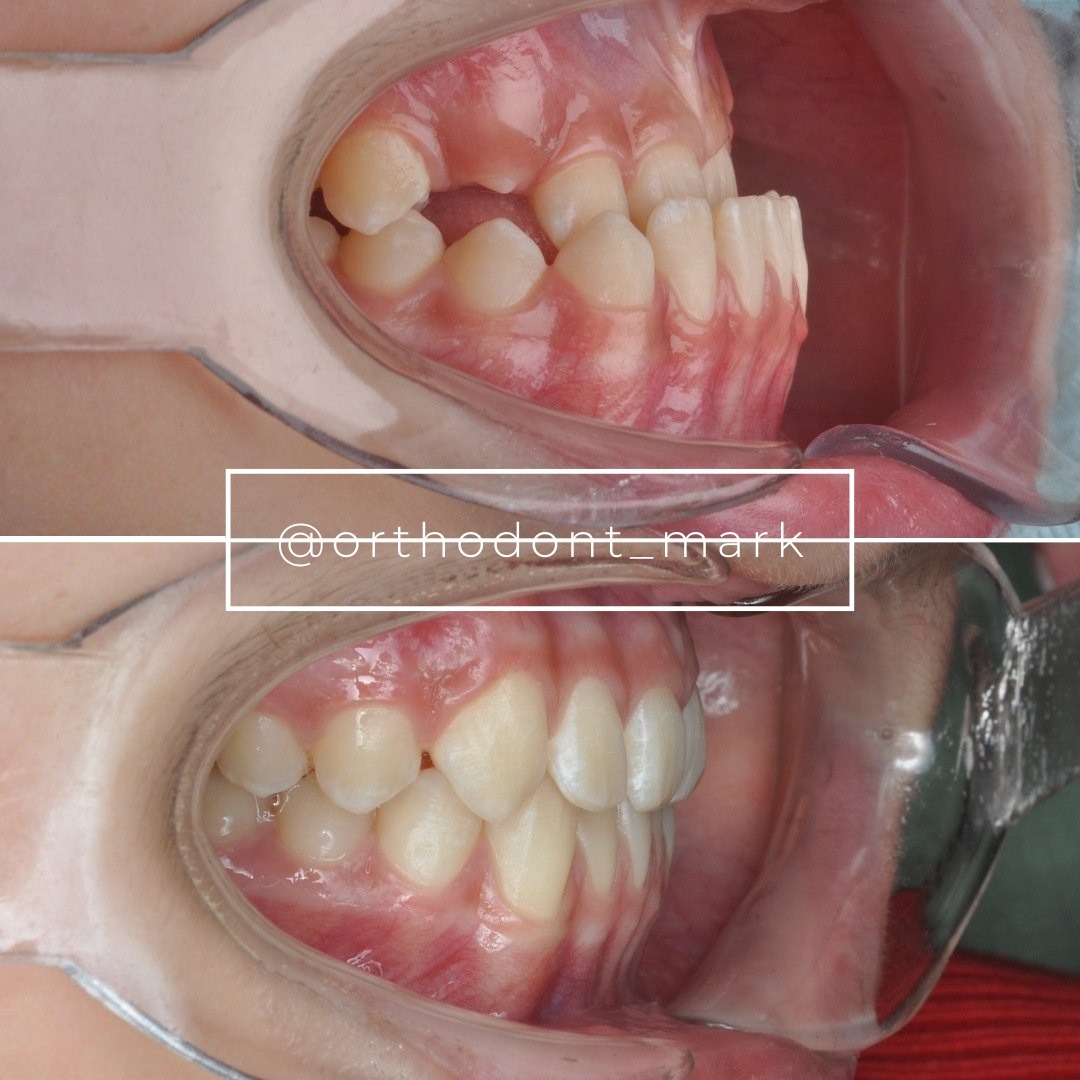
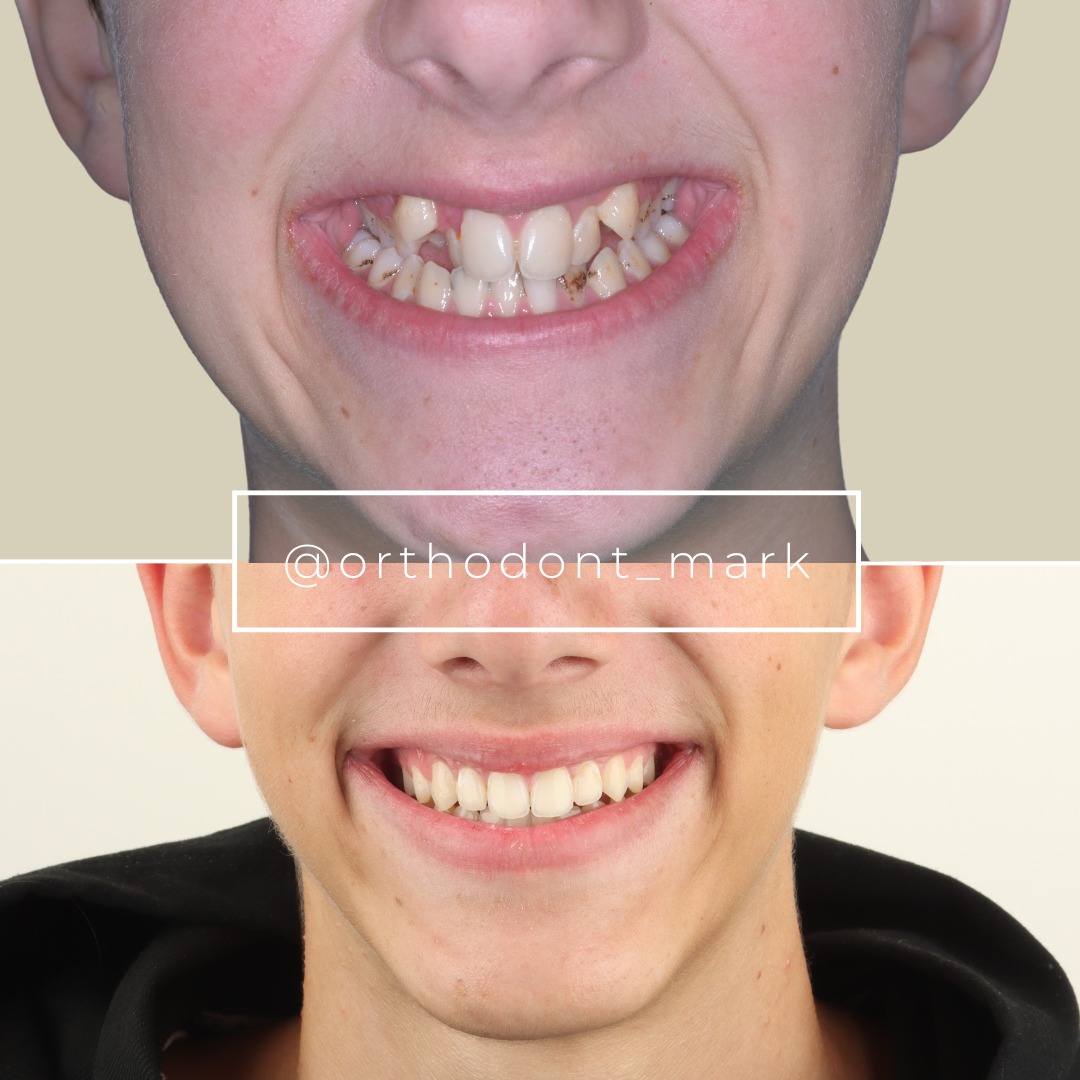
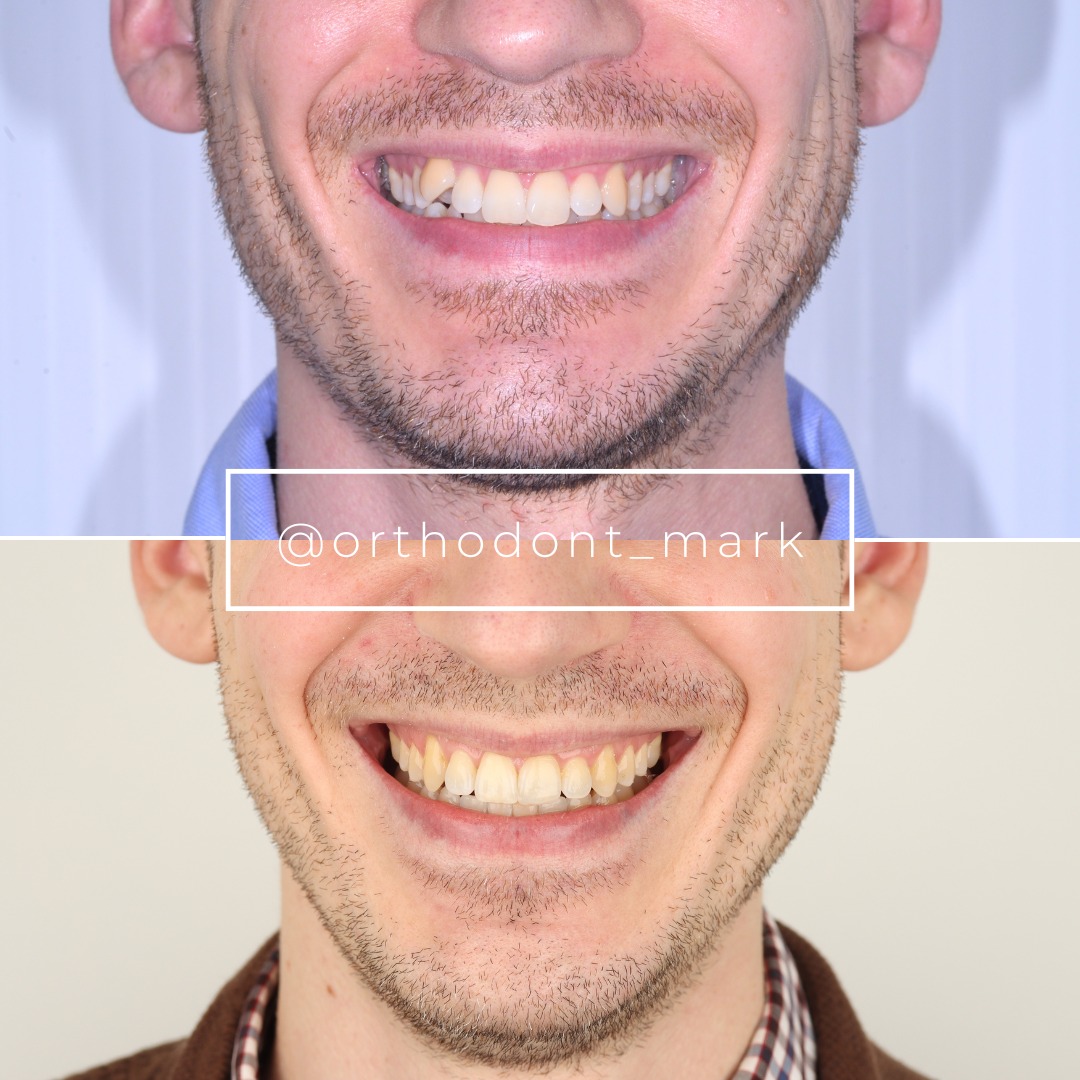
Learn the full MARPE protocol from Dr. Mark Radzhabov
Fundamental course covering CBCT patient selection, miniscrew planning, activation protocols, and 60+ clinical cases. Choose the access level that fits your practice.
Essentials of rapid palatal expansion for practicing orthodontists.
- Core RPE concepts and biomechanics
- 6 structured video lessons
- Clinical decision checklists
- Lifetime access to recordings
Deep-dive into MARPE protocol, diagnostics, and clinical execution.
- 6 modules covering MARPE from A to Z
- CBCT case selection walkthroughs
- Miniscrew placement and activation
- 60+ annotated clinical cases
- Direct Q&A with Dr. Mark Radzhabov
5-element medical consultation framework for dentists and orthodontists.
- Trust-building consultation protocol
- 5 lesson modules
- Templates for treatment plan delivery
- Works with any clinical specialty
Clinical FAQ
What is the optimal timing to begin fixed appliance mechanics during miniscrew-assisted rapid palatal expansion?
Fixed appliances should be placed before expansion begins for bracket positioning, but major dentoalveolar mechanics (archwire activation, moment application, space closure) must be deferred until after consolidation (week 18+), when radiographic evidence of suture ossification is confirmed via CBCT.
How does miniscrew force direction affect combined force interference with tooth movement?
Miniscrews apply rigid, bone-anchored lateral and slight vertical forces that do not yield to periodontal ligament compliance. When archwire forces (which are PDL-mediated and elastic) act on the same teeth concurrently, the mismatch creates hyalinization, delayed remodeling, and excessive anchor tooth buccal flare.
What patient age cutoff requires protocol modification for MARPE staging?
Patients >25 years show declining suture separation rates and require extended Phase 1 (3+ weeks) and Phase 2 (12–14 weeks) timelines. Males >25 show particular risk (61% success) and may benefit from CBCT pre-assessment or SARPE consideration.
How do I detect miniscrew overloading caused by combined force interference?
Radiographic signs include halo effect around miniscrew body (PDL widening), widened periodontal space at anchor tooth roots, and mobility or rocking of miniscrew head on clinical examination. Clinical signs include prolonged soreness beyond day 3–4 and slowed expansion progress.
Can I use heavy archwires during the active expansion phase of MARPE?
No. Heavy wires (0.019×0.025“ stainless steel) create significant moment and friction that amplifies combined force effects. Use only light, flexible wires (0.014” CuNiTi or 0.016" NiTi) during Phases 1–2. Advance to full-sized wire only in Phase 3 (consolidation or later).
What is the expected ratio of skeletal to dental widening in a properly staged MARPE case?
With strict three-phase sequencing, studies show approximately 50% skeletal widening (true suture separation and palatal bone expansion) and 50% dental widening. Concurrent-force protocols often show 30–40% skeletal and 60–70% dental (excessive tipping).
Should I reduce expansion activation if the patient complains of significant soreness during Phase 2?
Yes. Soreness beyond the first 2–3 days indicates periosteal inflammation or PDL overloading, especially if combined with fixed appliance forces. Reduce daily activation from 3 to 2 turns/day and assess miniscrew stability radiographically.
How long must consolidation last before I can apply major dentoalveolar correction forces?
Minimum 6 weeks of consolidation with minimal expansion activation is recommended; 8–10 weeks is safer in older patients. Only after post-consolidation CBCT confirms suture mineralization and stable skeletal gain should aggressive tooth-moving mechanics begin.
Do female and male patients require different MARPE force protocols?
Yes. Males show significantly lower suture separation success rates, particularly after age 25 (61% vs. 94% in females). Males should receive extended Phase 2 timelines, lower activation rates (2–3 turns/day instead of 3–4), and mandatory CBCT confirmation before Phase 3 advancement.
What should I document at each weekly MARPE follow-up visit to monitor force interference risk?
Document miniscrew mobility, intermolar width gain, archwire slack (no friction engagement), patient-reported soreness, and oral hygiene status. Obtain periapical radiographs at weeks 3, 6, and 10 to inspect miniscrew position and anchor root parallelism for signs of tipping or PDL stress.
Successful MARPE therapy depends on intelligent force sequencing, not aggressive simultaneous loading. The evidence clearly demonstrates that staged protocols—completing suture separation and consolidation before major dentoalveolar mechanics—yield superior skeletal outcomes, lower anchor tooth displacement, and higher device success rates. Dr. Mark Radzhabov recommends a thorough case review using low-dose CBCT at key decision points. If you manage moderate to severe maxillary transverse deficiency in adolescent or adult patients, enroll in Orthodontist Mark's MARPE certification course or schedule a treatment consultation to refine your staging strategy.