
Bite Force Changes During MARPE
Track Functional Outcomes
What Occlusal Dynamics Reveal About Skeletal Response
Monitor how transverse expansion reshapes bite force distribution. Learn clinical protocols for detecting midpalatal separation, preventing anchor tooth complications, and optimizing treatment pace through functional assessment.
TL;DR Bite force changes during MARPE reflect skeletal and dentoalveolar adaptation to transverse expansion. Monitoring occlusal force dynamics helps clinicians assess midpalatal suture separation, detect anchor tooth side effects, and predict treatment success. Serial bite force measurements provide objective, functional tracking beyond radiographic assessment alone.
Functional assessment of rapid palatal expansion remains underexplored in clinical practice, yet bite force dynamics offer a measurable window into skeletal adaptation during treatment. Dr. Mark Radzhabov emphasizes that monitoring bite force changes throughout MARPE therapy provides clinicians with objective, real-time feedback on treatment progress—data that radiographs alone cannot fully capture. This article reviews how transverse expansion alters occlusal force distribution, what bite force patterns predict midpalatal suture separation, and how to integrate functional tracking into your MARPE protocol. Understanding these biomechanical shifts enables earlier detection of side effects, more informed expansion pace decisions, and stronger evidence-based patient communication about skeletal response.
What Is Bite Force Tracking in MARPE?
Functional Assessment
Bite force tracking during MARPE is the serial measurement of occlusal force magnitude and distribution at baseline, during active expansion, and through consolidation, used to assess functional adaptation and predict skeletal treatment success. Unlike conventional radiographic monitoring, bite force dynamics provide real-time, quantifiable feedback on how the patient's dentition and periodontal support are accommodating transverse skeletal change. As expansion progresses, the magnitude and lateral distribution of bite force shift—an objective marker of midpalatal suture separation, anchor tooth movement, and dentoalveolar compensation. The clinical relevance lies in early detection of maladaptive patterns: asymmetric bite force increases may signal uneven suture separation or premature anchor tooth tipping, while declining or plateauing force measurements may indicate periodontal stress or inadequate skeletal response. A 2022 prospective randomized clinical trial using low-dose cone-beam computed tomography (CBCT) found that MARPE patients demonstrated greater bilateral first premolar and molar maxillary width gain with lesser buccal displacement of anchor teeth compared to conventional RPE—a pattern reflected in more symmetric, stable bite force curves. Functional tracking therefore complements radiographic evidence, allowing clinicians to detect treatment drift early and adjust expansion velocity or consolidation timing before complications arise. Integrating bite force measurement into your MARPE workflow requires baseline recording (before miniscrew placement), periodic measurement during the active expansion phase (every 2–4 weeks), and post-expansion assessment at consolidation milestones. Serial data reveal individual biomechanical signatures: some patients show rapid force gain consistent with aggressive skeletal separation, while others demonstrate slower, more gradual adaptation requiring extended consolidation. This individual variability is not visible on radiographs alone and underscores why functional assessment is essential for precision treatment planning.
Occlusal Force Changes Across the MARPE Timeline
Skeletal Adaptation Phases
Bite force dynamics evolve predictably through three phases of miniscrew-assisted expansion: the initial response phase (days 1–7 after miniscrew placement), the active expansion phase (weeks 2–8 of screw activation), and the consolidation phase (weeks 8–16 with retention). Understanding these temporal patterns helps you interpret force measurements and anticipate when treatment adjustments may be needed. During the initial phase, baseline bite force typically remains stable or shows slight asymmetry reflecting the stress concentration around newly placed miniscrews. Once activation begins, symmetric patients often exhibit symmetrical bilateral force increase as the maxilla begins to respond to transverse load. Patients with pre-existing asymmetries—such as unilateral crossbite or posterior unilateral restriction—often show lateralized force curves that gradually centralize as skeletal expansion progresses, signaling functional accommodation to widening. In the active expansion phase (weeks 2–8), bite force magnitude generally increases linearly with screw turns, peaking around week 6–7 when midpalatal suture separation is maximal. However, force plateau or decline during this window may indicate incomplete suture separation, excessive dentoalveolar compensation (anchor tooth tipping rather than skeletal movement), or early periodontal fatigue. Clinically, if a patient's bite force plateaus before target expansion (typically 7–10 mm intercanine widening) is achieved, CBCT confirmation of suture separation is warranted. If skeletal response is poor, surgical assistance (SARME) may be indicated. Conversely, excessively rapid force gain in week 2–3 may suggest dentoalveolar dominance, prompting a reduction in activation frequency (from 1 turn daily to 0.5–0.75 turns daily) to allow skeletal creep. During consolidation, bite force typically stabilizes at an elevated baseline—higher than pre-treatment due to wider maxillary intermolar distance and altered lever arms. Gradual force normalization (decrease of 5–15%) over 8–12 weeks of retention reflects completion of dental and periodontal remodeling and is a positive prognostic sign. Persistent elevation or further increase during consolidation may indicate residual dentoalveolar tipping that requires continued orthopedic holding or earlier orthodontic finishing phases.
Implementing Bite Force Tracking in Your MARPE Practice
Practical Measurement Protocol
Integrating bite force measurement into MARPE requires minimal additional time and equipment. A portable bite force gauge (range 0–900 N) positioned at the bilateral first molars provides standardized, repeatable measurements. Record force at three sites: bilateral first molars (primary expansion zone) and bilateral first premolars (secondary zone), instructing patients to bite naturally (not maximally) to simulate functional conditions. Aim for three measurements at each site, calculate the mean, and record bilaterally to detect asymmetries. Baseline assessment (1 week pre-miniscrew insertion): Obtain three separate readings at all six points (bilateral molars and premolars) across 3–5 days to establish individual baseline variability. Many patients show 10–20% natural day-to-day variance. Knowing this range prevents misinterpretation of early post-placement changes. Document baseline asymmetry ratio (left/right force ratio at molars). Ratios >1.15 suggest pre-existing lateralization that should normalize as expansion progresses. During active expansion (every 2–4 weeks): Perform standardized measurement at the same appointment as screw activation, using identical patient posture and force application instructions. Plot force gain on a simple graph (y-axis: total bilateral molar force in Newtons, x-axis: weeks elapsed). Expected trajectory: linear increase of approximately 30–50 N per week in the first 6 weeks, then plateau by week 7–8. If plateau occurs before target expansion, request CBCT to confirm midpalatal suture separation. If separation is confirmed, bite force plateau is often dentoalveolar in origin, signaling the need for reduced activation frequency. Asymmetry monitoring: Calculate left/right molar force ratio at each visit. Ratios >1.2 (one side generating >20% more force) warrant investigation: is the patient chewing preferentially on one side (behavioral), or is skeletal expansion asymmetric? Combine force asymmetry with intraoral photography and CBCT width measurements (nasal, maxillary, canine) to distinguish functional asymmetry (which may self-correct) from structural asymmetry (which may require treatment plan modification). Consolidation phase (months 3–6 post-expansion): Continue bi-weekly or monthly measurement. Expect gradual 5–15% force reduction as periodontal remodeling completes and dentoalveolar overcompensation normalizes. If force remains elevated or increases during consolidation, consider extended retention or earlier transition to fixed appliance therapy to prevent relapse. Dr. Mark Radzhabov's clinical protocol incorporates bite force trending into treatment stage decisions: if force curves align with CBCT evidence of suture separation and symmetric maxillary widening, proceed with planned 8-week expansion. If force plateaus early or becomes asymmetric, modify activation frequency or request surgical consultation before complications compound.
Bite Force as a Predictor of Midpalatal Suture Separation
Success Indicators
A key clinical question is whether bite force trajectory can predict midpalatal suture separation before radiographic confirmation. Preliminary clinical observation suggests that patients who demonstrate symmetric bilateral force increase of ≥25% by week 4 of active expansion have a high likelihood of successful suture separation, while those with force increases <15% or marked asymmetry (left/right ratio >1.3) warrant early CBCT assessment to rule out incomplete separation or unilateral miniscrew failure. In a 2022 prospective randomized clinical trial comparing conventional RPE and MARPE, the MARPE group achieved greater nasal width and palatine foramen widening at identical expansion (35 turns), accompanied by less anchor tooth buccal displacement. This skeletal dominance is typically reflected in more consistent, symmetric bite force gain curves: MARPE patients show greater force symmetry than RPE patients because skeletal load bearing distributes forces more evenly across the maxilla. Conversely, RPE patients—where much expansion is dentoalveolar—often show more variable, less predictable force curves due to greater anchor tooth tipping and lateral force concentration. Detecting anchor tooth complications early: If bite force asymmetry develops or worsens after week 3 of expansion (e.g., left/right molar ratio increases from 1.1 to 1.35), this may signal unilateral anchor tooth tipping or miniscrew loosening on one side. Combined with intraoral photography (checking for unilateral buccal flaring of first molars) and CBCT (measuring individual tooth buccal displacements), bite force asymmetry becomes actionable: reduce activation frequency on the high-force side, confirm miniscrew stability via percussion testing, or reposition the appliance. Early intervention prevents the scenario where asymmetric dentoalveolar compensation undermines skeletal gains. Patient-reported comfort also correlates with bite force patterns. Patients who develop progressive bite force increases often report manageable discomfort (2–4/10 pain scale) with force peaking around day 3–5 post-activation, then normalizing by day 7. Patients with sharp bite force asymmetry or sudden force drop often report localized discomfort (unilateral molar or anterior) suggesting mechanical failure (miniscrew loosening, appliance fracture) rather than normal expansion stress. These patient cues, combined with force data, guide troubleshooting.
Misinterpreting Bite Force Signals: Common Clinical Pitfalls
Troubleshooting Framework
Bite force data are only as reliable as the measurement protocol. A frequent mistake is inconsistent measurement site or patient posture: measuring at molars one visit, premolars the next, or allowing variable head position, jaw opening, or force application effort. This introduces noise that obscures true force trends. Solution: laminate a one-page protocol card for your operatory listing exact bite sites, patient posture (head upright, natural jaw position, bite force applied slowly over 2 seconds), and expected baseline range. Train both clinical staff and patients that this is a brief, objective outcome measure—not maximum bite force testing, which would introduce variability. Another pitfall is over-interpreting early force decline as treatment failure. In the first 7–14 days post-miniscrew placement, some patients show 5–10% force reduction due to post-operative soreness, inflammation, or behavioral avoidance of the expansion zone. This is normal and typically resolves by week 3. Avoid recommending treatment modifications (reduced activation, pause) based on week 1–2 force data alone; wait until week 3 baseline is established before interpreting trends. Confusing dentoalveolar compensation with inadequate skeletal response is a common pitfall. A patient may show strong bite force gain (indicating dental adaptation) but modest skeletal widening on CBCT (indicating poor midpalatal separation). This pattern—high force gain + low skeletal gain—suggests the appliance is primarily tipping anchor teeth buccally rather than opening the suture. The corrective action is not to increase activation frequency, but to decrease it and allow longer healing windows (e.g., shift from 1 turn/day to 0.75 turns every other day) to encourage skeletal creep over dental movement. Bite force data helps you recognize this pattern before months of treatment are wasted on dental tipping. Asymmetry misinterpretation is another trap. A patient presenting with 1.3 left/right molar force ratio may have pre-existing unilateral posterior crossbite, functional unilateral chewing habit, or true structural asymmetry in skeletal response. Always correlate bite force asymmetry with intraoral photography, dental casts, and CBCT measurements of individual maxillary buccal tooth position and skeletal widths. If force asymmetry is behavioral (habit), patient education and conscious bite re-training often normalize it. If it is structural (one miniscrew looser, one side of suture separating faster), modify appliance position or activation. Bite force in isolation is a signal. It is not a diagnosis.
Bite Force Tracking and CBCT Correlation: Building Your Evidence Portfolio
Multimodal Assessment
The gold standard for MARPE monitoring combines bite force dynamics with low-dose CBCT imaging at key time points: baseline, immediately post-expansion (T1), and post-consolidation (T2). This multimodal approach quantifies both functional adaptation and skeletal structural change, creating a comprehensive treatment record and strengthening clinical decision-making. Baseline and T1 imaging (immediately post-expansion): Obtain low-dose CBCT before miniscrew placement (baseline), then at the 8-week mark when target expansion is achieved. At T1, measure: (1) midpalatal suture separation (discontinuity at the midline on axial sections), (2) molar and canine maxillary widths (buccal to buccal on the dental level), (3) nasal floor width (anatomic indicator of true skeletal expansion), and (4) individual anchor tooth buccal displacements (distance from baseline to post-expansion tooth center, measured on axial slices). These skeletal and dental measurements anchor your interpretation of bite force gain. If bite force rose 40% but suture separation is <1 mm and individual molar buccal displacement is >2 mm, you have evidence of dentoalveolar dominance requiring protocol adjustment. Correlation matrix: Create a simple spreadsheet tracking: (1) week of treatment, (2) cumulative screw turns, (3) bilateral molar bite force (left, right, mean), (4) asymmetry ratio, (5) radiographic widths (from CBCT at T1), and (6) clinical observations (pain, discomfort, intraoral changes). Over successive cases, patterns emerge: perhaps your patient population consistently shows 35–45% bite force gain by week 8 alongside 7–9 mm maxillary width gain and 0.5–1.0 mm suture separation. This becomes your practice benchmark, allowing you to flag outliers (patient showing only 15% force gain or >3 mm anchor tooth movement) as candidates for protocol modification or surgical upgrade. T2 imaging and consolidation force dynamics: At 3–4 months post-expansion (T2, during consolidation), repeat CBCT to assess dentoalveolar and skeletal stability. Compare T2 widths to T1 to quantify relapse. Simultaneously, track bite force trends: if force has dropped 5–10% and radiographic widths are stable, remodeling is proceeding normally. If force is rising and widths are narrowing slightly (1–2 mm relapse), this suggests continued dentoalveolar compensation and may prompt earlier transition to fixed appliances to re-stabilize the expansion. Dr. Mark Radzhabov's advanced clinical framework uses this data integration to individualize consolidation duration and finishing sequencing. A patient with stable bite force (no change from T1 to T2 week 8) and minimal skeletal relapse may be cleared for miniscrew removal and transition to fixed appliances by month 4. A patient with rising force and dentoalveolar relapse may require extended retention (8–10 months, not 6) to allow full periodontal and skeletal maturation. This precision prevents over-treatment and under-retention. Research and case documentation: Serial bite force and CBCT data create a rich clinical record suitable for case reports, practice audits, and eventual contribution to the orthopedic literature. As bite force tracking in MARPE remains understudied, clinicians who systematically record and analyze these outcomes contribute valuable evidence to the field and strengthen their professional reputation.
Free Clinical Guide
Which Expansion Appliance at Which Age?
Get Dr. Mark Radzhabov's guide to skeletal-expansion appliances — indications, pros & cons, and how to choose by patient age. Free to your inbox.
Prefer video? Watch the free demo lesson on MARPE appliance types, features and trade-offs.
Documented outcomes
Clinical cases from Dr. Mark Radzhabov's practice
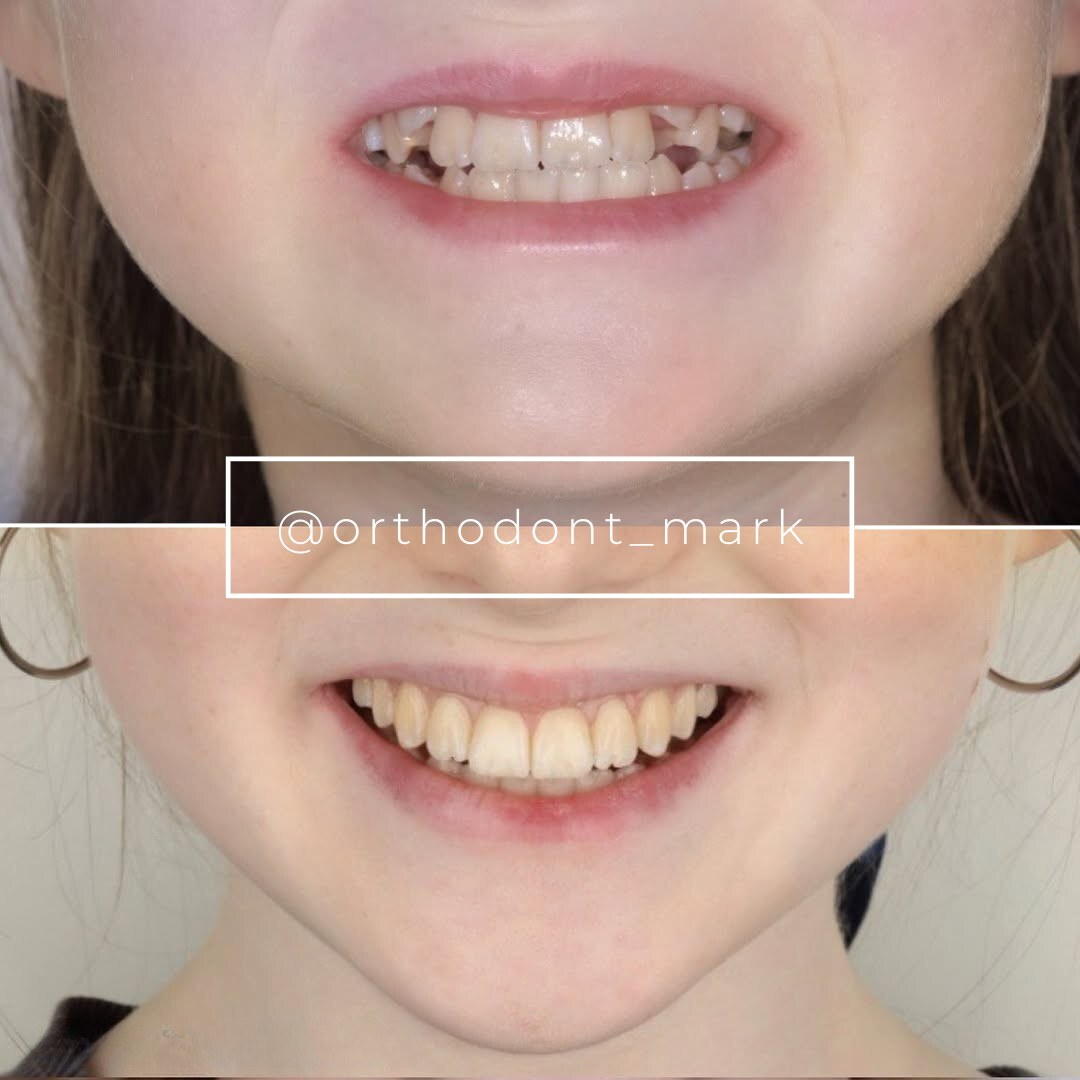
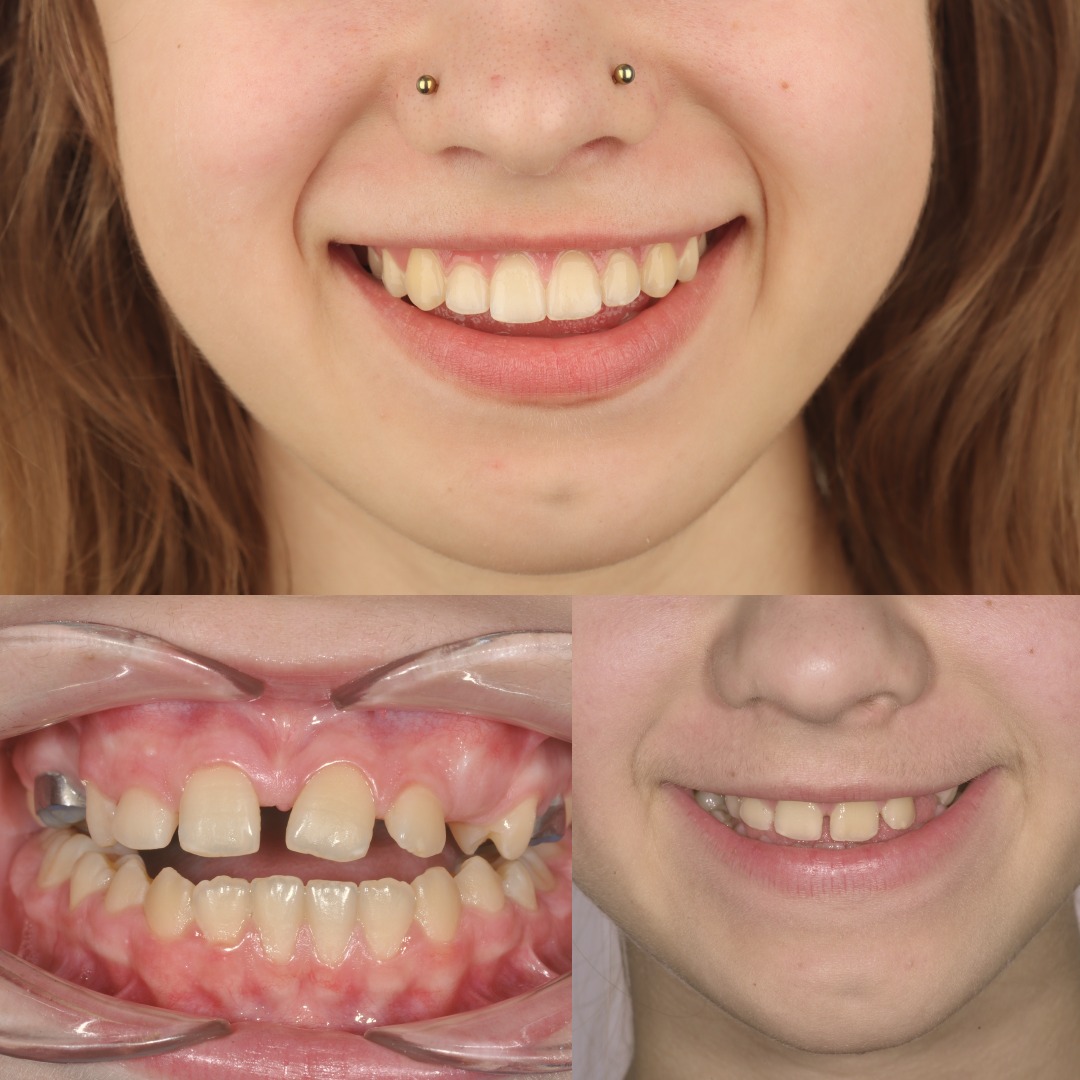
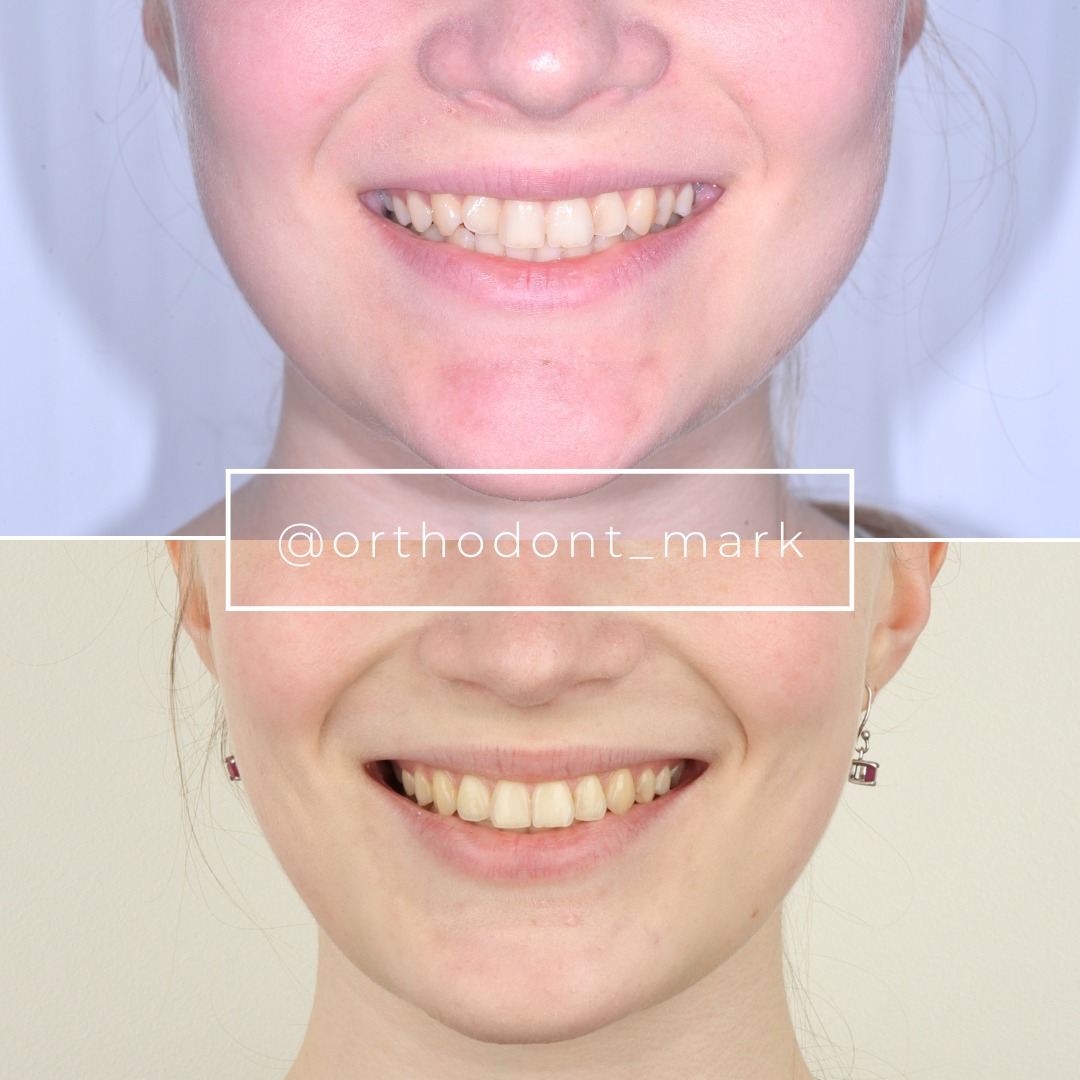
Learn the full MARPE protocol from Dr. Mark Radzhabov
Fundamental course covering CBCT patient selection, miniscrew planning, activation protocols, and 60+ clinical cases. Choose the access level that fits your practice.
Essentials of rapid palatal expansion for practicing orthodontists.
- Core RPE concepts and biomechanics
- 6 structured video lessons
- Clinical decision checklists
- Lifetime access to recordings
Deep-dive into MARPE protocol, diagnostics, and clinical execution.
- 6 modules covering MARPE from A to Z
- CBCT case selection walkthroughs
- Miniscrew placement and activation
- 60+ annotated clinical cases
- Direct Q&A with Dr. Mark Radzhabov
5-element medical consultation framework for dentists and orthodontists.
- Trust-building consultation protocol
- 5 lesson modules
- Templates for treatment plan delivery
- Works with any clinical specialty
Clinical FAQ
How does bite force change during active palatal expansion?
Bite force typically increases linearly 30–50 N/week during the first 6–7 weeks of active MARPE expansion, peaking when midpalatal suture separation is maximal. Plateau or decline before target expansion suggests dentoalveolar compensation or incomplete suture opening, warranting CBCT confirmation.
What bite force asymmetry ratio indicates an underlying MARPE problem?
Left/right molar bite force ratio >1.2–1.3 suggests unilateral structural asymmetry (miniscrew loosening, uneven skeletal separation) or behavioral asymmetry (preferential chewing). Correlate force asymmetry with CBCT skeletal widths and intraoral photography to differentiate mechanism.
Can bite force measurement predict midpalatal suture separation before CBCT?
Preliminary clinical observation suggests that symmetric bilateral force increase ≥25% by week 4 correlates with successful suture separation, but CBCT remains the gold standard for confirmation. Bite force is a prognostic signal, not a diagnostic replacement for imaging.
How often should I measure bite force during MARPE treatment?
Measure bite force every 2–4 weeks during the 8-week active expansion phase at the same appointment as screw activation. Include baseline assessment (3–5 days pre-miniscrew placement) and consolidation monitoring (bi-weekly to monthly during 6-month retention).
What does declining bite force during active expansion mean?
Early post-operative decline (weeks 1–2) is normal due to inflammation. Decline during active expansion (weeks 3+) may indicate periodontal stress, miniscrew loosening, or compensatory dentoalveolar tipping. Combine with clinical examination and CBCT before interpreting as treatment failure.
Should bite force drop during the consolidation phase after MARPE?
Yes. A 5–15% decline in bite force during 8–12 weeks of consolidation is expected and reflects completion of periodontal remodeling and normalization of dentoalveolar overcompensation. Persistent elevation suggests incomplete remodeling. Extend retention or transition to fixed appliances.
How do I distinguish dentoalveolar compensation from skeletal expansion using bite force?
High bite force gain (>40%) combined with modest CBCT skeletal widening (<5 mm) and large individual anchor tooth buccal displacement (>2 mm) indicates dentoalveolar dominance. Reduce activation frequency to encourage skeletal creep over dental movement.
What equipment is needed for bite force measurement in the MARPE chair?
A portable bite force gauge (range 0–900 N) is sufficient. Record bilateral first molars and first premolars using standardized patient posture (upright head, natural jaw position, gradual 2-second force application) to minimize measurement variability.
How does MARPE bite force tracking compare to conventional RPE?
MARPE patients typically show more symmetric, predictable bite force curves due to greater skeletal load bearing and less anchor tooth tipping. RPE patients exhibit more variable force patterns reflecting greater dentoalveolar compensation and anchor tooth movement.
What should I tell patients about bite force measurement and MARPE outcomes?
Explain that bite force is an objective marker of how their maxilla and teeth are adapting to expansion—like a functional 'health check' that helps me adjust treatment speed and catch problems early. It complements X-rays and keeps treatment safe and efficient.
Bite force monitoring transforms MARPE from a geometric undertaking into a functional, evidence-informed treatment journey. By tracking occlusal force changes alongside radiographic and clinical landmarks, you gain a complete picture of how your patient's skeleton, periodontal tissues, and dentition are responding to skeletal expansion. Dr. Mark Radzhabov's clinical framework demonstrates that functional assessment accelerates decision-making and reduces costly complications. Ready to integrate bite force tracking into your practice? Schedule a consultation or enroll in the Orthodontist Mark advanced MARPE course to learn the specific protocols and case-selection strategies that define modern skeletal expansion management.