
MARPE Vibration Therapy:
Cyclic Loading
Evidence for Suture Acceleration
Review the biomechanical rationale, animal model evidence, and current clinical limitations of vibration-assisted miniscrew expansion for adult palatal widening.
TL;DR MARPE vibration therapy applies cyclic mechanical loading to the palatal sutures to theoretically accelerate skeletal expansion remodeling. Current evidence remains limited. Animal studies show suture bone regeneration under distraction, but human clinical trials specifically evaluating vibration-assisted miniscrew expansion are sparse. Clinicians should rely on established MARPE load protocols and patient selection rather than vibration as a primary acceleration strategy.
Mechanical vibration and cyclic loading have emerged as adjunctive strategies in contemporary orthodontic practice, particularly in adult skeletal expansion. This article examines the scientific rationale for MARPE vibration therapy—a technique that applies low-frequency oscillatory forces to accelerate midpalatal suture remodeling—and reviews available evidence on whether cyclic loading genuinely speeds up skeletal expansion outcomes. Dr. Mark Radzhabov synthesizes clinical biomechanics, suture biology, and published research to help you evaluate vibration protocols critically: when they may enhance results, their limitations, and how they fit into a comprehensive miniscrew-assisted expansion strategy.
What Is MARPE Vibration Therapy and Why Consider It?
vibration therapy
MARPE vibration therapy applies low-frequency oscillatory forces—typically 25–50 Hz—directly to miniscrew-anchored rapid palatal expansion appliances. The theoretical mechanism is based on Wolff's Law and mechanotransduction principles: cyclic loading of bone stimulates osteoblast activity, accelerates remodeling, and may enhance the rate of new bone formation within the palatal suture space. Unlike static force alone, intermittent vibration theoretically creates a unique biological stimulus that encourages faster sutural separation and tissue regeneration. The appeal is intuitive—if we can enhance the biological response to expansion force, clinical treatment duration might shorten. However, translating this concept from theoretical mechanics to proven clinical outcomes requires careful examination of the evidence. Animal models of suture distraction have demonstrated that cyclic loading does promote bone regeneration. A seminal rabbit study showed that after 7 days of twice-daily activation of sutural expansion with orthodontic micro-implants as anchorage, the interfrontal suture (a functionally equivalent structure to the midpalatal suture) widened by 3.72–4.45 mm with significant new bone formation in the expanded gap. The tissue regenerated predictably within retention periods of 2–8 weeks, supporting the concept that mechanical stimulus at the suture promotes osteogenic healing. Yet a critical gap exists: the leap from animal suture distraction to human MARPE vibration outcomes is not straightforward. Rabbit frontal sutures differ from human palatal sutural anatomy, healing kinetics differ, and the biological response to vibration frequency may not translate identically across species. Furthermore, most published MARPE literature focuses on load magnitude, miniscrew diameter, insertion depth, and fixation type—not vibration frequency or amplitude.
How Miniscrew Fixation Type and Placement Affect Force Distribution
bicortical fixation
The efficacy of any MARPE protocol—vibration or static—depends first on miniscrew anchorage stability, which is governed by fixation type and insertion geometry. Bicortical fixation, where the screw engages both the palatal cortical bone and the nasal cortical layer, provides superior stability compared to monocortical anchorage. This two-point cortical engagement reduces screw micromotion, lowers the stress concentration at the screw–bone interface, and promotes more parallel opening of the midpalatal suture. When miniscrews are placed bicortically, the force vector remains more orthogonal to the suture, allowing expansion force to be directed efficiently across the sutural complex. In contrast, monocortical fixation creates a greater bending moment and unequal stress distribution, leading to tilting of the expansion vector and asymmetric suture separation. This geometric consideration is foundational: if the screw itself moves or the force vector is poorly directed, the theoretical benefit of vibration—which depends on consistent cyclic loading of the suture—is immediately compromised. Dr. Mark Radzhabov emphasizes that screw insertion depth also inversely correlates with stress magnitude. Deeper insertion and larger screw diameter reduce the stress borne by the surrounding bone and improve the load-sharing profile. In the context of vibration therapy, this means that the amplitude of cyclic displacement at the suture depends not only on the vibration frequency applied to the appliance but also on the rigidity of the entire fixation system. A poorly fixed or inadequately angled miniscrew will dissipate vibration energy as screw micromotion rather than transmitting it cleanly to the sutural complex.
Sutural Remodeling Under Cyclic Loading: What Animal Models Show
bone regeneration
Animal models provide the clearest evidence that mechanical distraction of sutural structures promotes bone formation. In a controlled rabbit study of orthodontic micro-implant-assisted suture expansion, researchers placed bicortical miniscrews across the interfrontal suture (the rabbit equivalent of the midpalatal suture) and activated the expansion device twice daily for 7 consecutive days. After completion of activation, retained animals showed that the sutural gap widened predictably, with new bone deposited into the expanded space over subsequent weeks. Crucially, the animals tolerated the procedure well without neurological complications, and radiographic markers confirmed that the expanded gap persisted through 8-week retention periods, indicating stable bone remodeling rather than relapse. These findings align with foundational studies on distraction osteogenesis (DO), which has long demonstrated that cyclic separation of bone surfaces triggers a stereotyped healing response: an initial inflammatory phase, followed by fibrogenesis, osteoid formation, and finally mineralization. The rate-limiting step in DO is osteoid maturation and mineralization, which typically unfolds over weeks. While this timeline is valuable in orthognathic surgery, the question for MARPE vibration is whether adding a secondary cyclic stimulus (vibration) to primary mechanical distraction (screw activation) further accelerates these phases. Animal studies examining oscillatory loading (vibration) frequencies in other orthopedic contexts—such as implant osseointegration and fracture healing—report that frequencies in the 25–50 Hz range with amplitudes of 0.3–1 mm appear to enhance osteogenic differentiation and increase bone density. However, most of this evidence comes from studies in long-bone fractures or dental implant applications, where the bone response differs from sutural healing. The biological mechanisms that drive vibration-enhanced healing in cortical bone may not translate identically to the fibrocellular milieu of a suture.
MARPE Activation Protocol and the Role of Cyclic vs. Static Force
activation protocol
Standard MARPE protocols employ screw activation at a fixed rate—typically 0.5 mm per week (0.1 mm per day) or 1 mm per week depending on clinician preference and suture maturation status. This continuous or near-continuous static load is well-established to overcome sutural resistance and create skeletal expansion. The choice of activation rate is guided by radiographic signs of midpalatal suture separation (visible diastema, radiographic lucency at the suture) and patient tolerance to pain or pressure sensation. When practitioners propose adding vibration to MARPE, the intended mechanism is to superimpose a cyclic stimulus onto the baseline static activation force. In theory, this could: 1. Accelerate fibrocellular reorganization within the sutural gap by preventing static adhesions and promoting fluid dynamics through the expanding space; 2. Enhance osteogenic signaling by introducing a mechanical stimulus that mimics natural load-bearing variability; 3. Reduce pain or discomfort by distributing force more dynamically, rather than as a constant static load. However, the practical implementation remains unclear. Most published MARPE literature does not specify whether vibration frequency (if applied) differs between patients, whether amplitude is standardized, or whether vibration is delivered daily or at intervals. The absence of a standardized protocol reflects the current state: vibration for MARPE expansion is not yet evidence-backed enough to have a defined best-practice activation paradigm. Clinically, the far more robust determinants of MARPE success are accurate patient selection (assessing midpalatal suture maturation via CBCT and age), bicortical miniscrew fixation, appropriate force magnitude (typically 200–400 cN per side for palatal expansion), and monitoring of suture separation radiographically. These factors have been validated across multiple case series and reviews. Vibration, by contrast, remains an experimental addition.
Why Vibration-Assisted MARPE Lacks Robust Clinical Data
clinical evidence
A systematic search of the orthodontic literature reveals remarkably few human clinical trials specifically comparing MARPE with and without vibration therapy. The reasons are multifaceted. First, most MARPE case series and cohort studies report outcomes under standard static-activation protocols without vibration, making historical controls unavailable. Second, the heterogeneity in vibration devices (piezoelectric vs. electromechanical), frequencies (10–100 Hz in various reports), amplitudes, and application schedules across different manufacturers and clinicians has prevented standardization. Third, blinded randomized controlled trials (RCTs) in MARPE are rare—the logistical and financial barriers to conducting a prospective, sham-controlled trial of vibration-assisted expansion are substantial. The few case reports and small uncontrolled series that mention vibration (often as a supplementary measure rather than a primary variable) do not isolate the effect of vibration from the underlying MARPE expansion force. For example, a clinician might report that a patient achieved faster suture separation, but attribute it to improved patient compliance with activation, better miniscrew fixation, or fortunate suture maturity—not to the vibration device. Without a concurrent control cohort receiving identical MARPE setup and force without vibration, causality cannot be inferred. In contrast, the MARPE literature is robust regarding miniscrew design (diameter, length, material), fixation biomechanics (monocortical vs. bicortical), and activation force magnitude. Multiple studies have characterized the skeletal and dental response to standard MARPE in both adolescents and adults, establishing that suture opening occurs, nasal width expands, and dentoalveolar compensation is predictable. The tried-and-tested pathway to success is meticulous diagnosis, correct screw placement, and appropriate force. Vibration, at this stage, should be viewed as an investigational enhancement, not a proven accelerator.
Should You Integrate Vibration Into Your MARPE Protocol?
decision framework
Given the current evidence, the decision to offer vibration therapy as part of MARPE should hinge on four criteria: 1. Screw Fixation Quality. Vibration only makes biomechanical sense if miniscrews are stable. Confirm bicortical engagement with CBCT, verify insertion depth is adequate (≥12 mm), and choose appropriate diameter (typically 2.0–2.5 mm for palatal placement). If monocortical fixation is necessary due to anatomy, vibration will not overcome the inherent micromotion—prioritize screw stability first. 2. Suture Maturation Assessment. Use CBCT to grade midpalatal suture maturation (fusion stage: A–E scale) before treatment. Patients with stage A or B fusion (anterior-only or mid-suture fusion) may respond faster to standard activation alone. Those with stage D–E (near-complete fusion) might benefit from an adjunctive strategy if available. However, this is a hypothesis pending validation, not an evidence-based recommendation. 3. Patient Tolerance and Cost–Benefit. Vibration devices add cost and require patient compliance (daily or multi-weekly application). If a patient is young, cooperative, and moving well on standard MARPE activation, the incremental benefit of vibration is uncertain. If a patient is an adult with advanced suture fusion and stalled expansion despite adequate force, vibration might be justified as a experimental option—but with informed consent that its specific benefit is unknown. 4. Standardized Protocol. If you elect to use vibration, define the frequency (e.g., 30 Hz), amplitude (e.g., 0.5 mm), and application schedule (e.g., 10 minutes daily) a priori, and document outcomes systematically. This approach transforms your experience into meaningful clinical data that can eventually feed into the evidence base. Dr. Mark Radzhabov advocates for evidence-driven decision-making. If vibration is to be adopted, it should be with deliberate measurement and honest outcome tracking, not as an uncritical add-on.
Research Needed to Validate Vibration-Assisted Skeletal Expansion
clinical validation
Several research gaps must be bridged before vibration therapy can be recommended as a standard adjunct to MARPE. First, a prospective, randomized controlled trial comparing identical MARPE setups with and without vibration (sham control) in matched cohorts is essential. Such a trial should standardize miniscrew design, insertion technique, force magnitude, and activation rate. Randomize patients to vibration (defined frequency and amplitude) versus sham device. And measure primary outcomes (suture separation velocity, time to predefined skeletal change, final transverse expansion gain) blinded and with radiographic verification. Second, studies using finite element analysis (FEA) or computational biomechanics could model the transmission of vibration force through the miniscrew–appliance system to the midpalatal suture, predicting where cyclic stress concentrates and whether frequencies in the 25–50 Hz range produce favorable stress distributions for osteogenesis. This theoretical work could guide device design and inform clinical protocols. Third, mechanistic studies in relevant animal models (such as primates or larger mammals with midpalatal sutures closer in anatomy to human) could confirm whether vibration frequencies shown to enhance healing in long-bone fractures or implant osseointegration also accelerate sutural remodeling. Such studies might reveal optimal frequency–amplitude combinations and retention-phase dynamics. Finally, long-term follow-up data from MARPE patients—with or without vibration—remains sparse. Understanding whether vibration affects the stability of expansion gains over 5–10 years is crucial. Relapse patterns, residual suture closure, and dentoalveolar compensation trajectories are poorly documented in the current literature. These evidence gaps are not unique to vibration. Much of MARPE science remains empirical rather than mechanistically proven. Addressing them transparently will elevate the field and help practitioners like you make truly evidence-based decisions.
Free Clinical Guide
Which Expansion Appliance at Which Age?
Get Dr. Mark Radzhabov's guide to skeletal-expansion appliances — indications, pros & cons, and how to choose by patient age. Free to your inbox.
Prefer video? Watch the free demo lesson on MARPE appliance types, features and trade-offs.
Documented outcomes
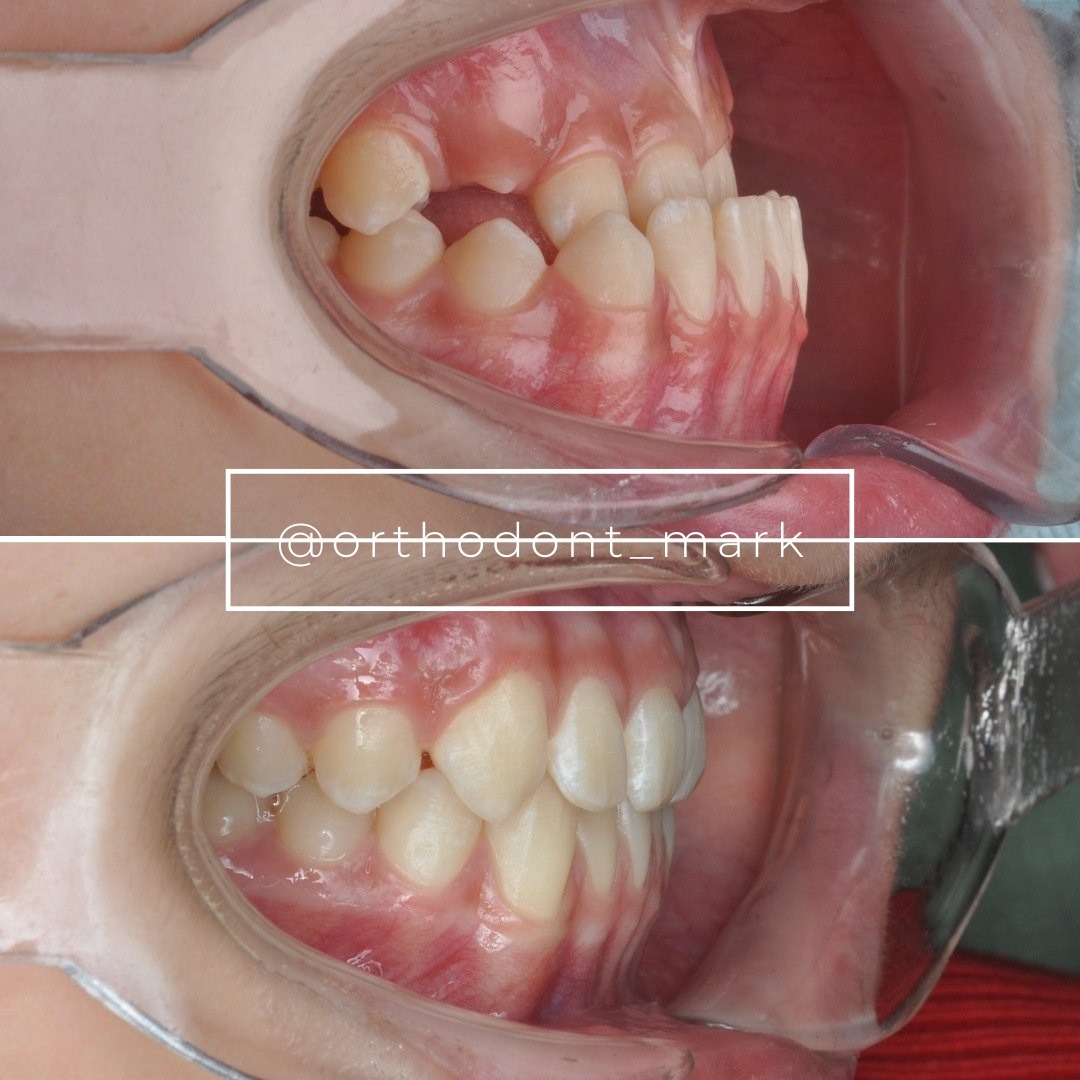
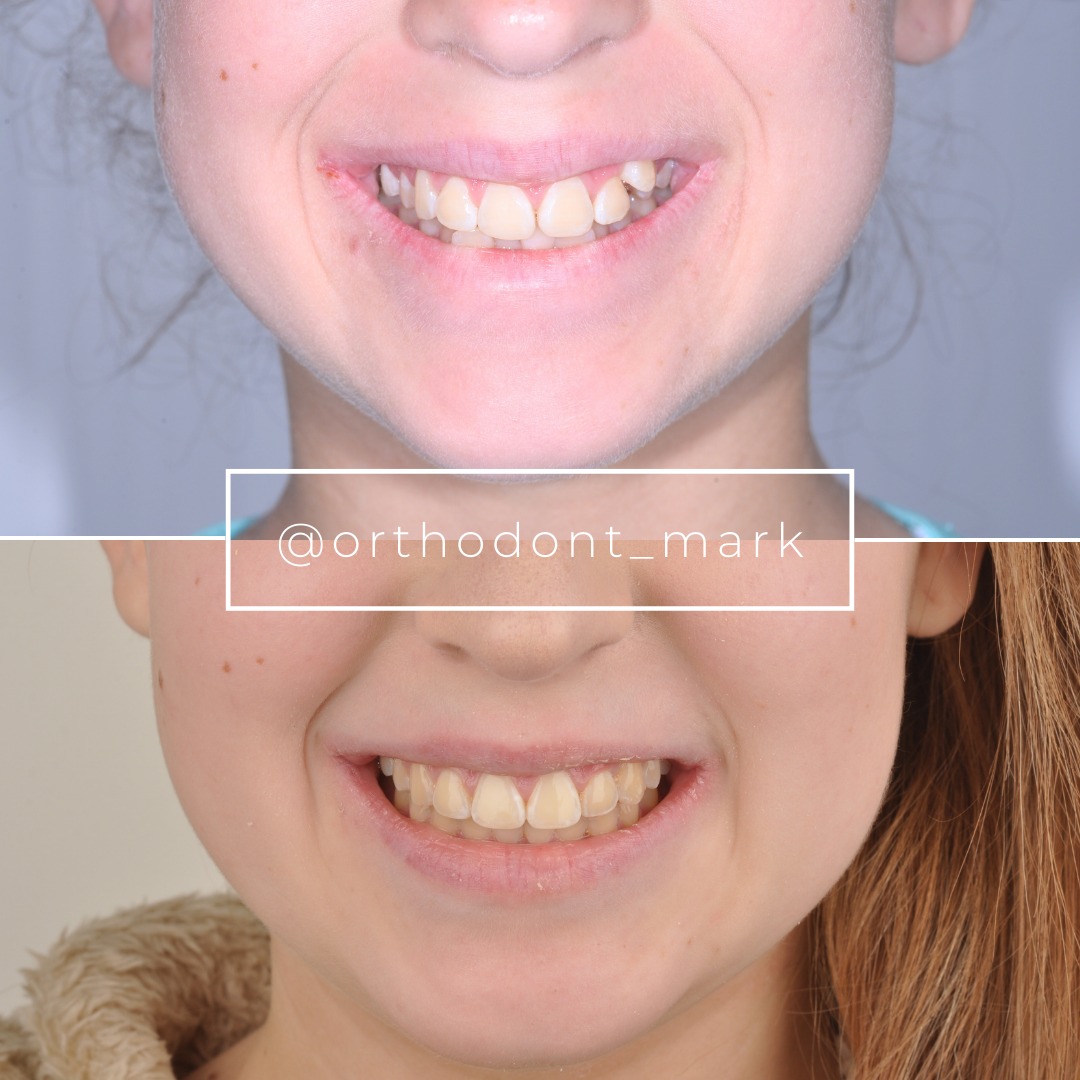
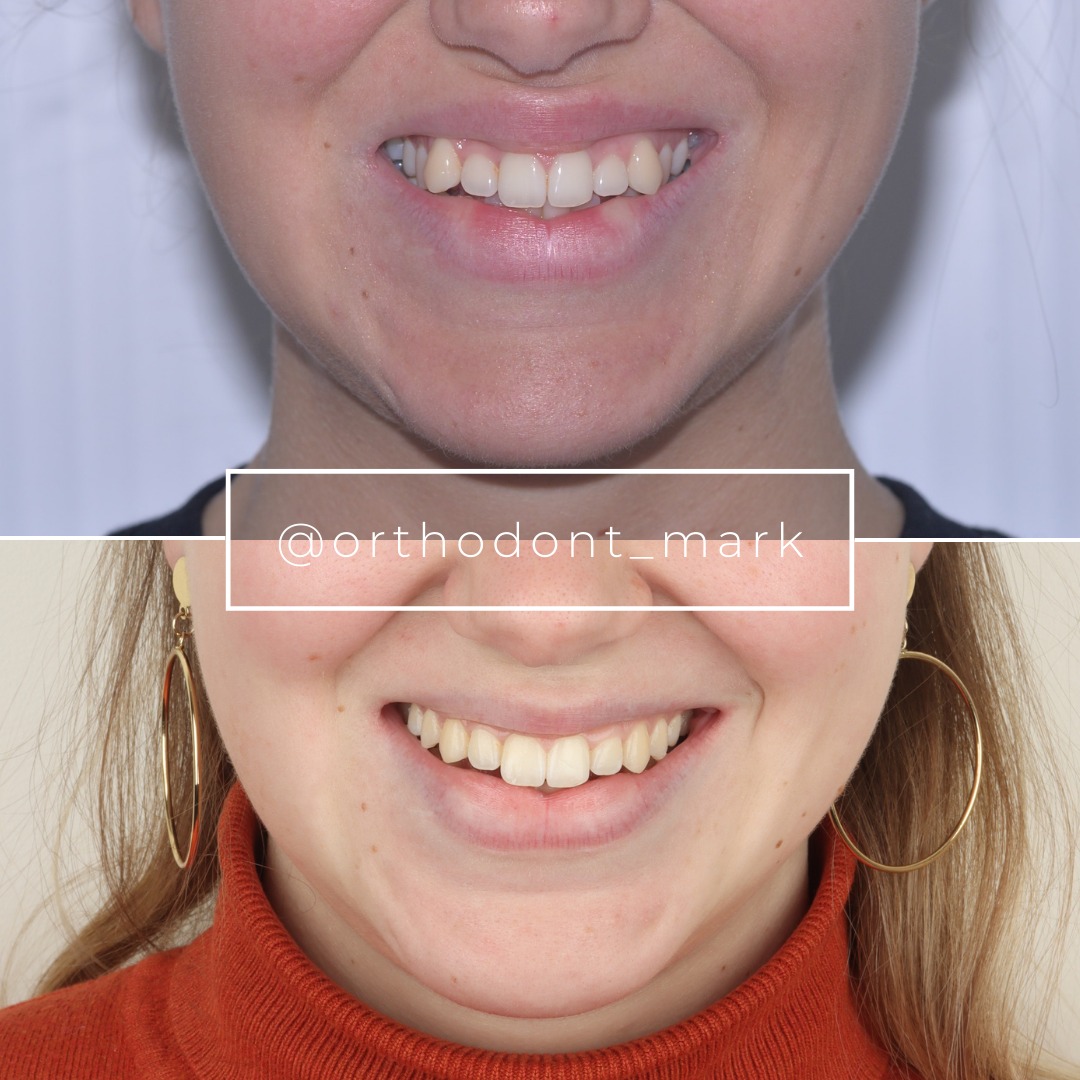
Clinical cases from Dr. Mark Radzhabov's practice
Learn the full MARPE protocol from Dr. Mark Radzhabov
Fundamental course covering CBCT patient selection, miniscrew planning, activation protocols, and 60+ clinical cases. Choose the access level that fits your practice.
Essentials of rapid palatal expansion for practicing orthodontists.
- Core RPE concepts and biomechanics
- 6 structured video lessons
- Clinical decision checklists
- Lifetime access to recordings
Deep-dive into MARPE protocol, diagnostics, and clinical execution.
- 6 modules covering MARPE from A to Z
- CBCT case selection walkthroughs
- Miniscrew placement and activation
- 60+ annotated clinical cases
- Direct Q&A with Dr. Mark Radzhabov
5-element medical consultation framework for dentists and orthodontists.
- Trust-building consultation protocol
- 5 lesson modules
- Templates for treatment plan delivery
- Works with any clinical specialty
Clinical FAQ
What is the biological mechanism by which vibration is proposed to accelerate MARPE outcomes?
Vibration theoretically stimulates osteoblast activity and bone remodeling through mechanotransduction, enhances fluid dynamics within the sutural gap, and prevents static adhesions. However, the specific mechanism in human palatal sutures remains unproven.
Does the animal evidence support using cyclic loading to speed up sutural expansion?
Yes—rabbit studies show that twice-daily micro-implant activation over 7 days produces 3.72–4.45 mm of sutural expansion with predictable bone regeneration. However, translation to human MARPE vibration outcomes is not yet demonstrated.
What is the difference between bicortical and monocortical miniscrew fixation in MARPE, and does vibration improve monocortical outcomes?
Bicortical fixation engages palatal and nasal cortices, reducing micromotion and promoting parallel suture opening. Monocortical anchorage is less stable. Vibration cannot overcome poor fixation geometry. Screw stability must be optimized first.
How do standard MARPE activation rates compare to vibration-assisted expansion in clinical practice?
Standard MARPE activates at 0.5–1 mm per week and is well-established for skeletal expansion. Vibration-assisted protocols lack peer-reviewed clinical trials demonstrating faster or superior expansion velocity compared to standard activation.
What frequency and amplitude of vibration are recommended for MARPE applications?
Published recommendations are sparse. Animal and orthopedic literature suggest 25–50 Hz with 0.3–1 mm amplitude may enhance bone healing, but no standardized MARPE vibration protocol exists based on controlled clinical evidence.
Can vibration therapy reduce pain or discomfort during MARPE activation?
This is theoretically plausible—dynamic loading may distribute force more gently than static loading—but clinical trials directly comparing pain levels with and without vibration are absent. Patient tolerance depends more on force magnitude and suture maturity.
Should I use vibration therapy in cases of advanced midpalatal suture fusion (stage D–E)?
Advanced fusion creates higher resistance to expansion. Vibration is sometimes proposed for such cases, but evidence is lacking. Established strategies include surgical midpalatal splitting (SARME) or acceptance that conventional MARPE may require longer treatment time.
How do I assess miniscrew stability before adding vibration to MARPE?
Confirm bicortical engagement on CBCT, verify screw insertion depth (≥12 mm), and check for clinical mobility at recall appointments. Poor stability indicates micromotion. Vibration will not overcome this and may worsen screw loosening.
What long-term relapse data exist for MARPE with and without vibration?
Long-term stability studies (5+ years) are limited for standard MARPE. Vibration-assisted expansion has essentially no published follow-up data on relapse, dentoalveolar compensation, or skeletal retention.
How should I counsel patients about vibration as an adjunct to MARPE in my practice?
Inform patients that vibration is investigational, has theoretical merit based on bone biology, but lacks definitive proof of faster or superior expansion in human MARPE. Recommend it only with informed consent and systematic outcome tracking.
Vibration therapy for MARPE remains a promising but incompletely validated adjunct. While animal models demonstrate that cyclic loading promotes bone regeneration in sutural gaps, direct evidence that vibration accelerates adult human palatal expansion is sparse. The foundation of successful skeletal expansion still rests on proper miniscrew fixation, appropriate activation force, and accurate patient selection. To assess whether vibration protocols suit your practice, consult Dr. Mark Radzhabov's comprehensive MARPE course at ortodontmark.com, which integrates biomechanical principles, case planning, and evidence-based clinical decisions for reliable skeletal outcomes.

