
MARPE vs Clear Aligner Expansion:
Where Each Wins
Clinical evidence for transverse maxillary correction
Evidence-based comparison of miniscrew-assisted and aligner-driven expansion techniques. Learn which appliance achieves true skeletal change and when dentoalveolar correction is sufficient.
TL;DR MARPE vs clear aligner expansion serves different clinical goals: MARPE achieves true skeletal expansion through midpalatal suture separation with miniscrew anchorage, while clear aligners produce primarily dentoalveolar tipping. MARPE excels in skeletally mature patients and severe transverse deficiency. Aligners work best for mild dental constriction in growing patients. Neither is universally superior—clinical diagnosis determines the optimal choice.
The question of whether to prescribe miniscrew-assisted rapid palatal expansion (MARPE) or clear aligner expansion for transverse maxillary deficiency ranks among the most frequent clinical decisions in contemporary orthodontics. This article, informed by Dr. Mark Radzhabov's clinical research and the latest skeletal expansion evidence, examines when each technique achieves superior outcomes. You will find practical guidance on patient selection, expected skeletal versus dentoalveolar changes, and the biomechanical limits of aligner-driven expansion—essential knowledge for treatment planning in both growing and mature patients.
Understanding MARPE vs Clear Aligner Expansion
anchorage and mechanism
MARPE utilizes miniscrew anchorage inserted into the hard palate posterior to the maxillary dentition, transmitting direct skeletal forces to the midpalatal suture. Clear aligner expansion, by contrast, relies on tooth-borne forces transmitted through the alveolar bone and periodontal ligament. This fundamental difference in load distribution determines the magnitude and location of skeletal response.
A prospective randomized clinical trial comparing conventional rapid palatal expansion (RPE) and miniscrew-assisted RPE (MARPE) in adolescent and young adult patients revealed that midpalatal suture separation occurred in 95% of MARPE cases versus 90% in tooth-borne RPE. More importantly, MARPE produced significantly greater nasal width gain in the molar region and at the level of the greater palatine foramen—markers of true skeletal expansion. Clear aligners, by their design, cannot generate the force magnitudes required to overcome midpalatal suture resistance in skeletally mature patients.
The dentoalveolar response differs markedly as well. MARPE demonstrated lesser buccal displacement of anchor teeth compared to conventional RPE, a critical advantage when molar anchorage must be preserved. Clear aligner expansion systems inevitably produce buccal tipping of maxillary molars and premolars, as the forces originate from the crowns of the teeth rather than from a skeletal anchor. This tipping can be aesthetically and biomechanically problematic, particularly in patients with compromised buccal bone thickness or high smile lines.
Skeletal Expansion: MARPE's
Documented Advantage
The difference between skeletal expansion and dentoalveolar tipping becomes unmistakable on low-dose cone-beam computed tomography (CBCT). MARPE achieves expansion at the basal bone level—the actual widening of the maxillary skeleton through midpalatal suture opening. Clear aligners, even with “expansion” protocols, produce primarily molar and premolar tipping around the long axis of the tooth roots, creating an illusion of expansion on conventional radiographs while leaving the skeletal base largely unmodified.
When midpalatal suture maturation is complete—typically by age 17–18, though considerable individual variation exists—tooth-borne expansion becomes mechanically inefficient and biomechanically risky. The suture has ossified or is densely fibrous, requiring either surgical assistance (SARPE) or skeletal anchorage (MARPE) to overcome the resistance. Clear aligners in this population will generate progressive dentoalveolar tipping, increased buccal plate resorption, root resorption risk, and periodontal compromise without meaningful skeletal gain.
MARPE cases demonstrate consistent molar region nasal width gain (M-NW) and greater palatine foramen (GPF) expansion immediately after activation and sustained through consolidation periods. These measurements confirm true three-dimensional skeletal widening. Aligner systems, even when prescribed for
When to Choose MARPE: Age, Maturity,
and Deficiency Magnitude
MARPE is indicated when three conditions align: (1) transverse maxillary deficiency exceeding 6–7 mm, (2) skeletal maturity or near-maturity status (age 15+, ideally assessed via midpalatal suture maturation on CBCT), and (3) need for true skeletal correction rather than cosmetic dental alignment. The miniscrew-assisted rapid palatal expansion protocol begins with diagnostic CBCT to confirm suture maturation status, establish baseline transverse dimensions, and plan miniscrew insertion sites posterior to the maxillary alveolus at the level of the first and second molars or premolars.
Activation schedules for MARPE typically follow a 4-turn daily regimen during the active expansion phase (8–12 weeks, depending on the magnitude of required correction), followed by a consolidation period of 3–6 months. This is substantially more aggressive than aligner expansion, which progresses over months with weekly or biweekly increments. The rapid skeletal response in MARPE is tolerable because the force is distributed directly to bone, not transmitted through periodontal ligament and root structures.
Clear aligner expansion is appropriate for (1) transverse deficiency of 2–4 mm, (2) growing patients (age 10–14) with patent midpalatal sutures, and (3) cases in which dentoalveolar correction is the primary goal and skeletal change is secondary. Aligner manufacturers market
Pitfalls of Aligner Expansion in Mature
Patients
The most frequent error is prescribing clear aligner expansion to skeletally mature patients with moderate to severe transverse deficiency. Practitioners may assume that extended aligner wear and slow incremental forces will eventually yield skeletal change. The evidence contradicts this assumption. Mature midpalatal sutures resist dental force, and prolonged aligner therapy in this population results in progressive buccal root torque, alveolar plate resorption, and gingival recession without corresponding skeletal gain.
A second pitfall is misinterpreting intraoral width measurements as skeletal expansion. A patient's intermolar distance may increase 3–4 mm over 6 months of aligner wear, but CBCT will often reveal minimal or no midpalatal suture separation and substantial molar tipping. The clinical width gain is dentoalveolar, not skeletal. This creates a false sense of success and delays appropriate MARPE intervention if true skeletal correction is needed for bite correction or facial proportion.
Conversely, MARPE pitfalls include inadequate miniscrew anchorage (insertion angles that deviate from the perpendicular, or placement too far anteriorly), insufficient activation during the expansion phase, or premature consolidation before complete suture separation. Poor miniscrew insertion compromises the direct skeletal force vector and can result in unexpected dentoalveolar tipping even with miniscrew-assisted mechanics. Dr. Mark Radzhabov emphasizes surgical precision in miniscrew placement and strict adherence to the prescribed activation protocol. Deviations from protocol often lead to incomplete suture separation and suboptimal skeletal outcomes.
Invasiveness and Cost Comparison
Practical Considerations
Clear aligner expansion carries minimal procedural invasiveness—no surgical intervention, miniscrew insertion, or need for imaging-guided planning beyond standard cephalometrics or limited CBCT. Patients are also familiar with aligner wear and compliance burden is often lower than with fixed appliances. However, aligner treatment duration extends longer, especially in mature patients where skeletal expansion is limited, and total treatment cost may be comparable or higher due to the extended timeline and need for multiple refinement sequences.
MARPE requires miniscrew insertion under local anesthesia, brief surgical time (typically 20–30 minutes), and a consolidation period of 3–6 months before bracket placement or aligner continuation. This represents higher invasiveness and brief procedural morbidity (palatal inflammation, temporary otalgia, minor swelling). However, the total treatment duration is often shorter because true skeletal expansion is achieved in weeks rather than months, and the appliance is removed before fixed therapy begins. Cost analysis is complex: MARPE ancillary costs (miniscrews, surgical time, CBCT imaging) must be weighed against the time savings and the elimination of extended aligner wear in mature patients.
From a biological perspective, MARPE is less invasive to the periodontal structures and root morphology of anchor teeth. Clear aligner expansion in mature patients imposes progressive orthodontic stress on the periodontal ligament and alveolar bone—structures already stressed by natural aging and reduced bone density in some adult populations. MARPE's direct skeletal force distribution spares the dentition and periodontal apparatus, a significant advantage for long-term periodontal health.
How to Choose: MARPE or Clear Aligner
Decision Framework
Step 1: Assess skeletal maturity via midpalatal suture maturation on CBCT using a validated maturation stage classification. If sutures are stage IV–V (complete or near-complete ossification), MARPE is strongly indicated for any transverse deficiency >5 mm. If sutures are stage I–II (patent and widely open), aligner expansion may suffice for mild deficiency, but growth potential must be confirmed and long-term skeletal development monitored.
Step 2: Quantify transverse deficiency. Measure the discrepancy between maxillary intermolar distance and the patient's individual morphologic norm. Deficiency >7 mm strongly favors MARPE; 2–5 mm in growing patients favors aligners or conventional RPE. Borderline cases (5–7 mm in teenagers with early suture maturation) require nuanced clinical judgment and perhaps a hybrid approach: brief MARPE followed by aligner continuation.
Step 3: Evaluate periodontal and alveolar bone morphology. Patients with thin buccal plates, compromised gingival biotype, or existing recession are at higher risk of dentoalveolar tipping complications with aligner expansion. These patients benefit from MARPE's skeletal force distribution. Patients with robust bone, excellent periodontal health, and high growth potential tolerate aligner expansion better.
Step 4: Discuss patient preferences and compliance. Aligner systems appeal to patients who fear surgery or miniscrew discomfort. MARPE appeals to patients who want rapid, definitive correction and accept brief procedural intervention. Neither choice is “wrong”—but alignment between clinical indication and patient preference maximizes compliance and satisfaction. As Orthodontist Mark advises in clinical mentorship, the best appliance is the one the patient will accept and the clinician can manage expertly.
Free Clinical Guide
Which Expansion Appliance at Which Age?
Get Dr. Mark Radzhabov's guide to skeletal-expansion appliances — indications, pros & cons, and how to choose by patient age. Free to your inbox.
Prefer video? Watch the free demo lesson on MARPE appliance types, features and trade-offs.
Documented outcomes
Clinical cases from Dr. Mark Radzhabov's practice
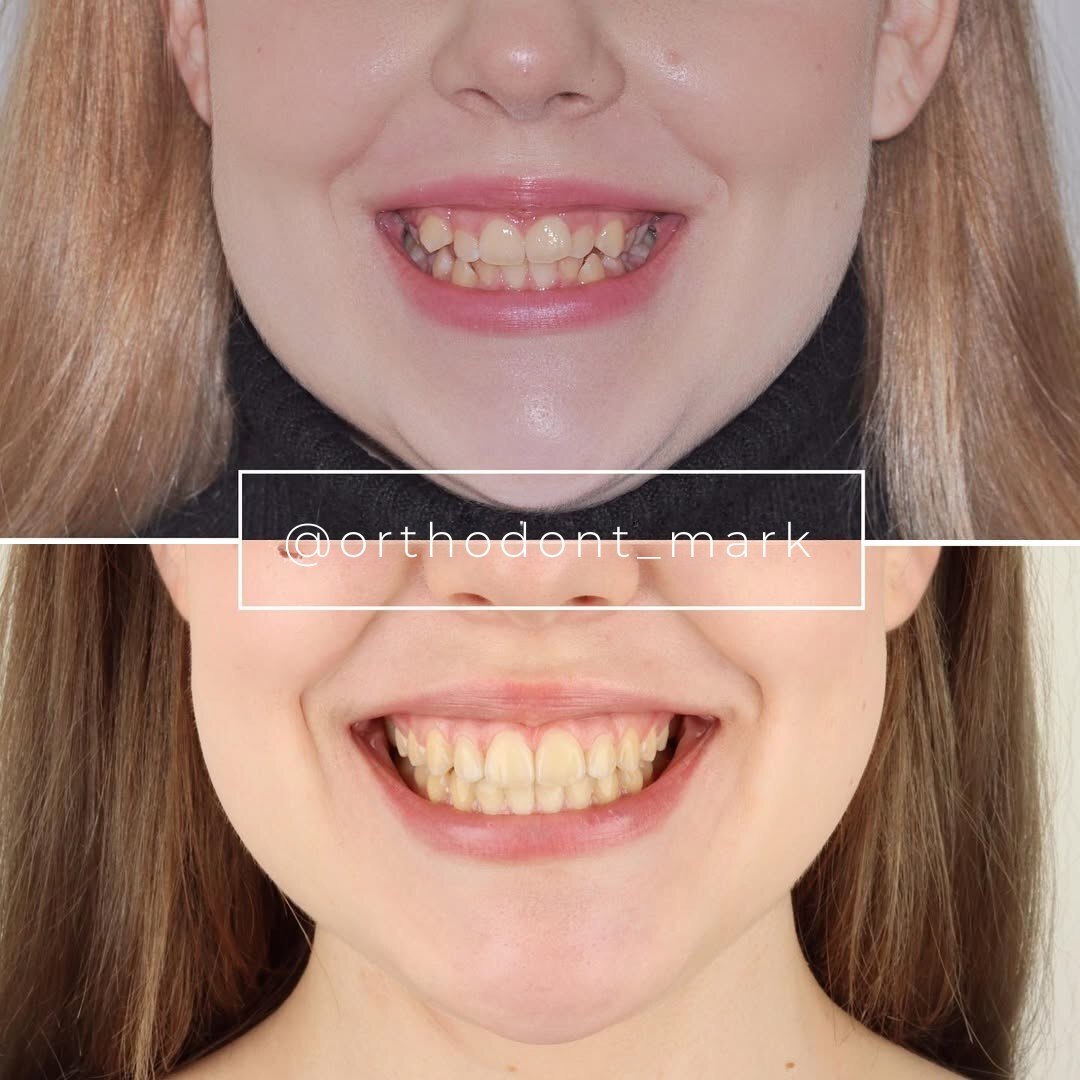
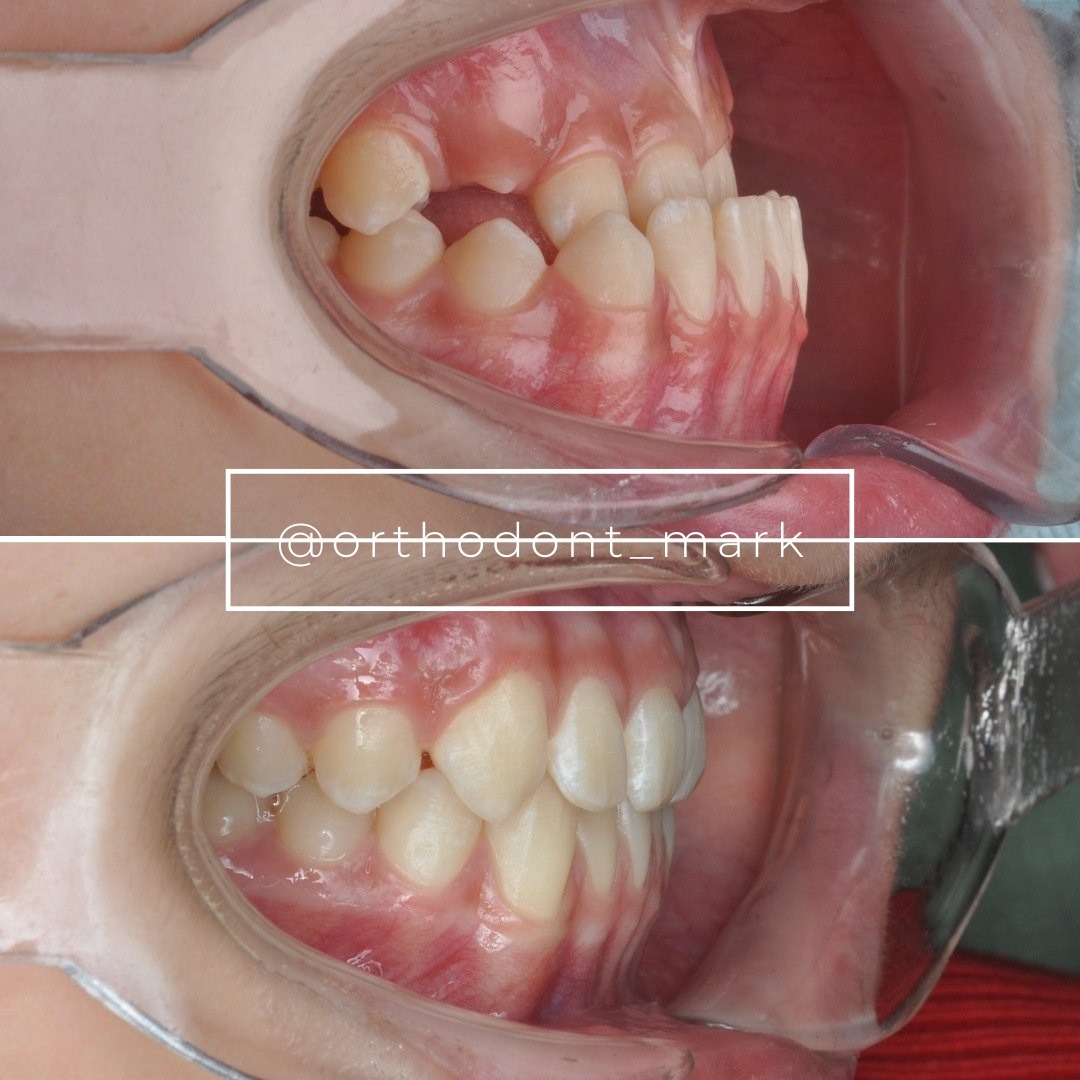
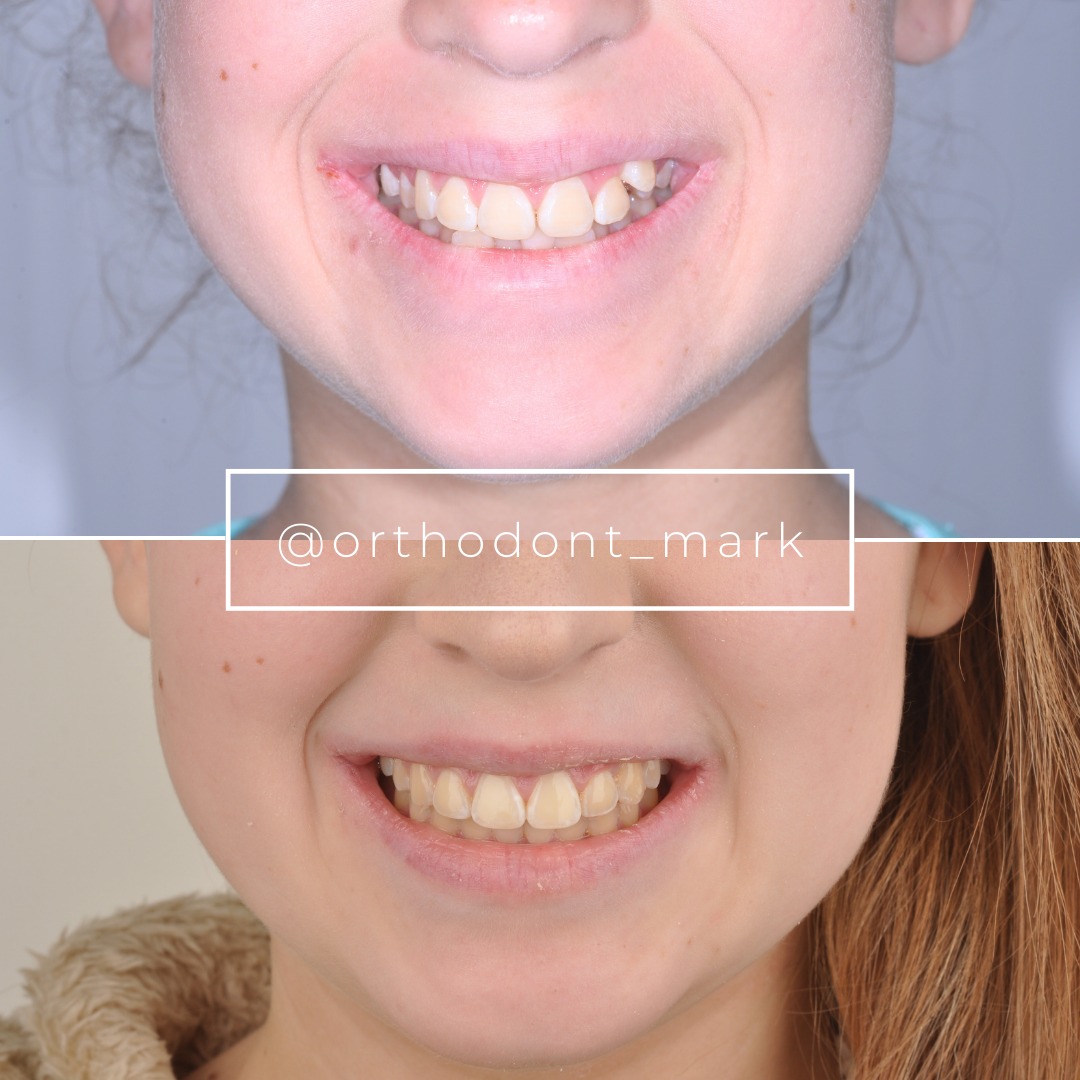
Learn the full MARPE protocol from Dr. Mark Radzhabov
Fundamental course covering CBCT patient selection, miniscrew planning, activation protocols, and 60+ clinical cases. Choose the access level that fits your practice.
Essentials of rapid palatal expansion for practicing orthodontists.
- Core RPE concepts and biomechanics
- 6 structured video lessons
- Clinical decision checklists
- Lifetime access to recordings
Deep-dive into MARPE protocol, diagnostics, and clinical execution.
- 6 modules covering MARPE from A to Z
- CBCT case selection walkthroughs
- Miniscrew placement and activation
- 60+ annotated clinical cases
- Direct Q&A with Dr. Mark Radzhabov
5-element medical consultation framework for dentists and orthodontists.
- Trust-building consultation protocol
- 5 lesson modules
- Templates for treatment plan delivery
- Works with any clinical specialty
Clinical FAQ
Can clear aligners achieve true skeletal expansion in skeletally mature patients?
No. Mature midpalatal sutures resist dental force. Aligner expansion in skeletally mature patients produces dentoalveolar tipping and buccal root torque, not skeletal widening. MARPE or surgical SARPE are required for true bone-level expansion.
What is the optimal age window for MARPE versus clear aligner expansion?
MARPE is optimal in patients aged 15+ with ossified or densely fibrous midpalatal sutures confirmed on CBCT. Clear aligner expansion suits growing patients (age 10–14) with patent sutures and mild transverse deficiency. Overlap periods require suture maturation assessment.
How do I assess midpalatal suture maturation for expansion appliance selection?
Use low-dose CBCT and apply a validated maturation staging system. Stages I–II indicate patent sutures and good growth potential. Stages IV–V indicate near-complete ossification and MARPE necessity for significant correction.
What is the skeletal response difference between MARPE and conventional RPE?
A randomized clinical trial (Chun et al. (2022), BMC Oral Health) showed MARPE produced 95% midpalatal suture separation, versus 90% for conventional RPE, and significantly greater molar region nasal width and greater palatine foramen expansion compared to tooth-borne RPE, with lesser buccal tooth displacement.
Do clear aligners cause periodontal damage during expansion?
Aligner expansion in mature patients imposes progressive orthodontic stress on the periodontal ligament and alveolar bone. Risk of root resorption, buccal plate resorption, and gingival recession increases, especially in patients with thin biotypes or compromised bone density.
How long does MARPE treatment take compared to aligner expansion?
MARPE requires 8–12 weeks of active expansion plus 3–6 months consolidation (total ~4–9 months). Aligner expansion in mature patients typically extends 6–12+ months due to the inability of dental forces to overcome suture resistance efficiently.
What miniscrew insertion technique optimizes MARPE skeletal response?
Insert miniscrews posterior to the maxillary dentition at the level of the first and second molars, perpendicular to the palatal plane. Deviations from perpendicular or anterior placement compromise the direct skeletal force vector and increase dentoalveolar tipping.
Can aligner expansion be used in combination with miniscrew anchorage?
Yes. Hybrid protocols may use brief MARPE followed by aligner continuation for refinement. However, this requires careful miniscrew removal timing and assessment of skeletal goals. Most research supports isolated MARPE or isolated aligner therapy rather than hybrid approaches.
What intraoral width measurements indicate skeletal versus dentoalveolar expansion?
Intraoral width alone is unreliable. Confirm skeletal change via CBCT: measure molar region nasal width (M-NW), greater palatine foramen (GPF), and midpalatal suture separation. Dental tipping can increase intermolar distance 3–4 mm without skeletal gain.
When is SARPE (surgical RPE) preferred over MARPE for expansion in mature patients?
SARPE is reserved for extreme transverse deficiency (>10 mm), combined vertical maxillary insufficiency requiring Le Fort expansion, or cases where miniscrew insertion is anatomically contraindicated. MARPE is less invasive and preferred when skeletal expansion alone is the goal.
The evidence is clear: MARPE and clear aligner expansion are not interchangeable tools. MARPE remains the gold standard for true skeletal expansion in skeletally mature patients and severe transverse deficiency, while clear aligners offer a less invasive option for mild to moderate dentoalveolar correction in growing patients. If you are managing a case with borderline skeletal maturity or are uncertain about the magnitude of skeletal correction needed, case review consultation and CBCT-guided diagnosis are your best allies. Dr. Mark Radzhabov advocates for protocol-driven decision-making: measure the midpalatal suture maturation, quantify the transverse deficiency, and match the appliance to the patient's biology. Visit ortodontmark.com to explore detailed MARPE protocols and schedule a consultation.