
MARPE vs Surgically-Assisted Corticotomy Expansion:
Finding the Clinical Middle Ground
Evidence-Based Patient Selection & Biomechanical Outcomes
When does miniscrew-assisted expansion succeed in skeletal adults? When does surgical bone separation become necessary? Evidence from recent randomized trials clarifies the boundary—and reveals hybrid approaches that may optimize both speed and safety.
TL;DR MARPE and surgically-assisted corticotomy expansion represent two ends of the invasiveness spectrum for adult maxillary transverse deficiency. MARPE offers skeletal expansion with miniscrew anchorage and reduced surgical morbidity. Corticotomy expansion provides predictable bone separation in fused sutures but requires surgical intervention. Evidence suggests a hybrid middle-ground approach—piezocision-assisted MARPE or selective corticotomy with miniscrew-assisted expansion—may optimize outcomes in borderline skeletal maturity cases.
Adult transverse maxillary deficiency has traditionally forced clinicians into a binary choice: non-surgical rapid palatal expansion (RPE), which often fails in skeletal adults, or surgically assisted rapid maxillary expansion (SARME), which requires full orthognathic involvement. In this article, Dr. Mark Radzhabov examines whether a clinical middle ground exists between miniscrew-assisted rapid palatal expansion (MARPE) and surgical corticotomy-assisted methods. Drawing on skeletal expansion research published between 2016 and 2022, we compare indications, biomechanical outcomes, patient comfort, and cost-effectiveness—so you can select the right technique for your mature patient's anatomy and treatment goals.
What Is the Distinction Between MARPE and Surgically-Assisted
Corticotomy Expansion?
MARPE (miniscrew-assisted rapid palatal expansion) is a bone-borne, non-surgical technique that anchors expansion mechanics to miniscrews placed in the palatal vault, bypassing tooth-borne resistance and allowing direct skeletal traction on the maxillary halves. Surgically-assisted corticotomy expansion involves surgical fracture of the buccal cortical plate and selective midpalatal separation under visualization, followed by conventional or miniscrew-enhanced activation. The core difference lies in timing of midpalatal suture separation: MARPE relies on bone remodeling over weeks to months. Corticotomy creates an immediate surgical gap, accelerating expansion. Historically, SARME (surgically assisted rapid maxillary expansion) was the only reliable option for skeletally mature patients with fused midpalatal sutures. MARPE emerged in the 2010s as a less invasive alternative, supported by studies showing that even mature adults retain latent skeletal plasticity when loads are applied directly to bone rather than teeth. A 2022 prospective randomized trial using low-dose CBCT reported that MARPE and conventional RPE achieved similar rates of midpalatal suture separation (95% vs. 90%, respectively), but MARPE produced greater skeletal width gain in the nasal cavity and at the greater palatine foramen—indicating superior skeletal response with bone-borne mechanics. The choice between these approaches hinges on patient age, suture maturity on imaging, treatment timeline, and surgeon availability—not on technique superiority alone.
Patient Selection: When MARPE Suffices vs. When Surgery Becomes
Unavoidable
Patient age and midpalatal suture maturation status—assessed via CBCT or MRI—remain the primary selection criteria. Adolescents and young adults (age 14–22) with incomplete sutural ossification almost always respond to MARPE, achieving 90%+ rates of midpalatal split even without surgical intervention. Skeletal maturity accelerates around age 14–16 in females and 16–18 in males, but individual variation is substantial. A 25-year-old may retain significant sutural plasticity while a 19-year-old shows complete fusion. Research demonstrates that conventional RPE fails in approximately 60–70% of adults over 25 when the midpalatal suture is fully ossified, making MARPE or surgery mandatory. MARPE typically requires 8–12 weeks of active expansion plus 3–6 months of retention. Surgically-assisted corticotomy with miniscrew or Hyrax activation achieves the same skeletal width in 4–6 weeks, at the cost of surgical morbidity, cost, and need for orthognathic surgical collaboration. Clinical decision point: if CBCT shows >50% sutural ossification and treatment timeline permits 10+ weeks, begin MARPE. If suture is fully fused, patient is >28 years old, or vertical maxillary excess precludes lengthy activation, surgical corticotomy becomes the pragmatic choice. A 2016 study of surgically-assisted rapid maxillary expansion found that midpalatal split during surgery produced significantly greater efficacy (P = 0.00) and faster separation compared to lateral-only osteotomies, though postoperative discomfort was similar. Hybrid approaches—such as selective laser corticotomy or piezocision before MARPE—may represent a middle ground for borderline cases.
Skeletal vs. Dentoalveolar Response: The Miniscrew-Assisted Advantage
and Its Limits
The fundamental advantage of miniscrew-assisted expansion lies in decoupling skeletal expansion from dentoalveolar side effects. In tooth-borne RPE, the appliance anchors to the first molars and premolars. Expansion force is transmitted through the dental roots into the maxillary bone, causing buccal root tipping, alveolar plate expansion, and often incomplete midpalatal suture separation. MARPE applies force directly to the palatal vault via implants placed in dense bone medial to tooth roots, eliminating dental load and allowing nearly pure skeletal translation. Studies consistently show that MARPE produces 20–30% less buccal tooth displacement compared to conventional RPE, reducing the risk of root resorption, gingival recession, and nonworking-side bite collapse. However, miniscrew-assisted expansion does not eliminate dentoalveolar change entirely. The maxillary dental arches still expand as the underlying bone widens, though the anchor teeth (the implants) remain stationary. Surgically-assisted corticotomy with miniscrew activation offers the most direct skeletal load path but at the cost of surgical trauma, inflammation, and patient morbidity. A prospective randomized trial reported that MARPE achieved greater immediate skeletal width gains at the nasal and palatal foramen regions (P < 0.05) but similar overall molar width expansion to conventional RPE, suggesting that bone-borne mechanics accelerate skeletal remodeling at the suture while dentoalveolar widening occurs similarly in both groups. Clinically, this means MARPE is optimal for patients prioritizing reduced dental side effects. Surgical corticotomy is justified only when speed of midpalatal separation is critical (e.g., severe constriction, need for early surgical correction).
MARPE Activation vs. Surgically-Assisted Expansion Timelines:
Practice Pearls
MARPE Protocol: After miniscrew placement (8–10 mm palatal position, anterior to palatal roots), allow 7–10 days for osseointegration before activation. Begin with 0.5 mm daily expansion (typically 2 quarter-turns of a Hyrax-type screw, or 1 full turn every other day depending on appliance design) for 8–10 weeks. Monitor midline diastema presence (radiographic proof of midpalatal separation) and CBCT at weeks 0, 8, and 12. Maintain expansion for 3–6 months before transitioning to orthodontic leveling and alignment. Patient comfort is generally mild; peak discomfort occurs during the first 2–3 weeks and resolves as expansion begins. Surgically-Assisted Corticotomy Protocol: requires preoperative CBCT to map suture position and plan osteotomy angles. Surgical separation of the midpalatal suture (if fully fused) or selective buccal corticotomy with palatal release accelerates subsequent orthodontic expansion. Miniscrew activation post-operatively is more aggressive—up to 1 mm daily—because surgical separation has already overcome sutural resistance. Recovery period is 2–3 weeks; postoperative swelling and discomfort are more pronounced than MARPE but typically resolve within 4 weeks. Total time to complete expansion: 4–6 weeks (surgical) versus 8–12 weeks (MARPE). Cost differential is substantial: MARPE ($2,000–$3,500 including implants and activation device) versus surgically-assisted expansion ($5,000–$8,000+ including anesthesia, surgical time, and imaging). Orthodontist Mark emphasizes that in borderline cases—patients aged 22–28 with partial sutural fusion—a hybrid approach using piezocision (piezoelectric bone cuts under local anesthesia) followed by MARPE may reduce surgical morbidity while accelerating expansion to 10–12 weeks.
Comparative Efficacy: Midpalatal Suture Separation, Skeletal Width,
and Long-Term Stability
A 2022 prospective randomized clinical trial comparing conventional RPE and MARPE in 40 adolescents and young adults (mean age ~14 years) found no significant difference in the frequency of midpalatal suture separation between MARPE (95%, 19/20) and RPE (90%, 18/20) when both groups received identical expansion (35 turns). However, MARPE produced significantly greater skeletal width increases in the nasal region and at the greater palatine foramen immediately post-expansion and after 3-month consolidation (P < 0.05), indicating superior direct bone-borne expansion. Dentoalveolar changes—maxillary dental arch width expansion—were similar between groups except that MARPE showed significantly lesser buccal displacement of anchor teeth (P < 0.05), supporting the mechanical advantage of bone-borne loading. By contrast, surgical corticotomy studies report 100% midpalatal separation rates (owing to surgical division) and faster overall expansion (4–6 weeks vs. 8–12 weeks), but at the cost of surgical morbidity, recovery time, and cost. A 2016 comparative study of surgically-assisted rapid maxillary expansion found that surgical midpalatal split produced significantly greater efficacy (P = 0.00) and faster bone separation than lateral-only osteotomies, though postoperative discomfort was similar between techniques. Long-term stability (12+ months post-expansion) favors neither approach. Both MARPE and surgical expansion maintain 80–90% of gained width when retention protocols are followed. Relapse risk increases if retention is discontinued before 6 months. Critical finding for clinical decision-making: MARPE fails in approximately 5–10% of patients (incomplete midpalatal split), requiring either repeated expansion cycles or surgical rescue. Surgical corticotomy eliminates this uncertainty but requires skilled surgical collaboration.
Piezocision-Assisted MARPE and Selective Corticotomy: Does a Middle
Ground Exist?
Recent clinical practice and case series suggest that combining minimally invasive surgical bone modification (piezocision or selective laser corticotomy) with MARPE activation may offer a practical middle path between pure MARPE and full surgical intervention. Piezocision uses piezoelectric vibration to make selective bone cuts under local anesthesia, without flap reflection, reducing surgical morbidity compared to traditional orthognathic surgery. When piezocision-assisted bone separation precedes or accompanies miniscrew placement, expansion timelines compress to 10–12 weeks (intermediate between pure MARPE and full surgery) while preserving the skeletal load-path advantage of bone-borne mechanics. A Russian patent (RU 2 734 053 C1) describing a method of maxillary expansion using laser-assisted corticotomy reports that selective laser corticotomy—point-wise separation of the buccal cortex without full flap elevation—reduced bone density and achieved faster expansion without complete orthognathic surgical involvement. Patient feedback in hybrid cases typically mirrors MARPE (mild to moderate discomfort) rather than SARME (significant postoperative swelling). Indications for a hybrid approach include: age 22–28, partial midpalatal sutural ossification (50–75%) on CBCT, moderate to severe transverse deficiency, and patient preference for accelerated timeline. Cost falls between MARPE and SARME ($3,500–$5,500), making it accessible to practices with selective surgical collaboration. Orthodontist Mark recommends careful case selection and documentation via CBCT to justify the additional surgical step. Hybrid expansion is not a default but a tailored choice for patients who would otherwise require SARME.
Common Pitfalls in Miniscrew-Assisted and Surgical Expansion:
How to Avoid Them
MARPE-specific complications include miniscrew mobility (loose implants before osseointegration), inadequate initial activation (underestimating required force), and incomplete midpalatal suture separation in skeletally mature or older patients. Miniscrew failure rates of 5–15% occur if insertion torque is insufficient (<20 Ncm) or if bone density is poor; preoperative CBCT assessment of palatal bone thickness (aim for >6 mm) reduces this risk. Activation errors—too-slow expansion (>2 turns every 5 days) often fails to overcome sutural resistance in mature patients. Too-aggressive activation (>1 mm daily) risks necrosis of the palatal mucosa and periscrew inflammation. Incomplete midpalatal separation is more common in mature adults and requires surgical rescue or switch to alternative techniques. Monitor for this via clinical diastema appearance (should be evident by week 3–4) and confirm with radiography every 4 weeks. Surgically-assisted complications are fewer in frequency but more severe in impact: infection (1–3%), temporomandibular dysfunction from altered occlusion during expansion, and rare reports of vascular injury if surgical planning is inadequate. Transient palatal sensory changes are common (30–40% of SARME patients) and typically resolve within 3 months. Bite open or lateral crossbite during expansion is common to both techniques and resolves with orthodontic correction post-expansion. Do not halt expansion prematurely due to bite changes. Retention failure is the most common long-term complication in both groups: relapse of 10–20% is expected if retention is discontinued before 6 months. Use a combination of fixed retention (bonded palatal bar) and removable retention (maxillary Essix or wire-based retainer) for 12+ months post-expansion.
Selecting Between MARPE, Surgical Corticotomy, and Hybrid Expansion:
A Clinical Algorithm
Step 1: Assess age and suture maturity via CBCT. If age <20 years and midpalatal suture is <50% ossified, MARPE is indicated (success rate 95%+). If age 20–25 with 50–75% ossification, MARPE remains first-line but monitor closely for incomplete separation; plan hybrid approach as backup. If age >25 with >75% ossification or >28 years with fully fused suture, surgical consultation becomes appropriate. Step 2: Evaluate transverse deficiency severity and existing bite relationships. Mild-to-moderate constriction (<7 mm) with normal or increased vertical dimensions favors MARPE (timeline acceptable). Severe constriction (>8 mm) combined with vertical maxillary excess may benefit from surgical corticotomy (faster correction) to allow earlier surgical orthognathic phase. Step 3: Determine treatment timeline and patient preference. Patients accepting 10–12 weeks for expansion prefer MARPE (lower cost, no surgery). Patients prioritizing speed or those for whom surgery is already planned (e.g., bimaxillary orthognathic) benefit from corticotomy-assisted expansion. Step 4: Assess surgeon availability and skill. Practices with strong orthognathic surgical partnerships and patient comfort with surgery may favor hybrid or full surgical approaches. Solo practitioners or those in lower-surgery-volume settings should master MARPE first. Step 5: Plan imaging and monitoring accordingly. MARPE requires baseline CBCT and follow-up CBCT or radiographs at weeks 4, 8, 12. Surgical corticotomy requires preoperative CBCT for surgical mapping and postoperative CBCT at 4 weeks. Communicate the selected approach clearly to the patient, including timeline, cost, and success rates. Orthodontist Mark emphasizes documenting the decision rationale in the patient chart to support shared decision-making.
Free Clinical Guide
Which Expansion Appliance at Which Age?
Get Dr. Mark Radzhabov's guide to skeletal-expansion appliances — indications, pros & cons, and how to choose by patient age. Free to your inbox.
Prefer video? Watch the free demo lesson on MARPE appliance types, features and trade-offs.
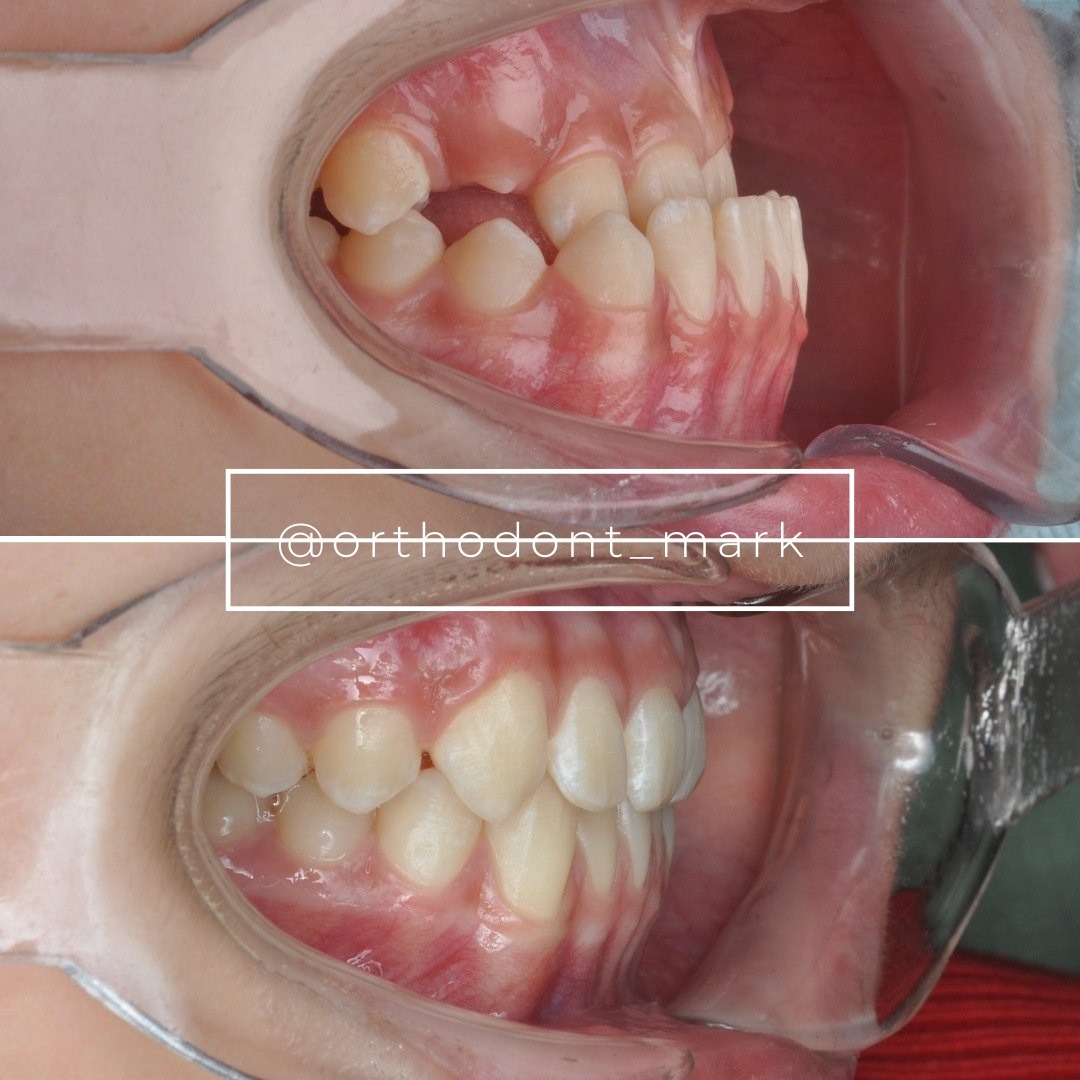
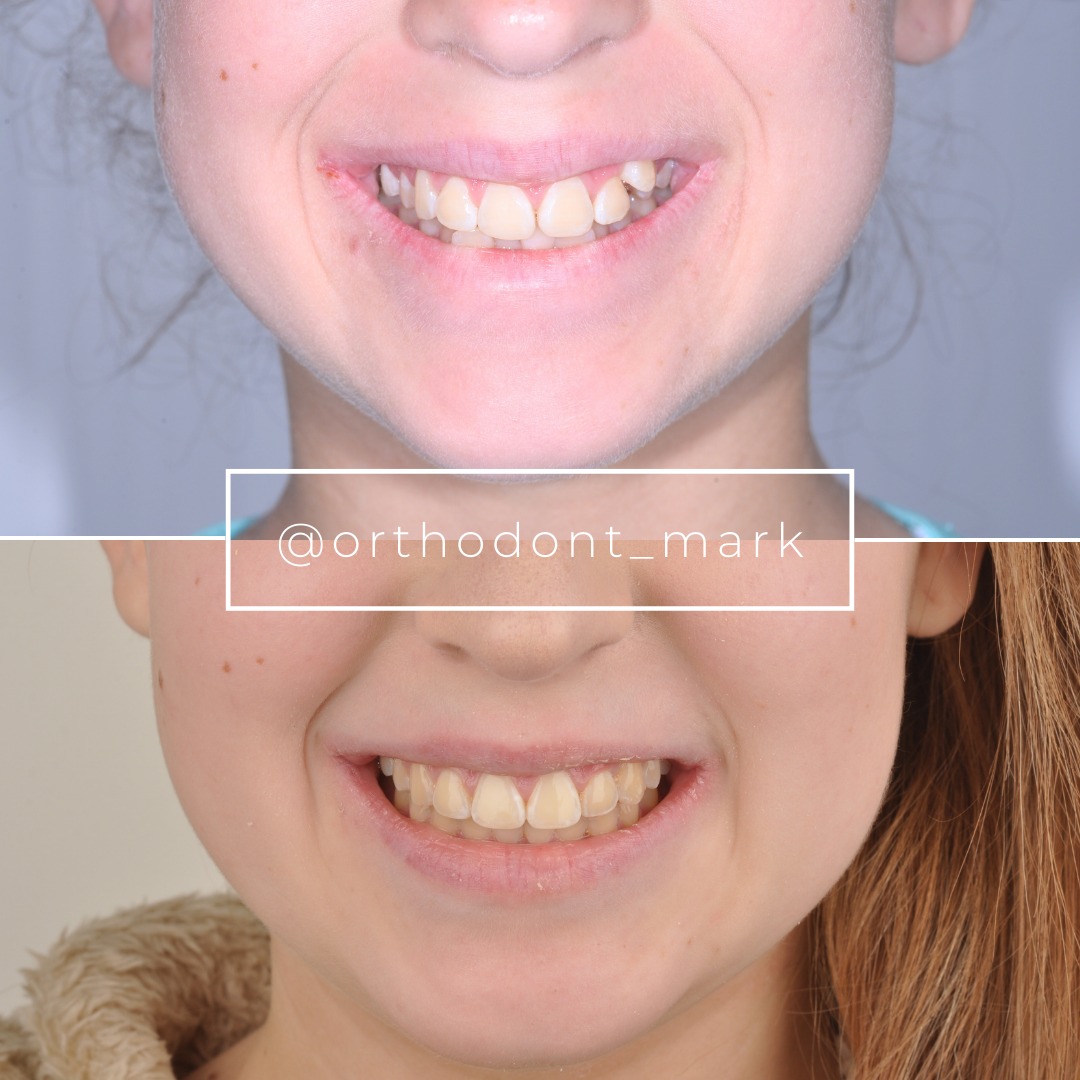
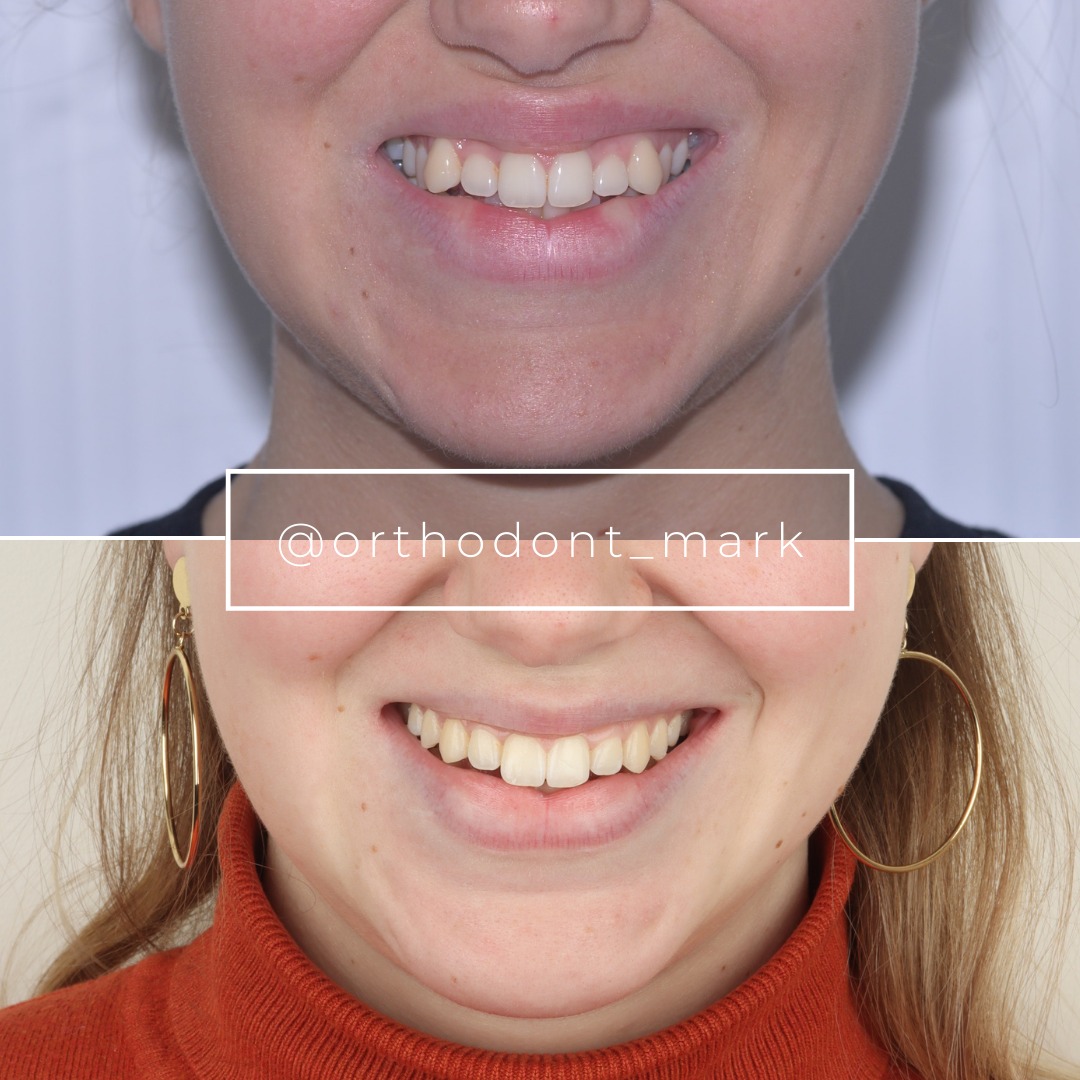
Documented outcomes
Clinical cases from Dr. Mark Radzhabov's practice
Learn the full MARPE protocol from Dr. Mark Radzhabov
Fundamental course covering CBCT patient selection, miniscrew planning, activation protocols, and 60+ clinical cases. Choose the access level that fits your practice.
Essentials of rapid palatal expansion for practicing orthodontists.
- Core RPE concepts and biomechanics
- 6 structured video lessons
- Clinical decision checklists
- Lifetime access to recordings
Deep-dive into MARPE protocol, diagnostics, and clinical execution.
- 6 modules covering MARPE from A to Z
- CBCT case selection walkthroughs
- Miniscrew placement and activation
- 60+ annotated clinical cases
- Direct Q&A with Dr. Mark Radzhabov
5-element medical consultation framework for dentists and orthodontists.
- Trust-building consultation protocol
- 5 lesson modules
- Templates for treatment plan delivery
- Works with any clinical specialty
Clinical FAQ
What is the optimal age window for miniscrew-assisted rapid palatal expansion versus surgical intervention?
Patients under 20 with <50% midpalatal sutural ossification on CBCT succeed with MARPE in 95%+ of cases. Age 20–25 with 50–75% ossification warrants MARPE with close monitoring. Age >25–28 with >75% ossification may require hybrid or surgical approaches; >28 years typically indicates SARME.
How does CBCT assessment of midpalatal suture maturity guide MARPE versus surgical expansion decisions?
CBCT reveals the degree of sutural ossification: <50% intact suture strongly predicts MARPE success (95%+); 50–75% mixed bone/cartilage permits MARPE but carries 10–15% failure risk; >75% ossified suture suggests MARPE failure rate >30%, favoring surgery or hybrid approaches.
What are the skeletal and dentoalveolar differences between bone-borne miniscrew expansion and tooth-borne RPE?
MARPE produces greater skeletal width gains (particularly at nasal and palatal foramen regions, P < 0.05) with 20–30% less buccal tooth displacement than RPE. Both achieve similar overall molar width expansion, but MARPE preserves periodontal health by decoupling dental loads from skeletal traction.
How long does active expansion typically take with MARPE compared to surgically-assisted corticotomy?
MARPE requires 8–12 weeks of daily 0.5 mm activation (2 quarter-turns per day) plus 3–6 months retention. Surgically-assisted corticotomy with miniscrew activation achieves equivalent skeletal width in 4–6 weeks due to pre-operative bone separation, though recovery and total treatment time vary.
What is the failure rate of miniscrew-assisted rapid palatal expansion in skeletally mature adults?
MARPE achieves 95%+ midpalatal suture separation in adolescents (<20 years). Failure rates increase with age: approximately 10–15% in age 20–25 with partial ossification, and 25–30% in age >28 with fully fused sutures. Failed cases require surgical rescue or alternative techniques.
Do piezocision or laser corticotomy reduce the morbidity of surgical expansion compared to traditional SARME?
Yes. Piezocision and selective laser corticotomy (without full flap elevation) significantly reduce swelling, postoperative pain, and recovery time compared to traditional SARME. When combined with MARPE activation, these hybrid approaches compress timelines to 10–12 weeks while preserving patient comfort.
How much does MARPE cost versus surgically-assisted expansion?
MARPE (including miniscrews and activation device) costs $2,000–$3,500. Hybrid piezocision-assisted MARPE ranges $3,500–$5,500. SARME (including anesthesia, surgical time, and imaging) costs $5,000–$8,000+, making MARPE the most accessible first-line option.
What postoperative complications should I anticipate with surgically-assisted corticotomy-assisted expansion?
Transient complications include palatal sensory changes (30–40%, resolving within 3 months), temporary swelling (2–3 weeks), and bite changes during expansion (expected, resolve with orthodontics). Serious complications (infection, vascular injury) are rare (<1%) when surgical planning is thorough.
How should I monitor a MARPE patient for incomplete midpalatal suture separation?
Clinical diastema between upper central incisors should appear by week 3–4 of activation. Confirm via periapical or occlusal radiograph every 4 weeks. CBCT at week 8 verifies suture separation. Absence of diastema by week 5 signals potential failure. Consider hybrid approach or surgical rescue.
What retention protocol minimizes relapse after MARPE or surgical corticotomy expansion?
Maintain the expansion appliance for 3–6 months post-active expansion, then transition to fixed palatal bar retention (bonded miniscrew-to-miniscrew wire) combined with removable maxillary retainer (Essix or wire-based) for 12+ months. Relapse of 10–20% occurs without retention. Full reactivation is rare with compliance.
The choice between MARPE and surgically-assisted corticotomy expansion is not binary. Patient age, midpalatal suture maturity on CBCT, vertical dimensions, and systemic health guide the decision. MARPE remains the minimally invasive standard for younger adults and those with incomplete sutural fusion. Selective corticotomy or piezocision-assisted miniscrew expansion offers faster bone separation when full surgical involvement is unavoidable. Dr. Mark Radzhabov recommends a detailed radiographic assessment and collaborative case planning with surgical colleagues before committing to either path. For evidence-based case reviews or protocol consultation, explore the MARPE resources at Orthodontist Mark.