
MARPE vs SARPE for Adult
Palatal Expansion
Evidence-based patient selection and outcomes
Understand the anatomical and biomechanical differences that determine success rates, treatment duration, and relapse risk in non-surgical vs. surgical maxillary expansion.
TL;DR MARPE vs SARPE comparison reveals distinct clinical applications in adult maxillary transverse deficiency. MARPE achieves skeletal expansion without surgery in carefully selected patients with open midpalatal sutures. SARPE remains indicated for those with fully ossified sutures or large skeletal discrepancies requiring immediate correction. Midpalatal maturation staging via cone-beam computed tomography determines candidacy and predicts treatment success.
Adult palatal expansion management hinges on a single anatomical variable: the maturation status of the midpalatal suture. MARPE (miniscrew-assisted rapid palatal expansion) and SARPE (surgically assisted rapid palatal expansion) represent fundamentally different mechanistic approaches—one non-invasive, one requiring Le Fort I segmental osteotomy—yet both address transverse maxillary deficiency in skeletally mature patients. This article examines patient selection criteria, biomechanical differences, treatment timelines, and expected skeletal outcomes, drawing on clinical evidence and Dr. Mark Radzhabov's experience managing complex cases across the adult population. The goal is to clarify when MARPE suffices and when SARPE becomes necessary.
What is the fundamental difference between
MARPE and SARPE
in adult expansion?
MARPE vs SARPE comparison begins with anatomy: MARPE directs orthodontic force directly across the midpalatal suture via miniscrews inserted into the hard palate, leveraging any residual suture patency to achieve skeletal separation. SARPE bypasses this requirement entirely—the surgeon sections the midpalatal suture via Le Fort I osteotomy, eliminating resistance and guaranteeing immediate skeletal opening. The clinical implication is profound: MARPE requires careful patient selection and relies on suture biology. SARPE guarantees correction but carries surgical morbidity. Load magnitude differs too. MARPE applies 50–100 N force per side. SARPE tolerates higher loads (150+ N) because the suture is already disrupted. Treatment timelines compress accordingly: MARPE requires 4–6 weeks of daily activation to achieve 1.0 mm per week of skeletal gain. SARPE often achieves equivalent expansion in 2–3 weeks post-operatively. Long-term stability mirrors the mechanism: MARPE shows relapse of 25–40% in some patients, driven by suture reossification. SARPE exhibits minimal relapse (5–10%) because the surgical gap is filled with bone, not cartilage.
How does midpalatal maturation stage
predict MARPE success
versus SARPE necessity?
Chronological age is a weak predictor of midpalatal suture patency. Skeletal maturation is far stronger. A 35-year-old with Stage B maturation (suture partially open, thin bony bridges visible) is an excellent MARPE candidate and may achieve 8–10 mm of true skeletal expansion. Conversely, a 50-year-old with Stage E maturation (completely ossified, no visible suture) will fail with MARPE and requires SARPE or acceptance of dental-only expansion. The radiographic classification is therefore essential. Hounsfield unit (HU) density measurement at the midpalatal suture—conducted via cone-beam CT with a region-of-interest cursor—provides quantitative staging. Stage A (0–150 HU, purely cartilaginous) shows highest MARPE success. Stage B (150–300 HU, partial ossification) shows good success with careful load management. Stage C (300–500 HU, predominantly bony) shows variable outcomes and heightened relapse risk. Stage D–E require SARPE. Bone density directly correlates with resistance to miniscrew displacement and load distribution across the suture. A patient in Stage B with adequate palatal cortical bone (>1.0 mm thickness) can safely accept 50–75 N load per side. A thin palate or Stage C requires load reduction to 40 N and extended activation intervals.
What is the optimal activation strategy
for non-surgical vs. surgical
rapid palatal expansion?
MARPE activation follows a 4–6 week engagement phase: apply 0.2 mm daily (via screw turn) to allow sutural bone resorption and cellular reorientation, then increase to 0.5 mm daily once compliance is confirmed. Total expansion runs 8–12 weeks for 6–8 mm gain. Miniscrews—grade 5 titanium, 4.5 × 11 mm—are placed symmetrically 5 mm lateral to the suture midline, anterior to the transverse palatal suture, approximately 5 mm posterior to the incisive foramen. Insertion depth is critical: 6–8 mm into bone minimizes palatal mucosa penetration while maximizing resistance to vertical displacement. Tooth-borne or hybrid designs (teeth + miniscrews) reduce dental side effects but complicate hygiene. All-on-implant designs eliminate dental tipping entirely but require two additional miniscrews, increasing cost and complexity. SARPE bypasses these nuances. The Le Fort I cut is made 5 mm above the nasal floor to preserve nasal blood supply. The palatal split is made 2–3 mm lateral to the midsuture to maintain periosteal attachment. Post-operative activation begins at 1–2 weeks, accelerating to 1.0 mm daily because the surgical gap is now open. Total expansion of 6–8 mm occurs in 2–3 weeks, compressing the entire process.
How do MARPE and SARPE outcomes
compare in treatment duration
and long-term stability?
MARPE outcomes in non-surgical patients: Studies of skeletally mature adults show 6–8 mm of true skeletal gain (confirmed by posteroanterior radiographs comparing inter-molar and inter-canine width). Dental contribution is typically 2–3 mm per side (from molar buccal tipping). Total inter-molar width gain averages 10–12 mm. Relapse is a known risk: 25–40% of skeletal gain can reossify within 12 months if retention is not rigorous. Patients in Stage B experience lower relapse (15–25%) than those in Stage C (40–50%), reinforcing the importance of suture staging. Treatment duration is long—8–12 weeks of active expansion, then 6–12 months retention with a fixed or removable retainer. SARPE outcomes: Immediate skeletal opening of 6–8 mm is guaranteed. No relapse from minuscrew displacement because there is no suture to reossify—the surgical gap is filled with woven bone and callus within 8 weeks. Retention is still mandatory for 6 months to allow lamellar bone formation, but relapses of >5% are rare. Treatment duration is faster: 2–3 weeks expansion, then passive retention. Nasal airway width increases by 15–20% in some patients, a secondary benefit absent from MARPE. Surgical morbidity—temporary palatal numbness, swelling, 1–2 days recovery—must be weighed against the certainty of correction.
What is the cost difference and timeline between
MARPE and SARPE
in practical terms?
MARPE instrumentation costs $800–1,500 per patient (miniscrews, custom appliance, placement anesthesia). Monthly activation appointments average $150–250. Total orthodontic cost is typically $4,500–6,500 including full fixed appliance therapy and retention. Treatment timeline: 3–4 months expansion + 6–12 months retention = 9–16 months total. If relapse occurs (especially in Stage C cases), re-expansion may add 2–3 additional months. SARPE surgical cost is $2,000–3,500 (surgeon fee, facility, anesthesia) plus hospital charges ($1,000–2,500), totaling $3,500–6,000 in surgical expense alone. Orthodontic costs overlap but are often compressed due to faster expansion. Total combined cost: $5,000–7,500. Timeline: 1 week pre-op + 1–2 weeks initial recovery + 2–3 weeks active expansion + 6 months retention = 7–8 months total. Economic trade-off: MARPE costs slightly less upfront but requires longer chair time and higher relapse risk. SARPE costs more initially but compresses the timeline and eliminates relapse. Patient age, suture maturation, and treatment urgency dictate the choice. A 40-year-old Stage B patient with 6 months to completion may favor MARPE. A 55-year-old Stage E with large discrepancy and fast timeline will require SARPE.
What clinical factors guide the choice between
non-invasive and surgical
rapid palatal expansion?
A structured decision tree clarifies candidacy. First: radiographic staging. Obtain CBCT with midpalatal suture measurement protocol. Stage A–C → MARPE-eligible. Stage D–E → SARPE-indicated (though staged MARPE in early Stage D may be attempted with intensified retention). Second: expansion magnitude. If correction <8 mm is needed, MARPE succeeds in most Stage A–B cases. If >10 mm expansion is critical and urgent, SARPE guarantees immediate result. Third: patient age and bone quality. Age >50 with Stage B suture is MARPE-viable if compliance is certain. Age >60 with any suture density benefits from SARPE certainty. Systemic conditions affecting bone metabolism (osteoporosis, bisphosphonate use) argue for SARPE. Fourth: surgical risk tolerance. Medically complex patients or those refusing anesthesia favor MARPE. Fifth: retention compliance. MARPE relapse is directly proportional to retention lapse. Uncooperative patients are better served by SARPE's inherent stability. A 44-year-old Stage B patient with 7 mm expansion need and excellent compliance is an ideal MARPE candidate. A 58-year-old Stage D patient with 8 mm need and moderate compliance should undergo SARPE. Dr. Mark Radzhabov advises case review consultation to weigh these factors before commitment.
Free Clinical Guide
Which Expansion Appliance at Which Age?
Get Dr. Mark Radzhabov's guide to skeletal-expansion appliances — indications, pros & cons, and how to choose by patient age. Free to your inbox.
Prefer video? Watch the free demo lesson on MARPE appliance types, features and trade-offs.
Documented outcomes
Clinical cases from Dr. Mark Radzhabov's practice
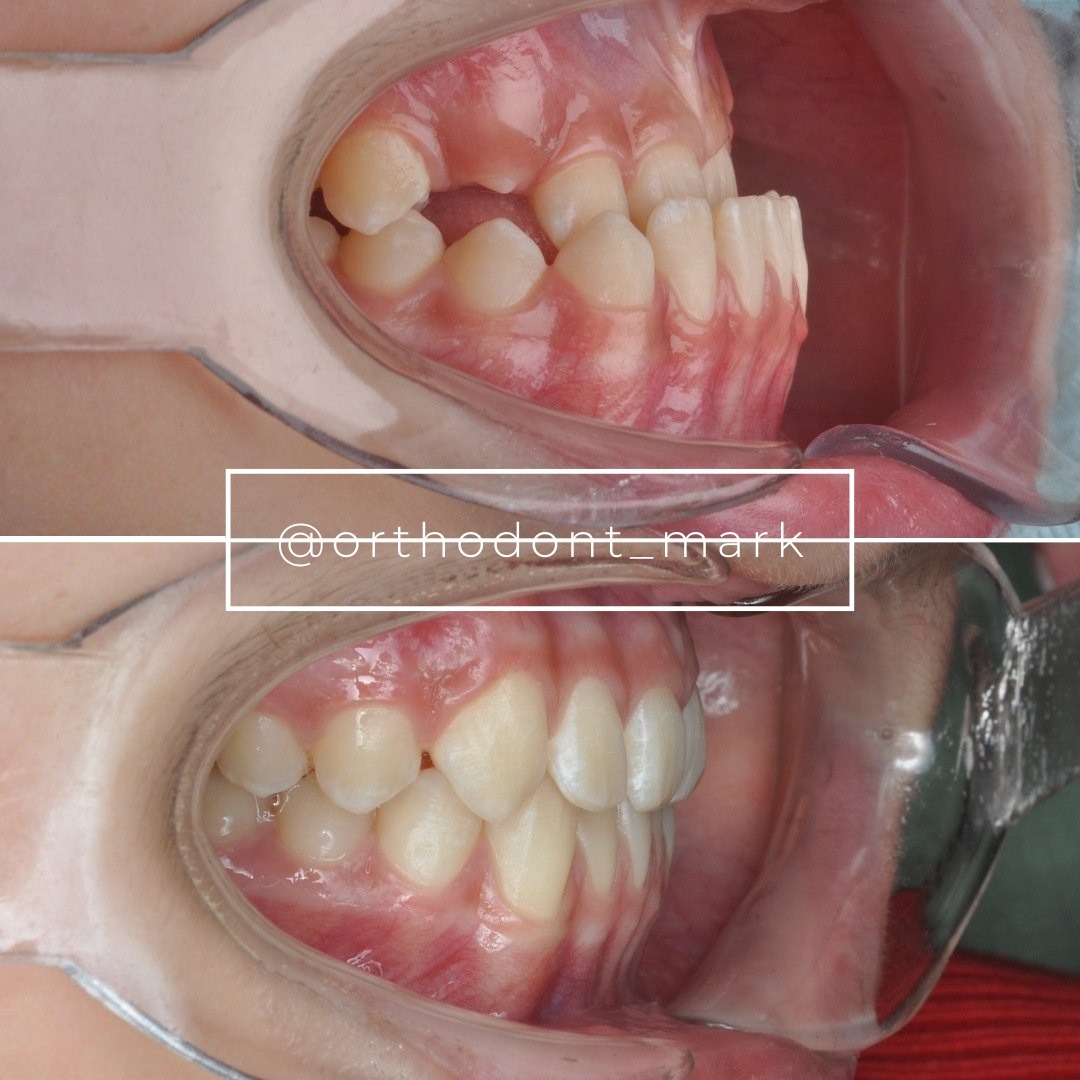
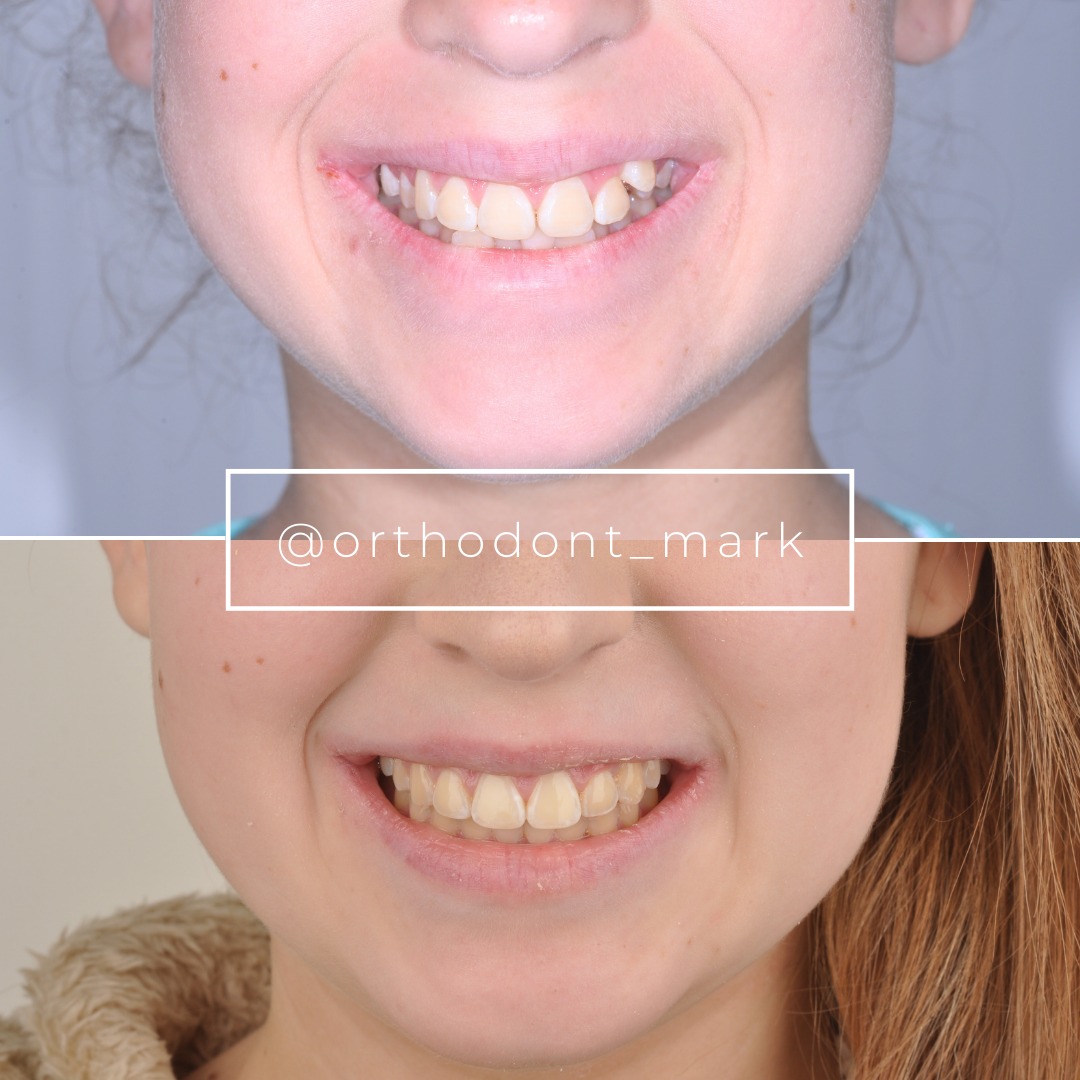
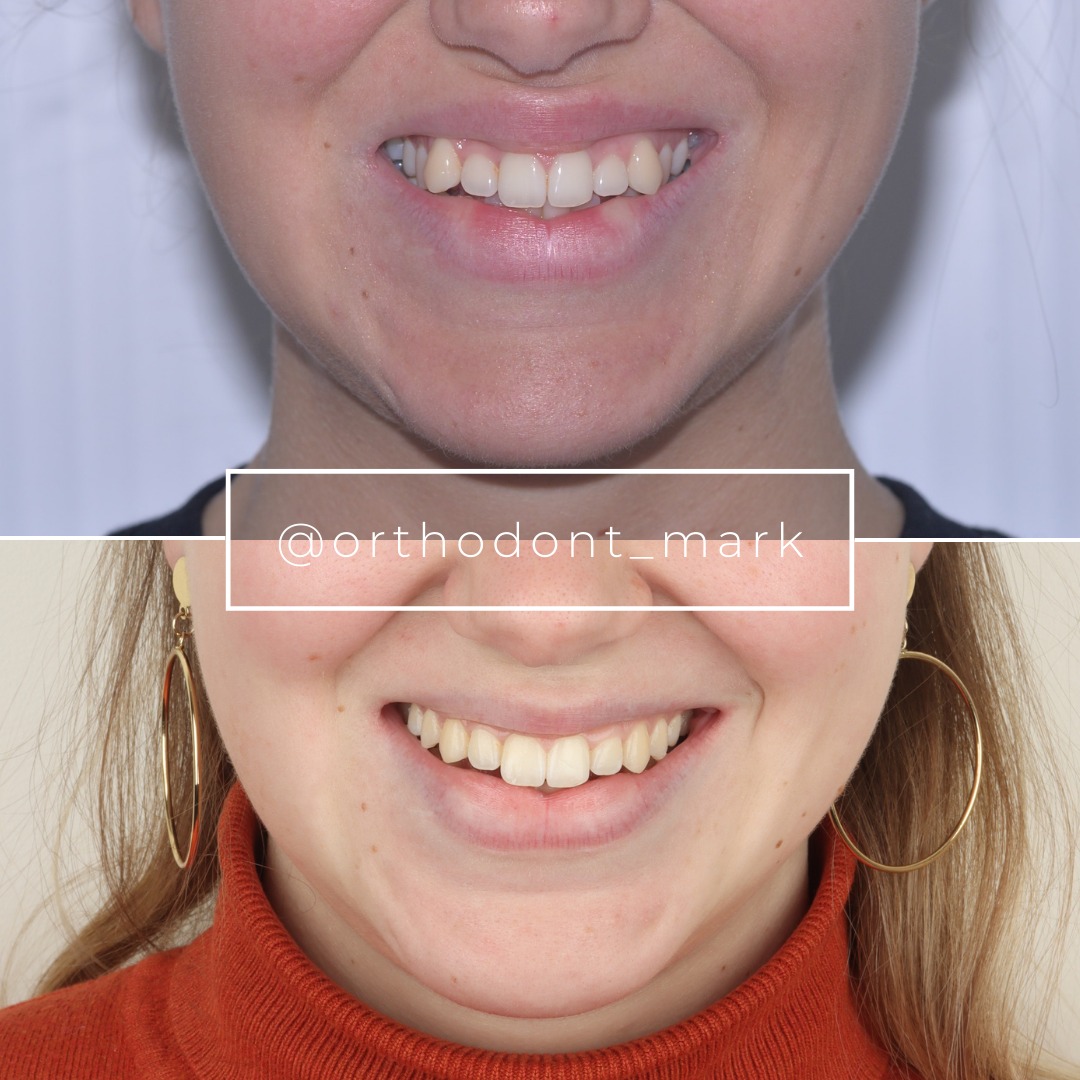
Learn the full MARPE protocol from Dr. Mark Radzhabov
Fundamental course covering CBCT patient selection, miniscrew planning, activation protocols, and 60+ clinical cases. Choose the access level that fits your practice.
Essentials of rapid palatal expansion for practicing orthodontists.
- Core RPE concepts and biomechanics
- 6 structured video lessons
- Clinical decision checklists
- Lifetime access to recordings
Deep-dive into MARPE protocol, diagnostics, and clinical execution.
- 6 modules covering MARPE from A to Z
- CBCT case selection walkthroughs
- Miniscrew placement and activation
- 60+ annotated clinical cases
- Direct Q&A with Dr. Mark Radzhabov
5-element medical consultation framework for dentists and orthodontists.
- Trust-building consultation protocol
- 5 lesson modules
- Templates for treatment plan delivery
- Works with any clinical specialty
Clinical FAQ
What is the optimal age window for MARPE in non-growing patients?
Age is secondary to suture maturation. Patients age 25–45 with Stage A–C sutures are ideal MARPE candidates. Ages >50 require rigorous staging. Stage B may still succeed, but Stage D–E requires SARPE.
Can MARPE achieve skeletal expansion without surgery in adults over 50?
Yes, if midpalatal suture is Stage A–B (open or partially ossified). Bone density and palatal cortical thickness must be adequate. Stage C or higher in patients >50 typically requires SARPE for predictable outcome.
How long does MARPE treatment take in adults compared to SARPE?
MARPE requires 8–12 weeks expansion + 6–12 months retention = 9–16 months total. SARPE requires 2–3 weeks expansion + 6 months retention = 7–8 months total. SARPE is faster.
What is the success rate of miniscrew-assisted expansion in non-surgical adult patients?
86.9% in patients age <30 with open sutures. Success rates decline with age and ossification: Stage B shows 70–80% success. Stage C shows 40–60% due to relapse risk.
How much relapse occurs after MARPE treatment?
Stage A–B: 15–25% relapse within 12 months. Stage C: 40–50% relapse. SARPE shows 5–10% relapse regardless of suture stage, making it more stable long-term.
What is the cost difference between MARPE and SARPE?
MARPE: $4,500–6,500 total (appliance + appointments + retention). SARPE: $5,000–7,500 (surgery + appliance + retention). MARPE slightly cheaper, but SARPE compresses timeline and eliminates relapse risk.
Can MARPE be used in patients with fully ossified midpalatal sutures?
No. Stage D–E (fully ossified) requires SARPE. Attempted MARPE in ossified sutures results in failed skeletal response, miniscrew displacement, and dental-only tipping.
What radiographic staging system is used to assess MARPE candidacy?
Angelieri et al. (2015) CBCT classification: Stage A (cartilaginous), B (partial ossification), C (mostly bony), D (complete ossification with fusion), E (fused with density). Stages A–C are MARPE-eligible. D–E require SARPE.
How do miniscrew insertion depth and palatal anatomy affect MARPE outcomes?
Miniscrews placed 6–8 mm into bone anterior to the transverse suture, 5 mm lateral to midline, minimize mucosal penetration and displacement. Thin palate (<3 mm bone) increases failure risk; thick palate (>4 mm) is ideal.
What is the role of patient retention compliance in MARPE relapse?
Critical. Retention lapses in MARPE allow suture reossification and relapse. SARPE's surgical gap is filled with stable bone, making it less dependent on retention compliance, though 6-month retention is still recommended.
The choice between miniscrew-assisted expansion and surgically-assisted methods is not arbitrary—it hinges on midpalatal suture maturation stage, magnitude of correction needed, and patient tolerance for duration. MARPE offers non-surgical skeletal expansion in select adults without surgery, reducing morbidity and treatment cost. SARPE provides immediate, stable correction for advanced ossification. Radiographic staging via cone-beam CT is mandatory. Dr. Mark Radzhabov recommends case review consultation before treatment initiation to optimize outcomes and manage patient expectations across either protocol.