
MARPE vs SARPE:
Which Palatal Expansion
Method Is Right for Your Patient?
Evidence-based comparison of miniscrew-assisted and surgical rapid palatal expansion techniques, patient selection criteria, and skeletal outcomes in adult treatment.
TL;DR MARPE vs SARPE represents a fundamental treatment choice in adult transverse maxillary deficiency. MARPE offers less invasiveness and comparable skeletal expansion; SARPE provides greater mechanical control but requires surgical intervention. Selection depends on patient age, skeletal maturity, and practitioner expertise.
The decision between MARPE and SARPE remains one of the most clinically consequential choices in contemporary adult orthodontics. Both miniscrew-assisted rapid palatal expansion and surgical approaches achieve skeletal maxillary widening, yet they differ substantially in invasiveness, cost, and patient tolerance. Dr. Mark Radzhabov reviews the evidence, biomechanical principles, and clinical protocols that inform this decision—helping you select the right method for each patient's anatomy and treatment goals.
What Is MARPE vs SARPE?
Nonsurgical and surgical approaches
to adult maxillary widening
Rapid palatal expansion in children leverages natural skeletal compliance; the midpalatal suture yields to orthopedic force with minimal resistance. In skeletally mature patients, however, the fused midpalatal suture and resistant facial skeleton necessitate either miniscrew anchorage or surgical intervention. MARPE uses two or more palatal miniscrews as anchors to deliver expansion force directly to the maxillary skeletal framework, bypassing dental anchorage and reducing dentoalveolar side effects. SARPE, by contrast, employs surgical osteotomies—typically lateral nasal wall cuts, midpalatal splits, and pterygomaxillary disjunction—to physically mobilize the maxilla before or during rapid expansion. Both techniques achieve skeletal widening, but they differ markedly in invasiveness, cost, patient tolerance, and dentoalveolar compensation. The choice hinges on patient anatomy, surgical risk tolerance, midpalatal suture maturity, and practitioner familiarity. Recent prospective trials and comparative analyses have clarified the strengths and limitations of each approach, enabling evidence-informed patient selection.
Skeletal Expansion Effects: MARPE vs SARPE
Nasal width and midpalatal
suture separation
MARPE produces direct skeletal widening by applying bilateral miniscrew-anchored force to the maxilla without surgical disruption. A prospective randomized trial using low-dose CBCT imaging (Chun et al. (2022), BMC Oral Health) revealed midpalatal suture separation in 95% of MARPE and 90% of conventional RPE cases in adolescents and young adults at identical expansion amounts (35 turns). However, MARPE generated significantly greater increases in nasal width at the molar region and greater palatine foramen width compared to tooth-borne RPE, indicating more orthopedic maxillary movement. Importantly, MARPE users experienced less buccal displacement of anchor teeth (first premolars and molars) bilaterally, a critical advantage when dental anchorage preservation is a treatment goal. SARPE achieves skeletal expansion through surgical interruption of the resistance mechanisms: lateral nasal cuts, midpalatal osteotomy, and pterygomaxillary disjunction mobilize the maxilla, permitting faster and more predictable expansion. The surgical approach eliminates suture resistance entirely, allowing practitioners to apply consistent expansion force without the mechanical variability inherent in midpalatal suture separation. Radiographic outcomes demonstrate that SARPE reliably produces diastema formation and radiographic suture opening in nearly all cases when surgical techniques include midpalatal splitting—a marker of true skeletal expansion.
Patient Selection: Age, Suture Maturity, and
Surgical Feasibility
Who benefits from each approach?
Age and skeletal maturity are paramount. RPE remains highly effective in prepubertal and early pubertal patients whose midpalatal sutures are patent and flexible; MARPE and SARPE are reserved for late adolescents and adults beyond the reliable window for conventional expansion. However, individual variability in midpalatal suture fusion—not strictly age-dependent—must be assessed via CBCT imaging before committing to either approach. CBCT evaluation reveals the degree of suture ossification, presence of lateral nasal wall pneumatization, and pterygomaxillary anatomy. Patients with minimal suture fusion and adequate space for miniscrew placement are excellent MARPE candidates; those with heavily fused sutures and complex craniofacial anatomy may benefit from SARPE's surgical mobilization. MARPE is preferred when patients wish to avoid surgery, have limited surgical risk tolerance, or when dental anchorage preservation is essential. SARPE is indicated when transverse deficiency is severe, when dental anchorage compromise is acceptable, or when surgical correction of associated vertical or anteroposterior discrepancies is planned concurrently. Cost and treatment duration also factor: MARPE requires miniscrew hardware and orthodontist-driven protocol but avoids surgical fees; SARPE necessitates surgical consultation and operating room time but may compress the expansion phase. Practitioner experience with miniscrew insertion and skeletal anchorage techniques is critical for MARPE success; SARPE demands orthognathic surgical expertise or close collaboration.
Expansion Protocol: Activation Schedules and
Retention Phases
What clinicians must execute
MARPE protocol typically involves palatal miniscrew placement (commonly in the anterior-lateral palatal vault, avoiding neurovascular and root anatomy), a latency period of 1–2 weeks for osseointegration, and then screw-driven expansion at a standard rate of 0.8–1.0 mm daily (or 4–5 quarter-turns per day). Activation continues until desired transverse width is achieved, then a consolidation or retention phase lasting 3–6 months permits bone remodeling and prevents relapse. Recent evidence supports an intensive expansion window of 8+ weeks with protocolized turns (4 turns daily for 10 days, repeated 4 times over the active phase) to ensure adequate skeletal and suture response, followed by 6 months of retention before appliance removal. SARPE requires surgical scheduling, general anesthesia, and a latency period (typically 5–7 days) before rapid expansion begins, allowing acute surgical inflammation to subside. Once expansion commences, SARPE practitioners often apply faster activation rates (0.5–1.0 mm daily, sometimes higher) because surgical osteotomies eliminate mechanical resistance. The rapid expansion phase in SARPE typically lasts 1–3 weeks, much shorter than MARPE or conventional RPE, and is followed by a stabilization and fixed retention phase lasting 3–6 months minimum. Both techniques require rigid retention: MARPE miniscrews often remain in situ for 6–12 months post-expansion to prevent relapse; SARPE employs fixed appliances or interim splinting. Compliance and practitioner discipline are paramount; irregular activation or premature retention removal compromises skeletal stability and invites relapse.
Common Pitfalls: Dentoalveolar Side Effects,
Surgical Morbidity, and Relapse
Risk management strategies
MARPE complications are primarily dentoalveolar and miniscrew-related. Anterior maxillary dentoalveolar tipping—buccal flaring of incisors—can occur if miniscrew anchorage is suboptimal or if expansion rate exceeds skeletal capacity. Root resorption, though uncommon, may develop in patients with thin labial cortices or intense force application. Miniscrew loosening or loss affects approximately 5–15% of cases depending on insertion site and osseous density; revision screw placement is feasible but extends treatment. Periodontal effects (gingival recession, bone loss) are rare when miniscrews are placed in keratinized palatal mucosa away from tooth roots, but careful insertion anatomy is essential. Patient discomfort during activation is typically mild to moderate and managed with analgesics; some patients report transient midline palatal discomfort, sinus pressure, or nasal congestion. SARPE complications are primarily surgical and systemic. Hemorrhage, infection, and delayed bone healing occur in <5% of cases in specialized centers; however, general anesthesia carries inherent risks, and wound dehiscence can compromise surgical gains. Sensory changes (hypoesthesia) in the palate and upper teeth are common postoperatively but usually resolve within 3–6 months. Relapse is possible in both techniques if retention protocols are breached; however, MARPE's gentler force and bone remodeling create a lower relapse tendency compared to aggressive SARPE expansion. Midline diastema closure occurs naturally in MARPE within months as the alveolus remodels; SARPE diastema may persist longer and require anterior bonding or space closure. The psychological burden of surgical recovery (swelling, dietary restriction, postoperative pain) is significant in SARPE; MARPE patients typically report minimal lifestyle disruption. Practitioners must obtain informed consent detailing these risks and establish realistic expectations regarding timeline, cost, and outcome variability.
Cost-Effectiveness and Treatment Planning:
Building Your Decision Algorithm
Practical considerations for practice
MARPE is substantially less costly than SARPE in most settings. Miniscrew hardware (typically two bilateral units) ranges from $200–500; the procedure is performed in-office under topical or local anesthesia, requires no surgical team or facility charges, and avoids anesthesia fees. Total MARPE cost to the patient is typically $2,000–4,000 including comprehensive treatment. SARPE entails surgical consultation, CBCT imaging, operating room time, anesthesia, and surgeon fees; total out-of-pocket costs often exceed $5,000–8,000 and may not be fully covered by insurance if classified as orthognathic rather than orthodontic. Treatment duration favors SARPE for patients seeking rapid results: surgical expansion can be completed in 2–4 weeks, whereas MARPE active expansion spans 8+ weeks. However, retention timelines are similar, and total active treatment time (expansion plus retention plus final bracket alignment) remains comparable between techniques. Practitioner experience and referral network accessibility shape the decision algorithm: if you are skilled in miniscrew placement and skeletal anchorage, MARPE is a logical first-line choice for cooperative patients. If you lack miniscrew expertise or encounter anatomically unfavorable cases, a network of trusted orthognathic surgeons enables seamless SARPE referral. A comparative efficiency table reveals that MARPE excels in cost, patient comfort, and dentoalveolar preservation; SARPE excels in speed, mechanical predictability, and elimination of miniscrew-related variables. Dr. Mark Radzhabov emphasizes that the optimal approach integrates CBCT assessment, patient values, and your technical armamentarium into a personalized treatment plan rather than applying a one-size-fits-all protocol.
Free Clinical Guide
Which Expansion Appliance at Which Age?
Get Dr. Mark Radzhabov's guide to skeletal-expansion appliances — indications, pros & cons, and how to choose by patient age. Free to your inbox.
Prefer video? Watch the free demo lesson on MARPE appliance types, features and trade-offs.
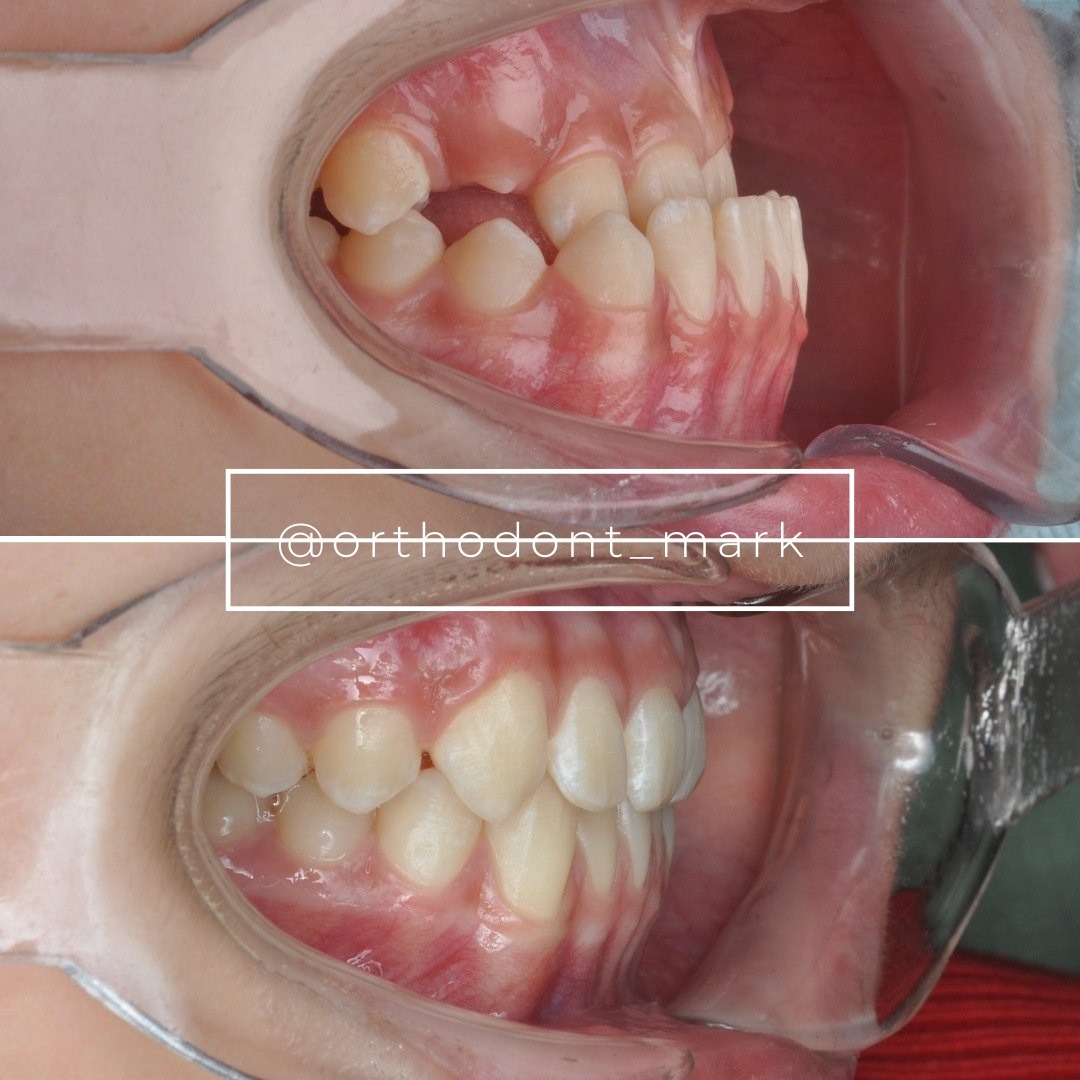
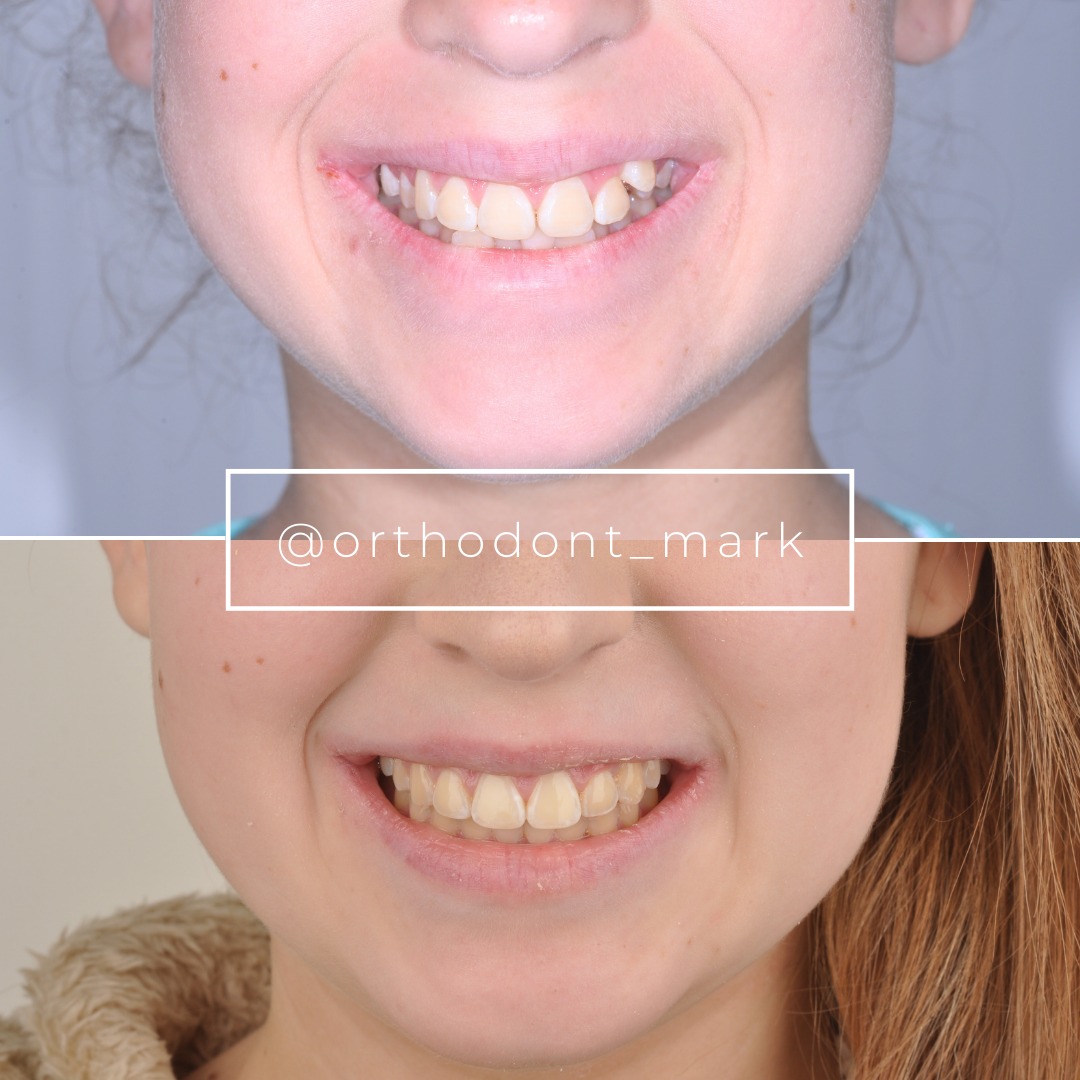
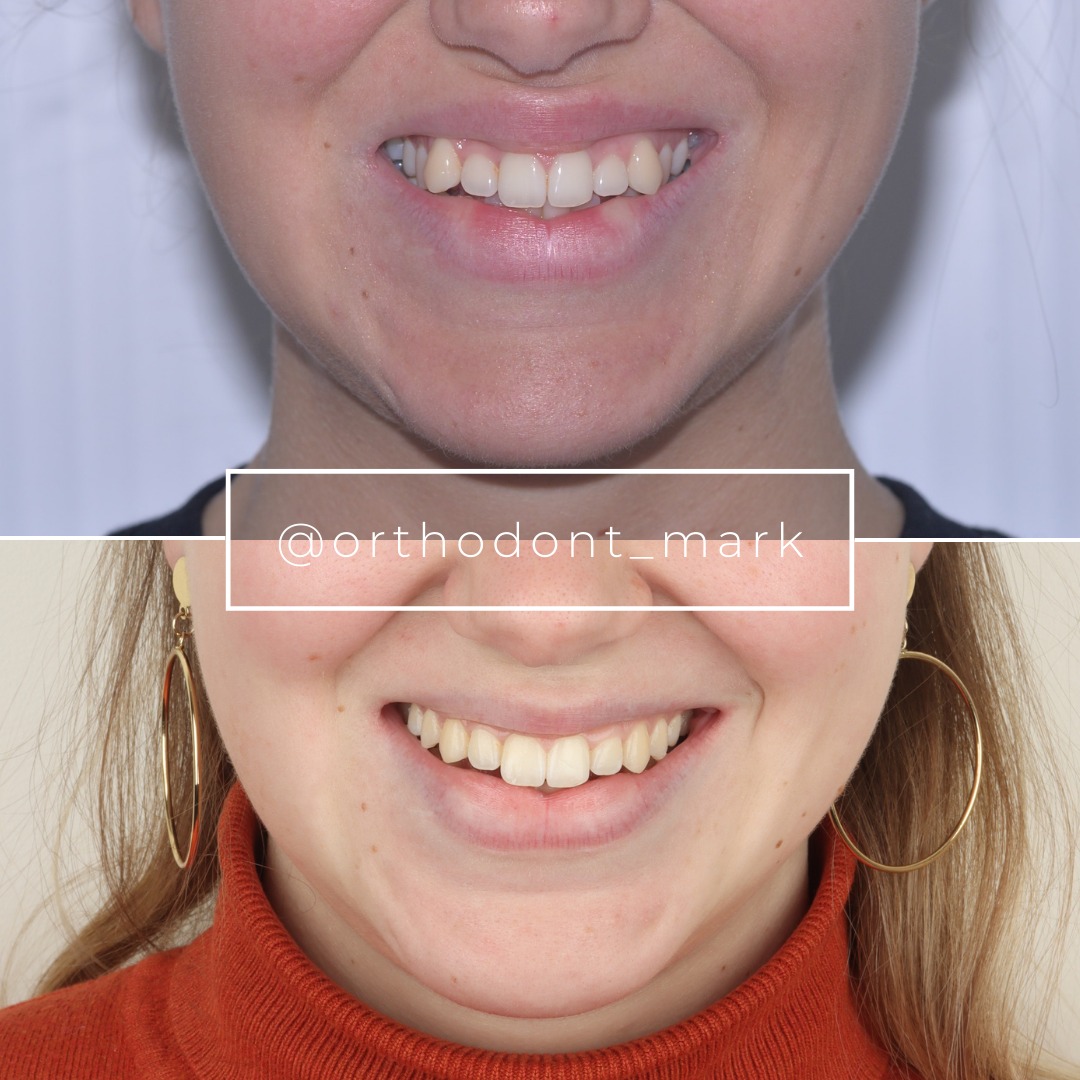
Documented outcomes
Clinical cases from Dr. Mark Radzhabov's practice
Learn the full MARPE protocol from Dr. Mark Radzhabov
Fundamental course covering CBCT patient selection, miniscrew planning, activation protocols, and 60+ clinical cases. Choose the access level that fits your practice.
Essentials of rapid palatal expansion for practicing orthodontists.
- Core RPE concepts and biomechanics
- 6 structured video lessons
- Clinical decision checklists
- Lifetime access to recordings
Deep-dive into MARPE protocol, diagnostics, and clinical execution.
- 6 modules covering MARPE from A to Z
- CBCT case selection walkthroughs
- Miniscrew placement and activation
- 60+ annotated clinical cases
- Direct Q&A with Dr. Mark Radzhabov
5-element medical consultation framework for dentists and orthodontists.
- Trust-building consultation protocol
- 5 lesson modules
- Templates for treatment plan delivery
- Works with any clinical specialty
Clinical FAQ
What is the optimal age window for MARPE in adult patients with transverse maxillary deficiency?
MARPE is effective in late adolescents and adults beyond pubertal growth. Individual CBCT assessment of midpalatal suture maturity is essential; chronological age alone does not predict suitability. Patients aged 14–40 are typically candidates if suture fusion permits miniscrew placement without root impingement.
How does miniscrew-assisted rapid palatal expansion reduce anchor tooth displacement compared to conventional RPE?
MARPE applies expansion force directly to the maxillary skeletal framework via palatal miniscrews, bypassing dental anchorage and eliminating the buccal flaring that occurs in tooth-borne systems. CBCT evidence shows MARPE delivers greater nasal width expansion with minimal premolar and molar buccal movement.
What surgical steps define SARPE and why is midpalatal split critical for efficacy?
SARPE includes lateral nasal wall osteotomies, midpalatal suture splitting, and pterygomaxillary disjunction to mobilize the maxilla. Midpalatal split is essential: it eliminates suture resistance, increases mechanical efficacy significantly, and ensures radiographic evidence of skeletal separation without compromising patient surgical comfort.
How long does the active expansion phase last in MARPE versus SARPE?
MARPE active expansion typically spans 8+ weeks with protocolized daily activation (4 turns daily for 10 days, repeated 4 times). SARPE active expansion is compressed to 1–3 weeks because surgical osteotomies eliminate resistance. Both are followed by 3–6 month retention phases.
What CBCT landmarks should orthodontists assess before recommending MARPE versus SARPE?
Evaluate midpalatal suture ossification pattern, lateral nasal wall pneumatization, available palatal vault space for miniscrews, maxillary root positions, and severity of transverse deficiency. Heavy suture fusion and limited palatal anatomy may favor SARPE; patent sutures and adequate space support MARPE.
Can MARPE miniscrews be placed in all patients, or are there anatomical contraindications?
Miniscrew placement requires adequate palatal bone thickness (typically ≥4 mm), absence of critical neurovascular anatomy (greater palatine vessels), and sufficient distance from tooth roots. Palatal tori, limited vault space, or unfavorable bone density may preclude optimal placement and necessitate SARPE referral.
What is the cost differential between MARPE and SARPE, and does insurance typically cover both?
MARPE costs $2,000–4,000 out-of-pocket; SARPE ranges $5,000–8,000 including surgical fees. Insurance coverage varies; MARPE is orthodontic and often covered under orthodontic benefits; SARPE may be classified as oral surgery or orthognathic and covered separately or partially depending on medical necessity.
How common is miniscrew loosening in MARPE, and what should clinicians do if screws fail?
Miniscrew loosening or failure occurs in 5–15% of MARPE cases. Management includes clinical assessment of expansion progress; if substantial widening is achieved, retention with the remaining screw(s) is acceptable. If loosening occurs early, revision screw placement in an alternative palatal site extends treatment but maintains skeletal results.
Does relapse differ between MARPE and SARPE after retention is removed?
MARPE exhibits lower relapse tendency due to gentler force application and bone remodeling over 8+ weeks; SARPE's rapid expansion may show slightly higher initial relapse if retention protocols are breached. Both require disciplined retention (miniscrews in situ or fixed appliances) for 6+ months to ensure stability.
Should MARPE or SARPE be considered if the patient has concurrent vertical or anteroposterior maxillary deficiency?
If vertical/AP correction is needed, SARPE allows concurrent orthognathic surgical correction in a single procedure, streamlining overall treatment. MARPE addresses transverse deficiency alone; vertical or AP problems require subsequent bracket therapy or orthognathic consultation, potentially extending total treatment time.
Neither MARPE nor SARPE is universally superior; success depends on accurate patient selection, midpalatal suture maturity assessment, and rigorous protocol adherence. Your clinical judgment—informed by CBCT imaging, age, and growth status—must guide the choice. Dr. Mark Radzhabov encourages orthodontists to master both techniques and leverage the Orthodontist Mark curriculum to refine your diagnostic and treatment planning skills for complex adult expansion cases.