
MARPE Versus Tooth-Borne SARPE:
Hidden Third Option
A Clinical Decision Guide
Evidence-based comparison of miniscrew-assisted and surgical palatal expansion in adults. Learn when each technique delivers superior skeletal outcomes and patient acceptance.
TL;DR MARPE versus tooth-borne SARPE represent distinct pathways for adult transverse maxillary expansion. MARPE offers less invasiveness and faster treatment onset. Tooth-borne SARPE delivers predictable skeletal results when midpalatal suture maturation is advanced. The choice depends on age, suture closure stage, and patient preference for surgical versus non-surgical intervention.
Adult transverse maxillary expansion remains one of the most divisive clinical decisions in modern orthodontics. MARPE versus tooth-borne SARPE represents far more than a technical choice—it reflects fundamental differences in biomechanics, patient morbidity, and predictability. In this article, Dr. Mark Radzhabov examines the clinical evidence, patient selection criteria, and real-world outcomes for both approaches, drawing on peer-reviewed studies and more than a decade of skeletal expansion practice. The goal is to help you make evidence-informed decisions based on suture maturation, treatment timeline, and case complexity rather than default habit.
What Are MARPE and Tooth-Borne
SARPE?
Core Definitions and Clinical Context
MARPE (miniscrew-assisted rapid palatal expansion) and tooth-borne SARPE (surgically assisted rapid palatal expansion) represent two distinct mechanical approaches to adult transverse maxillary expansion. MARPE uses two to four skeletal anchors (miniscrews) placed in the hard palate to deliver expansion force directly to the maxillary skeleton, bypassing tooth periodontium entirely. Tooth-borne SARPE relies on conventional appliances anchored to maxillary teeth but requires surgical osteotomies (typically at the pterygomaxillary junction, circumzygomatic buttresses, and midpalatal suture) to reduce skeletal resistance and permit rapid expansion. The fundamental difference is force delivery: MARPE is truly skeletal, while tooth-borne SARPE is dentally anchored but surgically decorticated. Both achieve transverse expansion, but through opposing biomechanical pathways. Understanding this distinction is essential for case selection and outcome prediction.
Efficacy, Safety, and Patient-Reported
Outcomes
Efficacy between the two methods differs by suture maturation stage. MARPE achieves reliable skeletal expansion in patients under age 25–28, particularly when midpalatal suture remains partly patent or early-stage fusional. Studies of SARPE indicate higher skeletal separation rates overall, but this comes at the cost of surgical morbidity—post-operative pain, swelling, and transient neurosensory changes are common in the immediate period. A comparative clinical study found that surgically-assisted expansion with midpalatal split demonstrated significantly greater skeletal efficacy (P < 0.01) than non-split approaches, though both were clinically acceptable in terms of patient comfort during the post-operative phase. MARPE produces slower initial expansion rates (typically 1 mm per week) compared to SARPE (1.5–2 mm per week), but permits extended treatment duration and finer control. Discomfort during MARPE activation is typically mild to moderate and confined to the palate. SARPE patients experience higher immediate post-operative morbidity that resolves by 2–3 weeks. For practicing orthodontists, MARPE offers the advantage of lower invasiveness and simpler logistics. SARPE requires surgical partnership and patient acceptance of operative risk.
Suture Maturation Assessment and the
Critical Age Window
The most reliable clinical predictor for choosing MARPE versus tooth-borne SARPE is skeletal maturity, specifically midpalatal suture closure stage. CBCT imaging reveals four key sutural junctions: midpalatal suture (MPS), transpalatal suture (TPS), pterygomaxillary suture (PMS), and zygomaticomaxillary suture (ZMS). Govaerts et al. (2023), Journal of Orofacial Orthopedics reports significant MPS closure (stages D and E) in 61% of 15-year-old females, PMS closure of 83–100% from 13 to 17 years and TPS closure of 78–85% from 15 years. For males, closure typically occurs 1–2 years later. When MPS remains in stages A–C (patent or partial fusion), MARPE is biomechanically superior because the suture remains responsive to sustained orthopedic pressure. When MPS reaches stages D–E (near-complete or ossified fusion), SARPE becomes the more predictable choice because surgical decortication reduces skeletal resistance. A practical clinical rule: if CBCT shows open or early-fusional MPS in a patient under 20 years, begin with MARPE. If MPS is advanced-fusional and the patient is over 20–22 years, surgical referral is warranted unless patient strongly refuses operative intervention. The “hidden third option” is hybrid: start MARPE in a borderline case, monitor radiographic progress, and pivot to surgical consultation if expansion stalls despite adequate activation.
Treatment Sequencing, Activation Schedules,
and Retention
MARPE activation typically follows a slow-and-steady protocol: 0.25 mm daily (one quarter-turn on most commercial devices) or 0.5 mm every other day, with planned pauses every 2–3 weeks to permit bone reorganization and reduce relapse risk. Total active expansion phase lasts 12–16 weeks. Retention follows for 6–9 months minimum. MARPE is non-invasive and can be performed in-office without surgical referral, making it attractive for practices without oral surgery partnerships. Tooth-borne SARPE requires a surgical consultation 2–4 weeks pre-expansion. Surgery (typically LeFort-style midpalatal split with pterygomaxillary osteotomies) is performed first. Expansion begins 5–7 days post-operatively once acute edema subsides. Activation proceeds at 1.5–2 mm per week (full turns daily) because surgical decortication eliminates sutural resistance. Total active phase lasts 4–8 weeks. Retention is 6–12 months. Post-operative pain management, antibiotic coverage, and clear surgical care instructions are essential. For practices considering MARPE, training in miniscrew insertion technique and radiographic reading (suture maturation staging) is prerequisite. For SARPE, establishing clear protocols with your referring oral surgeon—including communication during the expansion phase and final retention plan—is critical. Orthodontist Mark emphasizes that whichever pathway you choose, a documented suture assessment at baseline and progress monitoring at 4, 8, and 12 weeks ensures you can pivot if unexpected resistance or complications arise.
Why MARPE Fails, Why SARPE Disappoints,
and How to Prevent It
MARPE failures occur most often when midpalatal suture is already in late-fusional or ossified stage (stages D–E) and the clinician persists with non-surgical expansion beyond 12–14 weeks. The result is minimal skeletal separation and severe dentoalveolar tipping (unwanted buccal flaring of maxillary molars). Early recognition—via CBCT progress imaging at 8 weeks—allows timely surgical referral before tissue scarring from prolonged force makes surgery more complex. Tooth-borne SARPE disappointments typically stem from inadequate surgical decortication (insufficient osteotomy extent) or surgeon unfamiliarity with true midpalatal split technique. The result is mechanical relapse or slow activation response. Communication with your surgeon before the case is essential: confirm midpalatal split will be performed, not merely pterygomaxillary release alone. A second common SARPE pitfall is post-operative edema misinterpreted as expansion—apparent maxillary width gain evaporates as swelling resolves, and the patient perceives treatment failure. Set realistic expectations pre-operatively: true skeletal gain appears 2–3 weeks post-operatively, after edema subsides. MARPE pitfalls also include inadequate screw placement (too shallow, too medial, or insufficient separation between bilateral screws) and poor patient compliance with activation frequency—skipped turns dramatically reduce efficacy. Document miniscrew position (periapical radiographs or CBCT) and provide clear patient instruction sheets with photos. A final hidden pitfall: assuming the wrong starting age. If a patient aged 14–16 has mixed-dentition characteristics (some permanent teeth missing, eruption ongoing), MARPE may be premature. Conversely, if a 24-year-old presents with a patent MPS on CBCT, MARPE can still succeed. Always image, never guess.
Comparative Effectiveness, Stability, and
Patient Satisfaction
Head-to-head comparative studies between MARPE and tooth-borne SARPE are limited, partly because patient selection differs (MARPE favors younger/more patent sutures. SARPE favors older/ossified sutures). However, systematic reviews and meta-analyses of rapid palatal expansion outcomes confirm several consistent findings. SARPE with true midpalatal split achieves significantly greater skeletal separation (mean 8–12 mm intercanthal width gain) compared to tooth-borne-only approaches (4–7 mm). MARPE in ideal-age patients (under 22–24 years) achieves 6–10 mm skeletal gain depending on suture stage and activation duration. Long-term stability (assessed at 1–2 years post-retention) shows that MARPE relapse averages 15–25% of gained width. SARPE relapse is typically 10–20%, likely because complete surgical separation prevents early sutural re-fusion. Patient satisfaction differs: MARPE users report minimal discomfort and appreciate the non-invasive approach. SARPE patients endure acute post-operative morbidity but often report confidence in the “definitive” surgical result. Radiographic evidence of midpalatal splitting (CBCT cross-sections showing clear separation at the median palatine suture) predicts lower relapse risk and higher patient confidence in permanence. One important caveat: many studies labeled “MARPE” describe miniviscrew-assisted approaches that do not achieve true skeletal-only anchoring (some hybrid designs still transfer force partially to teeth). And many “SARPE” reports do not clearly specify whether midpalatal split was performed. This heterogeneity limits direct comparison, but the principle holds: true skeletal anchoring (MARPE) and true skeletal separation (SARPE with midpalatal split) both outperform hybrid or partial approaches.
Step-by-Step Case Selection and
Treatment Pathway
Use this clinical algorithm to guide your MARPE versus tooth-borne SARPE decision. First, obtain CBCT and assess midpalatal suture maturation using established staging (stages A–E, with A being patent and E being ossified). Simultaneously, evaluate pterygomaxillary, transpalatal, and zygomaticomaxillary sutures. If the patient is under age 18 and MPS is patent or early-fusional (stages A–B), proceed with MARPE: placement of two to four miniscrews in the hard palate, clear skeletal anchoring, and activation per established protocol (0.25–0.5 mm daily). Plan CBCT progress imaging at 8 and 12 weeks. If expansion meets or exceeds expected gain, continue to planned retention. If expansion lags significantly (less than 0.3 mm/week measured on lateral cephalograms or CBCT), consult oral surgery for possible pivot to SARPE. If the patient is aged 18–22 and MPS is in mid-to-late fusional stage (stages B–C), MARPE remains first-line, but counsel the patient on realistic timeline (16–20 weeks for complete expansion) and set a “decision point” at 10 weeks: if gains are minimal, surgical consultation follows. If the patient is over age 22–24 and MPS is advanced-fusional or ossified (stages D–E), or if skeletal discrepancy is severe (>8 mm transverse width deficiency), offer SARPE as primary option. Brief discussion of MARPE is appropriate if patient refuses surgery, but set clear expectations that success is less certain. In borderline cases (age 19–21, stages B–C MPS), frame the choice as: “We can start with MARPE and monitor closely. If progress is slow, we'll refer for surgical support within 10–12 weeks. This approach lets us avoid surgery if your bones respond well, but keeps that option open.” This “try-then-pivot” strategy respects patient autonomy and reduces the risk of prolonged futile expansion.
Free Clinical Guide
Which Expansion Appliance at Which Age?
Get Dr. Mark Radzhabov's guide to skeletal-expansion appliances — indications, pros & cons, and how to choose by patient age. Free to your inbox.
Prefer video? Watch the free demo lesson on MARPE appliance types, features and trade-offs.
Documented outcomes
Clinical cases from Dr. Mark Radzhabov's practice
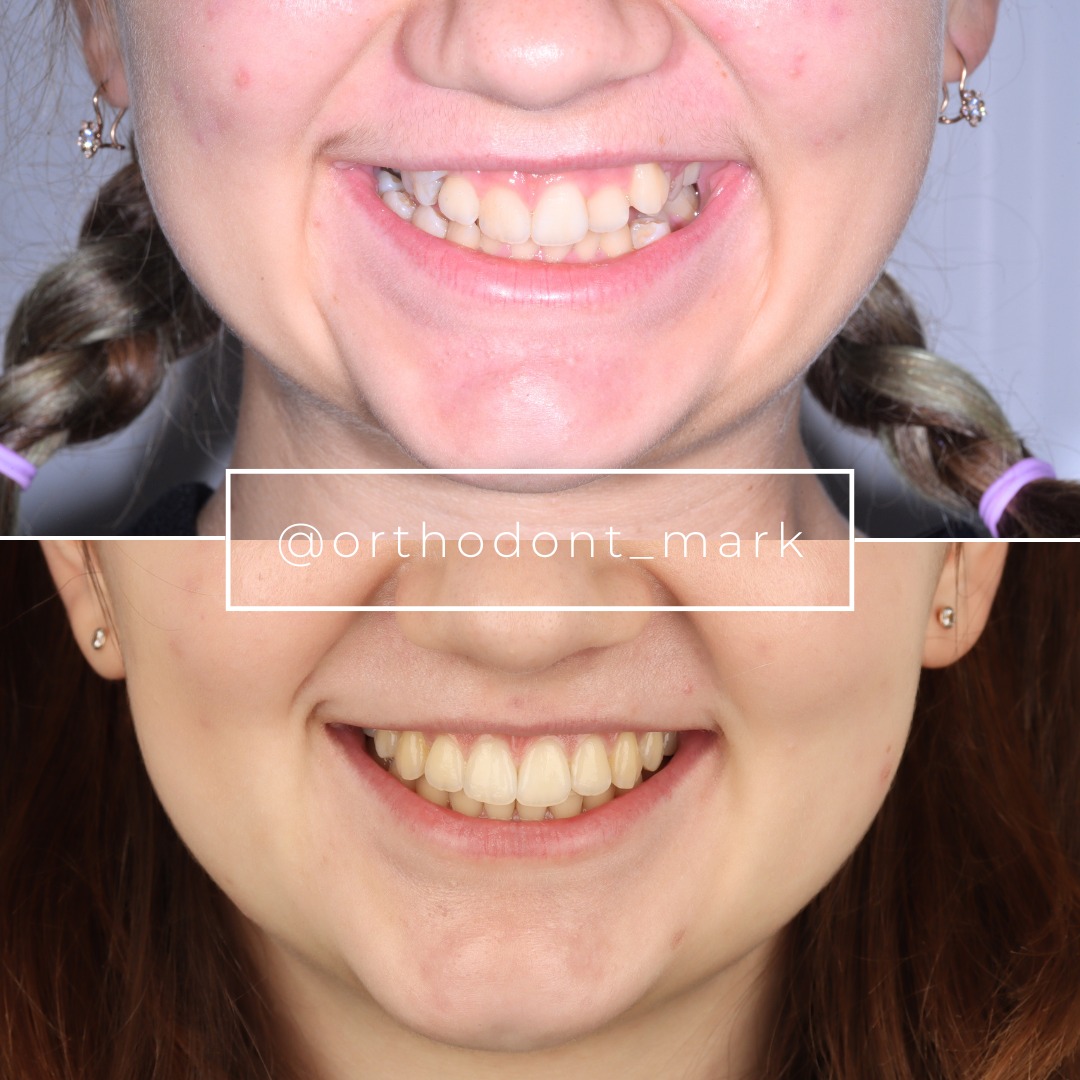
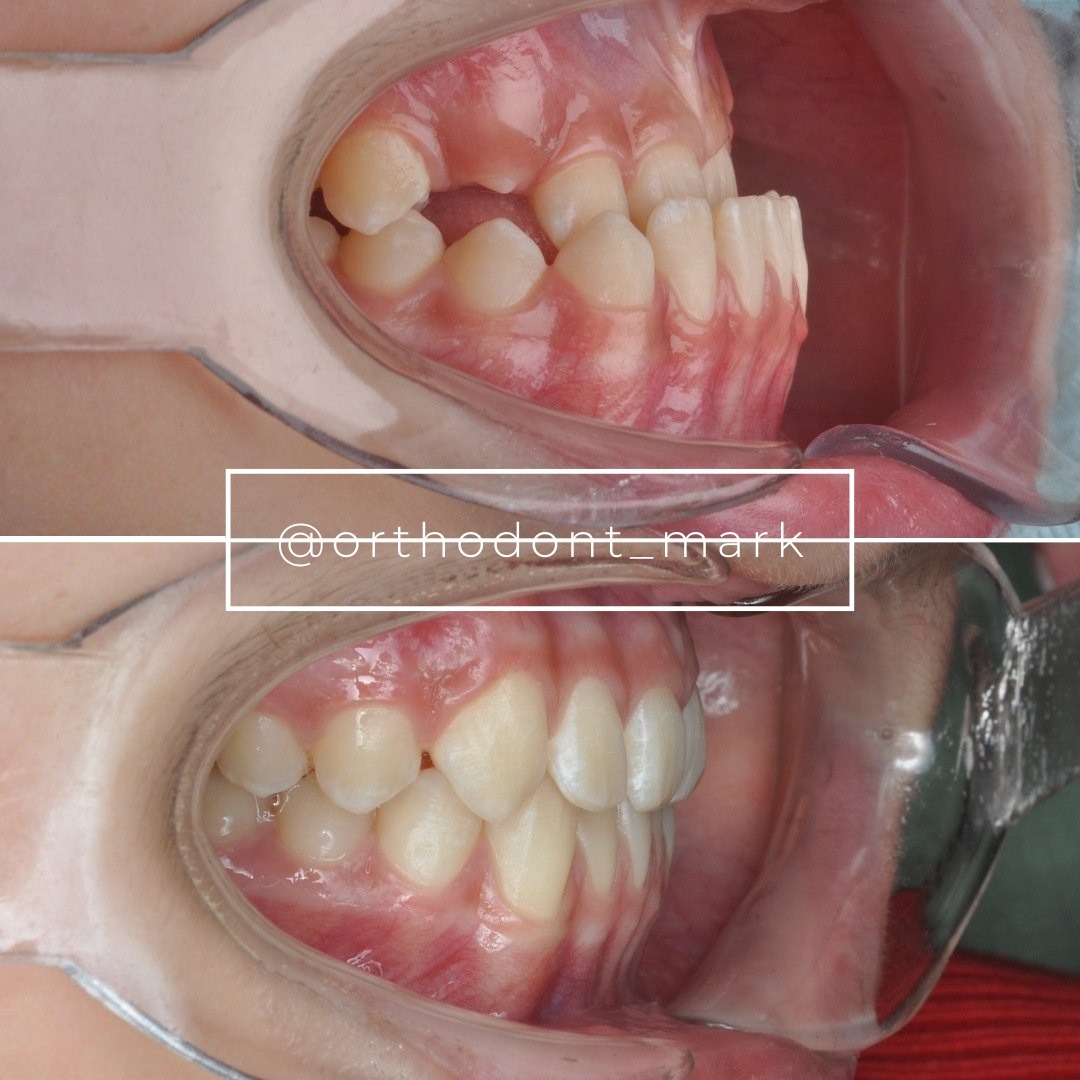
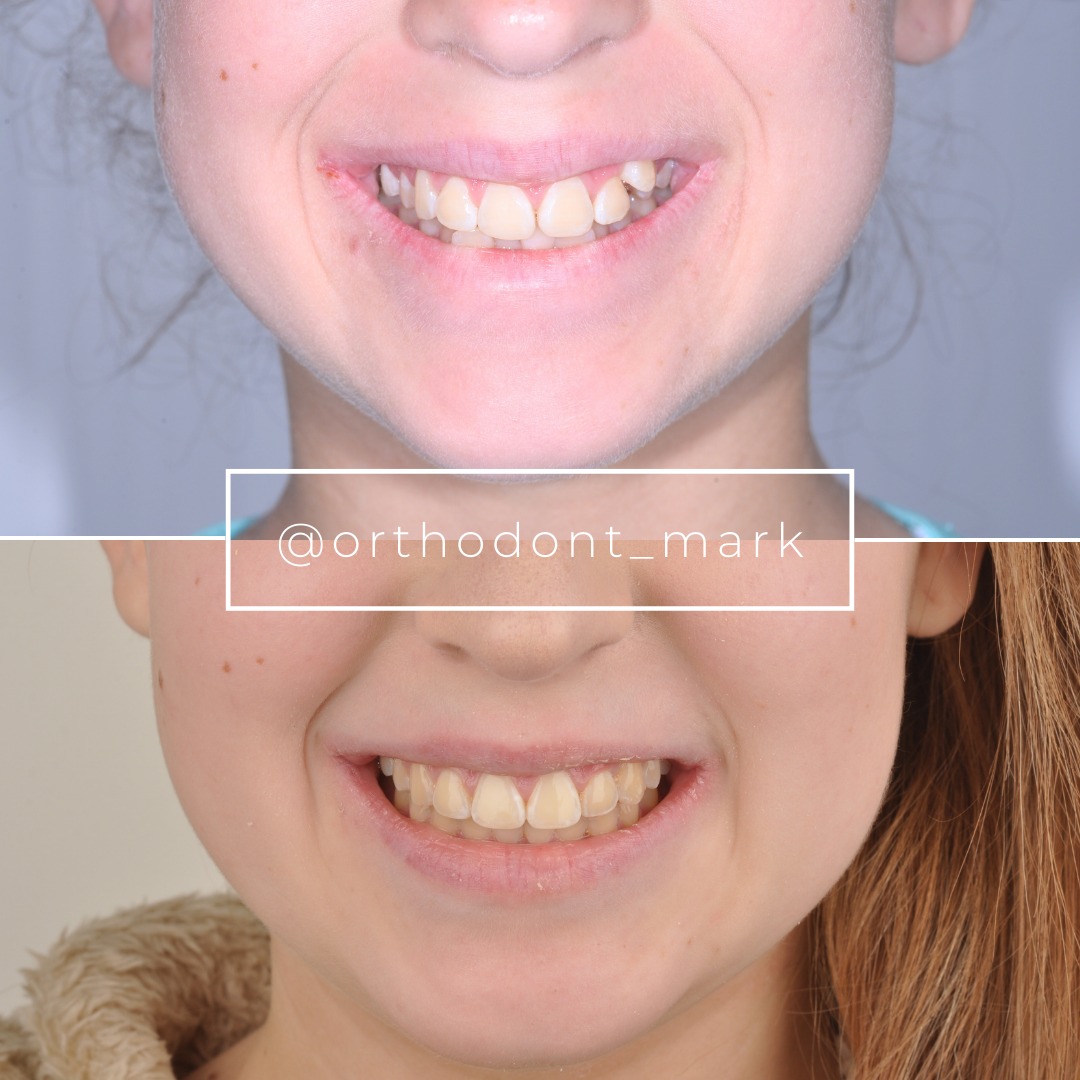
Learn the full MARPE protocol from Dr. Mark Radzhabov
Fundamental course covering CBCT patient selection, miniscrew planning, activation protocols, and 60+ clinical cases. Choose the access level that fits your practice.
Essentials of rapid palatal expansion for practicing orthodontists.
- Core RPE concepts and biomechanics
- 6 structured video lessons
- Clinical decision checklists
- Lifetime access to recordings
Deep-dive into MARPE protocol, diagnostics, and clinical execution.
- 6 modules covering MARPE from A to Z
- CBCT case selection walkthroughs
- Miniscrew placement and activation
- 60+ annotated clinical cases
- Direct Q&A with Dr. Mark Radzhabov
5-element medical consultation framework for dentists and orthodontists.
- Trust-building consultation protocol
- 5 lesson modules
- Templates for treatment plan delivery
- Works with any clinical specialty
Clinical FAQ
At what age should I recommend SARPE over MARPE for transverse maxillary expansion?
CBCT-based studies recommend SARPE consideration around age 15 in females and 16–17 in males, when midpalatal suture closure reaches 61% or greater fusion. However, age alone is unreliable. Stage the suture radiographically. MARPE can succeed in older patients with patent sutures. SARPE may be necessary in younger patients with early ossification.
What is the optimal expansion activation rate for miniscrew-assisted MARPE?
Standard MARPE protocol uses 0.25–0.5 mm daily (one quarter-turn to one half-turn). Slower activation (0.25 mm/day) permits better bone remodeling and reduces relapse risk. Faster rates (0.75–1 mm/day) accelerate treatment but increase dentoalveolar side effects and patient discomfort.
How much skeletal separation should I expect with SARPE when midpalatal split is performed?
SARPE with true midpalatal split typically achieves 8–12 mm of transverse maxillary gain measured at the first molars. Effectiveness is higher than non-split approaches (4–7 mm), and relapse at 1–2 years post-retention is typically 10–20% of total gain when surgical separation is complete.
What is the most common cause of MARPE failure?
Inadequate pre-operative suture maturation assessment and failure to pivot to surgical referral when expansion stalls. If MARPE shows less than 0.3 mm/week gain by week 8–10, refer for CBCT and surgical consultation rather than continuing indefinitely.
How long should I retain gains after MARPE or SARPE?
Both techniques require minimum 6 months of retention; 9–12 months is more secure. MARPE relapse averages 15–25% of total gain. SARPE relapse is 10–20%. Extended retention (12 months) reduces both to approximately 10%.
Can MARPE be performed if the midpalatal suture is already in stage D (near-complete fusion)?
MARPE can be attempted, but success is significantly reduced. You should set a clear decision point at 8–10 weeks. If radiographic progress is minimal, refer for surgical consultation. Pushing MARPE beyond 12 weeks in advanced-fusion cases risks excessive dentoalveolar tipping without adequate skeletal gain.
What are the key surgical osteotomy sites for tooth-borne SARPE to succeed?
Effective SARPE requires midpalatal split (sagittal osteotomy at median palatine suture) plus pterygomaxillary disjunction and, often, circumzygomatic buttress reduction. Failure to perform true midpalatal split significantly reduces skeletal separation and increases relapse risk. Confirm with your surgeon pre-operatively.
How should I counsel patients on post-operative pain and morbidity when comparing MARPE and SARPE?
MARPE produces mild to moderate palatal discomfort during activation (generally well-tolerated). SARPE involves acute post-operative swelling, pain, and possible transient neurosensory changes. Most resolve by 2–3 weeks. Set realistic expectations and use clear pre-operative communication to build trust.
What is the hidden third option in adult palatal expansion?
A hybrid 'try-then-pivot' approach: initiate MARPE in borderline-age cases (18–22 years) with serial CBCT monitoring. If skeletal response is robust, continue to retention. If stalled by week 8–10, refer for surgical consultation and possible SARPE. This respects patient preference while maintaining clinical precision.
How do I stage the midpalatal suture on CBCT for treatment planning?
Use standard A–E staging: A = patent suture with clear radiolucency. B = partial fusion with radiolucent areas. C = fusion >50% with radiodense areas. D = nearly complete fusion with minimal radiolucency. E = complete ossification. Stages A–B favor MARPE. Stages D–E favor SARPE. Stage C is transitional. Decide based on age and clinical judgment.
The decision between MARPE and tooth-borne SARPE is not binary—it is contextual. A comprehensive diagnostic protocol that includes CBCT assessment of midpalatal suture maturation, pterygomaxillary closure, and transpalatal suture status should guide your selection. If you're managing complex cases or training residents in skeletal expansion techniques, Dr. Mark Radzhabov offers personalized case review and clinical consultation through Orthodontist Mark. Visit the platform to discuss your patient with an experienced clinical mentor.

