
MARPE Without CBCT:
Risk-Benefit Analysis
A Clinical and Medicolegal Assessment
Examine the evidence on skeletal expansion diagnostics, midpalatal suture assessment, and when omitting advanced imaging becomes indefensible in orthodontic practice.
TL;DR MARPE without CBCT imaging presents significant diagnostic and medicolegal risks. While 2D radiographs and clinical assessment may suffice in selected cases, CBCT provides irreplaceable data on midpalatal suture separation, skeletal expansion vectors, and alveolar bone status—especially in growing patients where skeletal changes drive treatment outcomes.
The question of whether miniscrew-assisted rapid palatal expansion (MARPE) can be safely undertaken without cone-beam computed tomography remains contentious in contemporary orthodontic practice. Dr. Mark Radzhabov examines the evidence on MARPE imaging protocols, skeletal assessment without advanced diagnostics, and the clinical and medicolegal implications of omitting CBCT. This analysis is essential reading for practitioners seeking to balance cost, radiation exposure, and diagnostic certainty in cases of transverse maxillary deficiency.
The Case for CBCT in
MARPE Diagnosis
Anatomical and Treatment Planning Imperatives
Transverse maxillary deficiency affects approximately 9.4% of the general population and nearly 30% of adult orthodontic patients seeking treatment. The advent of miniscrew-assisted rapid palatal expansion fundamentally altered the treatment landscape by anchoring expansion forces directly to the palatal bone, theoretically reducing dentoalveolar side effects compared to conventional tooth-borne rapid palatal expansion (RPE). However, this biomechanical advantage depends entirely on accurate diagnosis of baseline anatomy and real-time monitoring of skeletal response.
A prospective randomized clinical trial comparing RPE and MARPE in 40 adolescent and young adult patients found that midpalatal suture separation occurred in 90% of RPE cases and 95% of MARPE cases when measured on low-dose CBCT imaging. Critically, the MARPE group demonstrated significantly greater increase in nasal width and greater palatine foramen separation, suggesting superior skeletal expansion vectors. These measurements—nasal widening (M-NW) and greater palatine foramen (GPF) separation—are invisible on 2D radiographs and require three-dimensional imaging for accurate assessment. Without CBCT, clinicians cannot verify whether expansion is predominantly skeletal (indicating true orthopedic effect) or merely dental (compensatory tooth tipping).
The clinical stakes are high. If a patient presents with a fused or partially fused midpalatal suture undetectable on conventional radiographs, applying MARPE forces may result in excessive dentoalveolar movement, adverse periodontal consequences, or treatment failure. Conversely, in a skeletally mature patient with a clearly separated suture, CBCT documentation provides both diagnostic confidence and medicolegal protection—a critical distinction in contemporary orthodontic practice where imaging standards are increasingly scrutinized.
2D Radiographs and Clinical Assessment:
Inherent Blind Spots
Why Conventional Imaging Falls Short
Periapical and occlusal radiographs, the historical foundation of orthodontic diagnosis, suffer from fundamental geometric limitations when applied to palatal expansion assessment. A conventional periapical radiograph compresses three-dimensional anatomy onto a two-dimensional plane, obscuring lateral suture separation, asymmetric expansion patterns, and vertical displacement of palatal structures. Clinicians relying on 2D imaging cannot assess midpalatal suture opening pattern (parallel vs. angular separation), cannot measure buccal bone thickness changes, and cannot detect asymmetric expansion vectors that predispose to TMJ dysfunction or iatrogenic crossbite development.
Clinical palpation—often cited as an alternative to imaging—is subjective and unreliable. A clinician may perceive palatal width expansion through manual assessment or cast comparison, yet miss critical anatomical variations: a patient with a partially ankylosed suture, a severely resorbed alveolar crest, or pre-existing asymmetry. Without baseline and post-expansion CBCT imaging, these variations remain undetected until complications emerge mid-treatment or post-retention. Furthermore, palpation cannot evaluate nasal airway patency, posterior airway space changes, or alveolar bone density—factors increasingly recognized as relevant to both treatment success and long-term stability.
The evidence from comparative studies is unambiguous: when bone-borne and hybrid tooth-bone expanders (MSE) were compared in 34 patients (mean ages 13.8–14.9 years), CBCT revealed that skeletal contributions to total expansion ranged from 56% to 83% depending on appliance type. Without three-dimensional imaging, clinicians cannot distinguish these biomechanical profiles, making treatment outcome prediction and patient communication impossible. The medicolegal implication is stark: proceeding with MARPE based solely on clinical assessment and 2D radiographs, only to discover post-treatment complications, invites scrutiny of whether the standard of care was met.
Low-Dose CBCT Protocols:
Effective Risk Mitigation
Modern Imaging Standards in Orthodontics
The primary objection to CBCT use in orthodontics centers on ionizing radiation exposure—a legitimate concern, particularly in growing patients where radiation sensitivity is heightened. Modern low-dose CBCT protocols, however, have substantially reduced this risk. Contemporary guidelines from international dental radiological societies recommend field-of-view (FOV) restriction, reduced exposure time, and optimized detector sensitivity to achieve what is termed “as low as diagnostically acceptable” (ALADAIP) imaging. A comprehensive review of CBCT use in orthodontics confirms that low-dose protocols can deliver diagnostic images with effective doses comparable to or only marginally higher than a full-mouth periapical radiograph series.
Best practice for MARPE imaging involves a limited FOV CBCT (typically 8–10 cm height) acquired at pre-treatment (T0), immediately post-expansion (T1), and after consolidation (T2)—three scans across a 4–6 month treatment window. This protocol provides: (1) baseline confirmation of midpalatal suture maturity and anatomy, (2) verification of skeletal expansion achievement and pattern, and (3) documentation of alveolar bone response for retention planning. The radiation dose from a single limited-FOV low-dose CBCT scan is approximately 25–50 µSv—significantly less than a panoramic radiograph series taken annually in standard orthodontic practice. When weighed against the diagnostic certainty achieved, the cost-benefit strongly favors CBCT inclusion in MARPE protocols for all patients, especially those under age 18.
For skeletally mature patients (age 18+) with unambiguous clinical signs of suture fusion and no complicating factors, some clinicians argue that omitting CBCT is justified to minimize cumulative lifetime radiation. This position has limited support in the literature but may be defensible in highly selected cohorts. Practitioners choosing this path must document their clinical reasoning meticulously, obtain explicit informed consent, and establish clear clinical milestones for midtreatment CBCT acquisition if expansion response appears atypical. Even in fully mature patients, the argument for at least one post-expansion CBCT remains strong for mediolegal protection and treatment verification.
When MARPE Without CBCT May Be
Defensible
Narrow Criteria and Explicit Safeguards
Pragmatism dictates that a small subset of patients may undertake MARPE with minimal imaging: fully skeletally mature adults (cervical vertebral maturation stage 6, age 18+), with no history of palatal trauma, no evidence of asymmetric maxillary development, clear clinical evidence of midpalatal suture fusion (palatal tori prominence, absence of midline blanching on palpation), and patient/parent explicit informed consent that advanced imaging is being deferred. In such cases, clinicians may rely on comprehensive 2D radiographs (lateral cephalogram, panoramic radiograph, anterior occlusal radiograph), clinical examination, and cast analysis to establish baseline anatomy and expansion goals.
However, even this narrow population warrants specific safeguards: (1) established clinical milestones for CBCT acquisition—if expansion plateau occurs before treatment goal, or if asymmetry emerges clinically, CBCT should be acquired immediately; (2) conservative activation protocol—reducing turn frequency (e.g., 0.5–1.0 turn per day instead of standard 1.5–2.0 turns daily) to allow longer clinical observation and earlier detection of adverse patterns; (3) detailed informed consent documenting that advanced imaging was offered and declined, with understanding of limitations; and (4) midtreatment clinical reassessment at weeks 4 and 8, with explicit criteria for CBCT acquisition if any deviation from expected response pattern is observed.
Growing patients—preadolescents and adolescents—should never undertake MARPE without baseline and post-expansion CBCT. The skeletal changes occurring during active growth are three-dimensional, asymmetric patterns are common, and the long-term consequences of maladirected expansion forces compound over years of remaining growth. Moreover, the additional alveolar bone response in young patients necessitates CBCT assessment to prevent premature tooth contact, alveolar bone loss, or vertical dental development anomalies. For this population, CBCT is not optional—it is the standard of care for any practitioner engaged in MARPE treatment planning and execution.
Standard of Care and
Documentation
Protecting Practice and Patient in MARPE Cases
The concept of “standard of care” in orthodontics has evolved substantially in the past decade, driven by increasing patient sophistication, digital health records, and heightened scrutiny of imaging protocols. For MARPE specifically, the standard of care increasingly includes baseline and post-treatment CBCT imaging—not as an elective luxury, but as a diagnostic requirement for accurate treatment planning and outcome verification. A practitioner who omits CBCT and subsequently encounters complications (unexpected dentoalveolar tipping, alveolar bone loss, asymmetric expansion, midpalatal dehiscence in a patient with a partially ankylosed suture) faces significant risk of negligence claims, particularly if the patient's medical records contain no documentation explaining why CBCT was not obtained.
Conversely, practitioners who acquire CBCT at baseline and post-expansion establish a clear diagnostic and treatment record. If complications arise, the three-dimensional imaging evidence demonstrates the degree of skeletal response achieved, the alveolar bone status at closure, and whether expansion vectors were appropriate for the patient's anatomy. This documentation—supported by published evidence on low-dose CBCT safety and diagnostic utility—provides robust legal defense. Furthermore, CBCT imaging enables clinicians to identify and communicate realistic treatment outcomes to patients before beginning expansion, reducing post-treatment dissatisfaction and associated claims.
The cost argument—that CBCT adds $200–400 to treatment cost and is unaffordable for many patients—is frequently cited by practitioners who omit imaging. However, this reasoning inverts the risk calculus. A single complication requiring retreatment, periodontal intervention, or litigation defense can cost multiples of the initial CBCT expense. Moreover, many patients will accept modest treatment cost increases if clearly explained as investments in diagnostic certainty and safety. Some practices have integrated CBCT costs into tiered treatment plans or payment structures, reducing the barrier to access. When CBCT is framed as essential rather than optional, patient acceptance typically exceeds 85–90% in experienced practices. Dr. Mark Radzhabov's clinical approach emphasizes upfront imaging transparency: CBCT is presented as standard protocol for all MARPE cases, with clear explanation of its role in treatment planning and safety monitoring, not as an add-on negotiated after consent is obtained.
A Risk-Stratified Protocol for
MARPE Imaging Decisions
Clinical Flowchart and Evidence Integration
To operationalize the preceding evidence, a practical decision algorithm is proposed: Step 1—Skeletal Maturity Assessment. Obtain cervical vertebral maturation (CVM) staging from lateral cephalogram. If CVM ≤ 4 (indicating ongoing growth), CBCT imaging is mandatory at baseline and post-expansion. If CVM = 5 (near-mature), CBCT is strongly recommended. If CVM = 6 (fully mature), CBCT may be deferred with appropriate safeguards (see Step 3 below). Step 2—Anatomical Risk Factors. Review history for palatal trauma, prior maxillary surgery, or asymmetric development. Assess clinical palpation for midpalatal prominence and blanching response. Request panoramic and anterior occlusal radiographs. If any atypical anatomy is detected—asymmetric palate, suspected suture ankylosis, history of trauma—CBCT is indicated regardless of skeletal maturity. Step 3—Patient/Parental Preference and Consent. If the patient is skeletally mature (CVM = 6) and anatomy is unremarkable, discuss imaging options transparently. Present the standard CBCT protocol (baseline, post-expansion, post-consolidation) as the evidence-based default. If the patient declines CBCT, offer a modified protocol: baseline 2D imaging only, with written informed consent explicitly noting that CBCT was recommended but declined, and establishing clear clinical milestones for CBCT acquisition (e.g., if expansion plateaus or asymmetry emerges by week 6). Step 4—Treatment Monitoring and Adaptive Imaging. For patients proceeding without CBCT, conduct detailed clinical assessment at weeks 2, 4, 6, and 8. Measure inter-molar width, assess midline correction, evaluate for asymmetric expansion clinically and via facial photography. If any deviation from expected response occurs, acquire CBCT immediately. Document all clinical observations in the record with photographs.
This algorithm balances radiation safety, diagnostic necessity, cost, and medicolegal protection. It explicitly acknowledges that CBCT is the gold standard but permits informed modification of protocol in low-risk, fully mature patients. Importantly, the algorithm includes adaptive checkpoints—if a patient is proceeding without CBCT and signs of complications appear, imaging is acquired urgently rather than retrospectively after treatment has caused harm.
Systematic Review of MARPE and Skeletal
Expansion Assessment
Summary of Key Findings and Gaps
A comprehensive review of published MARPE literature (2018–2024) reveals consistent emphasis on CBCT for outcome assessment, yet limited explicit guidance on when CBCT can be omitted. The landmark prospective randomized trial comparing RPE and MARPE demonstrated that 95% of MARPE patients achieved midpalatal suture separation on low-dose CBCT imaging, with significantly greater skeletal expansion in the nasal width and greater palatine foramen regions. This finding underscores CBCT's role in confirming orthopedic efficacy—a critical clinical question that 2D radiographs cannot answer. Comparative studies of bone-borne (BAME) versus hybrid (MSE) expanders, conducted in adolescent cohorts, revealed that skeletal contributions to total expansion ranged 56–83% by appliance type, with significant differences in dentoalveolar tipping and alveolar bone loss. Again, these distinctions emerged only through CBCT measurement and would have been impossible to detect clinically or via conventional radiography.
Notably, the literature review identified no randomized controlled trials or prospective studies comparing MARPE outcomes with versus without CBCT imaging. This gap is significant: it suggests that omitting CBCT in MARPE is not a formally validated alternative protocol, but rather a cost-driven or patient-preference accommodation made in absence of comparative evidence. Published guidelines from the American Association of Orthodontists and the European Academy of Dental and Maxillofacial Radiology do not explicitly recommend omitting CBCT in MARPE, though they do acknowledge that CBCT should be prescribed only when diagnostic questions justify its use (ALADAIP principle). Applied to MARPE, this principle supports CBCT imaging as justified—midpalatal suture assessment, skeletal expansion vector documentation, and alveolar bone status evaluation are legitimate diagnostic questions in every MARPE case.
The literature on CBCT safety in growing patients demonstrates that modern low-dose protocols deliver effective doses of 25–50 µSv per limited-FOV scan—comparable to annual panoramic radiograph series and substantially lower than medical CT imaging. For patients with significant transverse maxillary deficiency where MARPE treatment will substantially alter facial anatomy and airway geometry, acquiring diagnostic imaging at baseline and post-treatment represents a favorable risk-benefit ratio. The evidence does not support a narrative that CBCT is an optional luxury in MARPE; rather, it establishes CBCT as a diagnostic necessity for treatment verification and safety monitoring.
Free Clinical Guide
Which Expansion Appliance at Which Age?
Get Dr. Mark Radzhabov's guide to skeletal-expansion appliances — indications, pros & cons, and how to choose by patient age. Free to your inbox.
Prefer video? Watch the free demo lesson on MARPE appliance types, features and trade-offs.
Documented outcomes
Clinical cases from Dr. Mark Radzhabov's practice
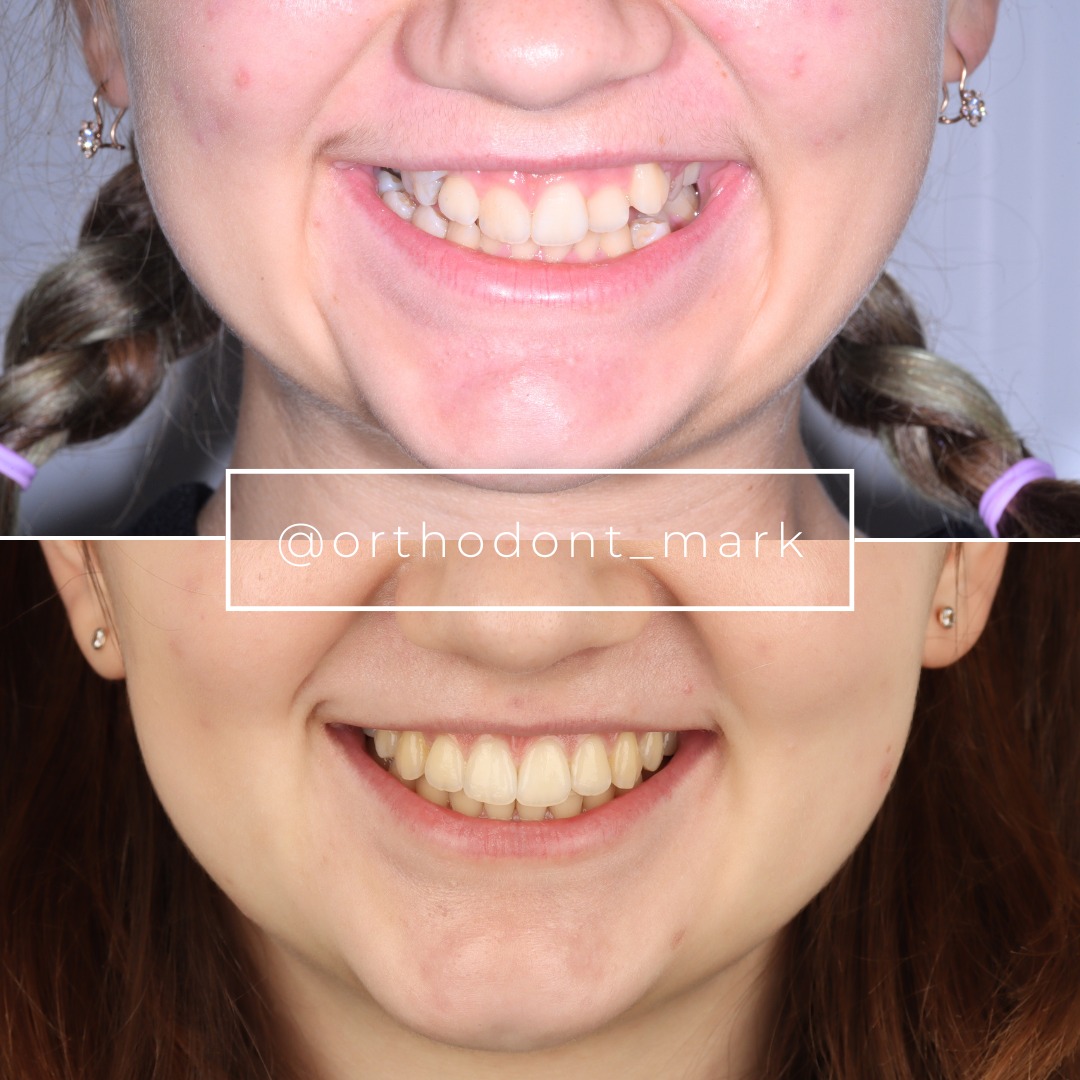
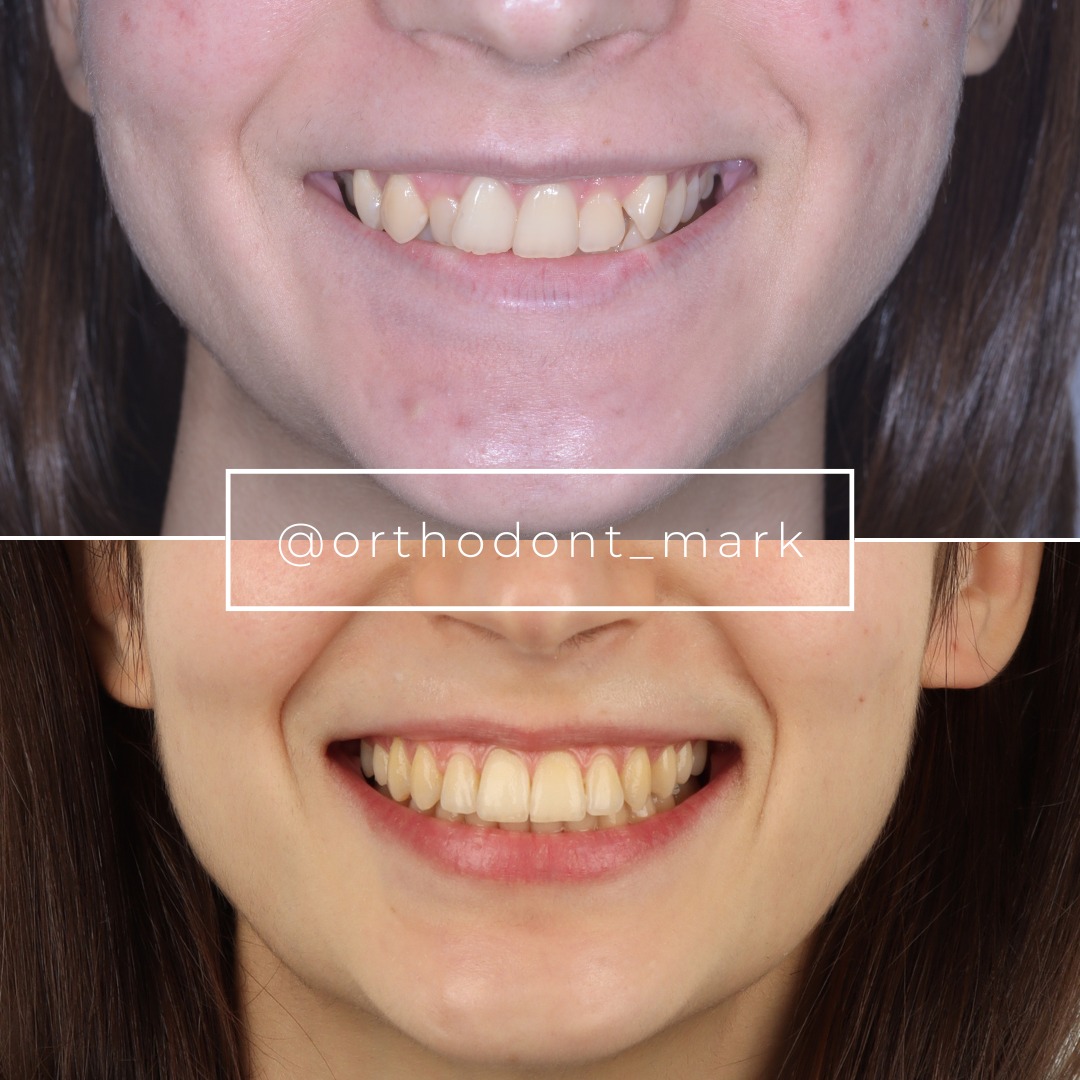
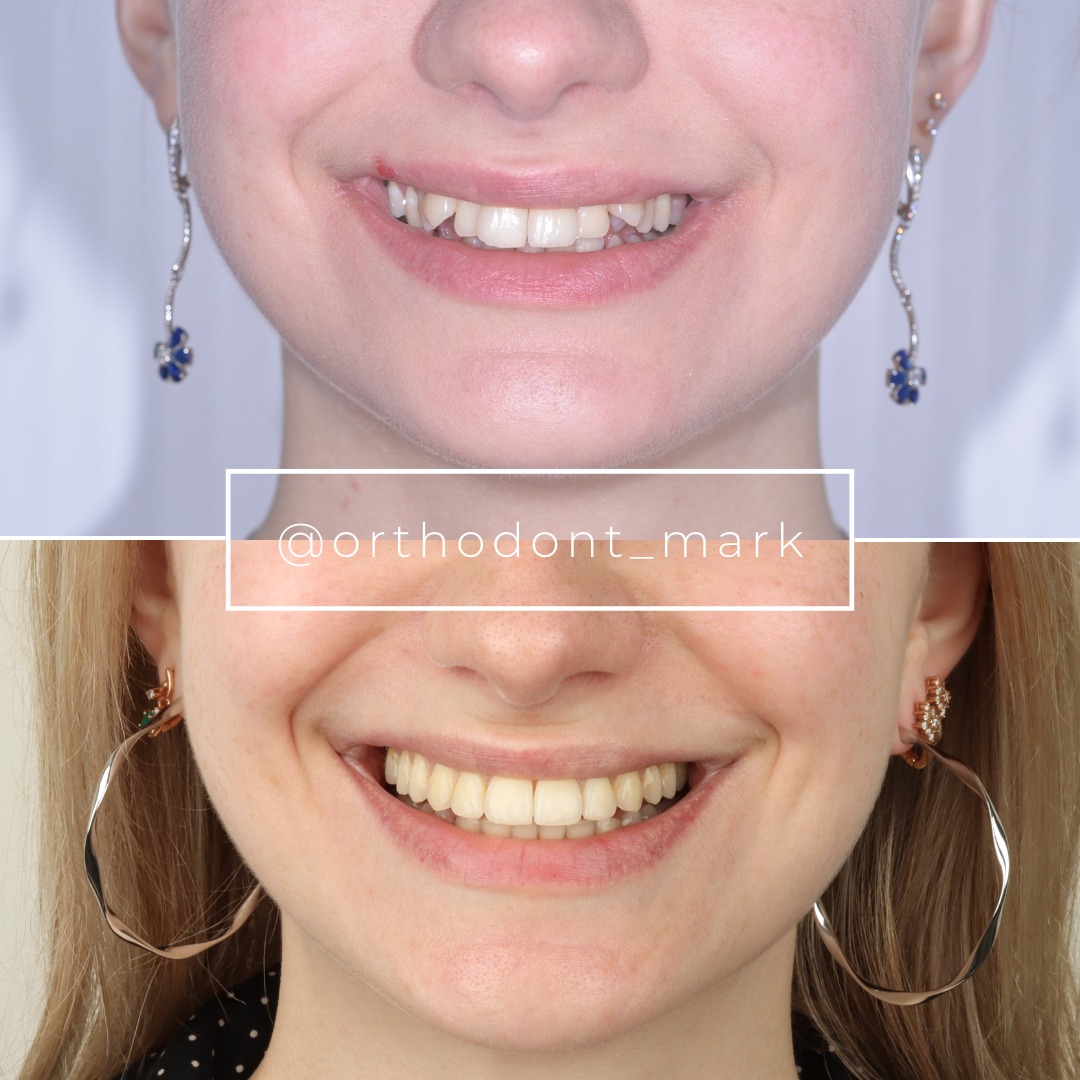
Learn the full MARPE protocol from Dr. Mark Radzhabov
Fundamental course covering CBCT patient selection, miniscrew planning, activation protocols, and 60+ clinical cases. Choose the access level that fits your practice.
Essentials of rapid palatal expansion for practicing orthodontists.
- Core RPE concepts and biomechanics
- 6 structured video lessons
- Clinical decision checklists
- Lifetime access to recordings
Deep-dive into MARPE protocol, diagnostics, and clinical execution.
- 6 modules covering MARPE from A to Z
- CBCT case selection walkthroughs
- Miniscrew placement and activation
- 60+ annotated clinical cases
- Direct Q&A with Dr. Mark Radzhabov
5-element medical consultation framework for dentists and orthodontists.
- Trust-building consultation protocol
- 5 lesson modules
- Templates for treatment plan delivery
- Works with any clinical specialty
Clinical FAQ
What is the minimum imaging standard for MARPE treatment planning in adolescent patients?
Baseline low-dose CBCT is mandatory for patients under 18 years old. CBCT confirms midpalatal suture maturity, establishes skeletal anatomy, and enables accurate treatment prediction. This imaging supports both clinical decision-making and medicolegal documentation of informed treatment planning.
How does skeletal expansion assessment without CBCT affect treatment outcome prediction?
Without CBCT, clinicians cannot distinguish between skeletal and dentoalveolar expansion components. Studies show skeletal contributions range 56–83% by appliance type—differences invisible on 2D radiographs. This diagnostic uncertainty compromises outcome communication and complication prevention.
Can conventional 2D radiographs reliably detect midpalatal suture separation in MARPE cases?
No. Two-dimensional radiographs compress three-dimensional suture anatomy onto a plane, obscuring lateral separation, opening patterns, and asymmetry. CBCT is required to verify suture separation and assess expansion vector direction and magnitude.
What is the effective radiation dose from low-dose CBCT in MARPE protocols?
Limited-field-of-view low-dose CBCT delivers 25–50 µSv per scan—comparable to a full-mouth periapical radiograph series and substantially less than medical CT. This dose is considered acceptable when diagnostic questions justify imaging under ALADAIP guidelines.
What cervical vertebral maturation stage permits MARPE without baseline CBCT?
Only CVM stage 6 (fully skeletally mature) patients may potentially defer baseline CBCT, and only with explicit informed consent and anatomical screening. CVM ≤5 patients require CBCT imaging to monitor skeletal response during ongoing growth.
How do I document informed consent if a patient declines CBCT imaging for MARPE?
Record that CBCT was recommended as standard protocol, document reasons for patient declination, note established clinical milestones for CBCT acquisition (e.g., if expansion plateaus or asymmetry emerges), and include radiographs/photographs in the file demonstrating baseline anatomy assessment.
Can MARPE be successfully completed without midtreatment imaging monitoring?
No safe protocol omits all imaging during MARPE treatment. At minimum, post-expansion CBCT (within 1–2 weeks of final activation) should verify skeletal response, suture opening, and alveolar bone status. Midtreatment imaging allows detection of complications before permanent tissue damage occurs.
What anatomical risk factors mandate CBCT in MARPE regardless of skeletal maturity?
History of palatal trauma, prior maxillary surgery, clinically evident midline asymmetry, suspected suture ankylosis, or unusual palatal vault anatomy all warrant CBCT regardless of age. These factors increase risk of atypical expansion response and demand three-dimensional verification.
Does omitting CBCT in MARPE cases create medicolegal liability exposure?
Yes. If complications arise (unexpected tipping, alveolar bone loss, asymmetric expansion), absence of pre- and post-treatment CBCT documentation makes it difficult to defend clinical decision-making. CBCT records establish standard-of-care compliance and treatment rationale defensibility.
How should I adapt my MARPE protocol if a skeletally mature patient declines CBCT imaging?
Reduce activation frequency (0.5–1.0 turn daily instead of standard protocol), conduct clinical assessment every 2 weeks, establish specific criteria for CBCT acquisition (expansion plateau, asymmetry, discomfort), and document all clinical observations with photographs to enable early complication detection.
MARPE without CBCT may be defensible only in highly selected, fully-grown patients with clear clinical evidence of midpalatal suture maturation and minimal skeletal asymmetry. For growing patients and complex cases, the diagnostic certainty provided by CBCT imaging substantially outweighs radiation concerns, especially at low-dose protocols. Dr. Mark Radzhabov recommends case consultation and evidence review before committing to MARPE-only protocols—consider reaching out for a detailed case assessment at ortodontmark.com.